



Kenosha’s Streetcars
Beginning in 2000,
What follows is a collection of
photos of the cars.
4606:
PCC
4606 is painted in the
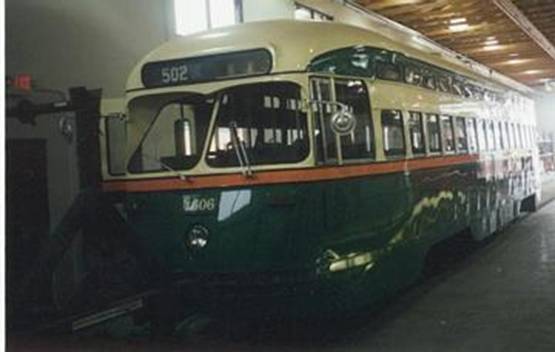
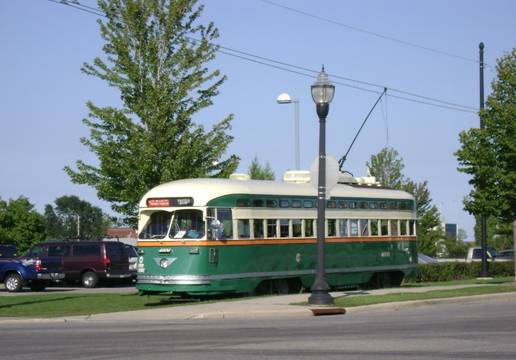
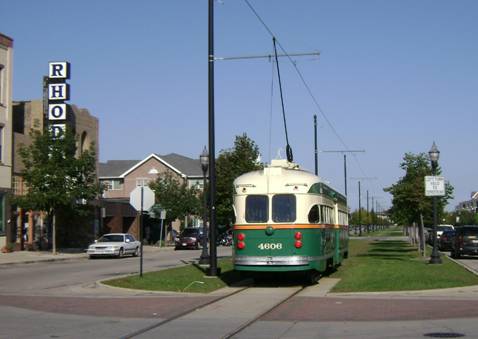
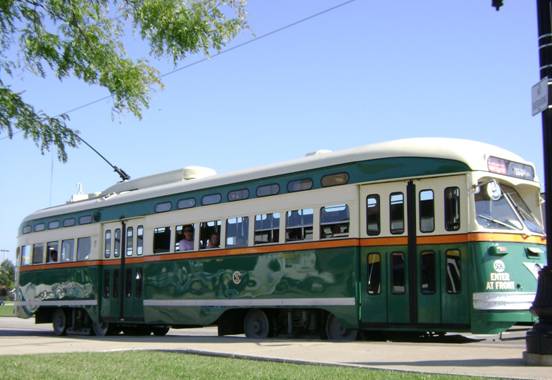
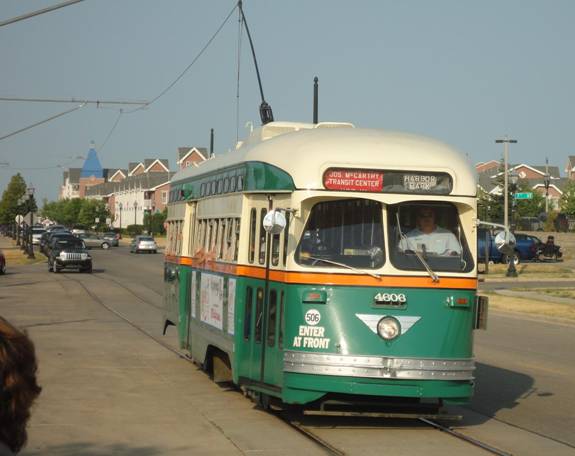
Here
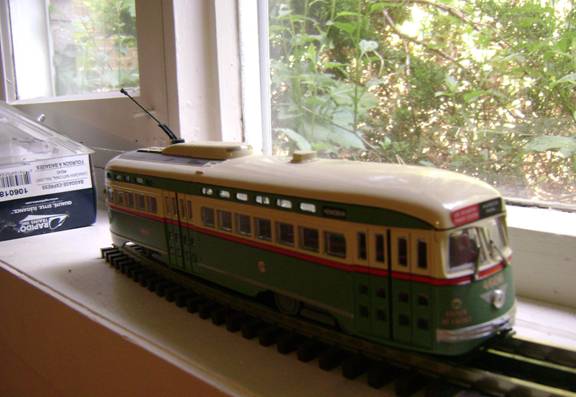
is a Corgi model of 4606. Corgi has made a whole series of PCCs, but 4606 is
the only car in
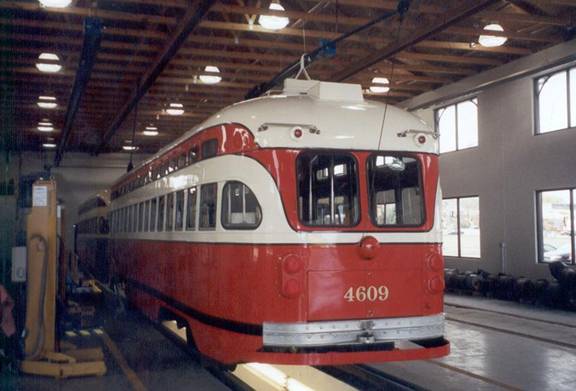
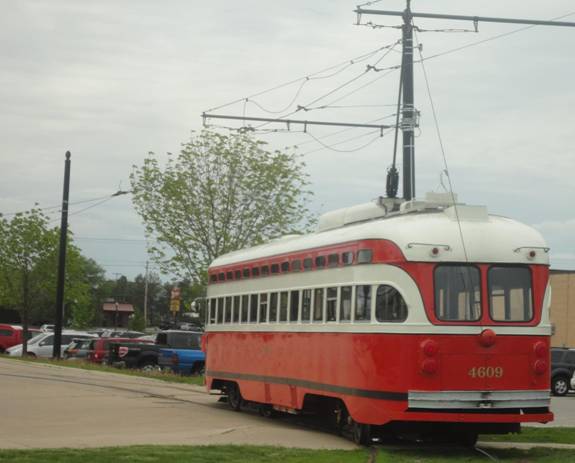
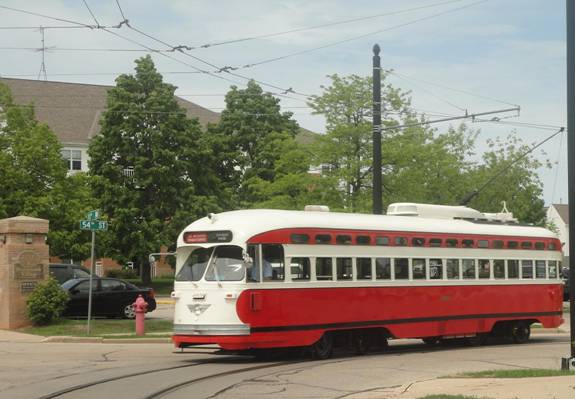
4609
Car
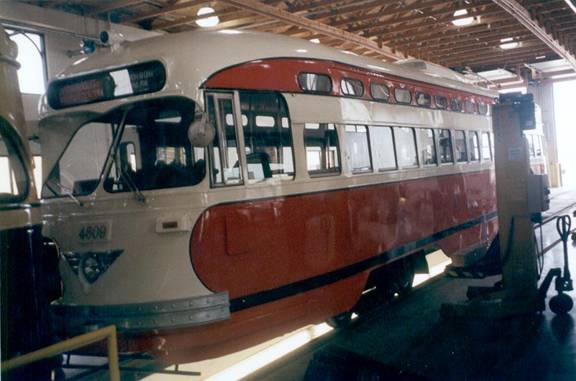
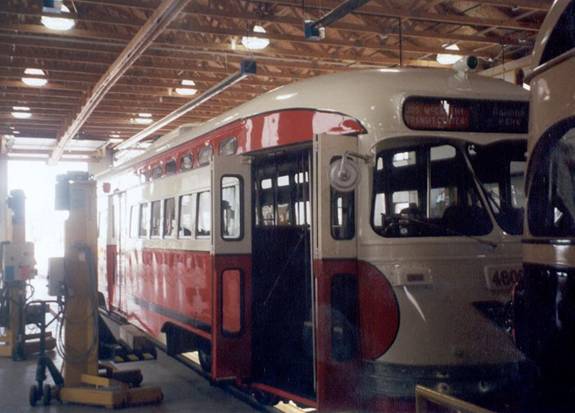
4609 is painted in
Car
4609 was the only car I didn’t see in 2000 when I first visited

4610
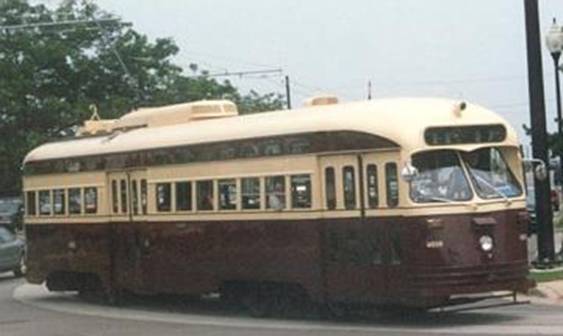
PCC
4610 retained its
I
actually rode 4610 in service when it was in
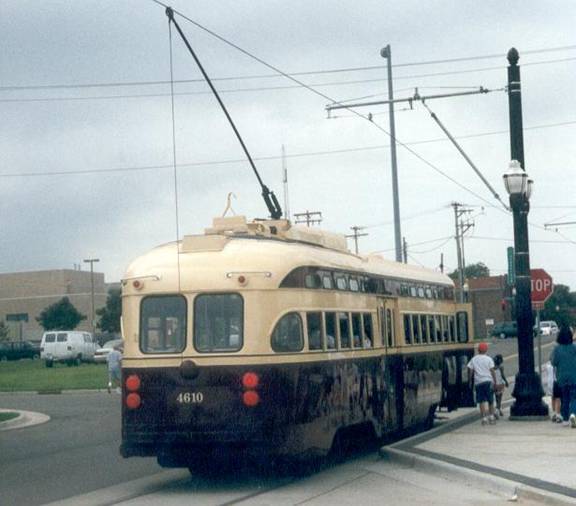
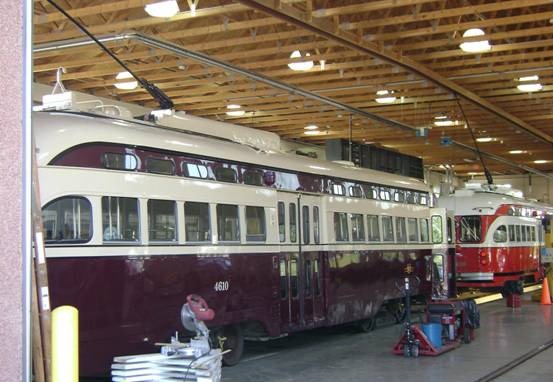
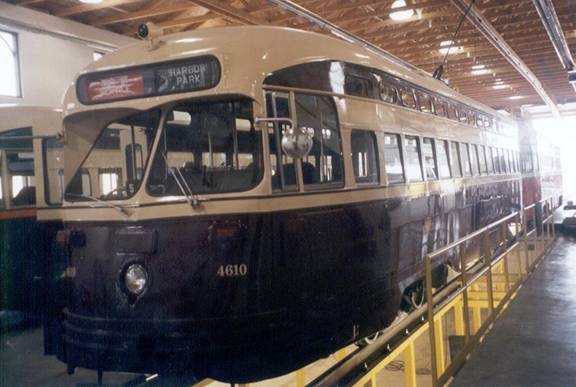
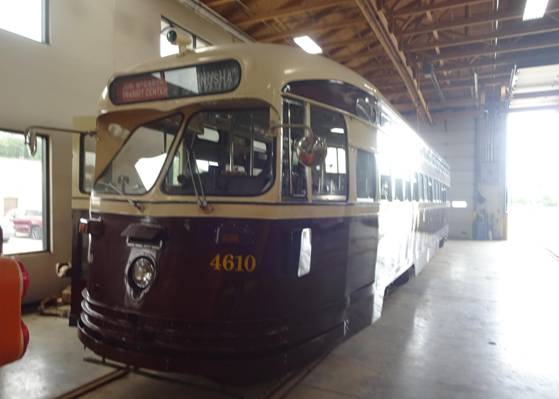
The
following photo is courtesy of Greg Stepanek.
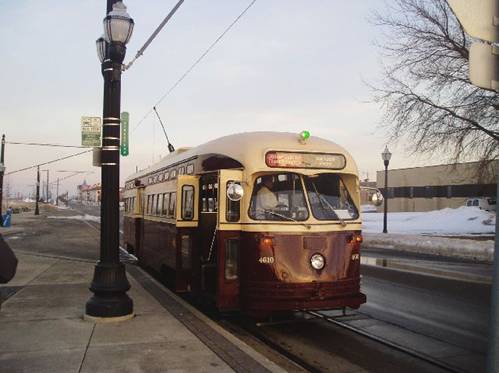
The
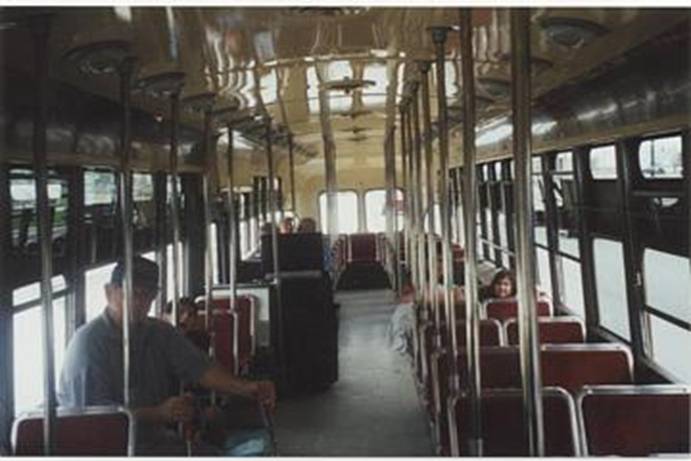
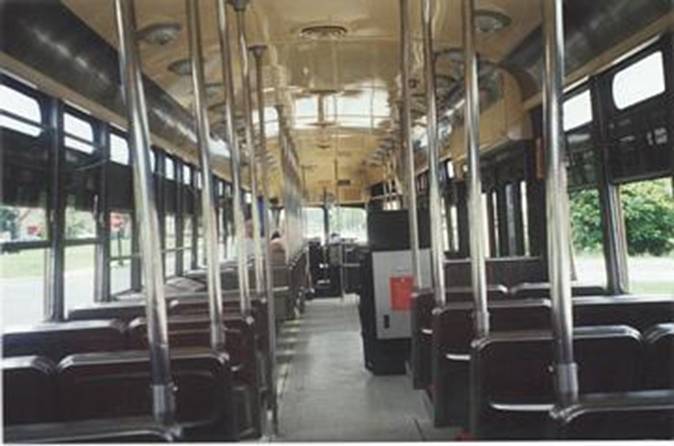
next two shots show 4610’s interior in Kenosha. The car’s seat cushions were
replaced prior to arriving in Kenosha. Cars 4606 and 4609 also have similar
seat cushions.
4615
PCC
car 4615 is painted for Kenosha. However, the livery is identical to Johnstown
Pennsylvania. Prior to purchasing the five Toronto cars, Kenosha never ran
PCCs. Johnstown was the smallest trolley network to buy PCC streetcars. Despite
the fact some streetcars that were operated by Johnstown survive, not a single
PCC from there was saved.
I
rode 4615 when it was running in Toronto and on the first three times I visited
Kenosha.
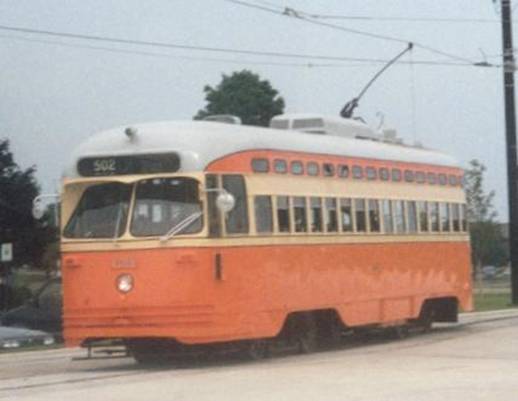
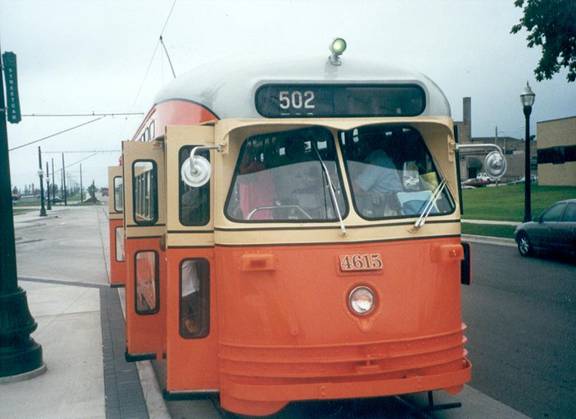
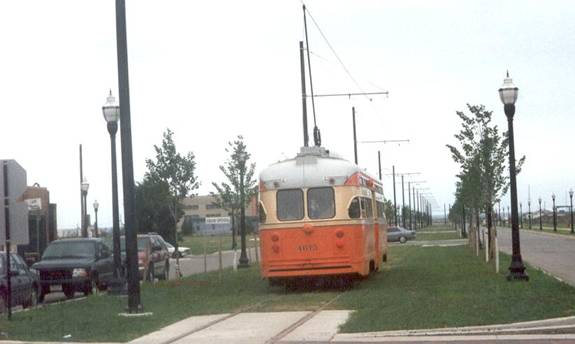
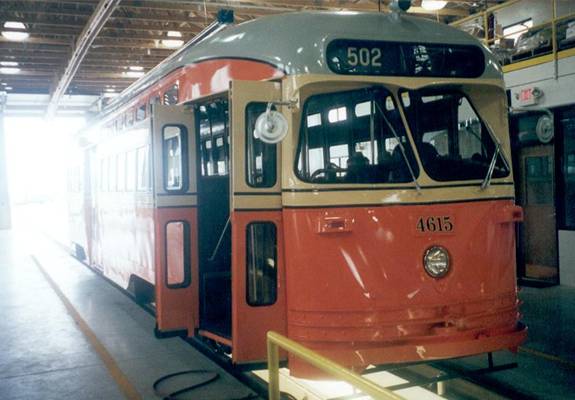
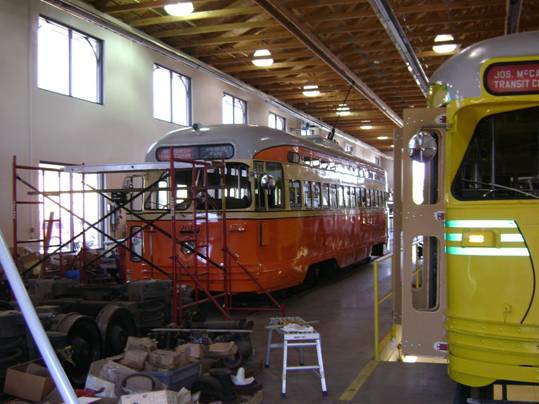
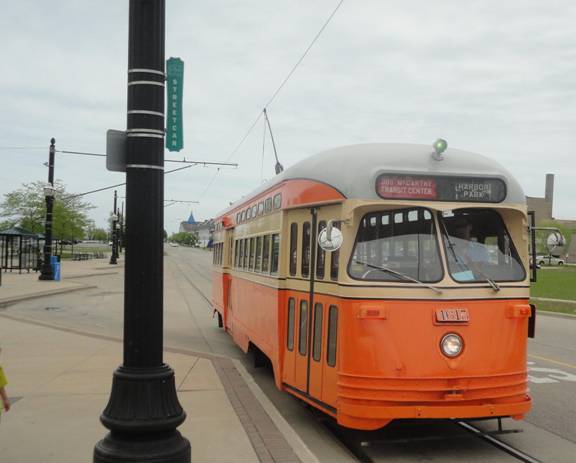
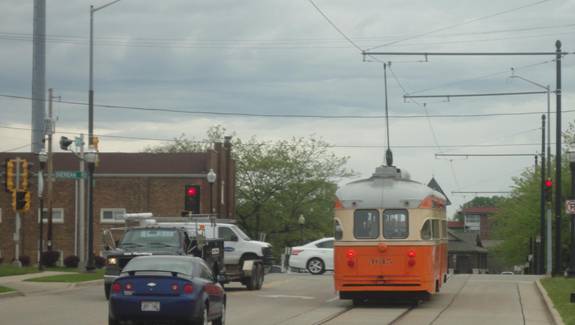
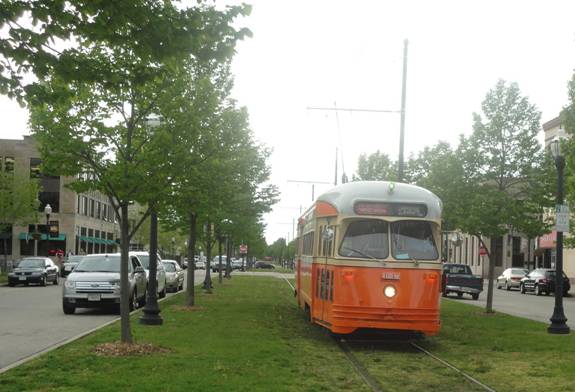
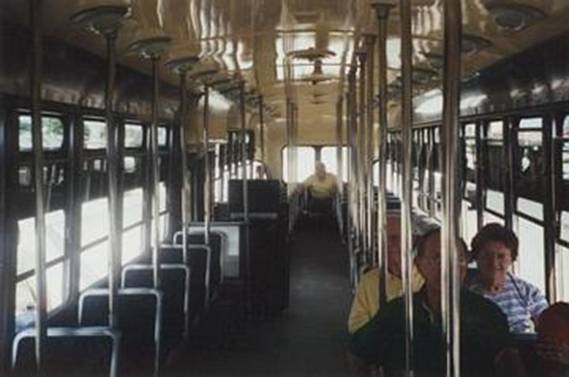
The next
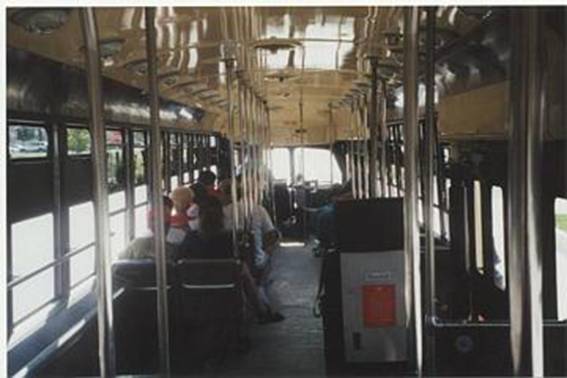
two views shows 4615’s interior in Kenosha. Car 4616 has similar seat cushions.
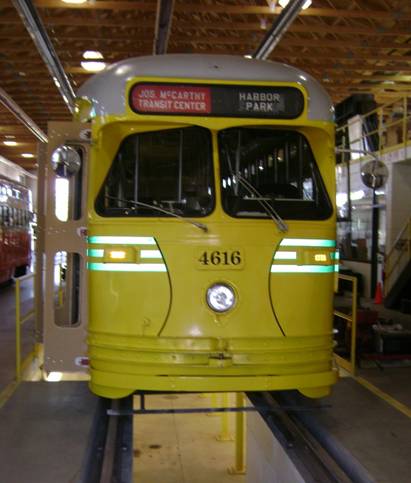
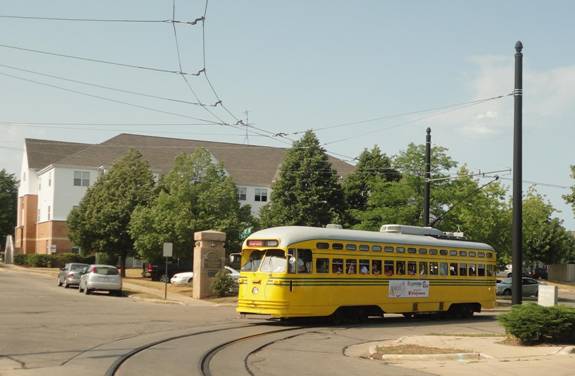
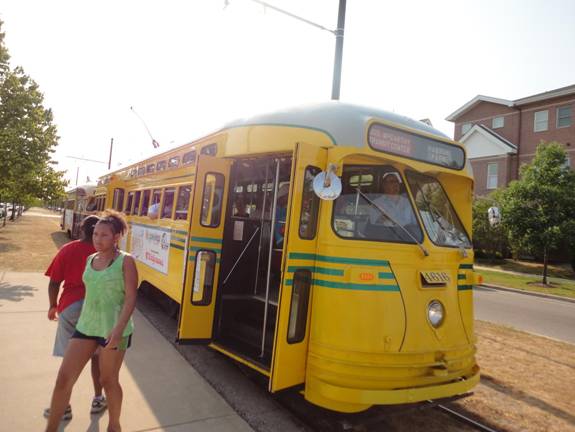
4616
PCC
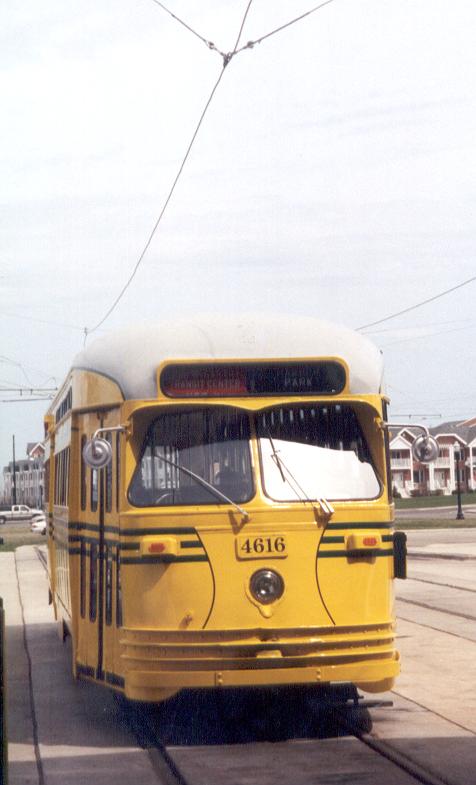
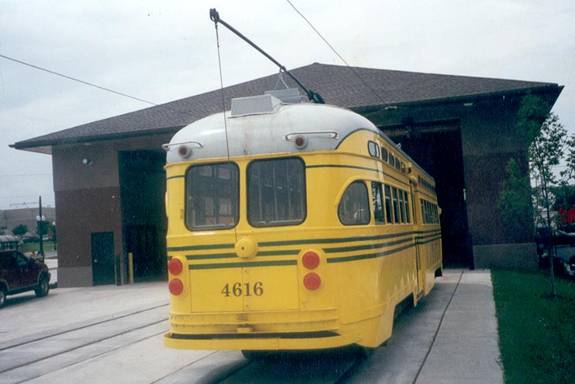
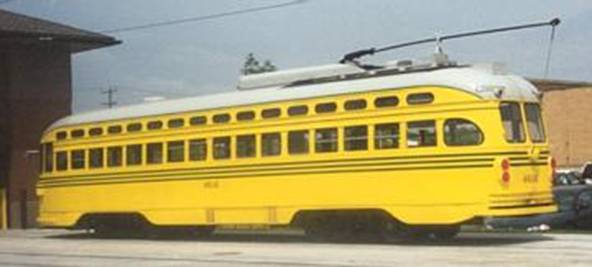
4616 is painted in the livery of the Cincinnati streetcar system. Cincinnati’s
PCCs were unique as they ran under double wire like a trolleybus than the usual
one. Most of Cincinnati’s PCCs were sold to Toronto where they were modified to
operate under single wire. 4616 was not one of the cars and none of the
original Cincinnati PCCs survive. 4616 was delivered to Kenosha with its
original seat cushions which were subsequently replaced with ones similar to
what’s on car 4615. I rode 4616 in Kenosha in 2012.
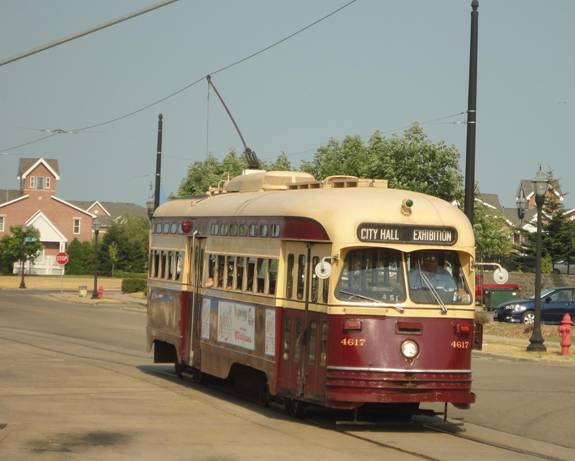
4617:
In
2011, Kenosha acquired former Toronto PCC #4617 from East Troy. #4617 wasn’t
used a lot at East Troy because there were no loops or wyes to turn the car around.
To facilitate back up moves, the people at East Troy installed a second trolley
pole at the front. The pole was removed in Kenosha, but the area where the pole
was installed still shows where it was.
Car
4617 was in its original Toronto livery when I rode it in 2012.
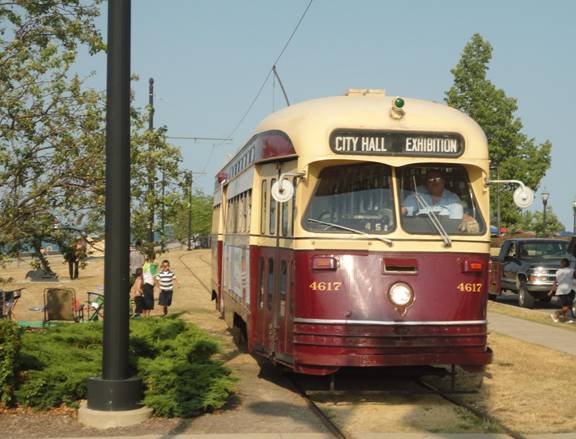
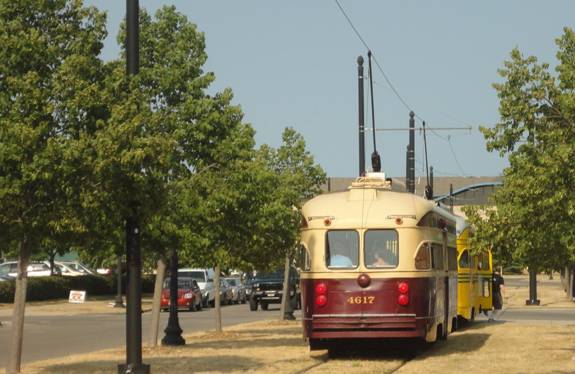
Here’s
PCC #4617 at East Troy back in 2000.
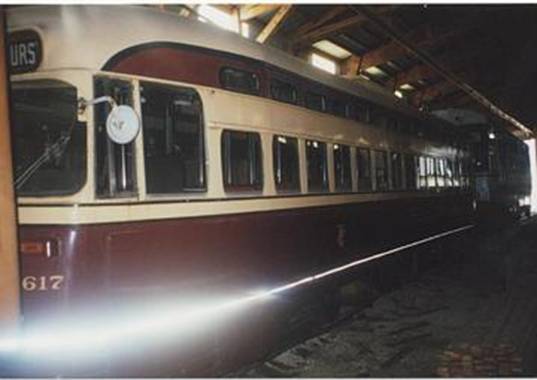
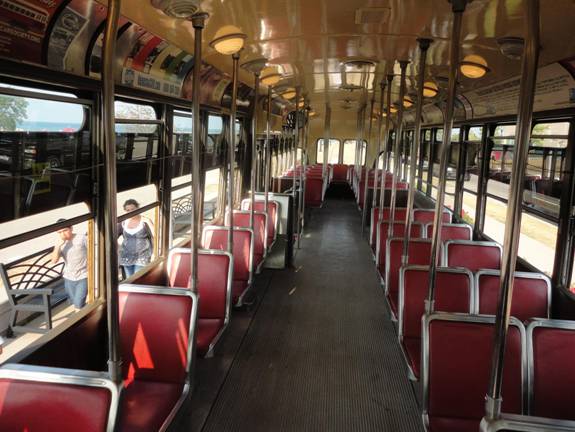
Here
are two interior shots showing the unmodified interiors of the cars. 4617 still
has its original seat cushions and when I rode it in 2012, it hadn’t had a
wheelchair lift installed yet.
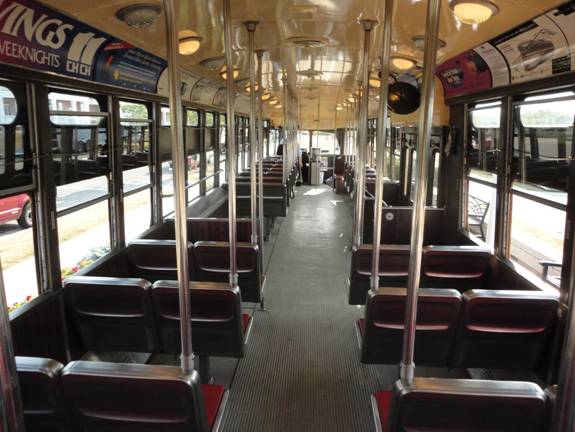
In
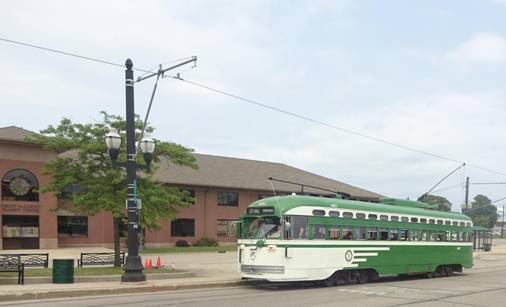
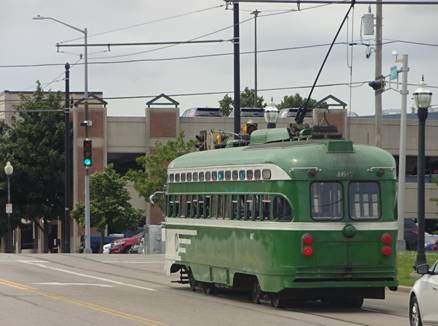
2013, the people in Kenosha were preparing to paint 4617 into San Francisco
colours.

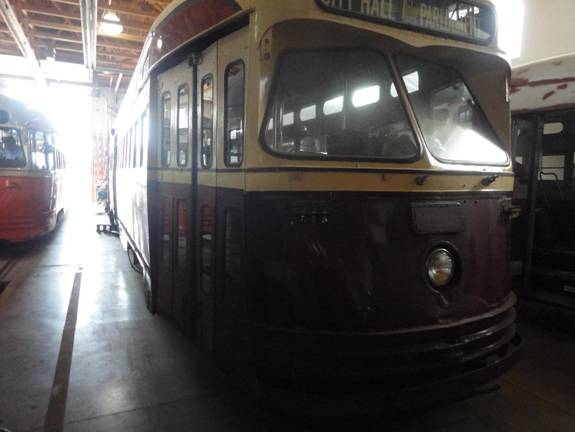
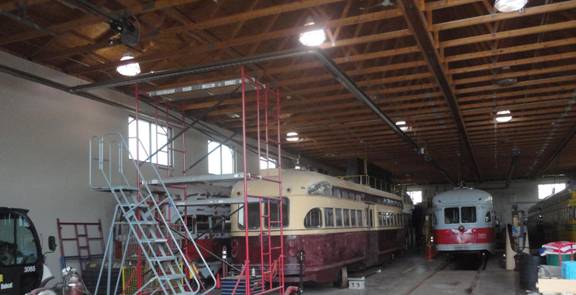
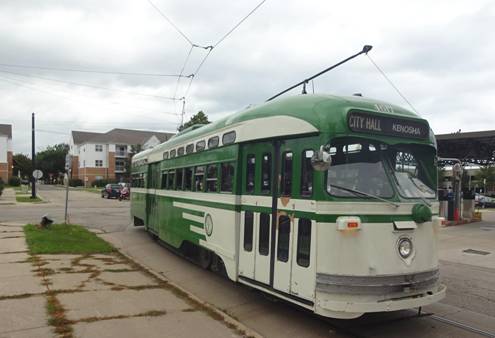
PCC
4617’s repainting was completed in 2015. However it wasn’t until 2024 that I
was able to go down and get some shots of the car in
2120:
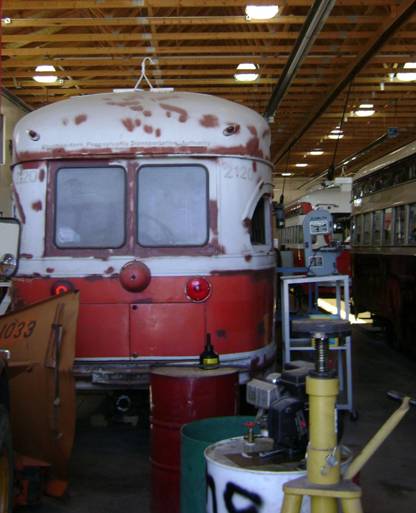
Car
2120 was acquired from the East Troy Electric Railway. The members at the museum
were at one point considering painted it in Chicago Green hornet colours (like
4606 in
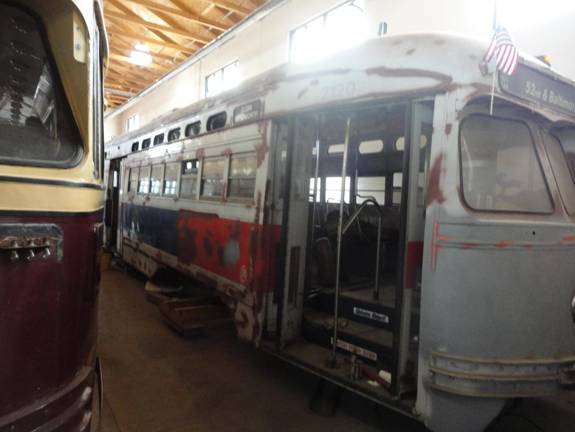
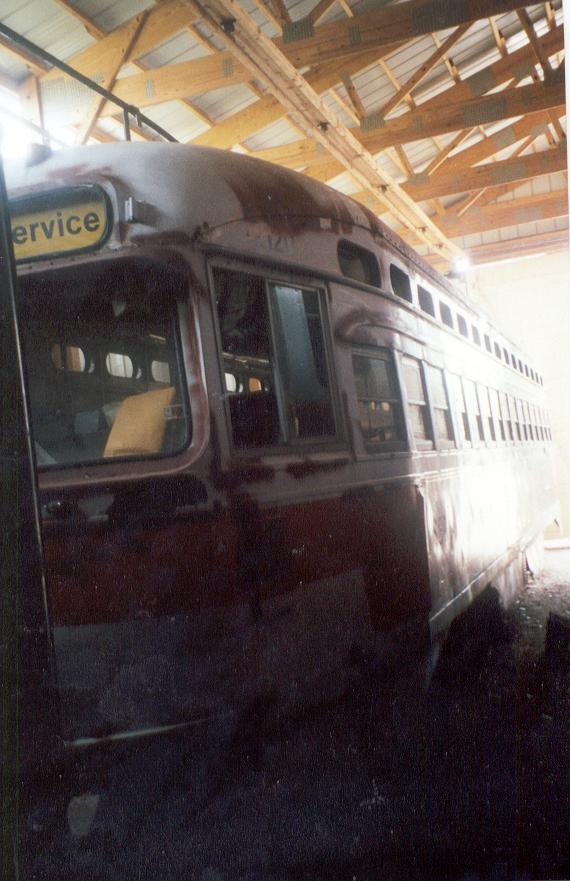
This
view shows 2120 at
2185:
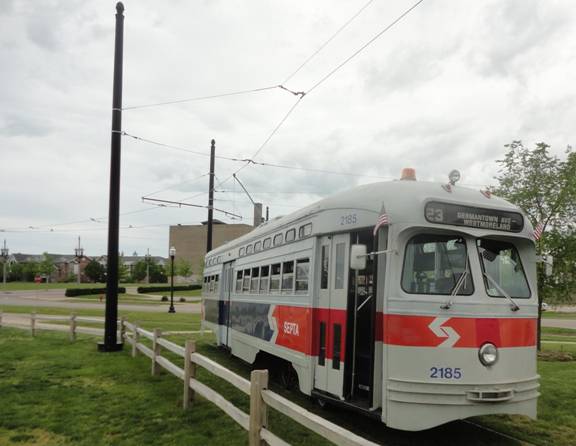
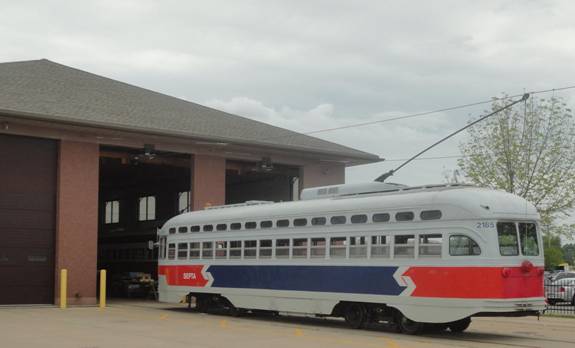
At
the same time
Here
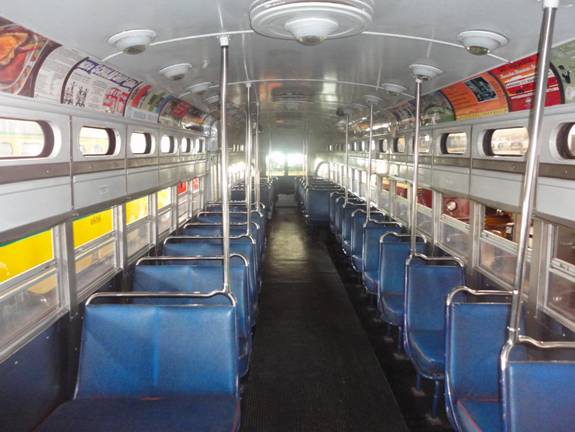
are two interior photos of 2185. Presumably, 2120 has similar seats.

Here
is a picture of it at
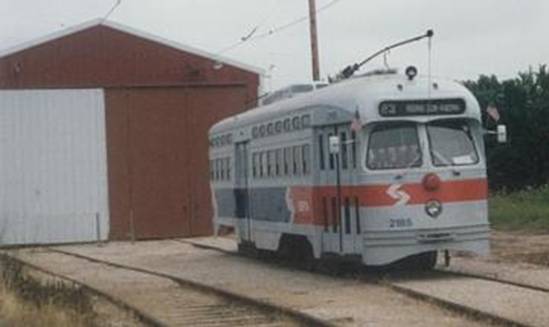
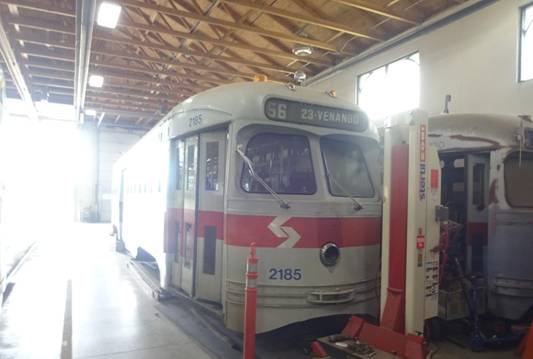
In
2024, car #2185 was stored off track due to a lack of track space in the car
barn. Hopefully they can install a third track for the car.
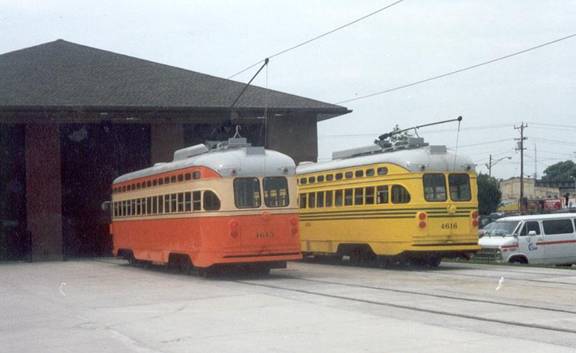
Multiple cars:
This
view shows cars 4615 and 4616 outside the car house.
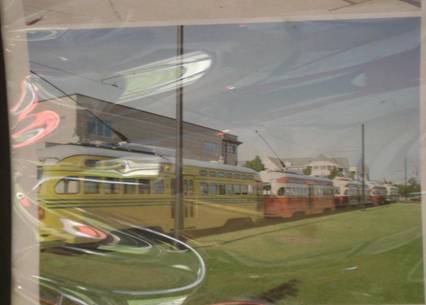
This
view shows all five cars lined up in numerical order. This picture is actually
of a picture I saw in 4606.
This
view shows cars 4606 and 4615 in the car house.
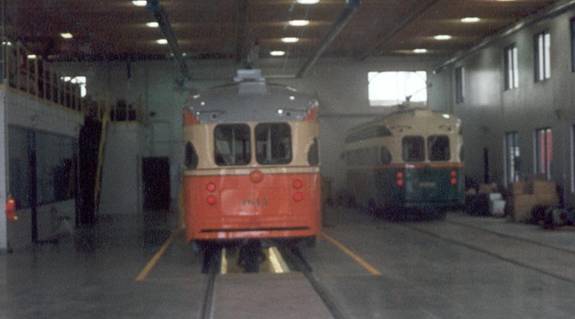
Here’s
4610, 4606, and 4616 in the car house.
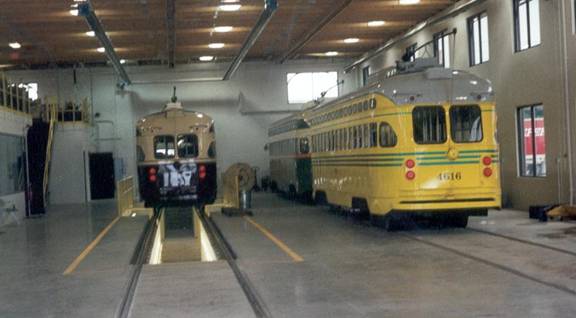
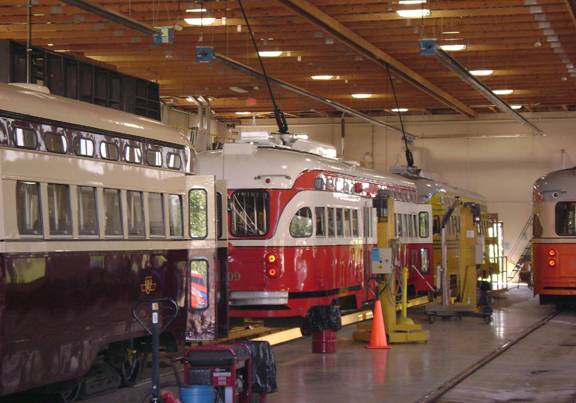
Now
here are cars 4609 and 4616 in the car house with a peek of car 4610.
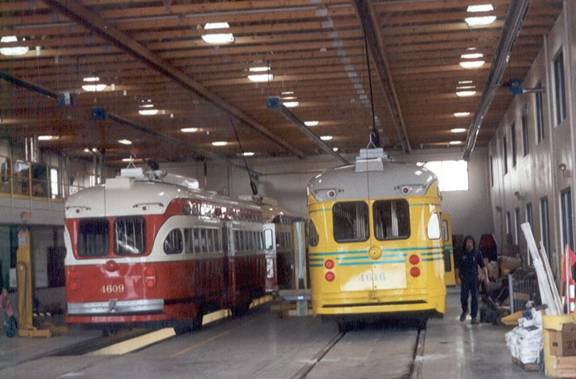
Here
are cars 4609 and 2185 in the yard.
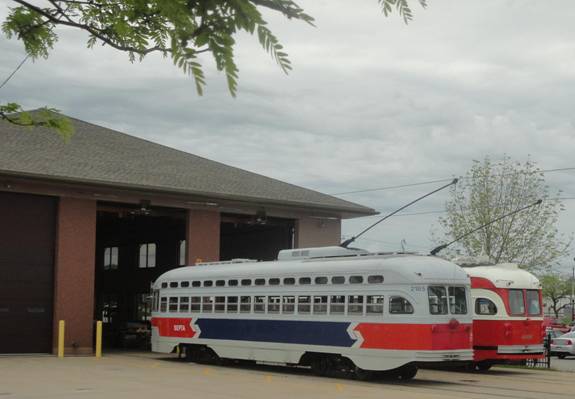
Miscellaneous:
I
bought this postcard when I visited
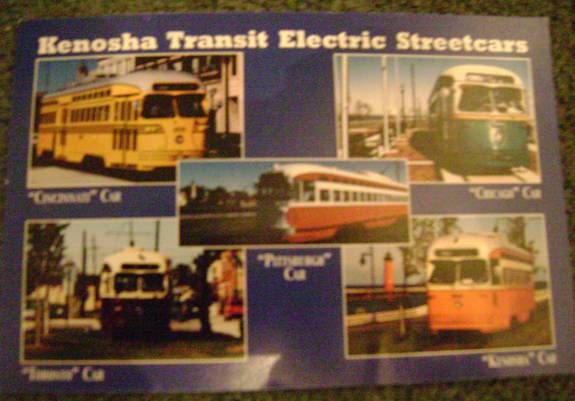
When
I visited