



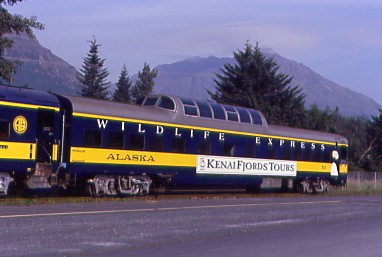
After riding the Alaska Railroad's Coastal Classic train in Seward, the bus delivered us to the Alaska Heritage Tours office and I went in to get my boarding pass then boarded the Coastal Explorer Boat.
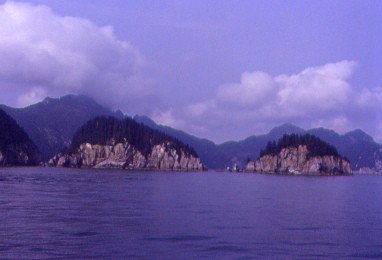
Sweeping from rocky coastline to glacier-crowned peaks, Kenai Fjords National Park encompasses 607,805 acres of unspoiled wilderness on the southeast coast of Alaska's Kenai Peninsula. The park is capped by the Harding Icefield, a relic from past ice-ages and the largest icefield entirely within American borders. Visitors witness a landscape continuously shaped by glaciers, earthquakes and storms. Orcas, otters, puffins, bear, moose and mountain goats are just a few of the numerous animals that make their home in this ever-changing place where mountains, ice and ocean meet. The Park offers a range of opportunities for visitors, students and scientists to explore, study and enjoy this special piece of our nation's natural and cultural heritage.
Kenai Fjords National Park Geographic OverviewKenai Fjords National Park is a sequestered glacial landscape of ice, tidewater glaciers, deeply chiseled fjords and jagged peninsulas formed by the forces of the Harding and Grewingk-Yalik icefields as they plunge into the sea. Located on the southeastern or seaward coast of the one hundred and seventy-mile-long Kenai Peninsula, the park abuts the Kenai Mountains to the north and west. These lofty mountains, part of the Chugach and St. Elias ranges, bisect the peninsula close to the southeastern coast and extend to Kodiak and Afognak islands. Only the mountain peaks (nunataks) are visible above the permanent mantle of ice and snow of the icefield. Along the coast, the summits of the same mountain range surface as offshore island stacks. As the glaciers recede the fjords deepen, enlarging and exposing peninsulas that indent the coast and disappear into the sea.
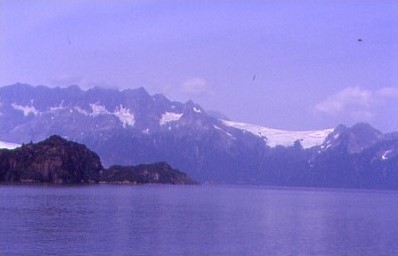
This park has a very dynamic setting as it is located on an active tectonic shelf of the Pacific Ocean Plate that follows the coast from Port Dick (west of Nuka Bay) to Day Harbor (east of Seward). This is one of the most seismically erratic regions of the United States. During the 1964 earthquake, lands within the Kenai Fjords National Park subsided. The tremor dropped the coastline from three to six vertical feet in most areas and attempted to counterbalance the force by raising it in others. As the shifting plate moves and grates against the continental landmass, the coast submits to the sea. This process is believed to have begun after the last major period of glaciation, 20,000 years ago.
The Kenai Fjords Tour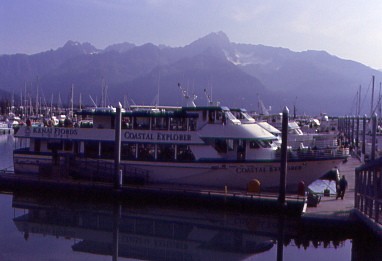
We reversed from the dock at 11:45 AM backing and I chose a bench seat at the rear of the second deck.
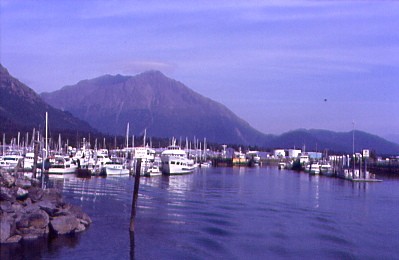
The boat made its way out of Seward's small harbor and out into Resurrection Bay, where we picked up speed.
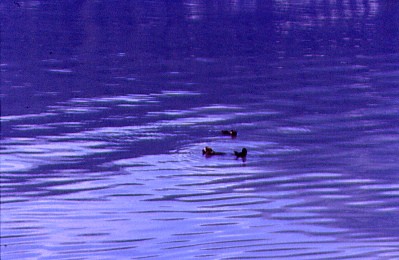
The pilot spotted a pair of sea otters and slowed to a crawl so everyone could photograph them.
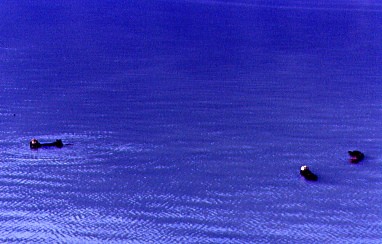
Minutes later three more otters were spotted.
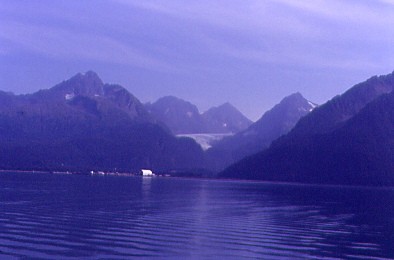
After a few more minutes, we passed Goodwin Glacier and Marathon Mountain stood high above Seward behind us. We then sailed by Lowell Point and later Caines Head, which housed a fort during World War II.
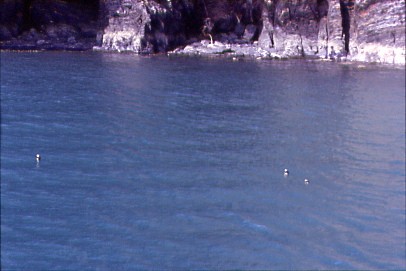
Here are three puffins enjoying their day.
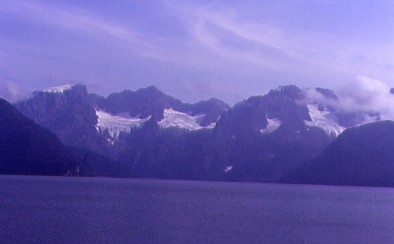
While everyone was on the starboard side with, here is the view from the port side.
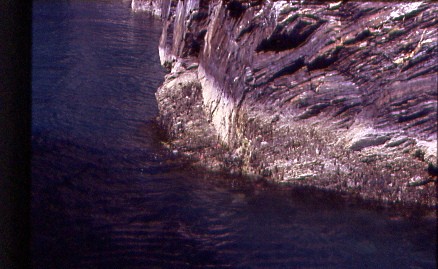
The boat moved close so everyone could view the red star fish clinging to the rocks.
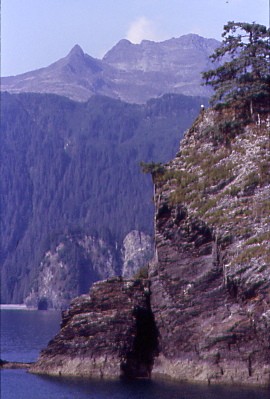
Moments later a bald eagle was spotted up on the point above the red star fish.
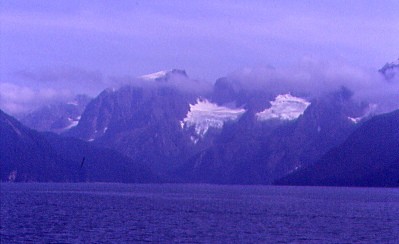
The fantastic glaciers above Resurrection Bay to the northeast.
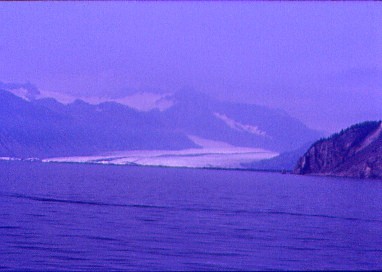
We passed Calisto Head and Bear Glacier came into view then travelled past Fox, Hive and Rugged Island to our right and crossed the Harding Gateway out into the Gulf of Alaska. The swell today was a mere one foot but we were told that last week they had 14 foot swells and 40 mile-an-hour winds. I was certainly glad to be on board today and have had good luck with the sea and weather on this trip. All passengers then chose their lunch of either fish or chicken strips with lemonade or ice water to drink.
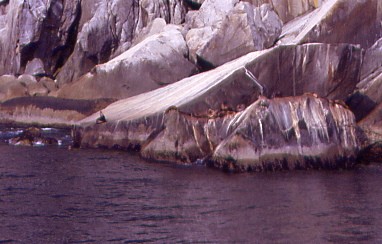
Stellar sea lions were on the rocks of No Name Island.
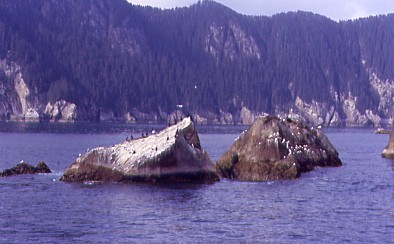
Various sea birds were also on the rocks there.
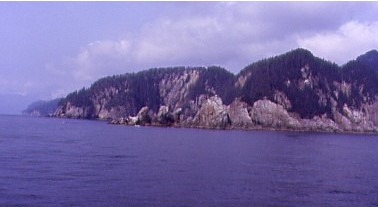
Our ship rounded Alligo Point with interesting rocks.
Looking up Aialik Bay.
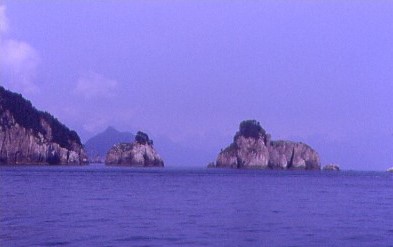
It always amazes me where you can find trees.
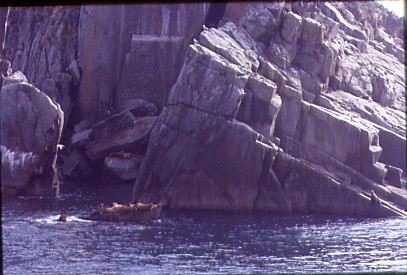
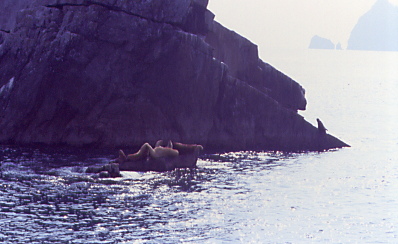
More sea lions on Grotto Island.
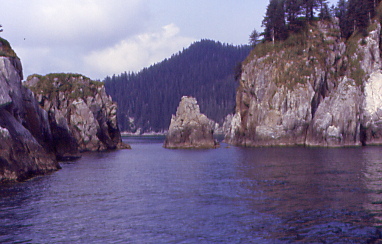
There were plenty of interesting rocks.
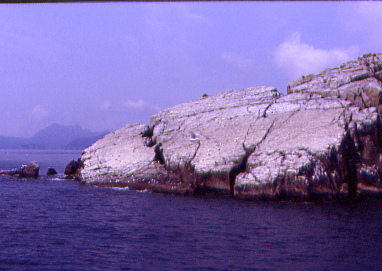
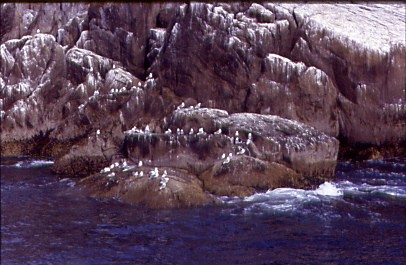
More birds seen from the boat.
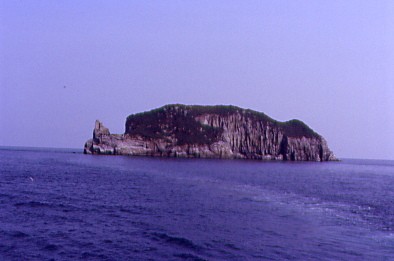
Grotto Island.
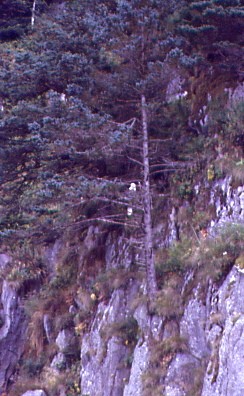
Two bald eagles in this tree.
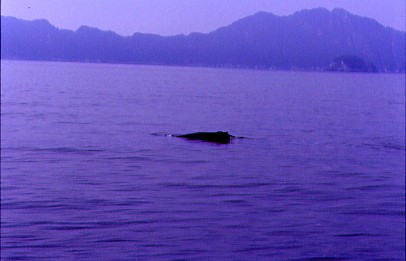
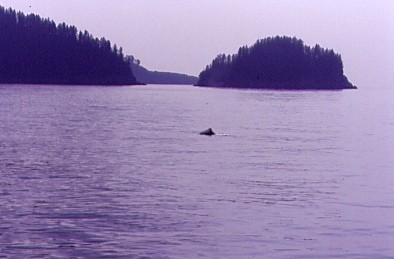
Look for a group of birds feeding and sometimes you can find a humpback whale.
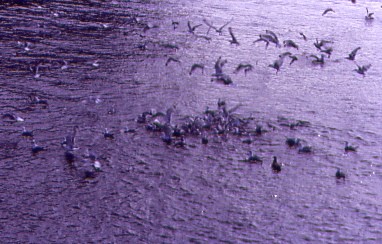
It was feeding time for the birds.
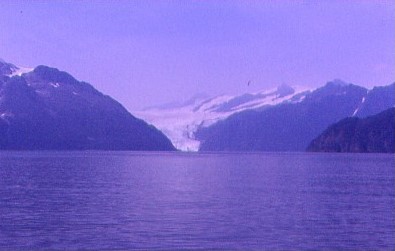
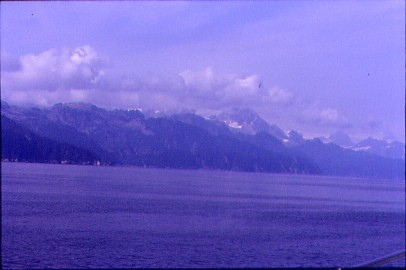
We took off a few minutes later sailing up Aialik Bay as the great and stunning views continued.
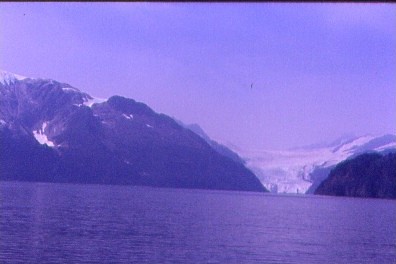
Holgate Glacier from a distance, which flows outward from the Harding Icefield toward Holgate Arm of Aialik Bay. It was named for Dr. Thomas F. Holgate, Dean of the College of Liberal Arts of Northwestern University.
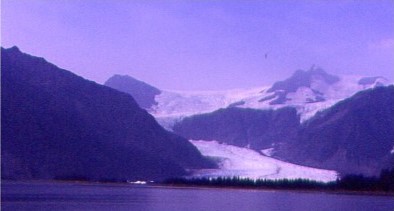
The magnificent Pedersen Glacier, named in 1908 by the U.S. Grant of the U.S. Geological Survey for Reverend L. H. Pedersen, a missionary in Alaska in the late 1800's and early 1900's.
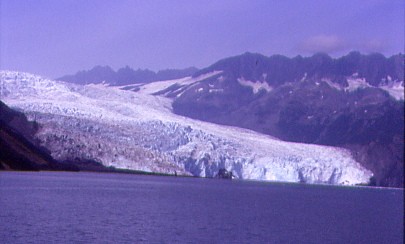
A few minutes later we approached Aialik Glacier. In 1908 and 1909, geologists Grant and Higgins named Aialik Glacier and Aialik Cape after Aialik Bay, a name that originated from an "eskimo name obtained by the Russians and recorded as Bukh[ta] Ayalikskaya." The glacier extends four miles from Harding Icefield to Aialik Bay.
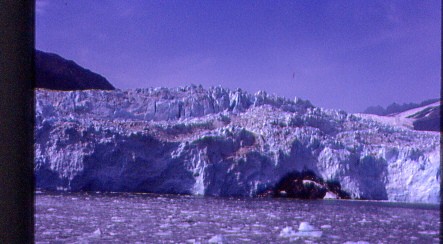
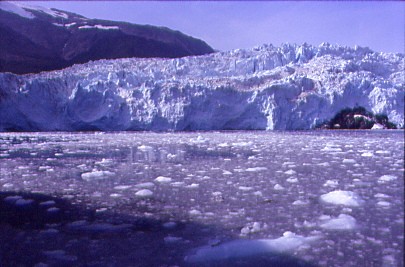
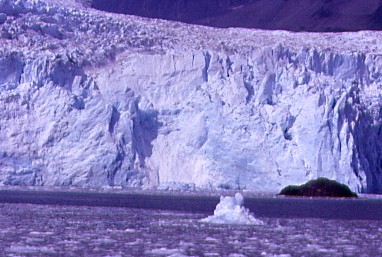
The glacier and it calving.
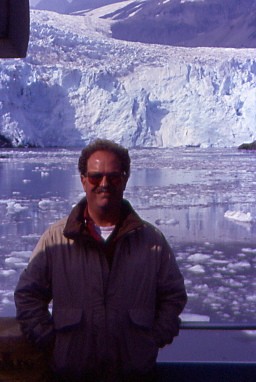
The author and Aialik Glacier. which is fed by the 720 square mile Harding Icefield.
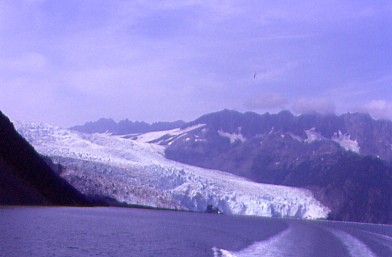
After thirty minutes I said goodbye to this glacier.
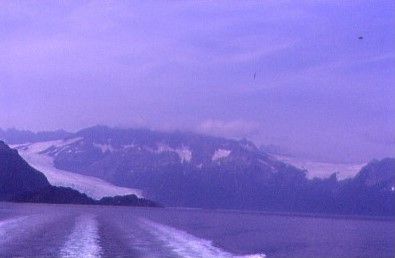
Looking back to where we had been!
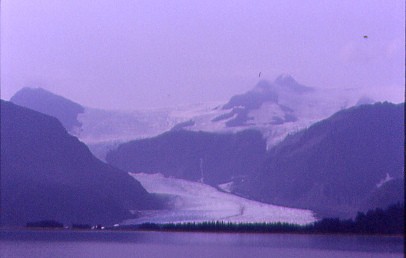
Goodbye to Pedersen Glacier.
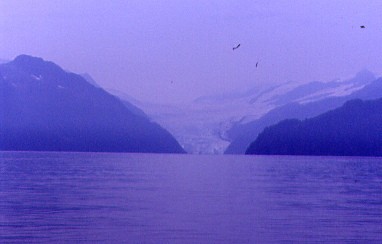
Goodbye Holgate Glacier.
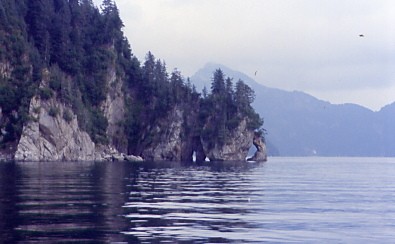
Later our boat passed Three Window Rock.
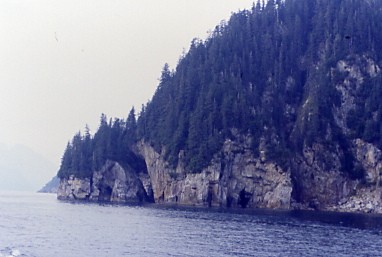
We passed another water-made rock feature.
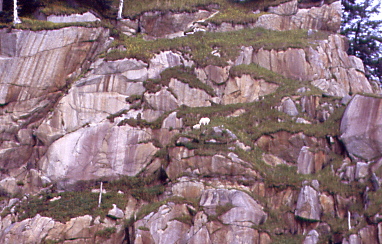
A few minutes later we stopped for a pair of mountain goats, a mother and a kid.
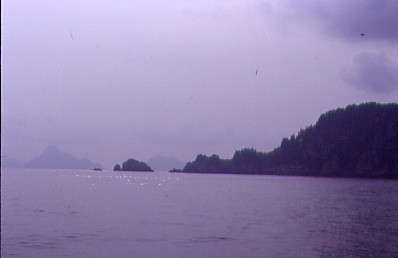
We rounded Aialik Cape then passed No Name Island. Chocolate chip cookies were distributed to all the passengers who were enjoying the tour. A puffin then raced the boat.
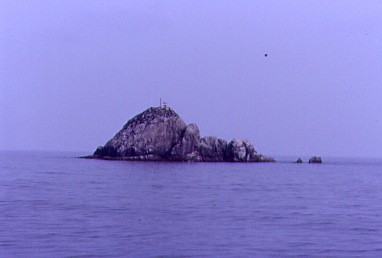
We travelled by Pilot Island.
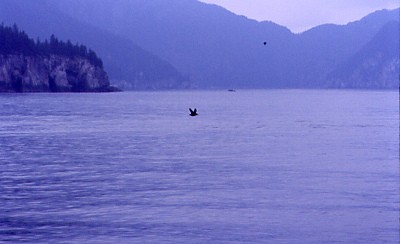
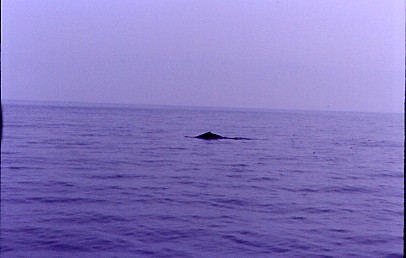
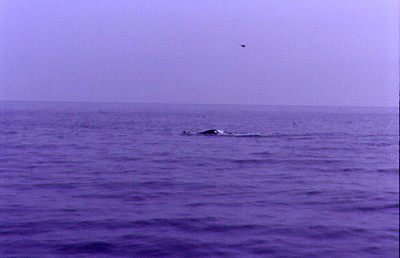
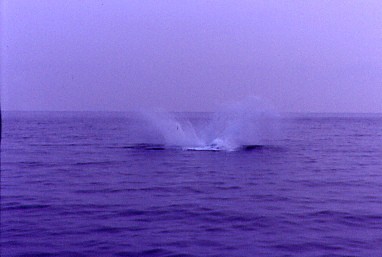
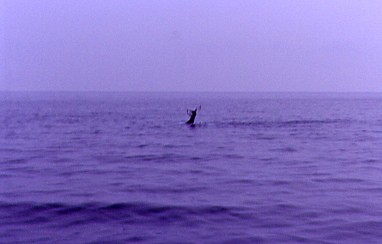
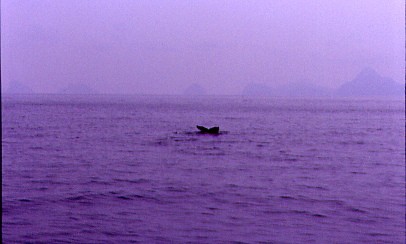
Another humpback whale who did some tail slaps and breached putting on a great show, after which we started the journey back to Seward.
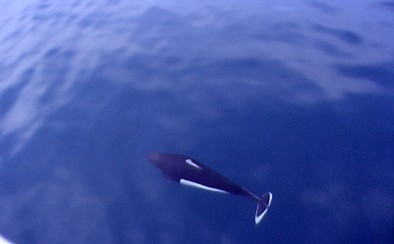
Dall porpoises found our boat and they had a great time. We returned to Seward arriving at 5:36 PM. A special thank you to the entire crew of the Coastal Explorer, Kenai Fjord Tour and to Lisa Cruz, who arranged this wonderful experience for me. If you ever go to Seward, a Kenai Fjord Tour is a must-do. It has my highest recommendation. The bus took me back to the train with plenty of time to spare before my departure back to Anchorage.