




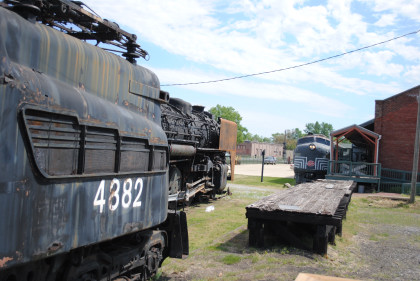
I checked out of my motel in Bryan, Ohio filled the rental car with petrol and went to McDonald's for a breakfast of hot cakes and sausage, then drove to US Highway 6 and stopped just west of Edgerton, Ohio.
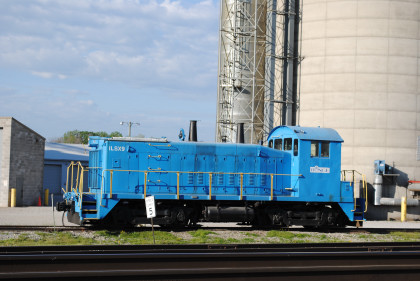
Independent Locomotive Service SW1200 9, nee St. Louis-Southwestern 1064, built by Electro-Motive Division in 1964 at the grain elevator. I drove west to Indiana and the Amtrak station in Waterloo.
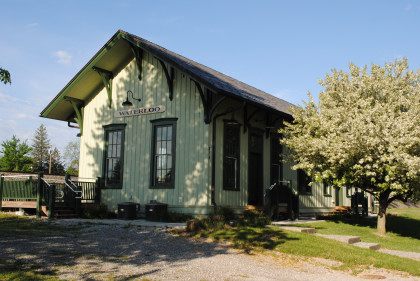

The Waterloo Lake Shore and Michigan Southern station built in 1883.
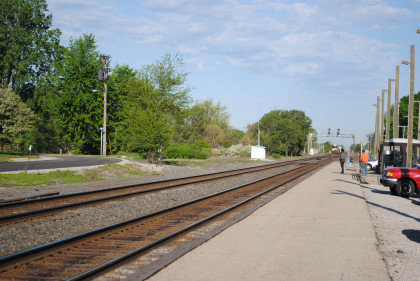
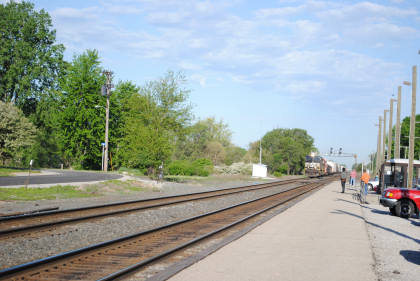
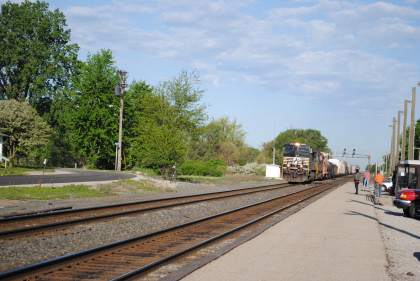
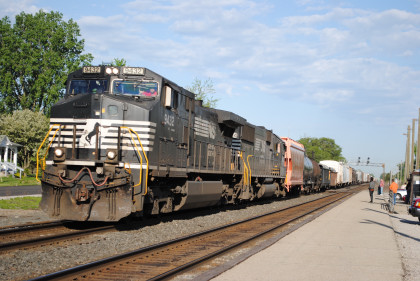
Norfolk Southern 9432 East went through as Amtrak's Lake Shore Limited was on the approach.
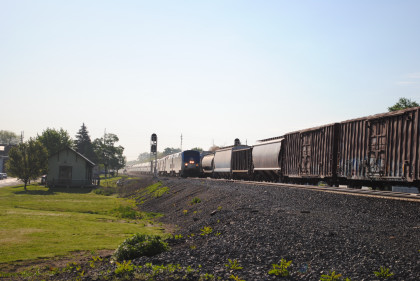
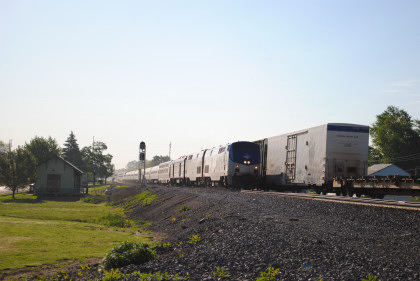
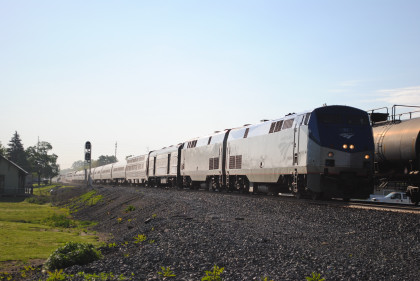
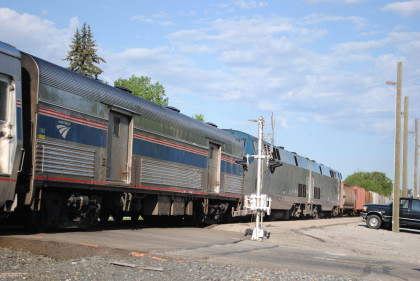
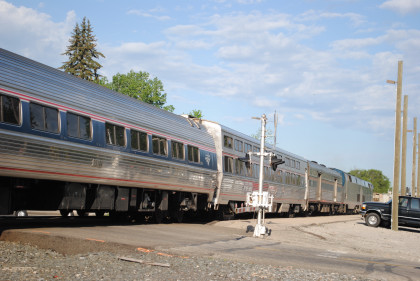
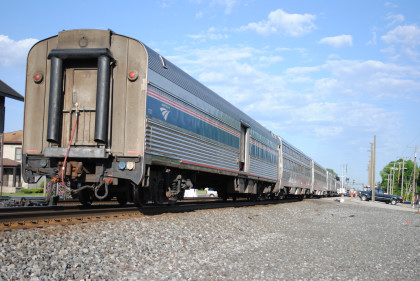
The Lake Shore Limited en route to Chicago.
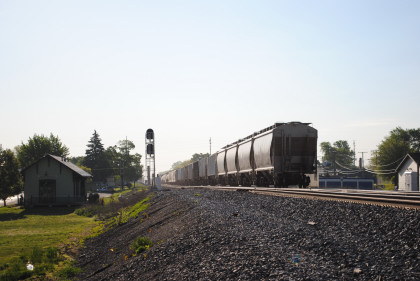
The Norfolk Southern freight continued its eastbound journey. I continued my drive, going west to Interstate 69 and south on Indiana Highway 8 to Garrett, home of the Garrett Historical Society. Founded in 1875 by the Baltimore and Ohio Railroad, the town was named after John Garrett, President. A major point on the Chicago Division, Garrett was at one time the home for car shops, a large roundhouse and engine facility, and was the main passenger station between Willard, Ohio, and Chicago.
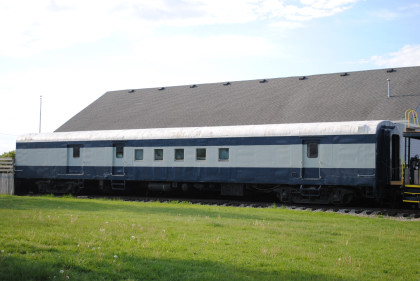
Pullman 18 roomette sleeper 1938 "City of New Orleans" built by Pullman-Standard in 1942. It was sold to Illinois Central and rebuilt as a railway post office car.
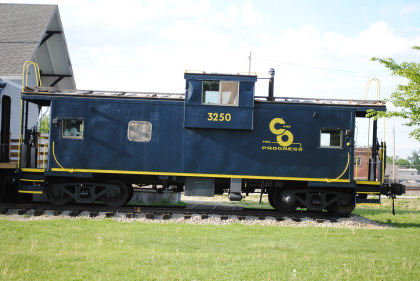
Chesapeake and Ohio caboose 3250, built by International Car in 1969.
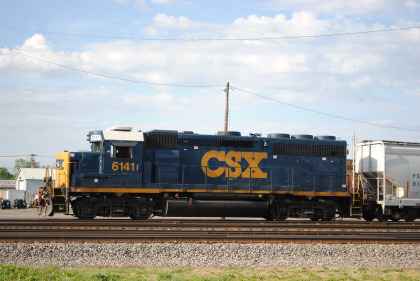
CSX GP40-2 6141, nee Baltimore and Ohio 4242, built by Electro-Motive Division in 1975.
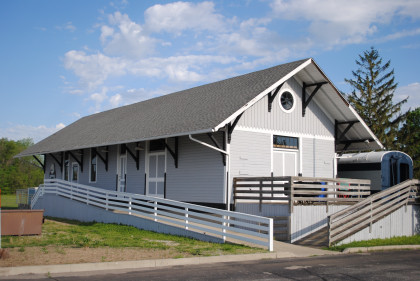
The restored Baltimore and Ohio freight depot, built in 1900, had a very nice museum inside, but was not open this early morning.
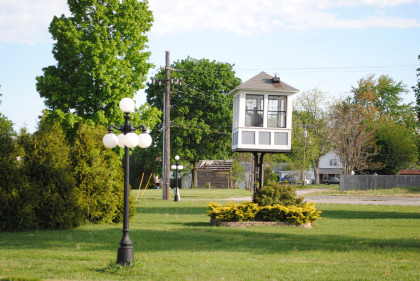
The park next to the depot includes the Baltimore and Ohio gate tower which used to be on the west side of Randolph Street between main tracks 1 and 2, eastbound and westbound. Twenty-four hours a day, the gate keeper raised and lowered the gates across Randolph as trains were made up, as they moved back and forth in the yards and as they passed through town.
From there I drove to Topeka, Indiana.
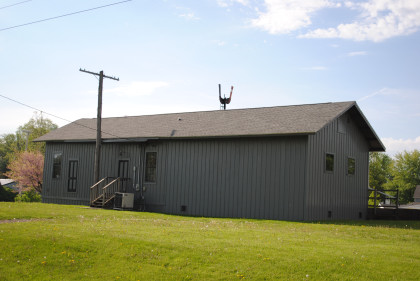
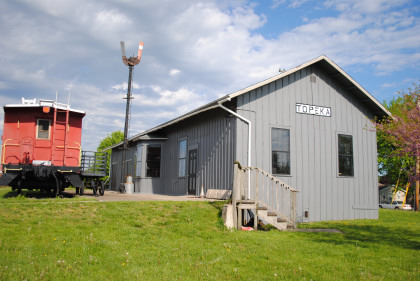
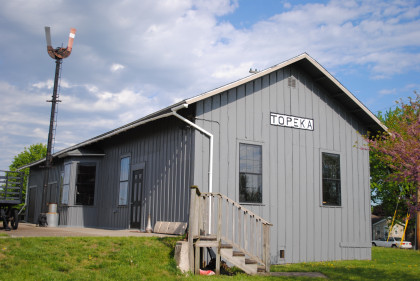
The Topeka Wabash station, built in 1893, which houses the Topeka Area Historical Society Museum.
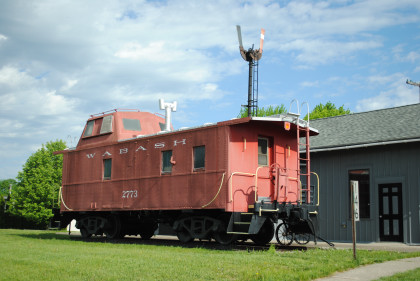
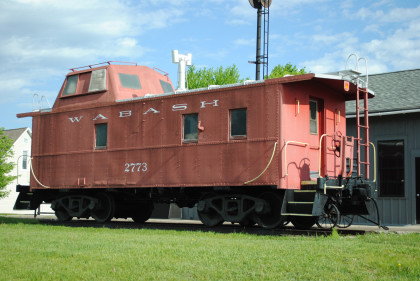
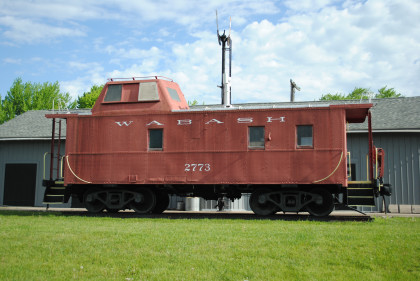
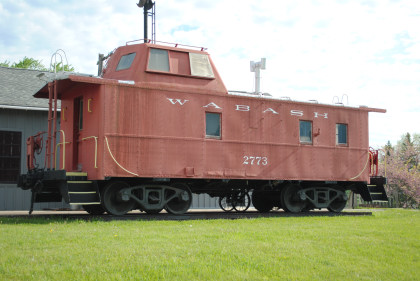
Wabash caboose 2773, built by the railroad in 1945 and is on long-term loan from the National New York Central Museum in Elkhart.
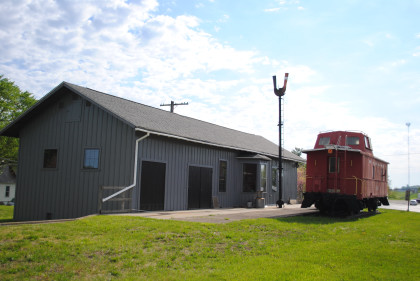
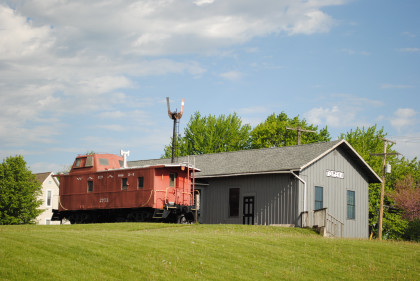
The station and caboose.
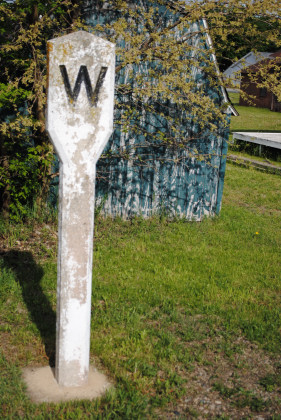
Concrete whistlepost.
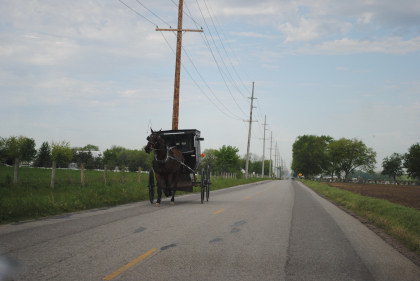
I drove County Road 72 and found an Amish buggy that passed me. West of Millersburg, I stopped where the road crossed the Norfolk Southern mainline.
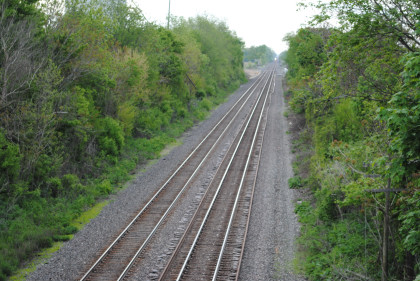
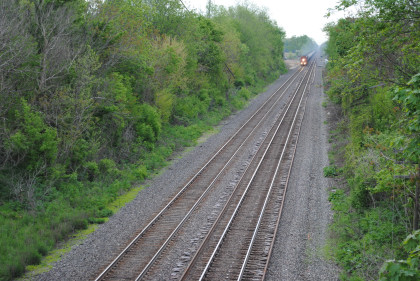
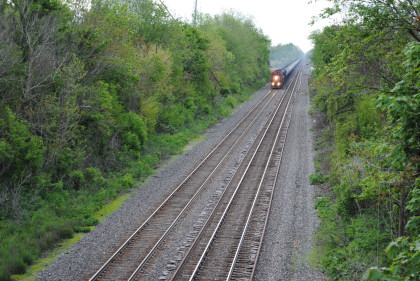
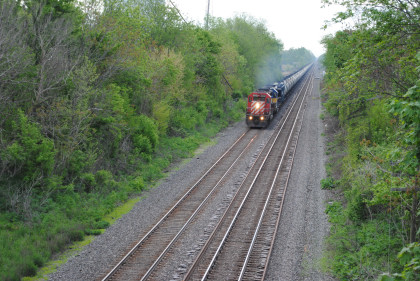
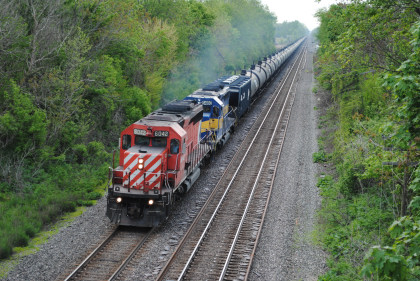
Canadian Pacific Railway 6042 West at Millersburg. From here I made my way to Goshen.
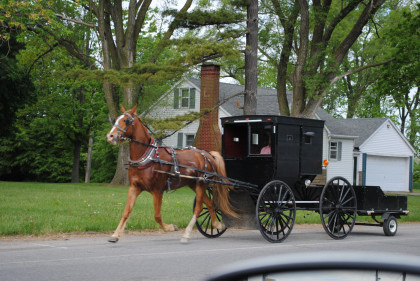
In Goshen, I passed another Amish buggy.
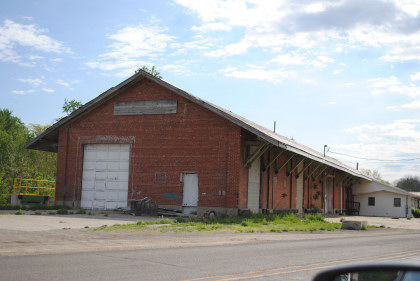
The New York Central Goshen freight house built in 1910. I made my way to Elkhart, the focus of the day.
The National New York Central MuseumThe National New York Central Railroad Museum, recaptures the glory days when America's railroads were symbols of progress and goodwill ambassadors across the country. The Museum was founded in 1987 and is an ever-growing preservation site of both local and national railroad heritage pertaining to the New York Central System. The New York Central was once the second-largest railroad in the United States, with 11,000 route miles of track in eleven states and two Canadian provinces. Elkhart is a natural home for the Museum: the New York Central's Robert R. Young Yard (now Norfolk Southern Railway's Elkhart Yard) is the second-largest railroad freight classification yard east of the Mississippi River. Just as when the railroad first arrived in Elkhart in 1851, Elkhart functions as a vital link in the chain connecting the Atlantic Seaboard with the Midwest and beyond. The Museum's goal is to tell the story of the vast New York Central System, and its predecessors and successors into the modern era.
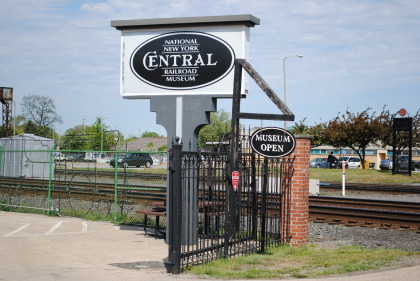
The museum's sign for all to see.
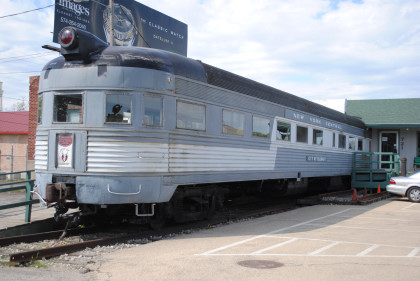
Chicago, Rock Island & Pacific observation car 454 "Minnesota", built by the Budd Company in 1937. It was rebuilt into an instruction car in 1965 and is painted as New York Central "City of Elkhart" to represent similar Budd-built observation cars that were an integral part of the post-war Great Steel Fleet of streamliners.
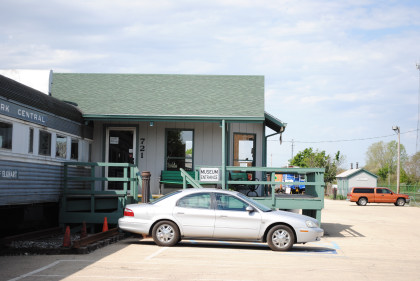
Part of the freight house which houses the ticket office, gift shop and museum.
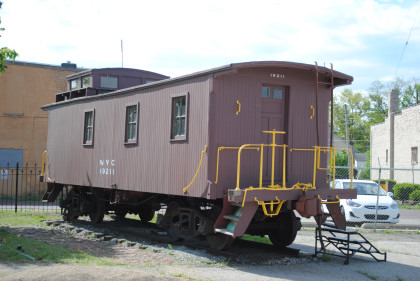
New York Central wooden caboose 19211 built by the railroad in the 1910's. I went inside and paid my fare but had to excuse myself as I heard a train approaching.
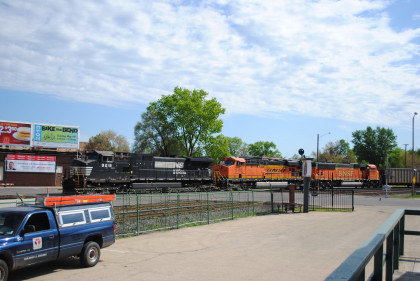
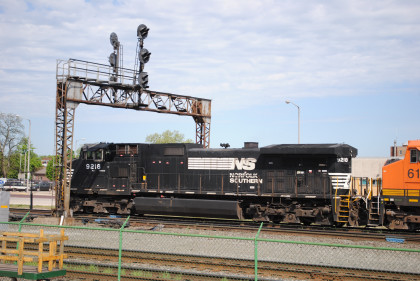
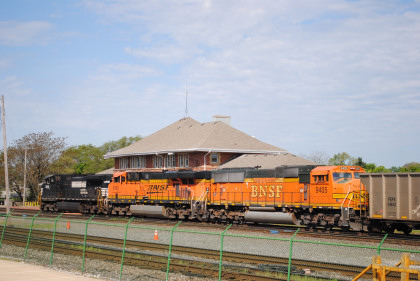
Norfolk Southern 9218 West leading a coal train which included BNSF power in the consist.
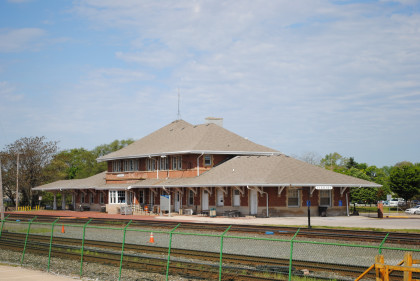
The Elkhart Lake Shore and Michigan Southern (later New York Central) station built in 1900 used by Amtrak's Capitol Limited and Lake Shore Limited. I then returned inside.
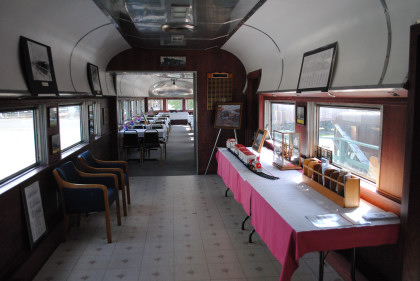
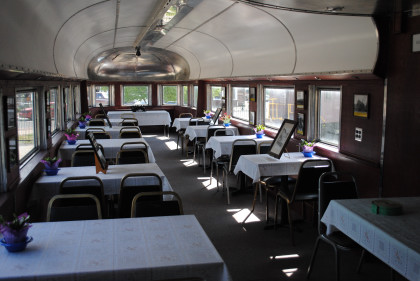
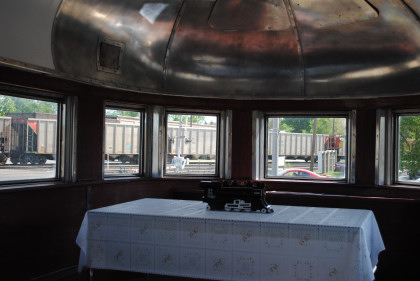
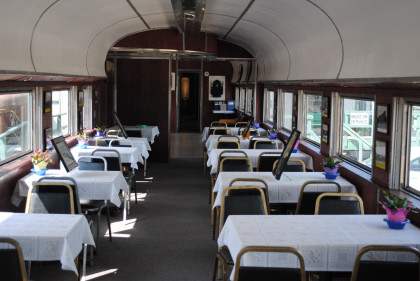
Interior of "City of Elkhart".
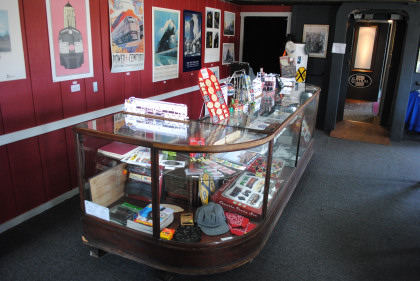
One of the display counters in the gift shop.
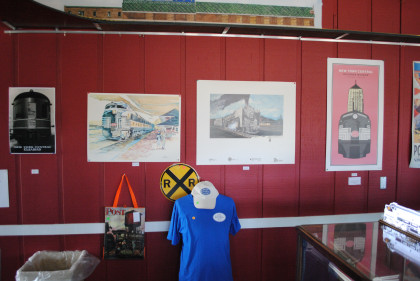
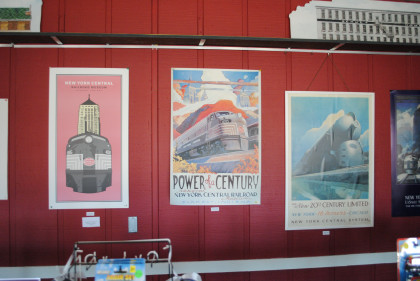
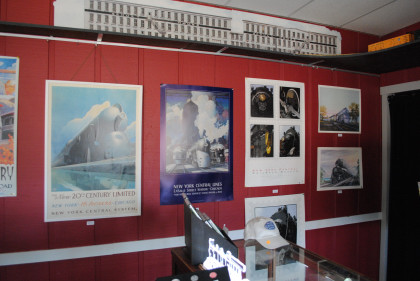
Posters and pictures for sale.
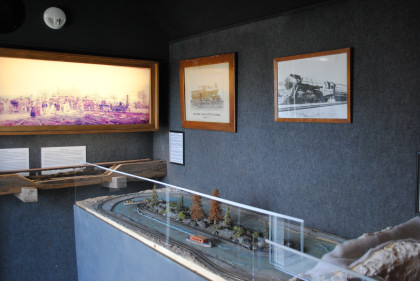
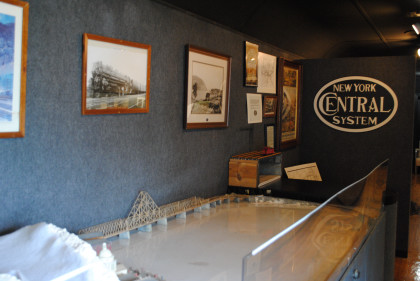
Part of the large museum area with an N scale diorama.
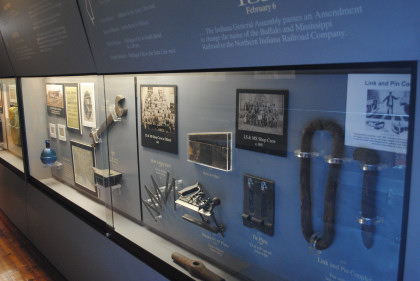
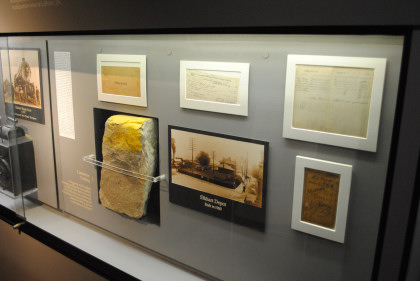
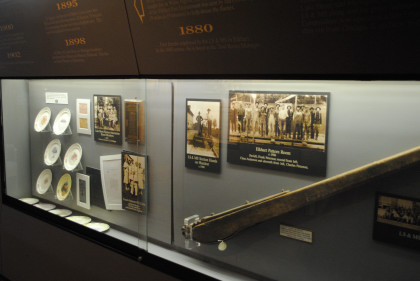
Artifacts and photographs help tell the history of New York Central.
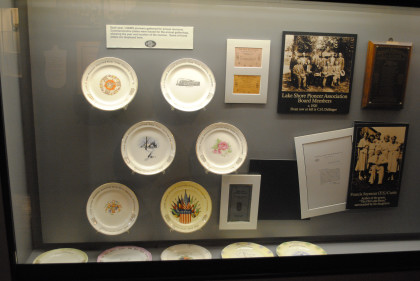
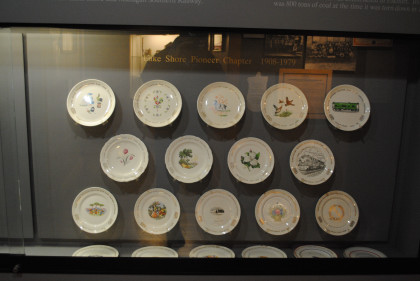
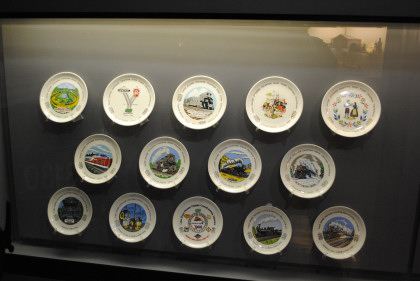
Commemorative plates of the Lake Shore and Michigan Southern Pioneer Association from 1930 to 1979.
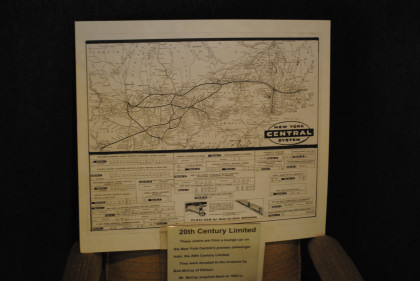
Map of the New York Central System showing the 20th Century Limited.
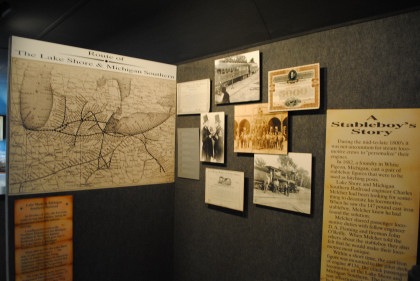
The route of the Lake Shore and Michigan Southern.
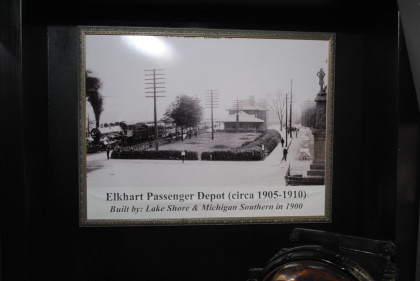
The Elkhart passenger station.
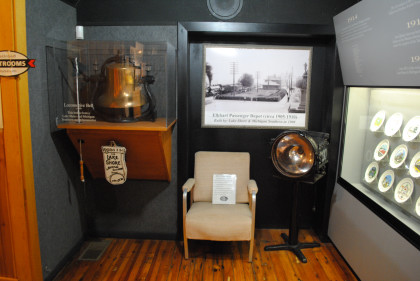
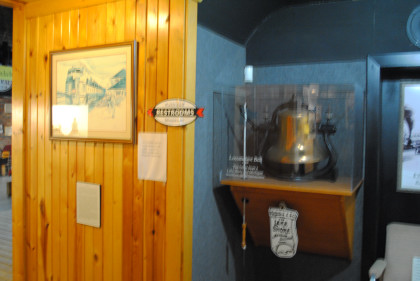
Locomotive bell and locomotive headlight.
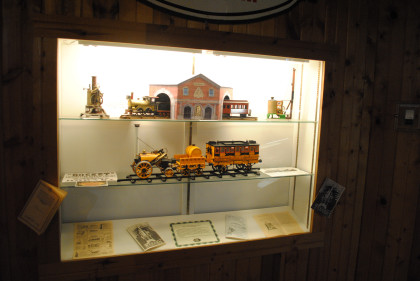
Liverpool and Manchester Railway scale model on loan to the museum.
The New York Central System emblem.
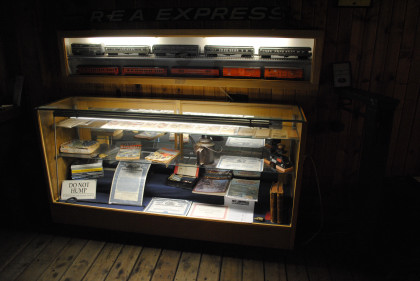
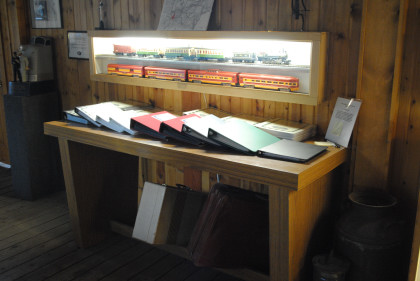
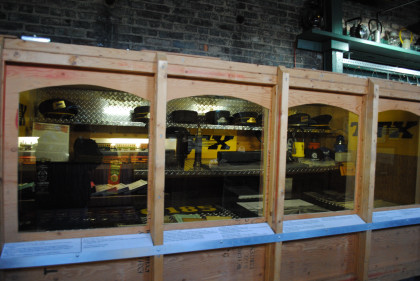
Memorabilia and artifacts. The lit case in the first photograph contain the Stanley and Danielle Bell model train collection, donated to the National New York Central Museum and the City of Elkhart in June 2010.
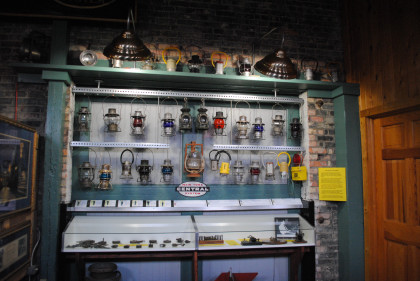
New York Central lanterns.
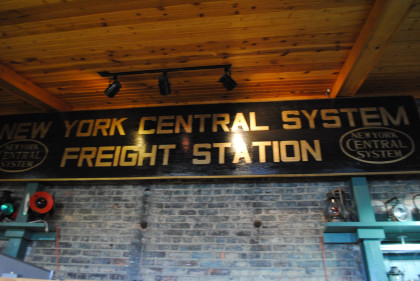
New York Central System Freight Station sign.
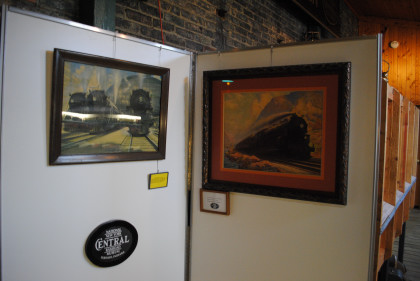
Two of a series of paintings on hinged panels that one can flip through.
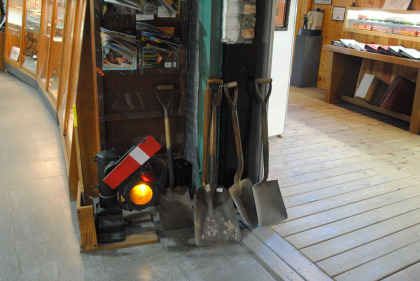
Tools of a railroad track worker.
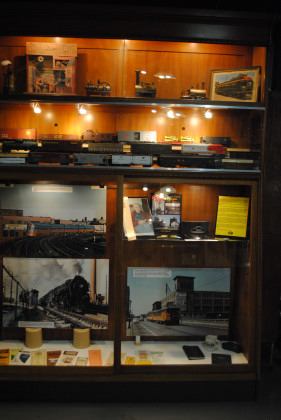
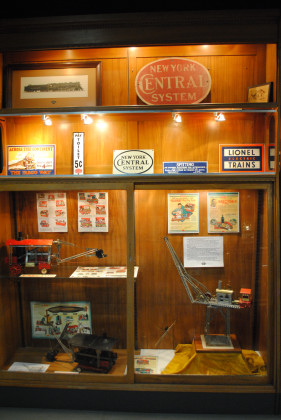
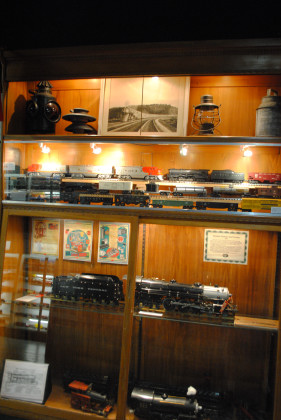
Memorabilia and models.
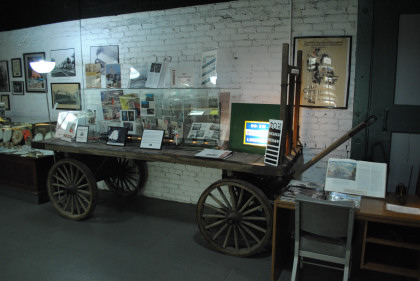
Baggage cart display.
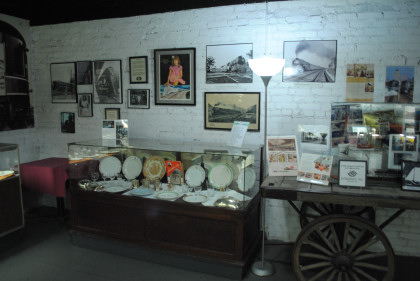
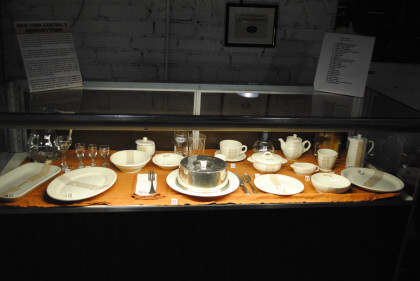
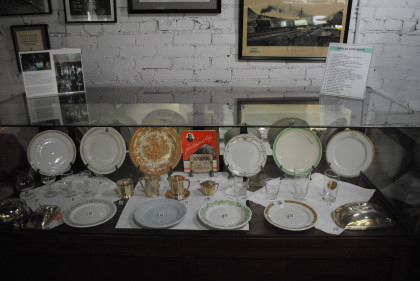
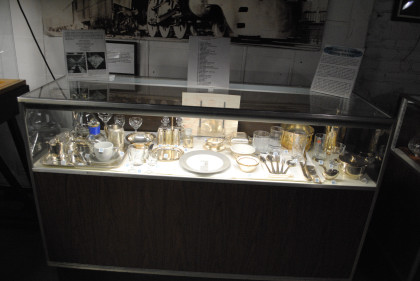
New York Central dining car china. Each piece was numbered and there is a explanatory list on top of the cabinet.
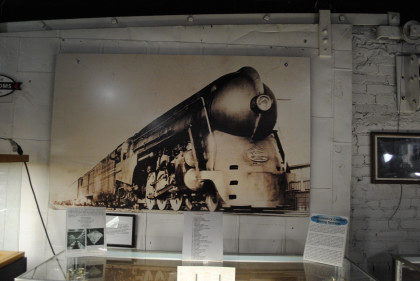
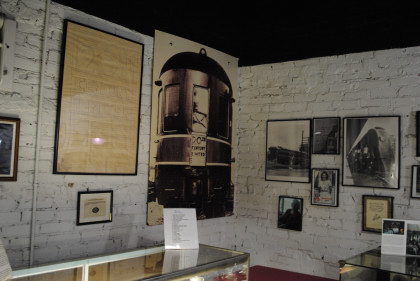
The famous New York Central Mercury, the family of daytime streamliner passenger trains operating between midwestern cities. The design of Mercury Streamliner was created by the noted industrial designer Henry Dreyfuss and is considered a prime example of Streamline Moderne design. The success of the Mercury led to Dreyfuss getting the commission for the 1938 redesign of NYC‘s flagship, the 20th Century Limited.
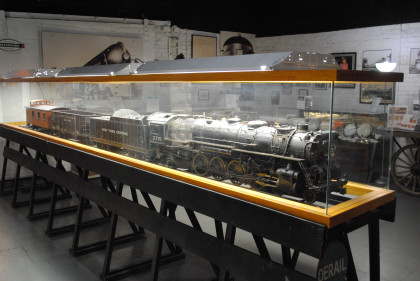
This one-twelfth scale model of a New York Central 4-8-2 was built by Richard Stolzefels, a Santa Fe engineer, from original blueprints. It was one of the museum's first acquisitions.
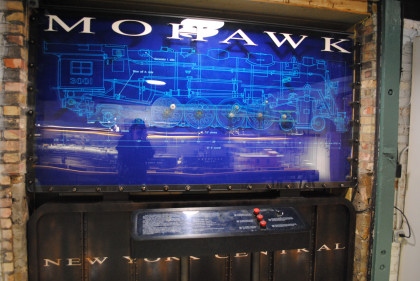
An interactive schematic of New York Central "Mohawk" 4-8-2 3001, which the museum owns.
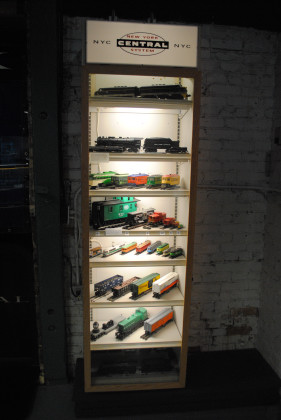
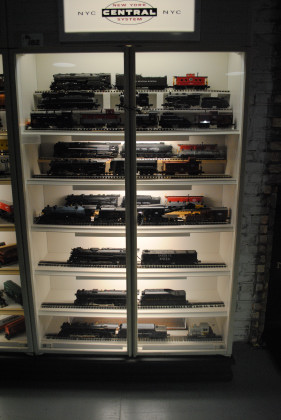
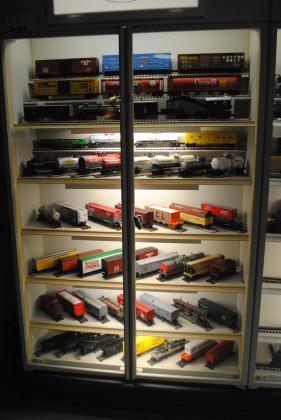
Cases of model trains.
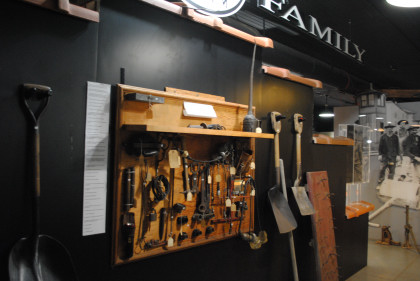
Tools of the track worker.