



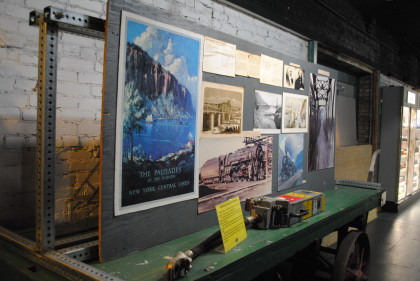
Steam-era photographs.
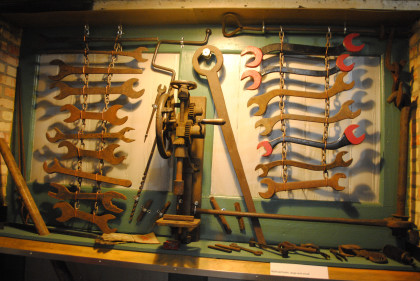
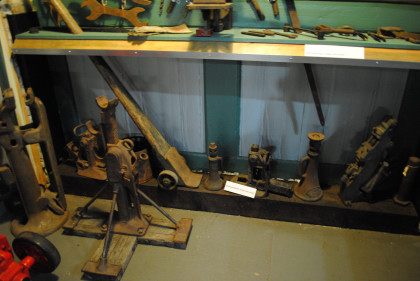
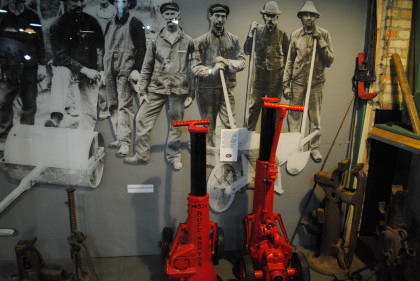
Railroad workers' tools.
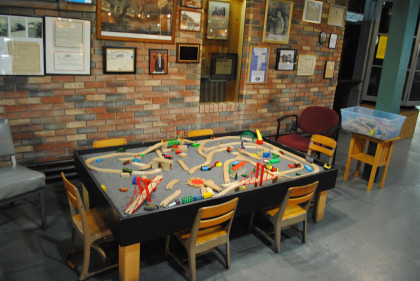
A children's play area.
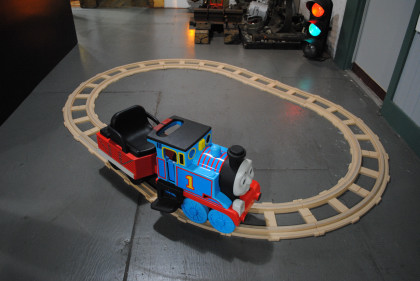
A toy Thomas the Tank Engine.
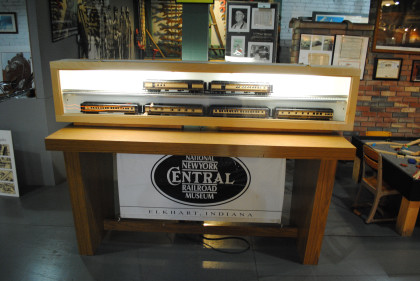
New York Central passenger cars in HO scale.
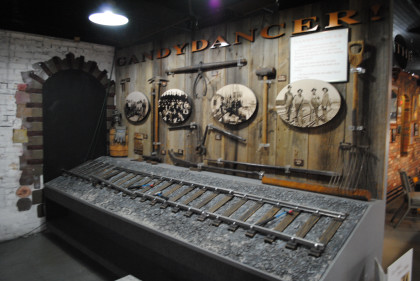
A tribute to the gandy dancer, a slang term used for early railroad workers in the United States and Canada, more formally referred to as section hands, who laid and maintained railroad tracks in the years before the work was done by machines. The British equivalents of the term gandy dancer are navvy (from navigator), originally builders of canals, or inland navigations, for builders of railway lines, and platelayer for workers employed to inspect and maintain the track. In the Southwestern United States and Mexico, Mexican and Mexican-American track workers were colloquially traqueros.
In the United States and Canada, early section crews were often made up of recent immigrants and ethnic minorities who vied for steady work despite poor wages and working conditions, and hard physical labour. The Chinese, Mexicans and Native Americans in the West, the Irish in the Midwest, African-Americans in the South, and East Europeans and Italians in the Northeast all worked as gandy dancers.
There are various theories about the derivation of the term, but most refer to the "dancing" movements of the workers using a specially manufactured five-foot "lining" bar, which came to be called a "gandy", as a lever to keep the tracks in alignment.
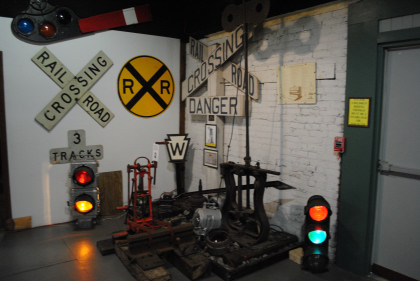
Signal and crossing display.
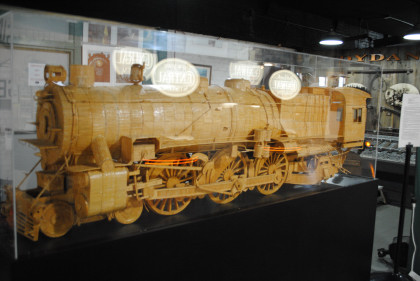
This eight inch long, one-sixth scale model of Pennsylvania Railroad K4 417 was built by Terry Woodling of Warsaw, Indiana and contains 40 lbs. of glue and 421,250 toothpicks! Completed in 1991, it took seven years to build and its wheels, side rods, brakes and windows all move.
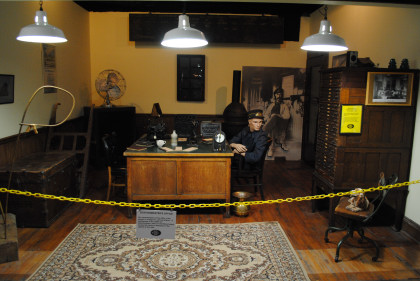
Station master's office.
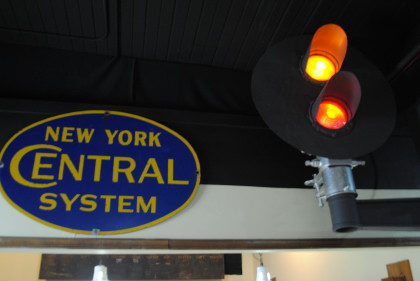
New York Central System sign and a signal.
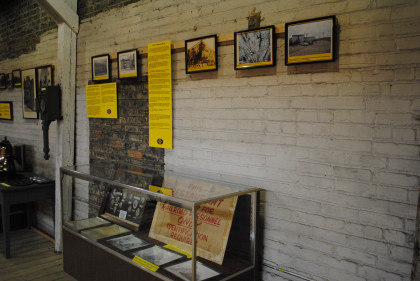
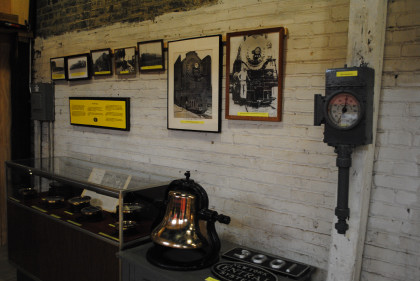
New York Central steam engine photographs and locomotive bell.
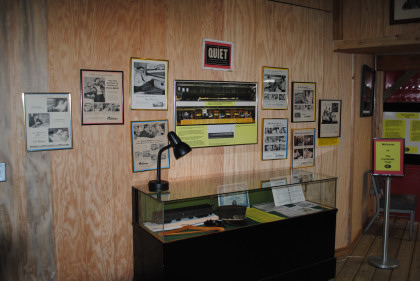
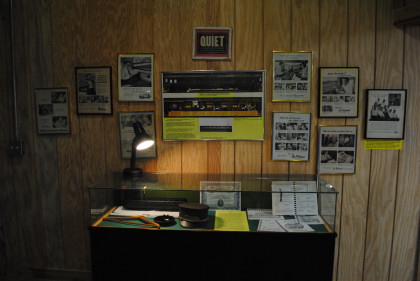
New York Central sleeping car advertisements and memorabilia.
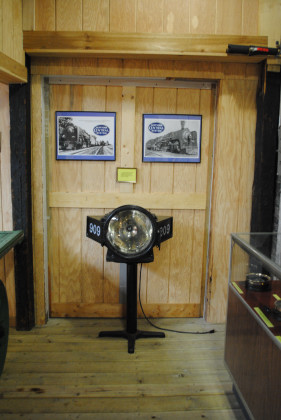
The headlight from New York Central 3001 when it masqueraded as Texas and Pacific 909 at the Texas State Fairgrounds in Dallas.
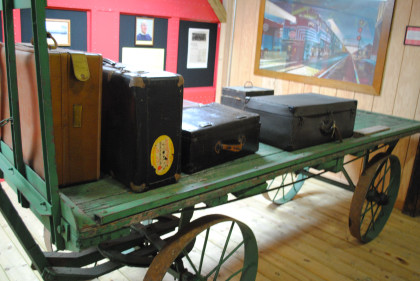
A baggage cart.
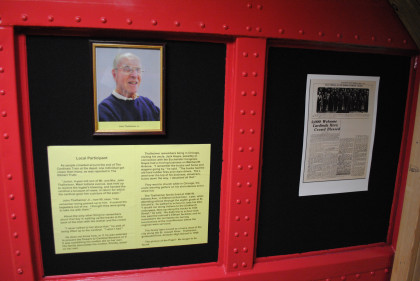
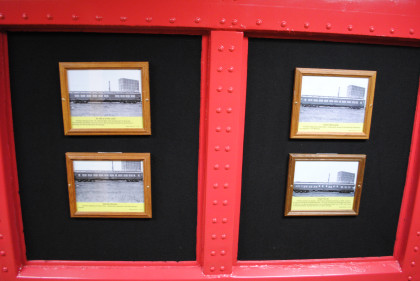
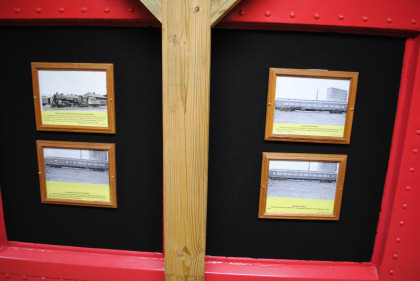
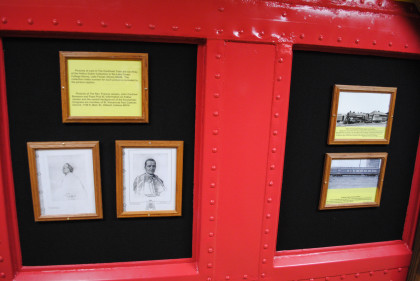
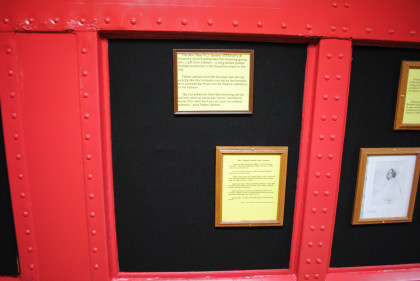
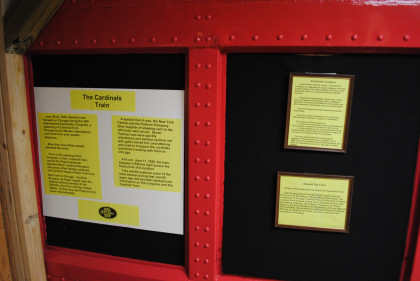
A display commemorating the 1926 Cardinal's Train. "The Peace of Christ in the Reign of Christ" was the theme of the 28th International Eucharistic Congress, and for the first time ever the Congress was being held in the United States. Coming from Italy, the Pope's personal representative would travel to Chicago by rail from the port in New York City. Chicago Archbishop George William Mundelein was about to put his town, and the United States, on the map -- at least with the Roman Catholic Church. It was a tremendous coup for the Chicago Archdiocese to be chosen to host the event, and over one million people attended from June 20-24, 1926.
These were the days before the Pope traveled internationally, and Papal Legate Cardinal Bonzano, the Pope's personal representative, was to travel from Italy to Chicago to address the faithful. To transport a trainload of clergy from Manhattan to the Chicago site, the New York Central Railroad and the Pullman Company teamed up to operate a special train along most of the route of New York Central's 20th Century Limited from New York's Grand Central Terminal to Chicago's Park Row Station (a special detour onto the Illinois Central Railroad).
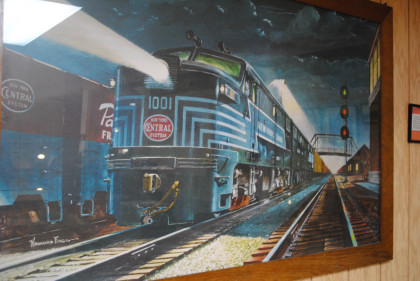
A famous painting of New York Central FA-1 1000.
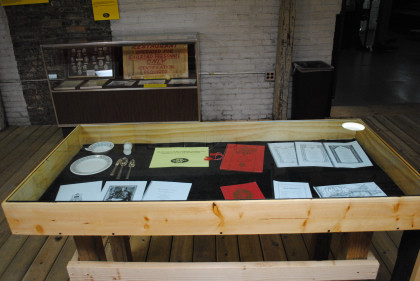
New York Central ephemera.
 '
'
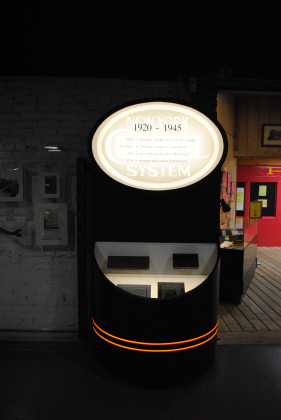
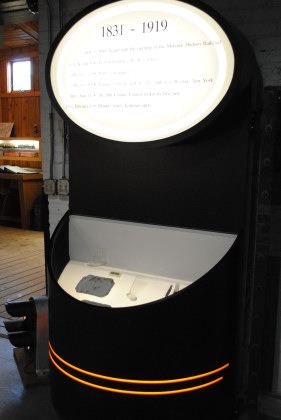
Two of the three New York Central System history consoles.
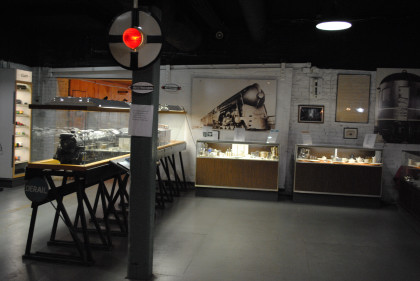
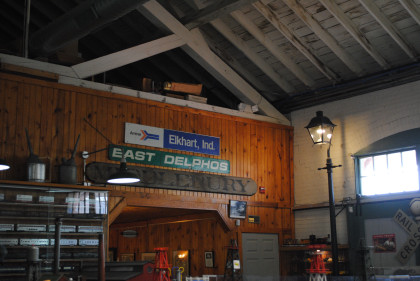
A small part of the spacious museum.
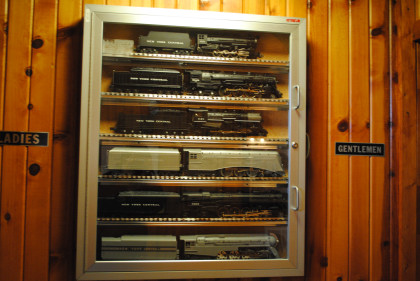
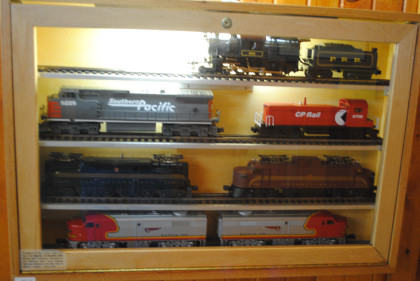
O scale model locomotives.
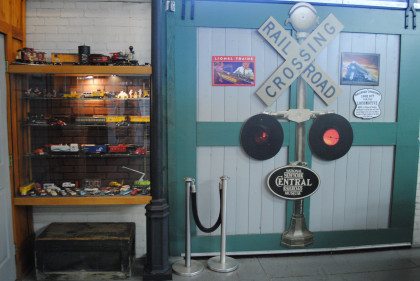
A railroad crossing signal.
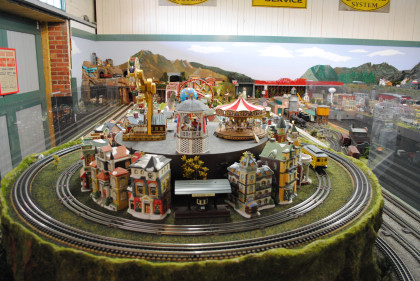
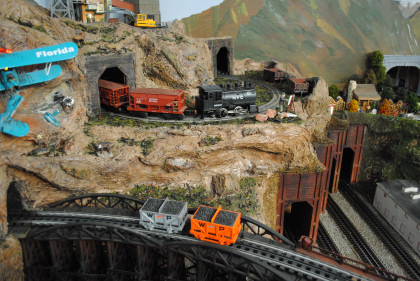
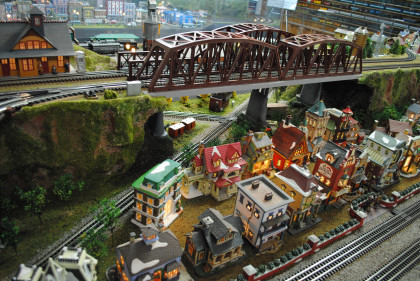
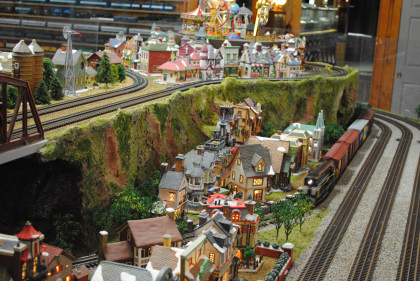
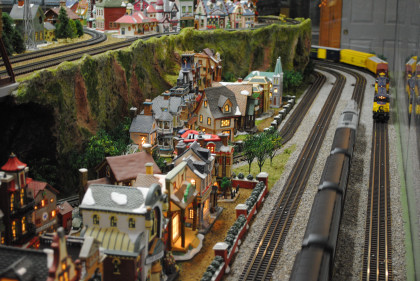
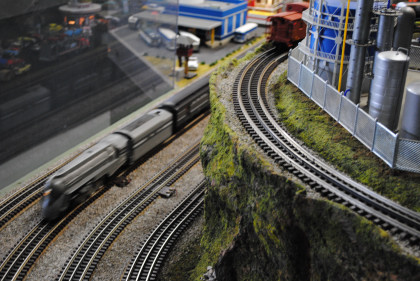
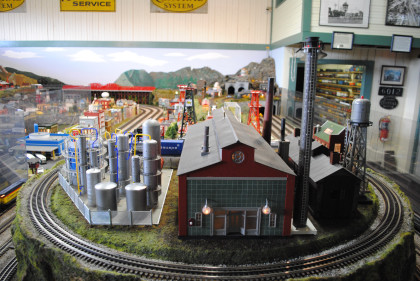
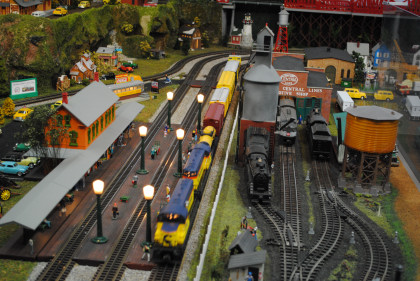
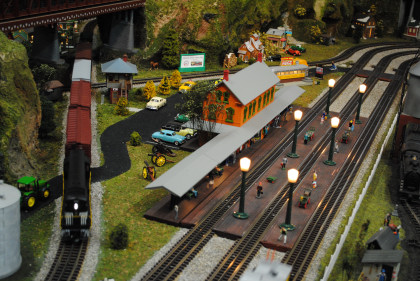
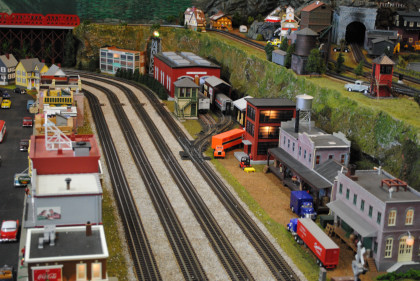
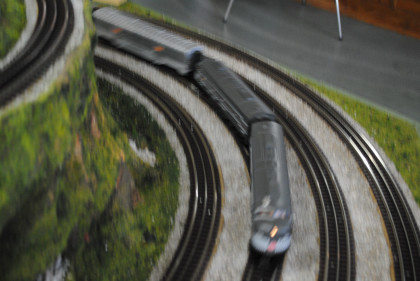
The extensive model railroad layout.
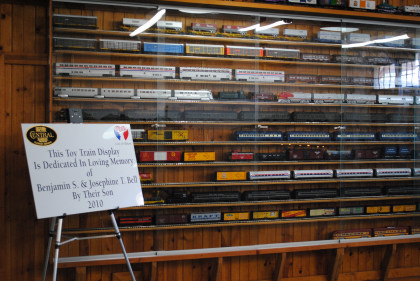
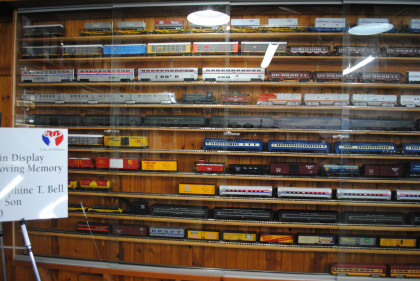
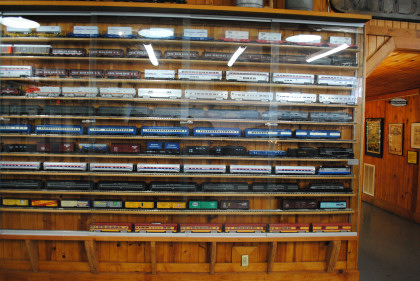
These toy trains were dedicated in loving memory of Benjamin S. & Josephine T. Bell by their son in 2010.
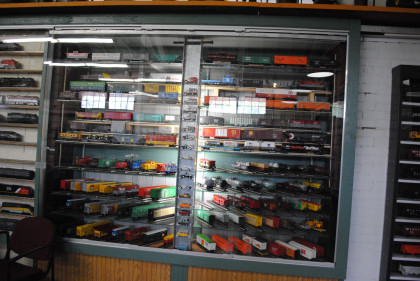
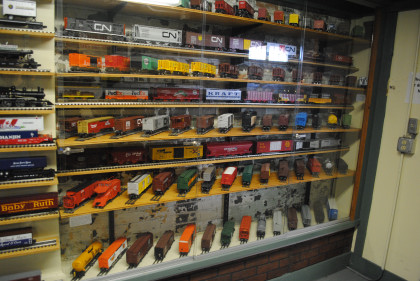
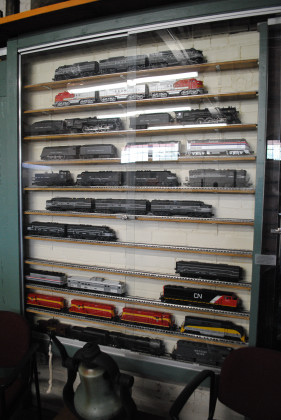
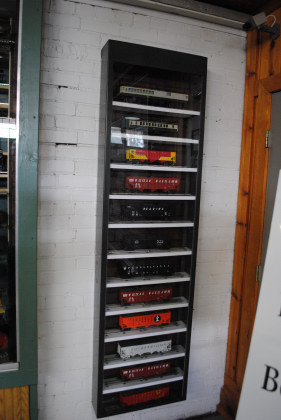
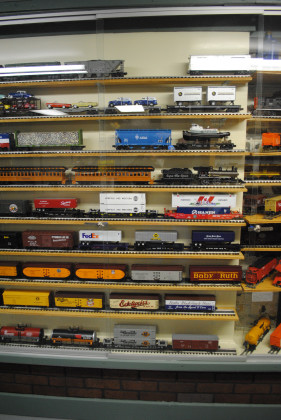
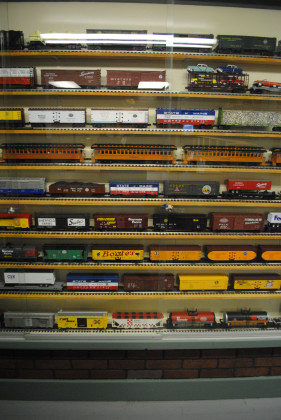
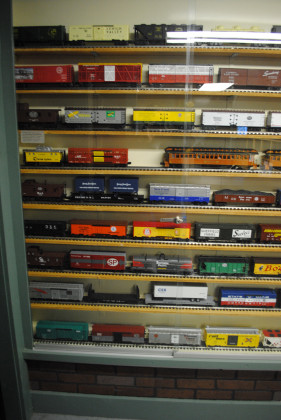
The vast array of model in display cases.
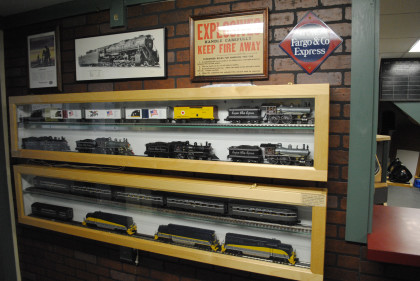
New York Central model trains.
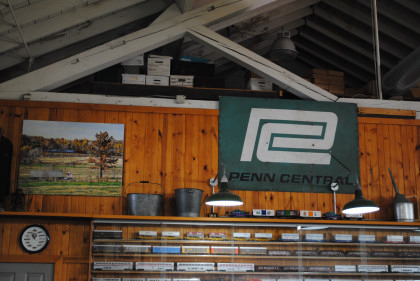
Museum views. I then started to explore outside.