




Bill Compton, myself and Bart and Sarah Jennings left Rollag and drove to Dalton, Minnesota.
Lake Region Pioneer Threshermen's AssociationWhen the first threshing machine was invented, it was considered the greatest labour saver for threshing grain. Horses and steam engines that powered threshing machines were replaced in the 1930's with "modern day" tractors and combines were beginning to appear. In the summer of 1954, three men from the Dalton, Minnesota area gathered together with a dream of doing their own "threshing bee."
George Melby, with the help of brother, Ralph Melby, and their nephew, Kenneth Bratvold, began on October 8, 1954, with six stacks of grain using George's Minnepolis separator (with wing feeders and powered by steam). Although not advertised, over 500 people came to observe the event on George's 10 acre field. It has been an annual event ever since. In 1960 it was moved to the present site on 40 acres of leased land on the southeast side of Dalton. Eventually the "Thresher's Club" grew in members and equipment. In 1973 they purchased the land. Over the years, buildings have been added to the grounds - some moved in and others built by dozens of volunteers. Many of the buildings are used for storage as well as displays and functions during the yearly event. The focus is to bring back some of the ways of life of the pioneers that settled in the area, and also an appreciation for our heritage.
Our VisitWe arrived and were met by Bill Swanson and his train crew, whom I thanked them for having us here.
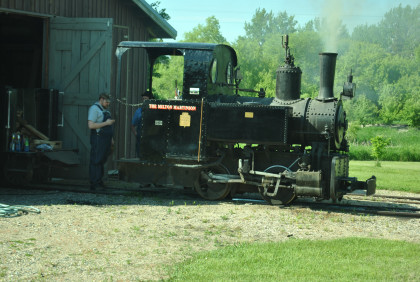
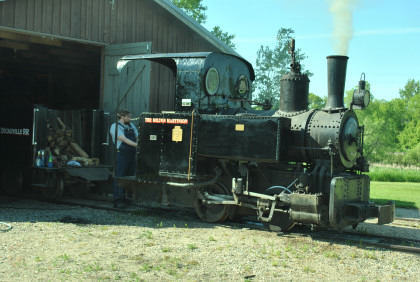
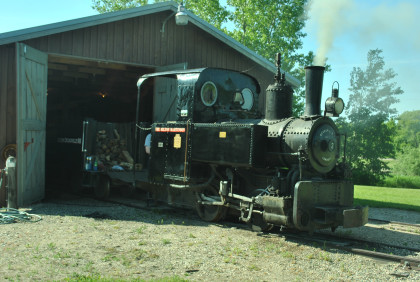
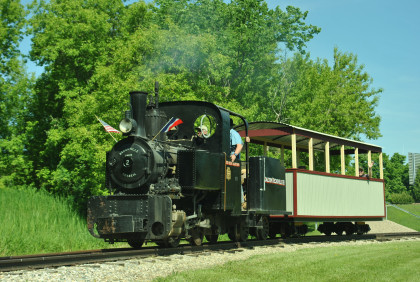
F. Albert Bau 0-4-0T No. 2, built in 1914 by Decauville in Neukirchen, Germany; the reason we were here.
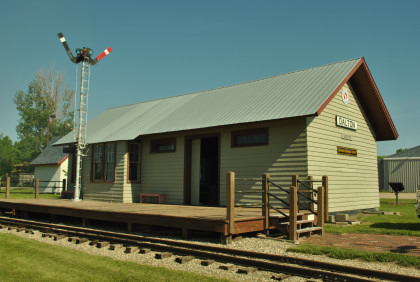
The Great Northern Dalton station built in 1893.
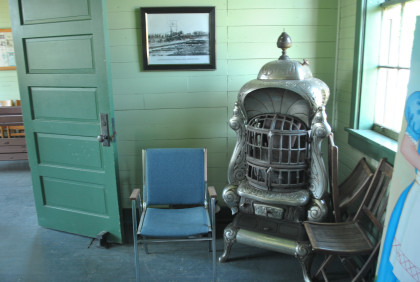
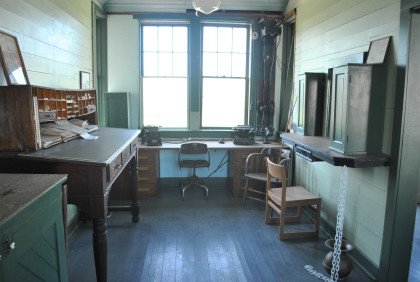
The interior of the station. I was then interviewed by three members of the press after which Bart and Sarah Jennings arrived, as did Steve Mitchell of Yard Goat Videos.
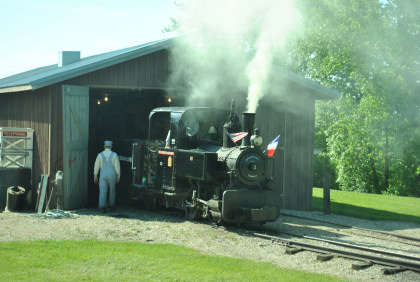
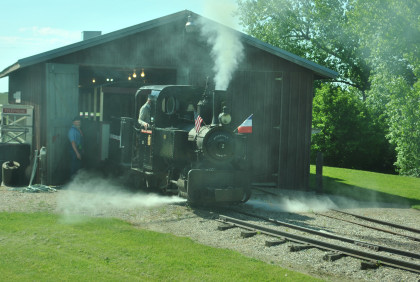
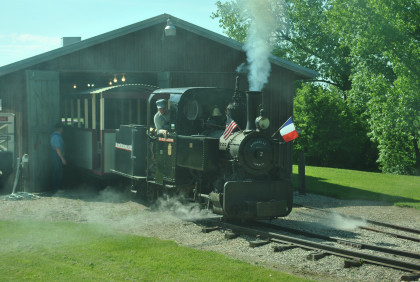
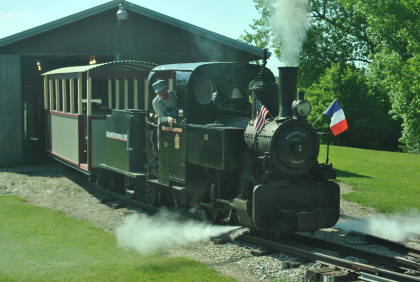
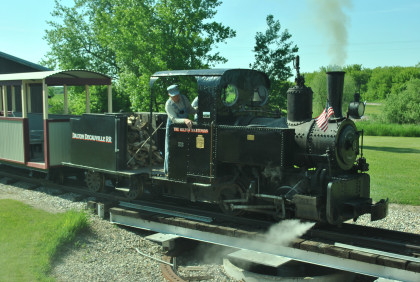
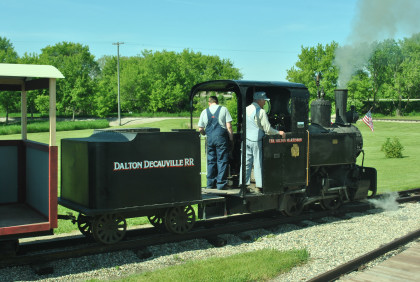
The train came out of the engine house spur and reversed into the station.
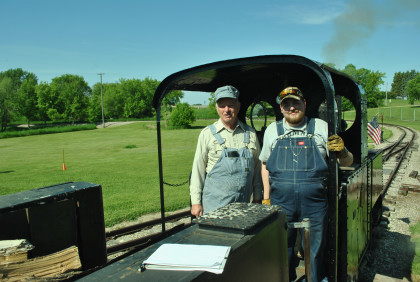
The engineer and fireman.
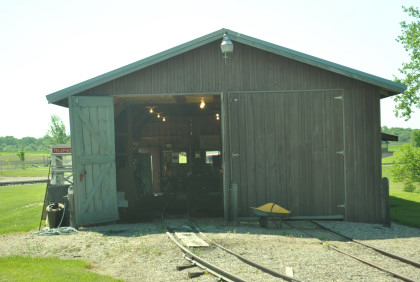
The engine house.
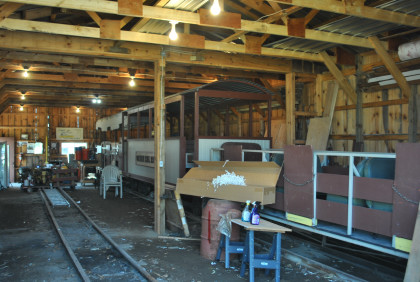
The interior of the engine house with two more passenger cars.
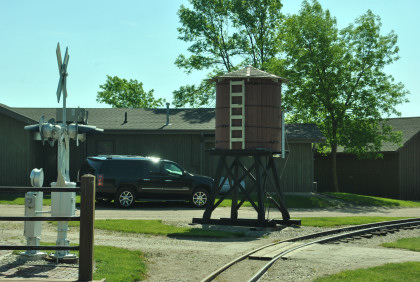
The water tower.
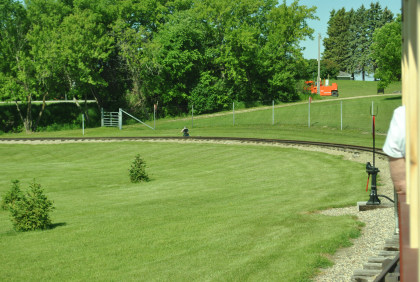
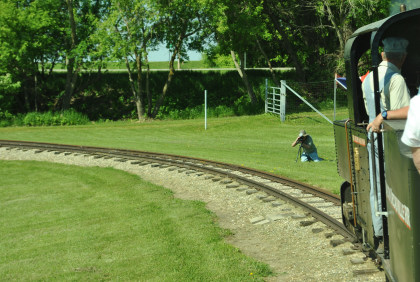
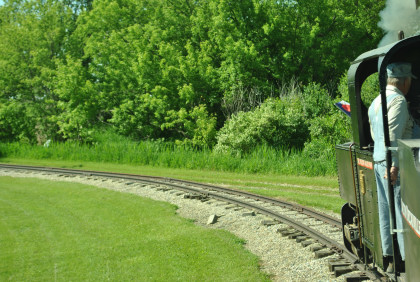
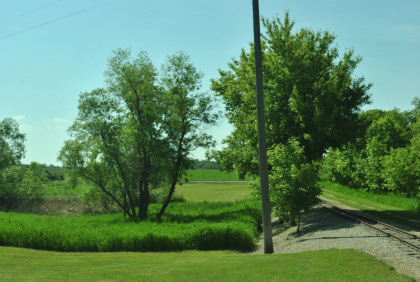
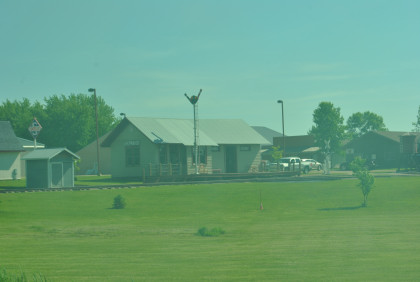
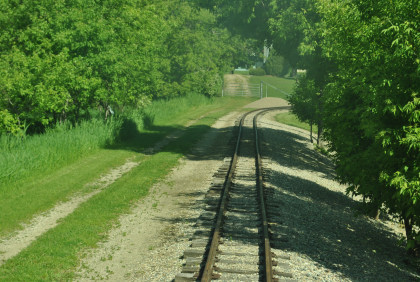
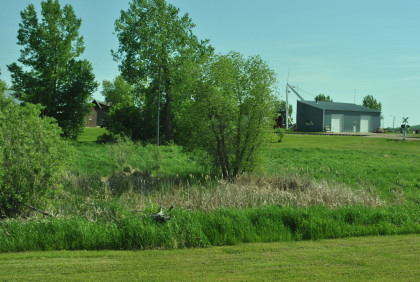
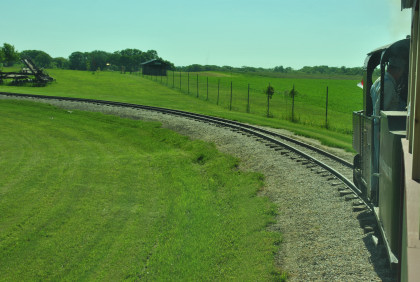
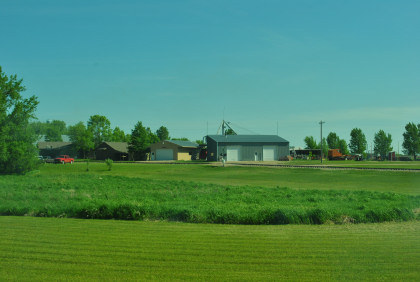
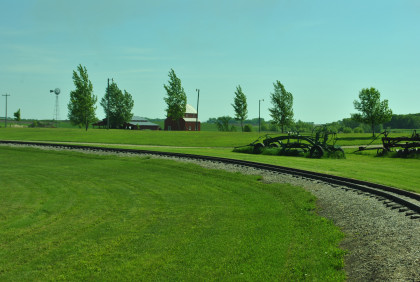
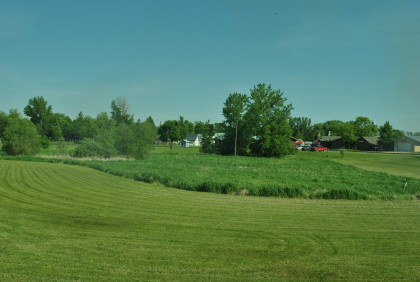
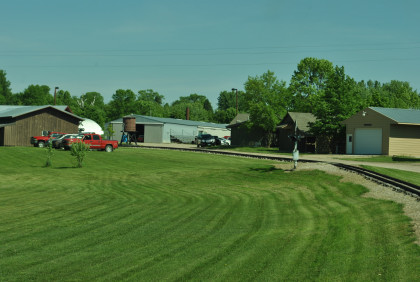
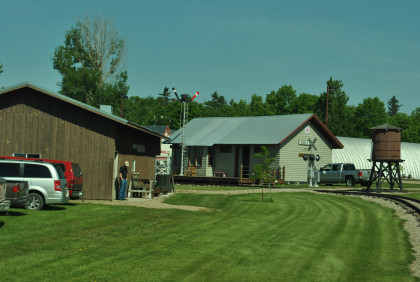
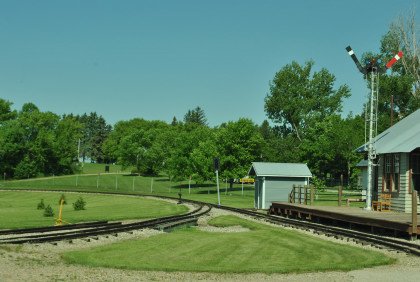
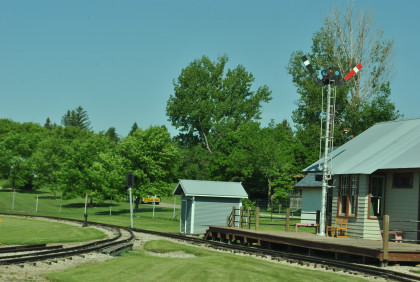
One loop of the railroad. We went around a second time then Bart and I talked to our crew about two more trips so we could get photograph it from the ground. Bart went east and I went west and after the first trip, we switched locations.
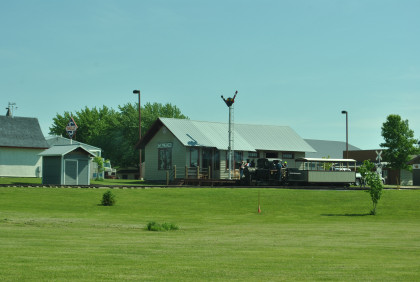
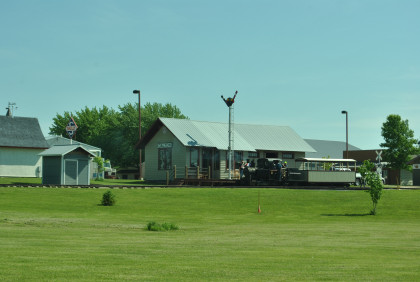
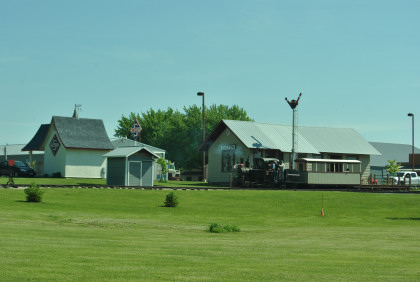
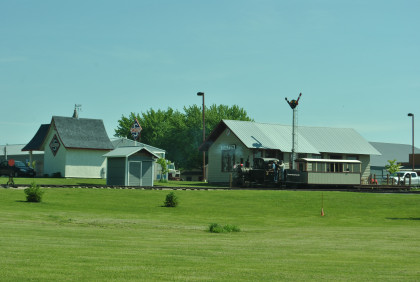
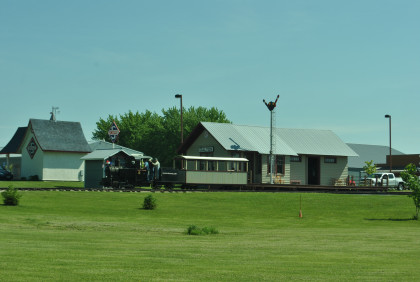
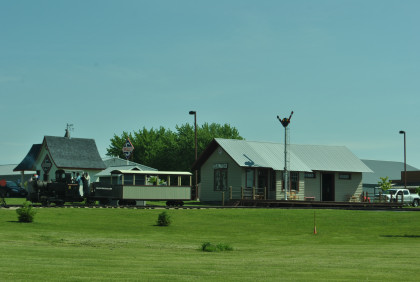
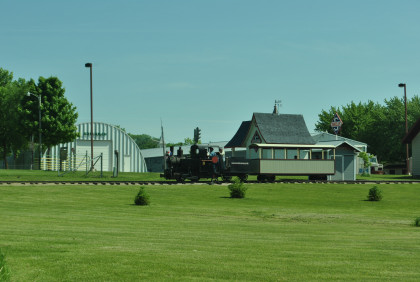
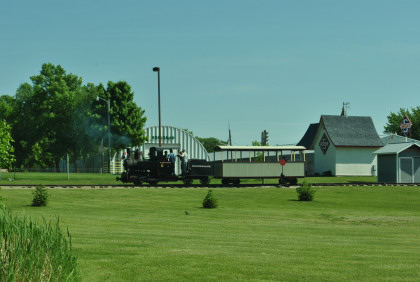
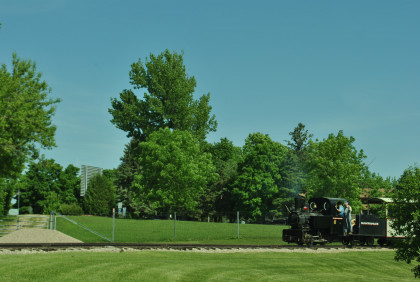

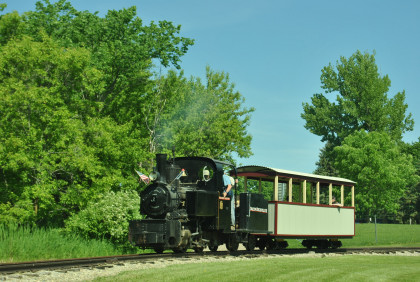
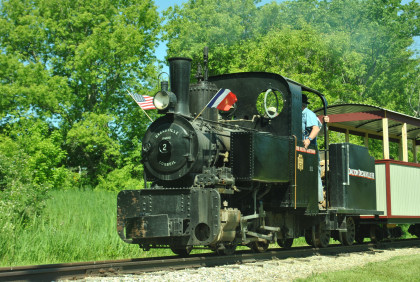
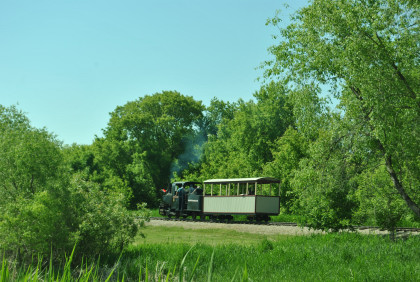
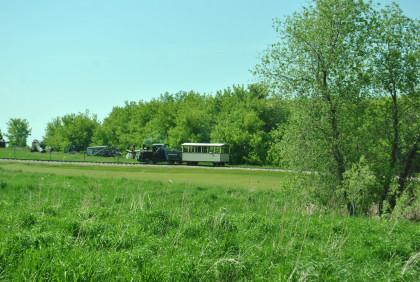
The first photo runby. We moved towards the other location but shot the train on the east loop.
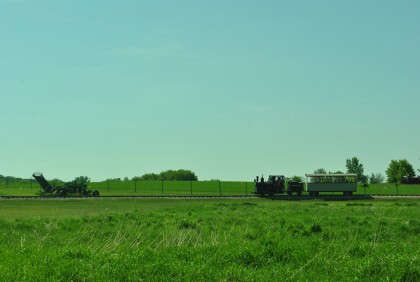
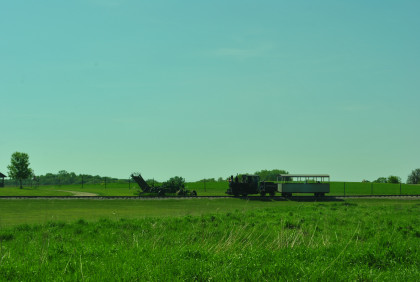
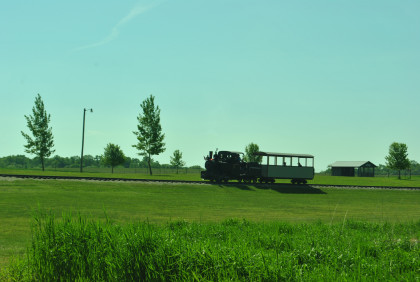
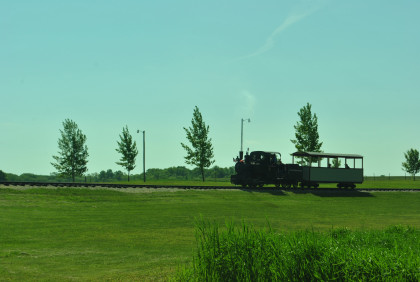
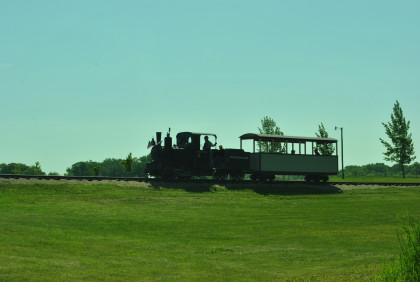
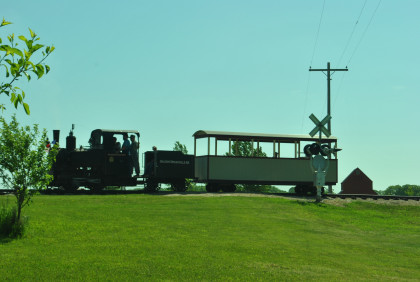
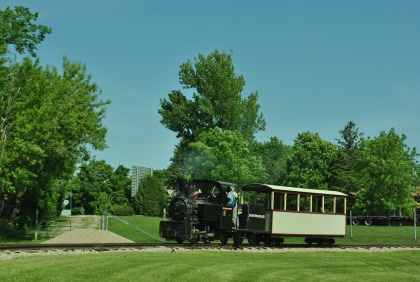
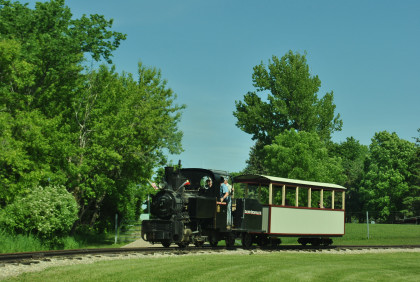
The rest of the first runby. Bill and I moved to where Bart had been and took our pictures while Steve shot his video.
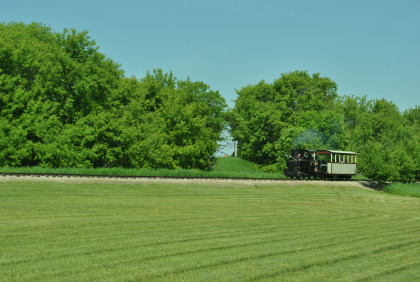
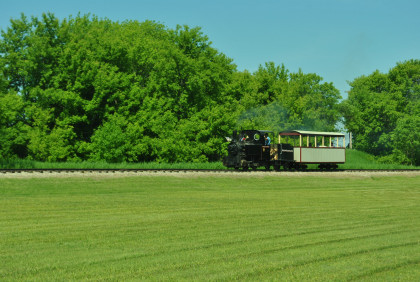
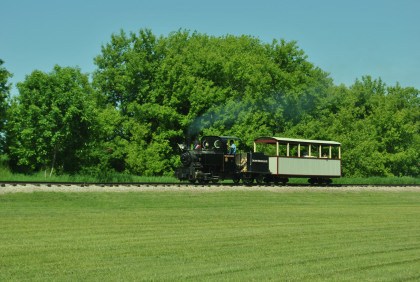
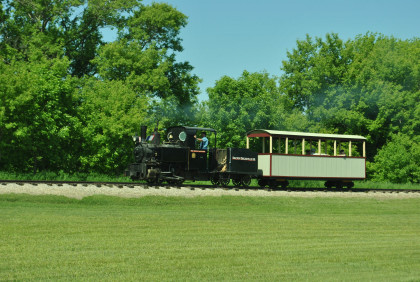
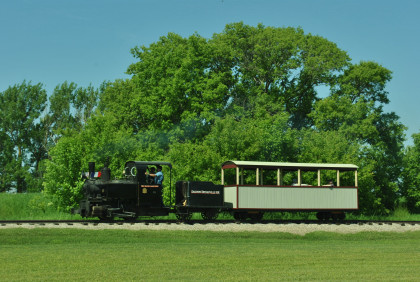
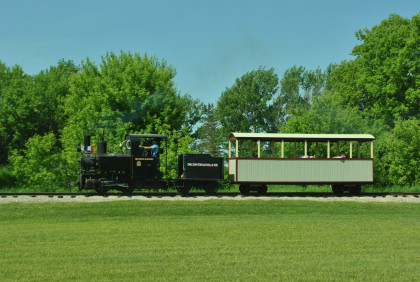
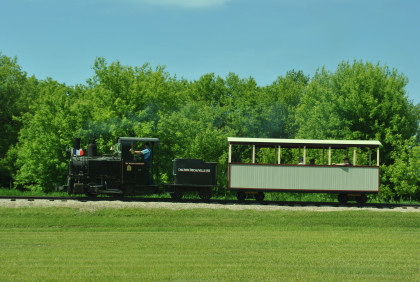
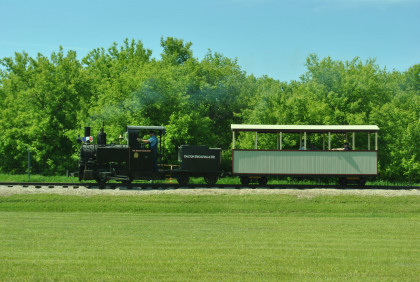
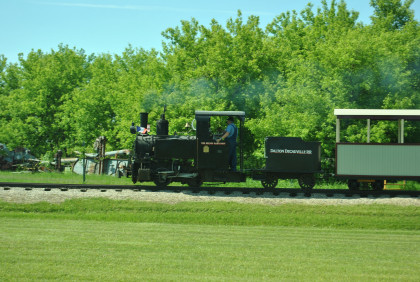
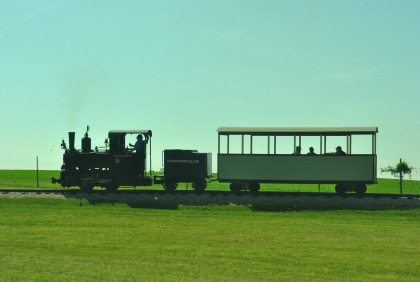
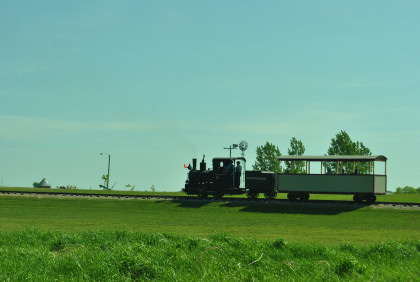
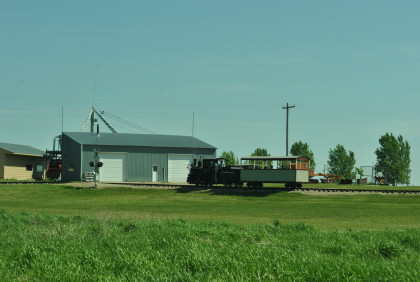
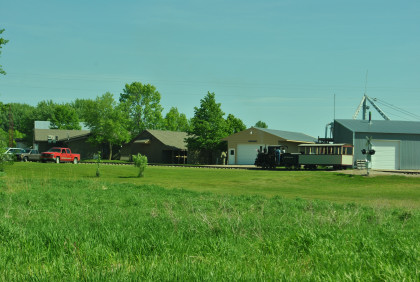
The second photo runby. Bart and I were then invited for a cab ride which we readily agreed to.
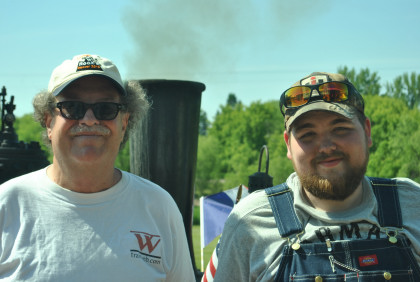
The author and one of the crew.
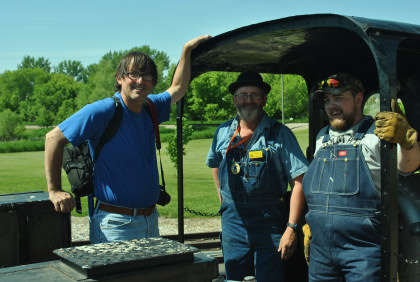
Bart and the engine crew. A special thank you to the entire Lake Region Pioneer Threshermen's Association crew for making our morning so special. You all did an outstanding job.
Bill and I departed Dalton and drove to Leonard to start our chase of Milwaukee Road 261's afternoon excursion to Lisbon from Davenport, North Dakota, which is the subject of its own travelogue at: Milwaukee Road 261 Davenport to Lisbon.. After an excellent chase we drove to West Fargo.
Bonanzaville in West Fargo 6/2/2017Bonanzaville is a 12-acre pioneer village and historical museum operated by the Cass County Historical Society. It features over 40 historic buildings such as a church, schoolhouse, salon and so many more historical buildings. Bonanzaville also has specialized museums, including the Eagle Air museum, the Law Enforcement museum, the Telephone Pioneers museum and more.
We parked and I checked in with the staff then went outside to explore.
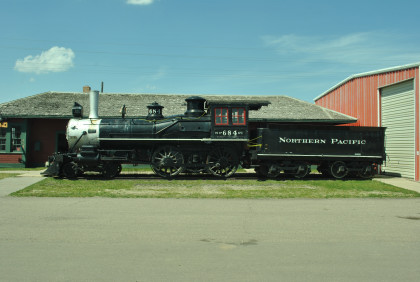
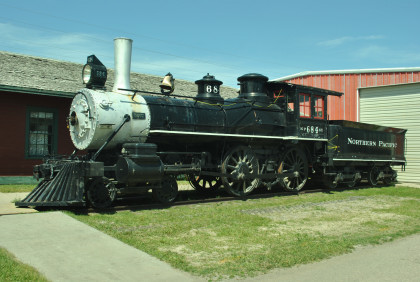
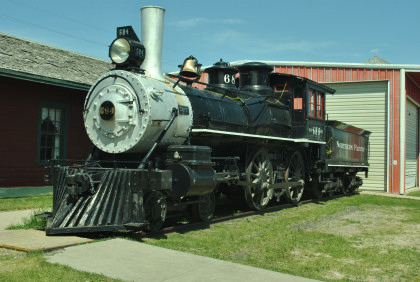
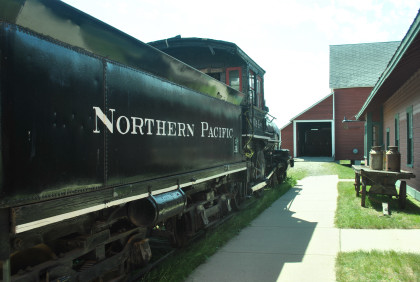
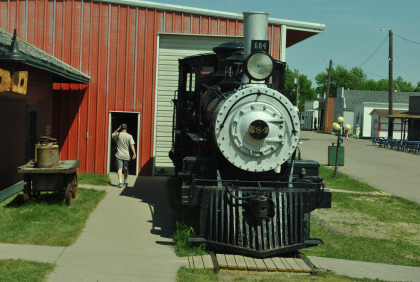
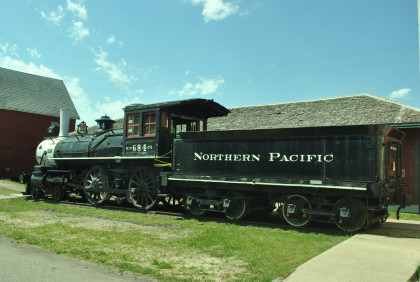
Northern Pacific 4-4-0 684 built by New York Locomotive Works in 1883. Given the shop number 39, on September 10, 1883, two days after the Northern Pacific Railroad was completed, the engine arrived at St. Paul and was renumbered Northern Pacific 684. Apparently slated to be scrapped in 1925, 684 was towed to Livingston but was then overhauled and sold to the Nez Perce & Idaho Railroad in 1928, where it was renumbered 4. The NP&I had only one locomotive and thirteen miles of track between Craigmont and Nez Perce, Idaho, and apparently, the engine could often only handle two cars at a time because of the steep grade. By 1945, the NP&I needed an engine that could haul heavier loads and 4 was pushed off a spur of the NP&I tracks and abandoned in a field near Nez Perce. 684 was donated to the Cass County Historical Society in 1974. The present museum building was constructed in 1972 on land donated by the Red River Valley Fair, and the name "Bonanzaville" refers to the large Bonanza farms that once existed in the Red River Valley.
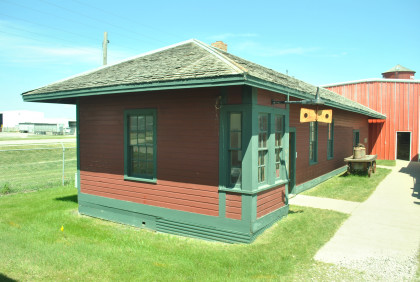
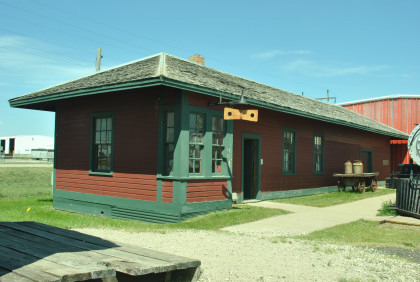
The Northern Pacific station from Embden, built in 1900. The town of Embden was created shortly after the Casselton-Marion Branch of the Northern Pacific Railroad crossed Eldred Township located in southwestern Cass County. Land used by the railroad was purchased from William F. Krueger, and therefore the Northern Pacific suggested the town be named Kruegersville. Mr. Krueger disagreed and chose the name Embden after his home town in Germany with a similar name but different spelling, Emden.
In 1900, the railroad built the depot to conduct railroad business and where telegraph services were provided. The Depot which contained an office, passenger waiting room, freight dock and agent’s quarters. The agent lived in the depot in a room that contained a small kitchen, bedroom and private bathroom. The agent typically provided their own furniture and were charged one dollar a month for coal and lamp, one dollar in 1900 would be roughly 29 dollars today.
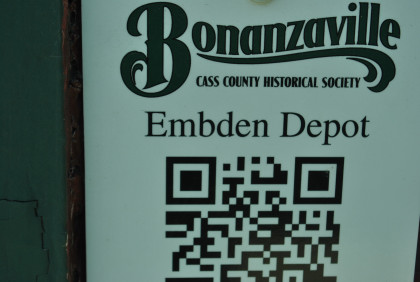
The self tour stamp on the station.
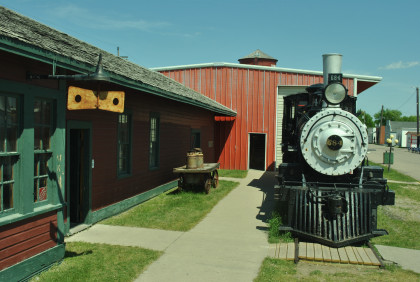
Museum scene.
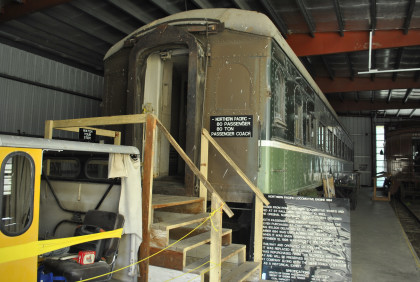
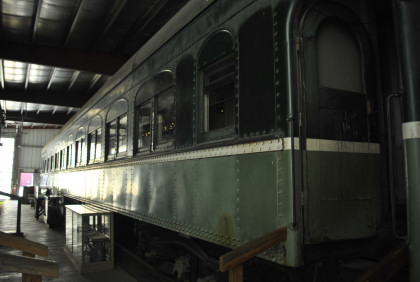
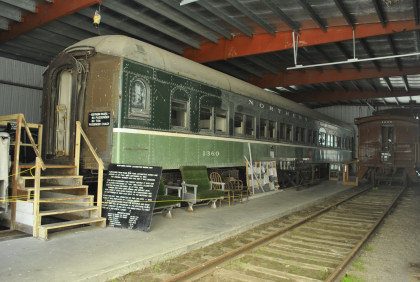
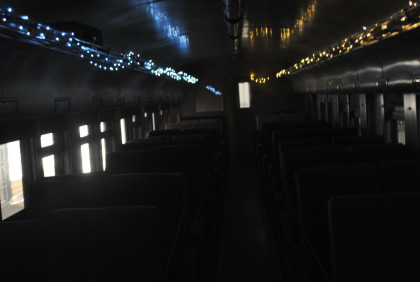
Northern Pacific coach 1360 built by Pullman in 1915.
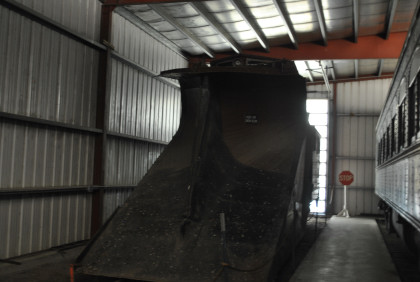
Northern Pacific wedge snow plough built in 1907.
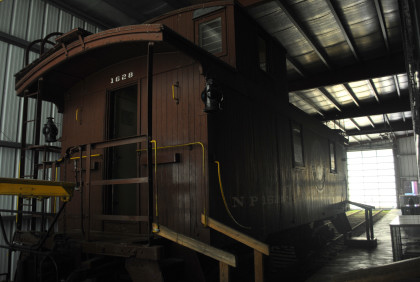
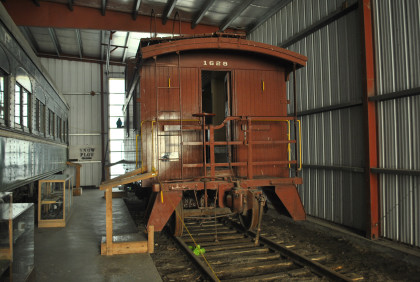
Northern Pacific caboose 1628, builder and year unknown.
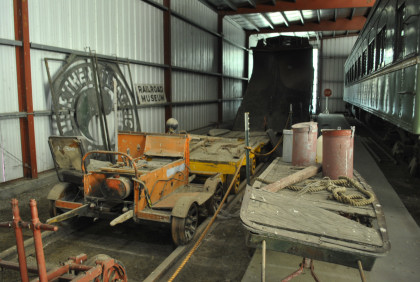
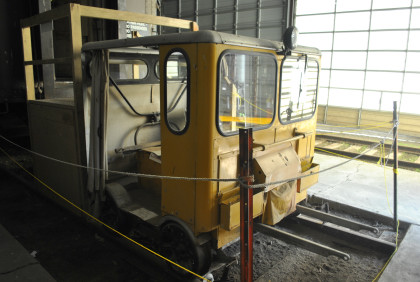
Roundhouse views.
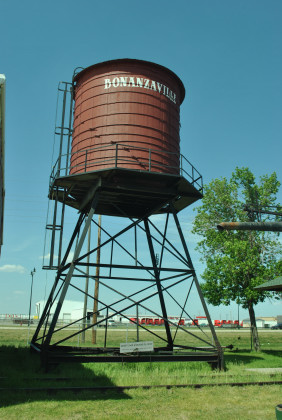
Bonanzaville water tower.
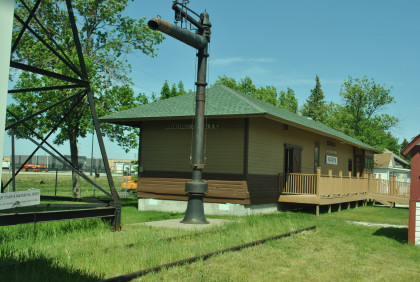
The Northern Pacific depot from Kathryn, North Dakota. The Spud Valley Railroad Club operates a complete model railroad in this building.
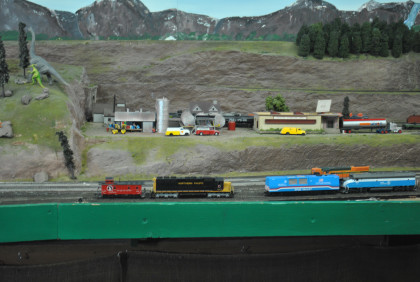
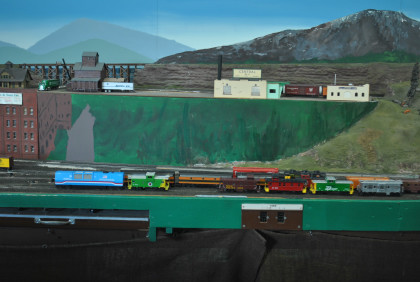
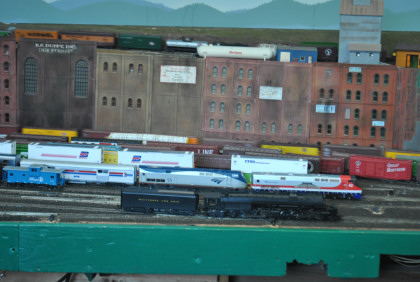
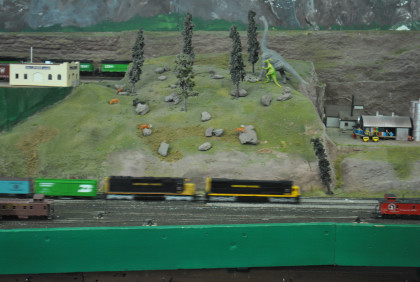
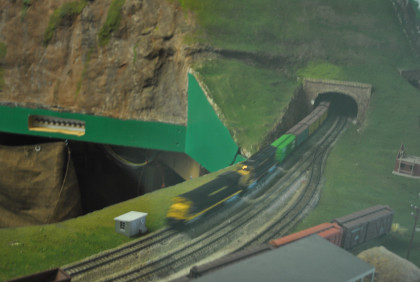
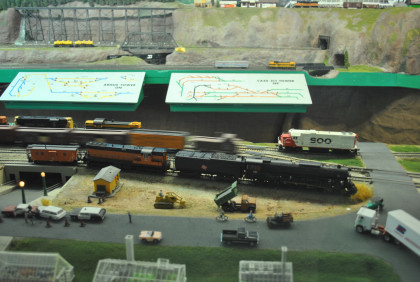
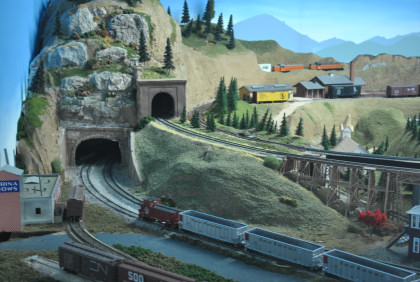
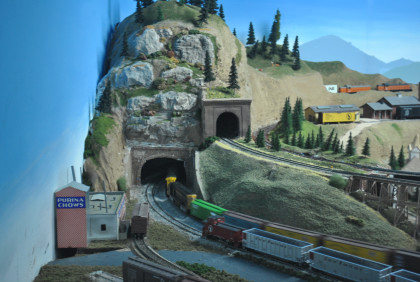
Model trains housed here pass through Fargo/Moorhead of the 1950’s. Over 400 feet of HO track are in place, with three trains operating at one time. The trains are motion-activated and start running when you enter this room. The display shows the Union stockyards, Northern Pacific Depot, Dilworth and many buildings along Font street, renamed Main Street in 1957.
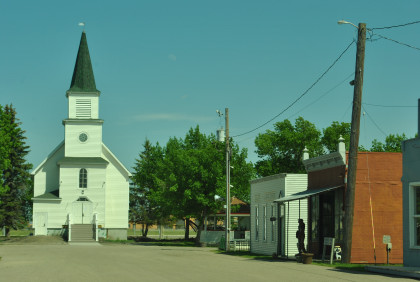
A Bonanzaville scene. Our next stop was in Davenport for a train ride this late afternoon.
| RETURN TO THE MAIN PAGE |