




After a fantastic Milwaukee Road 261 chase from Breckenridge to Wilmar, Bill Compton and I drove to Currie, Minnesota.
End-O-Line Railroad Park 6/4/2017End-O-Line started as a 4-H Community Pride Project in 1972 and Murray County took over management of the park in 1975. What started as a little community pride project by a couple of young 4-H students has become a wonderful tourist attraction in Southwest Minnesota.
Currie marked the end of the line for this particular branch of the Chicago Northwestern Railroad. This line was originally supposed to go through to South Dakota but with lines going through Tracy on the north and Slayton on the south, the railroad did not see a need to continue the tracks past Currie. The turntable was built in 1901 and was used to turn the steam engines around to head back to Bingham Lake. The turntable is on the National Register of Historic Places and is the only one left in the state of Minnesota, on the original site, still operable, and always turned by manpower - it was never hooked up to steam or horses.
This museum is a gem full of railroad history as well as early American frontier history.
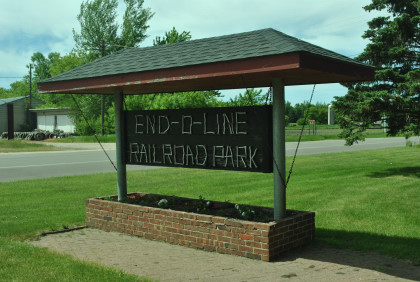
The End-O-Line Railroad Park sign.
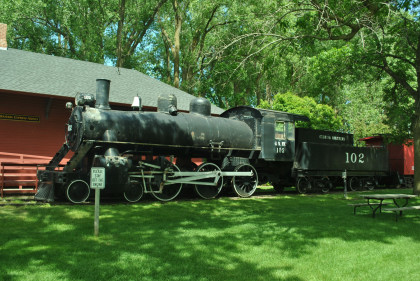
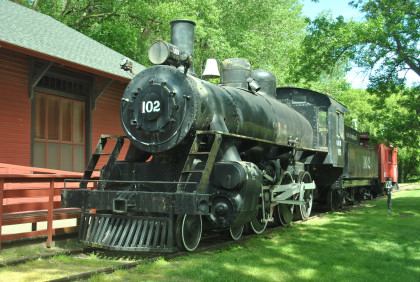
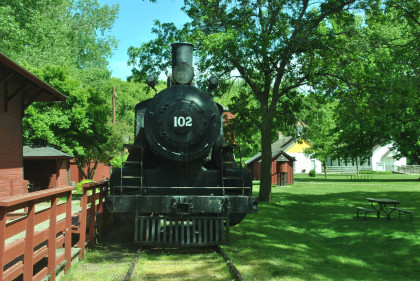
Georgia Northern 4-6-0 102 built by Alco in 1923. It was sold to Norton Coal in Ilsley, Kentucky as their 102 then sold to Richard Jensen at Ilsley in 1965 and was moved to Chicago in 1984. At some point, it was donated to the Illinois Railway Museum and in 1993, sold to End-O-Line Railroad Museum.
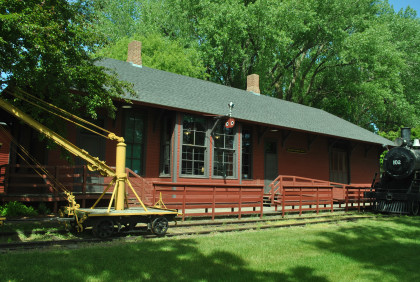
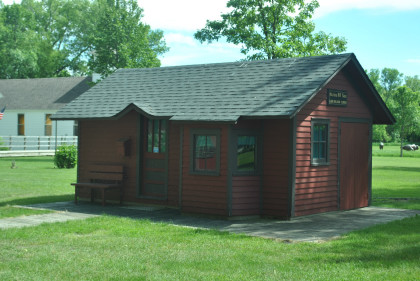
The Milwaukee Road station, built in 1900 and relocated here, was originally on Mill Street, now 200th Avenue, on the south side of the tracks.
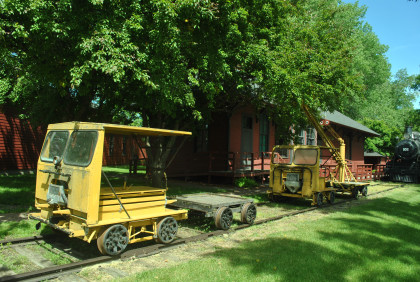
Track speeders.
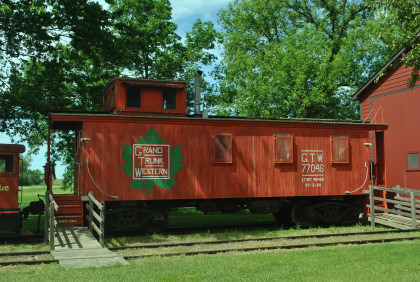
Grand Trunk Western wooden caboose 77046, built by the railroad in 1968.
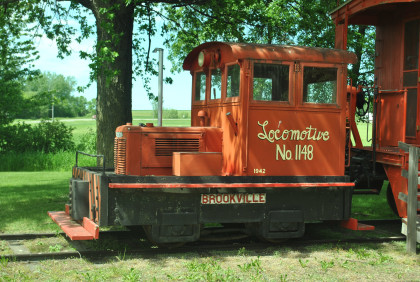
Brookville 8 ton switcher 1148, built by Brookville in 1942.
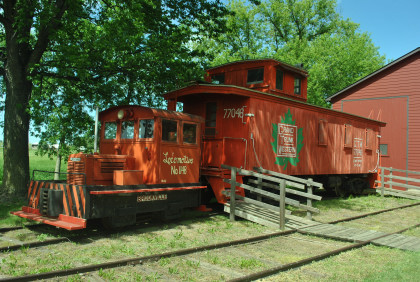
Museum scene.
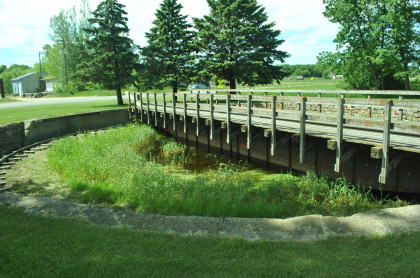
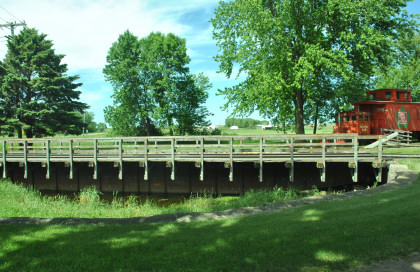
Armstrong turntable.
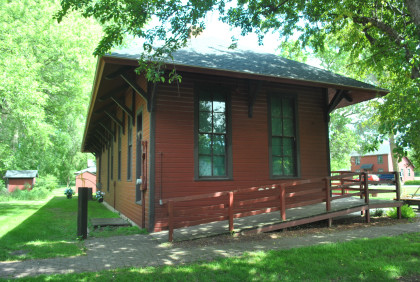
Hilfers Railroad Yard Lake Wilson station.
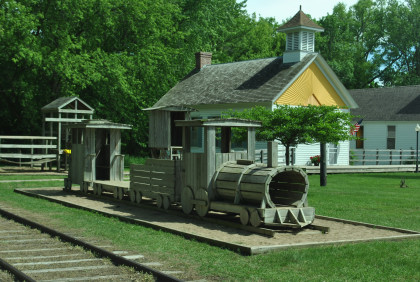
The children's play area.
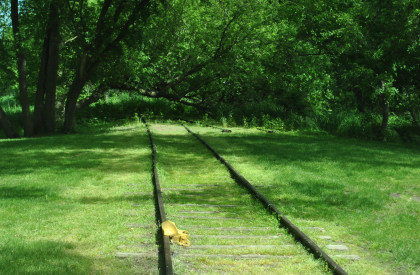
The End of the Line.
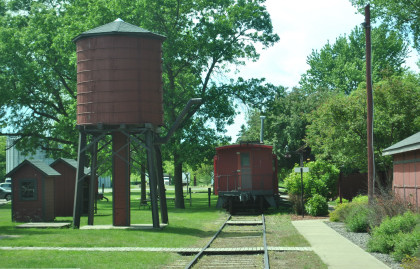
Museum view.
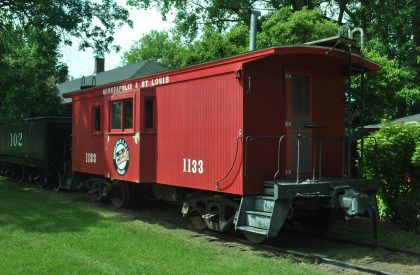
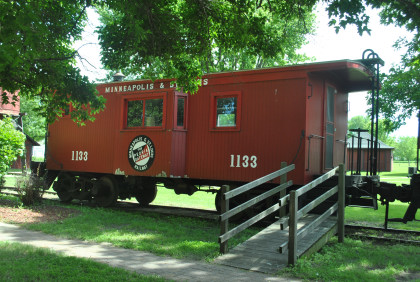
Minneapolis and St. Louis Railroad bay window caboose 1133, builder unknown, but constructed in 1945.
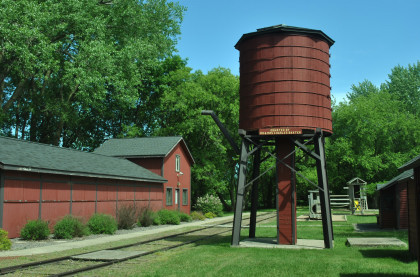
The Chicago and North Western water tower from Walnut Grove. I went inside the office and handed the young lady my business card and asked if she could open the engine house for me. She agreed so the three of us walked over.
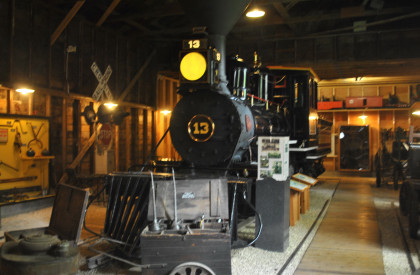
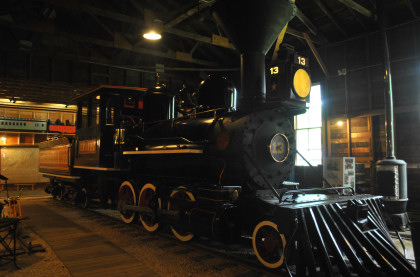
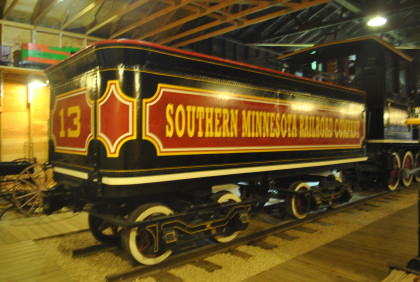
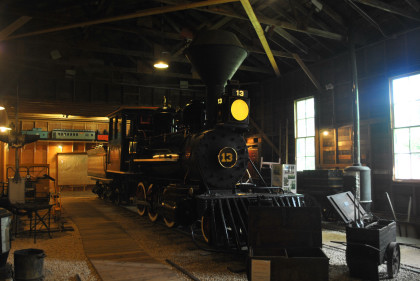
Southern Minnesota Railroad Company 2-6-0 13 is really Ferrocarril de Salavery y Trujillo 2-6-0 No. 6 built by Baldwin in 1876. Much later in its career, it was sold to John Pettingill in Ellenville, New York then in 1972, was sold to an individual in Green Bay, Wisconsin then in 1974, was sold to Marriot Corporation in Dayton, Ohio. Five years later, it was moved to Gurnee, Illinois and in 1983, donated to the Illinois Railway Museum. In 1986, it was sold to Robert Phillippe, who later sold it to the Prairie Expo Museum in Worthington, Minnesota before it finally came to Currie.
On to Mason CityAfter thanking the young lady, Bill and I left Currie and drove to Worthington.
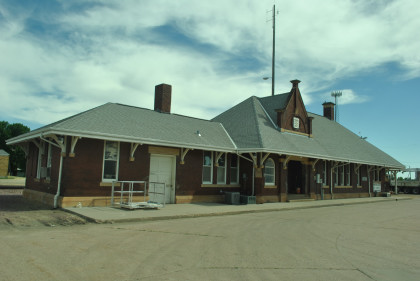
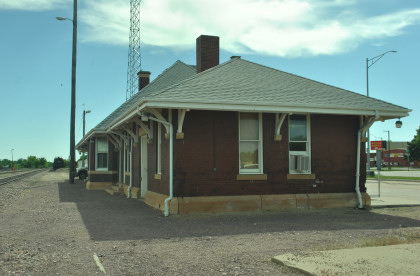
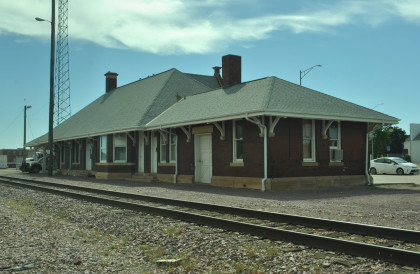
The Chicago, St. Paul, Minneapolis and Omaha station, built in 1898. We continued to Albert Lea, a significant railroad hub. Milwaukee, Minneapolis and St. Louis (later Chicago and North Western) and Rock Island all had three spokes meeting here and in addition, Illinois Central terminated in the town.
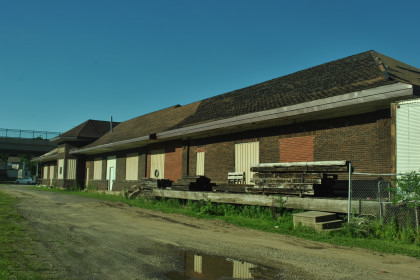
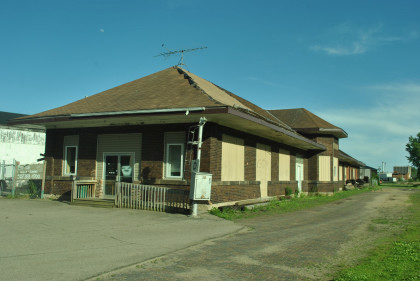
Albert Lea Minneapolis and St. Louis Railway station built in 1915.
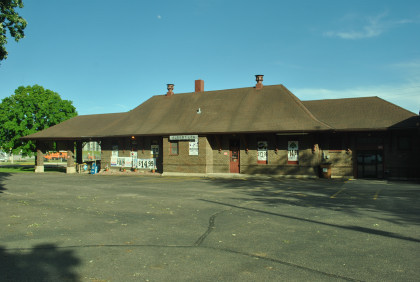
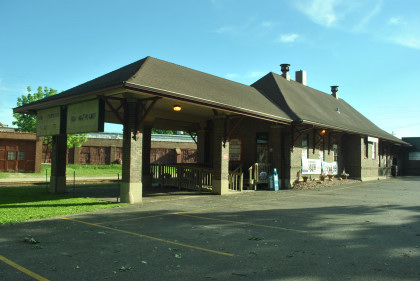
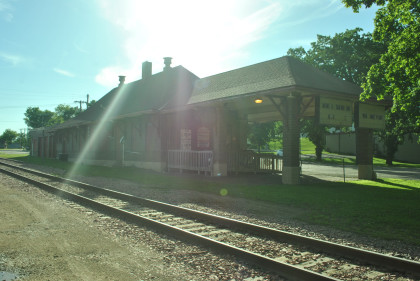
Albert Lea Milwaukee Road station built in 1914 by the Southern Minnesota Railroad, which built through the city circa 1868. The depot housed waiting, office and freight areas, with an express office added around 1930. It was placed on the National Register of Historic Places in 1982.
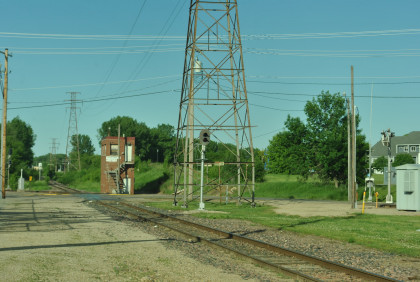
The Rock Island tower still stands at the diamond just east of South Newton Avenue.

This town also has a third station, belonging to the Chicago, Rock Island and Pacific, built in 1954. Next we went south into Iowa and Manly.
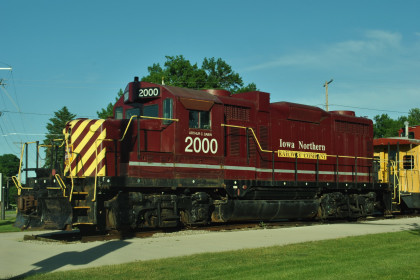
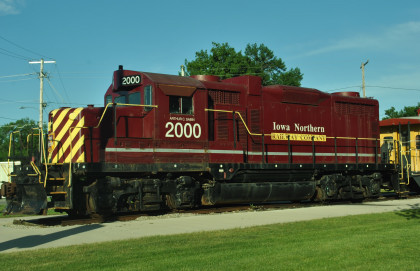
Iowa Northern GP20 2000, ex. Southern Pacific 4102, exx. Southern Pacific 4056, nee Southern Pacific 7206, built by Electro-Motive Division in 1962.
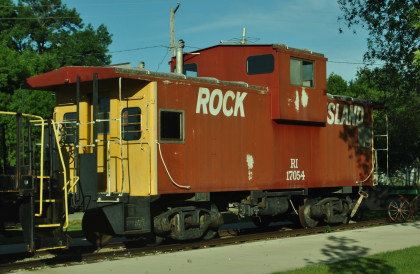
Rock Island caboose 17054 built by International Car in 1964. We proceeded south to Mason City.
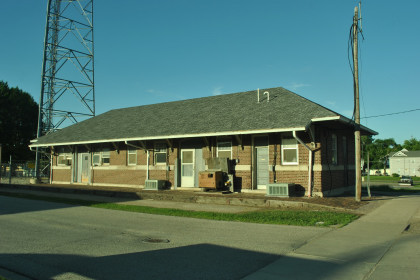
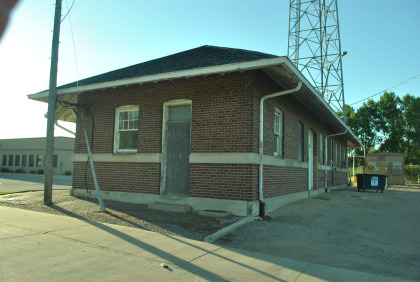
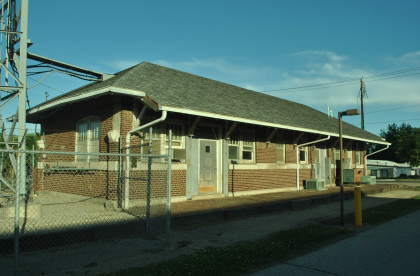
Chicago Great Western Mason City station built in 1950.
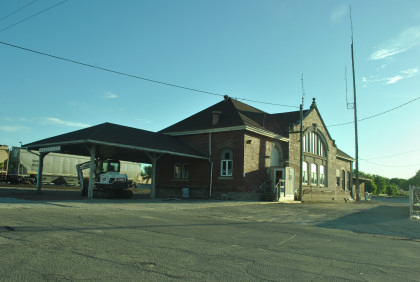
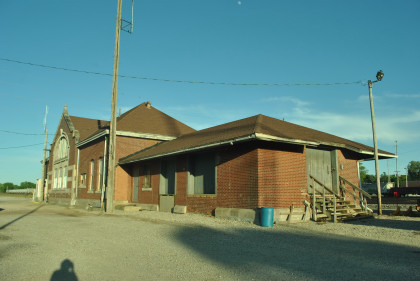
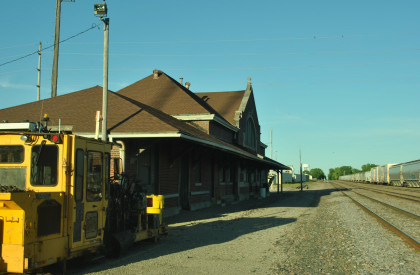
Milwaukee Road Mason City station built in 1889.
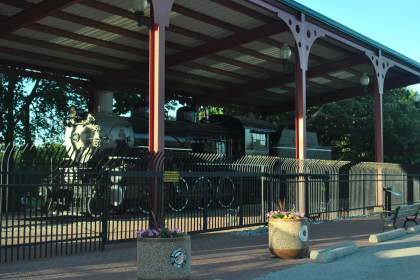
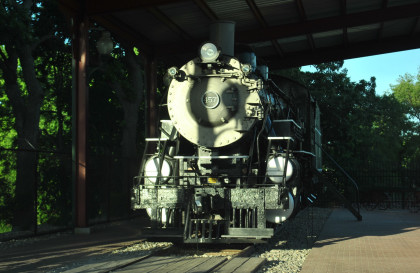
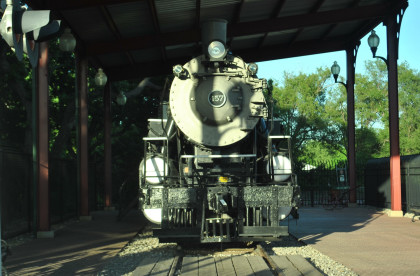
American Crystal Sugar Company 2-8-0 457 1959, nee Minneapolis & St Louis 457, built by American Locomotive Company in 1912. It saw service in Minnesota and Iowa and hauled troop trains during World War II but, by late 1950, the railroad had dieselised and the steam engine was sold to the American Crystal Sugar Company in Mason City, Minnesota, where it was used to switch carloads of sugar beets during the annual beet harvest season. Exactly when 457 was last used is unknown but in September 1959, it was moved to its current location in East Park. The Mason City Noon Rotary Club funded relocation resulting in the locomotive’s nickname of "Rotary Cannonball".
We stopped at Hardee's so I could get dinner then checked into the Days Inn for the night. In preparation for my flight home tomorrow, I had my boarding pass printed and was pleasantly surprised to find out that I was TSA Pre- check.
| RETURN TO THE MAIN PAGE |