




The two travellers arose at the Sage Inn in Santa Fe and after doing our Internet duties, went to the International House of Pancakes but they were closed. So we went across the street to McDonald's as time was of the essence. But for Elizabeth they had no fruit and maple oatmeal so she did not have a large breakfast, but I had my usual hot cakes and sausage. I then drove us to Chama and Elizabeth went inside to pick up our tickets while I parked.
Cumbres and Toltec Scenic RailroadThe Cumbres & Toltec Scenic Railroad is a three foot narrow gauge heritage railroad running between Chama, New Mexico and Antonito, Colorado. It runs over the 10,015 foot Cumbres Pass and through Toltec Gorge, from which it takes its name. Trains operate from both endpoints and meet at the midpoint. Today, the railroad is the highest and longest narrow gauge steam railroad in the United States with a track length of 64 miles. The train traverses the border between Colorado and New Mexico, crossing back and forth between the two states 11 times. The Cumbres & Toltec Scenic Railroad has been jointly owned by the States of Colorado and New Mexico since 1970 when it was purchased from the Denver and Rio Grande Western Railway, saving it from the scrap yards. The Cumbres & Toltec Scenic Railroad received the Designation of a National Historic Landmark in 2012 by the United States National Park Service.
HistoryThe railroad line was originally constructed in 1880-1881 by the Denver and Rio Grande Railroad as part of their San Juan Extension stretching from Alamosa, Colorado to Durango, Colorado. The line was constructed with three foot narrow gauge track to match the D&RGW's other lines. The line primarily supported mining operations in the San Juan mountains, mainly around Durango and Silverton. The longest and highest portion of the railroad, known as the Cumbres & Toltec Scenic Railroad, is 64 miles long and was constructed in 1880 in less than 9 months; an engineering miracle even by today's standards, considering the work was all done by hand.
Today's Durango and Silverton Narrow Gauge Railroad was built in 1882 as a branch line off this main. By the late 1950s mining had dwindled substantially and the line was on the verge of abandonment, but an oil boom near Farmington, New Mexico created a traffic surge that kept the line operating for another decade hauling oil and pipe. By the late 1960s the traffic was virtually gone and abandonment was applied for. The States of Colorado and New Mexico purchased the 64 miles of San Juan Extension between Antonito, Colorado and Chama, New Mexico in 1970 and started operating the next year under the name of the Cumbres & Toltec Scenic Railroad.
The Cumbres & Toltec Scenic Railroad continues to operate daily between May and October each year with five fully-restored steam locomotives. Soon the C&TSRR will have six fully restored engines when D&RGW 168 locomotive is moved from Colorado Springs, Colorado to Antonito, Colorado and restored to service. The 168 will then be the oldest and most authentic steam locomotive in the United States operating. The 168 was built in 1883 and is only one of two remaining of the original twelve locomotives built between 1883 and 1885 for the D&RG line. The other locomotive, 169 is on static display in Alamosa and not operational.
Tourist operationsIn 1970, the states of Colorado and New Mexico jointly purchased the portion of the line from Antonito to Chama along with much of the equipment that operated on the line. This section is the most scenic portion of the line, and a part that loops back and forth between the two states. The Cumbres and Toltec Scenic Railroad Commission was created by an act of Congress as a bi-state entity to oversee the railroad. Over the years the railroad has been operated by several operators under contract by the commission, including Scenic Railways (1970-1981), Kyle Railways (1982-1996), Cumbres and Toltec Scenic Corporation/George Bartholomew (1997-1999), Rio Grande Railroad Preservation Corporation (2000-2002), Cumbres and Toltec Scenic Management Corporation (2003-2011), American Heritage Railways (2012) and Cumbres and Toltec Operating LLC (2013-).
Tourist train rideTrains depart each morning from both Chama and Antonito. In peak season there are trains every day of the week in either direction. They meet at Osier, the midpoint of the line where lunch is provided. Passengers may continue on their train to the other end or switch trains to return to their original terminal. Through riders have the option of a motor coach return to their original terminal. All seats are reserved. Seats are sometimes available to walk-ups, but this is rare in peak season.
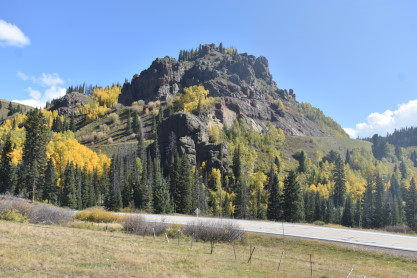
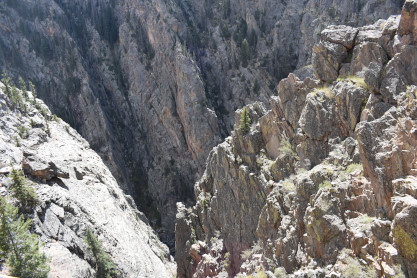
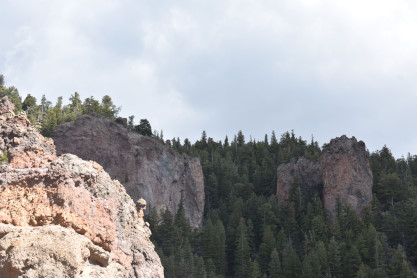
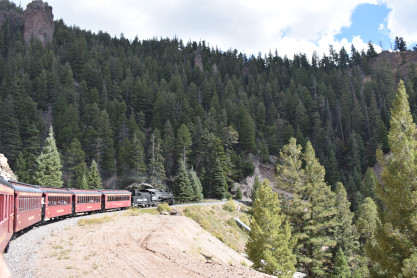
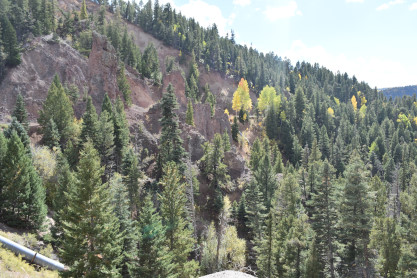
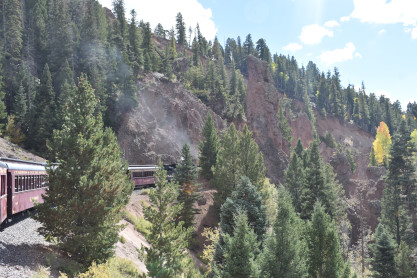
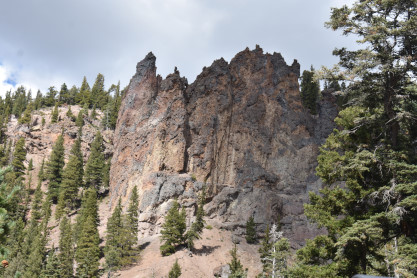
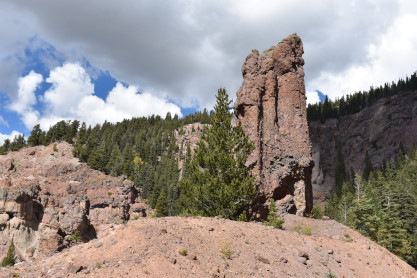
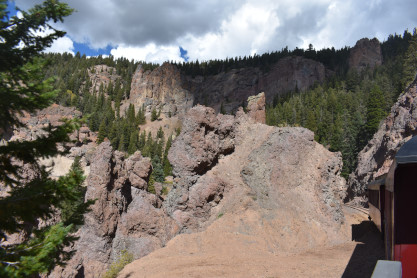
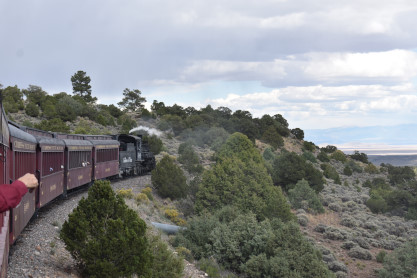
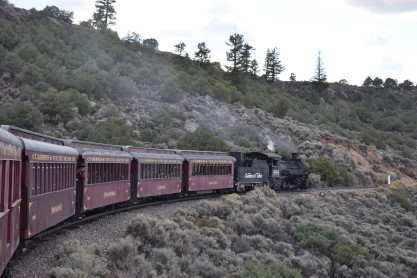
The line passes through Rio Grande and Carson National Forests. Most of the line is bordered by rocky ledges, cliffs and formations of varying types. The train passes along the rim of Toltec Gorge, a spectacular, though brief
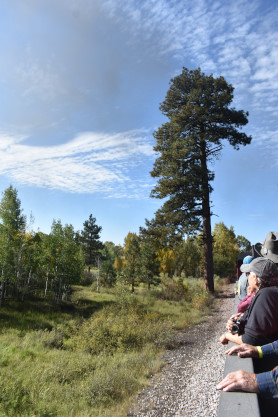
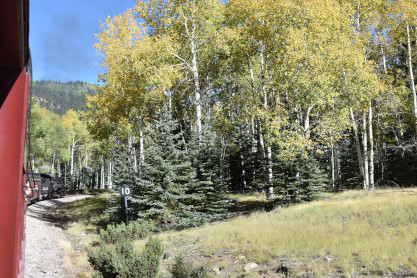
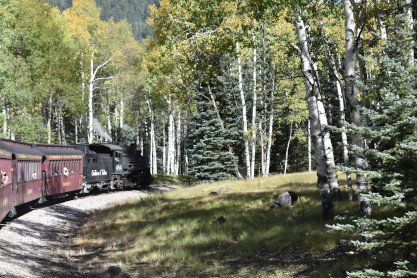
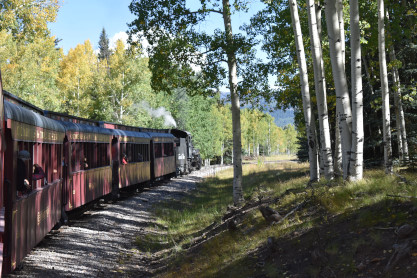
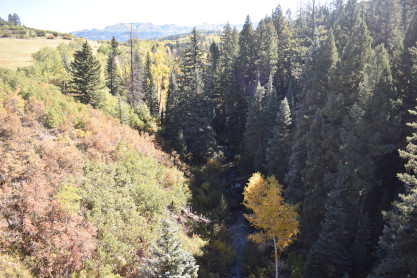
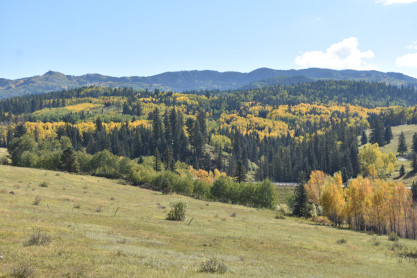
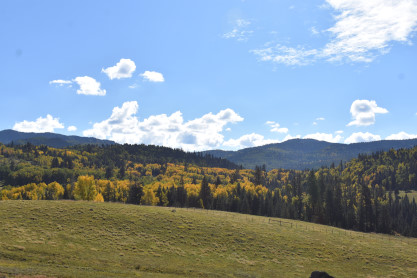
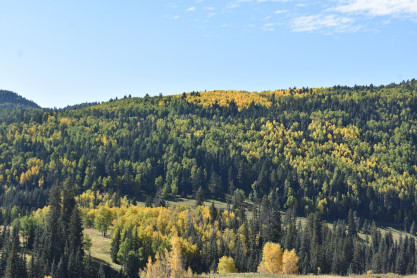
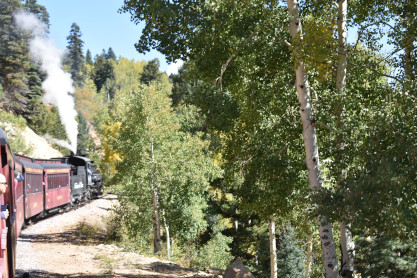
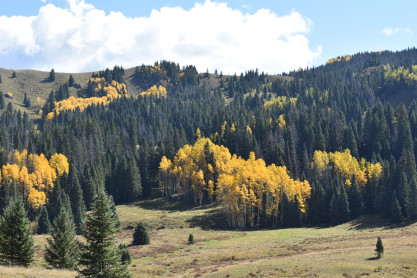
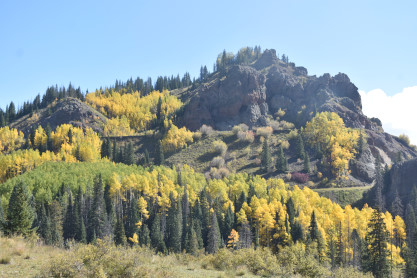
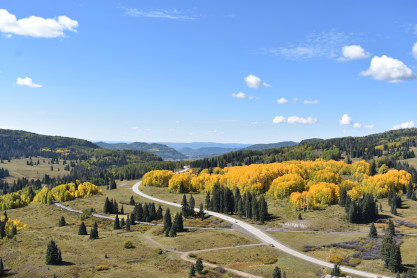
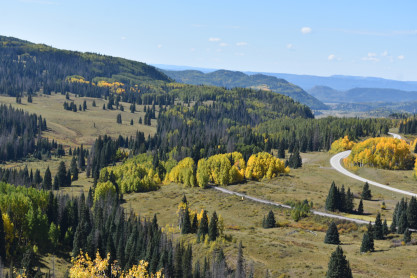
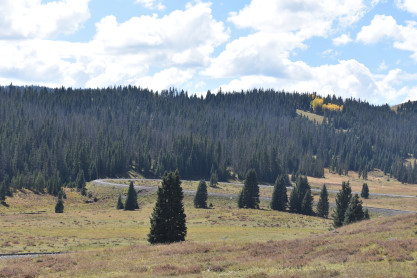
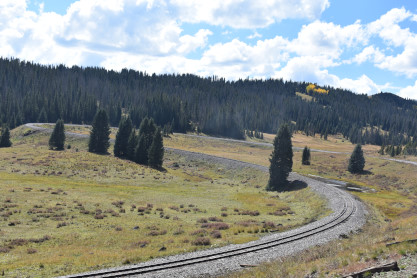
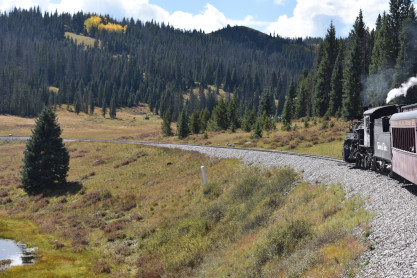
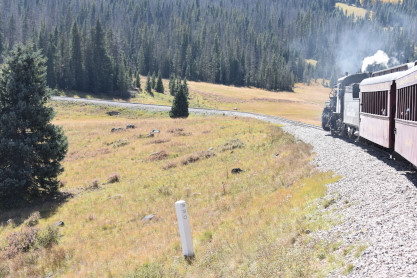
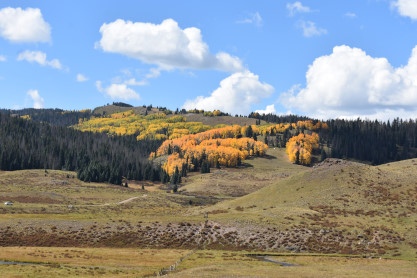
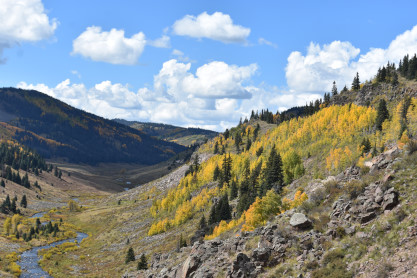
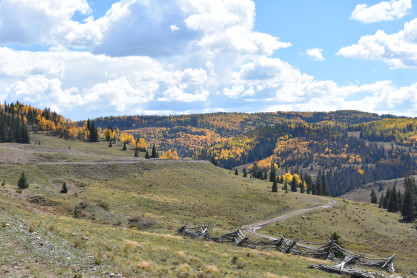
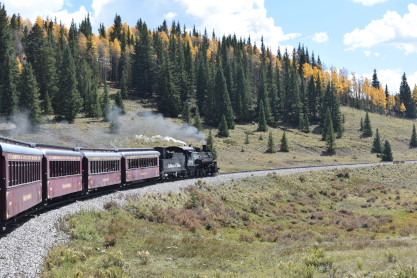
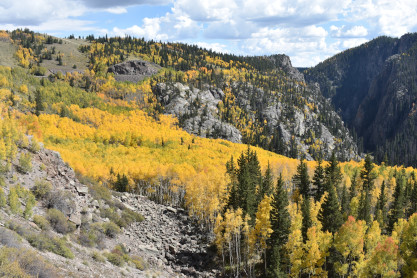
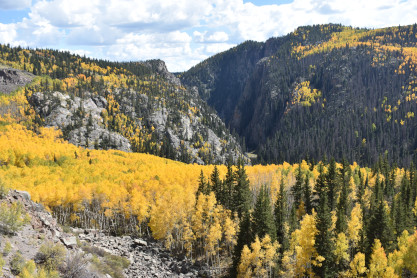
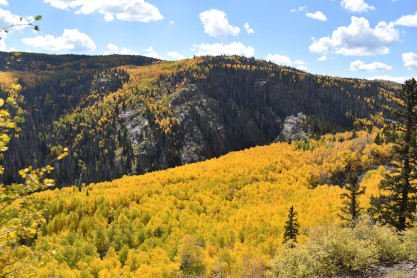
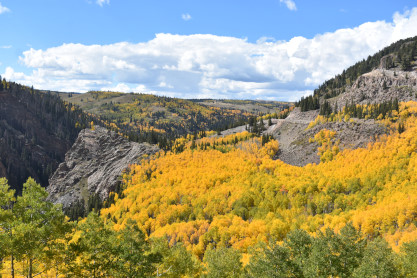
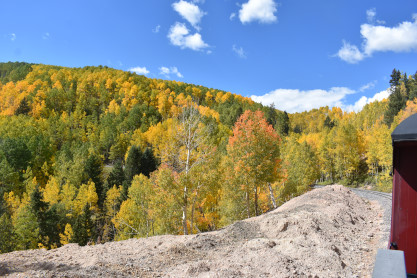
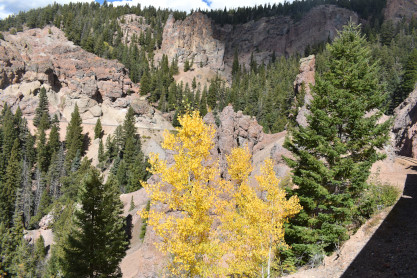
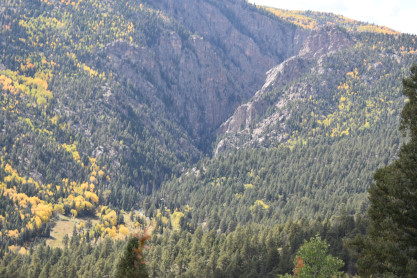
highlight. Conifer and aspen trees dominate with periodic mountain meadows. The aspen trees turn a brilliant yellow in the fall making those trips popular. The easternmost quarter shifts to scrubby and arid rolling hills. There are
numerous restored historic structures along the line, including two tunnels, bridges, section houses and water tanks. The Cumbres and Toltec is highly regarded by both railfans and historians due to its relative authenticity and surviving historic fabric. Chama houses one of the most physically complete railroad yards from the steam era in the
United Sates. Although portions of the roundhouse, warehouses and parking lots have been changed, the railroad yard has the ambiance of pre-1960 railroad operations. The yard tracks contain authentic rolling stock and structures of
the Denver and Rio Grande indigenous to the railroad line. All the steam locomotives at the C&TS were built for and operated their entire careers for the Denver and Rio Grande Western. All 2-8-2 Mikados, these range from the relatively small K-27 "Mudhen", 463, once owned by Gene Autry,
to the large K-37s, originally built as standard gauge locomotives. The mainstays are the venerable K-36 fleet, produced by Baldwin Locomotive Works in 1925. The only two Surviving D&RGW rotary snowplows are onsite and both have
operated for the C&TS. As Denver & Rio Grande Railroad San Juan Extension, the railway was listed on the National Register of Historic Places in 1973. The boundaries of the NRHP listed area were increased in 2007. The railroad was featured extensively in the 1969 film "The Good Guys and the Bad Guys" and was used in the opening sequence of "Indiana Jones and the Last Crusade". The 2014 film "A Million Ways to Die in the West" also featured
this railroad. The C&TS has numerous siding and yards. There are turning wyes at Chama, Cumbres and Bighorn, turning loops at Osier and Antonito and a crossover at Lava. While officially headquartered in Chama, the railroad splits most of its
functions between the terminuses of the railroad. The Cumbres and Toltec Commission offices are at Antonito, along with the railroad's main car shop where repairs to rolling stock are performed. The center of actual operations for the
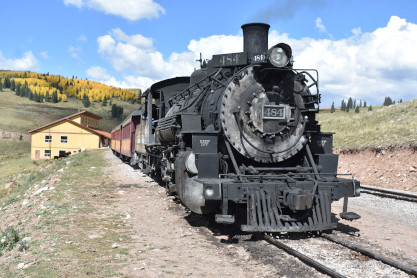
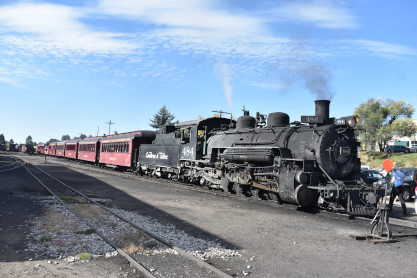
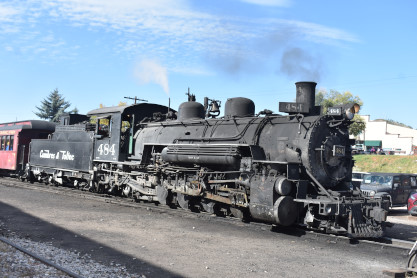
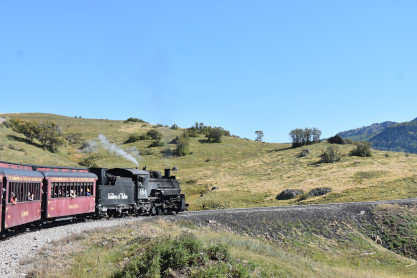
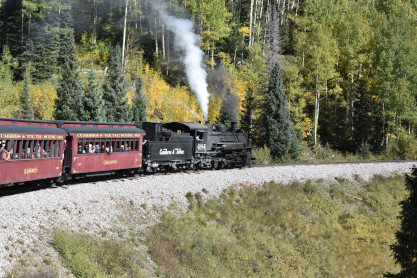
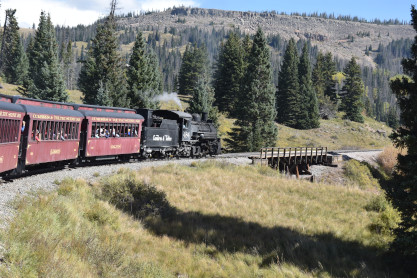
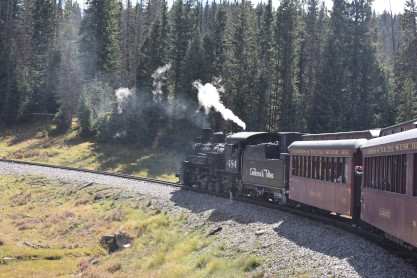
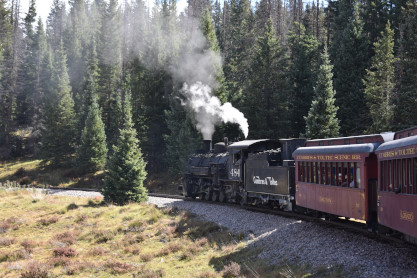
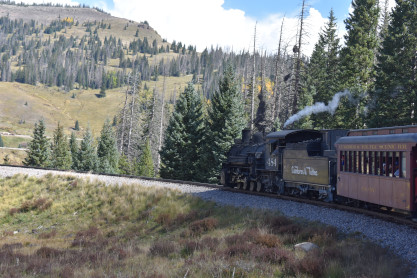
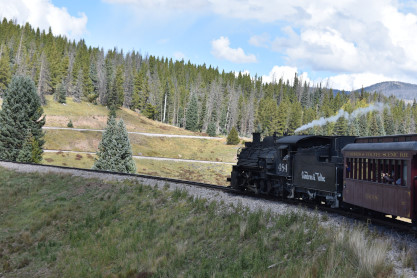
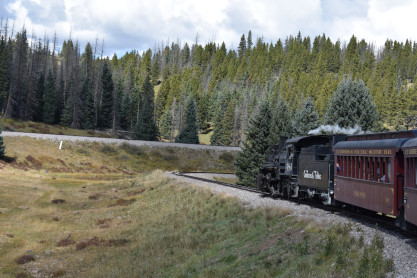
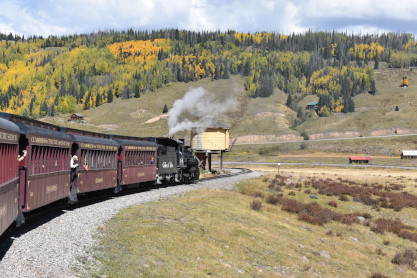
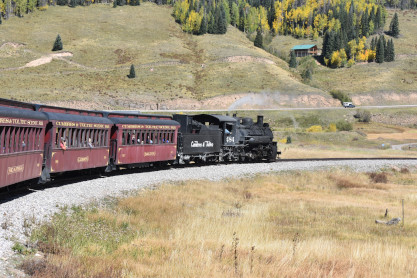
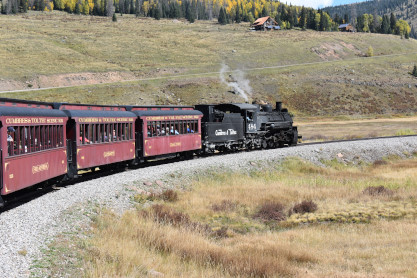
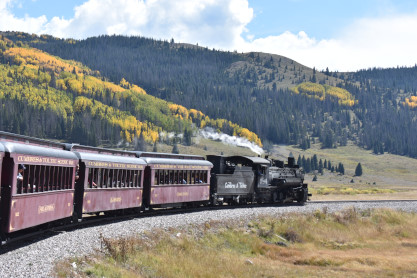
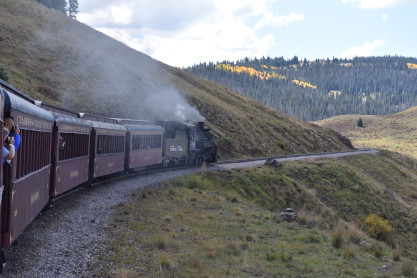
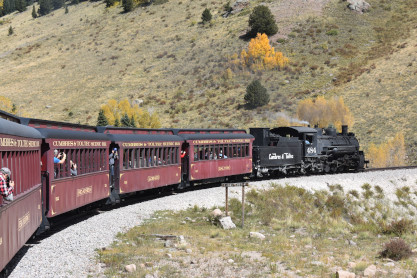
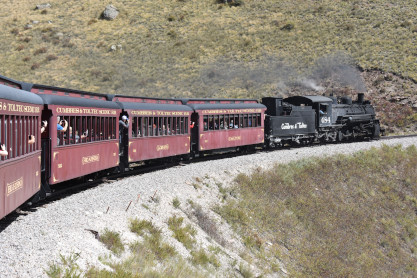
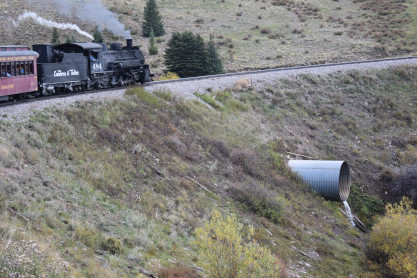
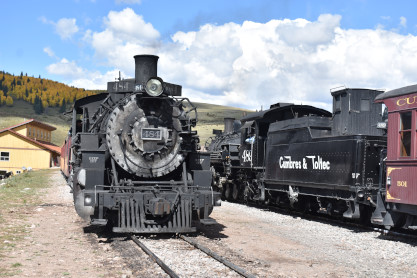
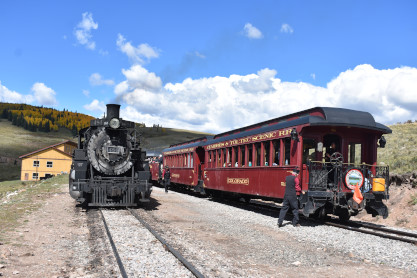
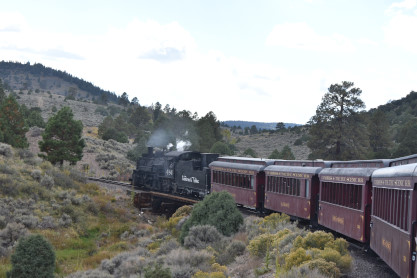
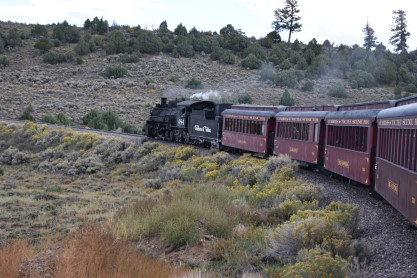
railroad is Chama, the site of the locomotive repair shop and the location of most of the historic equipment. This train that would take us to Antonito this morning. Cumbres and Toltec K36 2-8-2 484, nee Denver and Rio Grande Western 484, built by Baldwin in 1925. I boarded the train and had to have a lady moved because she was sitting in our seats. Elizabeth returned and it was not too long
until we departed. Our docents Rex and Billy introduced themselves to the passengers and Billy distributed route guides. The train departured Chama and we sat in our seats until the conductor punched our tickets, after which Elizabeth
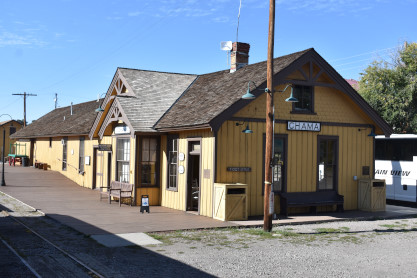
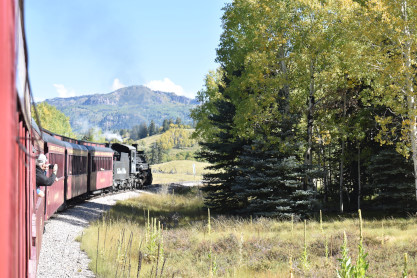
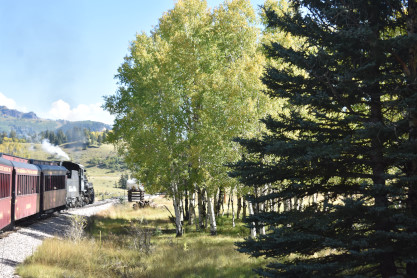
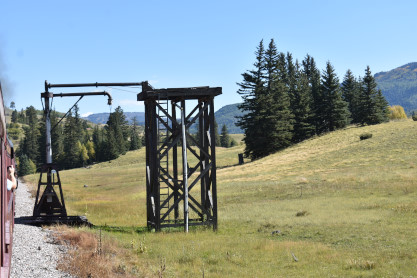
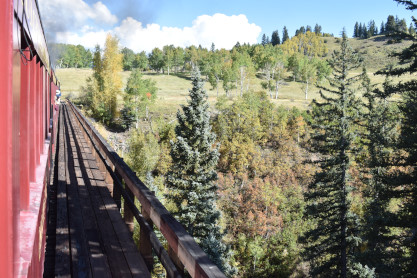
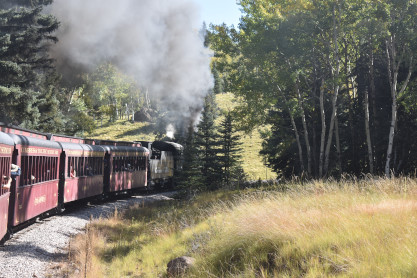
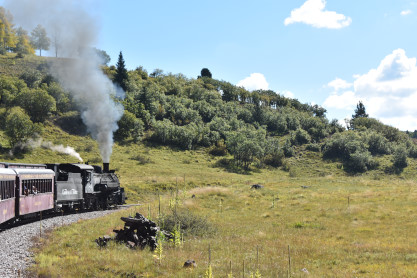
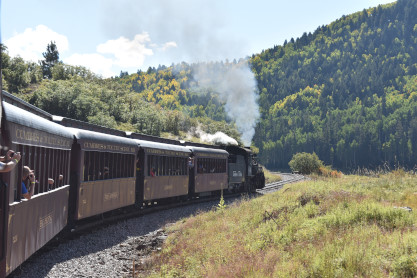
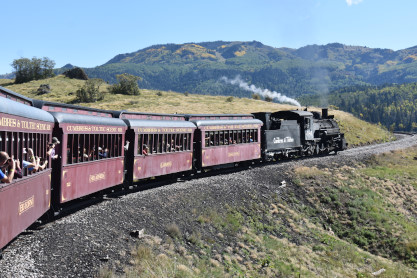
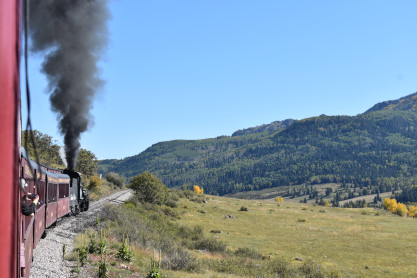
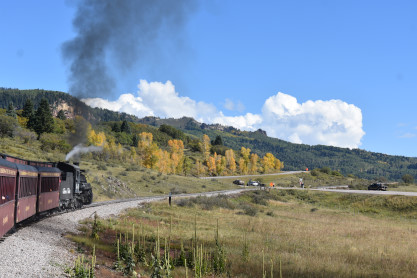
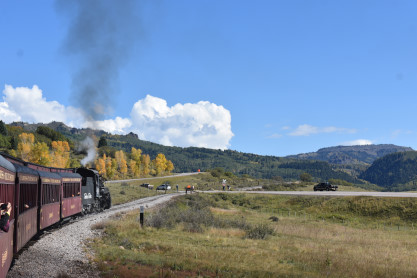
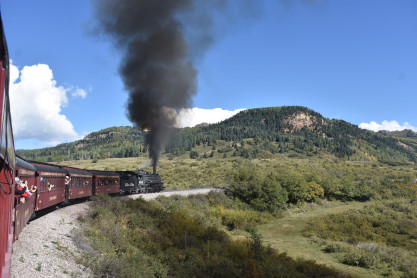
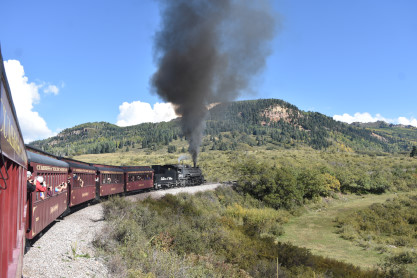
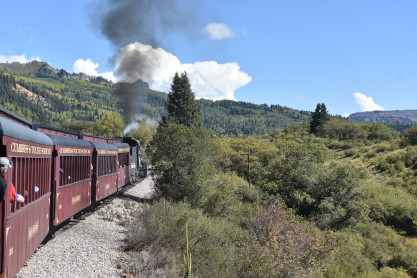
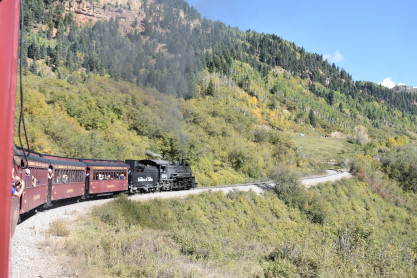
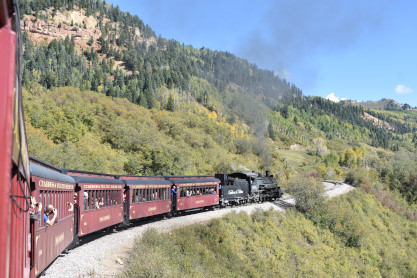
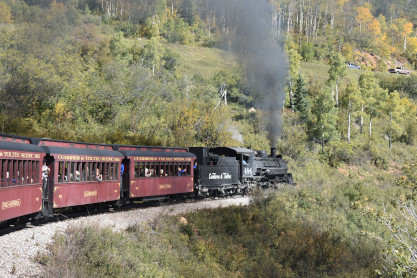
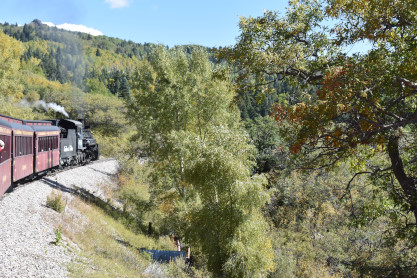
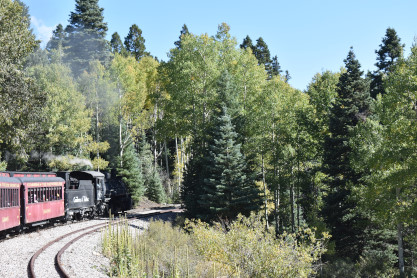
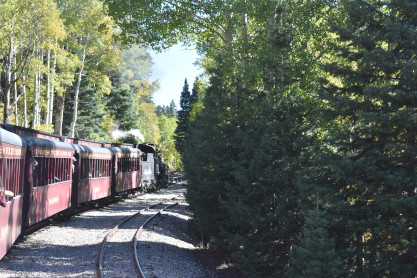
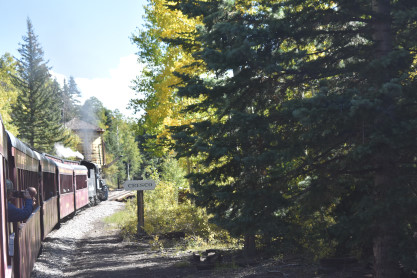
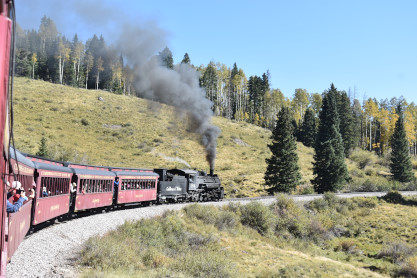
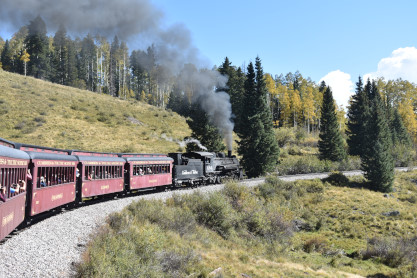
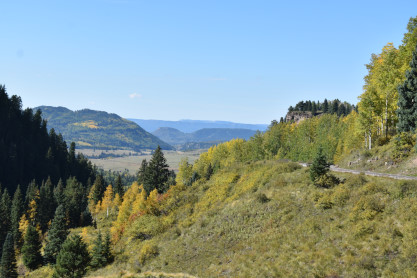
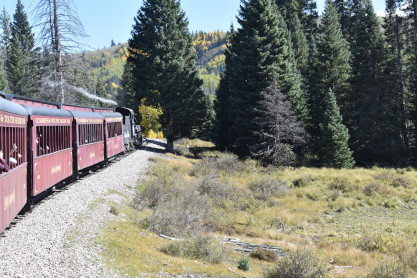
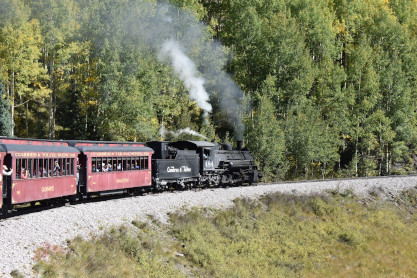
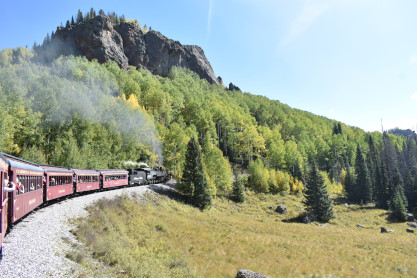
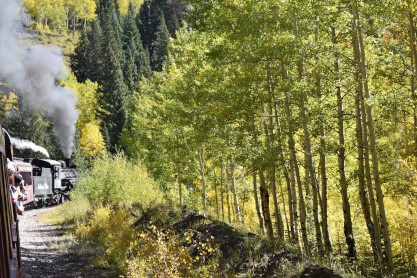
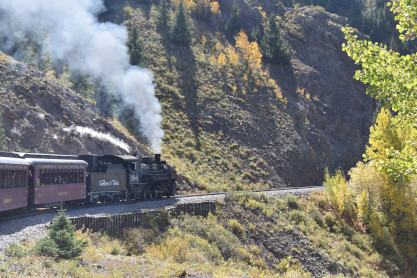
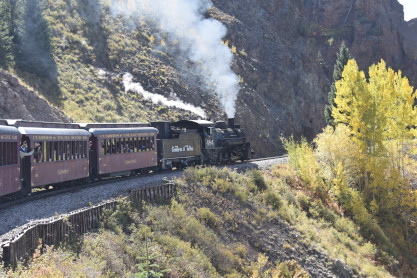
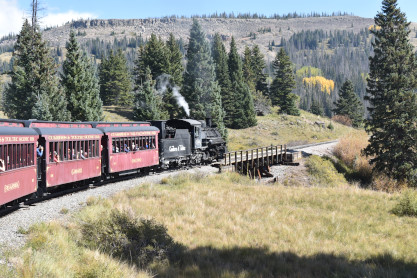
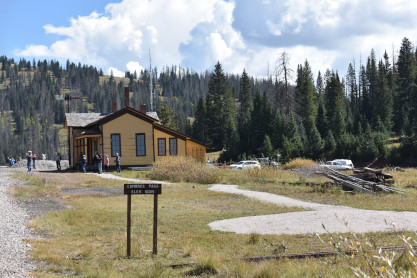
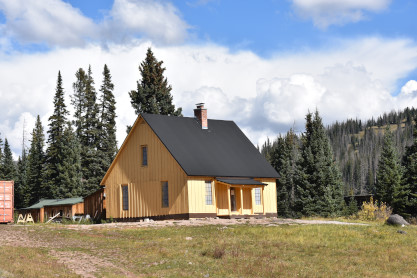
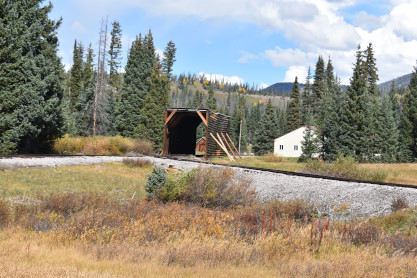
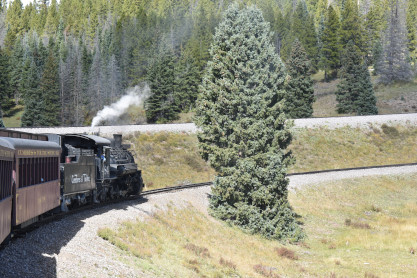
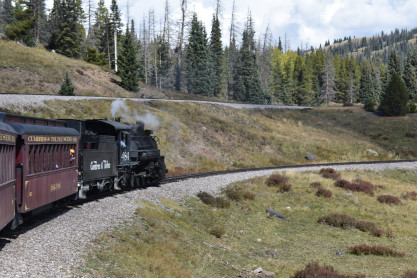
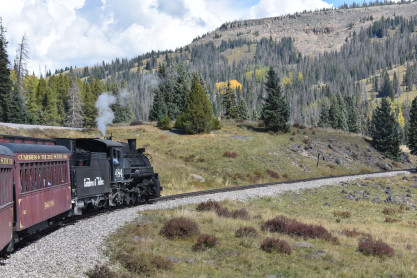
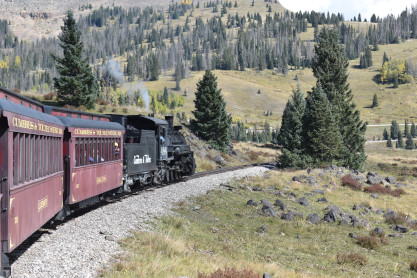
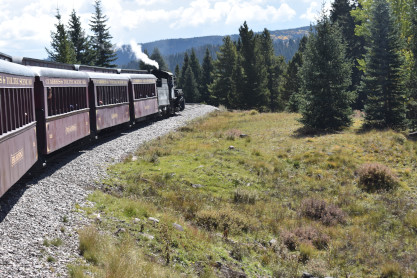
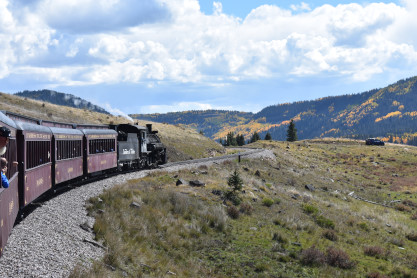
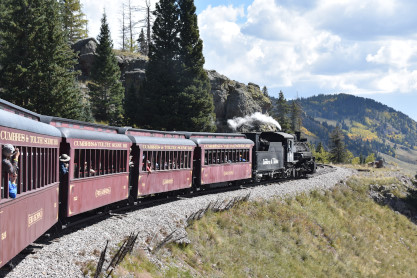
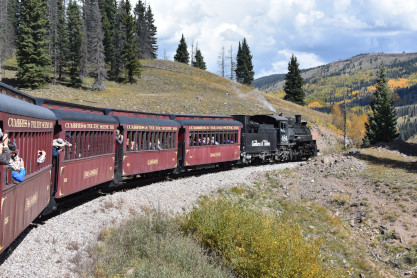
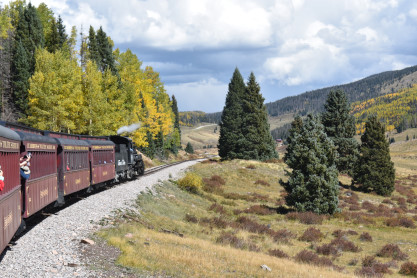
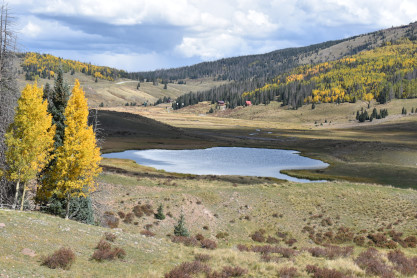
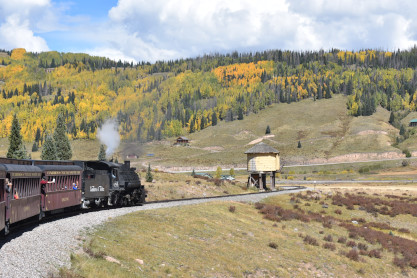
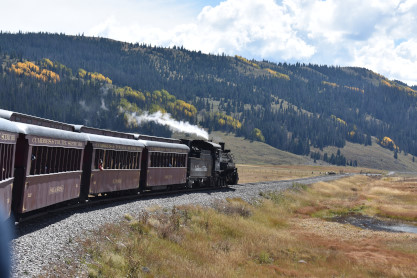
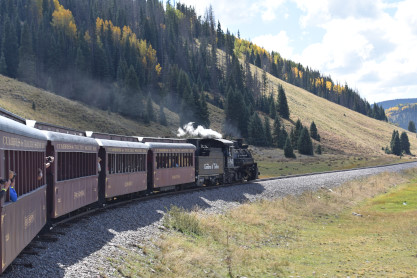
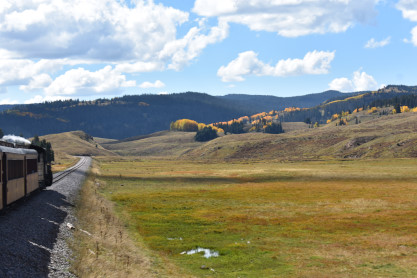
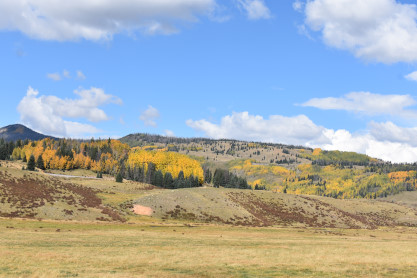
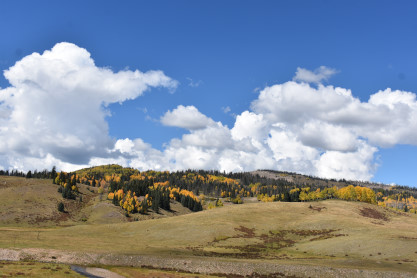
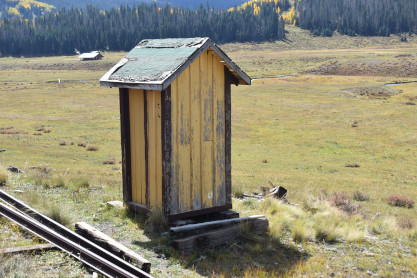
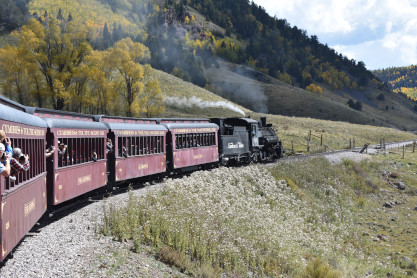
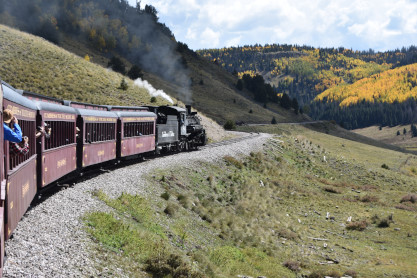
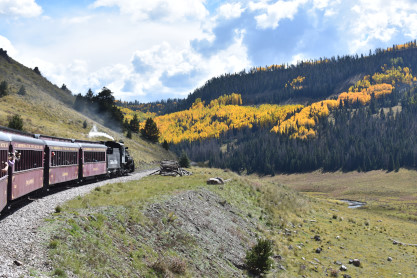
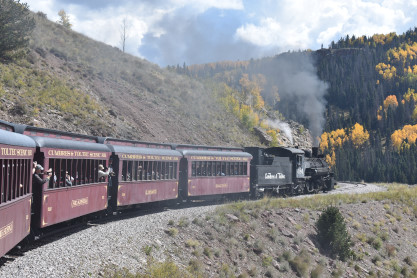
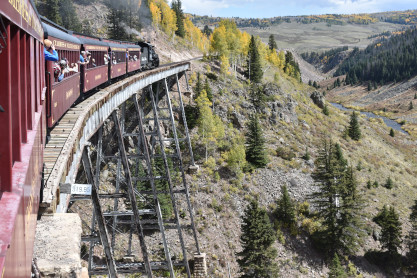
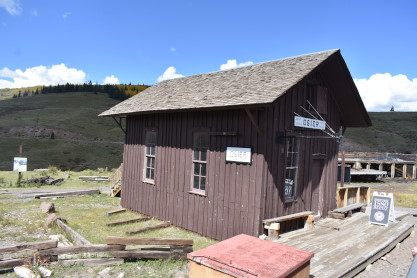
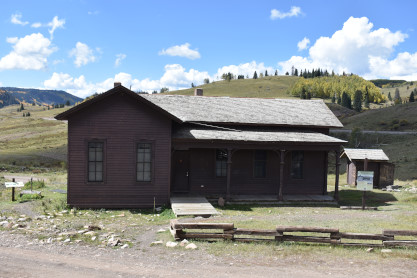
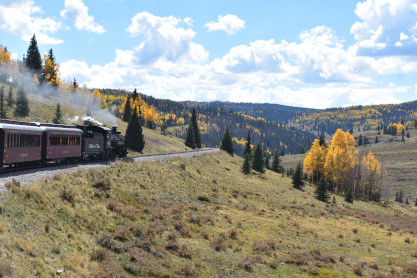
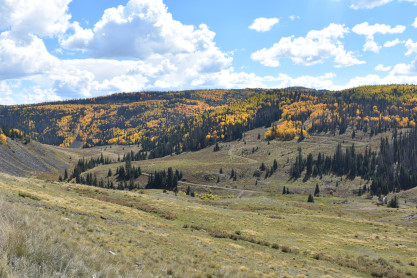
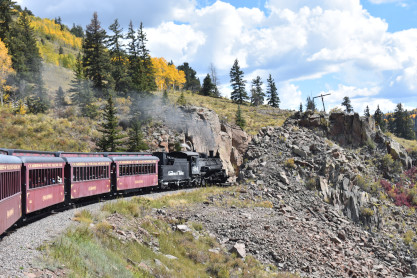
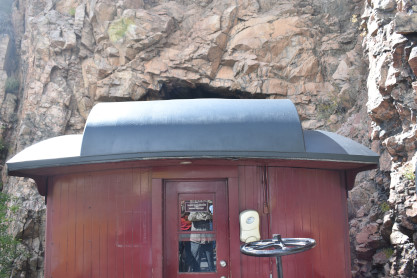
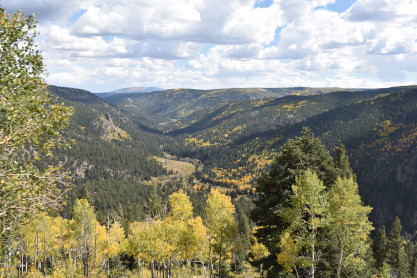
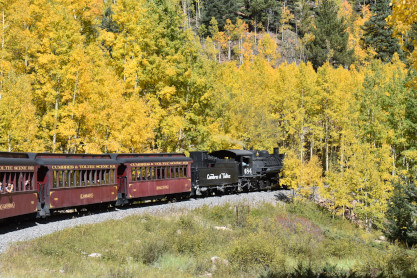
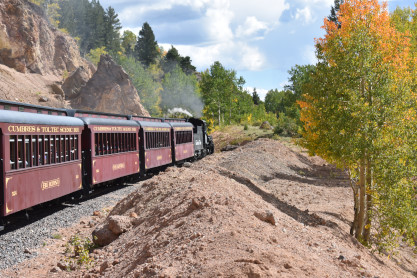
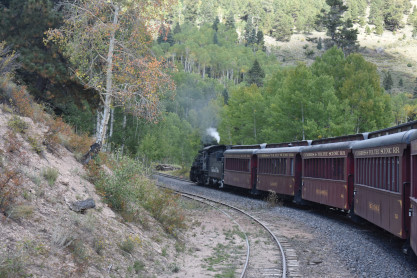
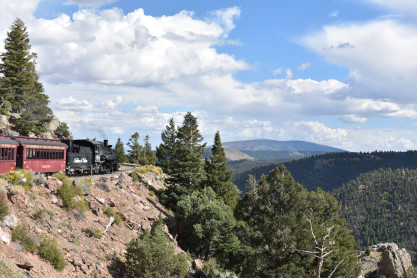
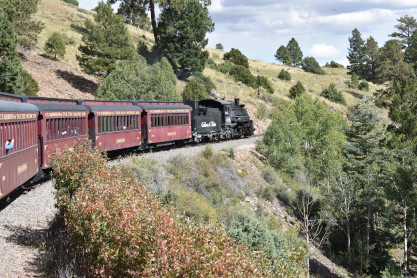
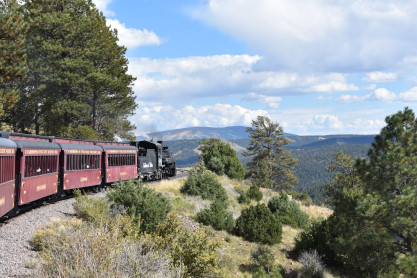
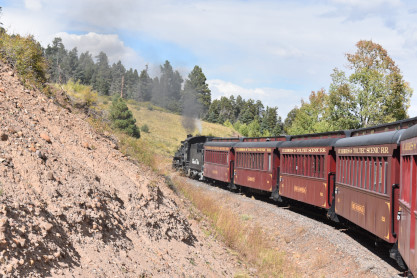
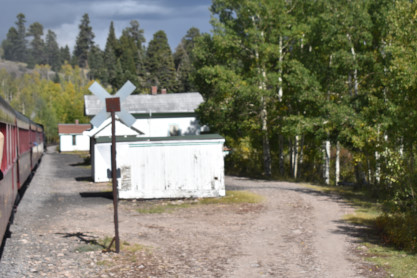
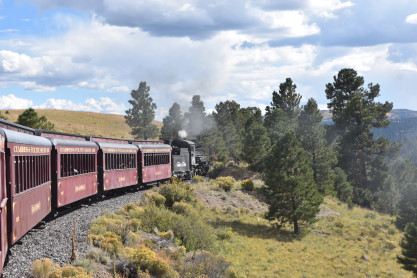
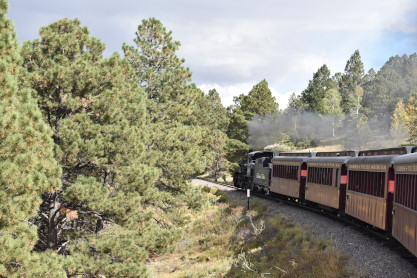
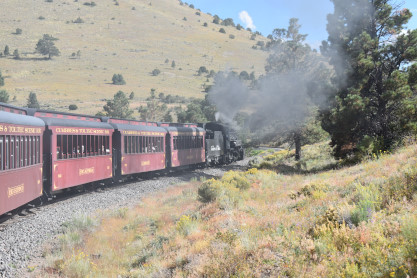
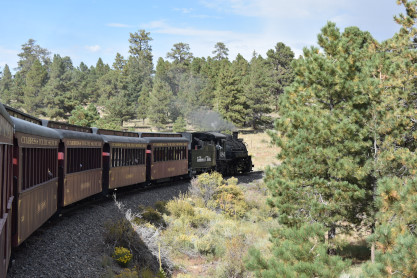
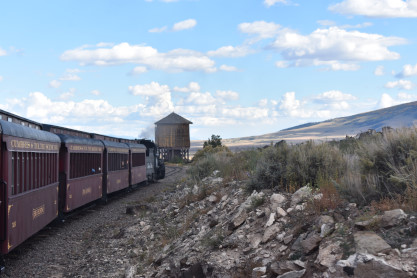
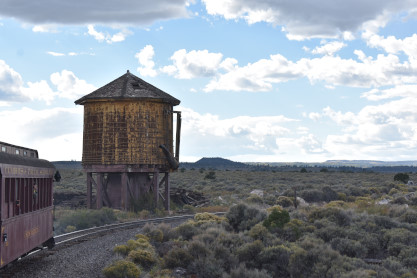
and I moved two cars back into the open air car. Denver and Rio Grande Western Chama station built in 1899. The train crossed the Chama River as we arrived in the open car. The Jukes Tree made famous by Fred Jukes. The train went through the Narrows as we climbed the four percent grade. Making its way to Weed City. The old water tower stand and water plug which was used by River Phoenix's escape from the bad guys in "Indiana Jones and the Last Crusade". Our train crossed the Lobato Trestle across Wolf Creek 100 feet below. Wolf Creek beneath the Lobato Trestle. Climbing away from the Lobato Trestle. Autumn colours were in their early stages. We had now reached Dalton on a beautiful morning. Climbing on the way to the second crossing of New Mexico Highway 17. Our train ran to second crossing of New Mexico Highway 17. Acscending the grade towards Cresco. The fire speeder following our train. Climbing the grade and going through the curves to Cresco. Cresco siding was passed. The train reached Cresco with the water tower built in 1893. Our train is climbing the grade towards Coxo. A look back down the grade. Continuing the ascent to Coxo. Fall colors are out and abound in some areas. Two views toward Windy Point after which we passed the small siding at Coxo. Climbing the grade to Windy Point. Views from Windy Point. Crossing the old highway 17 trestle into Cumbres Pass. We stopped for eight minutes for water at Cumbres Pass with the old section house in the picture. The section house at Cumbres Pass. The old Cumbres Pass wye snowshed before I walked to my seat for Tanglefoot Curve. Tanglefoot Curve. Going around the curve. We headed towards Los Pinos Valley. We have not entered the Los Pinos Valley. A small mountain pond. Passing the Los Pinos water tower. Rounding the curve to reverse its direction to travel south down the Los Pinos Valley. Heading south down the Los Pinos Valley. Autumn colours across the valley. Rounding a curve at the south end of the valley. Clouds were billowing above the fall colours. Denver and Rio Grande Western telephone booth. Across the Rio de Los Pinos, autumn colours abounded. On our way to the Cascade Trestle. The train crossing the Cascade Trestle, the highest bridge on this railroad, at 137 feet above Cascade Creek. Making our way toward Osier and lunch. Looking down the valley and the colours. Osier came into view. Curving into Osier across Osier Creek. The Osier station built in 1880. The section house built in 1881. We detrained and everyone detrained for lunch; I had chicken, corn bread and lemonade and Elizabeth had chicken, pulled pork, salad, potatoes and a lemonade, and we both had chocolate cake.
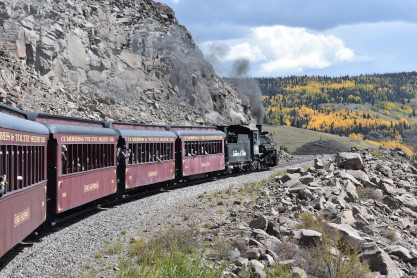
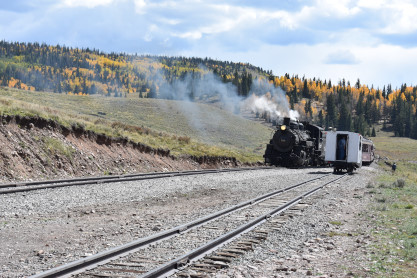
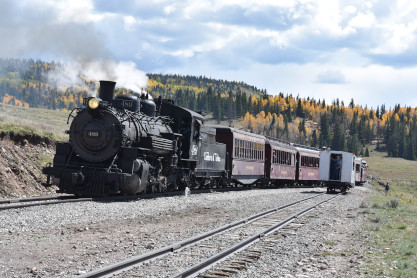
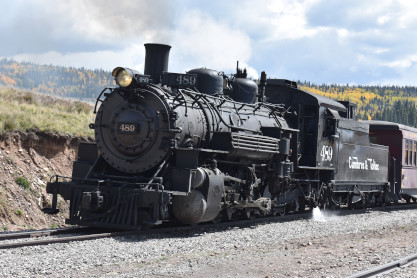
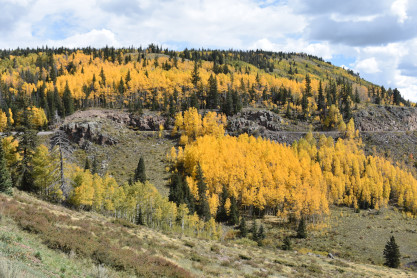
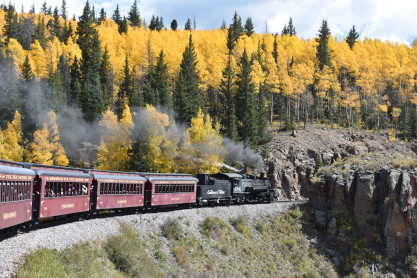
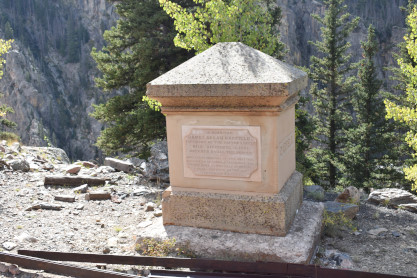
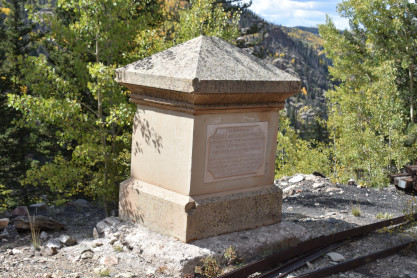
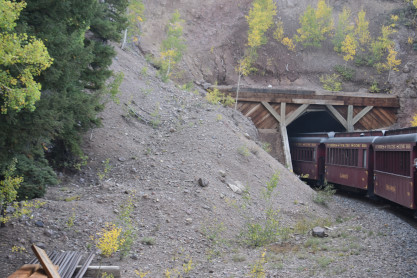
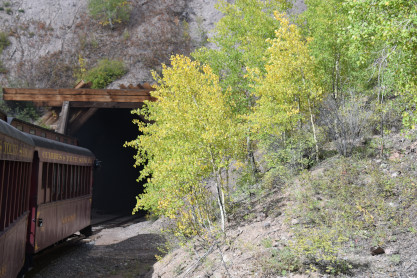
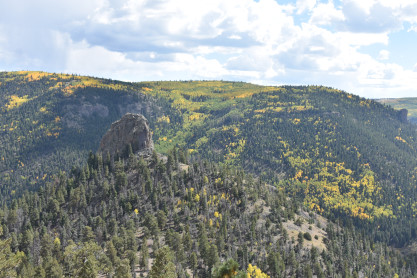
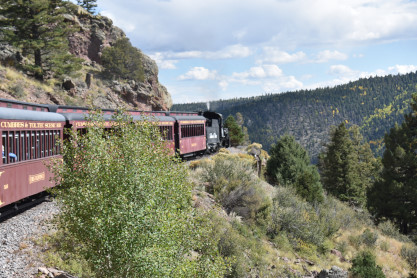
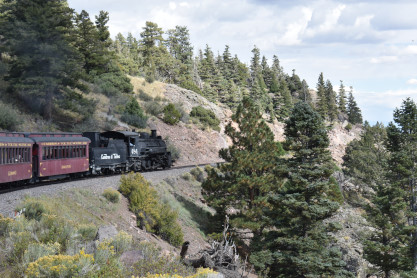
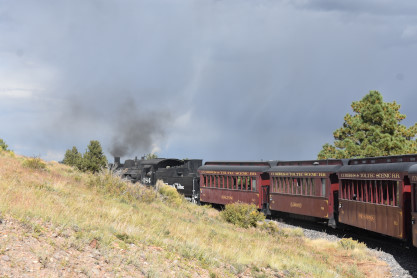
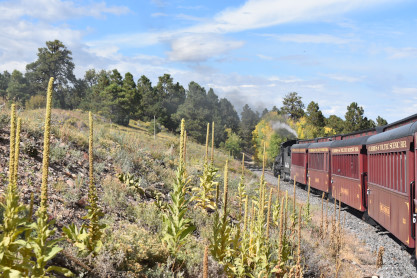
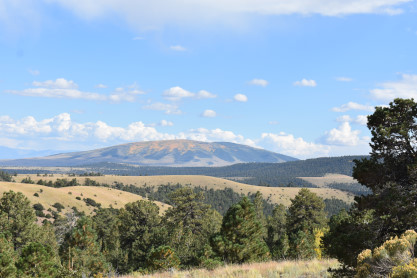
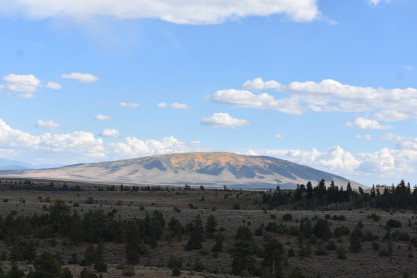
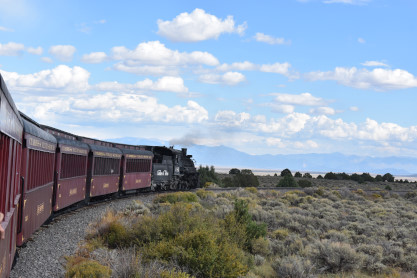
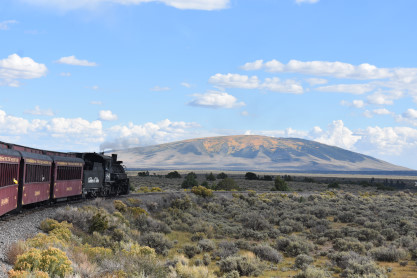
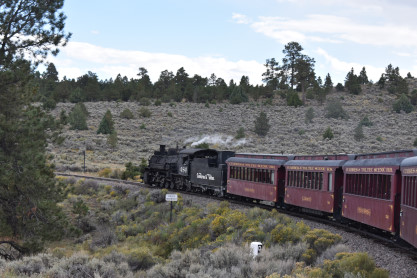
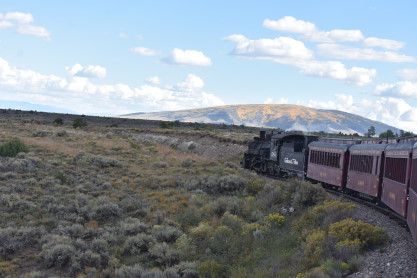
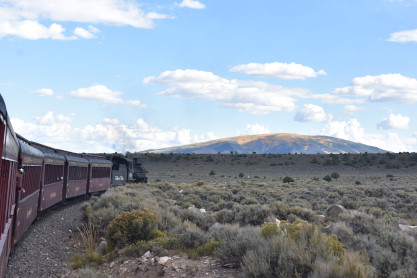
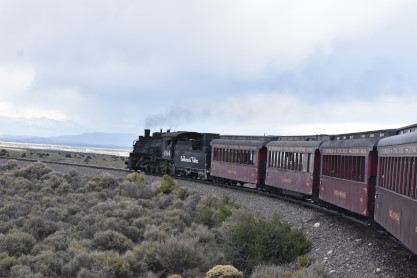
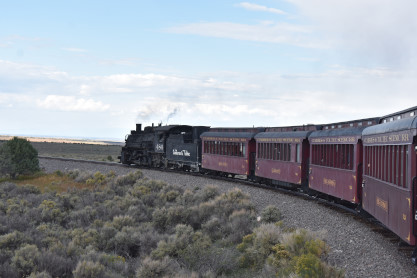
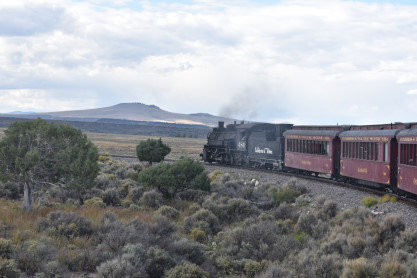
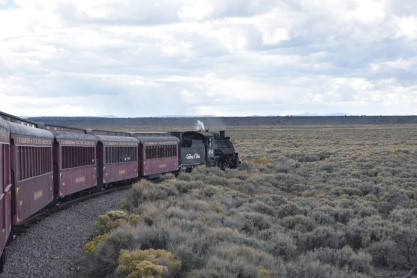
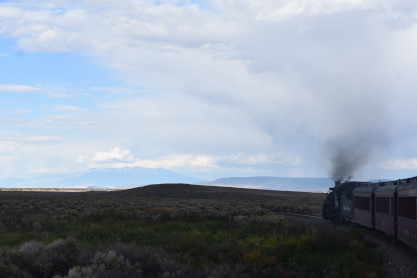
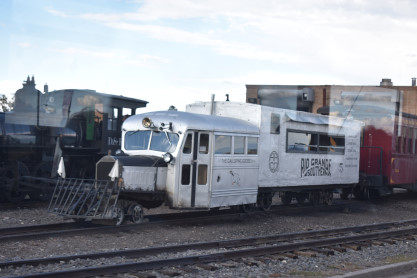
Afterwards, we heard the whistle of the train from Antonito, so set up to photograph it. Our train would take us all the way through to Antonito, unlike last year. The Antonito train arrived in Osier and passed Galloping Goose 5, which we will be riding westbound tomorrow. Cunbres and Toltec K36 2-8-2 489, nee Denver & Rio Grande Western Railroad 489, built by Baldwin in 1925. It was converted to burn oil rather than coal and was returned to operation in early June 2021. Two engines passing in Osier. The rear of the Antonito train with its drumhead. A look east at the ballooon track at Osier. Our train departed Osier for Antonito. Making its way to the Rock Tunnel. Views ahead of the train. Proceeding downgrade. The beautiful aspen trees. The Garfield Monument was erected by railroad ticket agents dedicated to the memory of Presdent James Abraham Garfield after his assassination in 1881. The Rio de Los Pinos is 600 feet below and the gorge is 800 feet across. We then entered the 360 foot Rock Tunnel. The view ahead of our train. Proceeding toward Phantom Curve. Autumn colours abound in these trees. Coming into Phantom Curve. Phantom Curve is named for the ghostly shapes and shadows seen by the locomotive headlights at night. Mud Tunnel is 342 feet long and requires wooden supports over its length. A look back at Toltec Gorge. We reached Toltec siding. Autumnal colours across the Rio de Los Pinos River. On the way to Sublette. Sublette was home to section gangs, the men who maintained the right-of-way ties, ballast and rails. On the way down the grade to Big Horn. Mount San Antonio, a shield volcano, a free-standing volcanic peak in Rio Arriba County, New Mexico. With an elevation of 10,908 feet, San Antonio Mountain is the highest peak within the Taos Plateau volcanic field, the largest
volcanic field within the Rio Grande Rift valley. The mountain is a dacite dome, built up of lava high in silica and mildly elevated in alkali metal oxides that erupted between 3.36 and 2.9 million years ago. The mountain lies just
outside a northwest boundary of the Rio Grande del Norte National Monument and is within the Carson National Forest. It is administered by the U.S. Forest Service rather than the Bureau of Land Management and is called "Bear
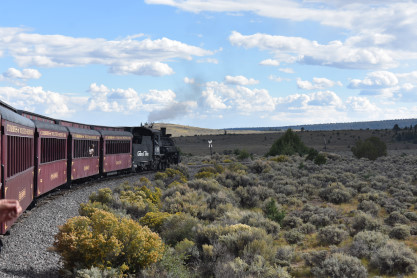
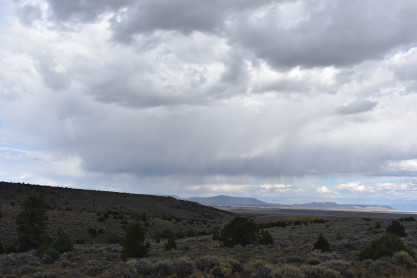
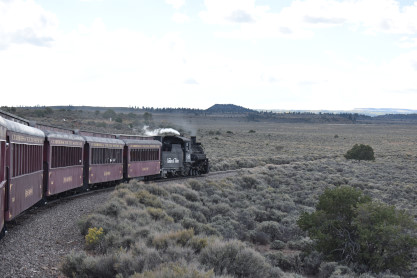
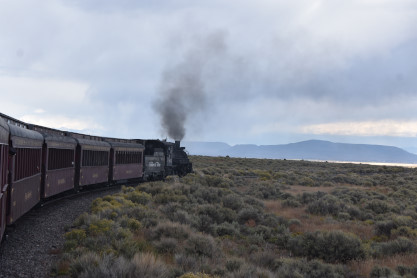
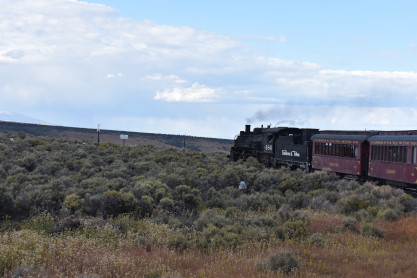
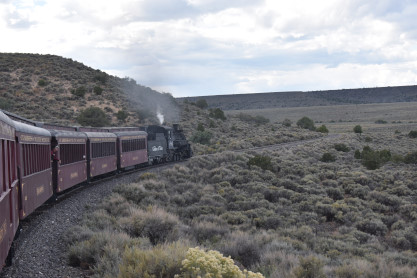
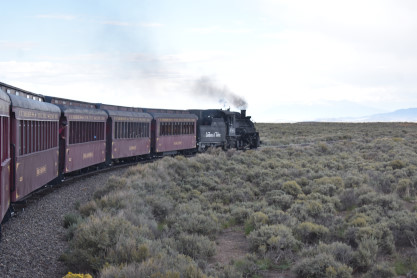
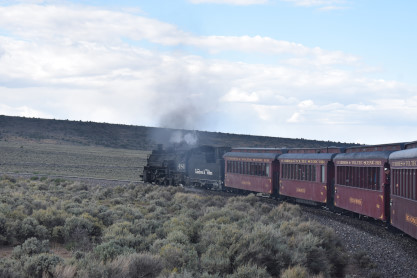
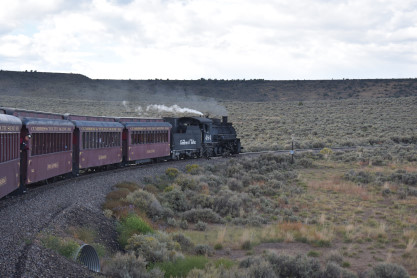
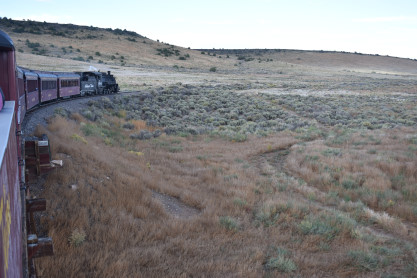
Mountain" by Tewa-speaking peoples in the Rio Grande valley, known as the mountain of the north in their cosmology. On the way to Big Horn. Petroglyphs along the Cumbres and Toltec Scenic Railroad. Making our way to Whiplash Curve. Another view of Mount San Antonio. The top of Whiplash Curve. The bottom of the curve. Becuase the steel wheels on steel rails slip on steep hills, the railroad must loop back on itself to gain altitude. Will we get rain today? No! On the way to Lava Tank. The Lava water tank. Next we would travel down the loop. Our train negotiating the Lava Loop. Travelling around the curves and descending the grade. Continuing downgrade. Coming into the San Luis Valley, which is greater than the size of Rhode Island. Our engine was still working hard pulling our train. Crossing Hangman's/Ferguson's Trestle, named for Mr. Ferguson who was convicted for an unknown crime and was hanged from this bridge by a local posse. We then continued the rest of the way into Antonito. Passing Galloping Goose 5 on our way to the station, where Elizabeth and I detrained and went to the bus, on which were all of the Galloping Goose riders from today's trip. We left, leaving about thirty people to wait for the
next bus and our bus driver engaged in a commentary during most of the hour-and-a-quarter trip back to Chama. Before we returned to the car, we visited the gift shop and Elizabeth bought a replacment T-shirt for the one that she
had somehow lost last year, as well as a new magnet. We then checked into the Branding Iron Motel for the night.
RETURN TO THE MAIN PAGE