




After lunch, we started to explore.
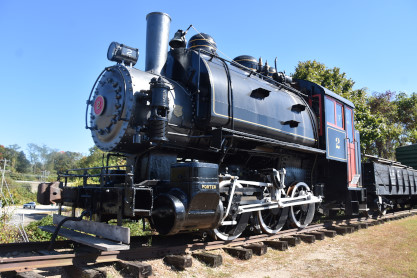

Simons Wrecking Company 2 0-4-0F, ex. R.B. Strong 1986, exx. Melvin Clark 1986, exxx. donation to Steamtown Foundation 1965, nee Simons Wrecking Company 2, built by H.K. Porter in 1920.
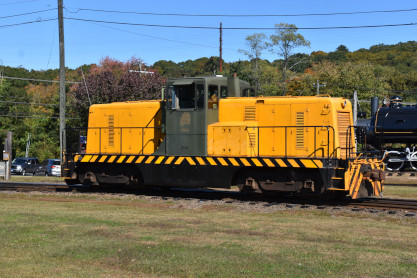
Valley Railroad 80-ton switcher 0904 built by General Electric in the 1940's.
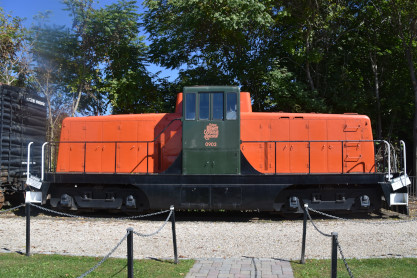
Valley Railroad 80-ton switcher 0903 built by General Electric in the 1940's.
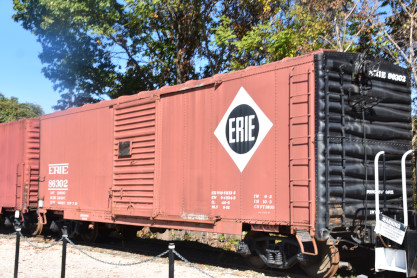
Erie forty foot box car 86203, built by the railroad in 1962.
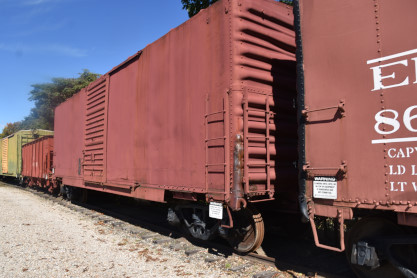
Valley Railroad box car, builder and year unknown.

Valley Railroad hopper car 20088, builder unknown but constructed in 1912.

Maine Central box car 6364, built by Magor Car Company in 1942.
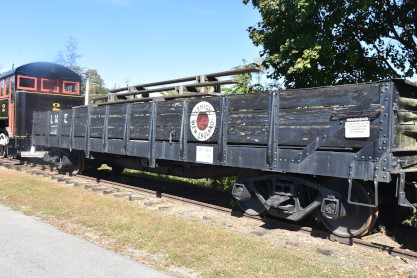
Leigh and New England gondola car 728, builder and year unknown.
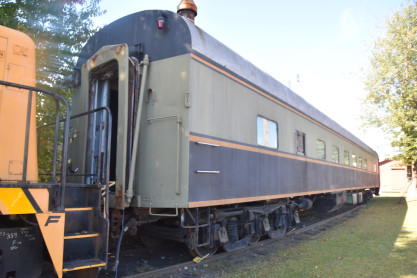
Valley Railroad 12-1 sleeper 810 "Lindsay", nee Canadian National 12-1 1573 "Lindsay", built by Canadian Car and Foundry in 1923.
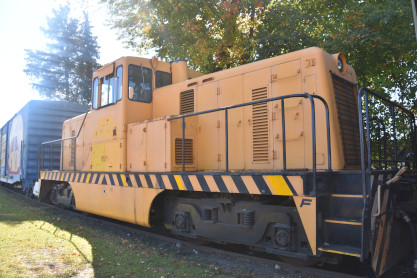
Valley Railroad 80 ton switcher 0905, nee United States Navy 65-00359, built by General Electric in 1953.

Valley Railroad box car 9435, nee Maine Central 9435, built by Pullman-Standard in 1961 and used for the Valley Railroad's special antique circus train event.

Valley Railroad 80-ton switcher 901, nee United States Navy 65-00430, built by General Electric in 1937 for the base in Groton. It is believed to be the oldest diesel electric locomotive still in regular service.
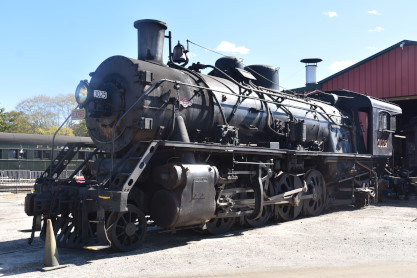
Valley Railroad 2-8-2 3025 is one of the last major class of steam locomotives built anywhere in the world with the last SY Class engine outshopped in 1999 from the Tangshan Locomotive Works in Tangshan, Hebei province, People's Republic of China. The SY is based on the earlier Japanese-built JF6 Class 2-8-2, which was based, in turn, on a type built by Alco in the 1920s for use in Korea. The SY is one of the few steam locomotives still found in active service in the 21st Century, mostly working in coal and steel industries but also heading commuter trains from time to time.
The SY class were also among the few Chinese steam locomotives to be exported. In 1989 and 1991, three were built for tourist railroads in the US 1647 for the Valley Railroad, 165 for the Knox & Kane and a third for the New York, Susquehanna & Western, which was lost when the ship it was on sunk in the Indian Ocean.
The Susquehanna later bought 1647 from the Valley Railroad and renumbered it #42. It ran until 2003 when it was transferred to the New York, Susquehanna & Western Technical & Historical Society. The NYS&W occasionally runs tourist excursions with 142 on the Belvidere & Delaware River Railway between Phillipsburg and Carpentersville, 1658 was renumbered 58 in the mid to late 1990s but was withdrawn from service and moved with other K&K equipment to an enginehouse in Kane, PA.
In 2008, 58 was bought by the Valley Railroad at auction, re-numbered 3025 and given a complete rebuild, including cosmetic alterations to make it resemble a New Haven J-1 2-8-2. It went into service in November 2011.
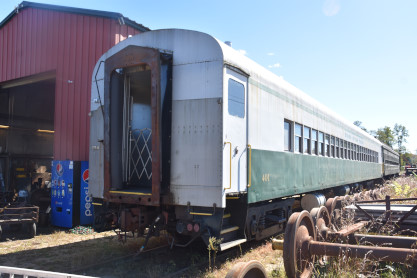
Valley Railroad coach 401, nee Canadian Pacific 816, built by Canadian Car and Foundry in 1952.
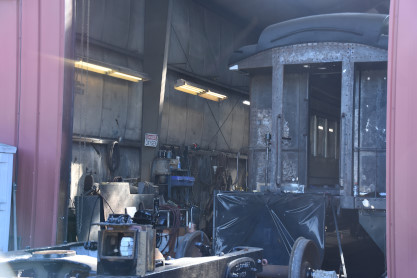
Valley Railroad coach 500 "Fenwick", nee Delaware, Lackawanna and Western 565, built by Pullman in 1914. For over two decades, it was the railroad's stationary food service car "Trackside Café" until it was restored to service last year. Information courtesy Joseph Cassineri, Assistant Operations Manager.
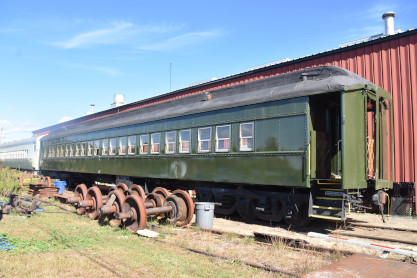
Valley Railroad coach 302, ex. Age of Steam Roundhouse, exx. Ohio Central, nee Canadian National. Information courtesy Joseph Cassineri, Assistant Operations Manager.
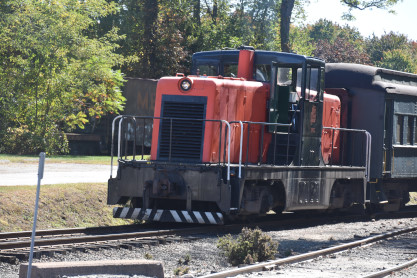
Valley Railroad 80 ton switcher 0902, nee United States Air Force 1605, built by General Electric in 1923.
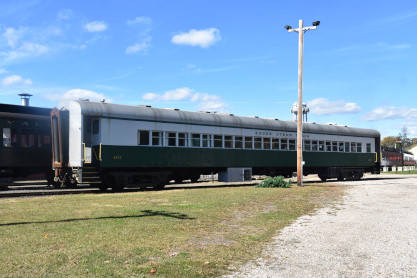
Valley Railroad coach 403, ex. Adirondack Scenic 7403, exx. Mattawa-Temiscaming Excursion Company 828, exxx. Commission de transport de la communauté urbaine de Montréal 828, exxxx. Montreal Urban Community Transit Corporation 828, nee Canadian Pacific commuter coach 828, built by Canadian Car and Foundry in 1953.

Valley Railroad parlour/dining/observation car "Middletown", ex. Chicago and North Western, nee Baltimore and Ohio "Capitol Road", built by Pullman Company in 1924.

Valley Railroad baggage car 9284, ex. Penn Central 7564, nee Pennsylvania Railroad 9284, built by American Car and Foundry circa 1920's.
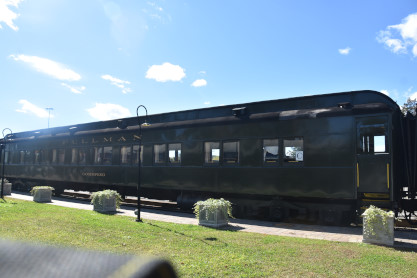
Pullman "Goodspeed", nee Pennsylvania Railroad parlour-drawing room 7068 "Da Costa", built by the Pullman Company in 1927.

Pullman "Wallingford", ex. Reader Railroad, exx. Kansas City Southern, nee New York, New Haven and Hartford "Wayfarer", built by the company in 1927.
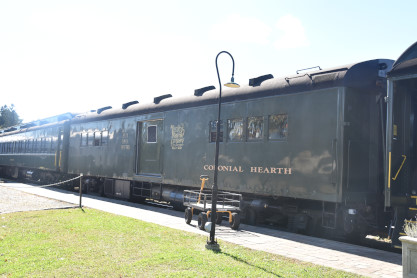
Valley Railroad kitchen car "Colonial Hearth", nee United States Army kitchen car 89673, built by St. Louis Car Company in 1953.
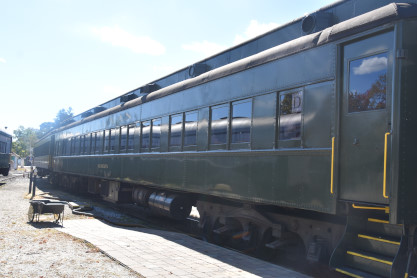
Pullman "Meriden", nee New York, New Haven and Hartford W-215 "Plymouth Provinceton", built by the company in 1924.
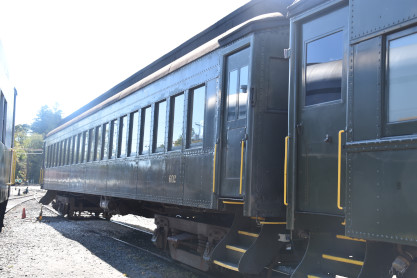
Valley Railroad coach 602, ex. St. Johnsbury and Lamoille County 1102, nee Delaware and Lackawanna Western 4338, built by Pullman in 1917. It was acquired in July 1994.
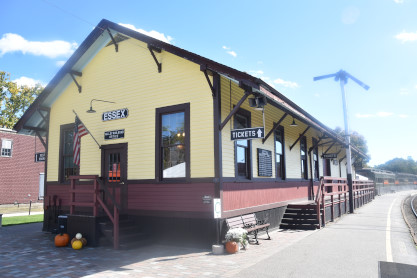
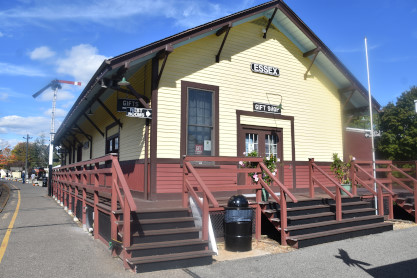
Essex station built by the New York, New Haven and Hartford in the late 1880's.
After the lunch break, all participants boarded the train and this time we made our way south to the ladder track and if we had kept going, we would have reached Amtrak's Northeast Corridor tracks.
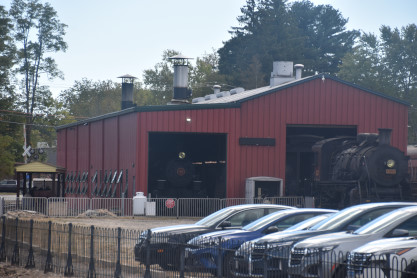
Valley Railroad 3025 was still outside the engine house.
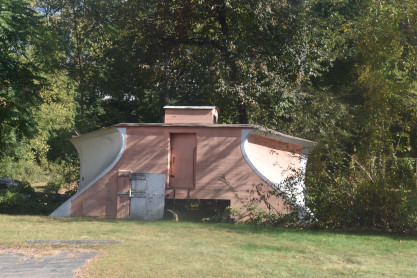
Valley Railroad wooden snowplow build by the Hoosac Tunnel and Wilmington circa 1913. The Deerfield River Railroad was chartered in Vermont in 1884; on July 4,1885, it celebrated the opening of 3-foot gauge track from Readsboro, Vermont to a junction with the Fitchburg RR, at the east portal of the Hoosac Tunnel in northwestern Massachusetts. (The 4.75 mile Hoosac Tunnel was opened in 1875 and is still in use today by Guilford/PanAm Railways). In 1886, the proprietors of the railroad incorporated the Hoosac Tunnel & Wilmington Railroad in Massachusetts; it acquired the Massachusetts portion of the line and leased the Vermont part, with which it was consolidated with in 1892. By then, the line had been extended north from Readsboro to Wilmington, VT, another 13 miles. The entire line was converted to standard gauge in 1913.
The New England Power Company purchased the railroad in 1922 and began construction of a dam across the Deerfield River that required relocation of the north end of the line- after an initial proposal by the power company to substitute a carferry on the lake that the dam would create. The power company sold the railroad to back to local interests in 1926. The world's first organized railroad fan trip was on the HT&W. Members of the Railroad Enthusiasts chartered a train to ride the entire length of the line on Sunday, August 26, 1934. They were the first passengers on the line since floods ended passenger service in 1927.
After more floods in early 1936, the railroad was sold to the H.E. Salzberg Company, a scrap firm that specialized in the dismantling of railroad lines. However, ownership soon passed to Salzberg's brother-in-law, Samuel M.
Pinsly (1899-1977). He abandoned the line north of Readsboro, but thought the remainder could be operated profitably. A hurricane did substantial damage to the HT&W in September, 1938, but Pinsly rebuilt the line. In 1941, the
Hoosac Tunnel & Wilmington made its first profit in 15 years, and it continued to be a profit maker. Pinsly dieselized the line in 1949. Business fell off in the mid-1950s, and profits turned to deficits. In the late 1950s, the
HT&W received a new customer in the form of a nuclear power plant in Monroe Bridge, MA. HT&W hauled in much of the material needed for construction of the plant. Another power plant, the Bear Swamp Project, would have required
extensive relocation of the Hoosac Tunnel & Wilmington and resulted instead in abandonment on October 13, 1971.
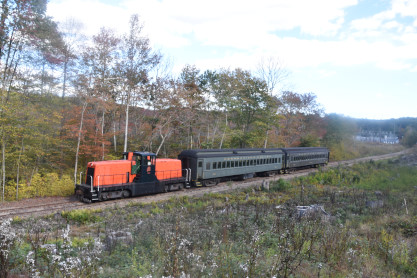

Photo runby twenty-three at the ladder track at Milepost 1.7.
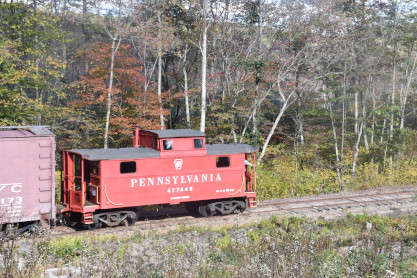
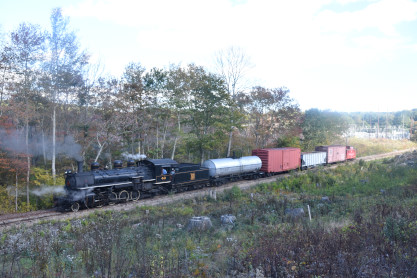
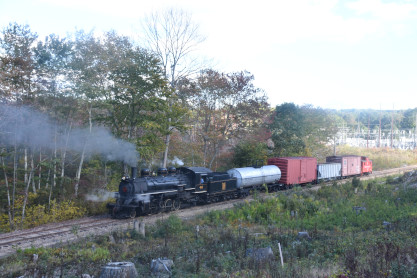
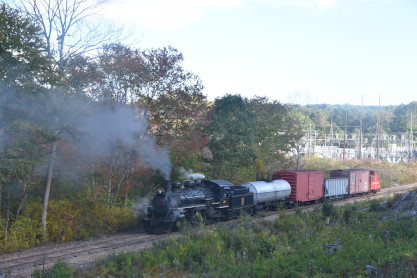
Reverse move fifteen.
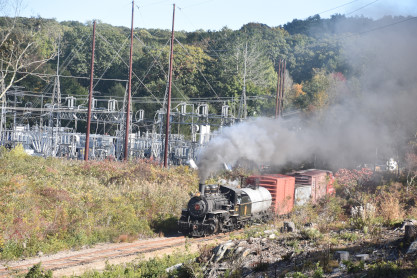


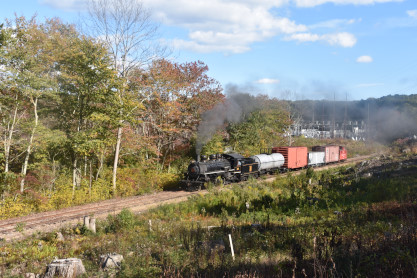
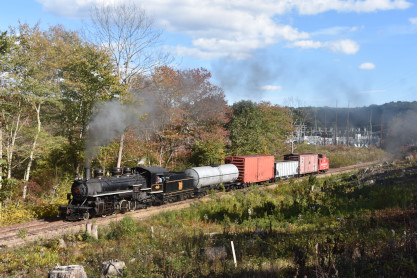
Photo runby twenty-four.
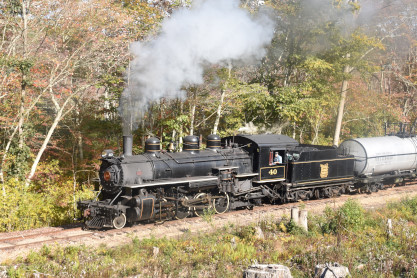
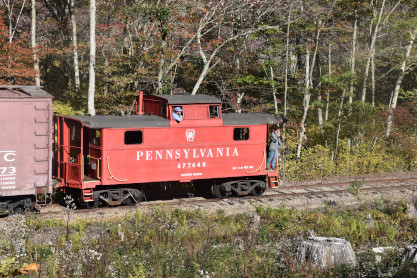

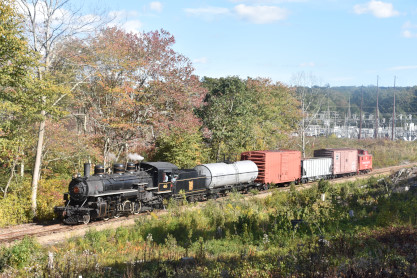

Reverse move sixteen.

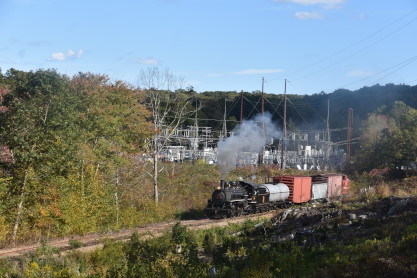
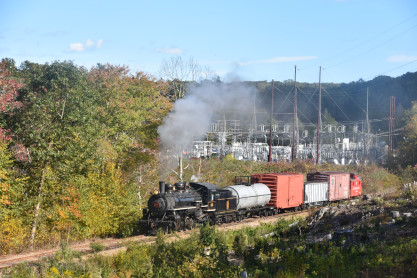
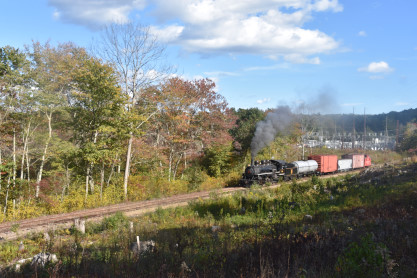
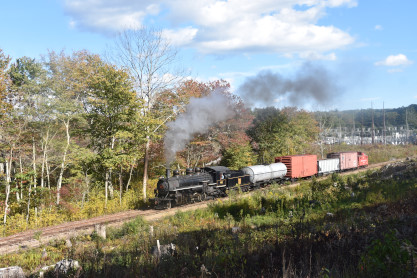


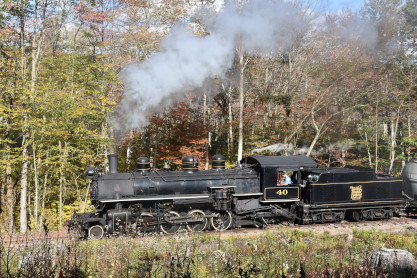
Photo runby twenty-five.
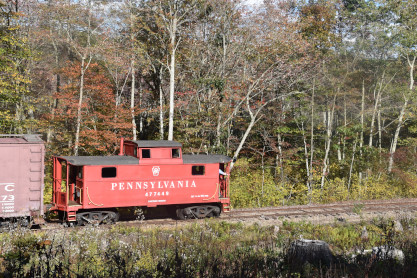
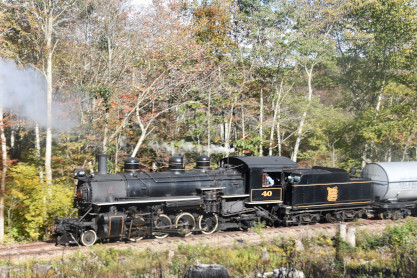

Reverse move seventeen.
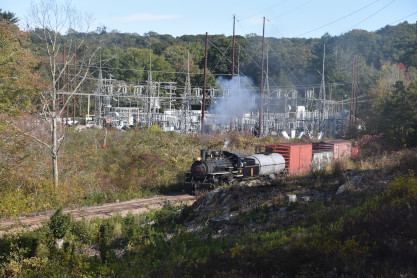
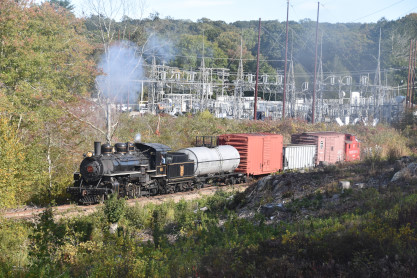
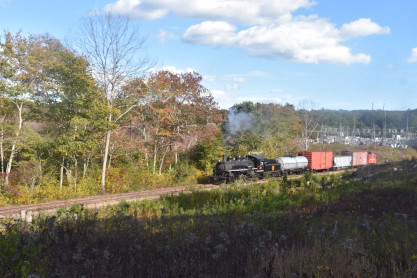
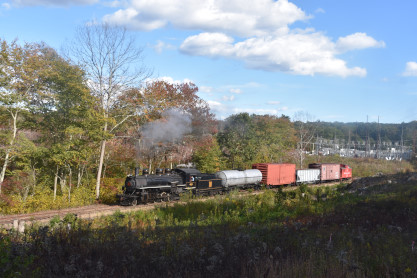
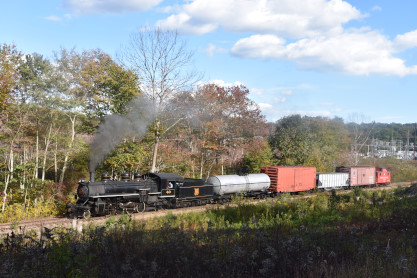
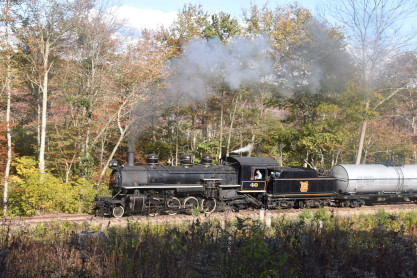
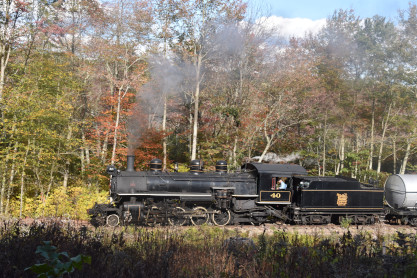
Photo runby twenty-six.
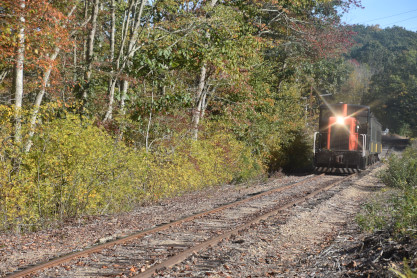
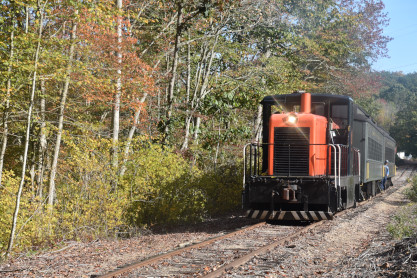


Photo runby twenty-seven.
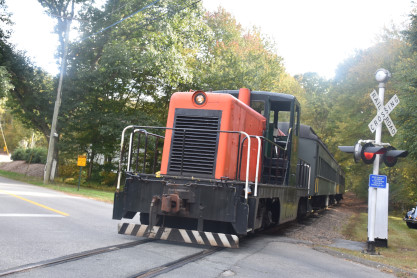
Reverse move eighteen at Bokum Road, Milepost 2.99, with a 1930's Packard car.
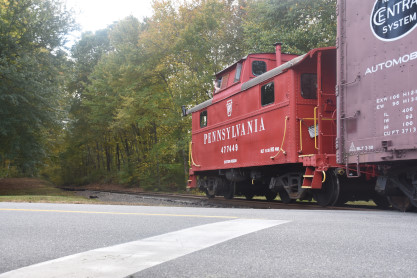
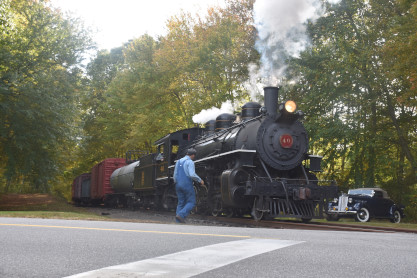
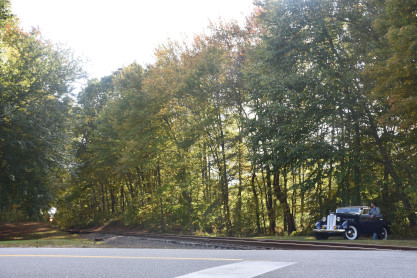
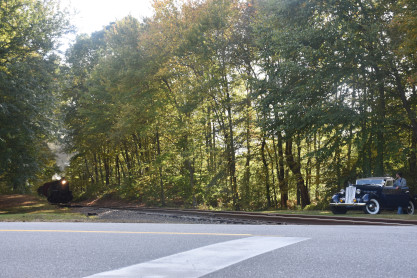
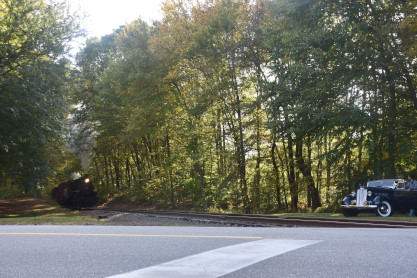
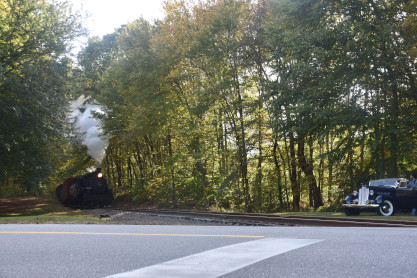

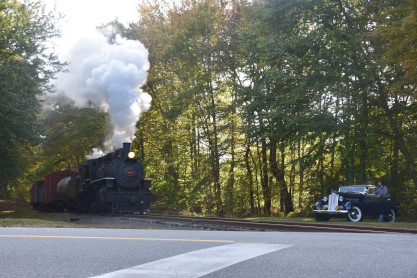


Photo runby twenty-eight.
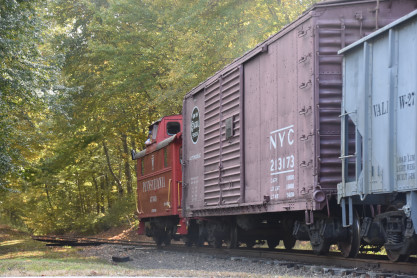
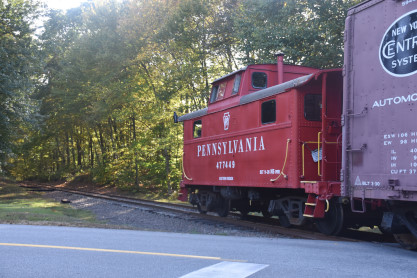
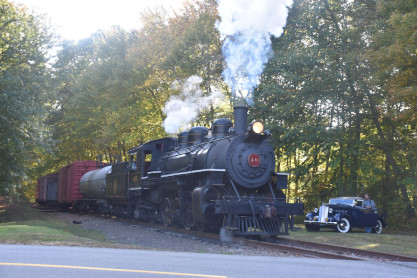
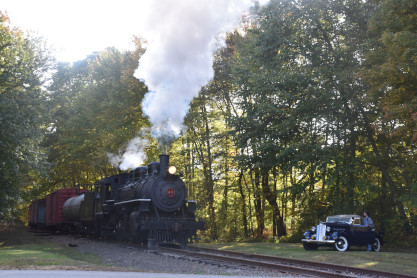
Reverse move nineteen.
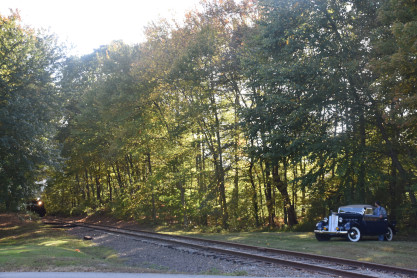
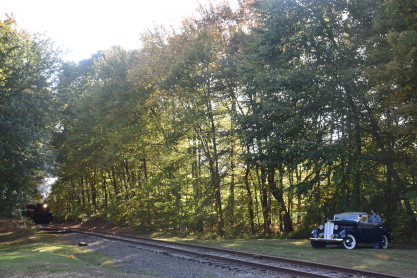

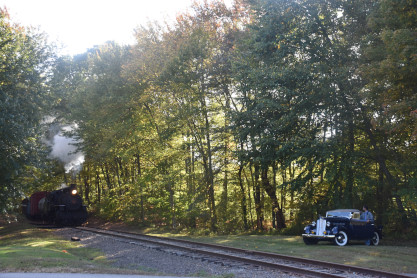
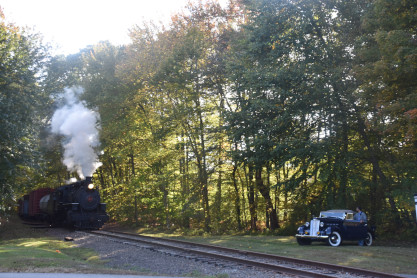
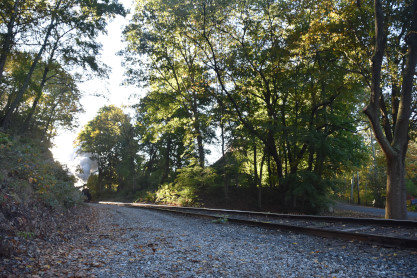
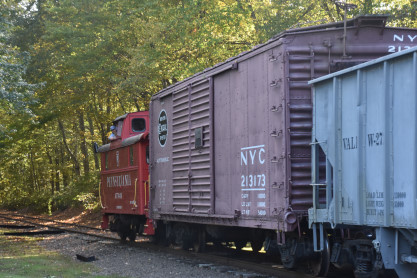
Photo runby twenty-nine, after which we climbed back aboard and proceeded back to the station.
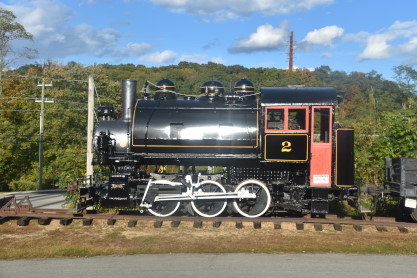
Simons Wrecking Company 0-6-0T 2 as we passed through Essex and went north.
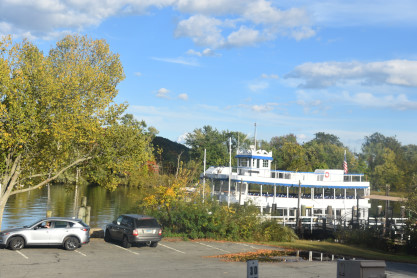
The Essex River Boat at Deep River Landing where during the regular excursions, passengers are escorted onto the Becky Thatcher riverboat for a 1 1/4 hour cruise along the Connecticut River. The visual serenity of the river valley is on full display from Becky's multiple decks. The deep water, coves, inlets, marshes, wildlife and rocky shoreline are, all at once, simply breathtaking! Just as impressive are the historic sites, including Gillette Castle, Goodspeed Opera House and the Haddam Swing Bridge. Upon Becky's return to Deep River Landing, the steam train welcomes passengers for the return trip back to Essex Station.
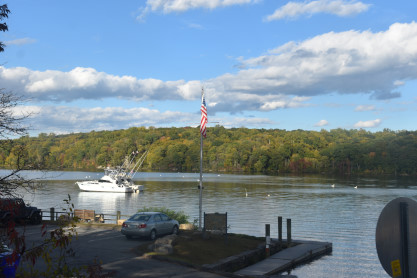
A boat in the Connecticut River.


Views along the Connecticut River.
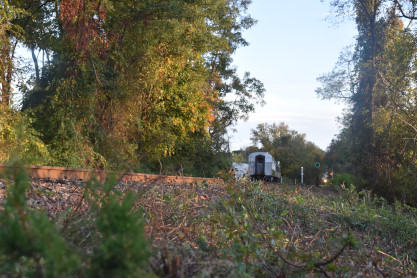
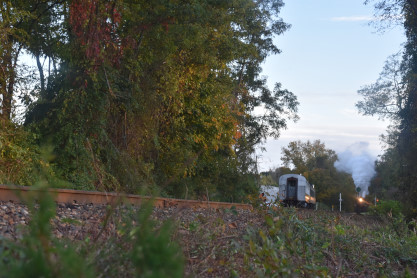

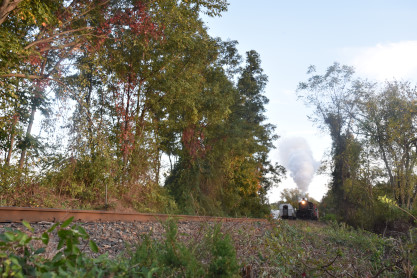
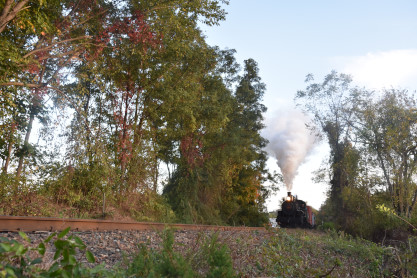

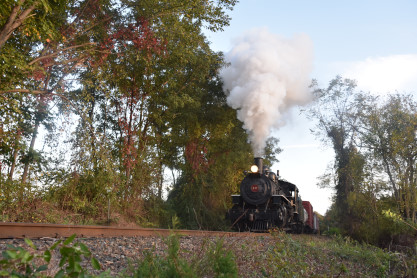
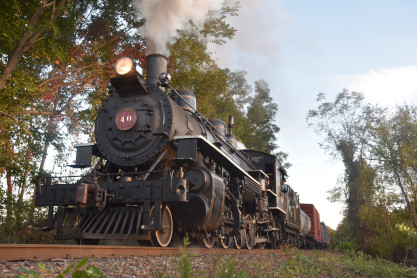
Photo runby thirty.

Valley Railroad coach 404, ex. Adirondack Scenic 7404, exx. Mattawa-Temiscaming Excursion Company 829, exxx. Commission de transport de la communauté urbaine de Montréal 829, exxxx. Montreal Urban Community Transit Corporation 829, nee Canadian Pacific commuter coach 829, built by Canadian Car and Foundry in 1953.
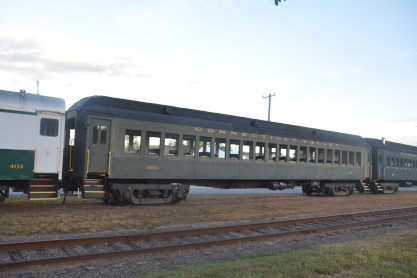
Valley Railroad coach 603.

Valley Railroad coach 601.
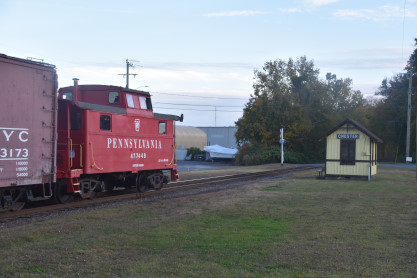
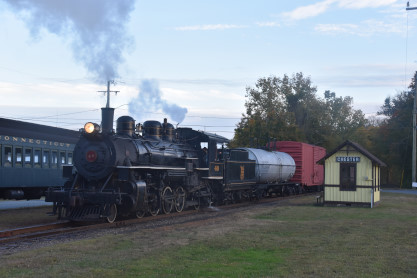
Reverse move twenty at Chester, Milepost 8.52.

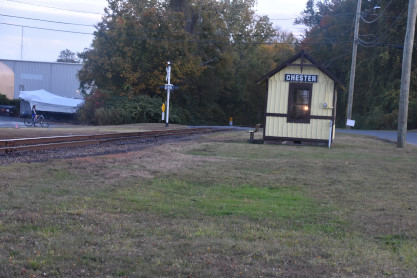
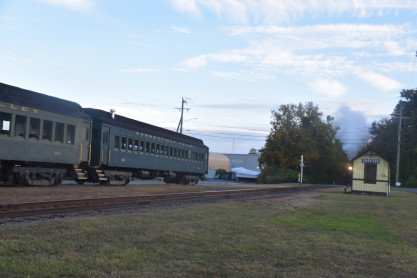

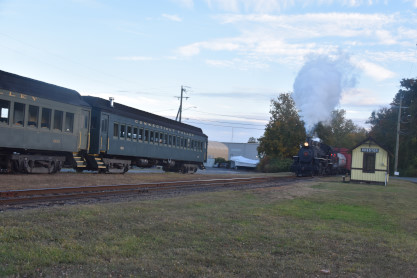
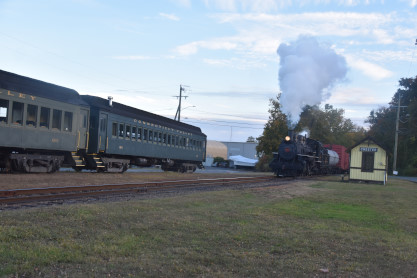
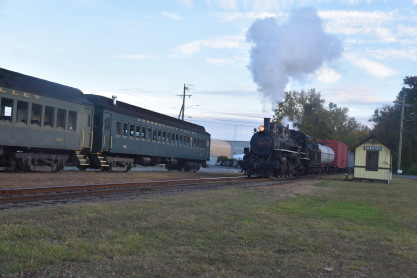

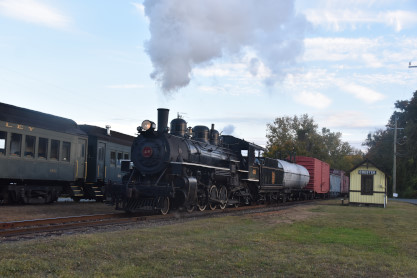
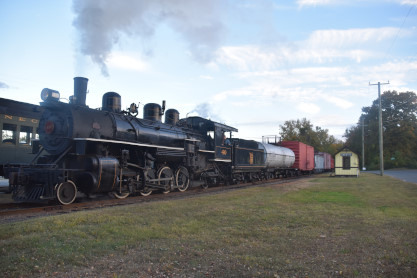
Photo runby thirty-one.
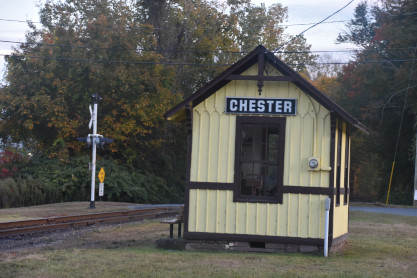
The Chester station.
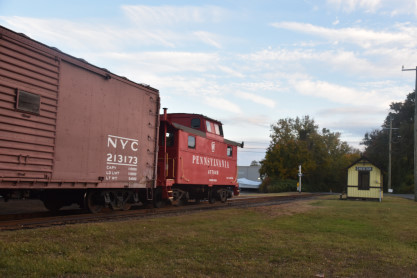


Reverse move twenty-one, after which everyone reboarded and we returned to Essex, bringing an end to a fantastic day of the charter. Elizabeth and I went to Subway before going back to our hotel.
| RETURN TO THE MAIN PAGE |