




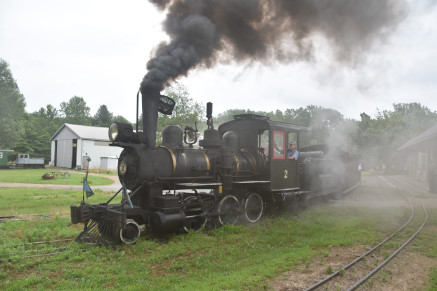
The two of us awoke in Battle Creek, Michigan and went to Denny's for a great breakfast. We had planned two stops on the way to Hesston this morning.
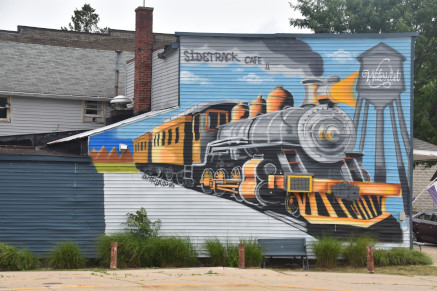
In Watervliet opposite the station is Sidetrack Café, painted by Eduardo Diaz in late June 2024.
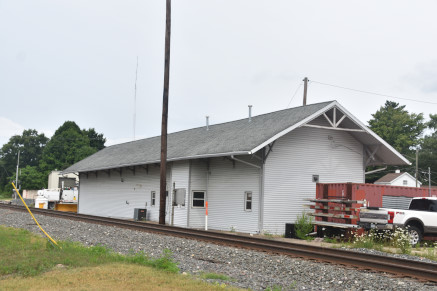
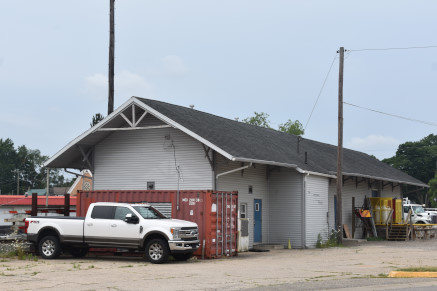
Watervliet Pere Marquette station in use by CSX. The town was located on the line in the northeast corner of Berrien county and a sawmill was built in 1833. Known as Waterford for a time, it was incorporated as a village in 1891 and a city in 1924.
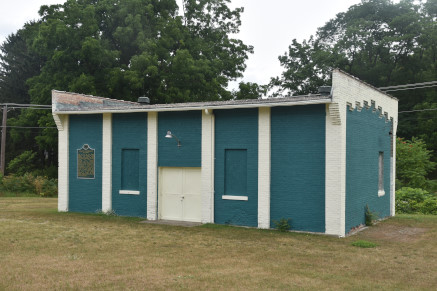
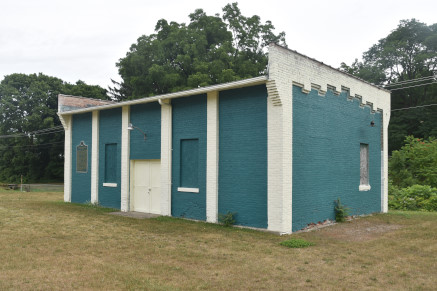
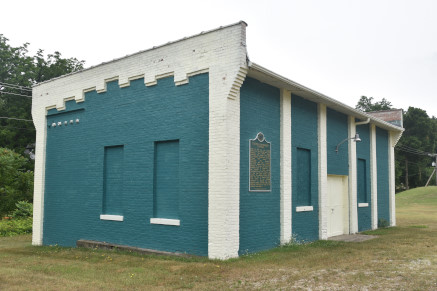
Our second stop was in Coloma for the Benton Harbor-St. Joe Railway & Light Company interurban station built in 1910. The company operated an electric railway from Benton Harbor to Watervliet with branches to Paw Paw and Dowagiac between 1906 and 1928. Some of their line was leased from the Benton Harbor, Coloma & Paw Paw Lake Train Railway. This was originally a horse-drawn line which was electrified in 1892. The line, between the two major cities in Berrien County, expanded with routes to Fairplain, South St. Joseph and to the House of David. In 1906, a line was opened to Eau Claire and reached Dowagiac in Cass County in 1911. A second line was built to Watervliet in 1910 with a branch from Coloma to Paw Paw (Van Buren County) over Pere Marquette track. This branch also connected with the Kalamazoo Lake Shore & Chicago, extending from Toquin on that line. The Graham & Morton steamship line from Chicago to Benton Harbor provided a connection for passenger interchange both for the city and interurban lines. The line was used for hauling produce from the "Fruit Belt" to Chicago. Cars were placed at sidings along the line, loaded during the day, to be picked up by fruit trans leaving Watervliet at 4:40 pm or Dowagiac at 4:15 pm. These trains reached Benton Harbor in time to transfer their loads to the 8:00 pm Chicago boat, for delivery to the Chicago market the next morning.
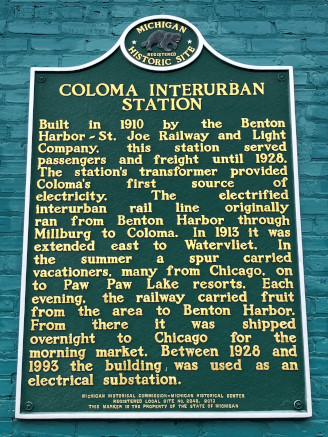
Coloma Interurban station historical board. From here, we drove the rest of the way to Hesston Steam Museum.
Hesston Steam Museum HistoryThe desire of a few local steam buffs to perpetuate the use of steam power necessitated the purchase of suitable land for an annual reunion. Twenty-two acres (the present main show grounds) was purchased and hundreds of thorn apple trees cleared. A dam was built in Mud Creek to form Duck Lake as a source of water for the engines. The group, then called La Porte County Threshermen, held their first show and reunion in 1957. Traction engines were the main feature and provided most of the power. A sawmill was added in 1959, the electric plant in 1961 and the Browning crane in 1962. At the suggestion of Bruce Achor, a couple of members purchased a steam locomotive from Elliott Donnelley of Lake Forest, Illinois in 1964, who took an interest in the accomplishments at Hesston. With his generous financial assistance, during 1965-1968, the remainder of our 155 acre site was purchased and a unique dual gauge (24"/36") railroad was constructed. The La Porte County Historical Steam Society, Inc. was chartered as a not-for-profit organization on December 16, 1968 and the original La Porte County Threshermen club was absorbed and dissolved. In 1969, IRS granted recognition as a 501(c)-3 not-for-profit corporation.
Early OperationsWeekend (Memorial Day to Labour Day) operation of the railroad began in 1969. Additional buildings were erected and more equipment arrived for restoration and exhibit each year. The Shay locomotive restoration was completed and dedicated August 30, 1975. Unfortunately, Mr. Donnelley passed away in late December 1975. His family donated the 14" gauge railroad that had operated on his Lake Forest estate and it was removed by society members during 1976 and moved to the steam grounds. Construction on the new site started in 1977. Completion in July 1982 was marked with a Golden Spike ceremony.
A Tragic FireA $2.5 million fire on May 26, 1985 destroyed most of the large railroad equipment. Nine cars, the Henschel, and a diesel locomotive, along with many tools and small parts were lost. Also badly damaged were the Shay, Porter and India locomotives. Members purchased two Plymouth gasoline locomotives and with a Melodia coach purchased with a grant from the La Porte County Tourism and Convention Bureau, railroad operation (but not steam) resumed in time for the 1985 show. In early 1986, permission was received from the insurance company to begin salvage operations.
RebirthThe India locomotive was bulldozed out of the engine house rubble on March 13, 1986 and taken to the main shop for restoration. Just 89 days later, it was back on the rails and under steam. The next day, construction started on two 24" gauge passenger cars. Dr. George Mohun of Novato California contacted us, offering four locomotives and eight flat cars, the remains of the Mecklenburg Pommersche Schmall Spurbahn Railroad in East Germany, intended for a steam tourist railway near San Francisco. This railroad was never constructed and the equipment was stored on his ranch for 17 years. After an inspection trip, funds were borrowed and the equipment was purchased.
The equipment arrived on April 14, 1987. The brand-new, yet 47-year-old, CSK was immediately placed in the shop for cleaning and inspection. It was fired up for the first time in August 1987 and now serves as our regular locomotive for weekend operation. The India locomotive was retired in 1988 after a crack developed in the copper firebox, not quite making it to 100 years of operation. In 1990 the Orenstein & Koppel 0-8-0 was moved to the shop for a heavy restoration. In 1997 it was temporarily de-superheated, and in 1998 was reflued by the Hesston shop crew. Also in 1998, work started on construction of an enclosed passenger coach for the 24" line. In November 1998, two 36" gauge passenger coaches were purchased and transported from Cedar Point at Sandusky, Ohio.
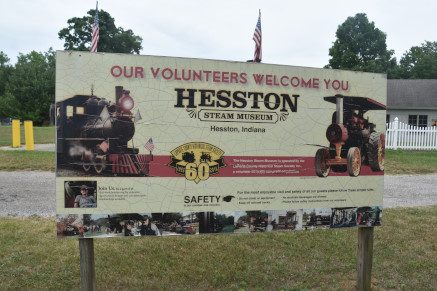
Our volunteers welcome you to Hesston Steam Museum.
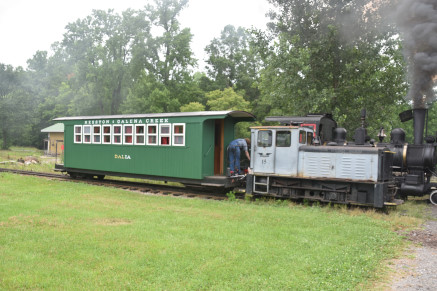
Hesston and Galena Creek parlour car 100 "Dalia", built by the volunteers in 1999 as a 16-passenger car, specifically for their Candy Cane Express and Flying Dutchman 15.
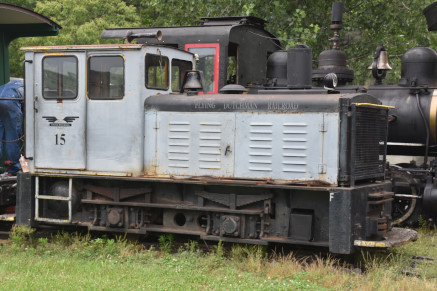
Flying Dutchman Railroad DDT 12 ton switcher 15, nee Silcott/Carpenter Steel, built by Plymouth in 1958.
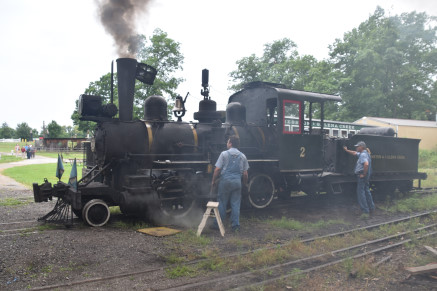
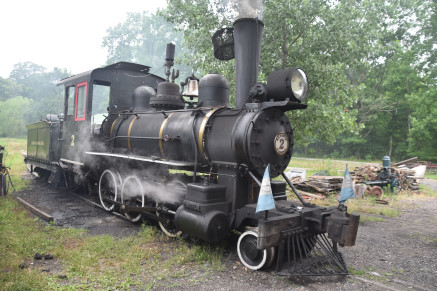
Hesston and Galena Creek 2-6-0 2, ex. donated to LaPorte County Historical Steam Society, Inc. 1988, exx. moved to Hesston 1988, exxx. moved to Cicero, Illinois 1964, exxxx. sold to Elliott Donnelley at Hill City, South Dakota 1961, exxxxx. Cia. Agricola de Guatemala 1, nee Cia. Agricola de Guatemala 55 at Bananera, Guatemala, built by H.K. Porter in 1920.
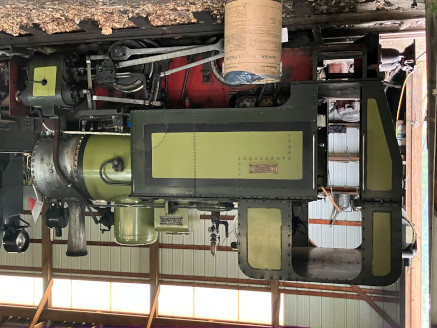
Adolf Myer 0-4-0T 4 built by Skoda in 1940. In 1971, it was sold to the George Mohun Steam Museum and later acquired by Hesston.
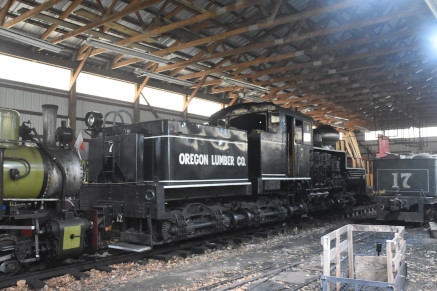
New Mexico Lumber 3-truck Shay 7, built by Lima in 1929. In 1931, it was sold to dealer Hofius Steel and Equipment Company in Seattle, Washington then 1937, it was sold as Oregon Lumber Company 7 in Baker, Oregon. In 1960, the company merged to be Edward Hines Lumber Company. The engine was sold in 1964 to Elliott Donnelley in Hill City, South Dakota. It was leased to the Black Hills Central as their 77 then in 1970, moved to Hesston and later donated to the LaPorte County Historical Steam Society.
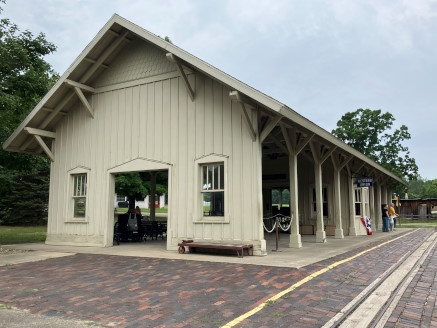
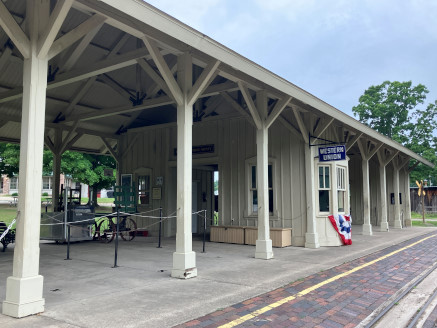
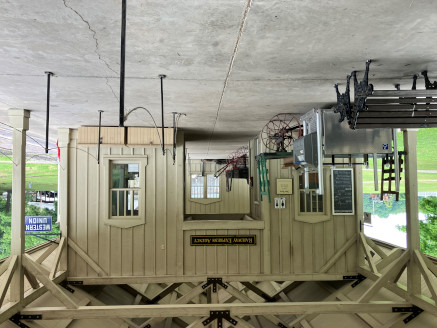
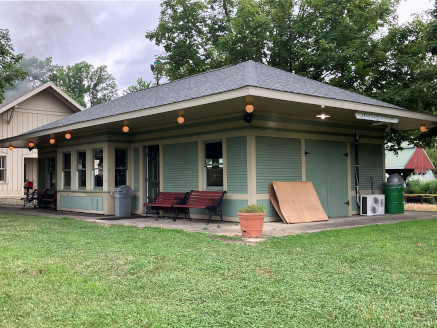
Hesston Steam Museum built this depot, used for the narrow gauge and 1/4 scale trains.
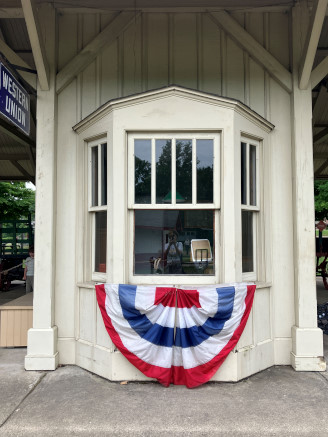
Telegraph Office, Hesston, Indiana (HS). Before the invention of the telegraph, it was impossible to operate a railroad safely. Every community utilized a different time standard, rendering timetables irrevelent. Train dispatching was fraught with danger. The telegraph standardized time throughout North America and in the process, revolutionized rail transportation.
The railroad telegrapher was not only fluent in the language of Morse Code, but he was also an expert on railroad rules and procedures. He served as an accountant and shipping clerk, controlled wayside signals and relayed train orders to passing crews. In small communities, he also transmitted commercial telegrams via Western Union, Canadian Pacific or Canadian National Telegraphs.
The depot telegraph office, built with cooperation with volunteers of the Morse Telegraph Club, is historically authentic in every detail and fully operational. It is staffed on selected weekends and special occasions, visitors can also even originate telegrams to relatives throughout the United States and Canada via a nationwide telegraph network.
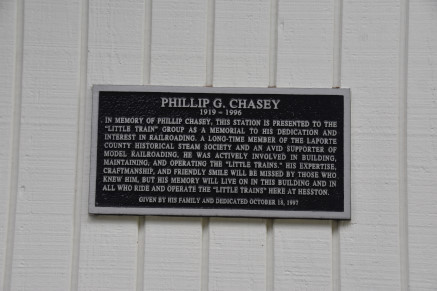
In memory of Phillip G. Chasey {1919-1996} this station is presented to the "Little Train Group", a memorial to his dedication and to his interest in railroading. A long time member of the La Porte County Historical Steam Society and an avid support of model railroading. He was actively involved in building, maintaining and operating the "Little Trains." His expertise, craftsmanship and friendly smile by missed by people who knew him and his memory will live on in this building and all who ride the "Little Trains" here at Hesston. Given by his family and dedicated October 18, 1997.
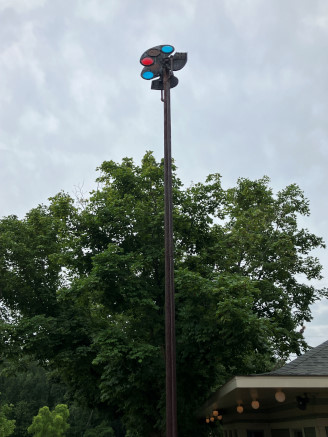
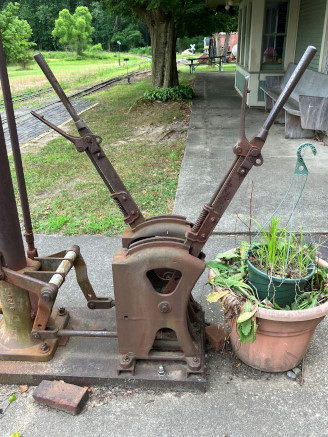
Semaphore signal and the levers which move it.
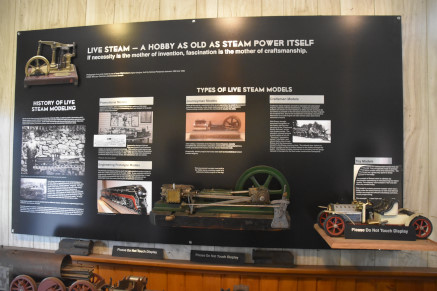
Live Steam - A Hobby as Old as Steam Power Itself.
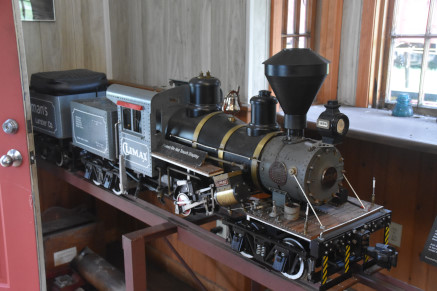
This Climax steam locomotive was built by Carl Stymans and Sons in Orange County, Virginia in 1928 and donated by Scott Sanderson. Such locomotives were built in Corry, Pennsylvania from 1888 until 1928 as a competitor to Shay Logging locomotives. The low speed gearing was designed to pull logs up steep grades. The short, ridged wheel base allowed them to navigate sharper curves than conventional "rod" type locomotives.
Just as the real Climax Locomotive was slow, this faithful craftsman's model is too slow for our operation, but is a fine example of how detailed a live steam model can be.
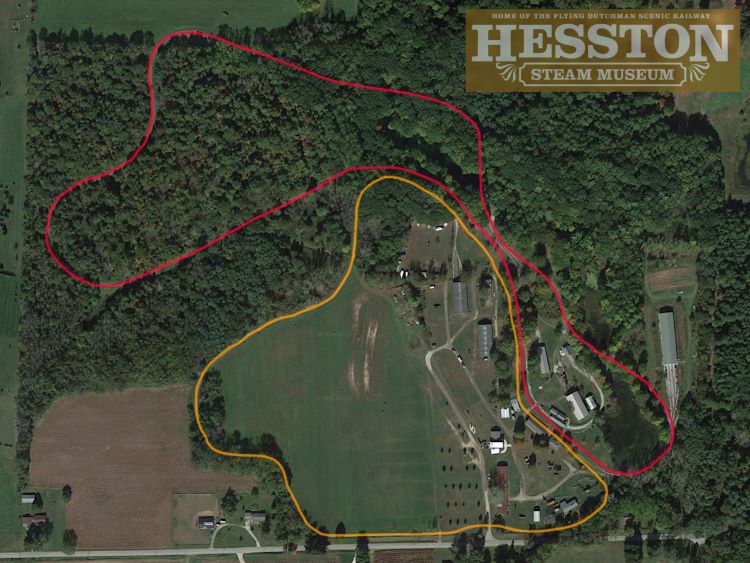
The track diagram of the railway. The orange is the 1/4 and 1/8 scale and the red is the narrow gauge.
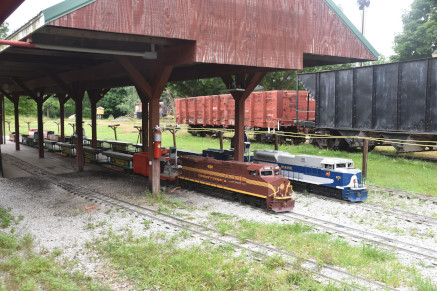
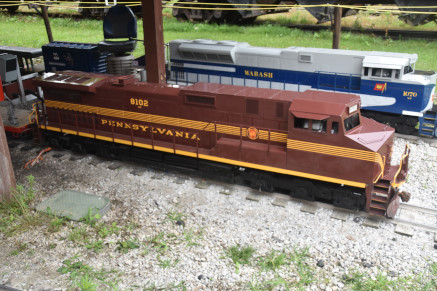
Elizabeth and I chose the 1/8" scale trains first, with Pennsylvania Railroad SD70ACe 8102 and Wabash SD70ACe 1070.
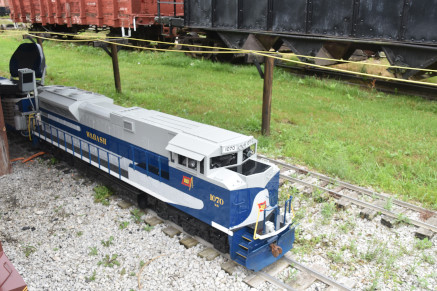
The engineer asked the few people in line which they would like to ride behind, we responded with "Wabash" and felt gratified that that locomotive was the first to run this morning.
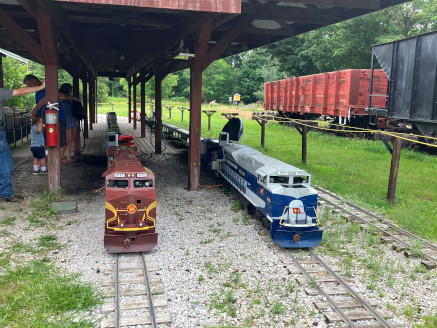
1/8 scale Pennsylania Railroad SD70ACe 8102 and Wabash SD70ACe 1070.
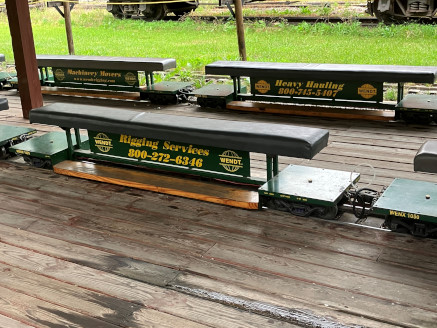
Wendt Heavy Hauling car we rode on the train.
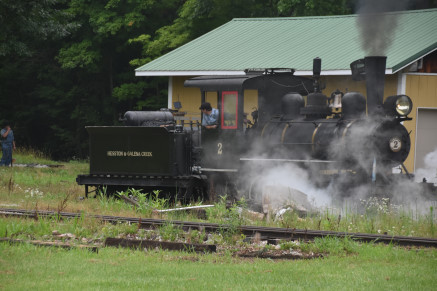
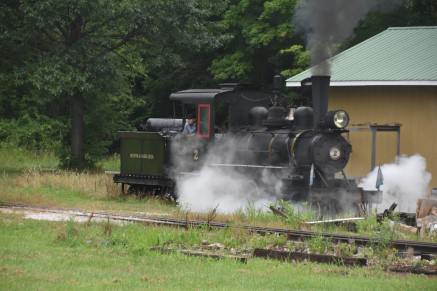
Hesston and Galena Creek 2-6-0 2 steamed by us.
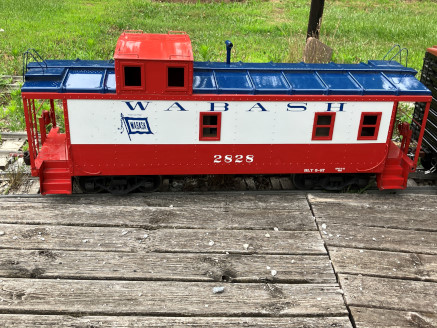
1/8 Scale Wabash caboose 2828.
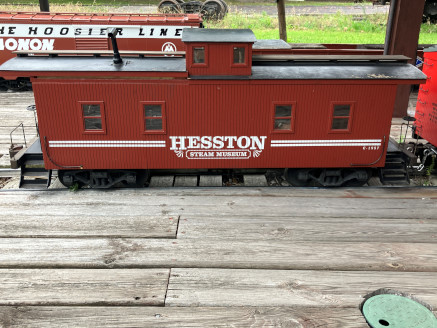
1/8 scale Hesston Steam Museum caboose C-1957.
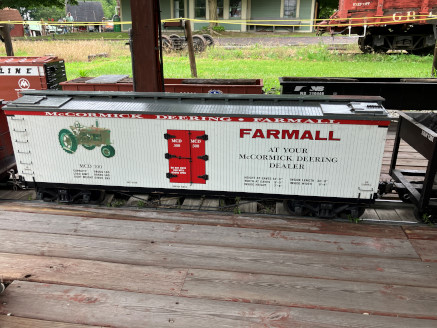
1/8 scale Farmall box car MCD 300.
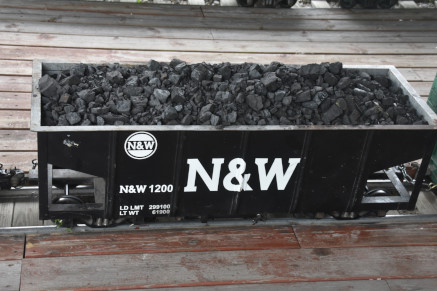
1/8 scale Norfolk and Western coal hopper 1200.
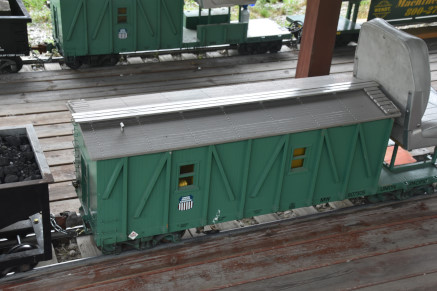
1/8 scale Union Pacific maintenance-of-way 907305.
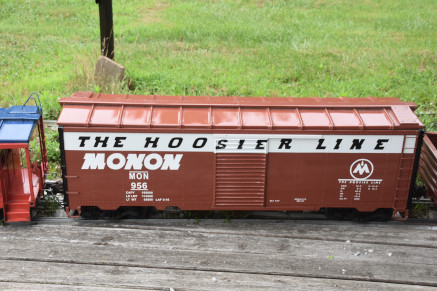
1/8 scale Monon box car 956.
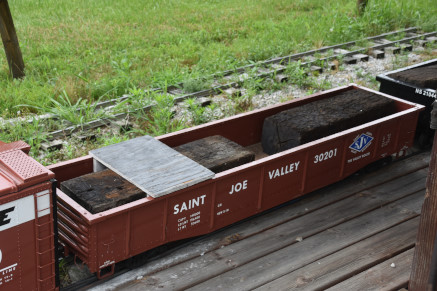
1/8 scale Saint Joe Valley open car 30201.
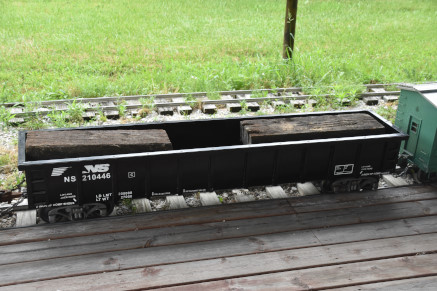
1/8 scale Norfolk Southern open car 210446.
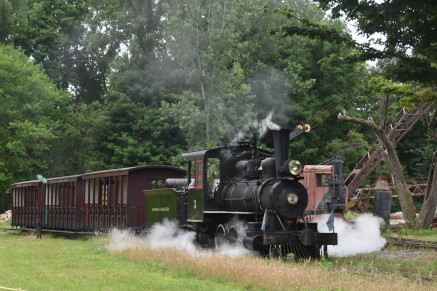
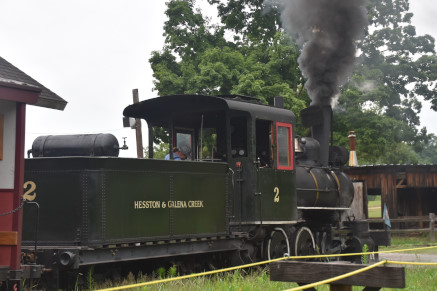
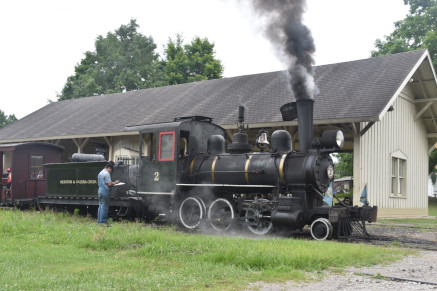
Hesston and Galena Creek 2-6-0 2 at the station as we went by.
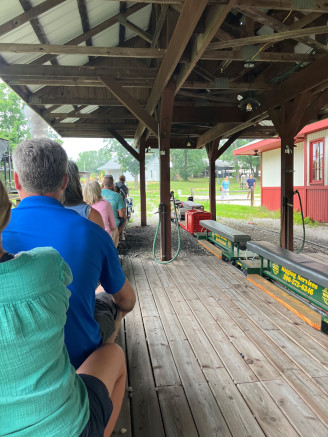
We left the 1/8 station and started our first ride.
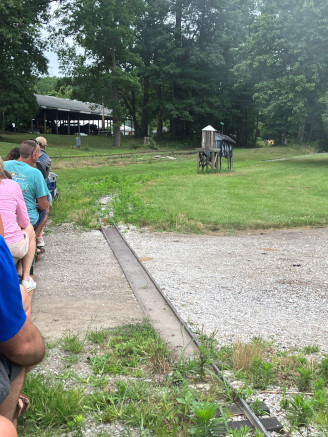
Crossing the access road.
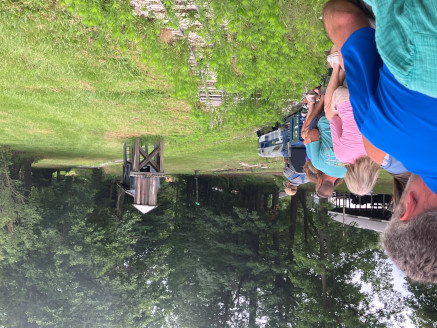
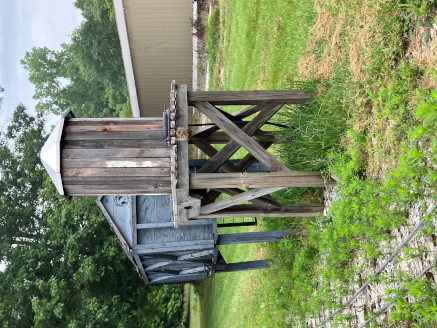
The water tower and sanding tower.
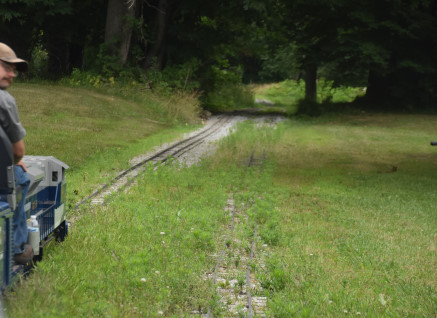
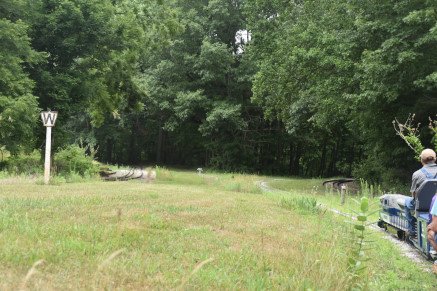
Out into the property we travelled.
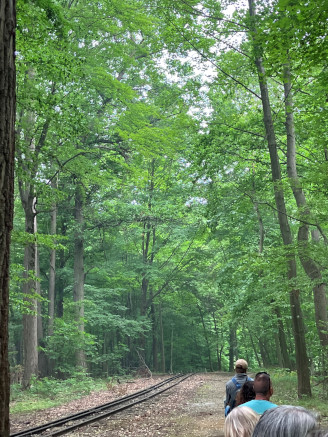
The deciduous trees created a canopy.
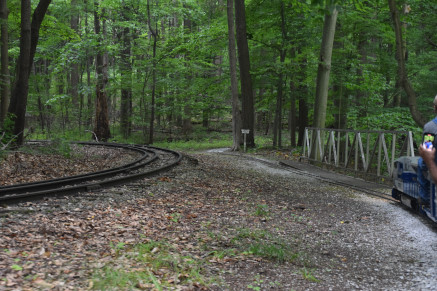
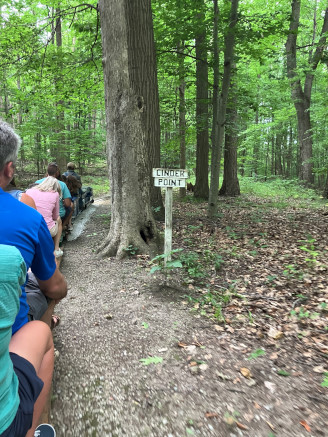
Approaching Cinder Point.
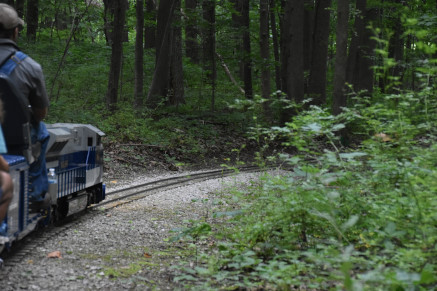
Rounding a curve.
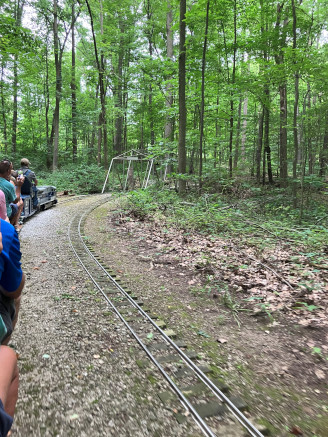
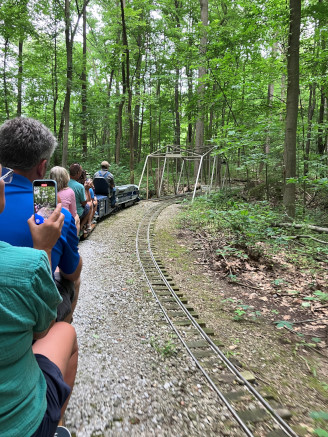
Approaching Hanson's Gulch.
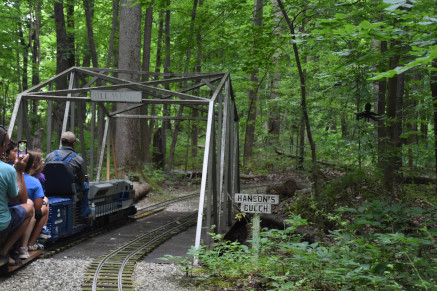
Passing under the Bill Wendt bridge at Hanson's Gulch.
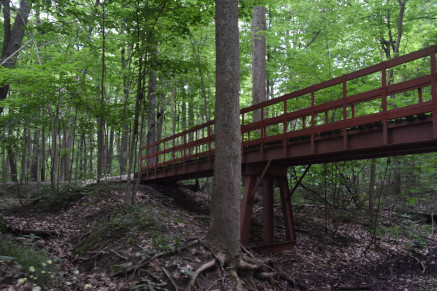
Our route would take us on the bridge, named Elaine, in a few minutes.
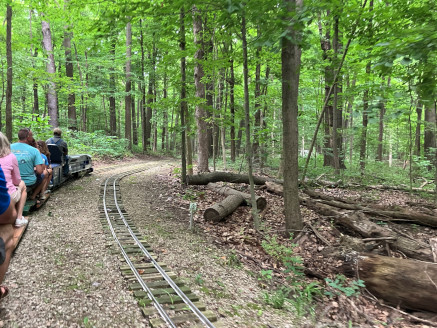
Passing a siding.
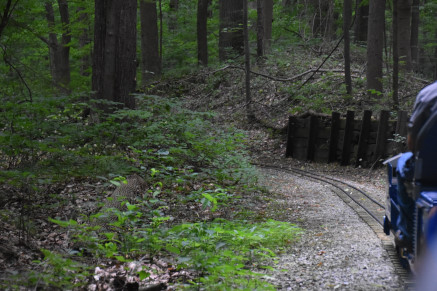
About to go by a retaining wall.
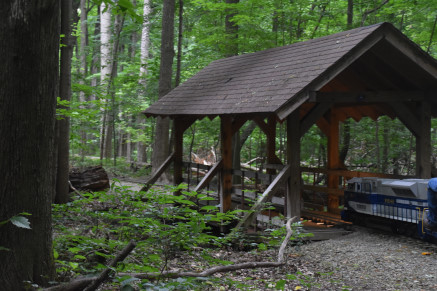
One of several bridges on the railroad.
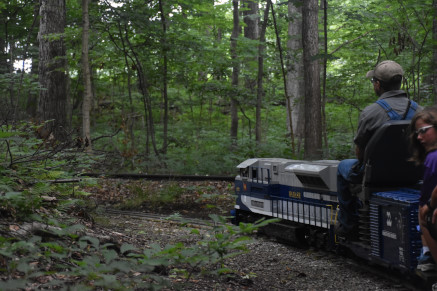
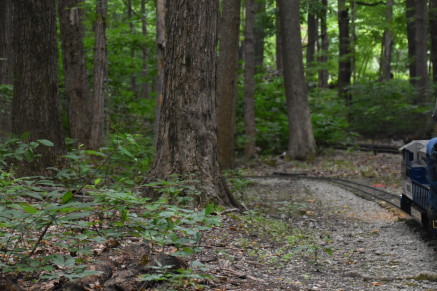
About to round a curve.
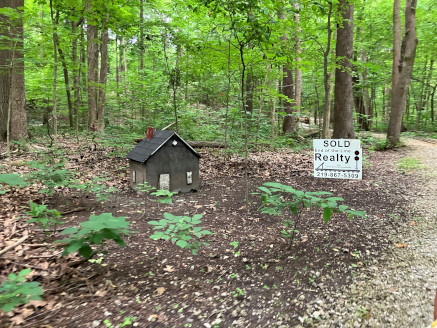
An amusing company name - End of the Line Realty.
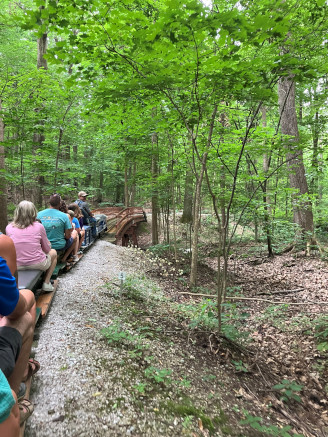
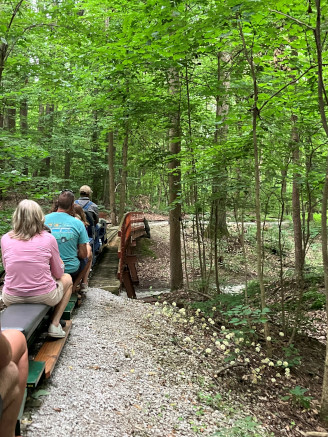
Crossing the bridge named Elaine.
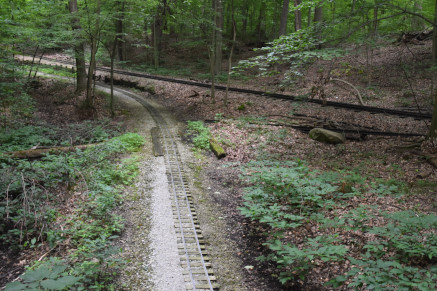
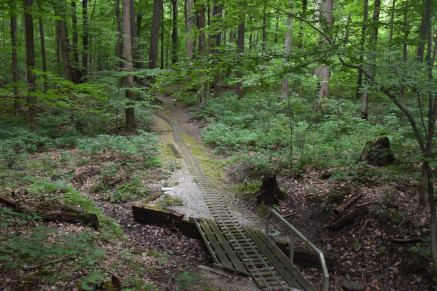
The track we were on just a few minutes ago.
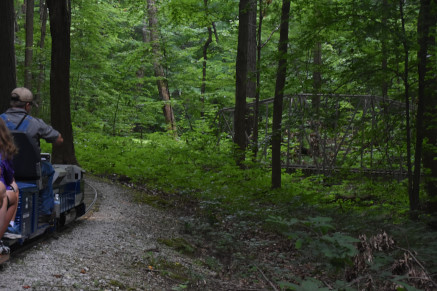
Rounding another curve.
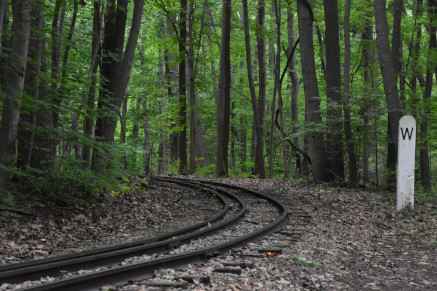
A whistle post sign on the narrow gauge route.
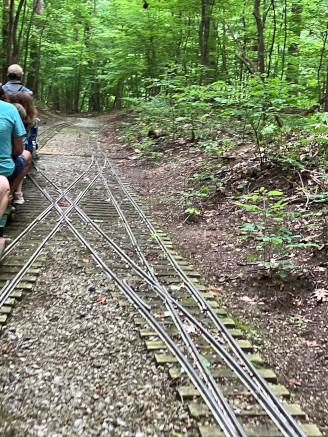
A crossover switch.
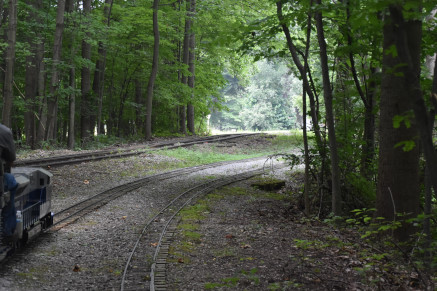
Running beside the narrow gauge track.
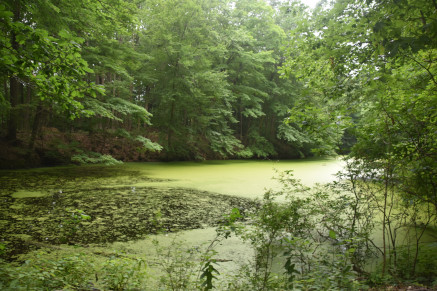
Mud Lake.
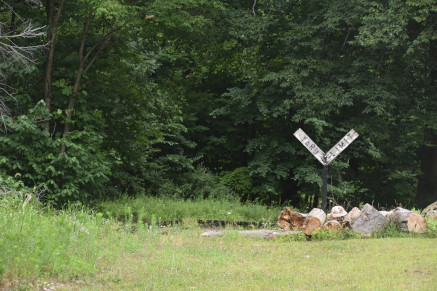
Yard Limit sign for the narrow gauge track.
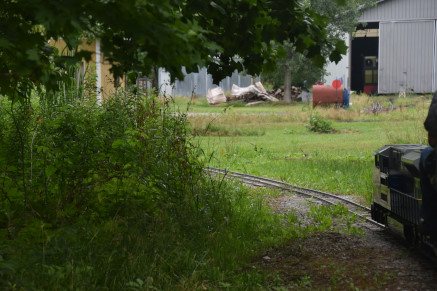
The narrow gauge engine house as we rounded a curve.
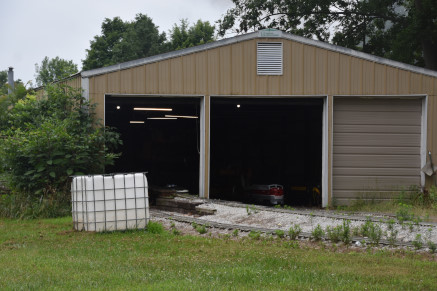
The lead from the 1/8 scale engine house.
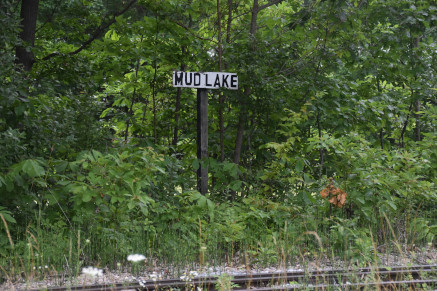
Mud Lake signpost.
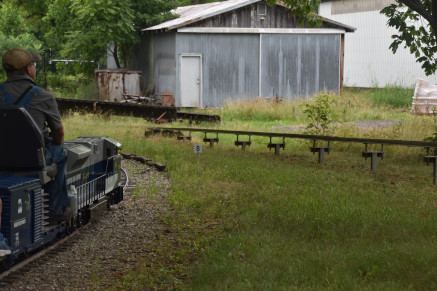
The 1/8 scale engine house.
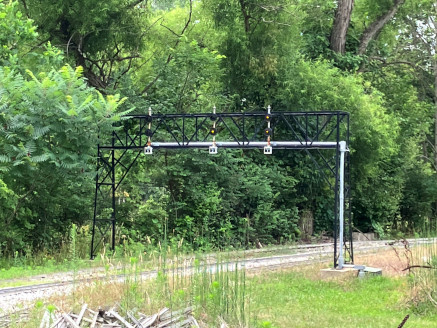
While Elizabeth and I have not ridden that many trains of this scale, we were duly impressed with this signal bridge.
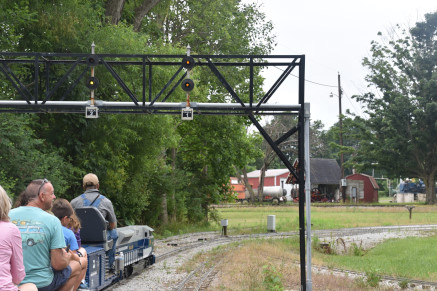
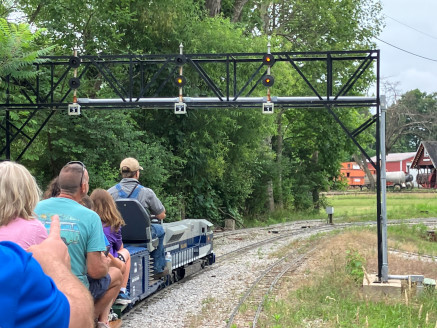
Passing underneath the signal bridge.
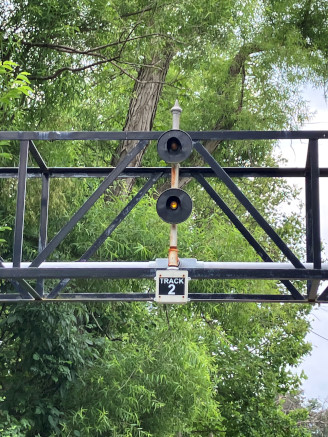
We had a yellow-over-red signal.
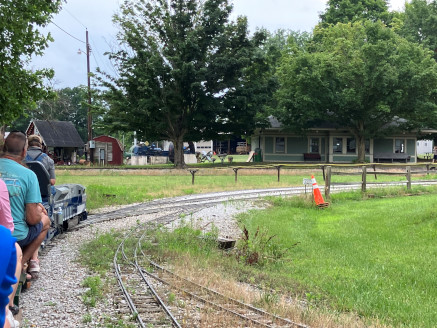
The final curve back into the station.
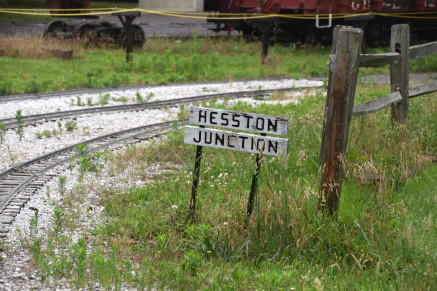
Hesston Junction signpost.
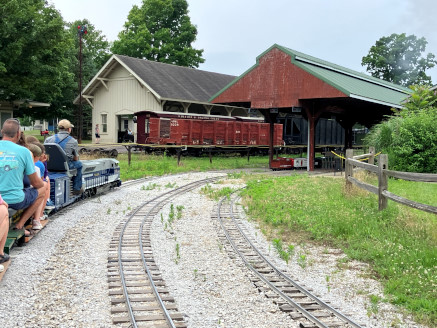
We returned to the station and detrained.
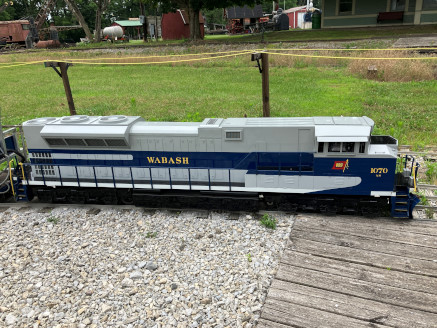
The locomotive that pulled us around the 1/8 scale track.
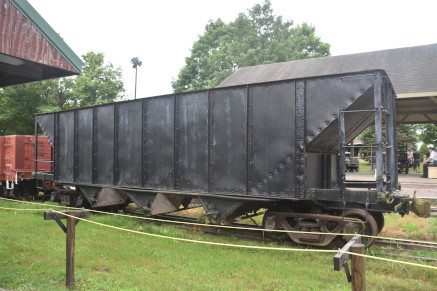
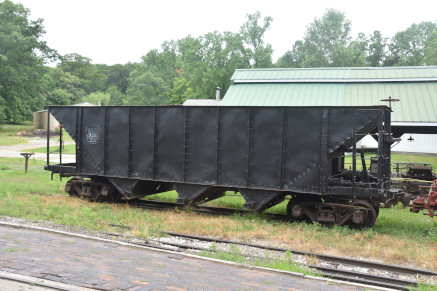
East Broad Top 3 bay hopper 889 built by the railroad in 1915.
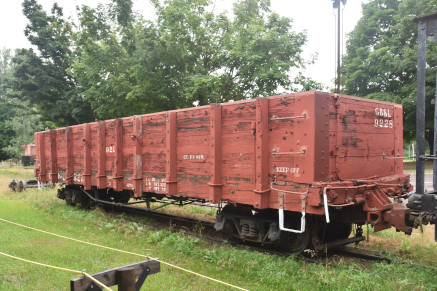
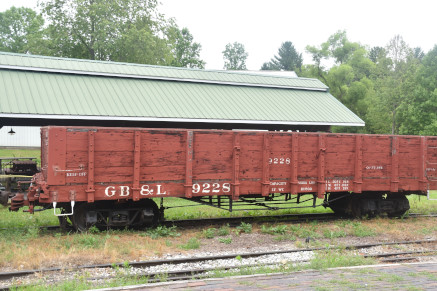
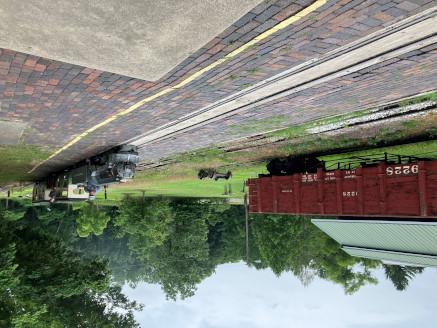
Georgetown, Breckenridge and Leadville Railroad gondola 9228, nee Denver and Rio Grande Western 9228, built by American Car and Foundry in 1898. It was acquired from South Park Historical Society in Como, was formerly on the Georgetown Loop Railroad and originally part of the Colorado Railroad Museum collection.
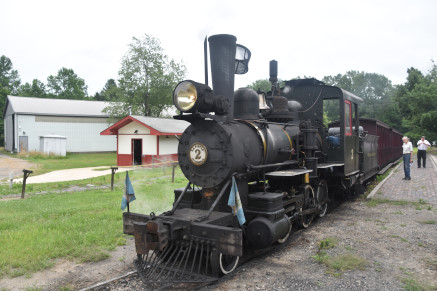
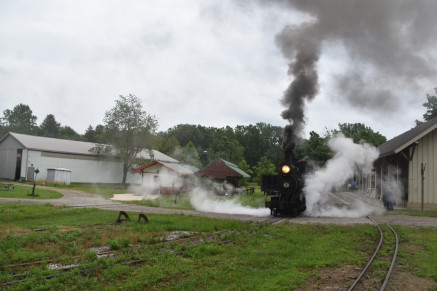
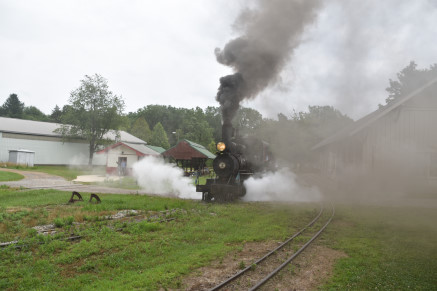
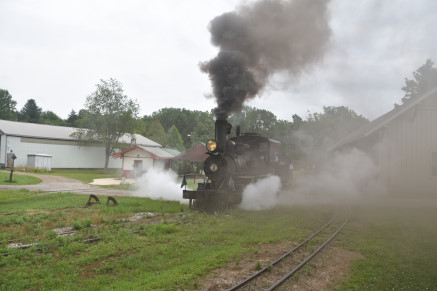
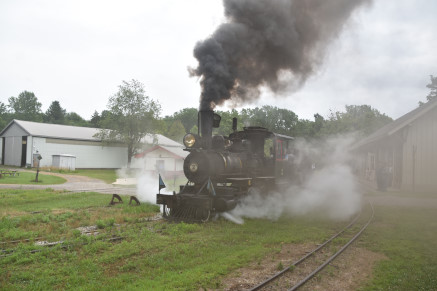
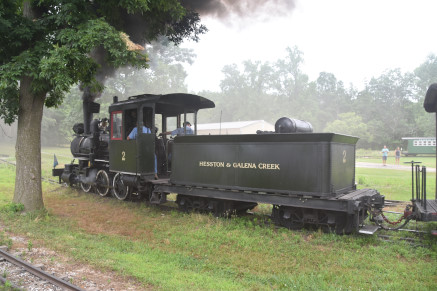
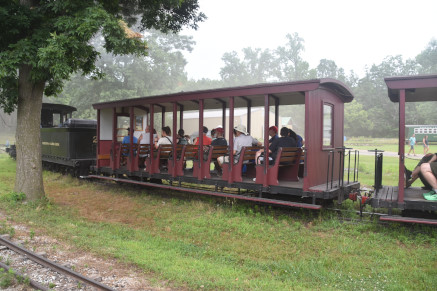
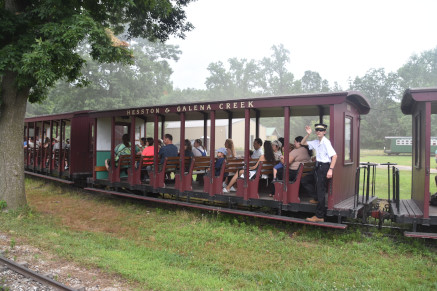
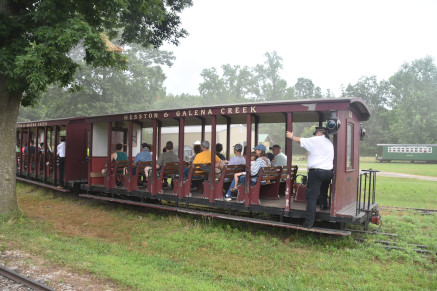
Hesston and Galena Creek 2-6-0 2 steamed by us on the start of its journey; we would ride that train last, but continued to explore.
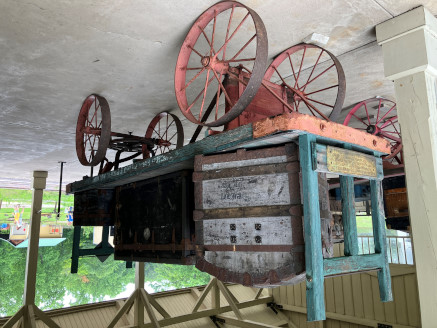
The loaded Chicago Rock Island and Pacific baggage cart.
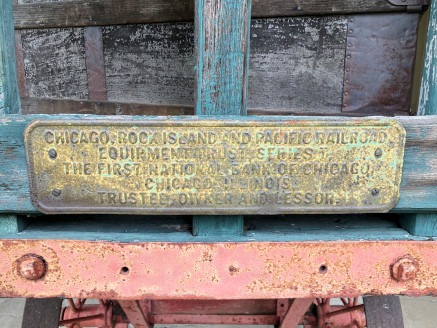
Chicago, Rock Island and Pacific Railroad Equipment Trust Series T. The First National Bank of Chicago Trustee, Owner and Lessor.
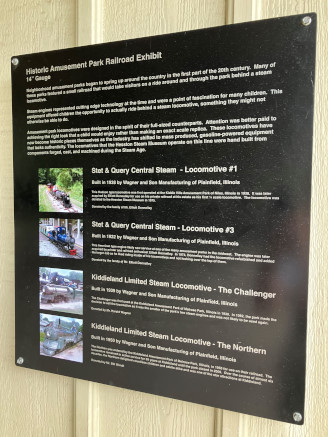
History and locomotives of the 14" gauge Historic Amusement Park Railroad Exhibit.
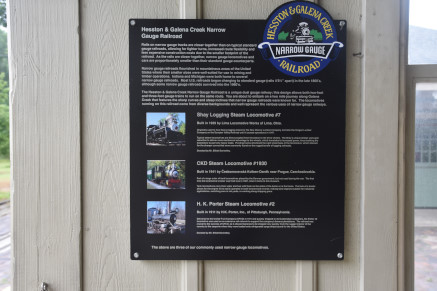
History and locomotives of Hesston and Galena Creek Narrow Guage Railroad.
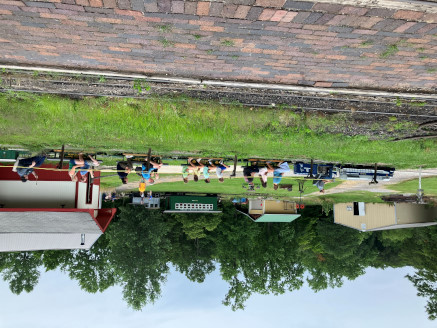
The 1/8 scale train departed on another run.
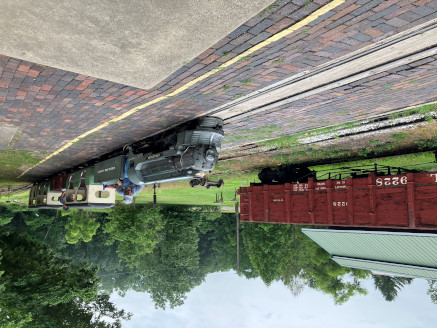
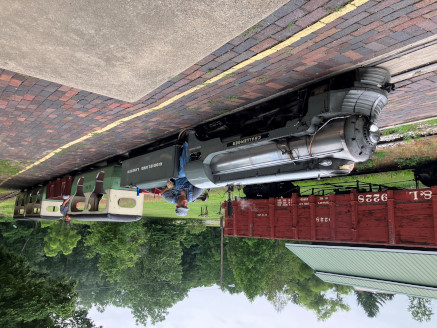
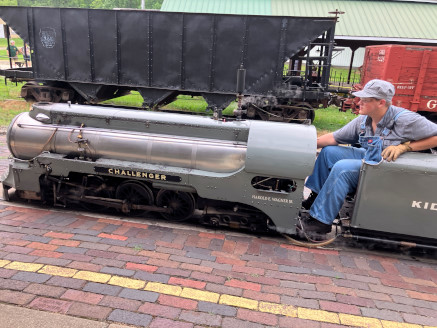
Kiddieland Limited 4-6-4 "Challenger" built by Wagner & Sons in 1938 from Kiddieland Amusement Park located at the corner of North Avenue and First Avenue in Melrose Park, Illinois. Kiddieland started out as a small venture of Arthur Fritz, a local builder and contractor. In 1929, he purchased six ponies and offered rides to local children. Miniature gasoline-powered cars were added a few years later after Fritz learned that they were being given away to children by a Chicago newspaper as a subscription promotion. By the 1930s, Fritz was calling his collection of amusements Kiddieland; the attractions were primarily sized and geared towards younger children.
In 1940, Fritz added the German Carousel, two miniature steam locomotives, the Little Auto Ride, the Roto Whip and a Ferris wheel. The Roto Whip and Ferris wheel would remain as rides until the park's closing. The park saw its first major expansion in the 1950s with the addition of the Little Dipper and the merry-go-round. Fritz's adult children also became more involved in the park at this time. The 1960s saw bumper cars replace the original pony ride, as well as the unexpected death of Fritz in 1967. The park transferred ownership in 1977, as three of Fritz's grandchildren took over the park and its operation. The park continued its expansion over the next several decades and installed several major attractions, including a Log flume, a swinging pirate ship, a 40-foot long water coaster, and numerous other attractions. The park closed on September 27, 2009 and demolished in 2010 to make way for a new Costco store.
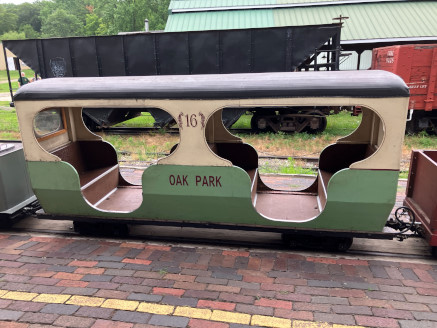
Car 16 "Oak Park".
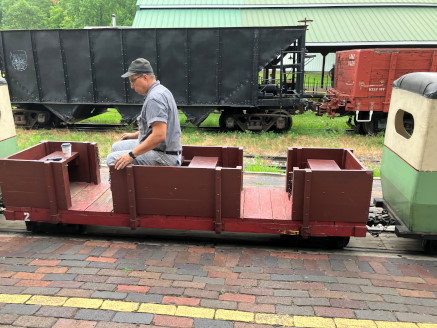
Car 2 unnamed.
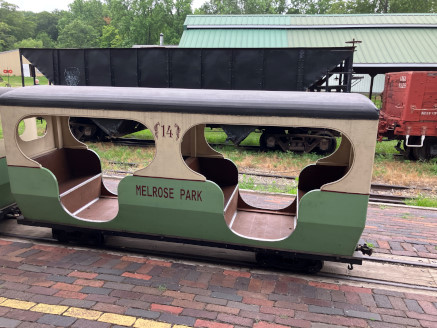
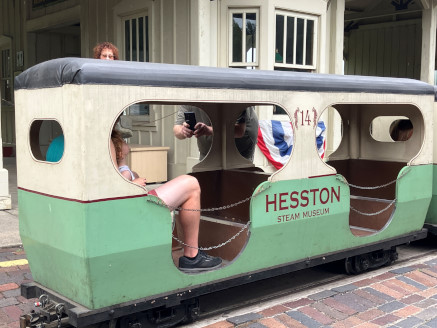
Car 14 "Melrose Park".
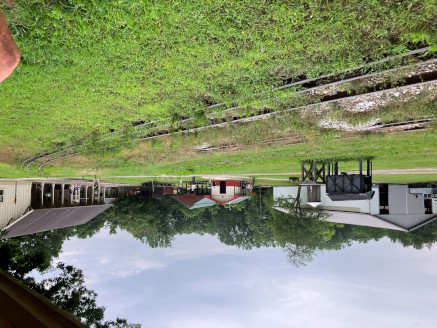
We boarded our second train of the day and started that journey.
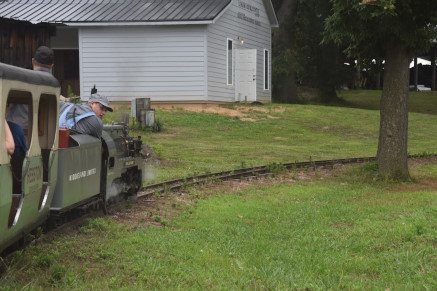
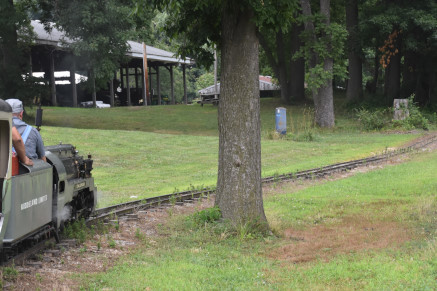
Rounding a curve.
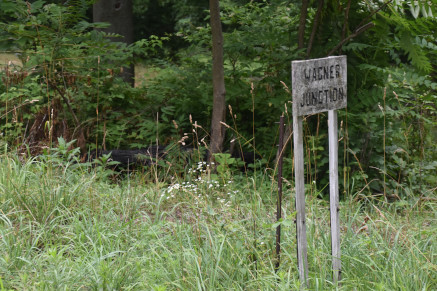
Wagner Junction.
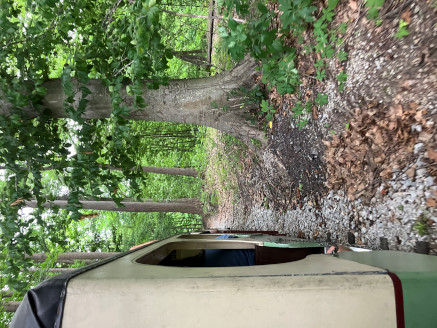
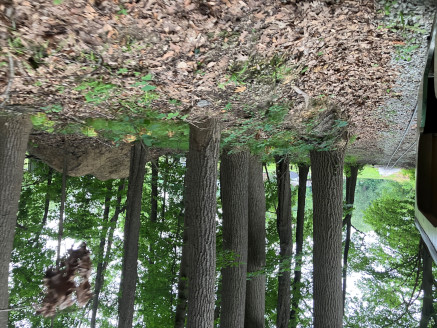
Out into the forest we went.
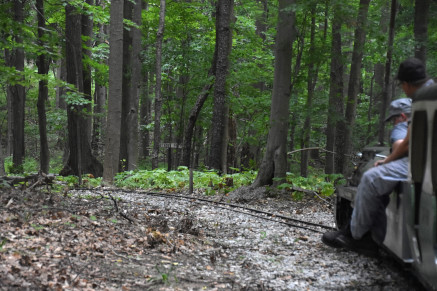
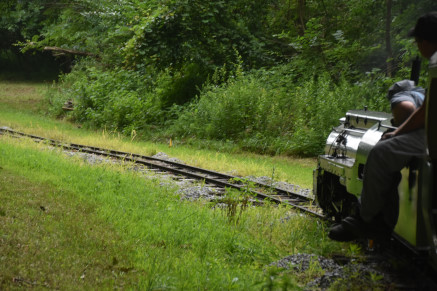
Another curve on this small railroad.
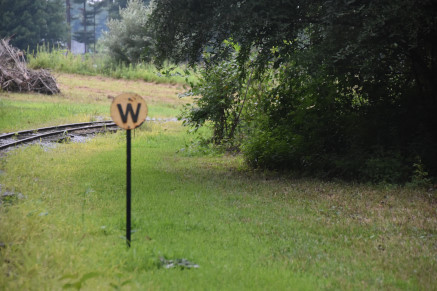
The whistle post.
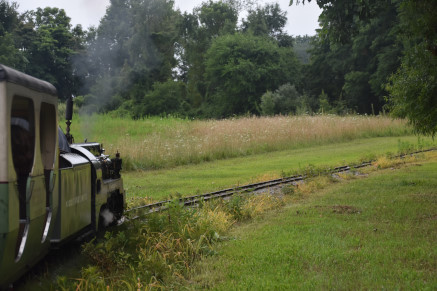
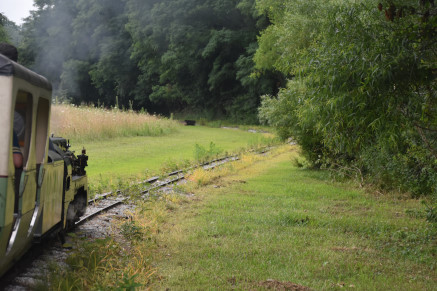
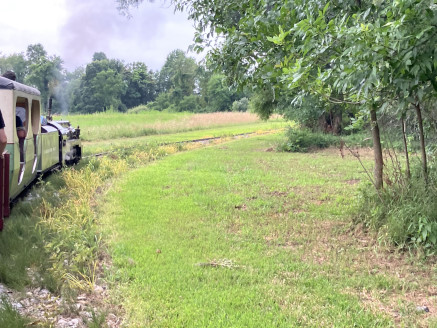
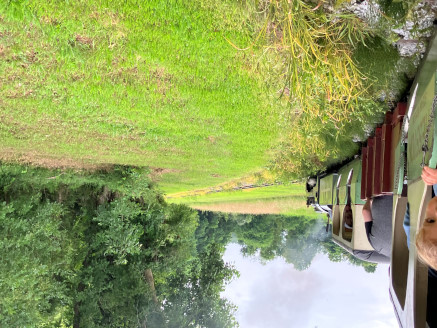
The train negotiating a right hand curve.
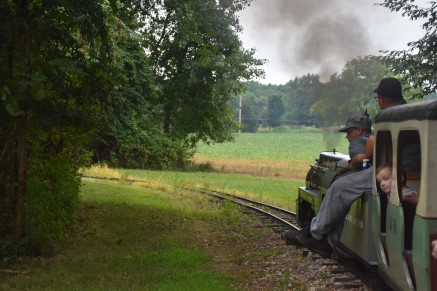
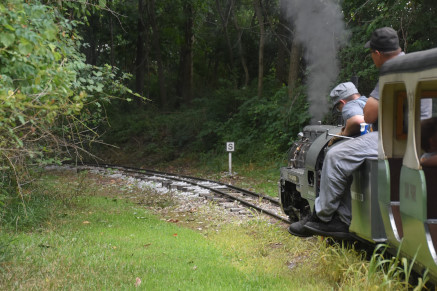
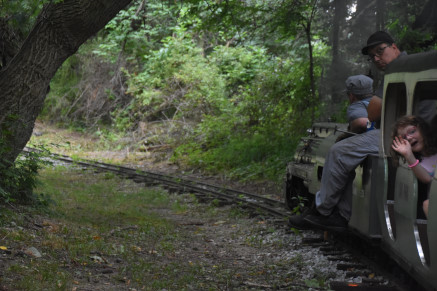
Proceeding through the forest.
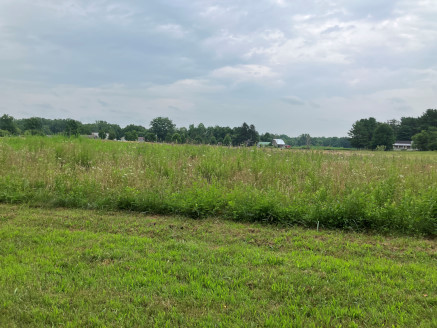
A view across the meadow.
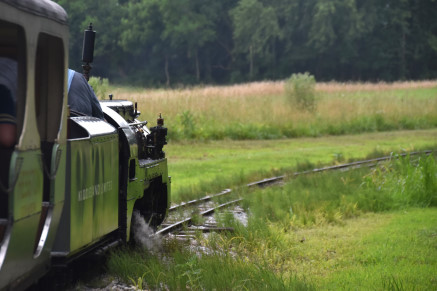
Curving to the right.
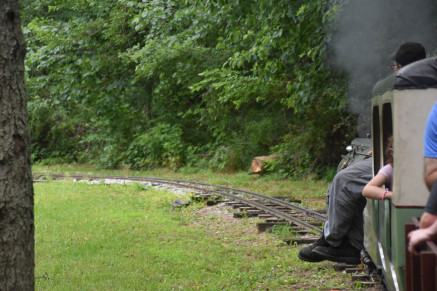
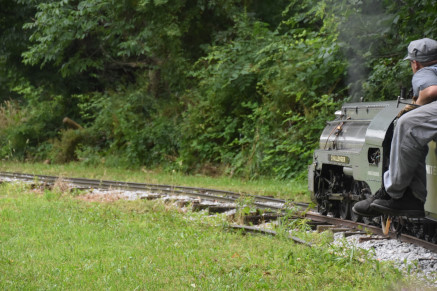
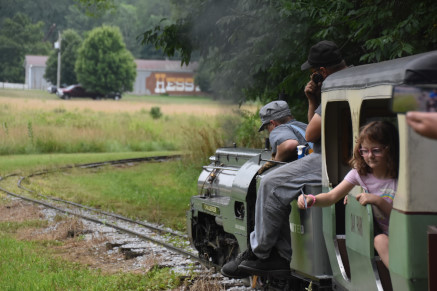
Continuing the journey aboard the 1/4 scale train.
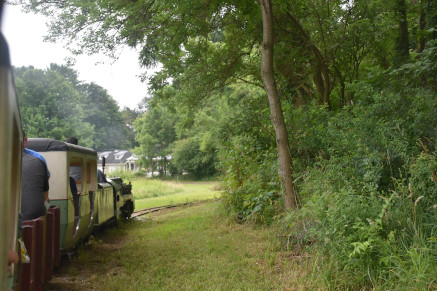
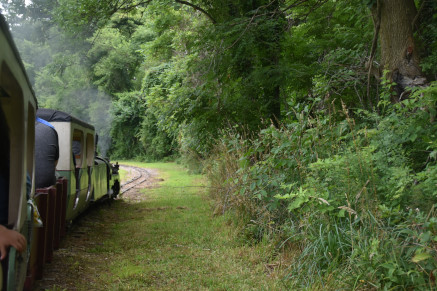
Rounding a curve to the right.
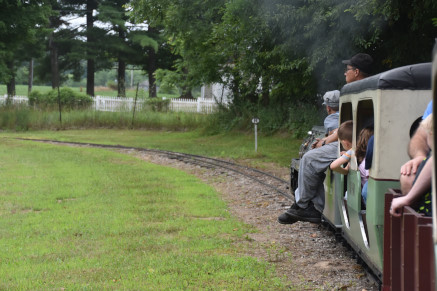
We running to the main road sign into the property.
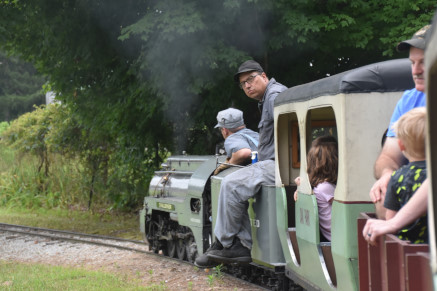
The conductor keeping a close eye on the passengers, some of whom where children.
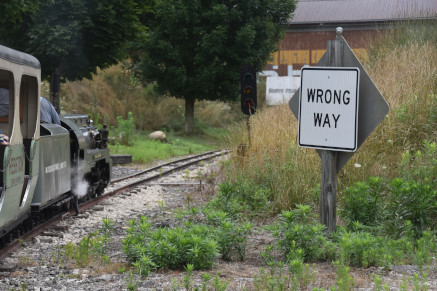
We crossed the main road into the station.
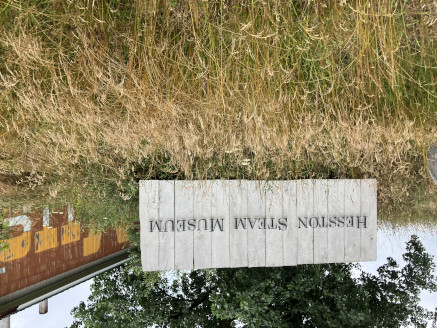
Hesston Steam Museum sign.
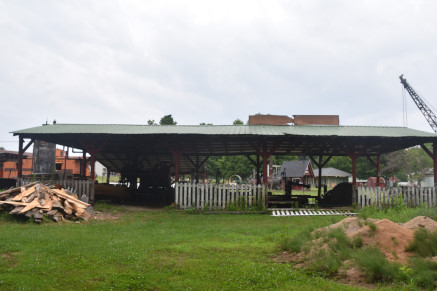
The Hesston Lumber Mill seen from the rear.
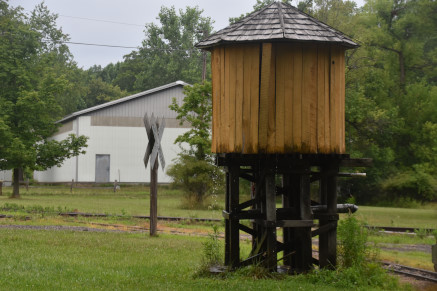
The water tower.
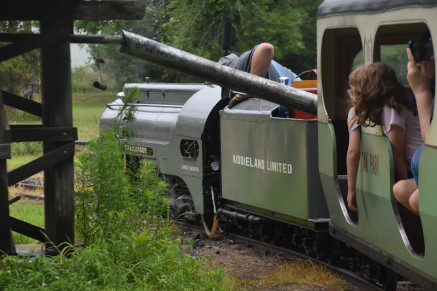
Filling the tender with water.
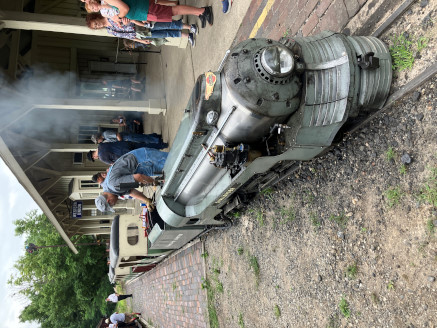
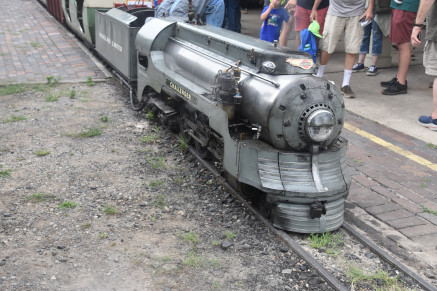
Kiddieland Limited 4-6-4 "Challenger" back at the station. We then boarded the narrow gauge steam train.
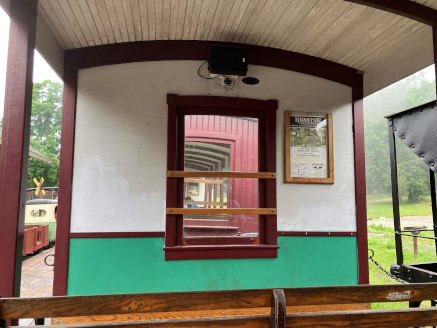
The front of our coach.
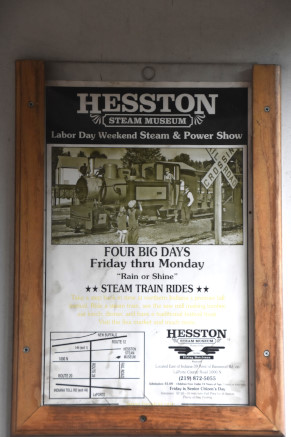
Hesston Steam Museum promotional sign.
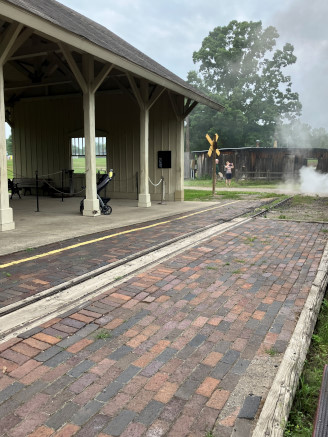
We started the last trip of the day riding behind Hesston and Galena Creek 2-6-0 2.
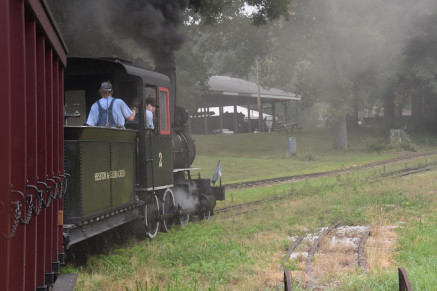
Curving out of the station area.
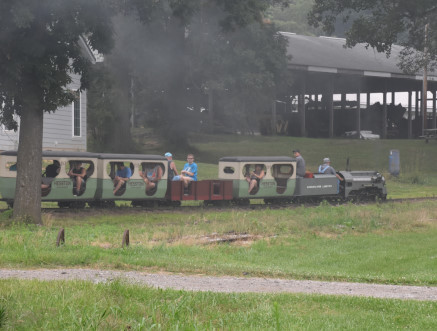
The Kiddieland Limited 4-6-4 "Challenger" starting another journey.
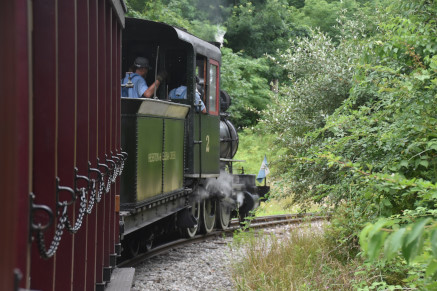
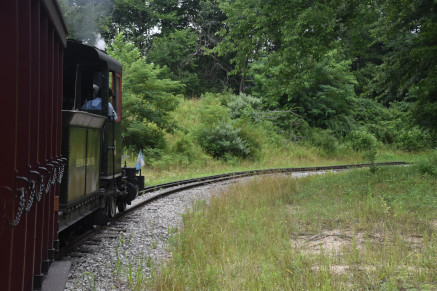
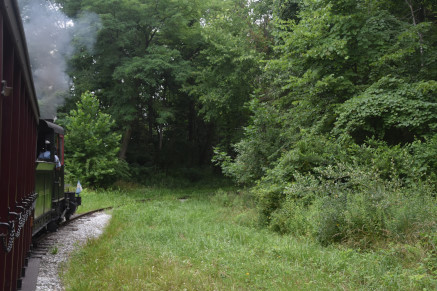
Rounding a curve to the right.
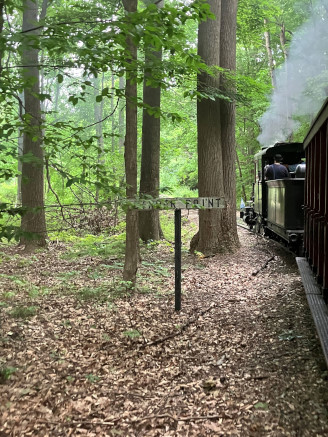
Cinder Point signpost.
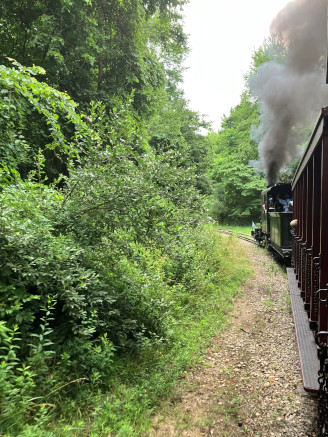
Hesston and Galena Creek 2 was nicely steaming while working the grade.
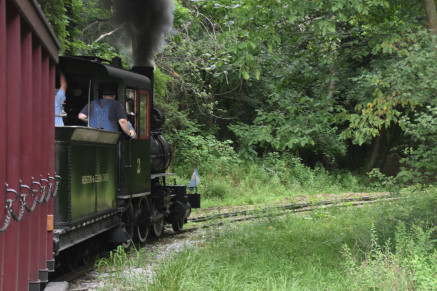
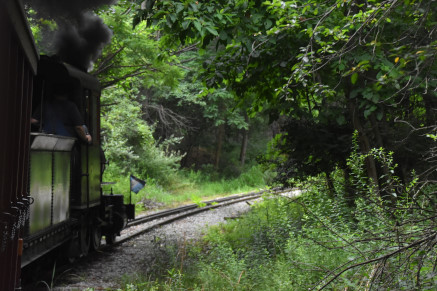
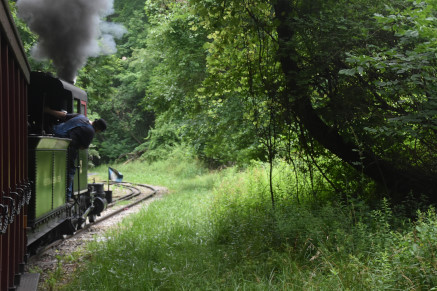
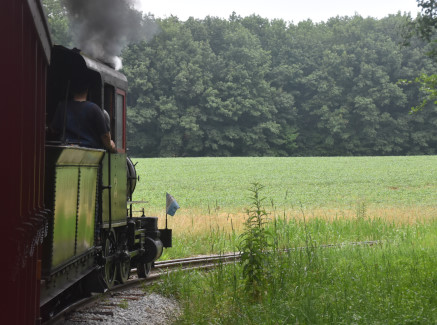
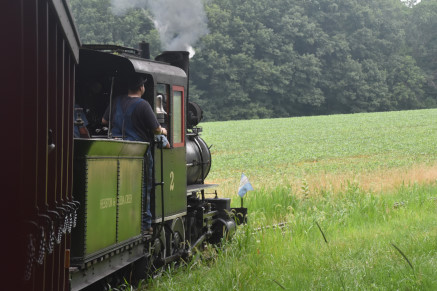
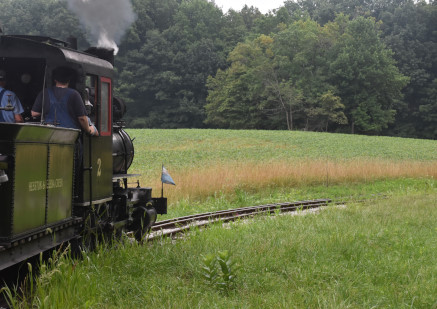
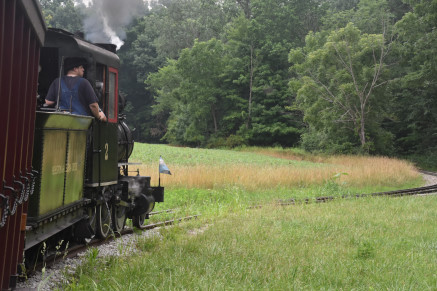
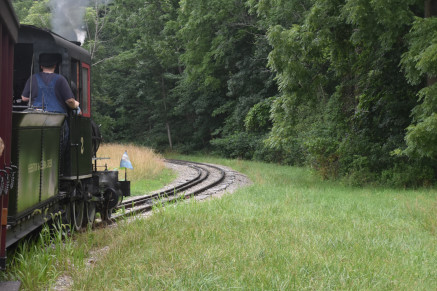
Rounding a curve to the right.
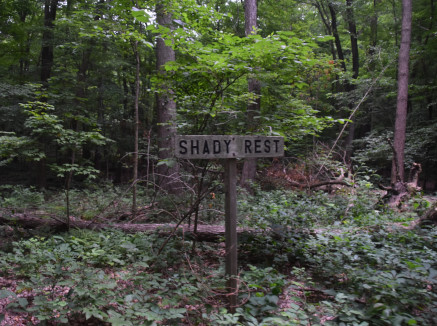
Shady Rest sign post.
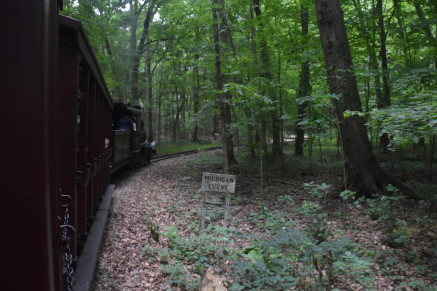
Michigan Curve signpost.
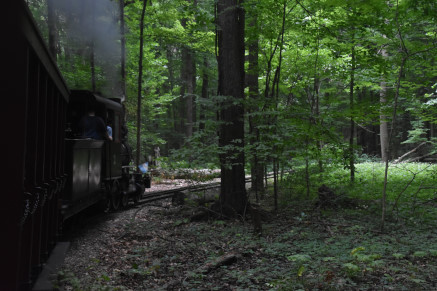
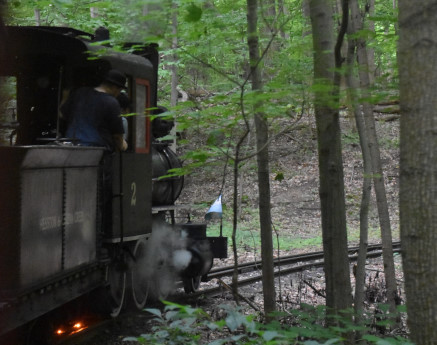
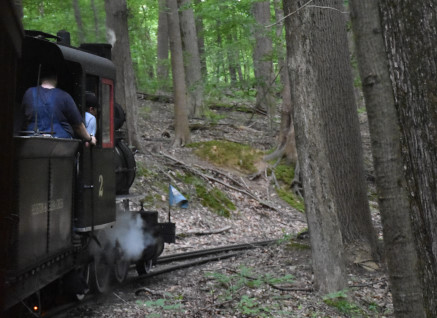
Travelling through the forest.
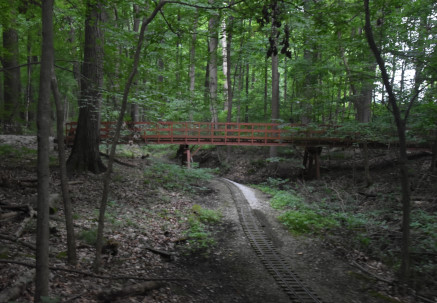
The 1/8 scale bridge and over-crossing.
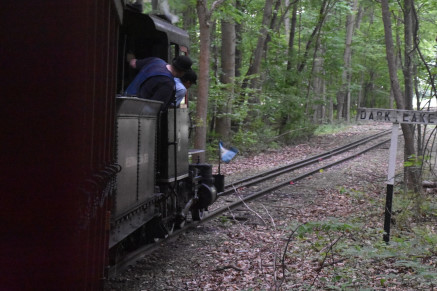
Dark Lake.
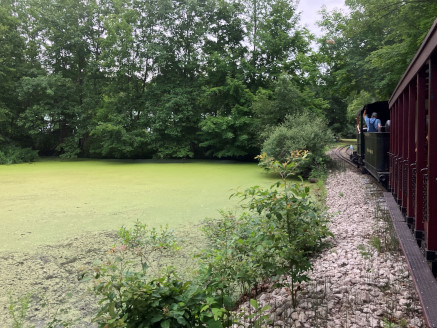
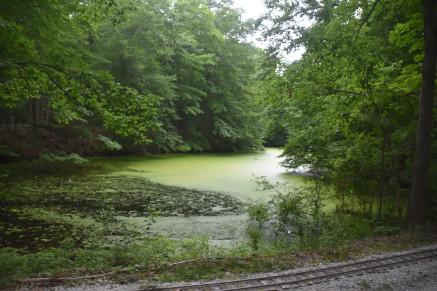
Dark Lake signpost.
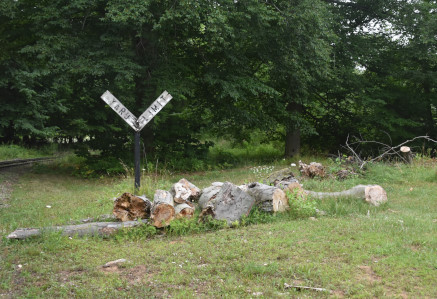
Yard Limit signpost.
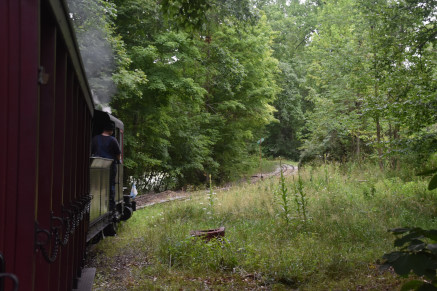
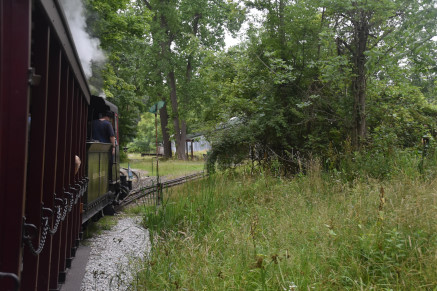
Rounding a curve to the right.
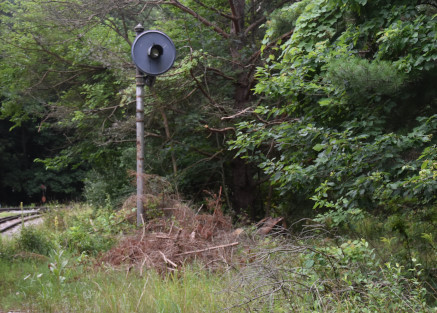
A operating block signal.
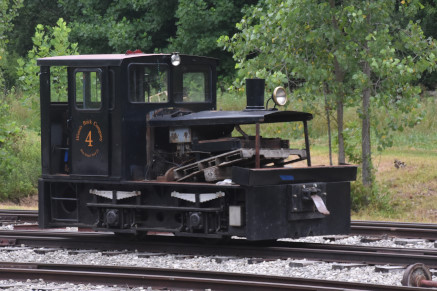
Illinois Brick Company DGT 10 ton-switcher 4 built by Plymouth Locomotive Works in 1953.
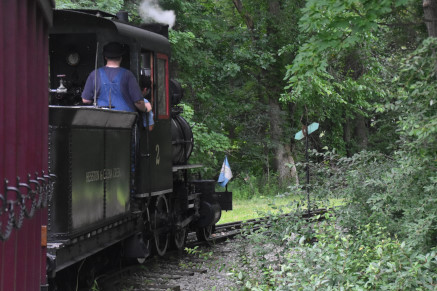
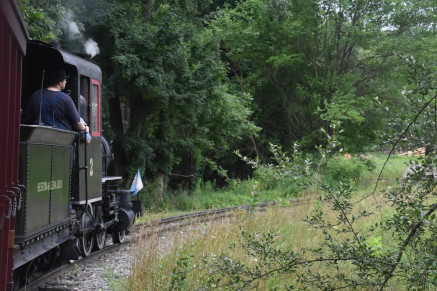
Rounding a curve to right.
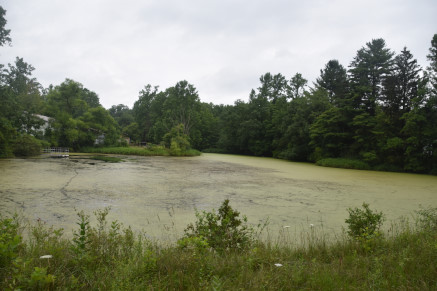
Mud Lake.
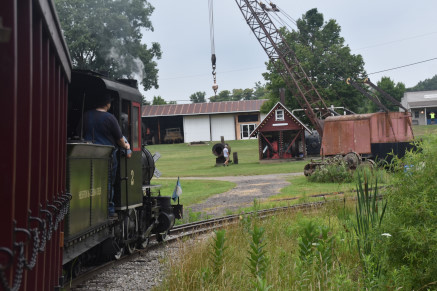
Approaching the display area of the museum.
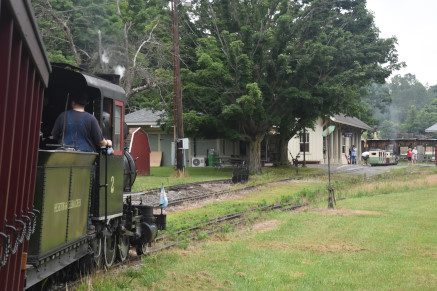
Coming into the station, where we detrained after three most enjoyable rides on the different gauges.
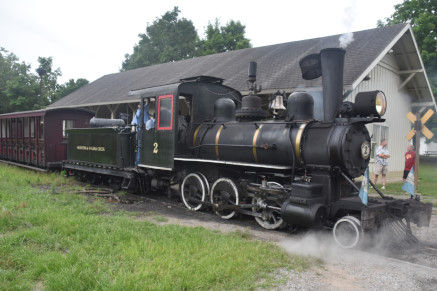
Hesston and Galena Creek 2-6-0 2.
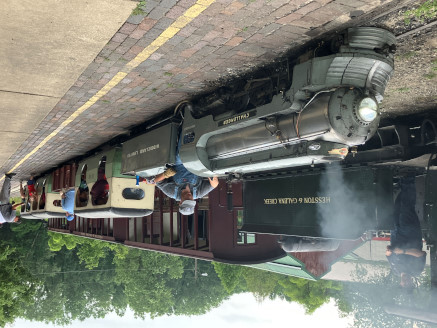
Kiddieland Limited 4-6-4 "Challenger" arrived. The clouds had been gathering and a very light drizzle began as we explored the rest of the grounds.
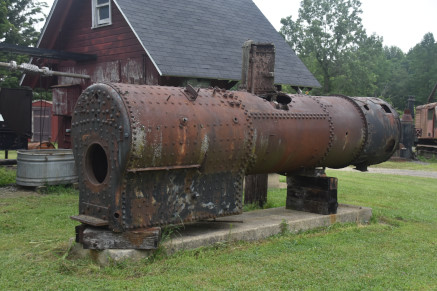
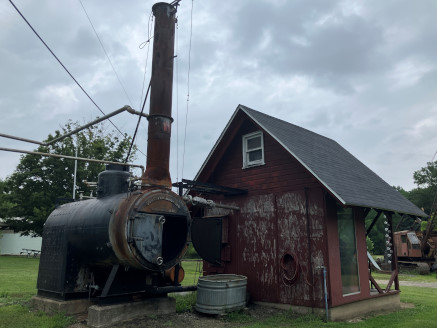
A locomotive boiler.
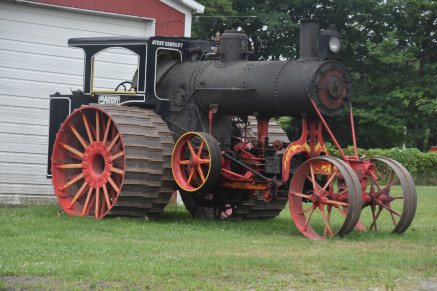
The 1911 steam traction engine, one of the largest ever built, constructed by Aver in Peoria, Illinois for heavy agriculture and hauling work. This engine operates on select weekends.
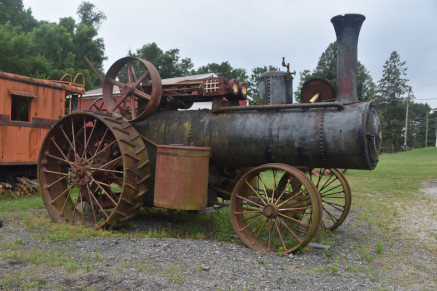
One of the other steam tractors, a versatile tool for the farmer, responsible for increased food production in the 1890s to 1925 as farmers could finally purchase a machine to pull ploughs and power devices such as threshing machines. Before the advent of such tractors, horses undertook those tasks. The museum's examples of the steam traction engine come from numerous manufacturers and were built between 1899 and 1922.
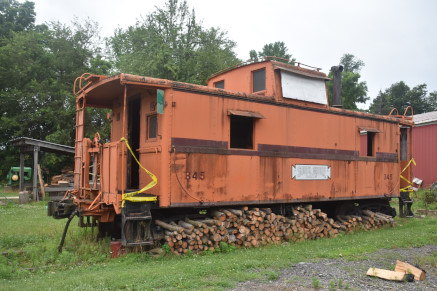
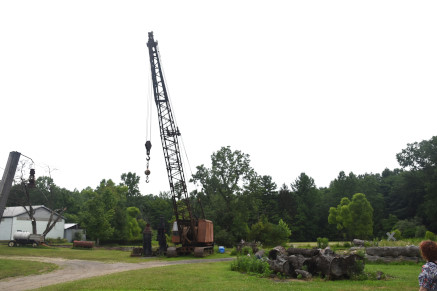
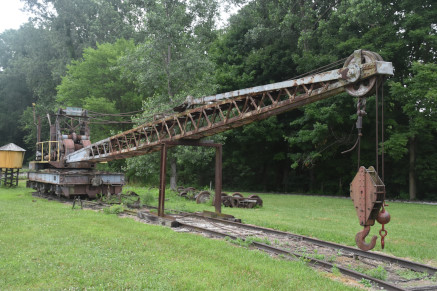
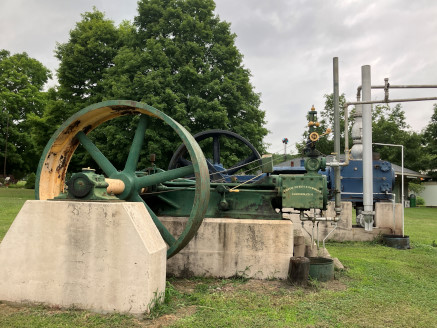
Chesapeake and Ohio caboose 90345 built by American Car and Foundry in 1949, painted as Chicago, South Shore and South Bend 345. Browning locomotive steam crane used to lift logs on to the sawmill skidway when operation demands. It was built by the Browning Crane & Shovel Company for the United States Navy in 1941. The electric power plant and stationary engine. On special weekends, volunteers generate electricity with the City of LaPorte’s first electric generator. The steam engine will spin the dynamo to create 60 kilowatts of DC current,
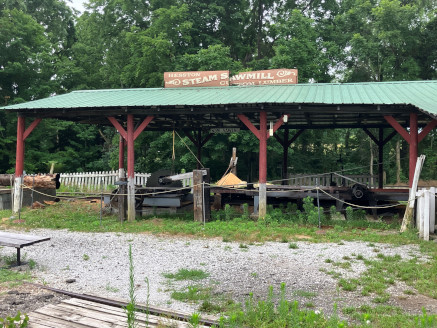
showing how labour-intensive it was to create power 100 years ago. This "light plant" was located in the LaPorte courthouse powerhouse. The Hesston steam sawmill built in 1900 by the Hill-Curtis Machinery Company of Kalamazoo, Michigan and is typical of the mills that dotted the countryside in the 1890s. The mill features a 60-inch insert tooth blade and is driven
by a horizontal single-cylinder Uniflow steam engine manufactured by Skinner Engine Company of Erie, Pennsylvania. The Amaryllis station houses the gift shop and ticket office. We visited here and purchased a few souvenirs before going to Doc's Soda Fountain for a hot dog, a butterscotch sundae and a pineapple sundae. During this time,
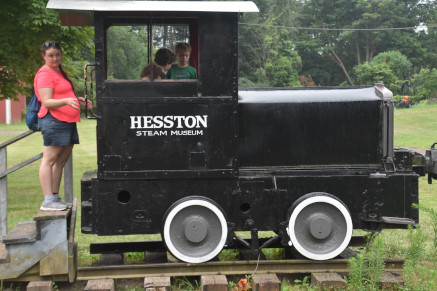
it started to pour and we were glad to be inside. Our umbrellas came in very handy as we returned to the car, passing Sullivan Machinery 7 ton switcher 1, built by Whitcomb Locomotive Works in 1923, utilized as a children's attraction. We drove to Kankakee, Illinois, stopping at Jersey Mike's in Bradley before checking in to the Quality Inn for the night.
RETURN TO THE MAIN PAGE