




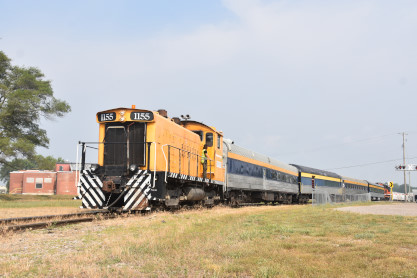
The first event of the convention was a journey to Clare, Michigan, to ride the diesel-powered Great Lakes Central Railroad 71.3 miles south to Owosso. A short stop was also planned at Shepherd to view railroad equipment on display then at Owosso, a tour of the Steam Railroading Institute's shop would occur, with the ability to observe the progress of repairs to Pere Marquette 1225.
Elizabeth's role on the convention committee was that of Bus Host Ambassador and we were both bus hosts throughout the week. After an early start and once my bus was full, it departed and took all conventioneers to Clare, where we had time to explore the station and equipment before the 11:30 departure.
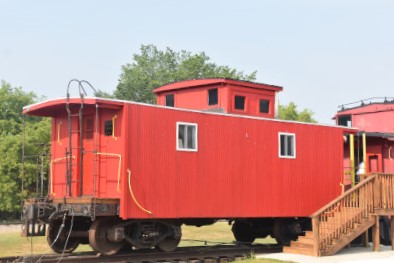
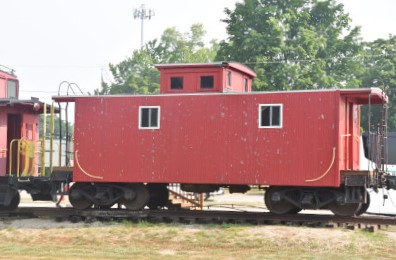
Hocking Valley/Chesapeake & Ohio center cupola caboose 90630. Most likely built at the Hocking Valley Yards in Columbus for use in Ohio, it is a steel frame wooden car that came to rest in Clare circa 2015, thanks to the Depot Steering Committee’s purchase from the Coopersville and Marne Railroad Museum.
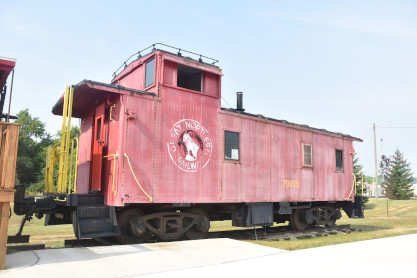

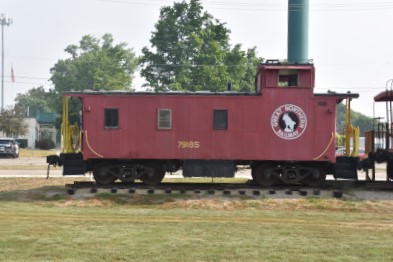
Grand Trunk Railway caboose cupola 79165, nee Chesapeake and Ohio 96630, builder and date unknown; the reason for it being painted Great Northern is a mystery.

Rail spikes, maul and spike puller.
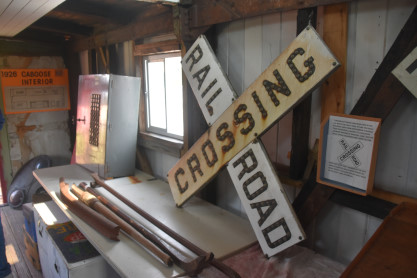
Railroad crossing crossbuck. We then visited the caboose.
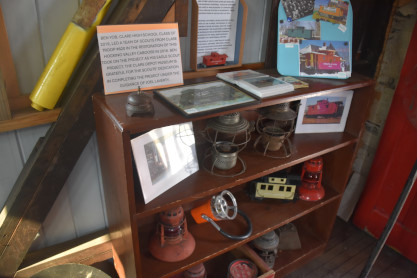
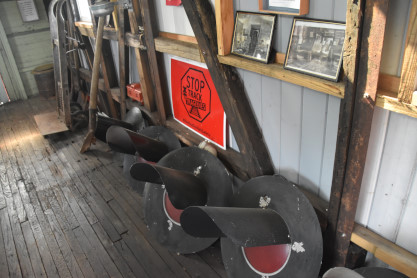
The interior of the Chesapeake and Ohio caboose.
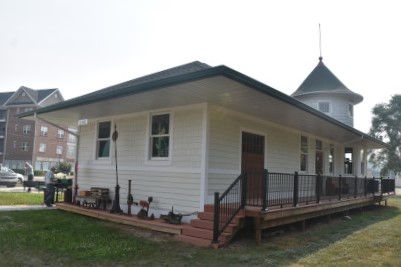
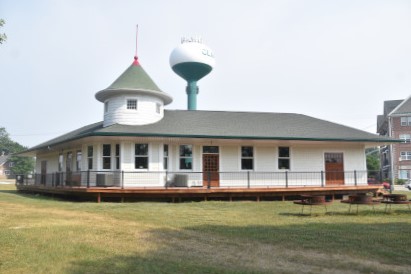
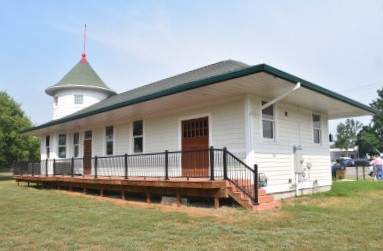

Clare Pere Marquette/Ann Arbor depot built in 1895. Around the time that Clare became a City (1871), the Flint & Pere Marquette Railroad (F&PM) came to serve the waning lumber industry. The F&PM depot was constructed in 1871 on the southwest corner of where the line crossed McEwan, near the current location of Johnston Elevator. In the 1880's, the Toledo & Ann Arbor Railroad chose Clare for their continued expansion into Northern Michigan. In 1887, the two lines opened up a joint Depot at the intersection of the two railroads, about 900 feet west of its current location. This depot was named the "Union Depot" and served Clare until January 1895 when a kitchen fire destroyed the structure and almost all of its contents.
By December 1895, a new "Union Depot" was built using the same design and in the same location as the previous one. It was completed and in full use by the beginning of 1896. The two lines shared the building cost of $7,000 (in modern days it would cost closer to $222,000 to construct) and was built in the popular (in those times) Queen Anne's style, but in a unique boomerang shape to serve the two railroads. With the building's "witch's hat" cupola, the structure is the only depot left of such design in all of North America. The second "Union Depot", which is the one that stands today, consisted of nine separate rooms on one floor, as well as the cupola space. Bill Adam's Shop served the hungry and thirsty in a separate nearby building.
In 1898, the depot was joined by an interlocking tower built by the Ann Arbor line across the "diamond" which stood until 1955. Early timetables and advertisements show that no less than sixteen passenger trains and as many as eight freight trains served the depot daily in the early part of the 20th century. At least a dozen separate railroad tracks led in and out of the depot in all directions. It is also said that every man from Clare County who served in the Spanish American War, World War I and World War II left and came home through the doors of the depot.
By the 1930's, with the advent of cars, buses and better highways, passenger service on both lines quickly declined. Soon, only one train a day from each railroad came to Clare, with the Pere Marquette (by then C&O) ceasing its passenger service in late 1949. The Ann Arbor ran its last passenger train to Clare in July 1950, while C&O freight service continued well into the 1980's, but was discontinued and the tracks abandoned. The Ann Arbor Line went through numerous name and ownership changes, and eventually stopped using the depot altogether in the early 2000's. The City of Clare purchased the aged building from the Tuscola and Saginaw Bay Railway in 2005 and moved it (due to access and safety issues) to its current location in 2014. After several years of rehabilitation using contributions from local citizens, businesses and organizations, the depot re-opened to the public on October 12, 2018.
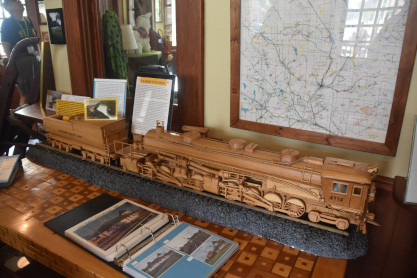
Casimir Stefansai built this wooden Southern Pacific 4-8-8-2 4114.
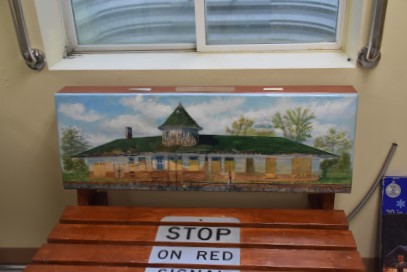
A unique bench in that the back of it is a mural of the Clare depot, painted in 2010.
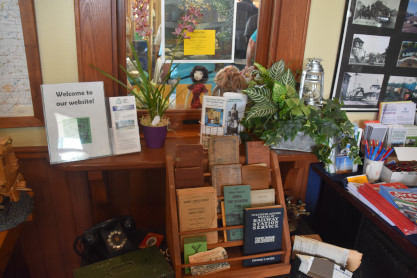
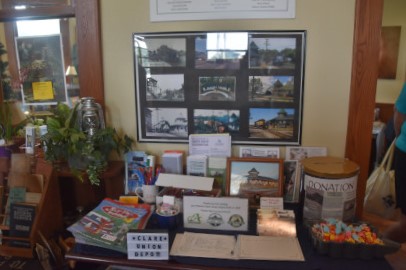
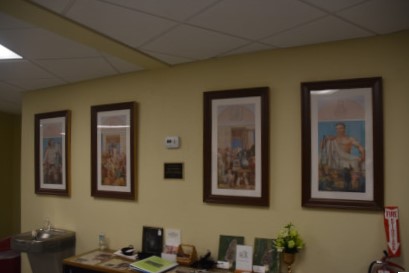
The interior of the station.
Today's excursion was being operated on Great Lakes Central Railroad, the former Ann Arbor line, in conjunction with the Steam Railroading Institute. The Great Lakes Central Railroad is a Class 3 rail carrier formed in 2005 with the purchase of the Tuscola & Saginaw Bay Railway by Federated Railways. The railroad operates former Ann Arbor trackage from Ann Arbor to Yuma. GLC also operates former PRR trackage from Cadillac to Petoskey, former PRR trackage from Walton Junction (north of Cadillac) to Traverse City with former Pere Marquette branches to Grawn and Williamsburg, former New York Central trackage from Owosso to Chesaning, and former Grand Trunk Western trackage from Ashley to Middleton. The GLC also operates a small portion of the abandoned CSX (C&O) Ludington Subdivision in Clare, Michigan, to serve a few industries.
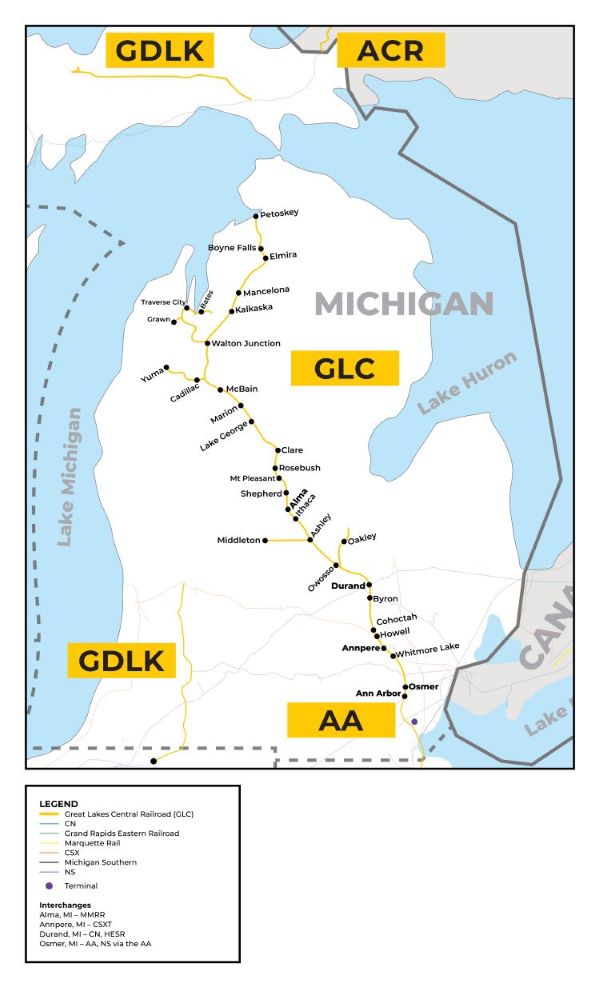
The map of the railroad, which had announced in March the upcoming acquisition by Watco, is a full-service supply chain solutions company that provides rail, transloading, terminal and port, and logistics services. Their privately- owned company, headquartered in Pittsburg, Kansas, has nearly 5,000 team members and has been recognized by Forbes and Newsweek for our outstanding culture. Since Watco's founding in 1983, they have grown as an owner and operator of a diverse and unmatched network of short line railroads, terminals and ports throughout North America and Australia.
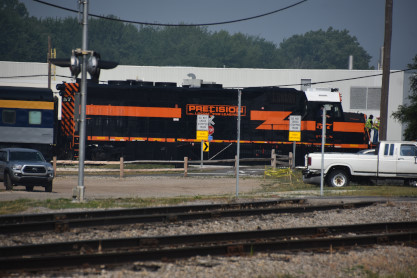
Proceeding to the switch in Clare, MP 178.8, was the train, led by Precision National GP40-2WH 57, ex. Motive Power Industries 57, exx. Maryland Area Rail Commuter GP40WH-2 57, exxx. Kansas City Southern 766, exxxx. Conrail 3138, nee Penn Central GP40 3138 built by Electro-Motive Division in 1968 and on lease to Great Lakes Central.
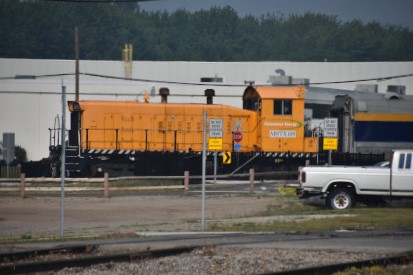
At the rear of the train was Steam Railroading Institute SW1200 1155, ex. Consumers Energy 1155, exx. Relco 1290, nee Canadian National 1304 built by General Motors Diesel in 1958. In November 2023, Consumers Energy generously donated the locomotive to the Institute. Its new number, 1155, will pay homage to Lima Locomotive Works' number designation given to the group of steam locomotives ordered by the Pere Marquette in 1941; this was partly due to not knowing the locomotives original Canadian National Railway’s number. 1155 is used occasionally on excursions while primarily moving equipment around the SRI railyard for demonstrations and excursion prep work. It serves as a great teaching tool to help explain the transition era from steam to diesel locomotives.
I moved up to near the crossing.
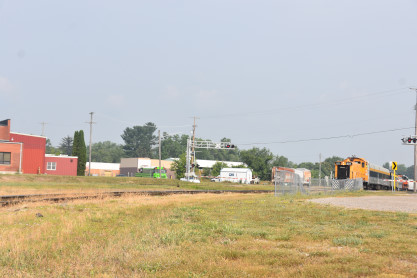
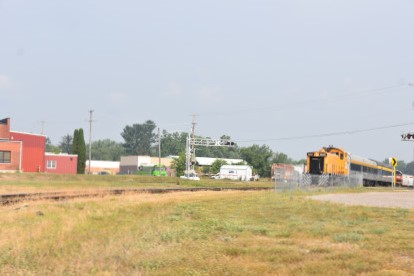
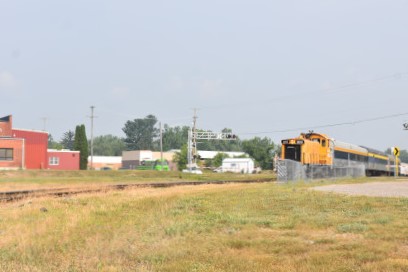
The train being repositioned to the boarding area by the station.
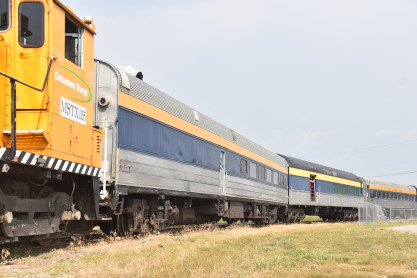
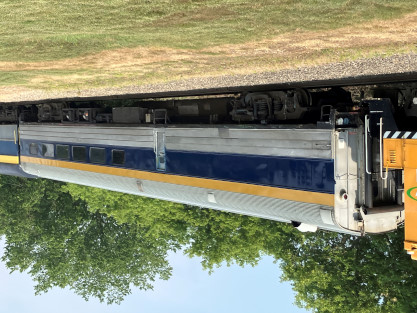
Steam Railroading Institute diner 8550, ex. Amtrak 8508, exx. Amtrak 8047, nee Northern Pacific 461 built by Budd Company in 1958.

Steam Railroading Institute combine 462, ex. Illinois Railway Museum, exx. Chicago and North Western 462, exxx. Chicago Great Western 462, nee Chesapeake and Ohio 462 built by Pressed Steel in 1934. It was originally used in branch line service and was one of the very last heavyweight passenger cars to be built of the type that was standard between 1914 and 1934. It has a non-structural riveted steel car body on a steel girder frame. All other passenger cars at SRI are lightweight streamlined cars with load-bearing car bodies. While it is currently numbered 462, it was set to the re-numbered 473 later in the summer.
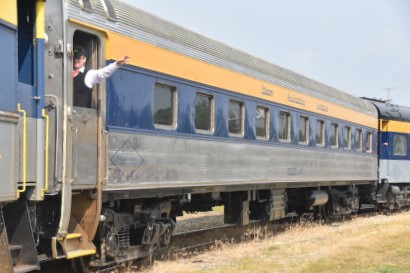
BOMX coach 147, ex. Baltimore and Ohio Railroad Museum {long-term lease since 2005}, exx. MARC 147, exxx. SEMTA 107, exxxx. Penn Central 1513, nee Pennsylvania Railroad streamlined sleeper "Norristown Inn" 8275 built by Budd in 1949. It was built into a coach in the 1960s.
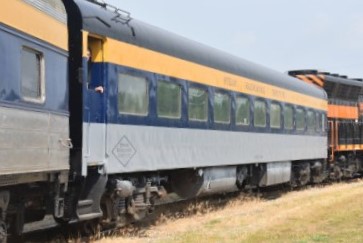
Steam Railroading Institute 76-seat coach 5646, ex. VIA 5646, nee Canadian National 5646 built by Canadian Car and Foundry in 1954.
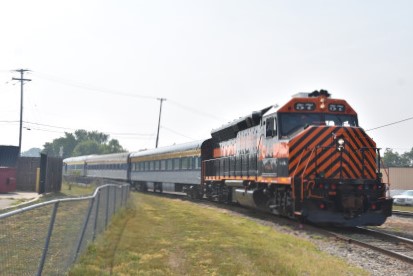
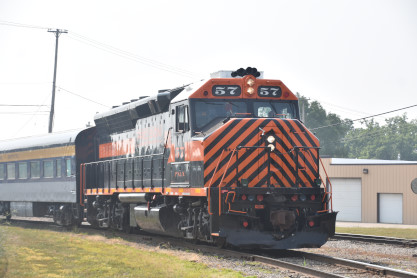
Precision National GP40-2WH 57. Everyone boarded and soon we departed Clare bound for Owosso.
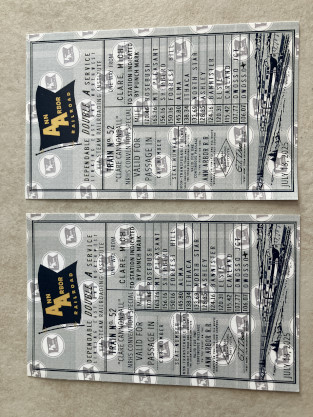
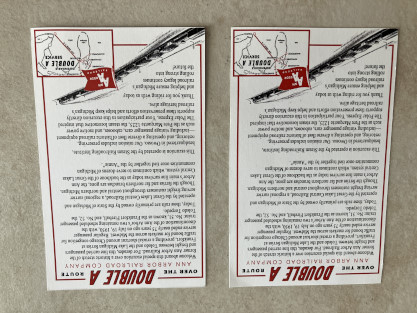
Our tickets for the day's excursion.
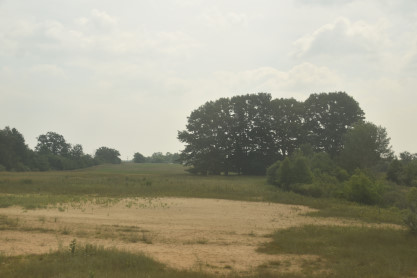
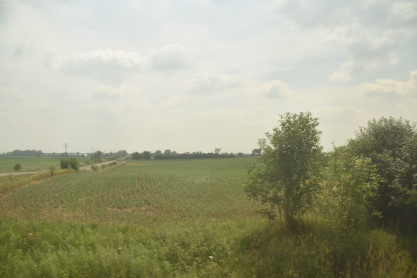
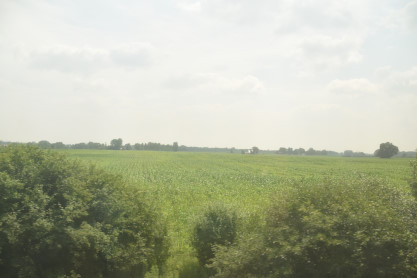
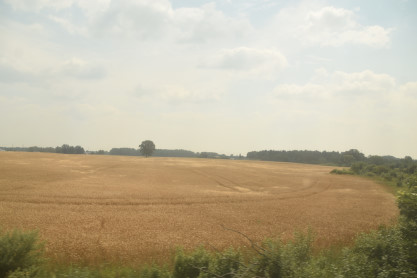
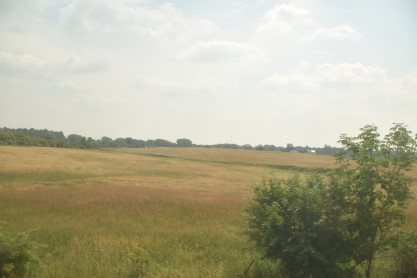
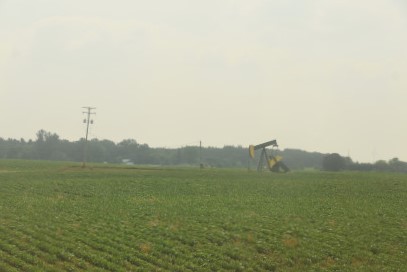
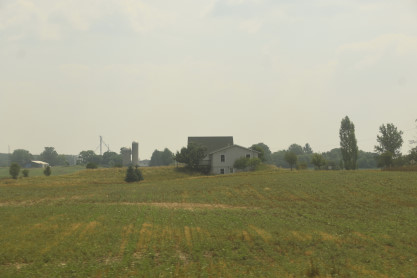
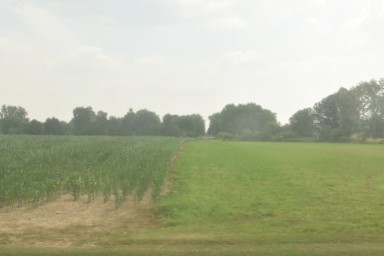
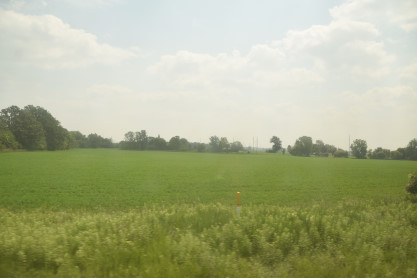
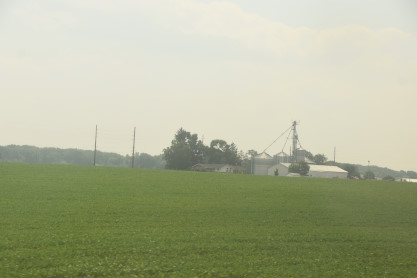
Scenes along our route. We stopped briefly in Mount Pleasant, MP 163.8, to pick up the boxed lunches from the catering company and they were distributed to everyone.
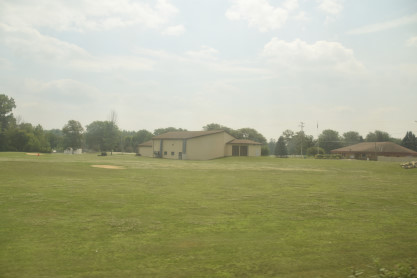
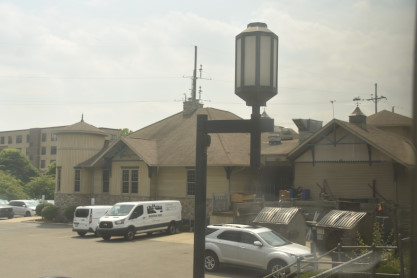
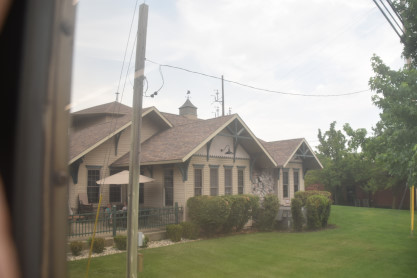
A home as we passed it.
The United States flag flying in the breeze.
A cornfield along our route.
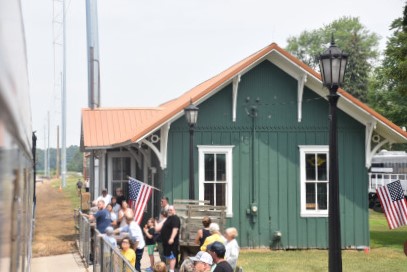
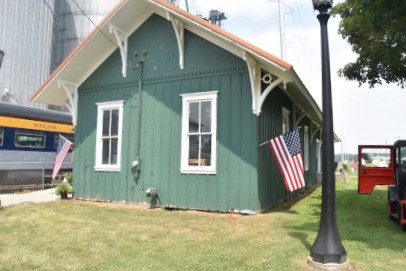
The Ann Arbor Shepherd depot built in 1892. We detrained and had an hour layover at MP 156.1.
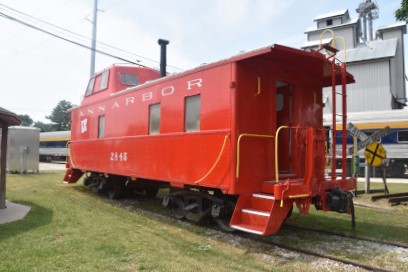
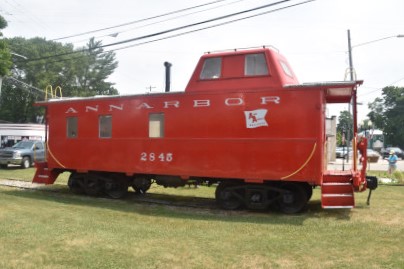
Ann Arbor caboose 2845, nee Wabash 2845, built in 1952.
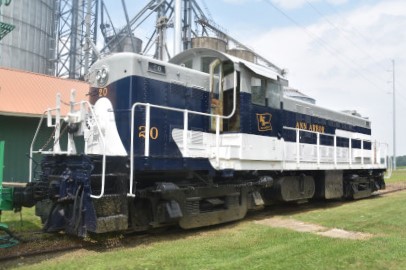
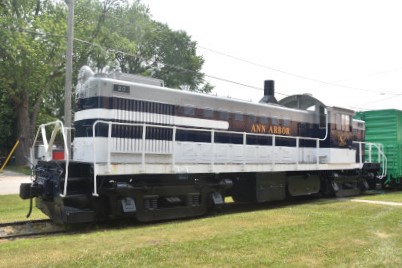
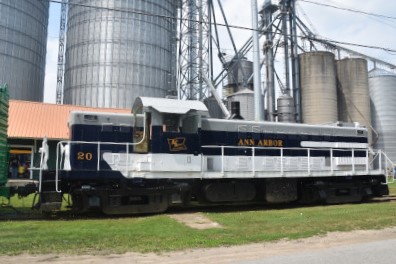
Ann Arbor Railroad RS-1 20, built by American Locomotive Company in 1950. In June 2024, two decades after its restoration to the Wabash passenger paint scheme it wore in its first decade, during which time the paint was fading and rust was taking a toll, it was repainted by the Shepherd Railroad Museum Association Depot Committee and its supporters, specifically Pennsylvania-based equipment painter Jeff Conner.
Ann Arbor parent company Wabash ordered two RS-1s equipped with steam generators to take over passenger service on its cross-Michigan subsidiary as part of a 1950 order that completed its dieselization, hence the passenger paint. Discontinuance of that passenger service came before the engines arrived, so AA 20 and 21 spent three decades working on locals and odd jobs suited to a 1000 hp unit without multiple unit capabilities. The Wabash colors endured until 1963, when new AA owner Detroit, Toledo & Ironton applied its spartan orange dip to the AA fleet. The orange paint remained through retirement around 1983 and its subsequent display in Shepherd by the Southern Michigan Railroad Historical Society. The orange paint would disappear under a restored Wabash scheme for the first time in 2004, also thanks to the efforts of local volunteers.
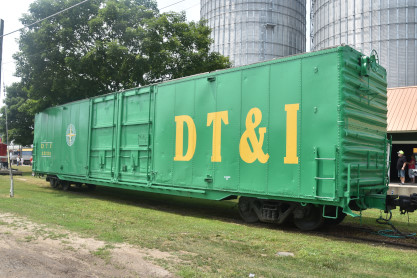
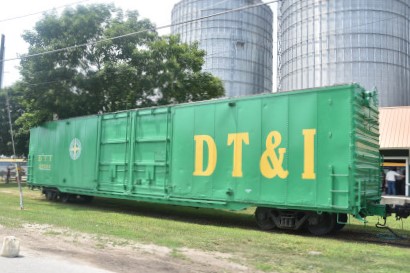
Detroit, Toledo and Ironton Railroad 60 foot double door box car 25235, builder and year unknown.
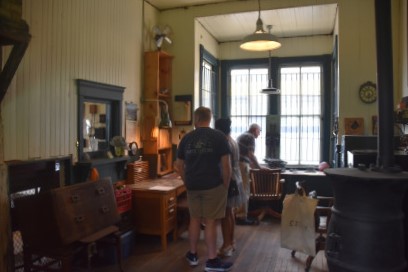
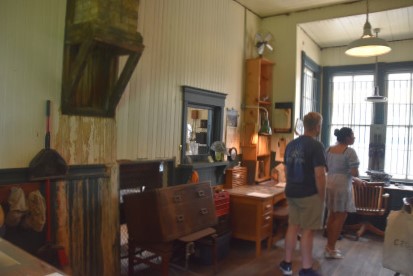
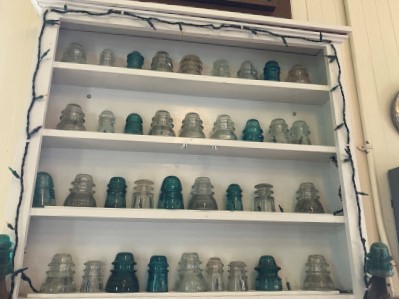
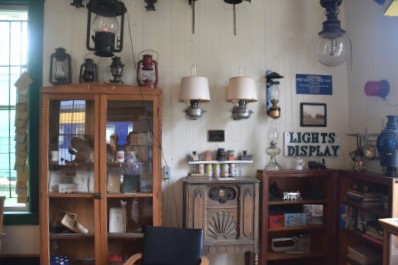
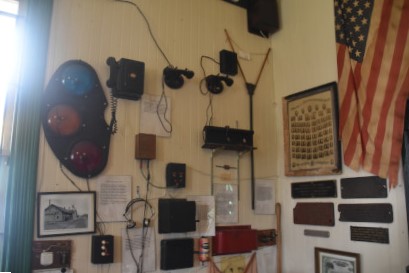
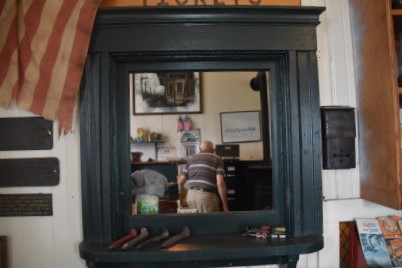
The interior of the Ann Arbor depot.
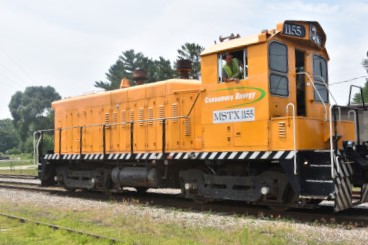
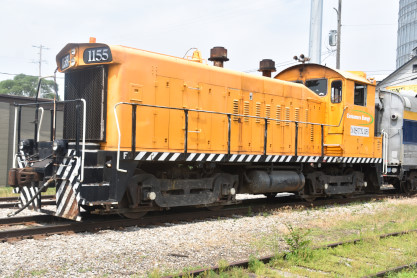
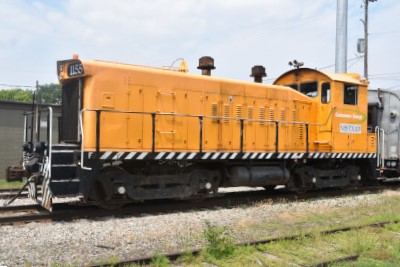
Steam Railroading Institute SW1200 1155.
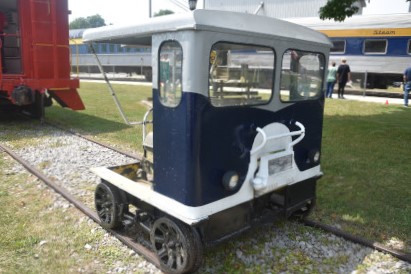
Speeder of unknown origin.
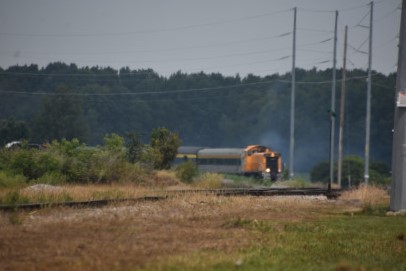
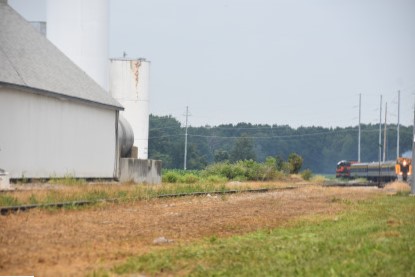
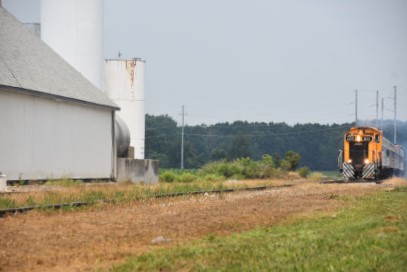
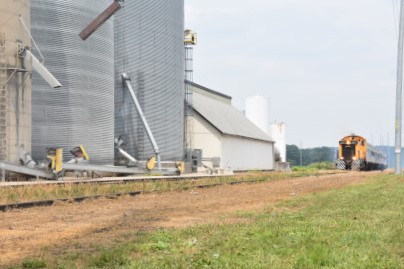
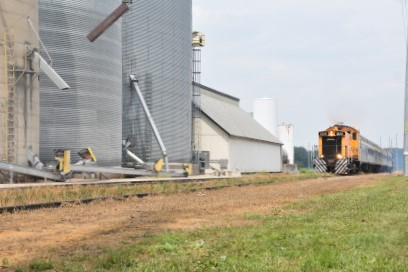
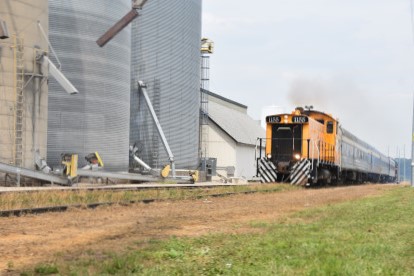
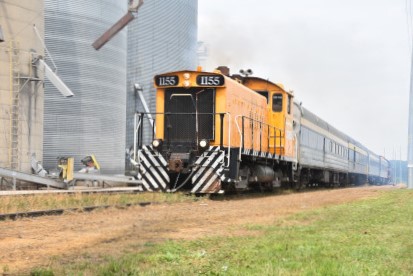
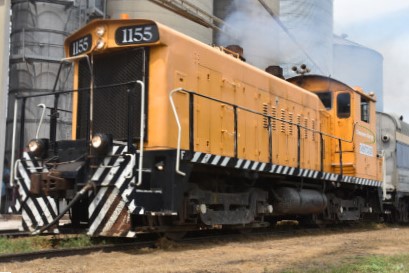
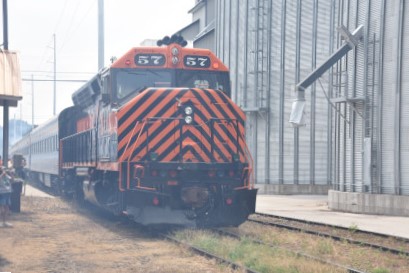
Photo runby one.
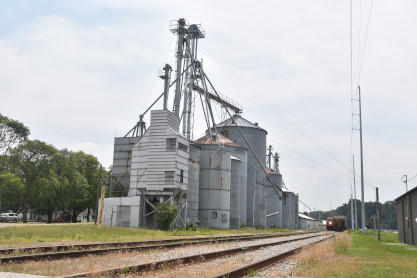
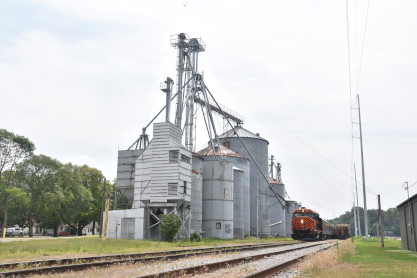
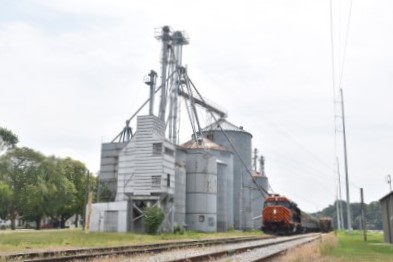
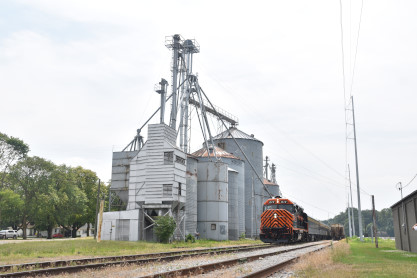

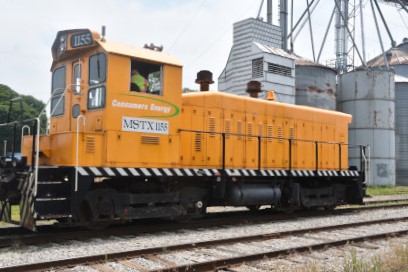
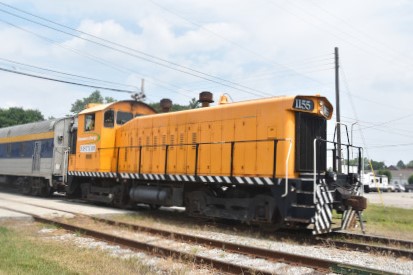
Photo runby two.
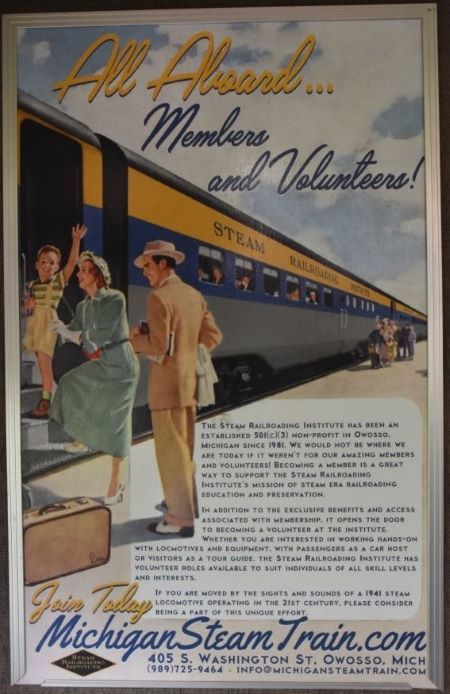
A poster promoting volunteers and members.
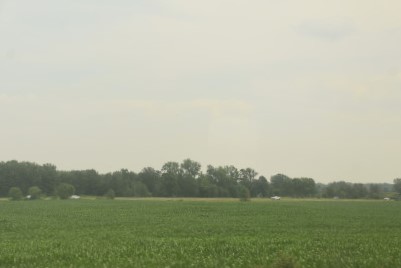
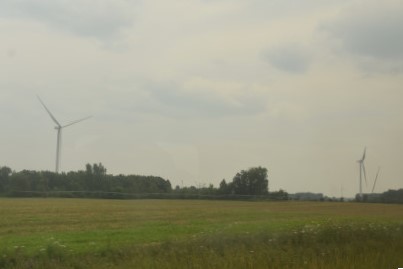
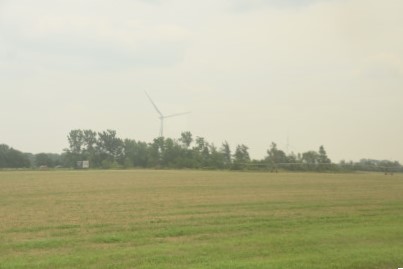
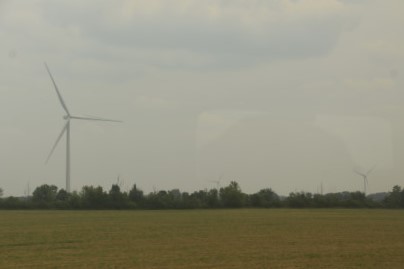
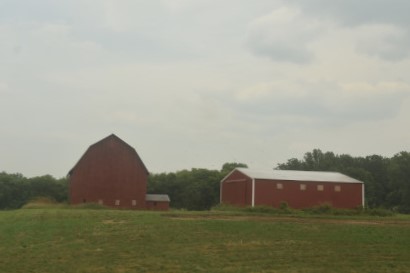
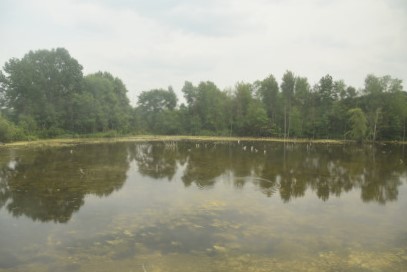
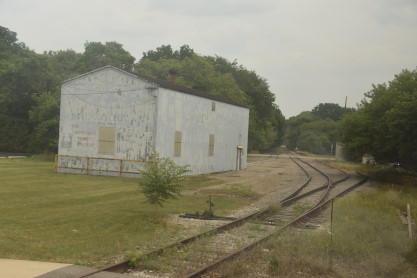
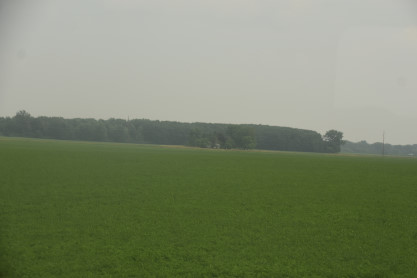
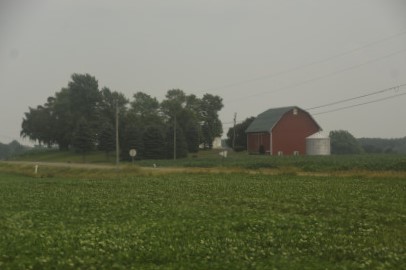
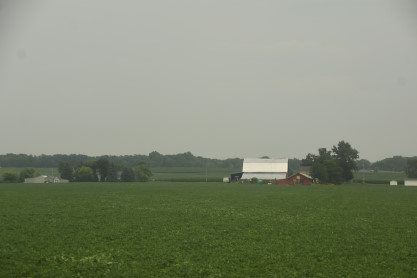
Scenes between Shepherd and Ithaca. It was announced that the last set of photo runbys would take place at Woodland Park in Ithaca, MP 138.3.
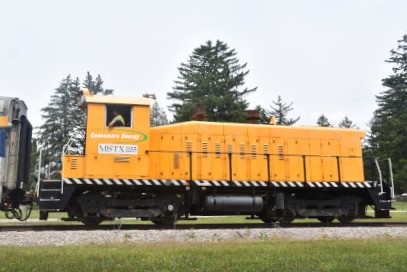
Steam Railroading Institute SW1200 1155.
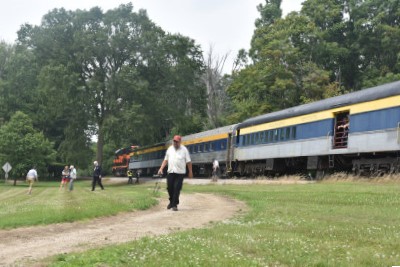
NRHS Director Emeritus and Railfan and Railroad Magazine editor Steve Barry organized the photo line and liaised with the conductor.
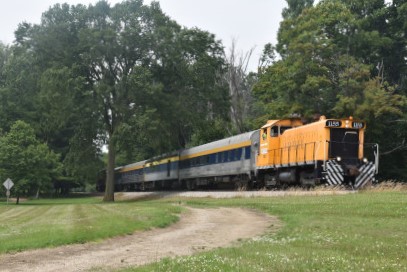
The reverse move
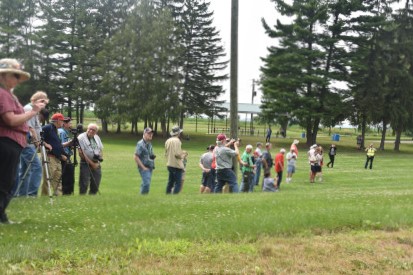
The photo line.
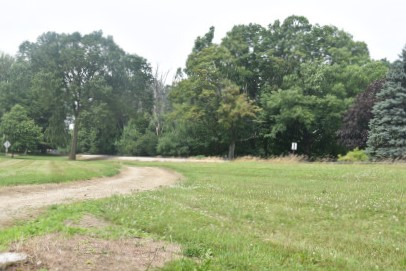
The scene before the first runby.
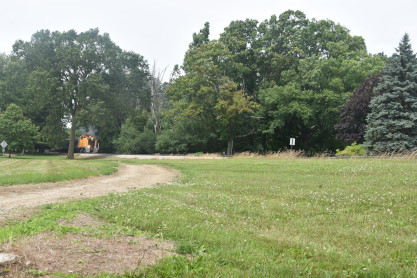
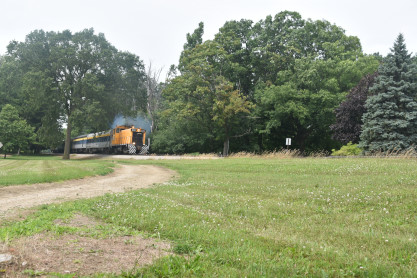
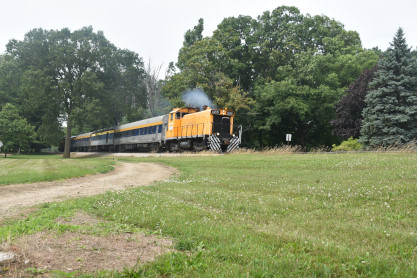

Photo runby four. The photo lines relocated.
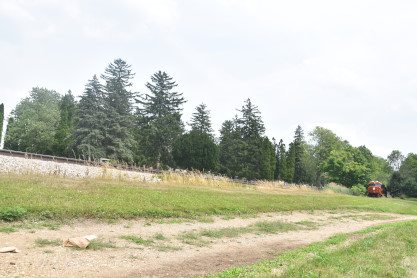
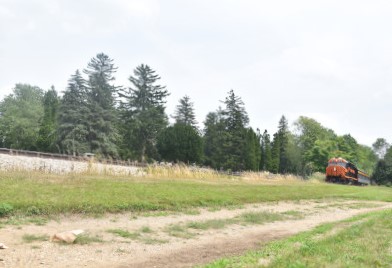
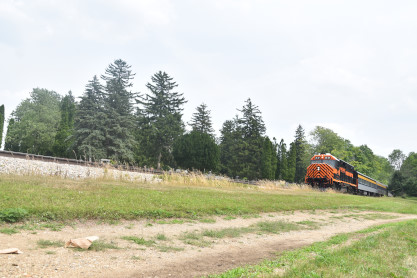
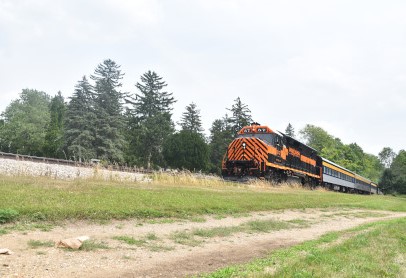
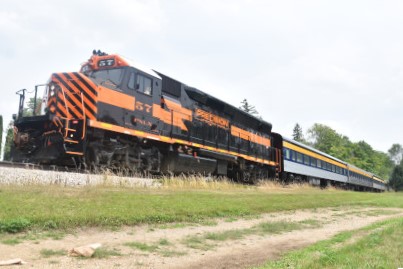
Photo runby five. Those who wanted to changed locations.
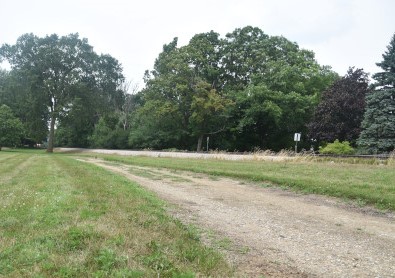
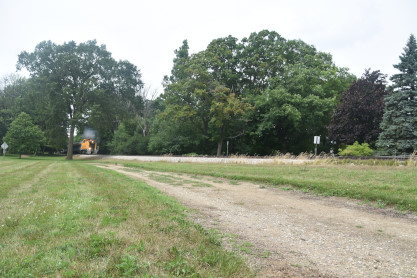
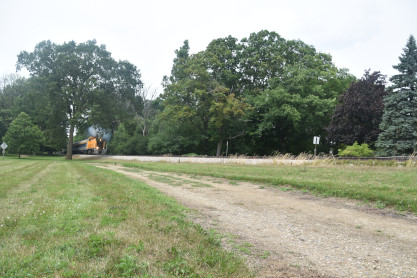
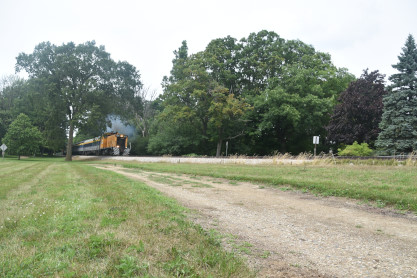
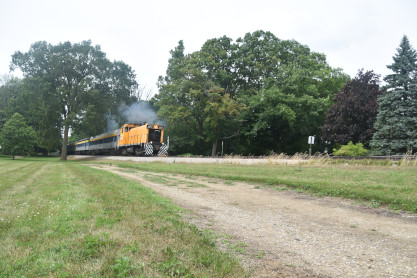
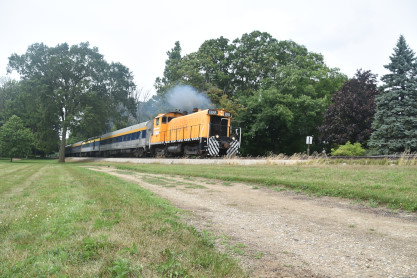
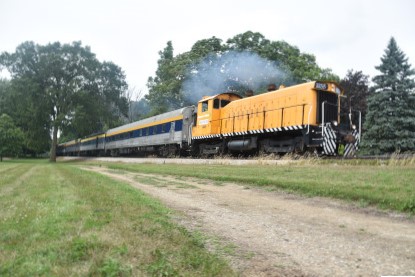
Photo runby six.
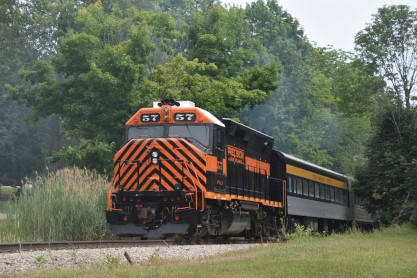
The reverse move.
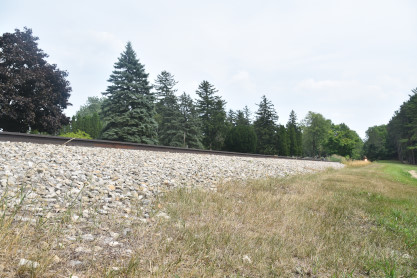
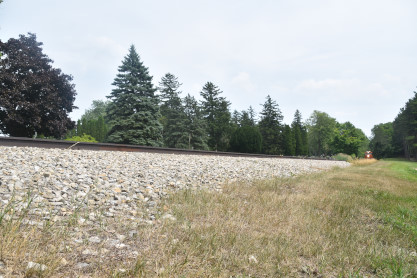
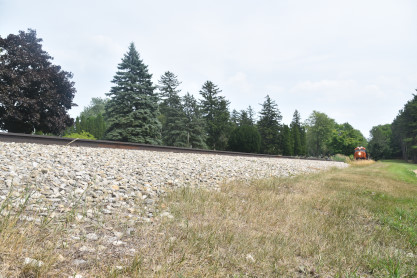
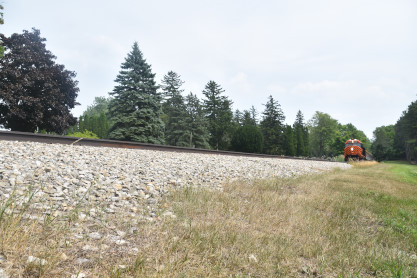
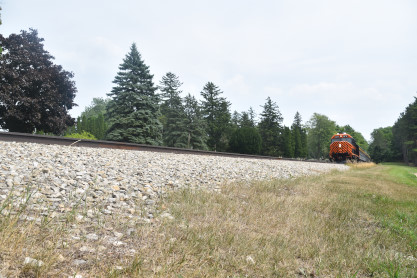
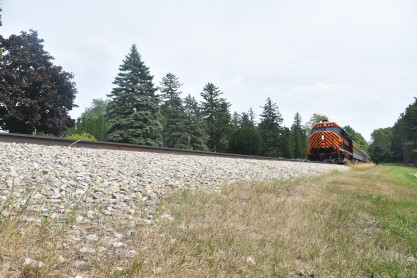
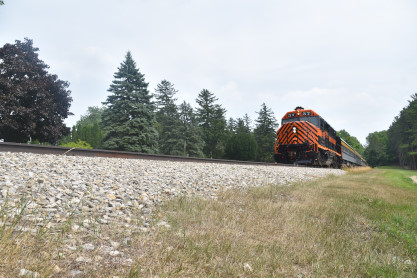
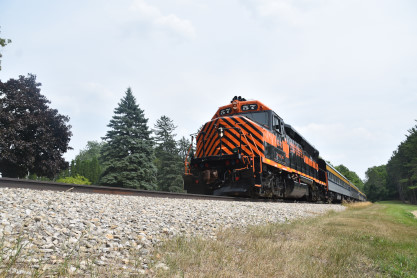
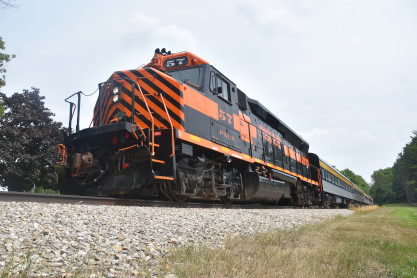
Photo runby seven, after which we all reboarded the train.
A retention pond.
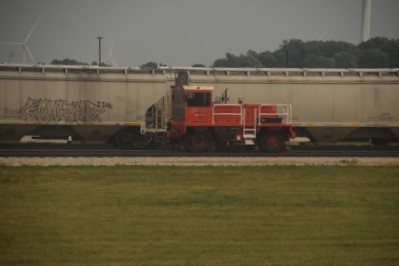
A trackmobile at a local industry as seen through the coach window.
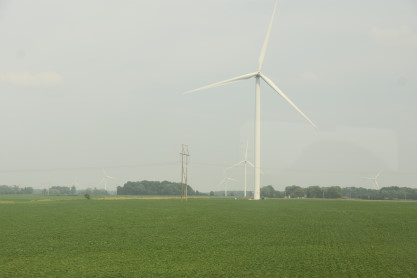

Windmills were quite prevalent.
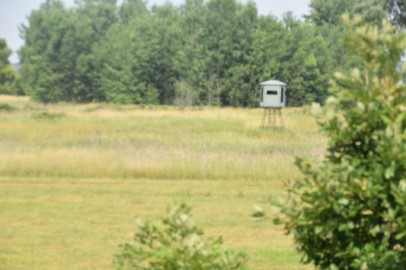
Something unexpected was a duck blind.
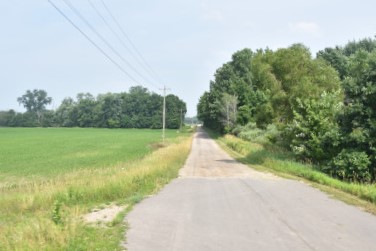
East Taft Road.
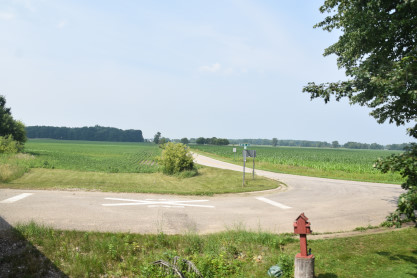
East Grenlund Road at South Berry Road.
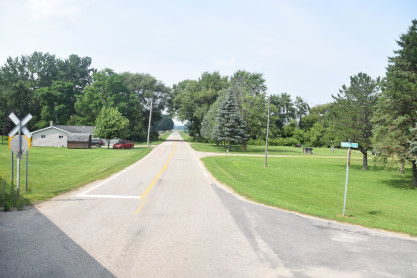
In Bannister at the corner of South Berry Road and East Brownell Street.
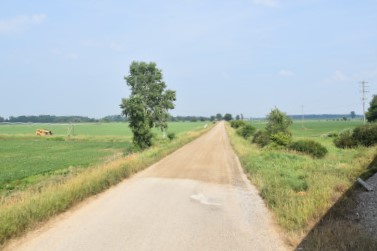
East Wilson Road.
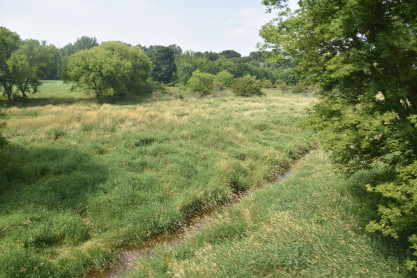
A drainage canal.
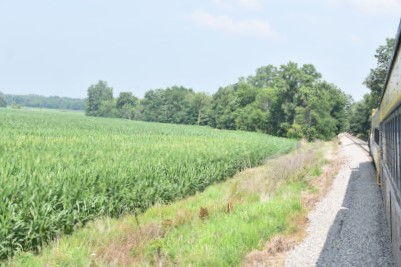
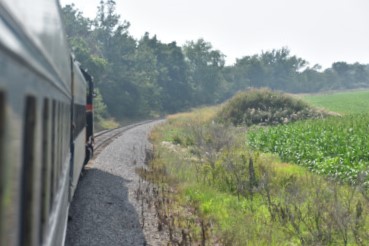
Rounding a curve.
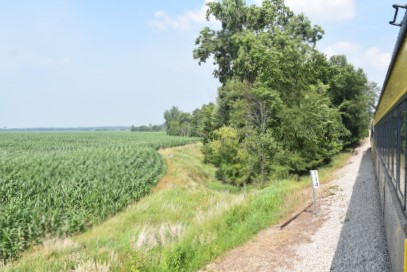
Milepost 114.
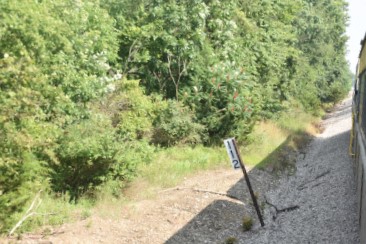
Milepost 112.
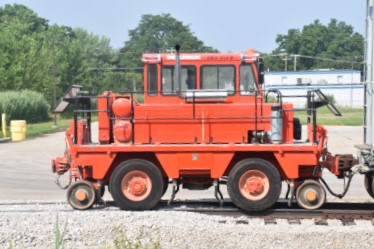
Another trackmobile which is not as interesting as a switcher.
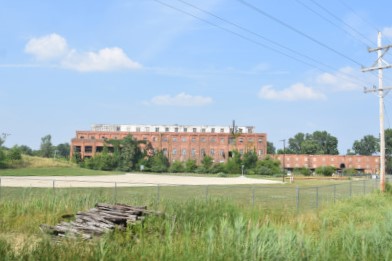
An abandoned factory as we neared Owosso.
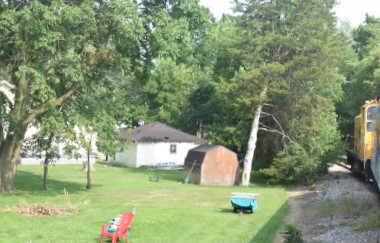
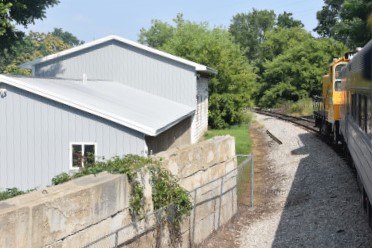
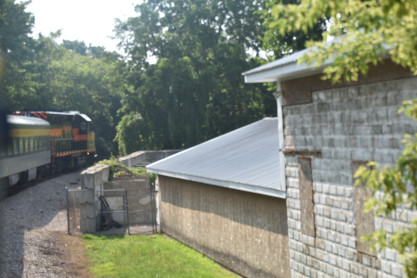
Entering Owosso, MP 108.3.
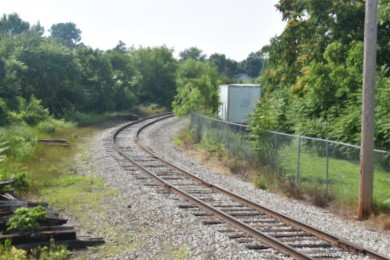
The track upon which the hourly excursions, led by Little River Railroad 4-6-2 110, travelled during Train Festival 2009. This is the former Michigan Central/New York Central line between Jackson and Saginaw. Today, that line is in service only as far as a grain elevator in Oakley.
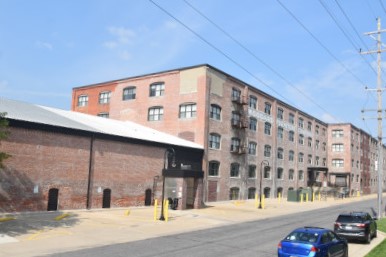
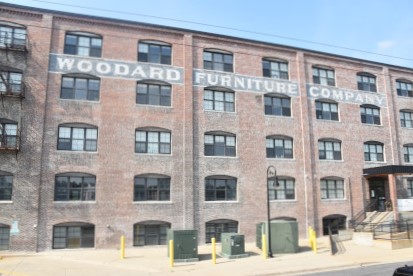
Woodard Furniture Company. It was started in 1866-67 by Lyman E. Woodard, who purchased a lumber-planing mill in the boomtown of Owosso. He and his three brothers create Woodard Brothers, a company that manufactured wood furniture, window and door sashes, blinds and pine-box caskets. It grew to producing 3,000 pieces of furniture a week, which represents 175,000 pieces a year. Woodard products have been seen everywhere from The White House to The Smithsonian and the company focuses on classic American style.

A long-term and large road construction project in Owosso, which included South Washington Street, the entrance to the Steam Railroading Institute, was the reason this excursion started in Clare.
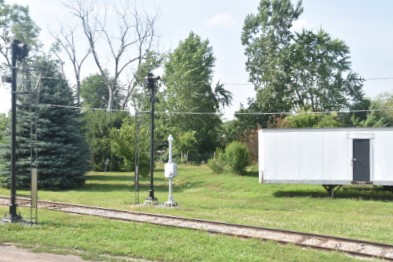
Signals on the Steam Railroading Institute's property at MP 107.1.
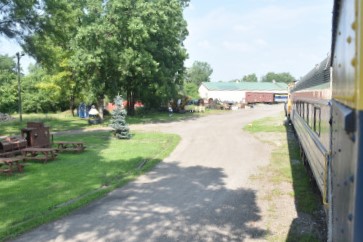
Entering the grounds.
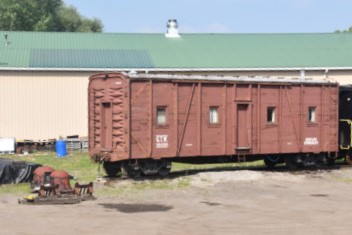
Grand Trunk Western 40 foot boxcar, builder and year unknown. It was converted to maintenance-of-way and painted as 584388.
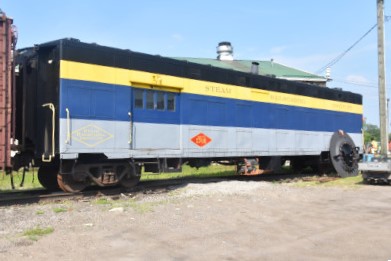
United States Army troop sleeper 1701 built by Pullman in 1943. It was later sold to Pere Marquette, re-built to a baggage car, sold to the Chesapeake and Ohio who re-built to maintenance-of-way car.
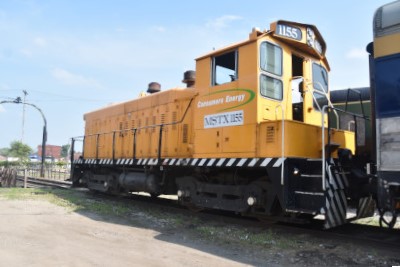
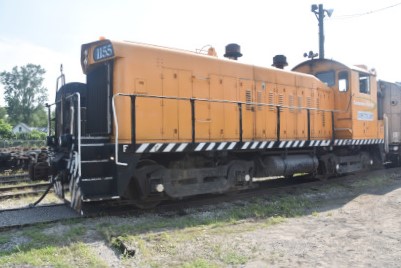
Steam Railroading Institute SW1200 1155.
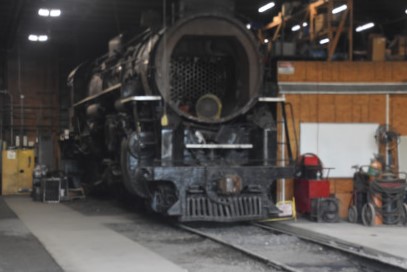
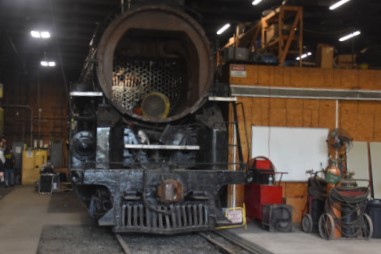
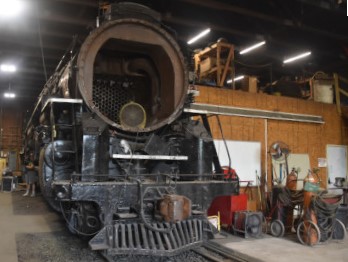
Pere Marquette 2-8-4 1225 built by Lima in 1941. The largest and most impressive piece in the Steam Railroading Institute's collection, it is one of the largest operating steam locomotives in Michigan. The locomotive was used for ten years between Detroit, Toledo, Flint, Saginaw, Grand Rapids and Chicago; hauling fast freight for the products of Michigan factories and farms, including war material when Detroit was the "Arsenal of Democracy", producing huge volumes of vehicles, aircraft and armaments. The Pere Marquette Railway merged with the Chesapeake and Ohio in 1947, but the 1225 continued in service until its retirement in 1951 in favour of diesel locomotives.
In 1957, the locomotive was saved with the help of Forest Akers; Dodge Motors' Vice President and Michigan State University Trustee, who saw it as a real piece of machinery for Engineering students to study. Displayed as an icon of the steam era, it sat at MSU until 1969, when a group of students took an interest in the locomotive. The Michigan State University Railroad Club was formed at that time with the ambitious goal of restoring 1225 and using it to power excursion trains that would bring passengers to football games at the university. In 1982, under the newly-evolved Michigan State Trust for Railway Preservation Inc, the donated locomotive was moved to the former Ann Arbor Railroad steam backshop in Owosso where the restoration continued until 1985 when it moved under its own power for the first in 34 years.
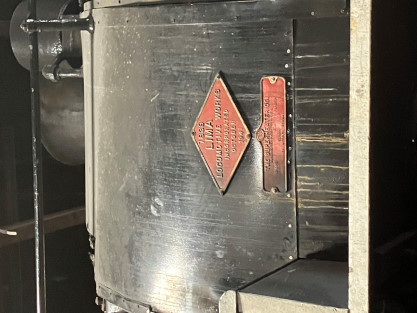
The builder's plate.
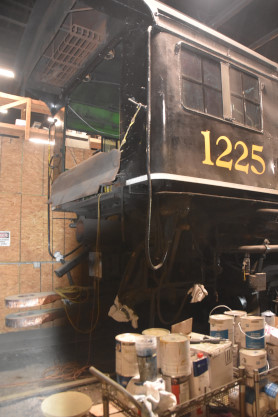
1225's cab. It was currently having its superheater worked on.
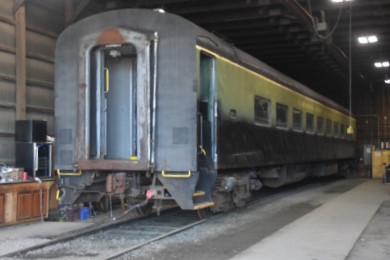
One of the five Adirondack Scenic coaches that were acquired by Steam Railroading Institute between 2022 and 2025, former VIA and Canadian National.

Steam Railroading Institute coach 5467, ex. Adirondack Scenic 5467, exx. VIA 5467, nee Canadian National 5467 built by Canadian Car and Foundry in 1954.

Ann Arbor 40 foot box car 1314, built by Pullman-Standard in 1957.
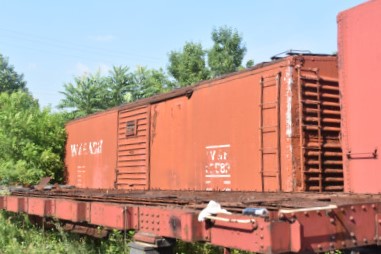
Wabash 40 foot box car 82583, built by the railroad in 1922 and re-built in 1941.
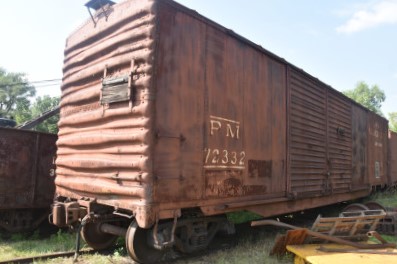
Pere Marquette 50 foot box car 72332, built by Ralston Car in 1946.
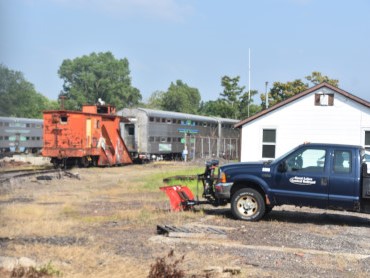
Great Lakes Central snowplough 4502, ex. Tuscola and Saginaw Bay 4502, nee Ann Arbor 4502, builder unknown, but constructed in 1953.
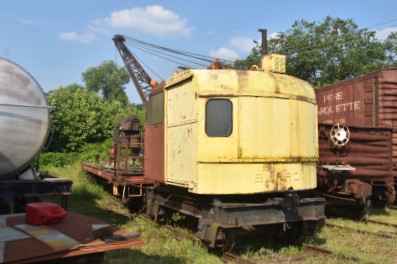
Detroit, Toledo and Ironton crane 15027 built by the Burro Crane Company in the 1940"s. These were designed for light lifting duties and hauling a single car of rail, ties, and spikes for track repairs. When the DT&I was purchased by the Grand Trunk Corporation, this crane was transferred and then donated to the Michigan State Trust for Railway Preservation in the 1990s. It is used for light lifting jobs at the Steam Railroading Institute.

Great Lakes Central locomotives in their yard.
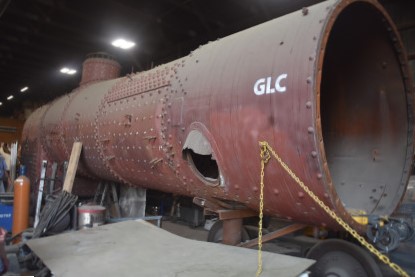
Chicago and North Western 4-6-0 No. 175, ex Clint Jones at Calumet 1964, exx. sold Winona County Historical Society at Winona 1961, nee Chicago & Northwestern Railway Company 175, built by American Locomotive Company in 1904.
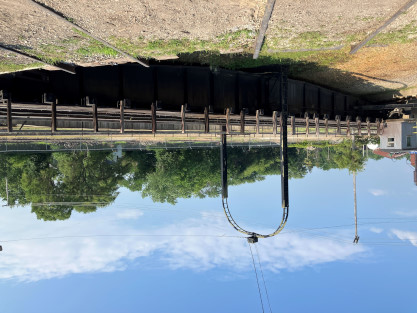
The 90 foot Owosso turntable built in 1919. It was put in service on the Pere Marquette Railway at the engine terminal in new Buffalo, Michigan, serving the 16-stall roundhouse until 1984, when the Chessie System ceased operations at the terminal. Today, the relocated turntable functions much as it did during the steam era being used to turn the equipment, provide service to the backshop and for demonstrative purposes for visitors. Pere Marquette 1225 used this turntable during its service despite its short length. SRI, upon purchasing the turntable, added an additional ten feet to the length of the bridge, making it easier to accommodate 1225 and other large steam locomotives and rolling stock.
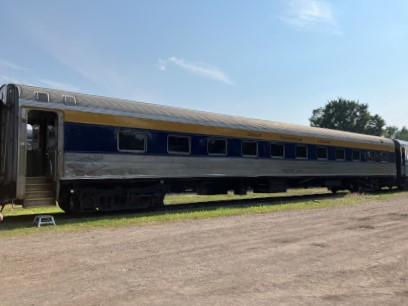
BOMX coach 147, ex. Baltimore and Ohio Railroad Museum {long-term lease since 2005}, exx. Maryland Area Rail Commuter 147, exxx. Southeastern Michigan Transportation Authority 107, exxxx. Penn Central 1513, nee Pennsylvania Railroad streamlined sleeper "Norristown Inn" 8275 built by Budd in 1949. It was built into a coach in the 1960's.
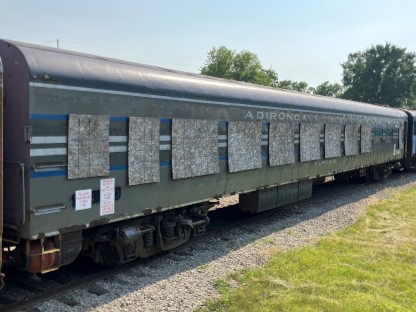
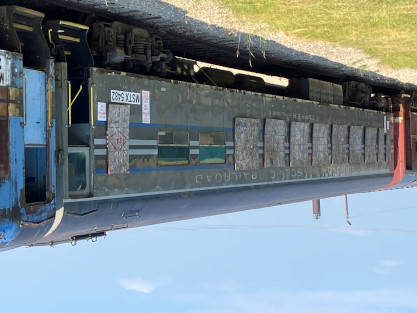
Steam Railroading Institute coach 1954, ex Adirondack Scenic 5430 "Tupper Lake", exxx. VIA Rail 5482, nee Canadian National 5482, built by Canadian Car and Foundry in 1954.
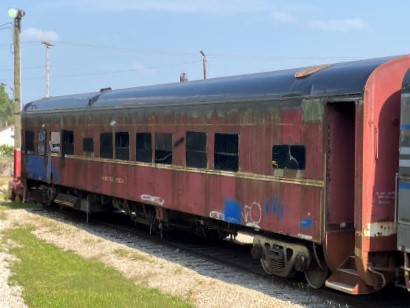
Pennsylvania Railroad 2 drawing room/1 compartment/1 double bedroom/ buffet-observation car 8426 "Samuel Rea" built by Pullman-Standard in 1949. This and seven other identical cars were initially assigned to the railroad's Cincinnati Limited and Spirit of St. Louis trains. It was named after the ninth Pennsylvania Railroad President Samuel Rea. In 1968, it was acquired by the Indiana Railway Museum, then later the Catalpa Falls Group before being acquired by the Steam Railroading Institute.
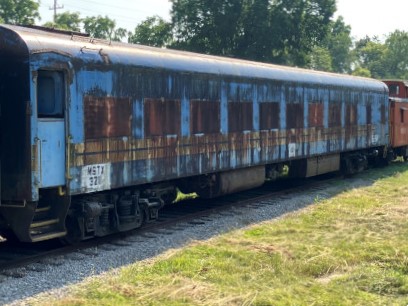
Steam Railroading Insitute lounge car 5600, ex. Adirondack Scenic 3037, exx. VIA Rail 3037, nee Canadian National 5600, built by Canadian Car and Foundry in 1954. It was acquired in summer 2023 and shipped to Owosso with a temporary reporting mark of MSTX 3211. The group plans to rebuild this into open-air car 5600.
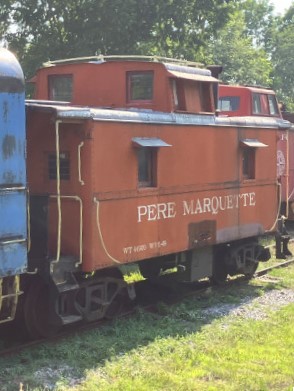
Pere Marquette caboose A909 built by Magor Car in 1934. It was donated by Chesapeake and Ohio in 1983 and is used on certain excursions and photo freights.
That brought an end to our tour of the Owosso yards and once everyone was aboard the buses, we were taken back to the Graduate Hotel in East Lansing. Elizabeth and I walked over to Raising Cane's for dinner before returning to the hotel and attended the evening seminar. This was a most interesting discussion by filmmaker Richard Luckin who showed his new "Steel Rails to Ski Trails: Colorado's Winter Park Ski Trains", which was going to be aired on Denver-area PBS stations that week.
| RETURN TO THE MAIN PAGE |