TrainWeb.org Facebook Page
B&O Photo Tours - Railroad Photography


Railroad Photography Course
Subjects

Accompanying each photo below are:

Click a photo to see a larger view. Please send your comments and corrections to Steve.


<< Previous (Safety) | THIS PAGE: 2) Subjects | Next (future) >>
Brief Background: Subjects

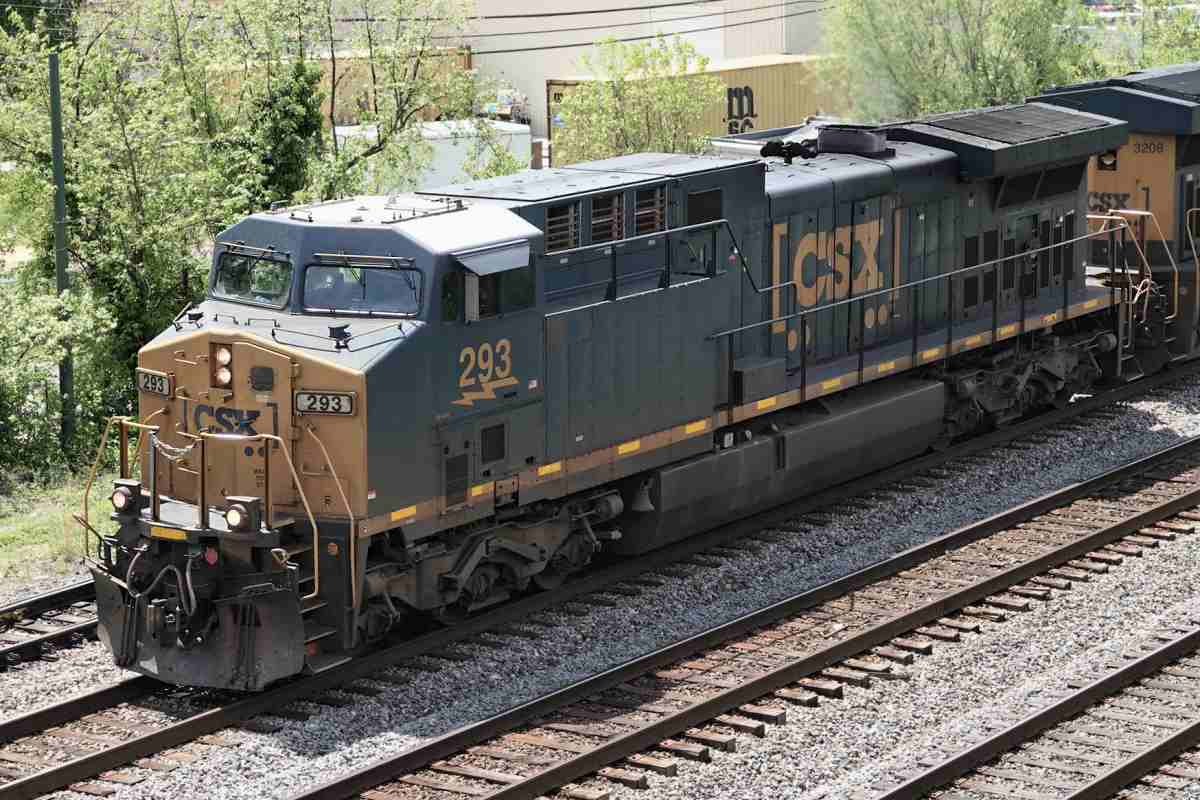
Freight Engine

Freight Engine
Mile: 17.9 Date: May 2025
Ease: A- View: SW
Area: B+ Exposure:
Map: Ho 20 G 9, AA 5 E 9 Topographic Maps

Check a map that includes rail lines. Those that connect big cities will usually be the busiest. Some rails lines see a mix of both freight and passenger trains while others see mostly one of those two. In Maryland, former B&O lines see most of the freight as carried by CSX, while former Pennsylvania RR lines see most of the passengers as carried by Amtrak.

This photo zooms into a common CSX freight locomotive. It looks toward the sun, which is less than ideal, because that's the primary option available from this trackside parking deck. Glare and shadows interfere with the quality of photos that look toward the sun.


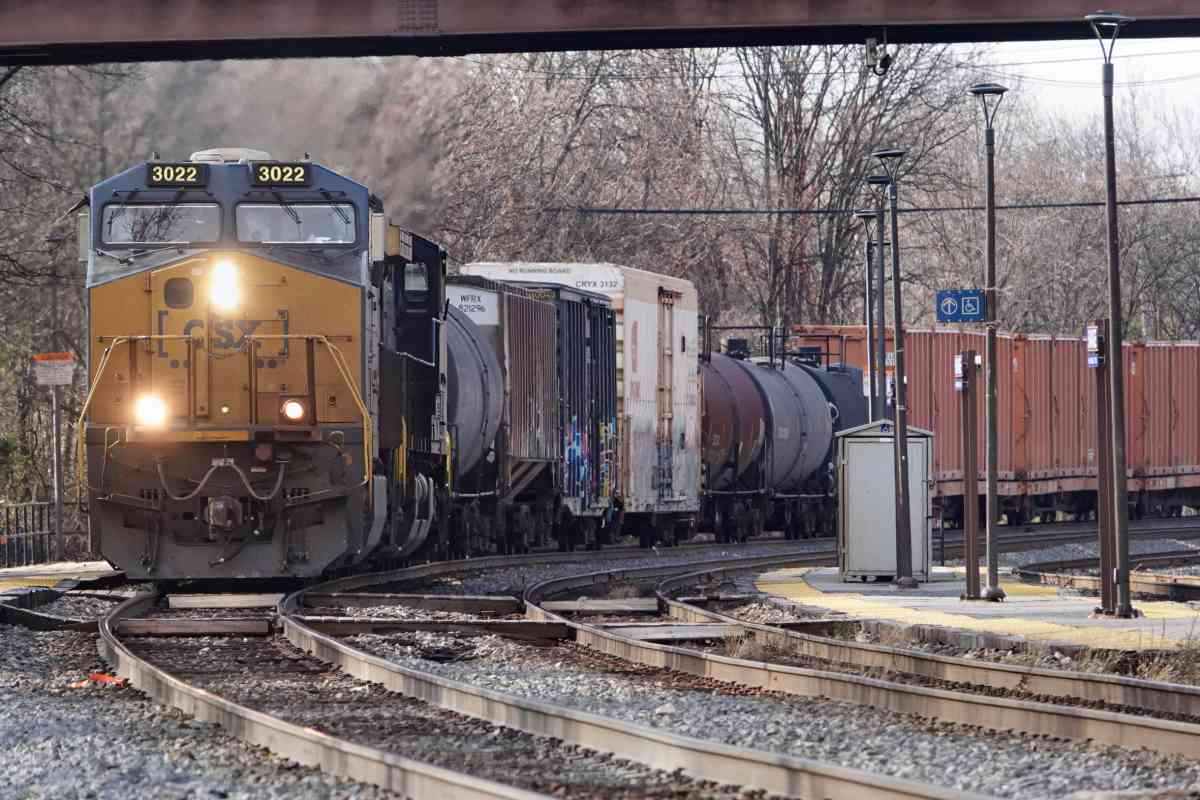
Freight Train

Freight Train
Mile: 18.0 Date: Dec 2024
Ease: A View: W
Area: B Exposure:
Map: AA 5 E 9, Ho 20 G 9 Topographic Maps

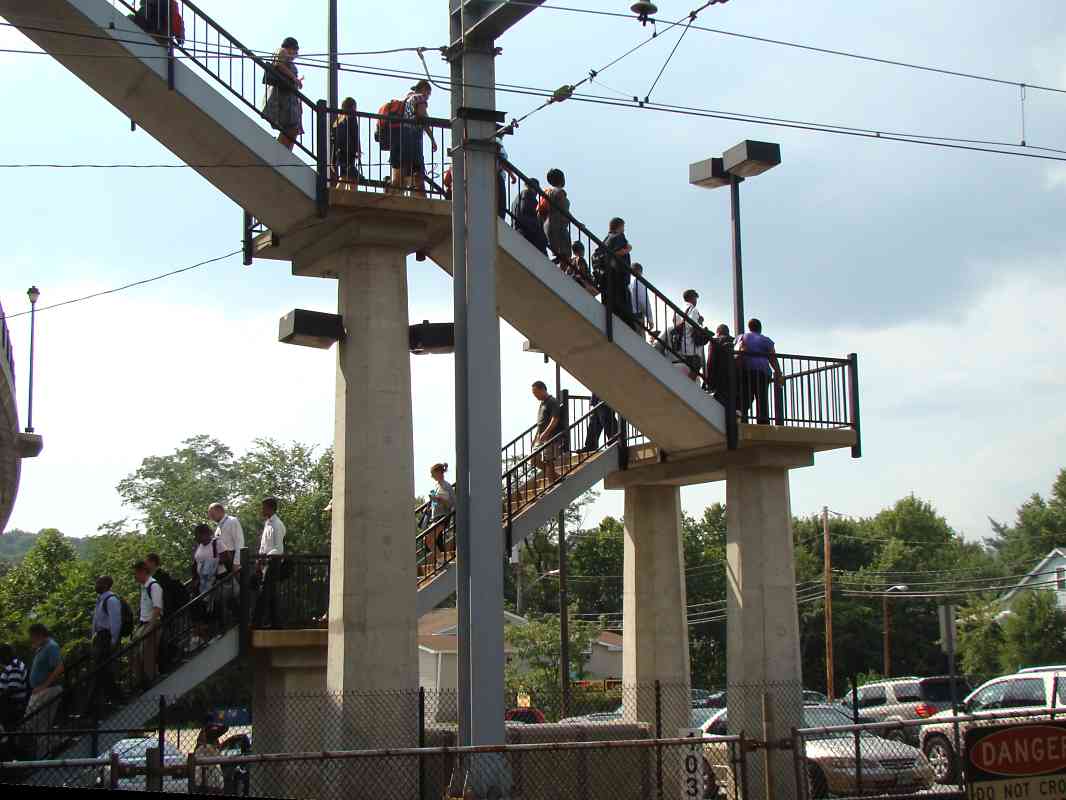
Track curvature permits this ground-level photo to capture more than just the locomotive. The camera's zoom lens hides the fact that the photog is more than 500 feet away from the engine. The bridge overhead and the passenger station platforms frame the subject.


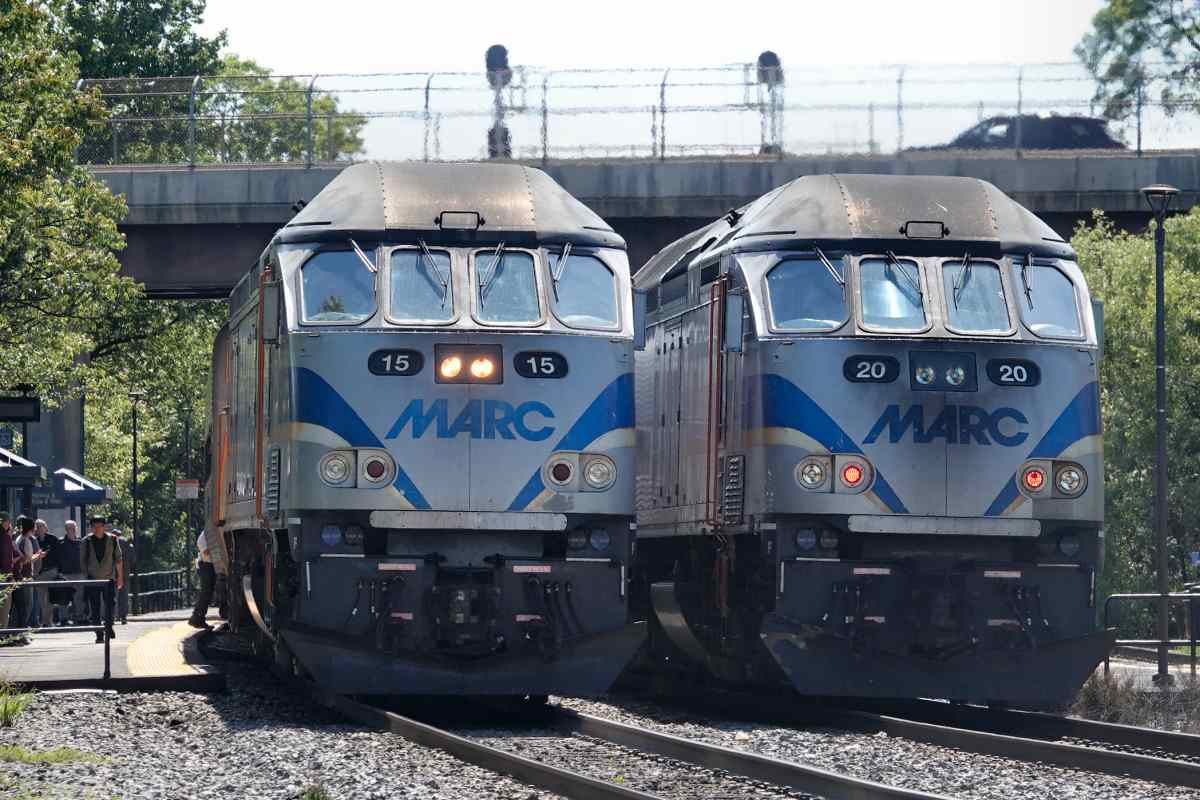
Passenger Meet

Passenger Meet
Mile: 18.0 Date: May 2026
Ease: A View: W
Area: B Exposure:
Map: AA 5 E 9, Ho 20 G 9 Topographic Maps

This is the same location as the prior except with passenger trains of the MARC commuter system. Looking toward the sun creates glare that distorts colors.

When trains arrive next to each other, it's called a "meet." Being in the right place to capture a meet is not common, hence the event is worth recording via photo even if the lighting is suboptimal. Since access to railroads and safe locations is limited, you will be forced to compromise lighting more often than you may prefer. A later page of this series will cover lighting in more detail.


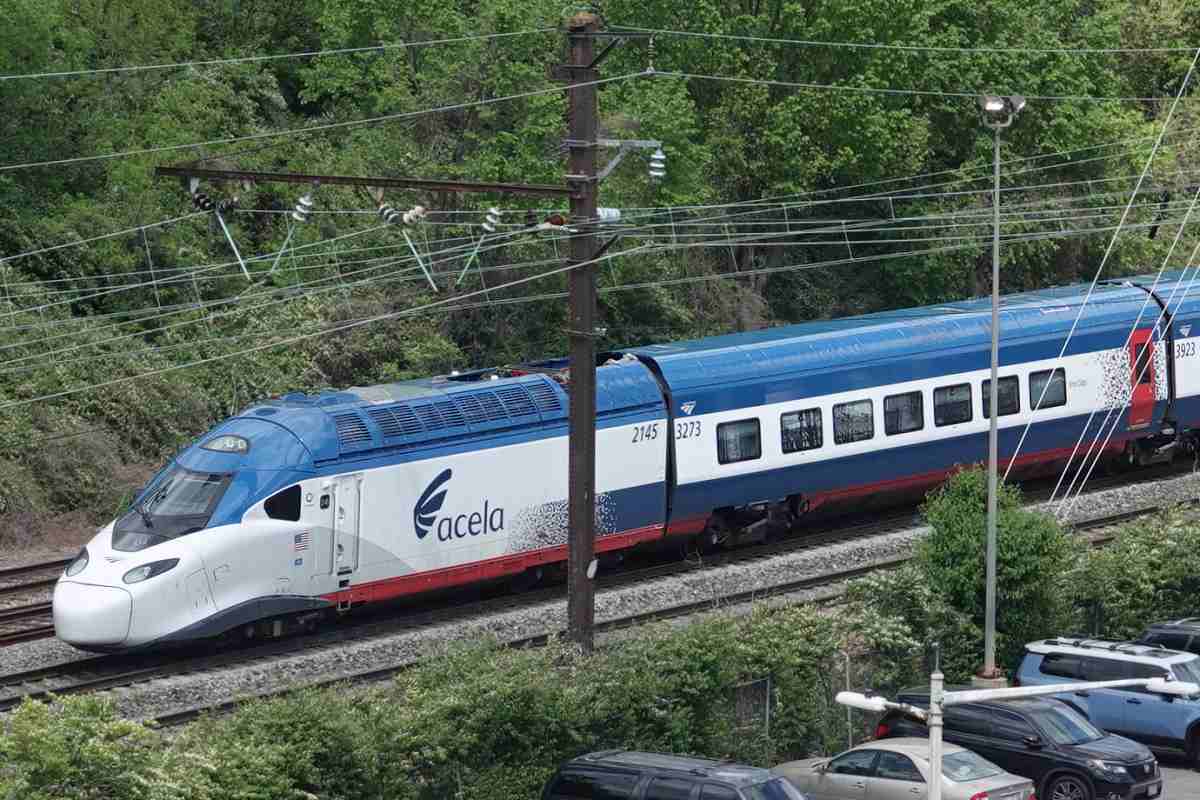
Amtrak Passenger

Amtrak Passenger
Mile: 133.9 Date: Apr 2026
Ease: A View: N
Area: B- Exposure:
Map: DC 10 H 11 Topographic Maps

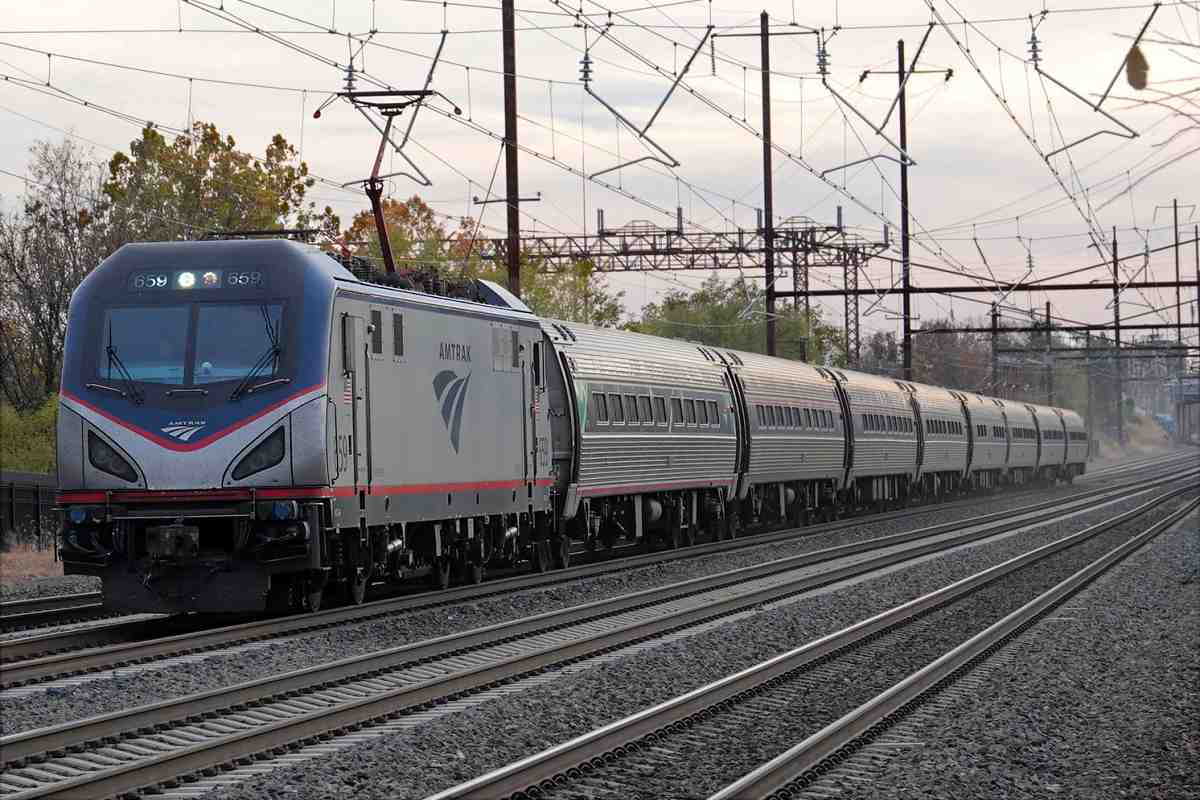
Amtrak operates passenger trains. This day had mostly cloudy skies that filter sunlight and yield photos with less glare and fewer shadows.


Speedy

Speedy
Mile: 100.1 Date: Nov 2025
Ease: A- View: S
Area: B+ Exposure: 0.001 s
Map: Ba 42 C 2 Topographic Maps

Passenger trains often operate at higher speeds than the freights. Note the dust being kicked up behind this fast train. Electric locomotives powered from overhead wires are quieter than diesel-engined freights.

High-speed, low-noise trains give little warning of their arrival. Trains are massive and cannot stop quickly. The general safety rule is to expect a train to arrive any moment. That reminds you to stay clear because there is too little time to get out of the way. Instead, use a zoom lens from a safe spot.


Blur
Photo courtesy Dave Hiteshew

Blur
Mile: Date: Jun 2008
Ease: View: S
Area: Exposure: 0.0167 s
Map: Topographic Maps

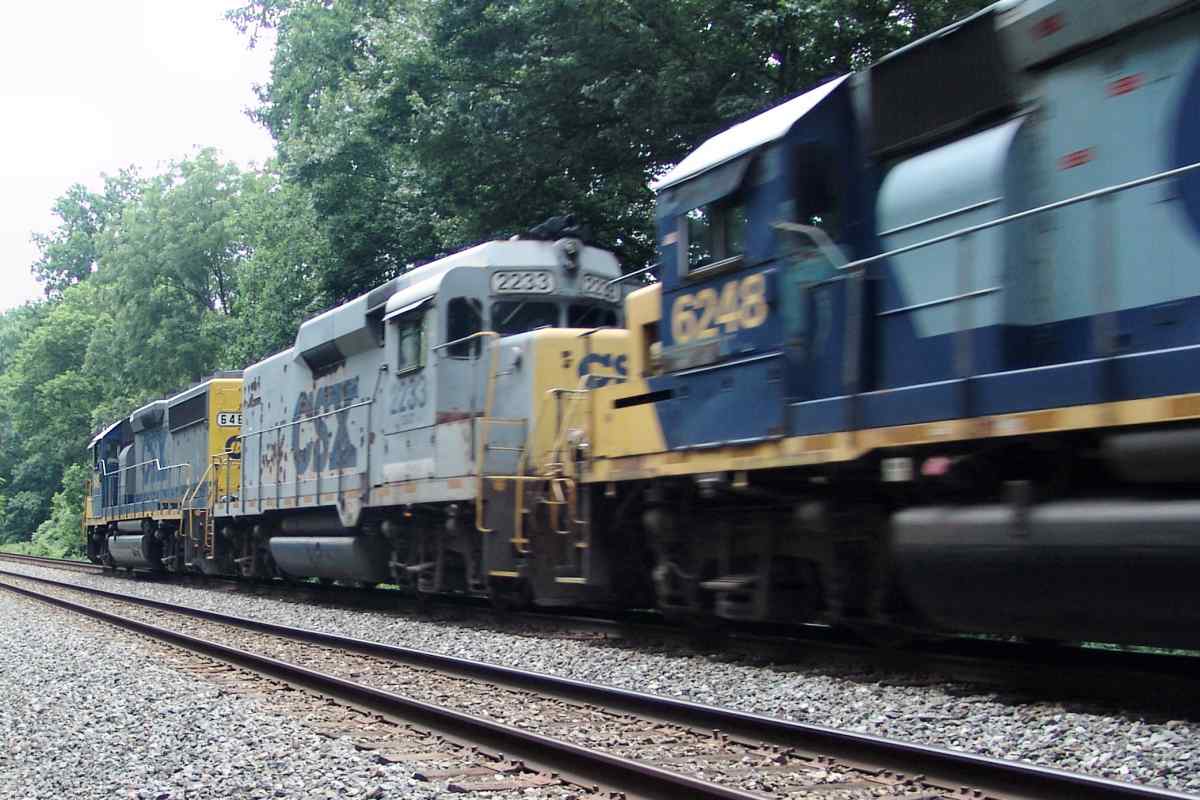
Motion blur is a problem with moving trains. If light is insufficient for a short exposure, make your photos when the train is farther away. Note how the most distant engine is in focus but that blur increases for the closer engines, even though all the engines are connected and thus are moving at the same speed.

By default, the automatic mode of most cameras will choose an exposure (shutter speed) of between 0.0025 (1/400) and 0.0167 (1/60) seconds. Those are too long for good photos of moving trains. A shutter speed of 0.001 s (1/1000 second) or faster will capture most trains without blur. Most freights operate at lower speeds and can be blur-free with a 0.002 (1/500) exposure duration. However, if you want to record equipment moving perpendicularly to the camera, i.e. across the frame, you'll need even briefer exposures.

Some cameras offer a sports or action mode that favors shorter exposures while still permitting automatic operation. This will be discussed more in a later topic.


All Red

All Red
Mile: 2.2 Date: Mar 2024
Ease: A View: NE
Area: C Exposure:
Map: Ba 42 H 4 Topographic Maps

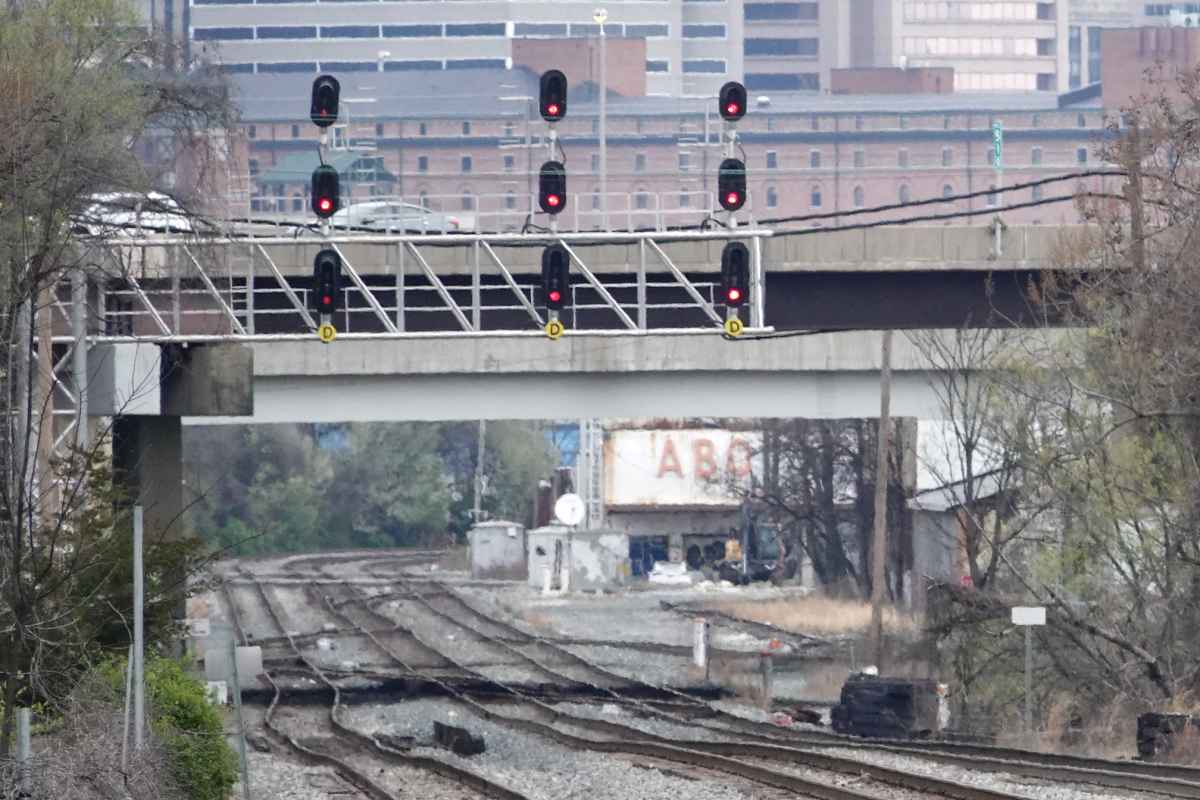
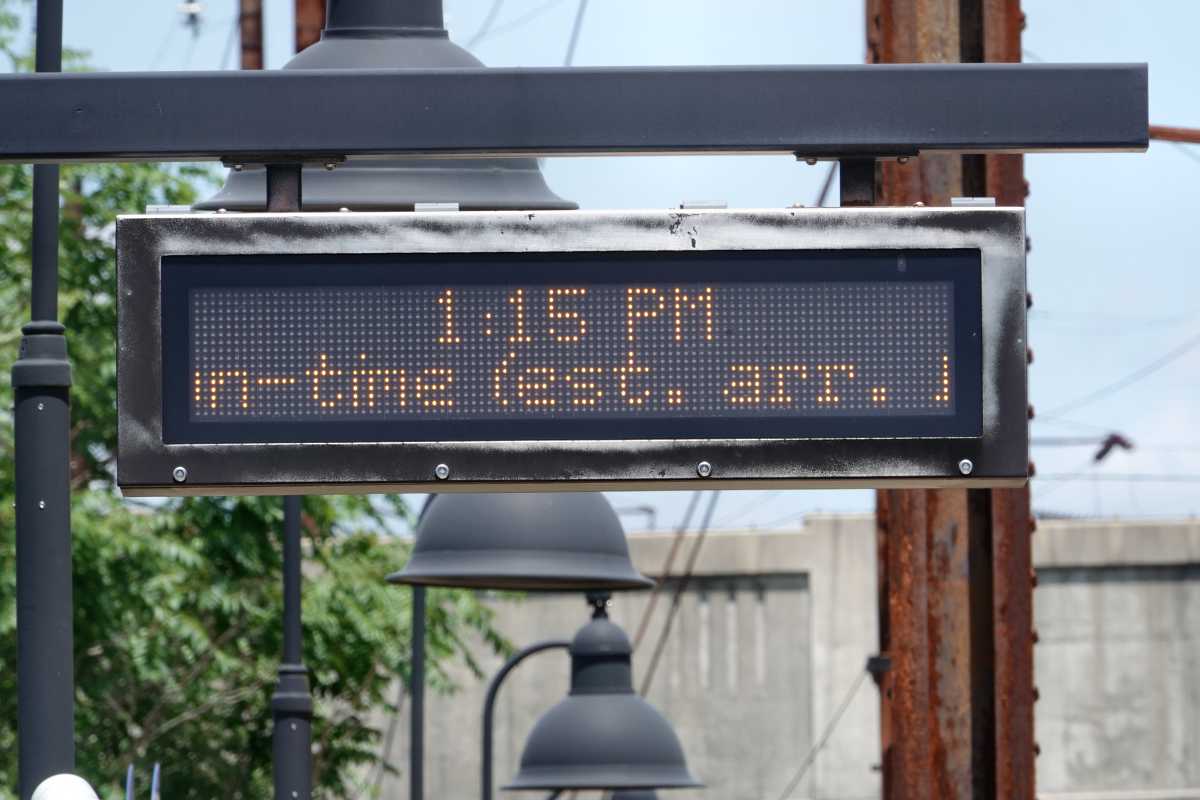
You've decided what type of train you want to photograph and are at a safe location trackside. When will the train arrive? next train sign

Most passenger trains operate on either a published schedule or rely on frequent service. Some stations have signage (right) that displays the amount of time until the next train will stop.

There is no easy answer for freight trains, though, most of which do not operate on a rigid schedule. Certain train runs may operate daily, but they have a lengthy time window in which to do so. One way you can get a sense of whether a train is in the vicinity is via railroad signals.

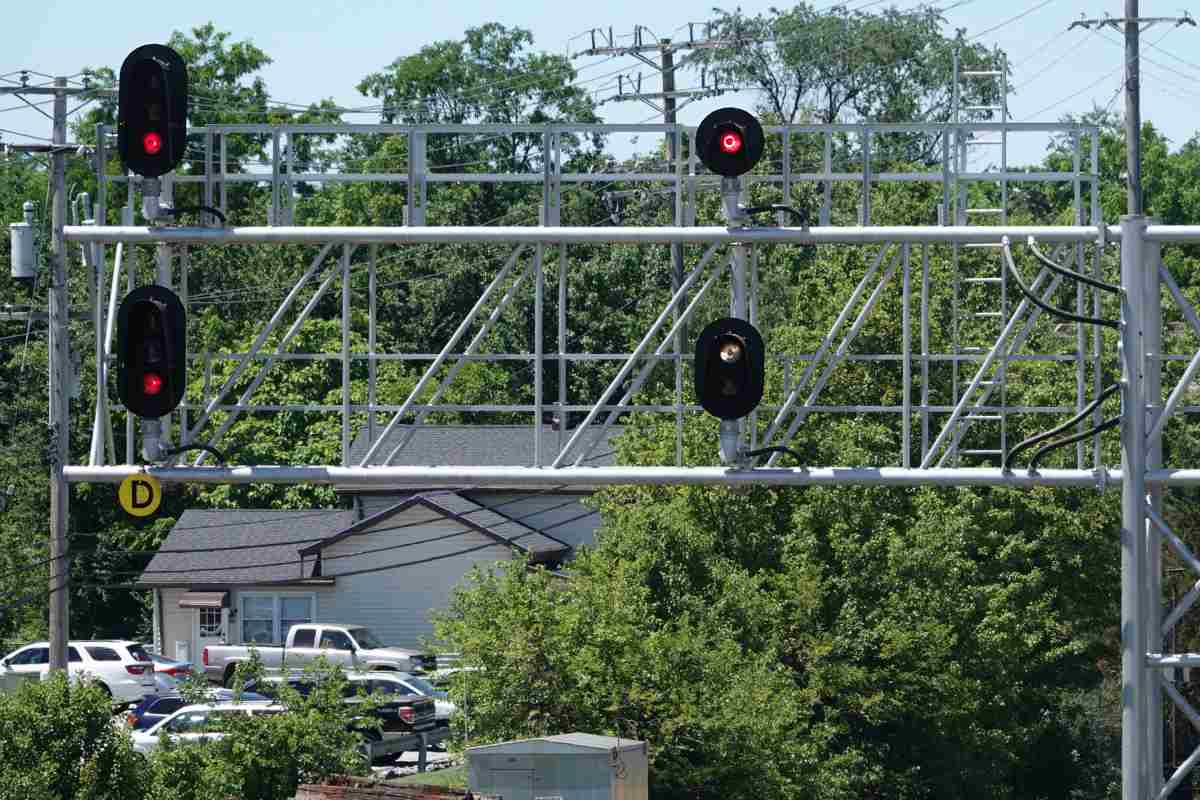
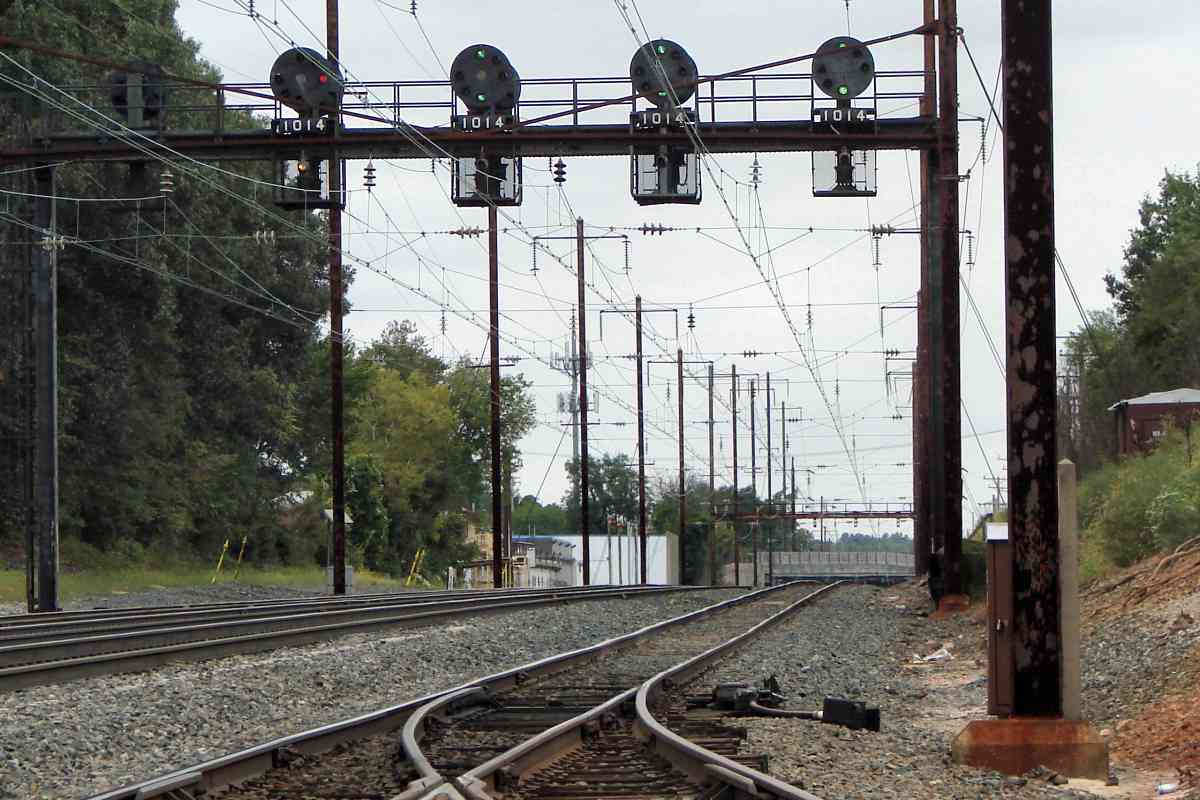
CSX uses signals like those in the main photograph. Other railroads use signals of other designs. Specifics vary, but for CSX, if all illuminated lamps within a vertical column are red, it means no train will soon be headed toward the face of that signal on the track nearest/below. Do not mistake all reds to mean no trains are on the track because one may soon arrive from the opposite direction!


Two Columns

Two Columns
Mile: 17.9 Date: Apr 2026
Ease: A- View: W
Area: B+ Exposure:
Map: Ho 20 G 9, AA 5 E 9 Topographic Maps

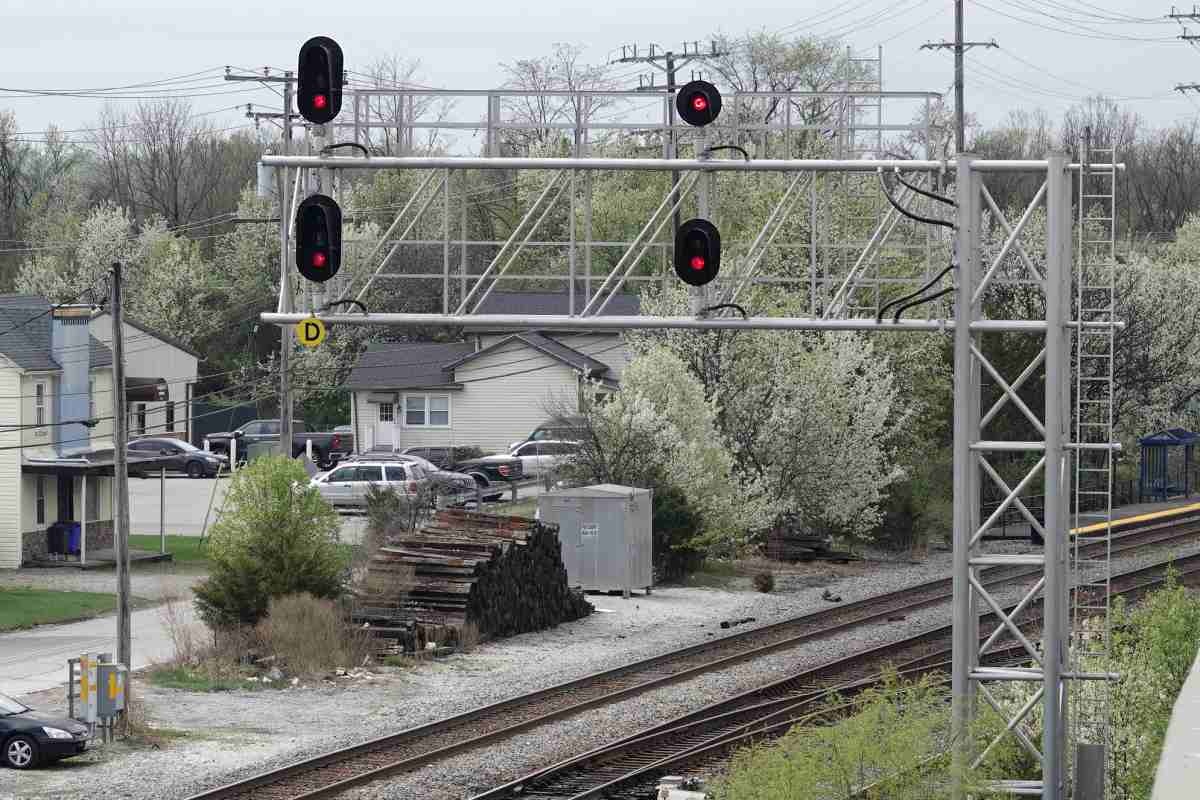
Foliage disguises that there are three tracks below, yet the signal has only two columns of lights. This is because the leftmost track is not controlled by these signals, only the two nearer tracks are.

Red is the default for CSX: if there were no trains anywhere, all its signals would display red (or be unlit). Other railroads use other defaults. For example, if there were no trains anywhere on Amtrak's Northeast Corridor, many main line signals would show green.

If red signals get you down, another way to find trains is via a radio scanner. Look online to find the radio frequencies your local railroad uses and enter them into the scanner. The dispatcher and train operators discuss movement instructions, locations, etc.

A scanner may sound like an easy way to find trains, but there are limitations. The radio transmissions are laden with jargon and noise. There are many conversations for which you will be unsure what was said. If you are far from the tracks, your scanner will miss many transmissions. A scanner is not an easy way for novices to find trains.


Non-Red

Non-Red
Mile: 17.9 Date: May 2026
Ease: A- View: W
Area: B Exposure:
Map: Ho 20 G 9, AA 5 E 9 Topographic Maps

The vertical signal pair for the nearer track now shows something other than only red. On CSX lines, that means a train is expected to soon approach the face of that signal on the track below. "Soon" is usually within ten or so minutes, though I have waited 30 minutes without the arrival of any train.

A few web sites show you where freight trains are to be found, but most rely on sighting reports from fellow railfans. Those reports quickly become outdated, i.e. the train may have already passed your location.


Green

Green
Mile: 18.0 Date: May 2026
Ease: A View: E
Area: B Exposure:
Map: AA 5 E 9, Ho 20 G 9 Topographic Maps

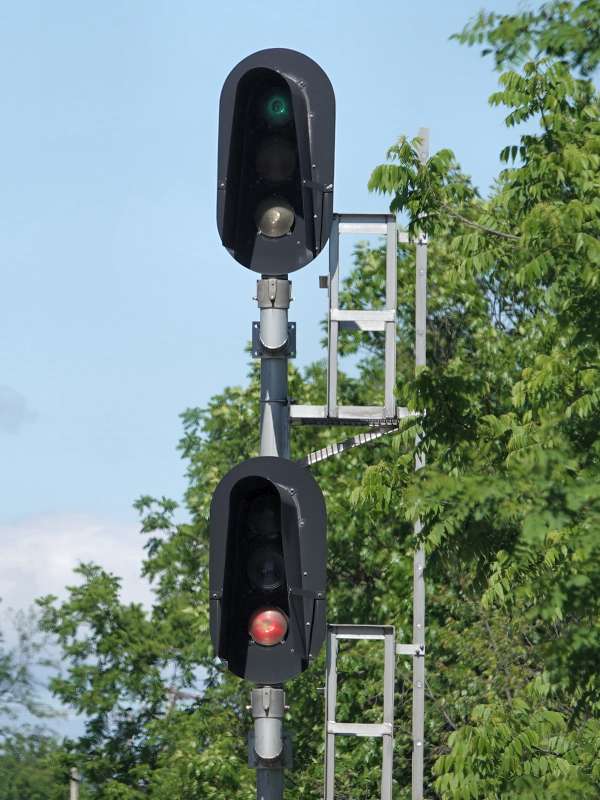
When a signal is mounted on its own pole, it typically refers to the nearest track. This one appears to show an illuminated green and white on the upper signal head with red on the lower. Any display that's not all red is enough to tell us a train is expected soon on the referenced track. That means if you wait a bit, you should be able to snap a train photo.

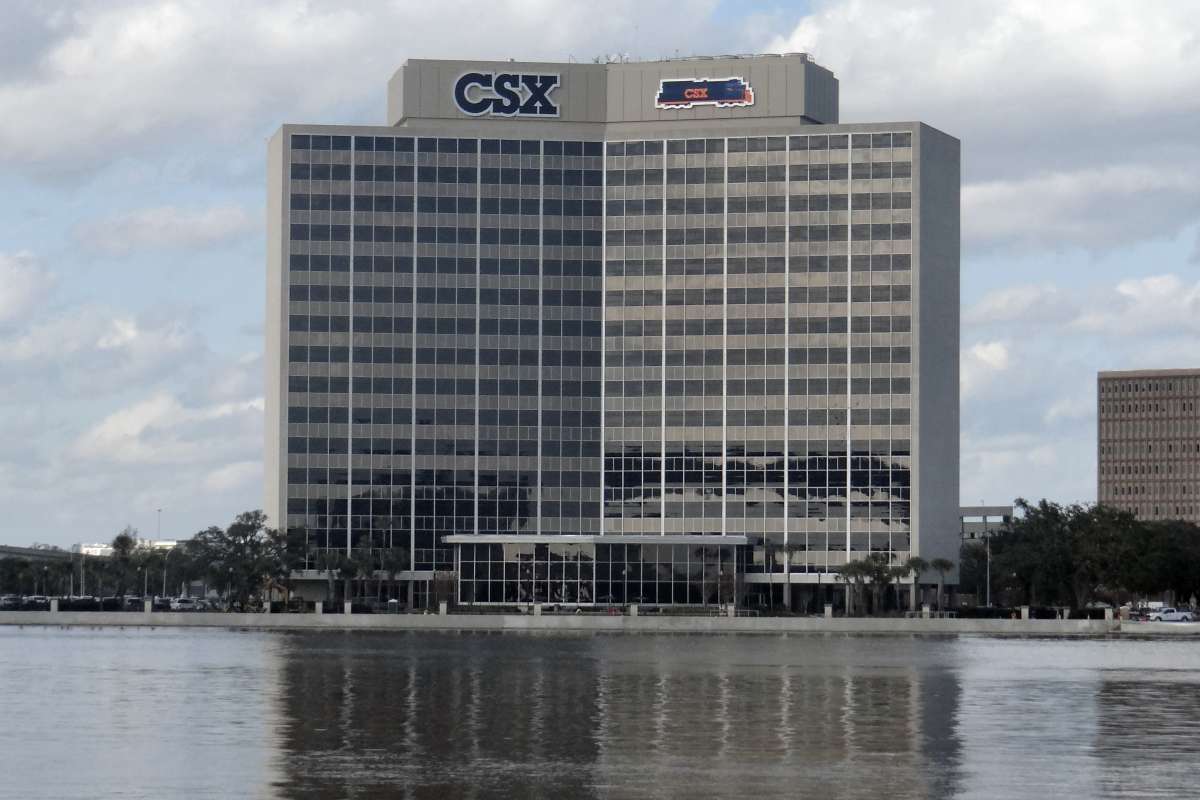
CSX HQ, Jan 2026 Careful examination of this signal reveals the white light is not an illuminated lamp but rather is the reflection of sunlight. Signals have multiple lamps because they can express a range of instructions to train operators. Though green generally means proceed, various lamp combos with green communicate different speeds and readiness to stop. Lamps can also blink to express additional details. Dozens of operation instructions can be expressed via such signals. Many CSX signals are controlled remotely from offices in Jacksonville, Florida (photo at right courtesy Alexis Hall).


Dark

Dark
Mile: 27.5 Date: Feb 2022
Ease: B+ View: W
Area: A Exposure:
Map: Mo 18 B 2 Topographic Maps

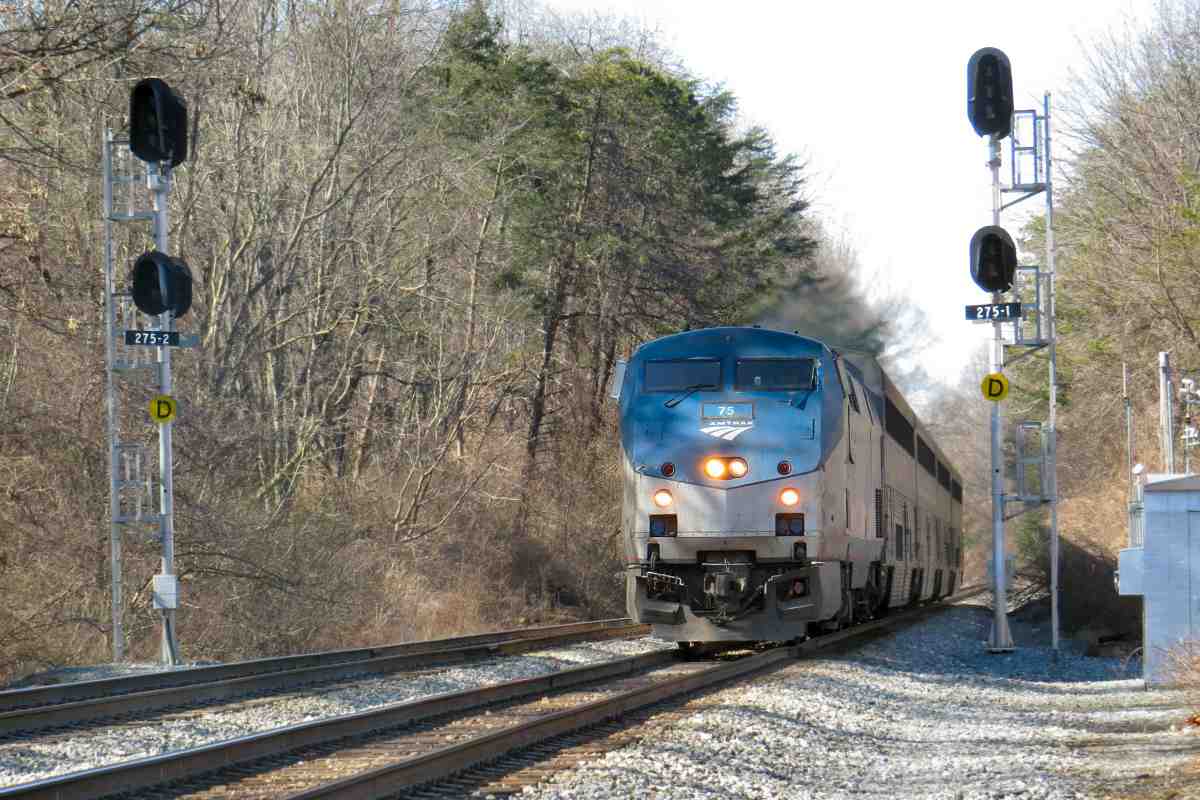
Dark (unlit) signals are "approach activated" within the track block (length of track) occupied by a train. This approaching train will soon enter the block connected with the signals facing the camera, at which time red lamps will illuminate.

This photo illustrates that dark signals do not mean no train is in the vicinity. This is an Amtrak train running on a CSX (ex-B&O) line.


Four Reds
Photo courtesy Dave Hiteshew

Four Reds
Mile: 78.4 Date: Oct 2007
Ease: B View: W
Area: A Exposure:
Map: Fr 34 G 10 Topographic Maps

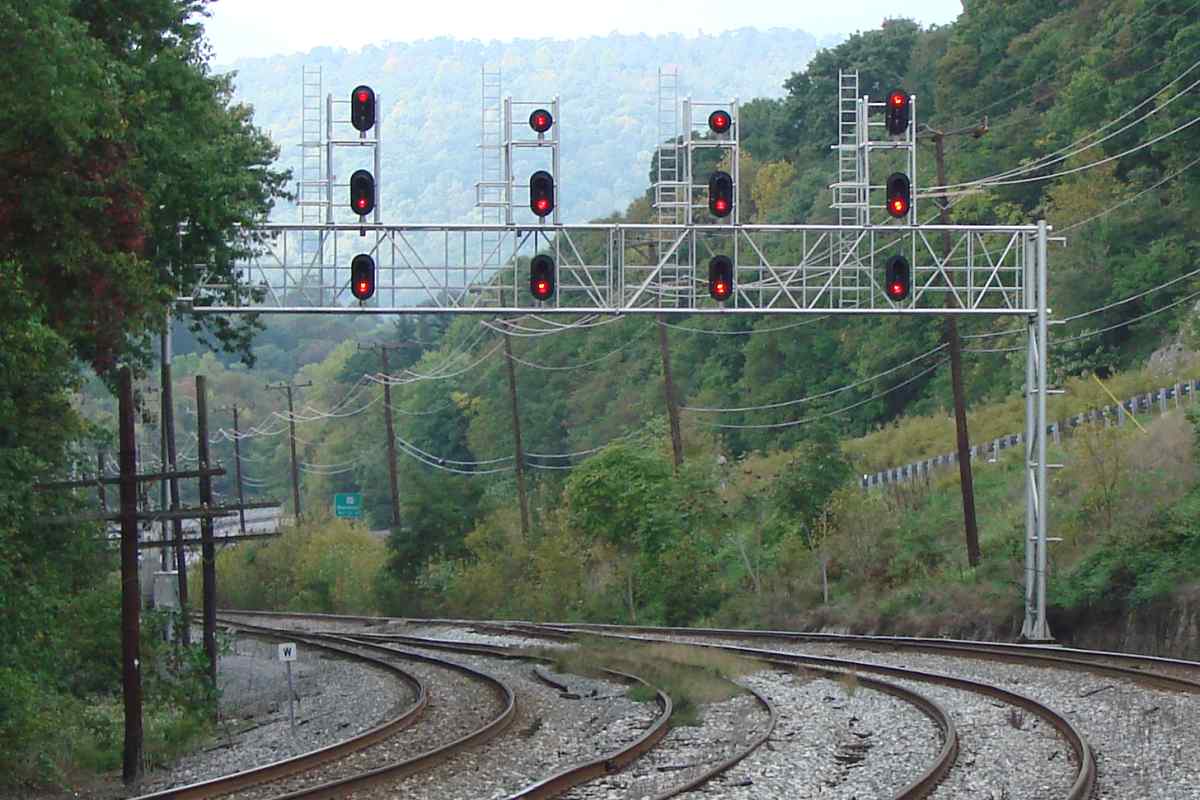
Twelve reds, if you want to count all the signal heads separately. "Nothing but red" is an all-too-common sight when you want a train photo. The quantity of lamps per signal head varies because CSX omits lamps that will never be used, i.e. particular operating instructions will never be issued on certain tracks.


Three Greens

Three Greens
Mile: 101.1 Date: May 2021
Ease: B+ View: N
Area: B- Exposure:
Map: Ba 42 B 5 Topographic Maps

Amtrak inherited Pennsylvania Railroad's signals here, then added color to what had been PRR's white-only. Green tells trains (if any) on the corresponding tracks below that they may proceed past the signals. Since green is the default in this system, it does not imply a train is arriving soon, though one might indeed do so. This is different from the red default of CSX's system described in panels above.

Red on the leftmost track suggests a train might soon be arriving from the opposite direction. Additional lamps below the main, circular signal head modify the movement instructions, details of which are beyond the scope of this discussion. Note: your local railroad's signals may operate in a different manner.


Stations

Stations
Mile: 95.7 Date: Jan 2026
Ease: A- View: NE
Area: B+ Exposure:
Map: Ba 35 B 10 Topographic Maps

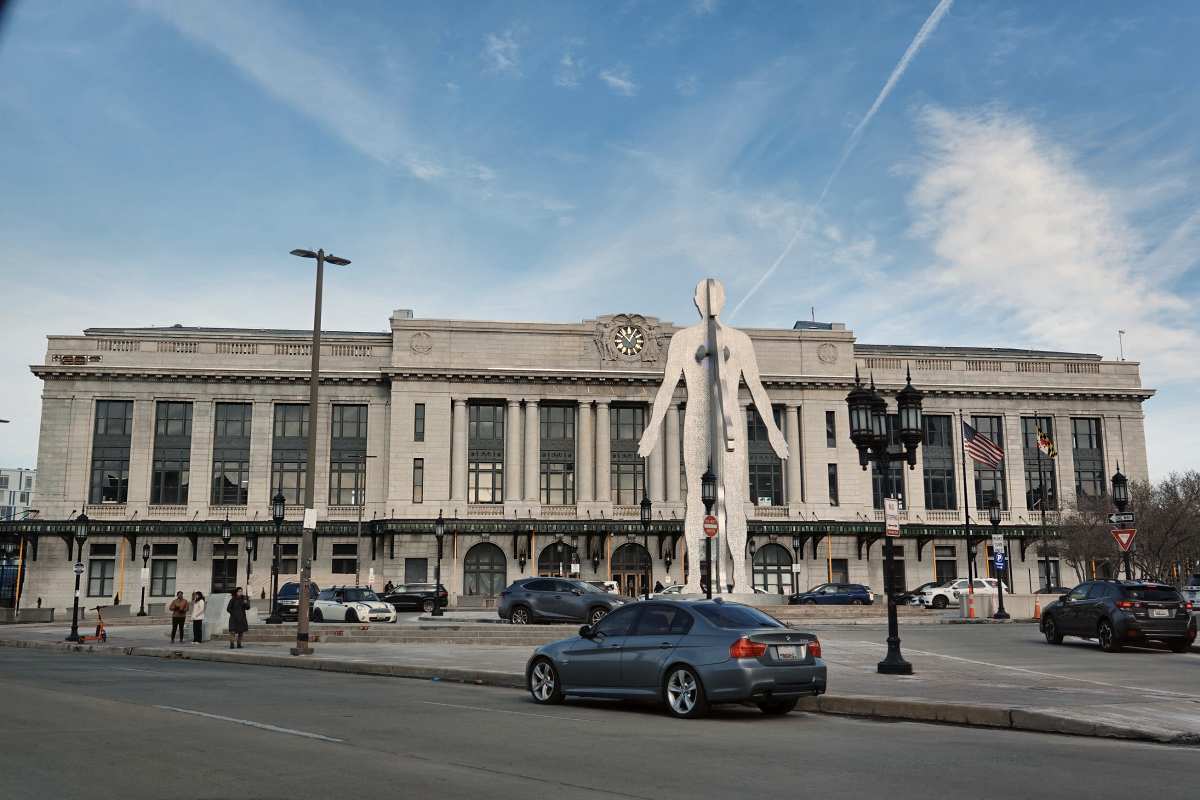
Train stations make for easier photography subjects in part because they appear on maps and tend to stay in one place. A station's architectural style typically reflects the period it was built.

Older stations in major cities are often substantial in size. You'll need to stand at some distance to capture all of the building in one photo. This is Baltimore's Penn Station.

There were once over 100 train stations in this region, only a few of which remain extant. Some have been converted into private homes. Take photos of those only from a respectful distance. After all, you probably would not want strangers getting close to your home and snapping photos or peeping in windows.


Bridges

Bridges
Mile: 9.0 Date: 1999
Ease: A- View: SE
Area: B+ Exposure:
Map: Ba 41 H 13 Topographic Maps

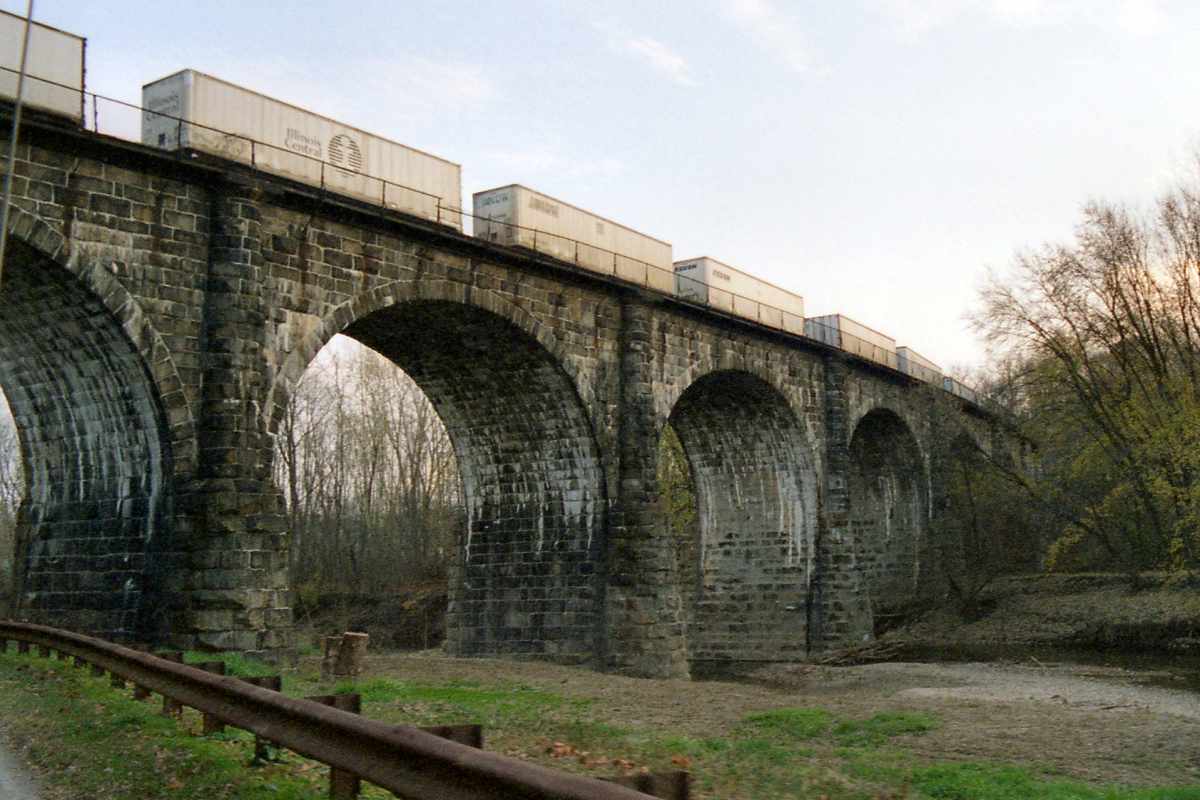
Historic railroad bridges can also make for appealing photo subjects. The Thomas Viaduct is here topped by a CSX train of trailers on flatcars that provides a relative size reference.


Museums

Museums
Mile: 0.1 Date: Jul 2026
Ease: A- View: SW
Area: B Exposure:
Map: Ba 42 J 1 Topographic Maps

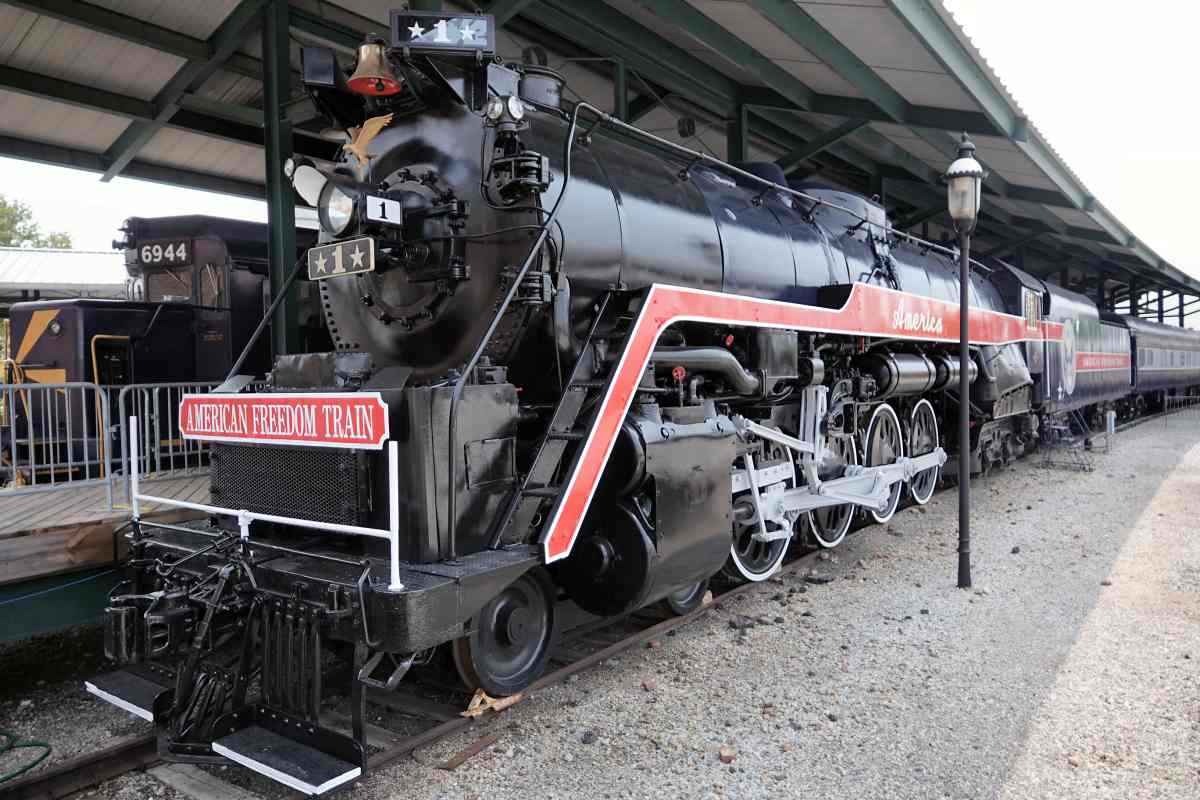
If you have interest in the history of railroading, museums should be high on your to-visit list. The National Museum of Railroad History & Innovation (formerly B&O Museum) in Baltimore is one of the world's premier railroad museums.


People
Photo courtesy Dave Hiteshew

People
Mile: 103.0 Date: Aug 2009
Ease: A- View: W
Area: B Exposure:
Map: Ba 42 A 9 Topographic Maps

Most published train photos do not include people because, in some cases, permission must be obtained from those people. Photos such as this that show groups in a public setting in which no particular individual can be identified usually do not need that permission. Consult an attorney if you are not sure. The simplest way to avoid the added complexity is to minimize the number of people you include in train photos you intend to publish.


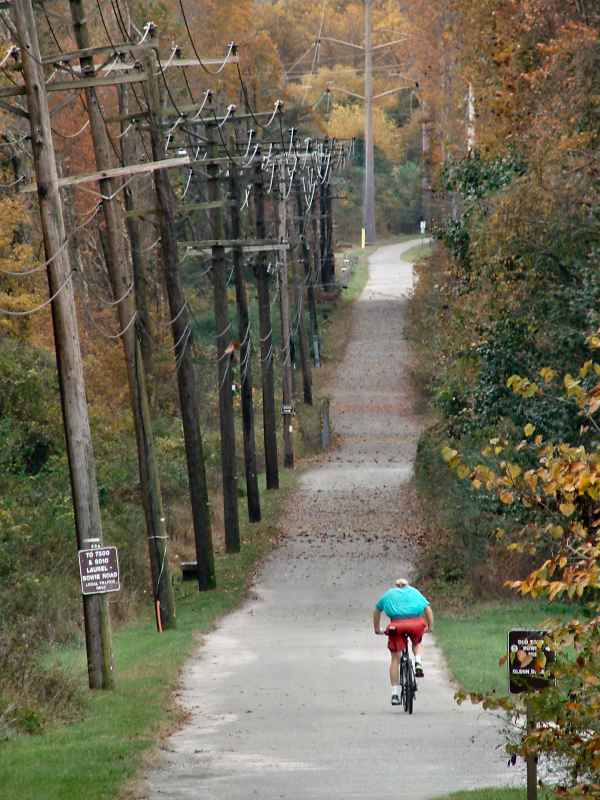
Biker

Biker
Mile: WB&A Date: Nov 2017
Ease: A- View: SW
Area: A EH:
Map: PG 10 A 8 Topographic Maps

Train photos are, of course, mostly about the machines, but people in frame can help draw the viewer into the scene. WB&A interurban trains formerly operated along this straight run.


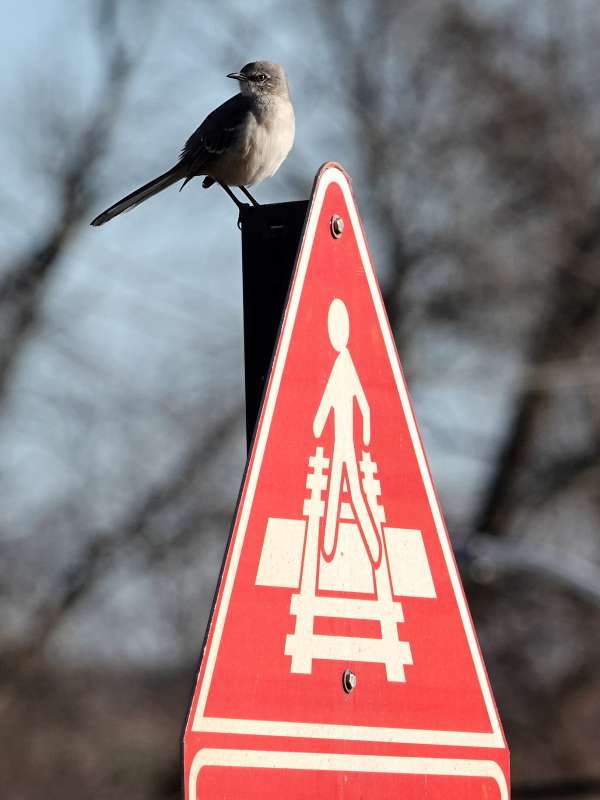
Nature

Nature
Mile: 21.3 Date: Dec 2023
Ease: A View: E
Area: B Exposure:
Map: PG 4 J 3, Ho 19 K 13 Topographic Maps

Be ready to capture nature. Opportunities can be fleeting.


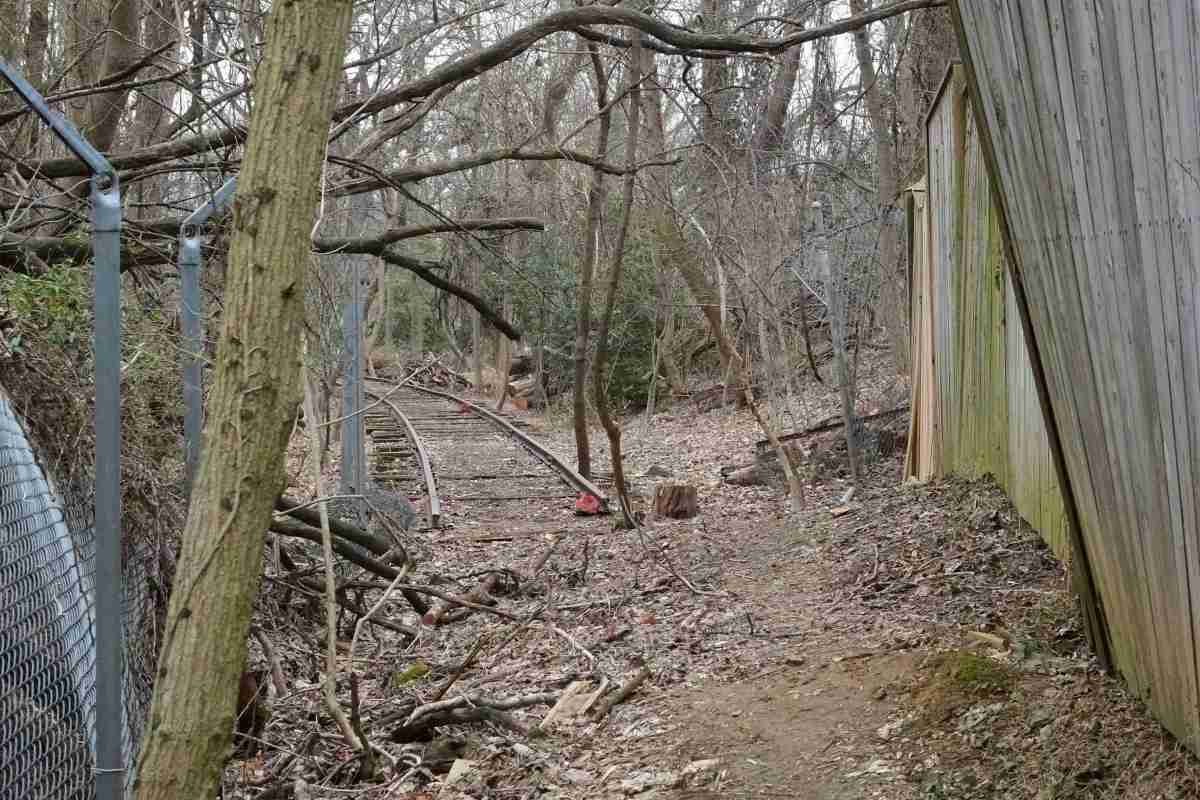
Disused

Disused
Mile: Date: Feb 2024
Ease: A View: NE
Area: B Exposure:
Map: Ba 41 K 3 Topographic Maps

Deactivated rail lines offer unique photo ops. In this case, an old line was being converted into a trail.


Uncommon Livery

Uncommon Livery
Mile: 1.2 Date: Nov 2025
Ease: A View: N
Area: B- Exposure:
Map: Ba 41 K 3 Topographic Maps

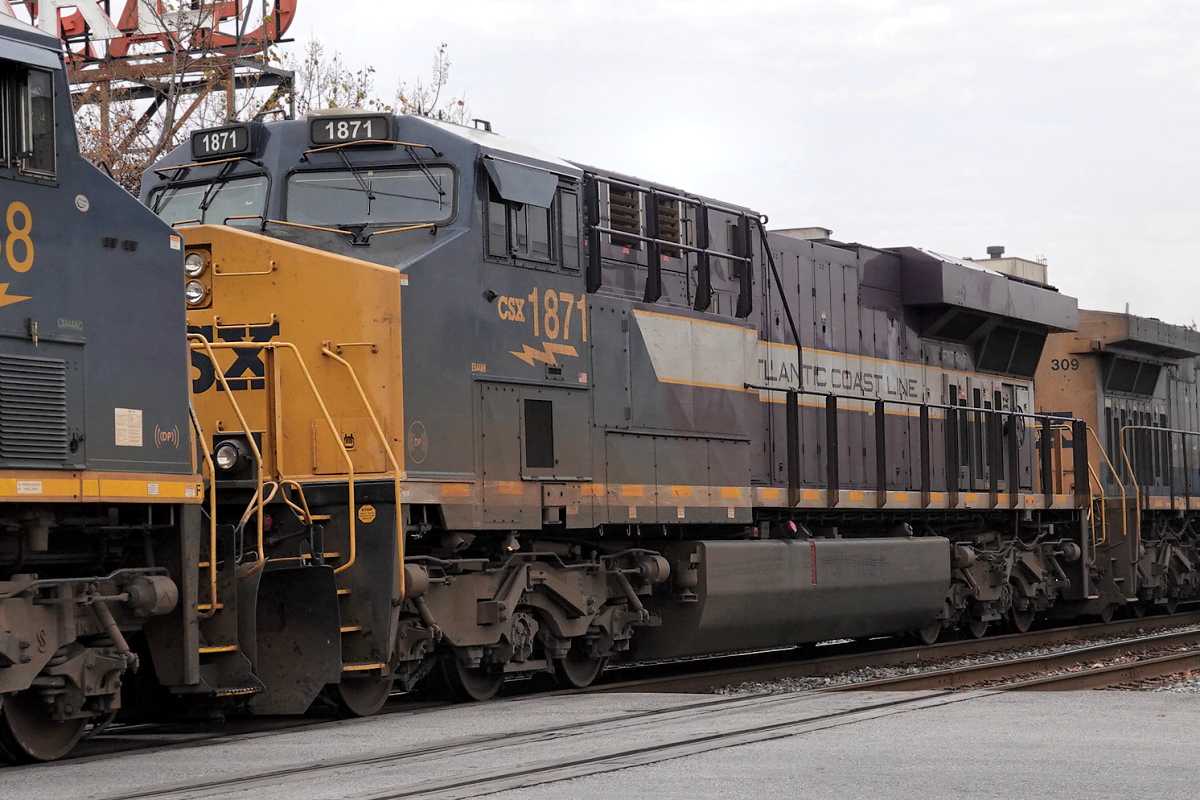
Equipment wearing uncommon livery (paint scheme) make interesting subjects. Some railroads paint engines in so-called heritage schemes that recall their constituent railroads.


New Locomotive

New Locomotive
Mile: 17.9 Date: Jul 2026
Ease: A- View: E
Area: B Exposure:
Map: Ho 20 G 9, AA 5 E 9 Topographic Maps

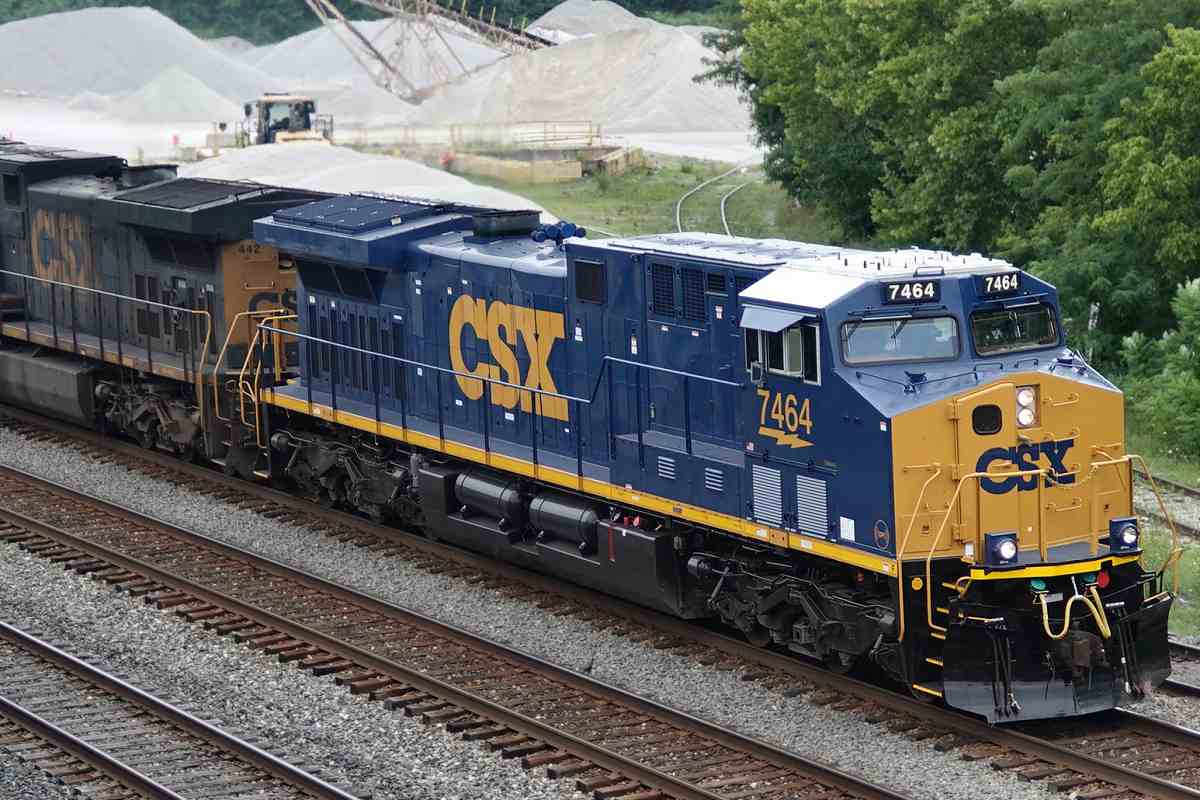
There were no other photos of CSX 7464 online yet when I recorded this one. Technically, this is not a brand new engine but rather a GE model AC44CW rebuilt to model CM44AC. The black pilot, formerly called a cow catcher, on front is still shiny. Number 7464 is much cleaner than number 442 that follows. Shiny new toys are always photo-worthy.


Ad Wraps

Ad Wraps
Mile: 113.6 Date: Aug 2025
Ease: A- View: NE
Area: B+ Exposure:
Map: AA 12 H 3 Topographic Maps

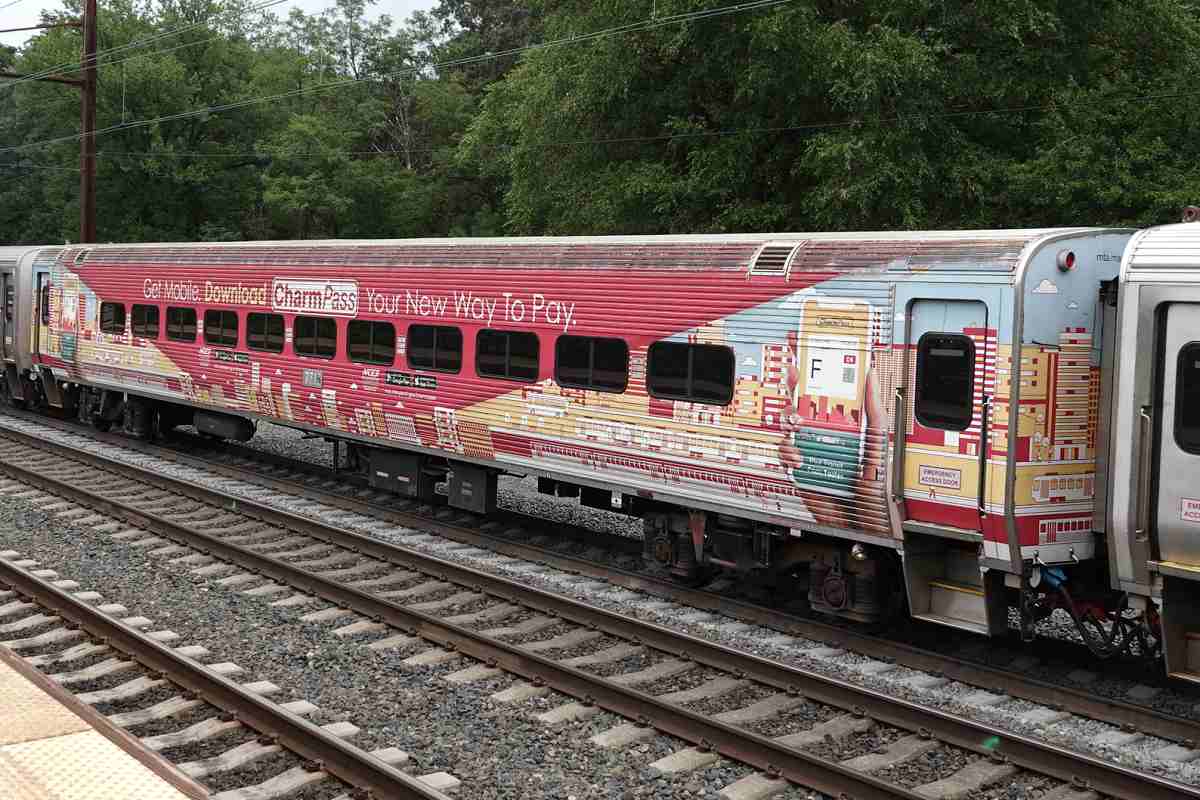
Some cars are wrapped in advertising. Most such ads appears on only a few cars and stay for a limited time. Unless you routinely spend your day trackside, you may get only a single opportunity to photo some of them.


Railcars

Railcars
Mile: 1.2 Date: Jan 2026
Ease: A View: N
Area: B- Exposure:
Map: Ba 42 J 3 Topographic Maps

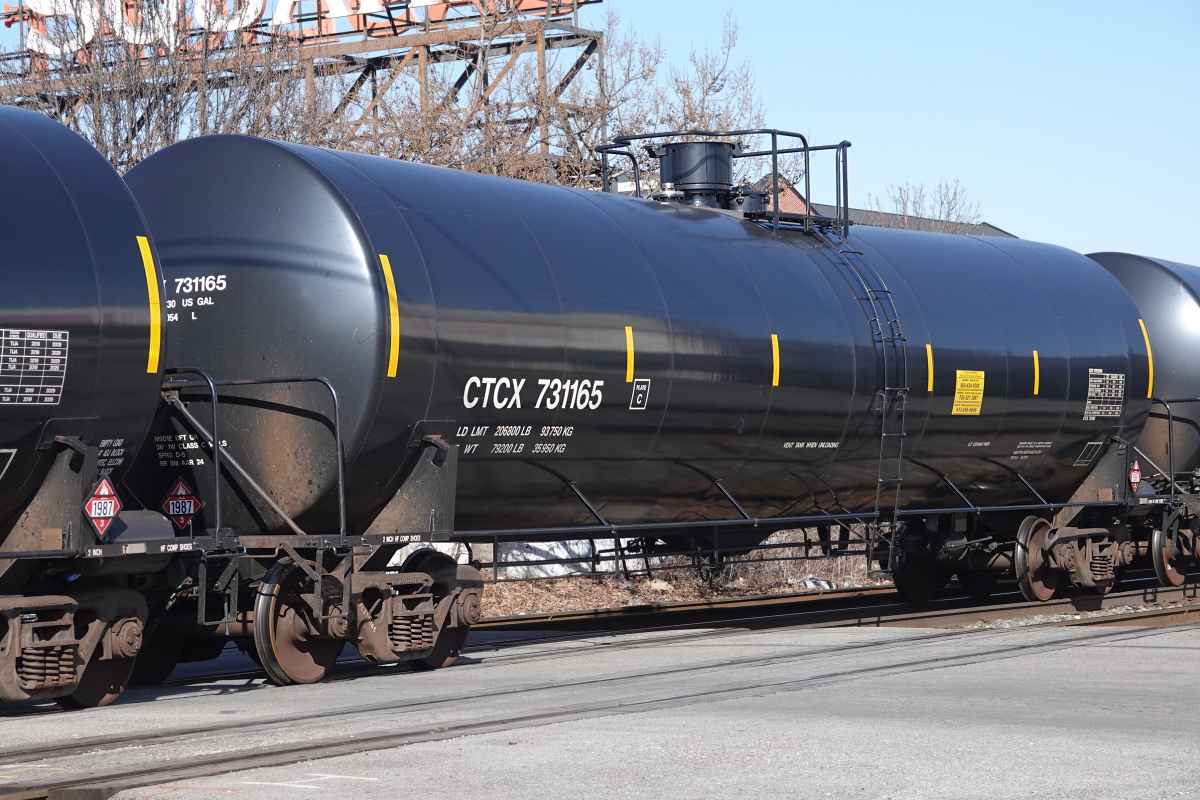
Railcars come in different types: hoppers, boxcars, gondolas, tank cars and many more. Anything unusual qualifies for a photo. Knowing what is unusual comes with trackside experience.

Some try to be the first to upload a photo of a shiny, new, untagged (graffiti-free) car to a public photo collection. Car ownership is displayed by what are called reporting marks, CTCX in this case. There exist hundreds of reporting marks. Lists can be found online.


Old Marks

Old Marks
Mile: 17.9 Date: Jan 2023
Ease: A- View: E
Area: B Exposure: 0.003 s
Map: Ho 20 G 9, AA 5 E 9 Topographic Maps

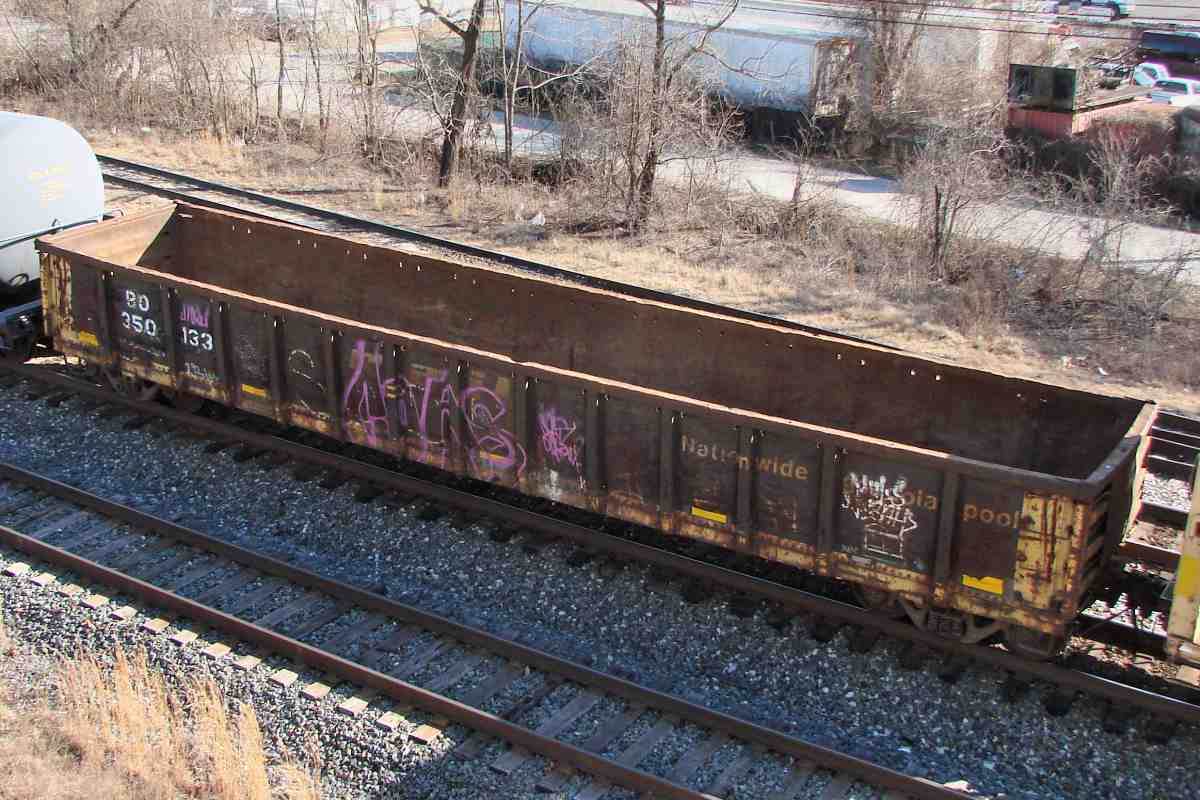
At the opposite end of the time spectrum are old reporting marks of railroads that have been merged or purchased. B&O Railroad merged into C&O, then into CSX in 1987. Decades later, its reporting mark could still be found on a few, rusty, beat-up railcars like BO 350133.


Maintenance

Maintenance
Mile: 1.2 Date: Nov 2025
Ease: A View: N
Area: B- Exposure:
Map: Ba 42 J 3 Topographic Maps

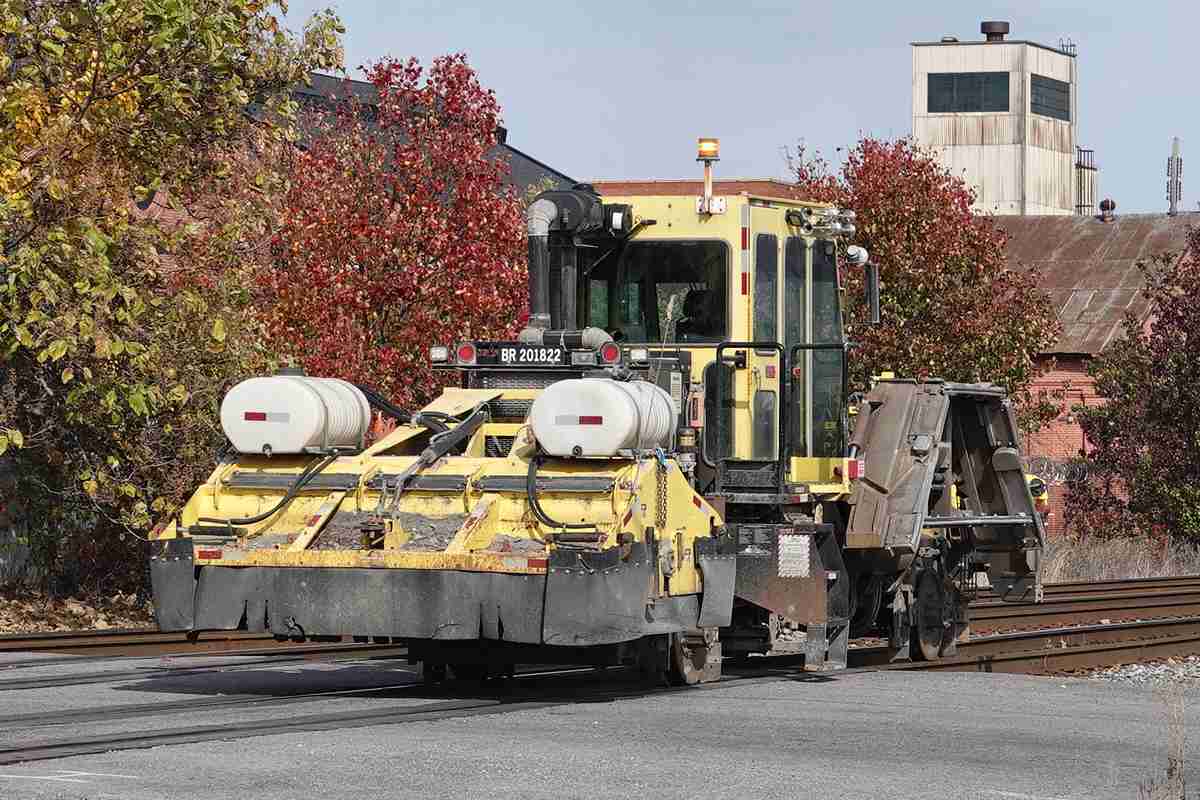
Odd-looking equipment is probably a Maintenance of Way (MoW) machine. This is a ballast regulator that repositions stone ballast that supports the rails.


Events

Events
Mile: 19.4, spur 1.1 Date: Sep 2000
Ease: A View: SE
Area: A Exposure:
Map: Ho 20 B 7 Topographic Maps

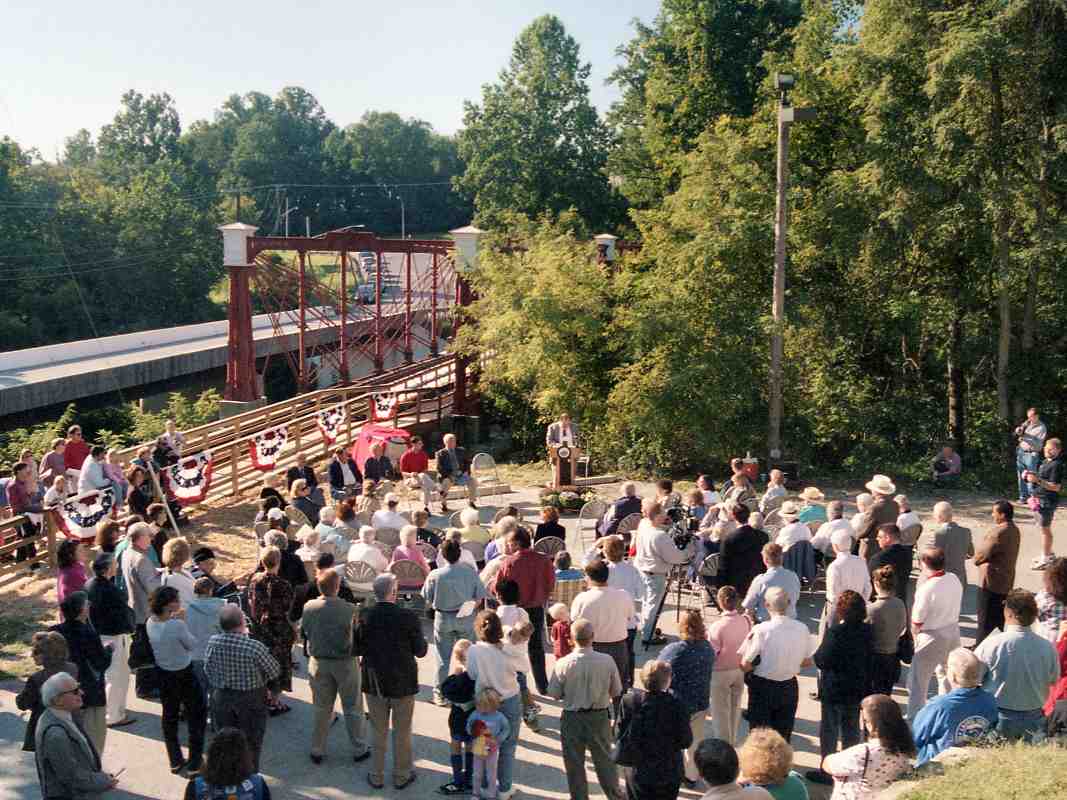
On September 16, 2000, Savage, Maryland's Bollman Truss Railroad bridge was bestowed with a National Historic Landmark designation. Such events are excellent photo ops.

The photos above are just a sample of the possible subjects. Seek what appeals to you.

The next lesson covers composition techniques pertinent to rail photography.


<< Previous (Safety) | THIS PAGE: 2) Subjects | Next (future) >>

Return to main page

Copyright Notice