



Friday September 11th, 2026
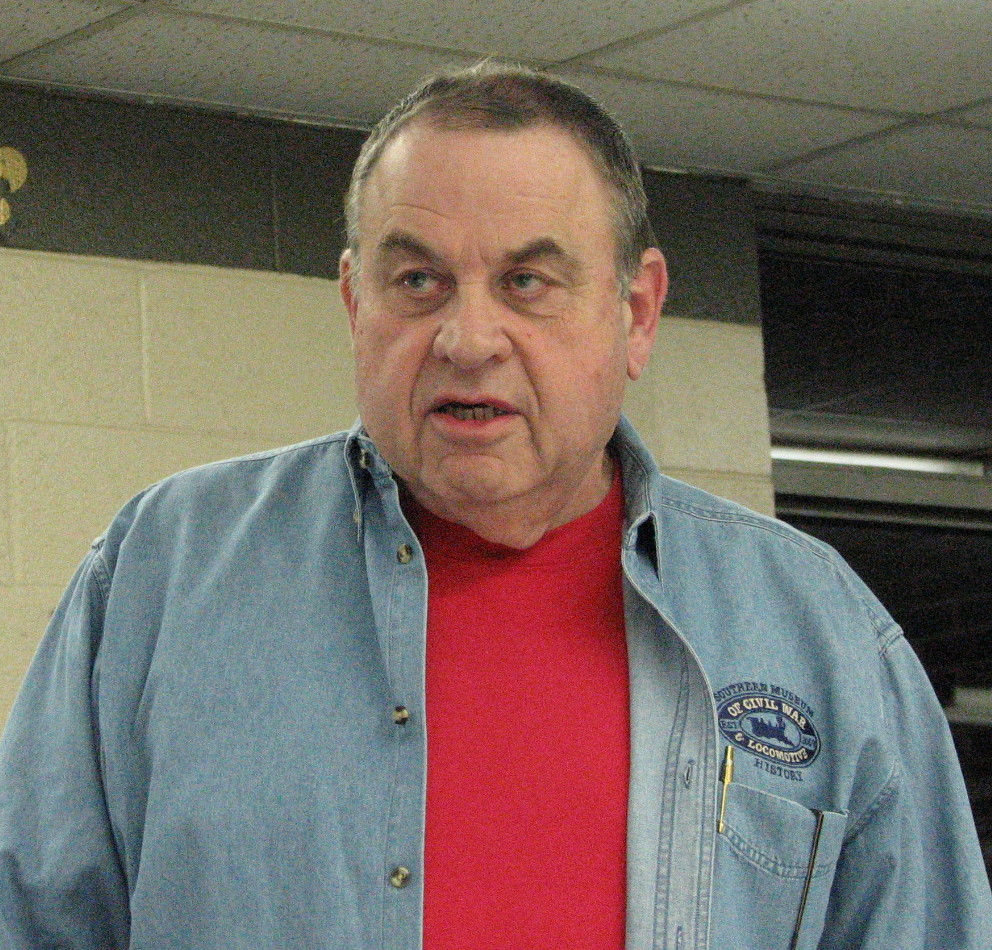
Our speaker was our own Martin O'Toole, who spoke and
showed us many great photos from two years ago: "My 2024 Switzerland trip".
Stay tuned for a recap of that meeting, along with Martin's photos! ....Webmaster.
Attendance: 9 members joined in our online meeting via TEAMS.
Friday August 14th, 2026
Bob Lacheen introuduced Charlie Crawford; his presentation "A car host on the Adirondack Railroad" featured photos that he took from trips from Thendara to Tupper Lake.
From his place in Thendara in upstate New York, Charlie began by saying that the first tracks
were laid on this line in 1892.
Charlie and his wife spend summers inside the Adirondak Blue Line (a/k/a the "Green Zone".)
During this time he volunteers as a car host on the
Adirondack Railroad. There are several excursions: Utica northeast to Thendara, and Thendara to Tupper Lake (the subject of tonight's presentation.)
Here is a map of these routes.
In addition to scheduled runs there are dinner, wine, and holiday train excursions throughout the year.
Your host, Charlie Crawford.
Thendara New York depot.
McKeever depot. Second story added in the 1920s.
A two-hole Necessary Facility. (No longer used.)
Charlie must have liked this old structure along the R-O-W:
"Moose River" (former CN) passenger car.
Loco 2050 taking train south to Utica.
They are limited to 35 mph; the train on the right track is heading to Tupper Lake.
Carter station.
Big Moose depot. It has been rebuilt into a restaurant.
This is the marker for the
highest point on the line at 2,040' ASL.
Twichell Creek & bridge. Beautiful scenery !
The isolated Hamlet of Beaver River.
Charlie watching the 'runaround' at Beaver River.
Charlie's co-workers "Bob" and "Mike."
Obvious & aptly named sight ! A beaver lodge is seen just to the left.
Old Nehasane depot - it has seen better days. The builder was William Seward Webb, builder of the line.
View of Tupper Lake.
At Tupper Lake depot. Northern terminus; end of the run.
At Tupper Lake the train was
turned on a "wye" for the return southbound trip to Thendara.
Charlie said that they do occasionally have problens with bears. But most wildlife are the deer. They seem to know abour cars and safety, and will watch from the side of the road until cars stop, then cross. They have no fear, as the cannot be hunted in town. Charlie even saw one use a pedestrian crosswalk!
As your webmaster has taken several trips inside the Blue Line, some even in "leaf season",
I add some of my snapshots from October 2008 of the area Charlie frequents. (Thank you Charlie for
letting me tag these along.) If you have never taken a trip in the Green Zone, DO IT !
It is a fantastic place to visit, especially in the fall.
Green Zone river scene.
Mohawk Adirondak & Northern 2454 cab markings.
F-7A #1508 in New York Central colors!
Thendara birdge. Is this the one Lionel used for its models?
Thendara Station, ca.2008.
Van Aukens Inne in Thendara, serving breakfast after we walked from our motel past some friendly town deer.
You find cabooses in strange places. This one was a gift shop by the Racquette Lake gift shop.
Port of Racquette Lake with fall foilage.
Attendance: 8 members joined in our online meeting via TEAMS.
Friday July 10th, 2026
A short bit of business was done prior to tonight's presentation. Leonard deferred to Robert Hunt,
who discussed our planned Christmas meeting at Picadilly Cafeteria, and the need for someone(s)
to arrive early and arrange the tables in the back meeting room.
Several members stepped up and said they would 'get it done.'
Leonard began his presentation on the
"Savoy Automobile Museum" located in Cartersville, Georgia.
The museum was started with a gift from a donor, and is operated by Georgia Museums, Inc.
Its grand opening was in December 2021.
There is an $18 one-time entrance fee, or $85/year for an annual pass.
It is a terriffic and fabulous museum, with cars arranged in the exhibition hall such that a
visitor can walk around them, and read information on story boards (individual placards) that tell a vehicle's provenance. Industry people are sometimes present to chat with visitors and discuss cars.
It takes about two hours to take in the exhibits.
The building encompasses 65,000 square-feet of floor space, built on a 37-acre site. In addition to inside displays, special events such as invitational auto shows are held outdoors on a grass/lawn.
Inside there is a theater/auditorium (that even has a revolving turntable to show off a car!)
Car-themed classic movies are sometimes shown here. The walls have poster/art displays on cars.
Glass cases here and there display unique exhibits or memorabilia.
The porcelain tile floors are immaculate. It is well lit. There is a nice lounge by the front entrance.
Although several cars displayed were from very old to contemporary, most that Leonard showed were from the Arts Deco classic era of the 1930-1950s. After WW II many cars were built with straight-8 engines.
Many cars built in that era have high torque, but low HP engines. Some were types used by "Rum Runners."
There is a noticable smell in the museum like horsehair (Cars did not have polyurethane for seat cushions years ago!)
Most cars exhibied have been restored, but a few are "Barn Finds" that were found in good condition, just cleaned up, polished, and put on display. Some are museum owned; some privately owned and are on
temporary loan/display. The Savoy sometimes exchanges cars with other museums.
Many of the cars displayed were low-production vehicles.
That said, click on each of the following to enjoy some of the vehicles exhibited, or championed by Leonard that he photographed!
Introduction to Leonard's presentation.
Outdoor sculpture by Linda Brunker, "Spirit of Speed." 30' long and reminicent of classic old hood ornaments.
1903 Oldsmobile curved dash runabout. Flywheel and tiller. Five horsepower. 20 mph. First U.S. mass-produced car, with 3,924 produced.
One of the several restored Ford Georgia Tech Ramblin Wrecks.
Ray Hall's 1988 "Budweiser" sponsored Lotus T88. 850hp, 230mph.
1931 16-cylinder Marmon.
1934 Packard; only 8 were produced.
1930 Dusenberg.
1932 Ruxton. With standard paint job, about 100 produced.
'Cyclops' Tucker with a rear-mounted 6-cylinder Franklin helicopter engine, 6-tail pipes, and electric shift. The center headlight followed the steering wheel.
1948 Packard Standard 8 Wagon, 130hp. Owned by the Savoy. Some 3,864 were produced.
1948 Chrysler Town and Country sedan.
1953 Ford Crestliner Country Squire.
1954 Studebaker (interior).
1953 Kaiser 'Henry J'. The Kaiser company built Liberty ships during WW-II.
1951 Nash Airflyte Statesman Super. 6-cylinder, 85hp, and 52,000 were built.
1948 Davis-Divan three-wheeler.
1954 Kaiser Darren. Howard 'Dutch' Darren customized cars for movie stars.
1948 Studebaker Commander.
Attendance: 8 members joined in our online meeting via TEAMS.
On Friday June 12th, 2026 our speaker was to be Charlie Crawford who would talk on
being a car host on the Adirondack Railroad; unfortunately, his computer balked with the TEAMS software. Bob Lacheen quickly saved the evening as he presented Part 2 of his Arkansas Railroading,- "Railroads, Museums, Depots, Scenic Train Ride, Model Trains." Thank you, Bob! [Charlie's talk has been moved to August 14th.]
We again discussed the lunch meeting at Main Street Eats in Kennesaw, or similar venue.
Bob picked up his presentation in northwest Arkansas with photos of Eureka Springs and the tourist railroad there:
Downtown Eureka Springs AR.
ca.1912 Eureka Springs depot.
Inside the Eureks Springs depot.
Eureka Springs & North Arkansas excursion 'train.'
1942 SW1 locomotive on bridge at
end of (2005) ride.
Bob then drove on US65 through Harrison to Belafonte to view a former station that had been
converted to a private home:
A former station, now a residence.
30 miles south found Bob in St. Joe, AR. Here he snagged a photo of a depot used by the M&NAr:
1912 ST. Joe station.
A 25 mile drive from St. Joe got Bob to Malvern, AR:
Malvern (AMTRAK) station.
Passing UP freight pulled by UP 7095.
Bob asked around to find and take a look at the old Hot Springs RR roundhouse;
most of it had been torn down a year before, so all that he discovered was these few pieces!
Remaining roundhouse walls.
Next up was a visit to Hot Springs, Arkansas.
1917 Hot Springs station once used by the MoPac RR, now used as local transportation offices.
From Little Rock Bob traveled on US 65 to Pine Bluff to visit the museum of the Cotton Belt. Allong the way he spotted this piece of equipment:
200 ton crane.
U23C locomotive No2300.
Cotton Belt 4-8-4 Northern #819 being restored.
Pine Bluff Union Station, use by the Cotton Belt and the MoPac.
25 miles to the south is the town of McGehee, and another station:
McGehee station.
Bob traveled a bit into Louisiana and found these locomotives:
Delta Southern locos #104 & sister.
After that Bob spotted and photographed this Kansas City Southern:
KCS ES44AC locomotive.
Over in Heber Springs there was the Ruland Junction
Train Museum. This was a two-story purpose built building with serveral toy train displays,
running trains, static models and such:
Standard gauge setup.
Lionel setup in 2nd story.
O-gauge roundhouse.
S-gauge/American Flyer trains.
In Bald Knob there were two red cabooses sitting there, that deserved a photo:
Red cabooses.
Making his way to Mammouth Springs, AR, Bob snapped photos of the 1885 Kansas City, Ft.
Scott & Memphis Railroad station. It is a "Jim Crow" station (separate waiting rooms)
and is the oldest station in Arkansas:
1885 KC,FtS&M RR Station.
Bob ended his Arkansas rairoad meanderings and rail odyssey with this photo of a modern
locomotive that was running by:
BNSF #7856 ES44DC locomotive.
Attendance: 8 members joined in our online meeting via TEAMS. President Leonard could not be here as he was attending a memorial service for his SIL.
On the evening of Friday May 8th, 2026 Doug Munnell introduced his son Timothy who hosted
the program by showing photos that he took on their family's trip to the northeast USA. The topic
was "Pennsylvania, New Jersey, and West Virginia". Again we had some technical issues with Teams,
but Doug and Leonard solved the problem; we are slowly learning this software!
Doug introduced his idea for a gathering: We as a group could meet at an eatery and share lunch while watching trains. Possible venues are in Kennesaw, Vinings, and near the Marietta Square. More later.
Timothy introduced his talk with this formal title.
The following are selected images culled from his presentation.
Starting in Harpers Ferry, West Virginia, he showed these photos:
Harpers Ferry WVa RR Bridge to Maryland Heights.
Harpers Ferry CSX station and distant tunnel in Maryland.
The family then went to Gettysburg, PA to see the sights, and visit Gilbert's hobby shop and train museums.
Lincoln Train Museum.
Timothy by O-gauge layout in museum.
O-Gauge Tinplate layout in museum.
Steam whistle display in museum.
They motored over to Strassburg PA for some railfanning at the station, shops and such:
Station platform.
Shop water tank.
Front of mogul steam locomotive #89.
The next stop was at the near by Train Collector's Association (TCA) headquarters and museum.
TCA Toy Train Museum.
American Flyer (S) train setup.
Lionel standard gauge train setup.
Then Timothy and his family went to see the Northlandz model train layout in Flemington, NJ.
Words and a few photos cannot describe this place that was built starting in 1972 by a Bruce Williams,
so here is their website for you to enjoy and
learn more about it! Briefly, it covers 52,000 square feet and is 3 stories (40') high.
HO trains run constantly on mainlines. There are many 'scenes', canyons, bridges, and a static airport. Needless to say, it requires much maintenance!
That said, following is a selection of what Timothy photographed in this 3-story venue:
Entrance sign.
Harpers Ferry scene.
Lower Canyon.
Very deep canyon.
Many long bridges (from up high.)
Looking down into a canyon.
The final stops of their trip was in Philadelphia, Valley Forge and Exton.
Timothy grabbed photos of these sights:
A SEPTA train.
Former Pennsylvania RR, now AMTRAK yard.
Attendance: 11 members joined in our online meeting via TEAMS.
Friday April 10th, 2026. Rick Burn was our presenter with a photo essay:
"'Visiting Barbie'- Rail travel in Atlanta, April 1963" via TEAMS.
Leonard announced that Bob would be recording tonight's presentation. It is hopeful that
the video will be put on the web (Youtube?) or at least in our history notes as a link, so that
members can watch the presentation again. We also need to find the way to not include
members photos (from the TEAMS window) and just have the central image of TEAMS captured.
For now, Bob has found a way to capture and send the link to members only.
Rick began his 2-part presentation starting in
Holland Michigan. He jumped around
locations as he explained a series of photos that he took over the course of 20 years, of
Pere Marquete, Amtrak, trains, depots and such.
Following are a samples of ones that he took and presented:
Two BNSF loco0s pulling a coal drag.
Pair of CSX units pulling a freight over bridge.
CP Rail Diesels in snow.
UP SW 1000, working.
Genesee & Wyoming units at grade crossing in Michigan shores.
Coopersville & Marne switcher.
Coopersville & Marne tourist train.
Coopersville & Marne steamer #110.
CSX President's-Executives train in heritage livery.
Rick then shifted his presentation to his April 1963 train trip, a sweep from Chicago to
Atlanta and return via St. Louis titled "'Visiting Barbie'- Rail travel in Atlanta."
Union Station, Chicago.
Pennsylvania RR "Red Bird" in Logansport, Indiana. (Chicago to Cincinnati leg.)
Southern's Royal Palm to Atlanta.
Old post card image of Atlanta's Terminal Station, ca.1910?
Central of Georgia ready to lead the Nancy Hanks.
The Atlanta skyline in 1963.
Georgia Railroad #1001 at Decatur, GA station, heading up a train.
After railfanning some in Atlanta, Rick headed west on his journey to Chicago via St. Louis.
Frisco E-Diesel heading up Rick's train.
Train pulled by Rock Island F-unit #407.
Young Rick climbing to cab of Frisco E-unit.
St. Louis PCC trolley.
The Texas Eagle coming into St. Louis Terminal station.
Trio of GM&O on train under St. Louis train shed.
Attendance: 11 members, Rick, his brother Don and a friend joined in this online meeting via TEAMS!
Friday March 13th, 2026. Our speaker was again our own Bob Lacheen. His topic:
Arkansas Railroading, Part 1- "Railroads, Museums, Depots, Train Ride, Other Transportation".
GSoF President Leonard opened our meeting with announcements on upcoming programs;
former GSoF member Rick Burn from Michigan will host the April meeting. Leonard said they
are still working on recording, editing and placing meetings on YouTube. Then Leonard turned
the meeting over to our presenter, Bob Lacheen.
Bob Began his talk by saying that the reason he has railfanned so much in Arkansas
is that his daughter lives there, and thus he visits frequently.
A map of the state will help the reader
visualize where Bob traveled and took his photos.
Starting in Little Rock, Bob showed photos of places, and UP locomotives in Jenks Yard:
DDA40X Centennial UP#6938
UP#3985 Challenger steam locomotive.
Bob Lacheen on pilot of the UP's Challenger!
AC44CW locomotive.
Bob then showed February 2005 photos of when he saw the Challenger:
Challenger coming.
Challenger passing.
Near Little Rock he snapped these photos:
Choctaw station, built in 1931.
Arkansas River Bridge.
Argenta, a Rock Island station.
Central Arkansas Transit.
Little Rock Union Station, ca.1921,
used by Missouri Pacific. It is now offices and also used by Amtrak.
Bob his and daughter traveled 5 miles west to the All Aboard restaurant where they had
Automated food delivery at their table, via G-size train and elevator, and took pictures outside:
A LRWN EMD 1000 switcher #1504.
The Bay Line GP-38 #500 diesel road unit.
Bob headed east 100 miles to Helena, following the old MoPac track R-O-W,
and spotted the 1915 MoPac station, now the
Delta Cultural Center, somewhat of a museum.
Bob then headed southwest to Holly Grove where he spotted the
1898 station, now a city library.
He went north to Clarendon to see some Arkansas Central items, then northeast to Brickley
where he spotted this MOW track-tie machine.
Then he managed to get a photo of the
Brinkley station, used by the Cotton belt and
Rock Island.
He also visited a cotton museum in that station which inluded railroad artifacts.
Heading west to Hazen Bob snagged a photo of the
Hazen Rock Island depot,
and a UP caboose #25501.
His next stop was in Carlisle to visit the 1920s old depot, in the Rock Island park. It is now
an insurance office.
In Lonoke he captured this photo of the
Lonoke station, ca.1920.
His next photo was taken of the
1915 MoPac Morrilton station.
The next few images were taken in the MOTAA, or the Mid-America Old Time Auto Association, Inc museum:
A 1957 Cadillac Fleetwood 75 used by Governor Winthrop Rockefeller.
A green 1935 DeSoto.
A pink car once owned by actress Mae West.
A Sears Runabout, that could be
ordered from their catalog.
Bob left the auto museum, went through Russleville and on to Ft. Smith to visit several historic sights.
Ft. Smith National Historic Site.
Bob said that these photos were taken in 2002.
(Ahem,) Miss Laura's house welcomed many gentlemen visitors in it's day, now it is the
Welcome Center near the rail yard.
Ft. Smith RR (part of Patriot Rail) #2002 GP-20U
Trolley #224, available for visitors to ride, which Bob did.
After Ft. Smith Bob made his way to the
Arkansas & Missouri Railroad for a scenic ride. Today his train was pulled by
A&M #68 Alco C420. He traveled from VanBuren to Ft. Smith to Springdale.
Bob concluded this part of his presentation with the announcement that
Part 2 would be presented at our August 14th meeting.
Attendance: 12 members joined in this online meeting via TEAMS!
Friday February 13th, 2026. GSoF President Leonard opened our meeting this evening and
said he was looking into some PR for our club, hopefully provided by a
KSU journalism student that needed a task. He then tourned the meeting over to our presenter,
Bob Lacheen.
Bob had dug up material from several of his past trips to speak on the topic:
"Madison and Milwaukee Wisconsin Areas- Surviving Depots,
Railroads, Mid-Continent Railroad Museum." The photos were mainly from a May
2023 trip plus a few from previous trips to that area. To get oriented, here is a
map of the area that Bob traveled.
Starting in Madison, WI, Bob saw a depot of the Milwaukee Road, repurposed into shops
and a restaurant. The turntable site is now an office building.
The depot with Milwaukee E-9As.
Soon after was an 1898 freight house of the
Illinois Central.
Next Bob saw the
1910 C&NW depot/station.
Bob spotted and got a photo of a
Wisconsin & Southern #3947 GP39-2 local drag.
In Middleton WI, Bob got photos of the
1859 Middleton station and village.
Next was a photo of the 1896 Waunakee depot.
The Mid-Continent Railroad Museum is in North Freedom, but the depot was moved here 3 miles from
Rock Springs. Some buildings at the museum.
Here Bob discovered that it was the 60th anniversary of this museum; he took several photos:
Great Northern baggage No. 6.
1903 Copper Range REA combine car.
BLH RS-4-TC-A1 No.1256 locomotive.
1897 Soo Line No.15604 wood box car.
Bob then headed to Milwaukee where he had lunch along the way in
this restaurant, once a C&NW depot.
In south Milwaukee Bob spotted this
C&NW depot.
In Cudahy, known for meat processing and packing, Bob took this photo of
its depot.
Somewhere nearby was this unique building with much history. It is believed to have been a
power or transformer building for street cars ?
Bob stopped to take in the Wisconsin Automotive Museum in Hartford, WI, on the site of the old Kissel
company. This museum is home to several of the Kissel automobiles, which were owned and enjoyed
by many Hollywood and other famous people. Here he took many photos, some of which were:
A 1921 Kissel Gold Bug.
A 1957 Nash Ambassador.
A 1951 red Crosley station wagon.
Also at the museum were a Lionel display, a full-sized Soo Line Mikado and a box car.
As the name 'Genesee' means something to railfans, Bob found and took a photo of the
Genesee depot in the town of Genesee !
Bob got to the East Troy Trolly museum to take a ride. Here is a photo out the window
from the operator's platform
of a meet with trolley #4453.
Bob also found a crossing to railfan some Amtrak runs. Here he found the
southbound Hiawatha heading to Chicago.
He captured another Amtrak train
going from Milwaukee to Chicago. Lastly, Canadian Pacific No. 8020 rebuild
AC4400CWM pair came by.
Attendance: 12 members joined in our first pure online meeting via TEAMS!
Friday January 9th, 2026.
GSoF President Leonard opened our meeting this evening with a business meeting before the
presentation. The crux of the business part was the Financial Report, to be given by
Treasurer Robert Hunt, followed by a discussion of should we should consider going all 'virtual' or
keep donating to the church to reserve the meeting room for one evening a month. Leonard then turned the meeting over to Robert, who gave a breakdown of membership (there has been much attrition in the past several years due to deaths and Covid.) With the current level of membership, and the financial obligations, the Club cannot remain solvent. This is looking at projected membership and dues (income.) Robert next presented the dollars and cents, and then made a case for
terminating our use of the meeting room and going all virtual. After a half hour of discussion, a vote was taken with the majority in favor of abandoning the room; Robert Hunt would contact the church and inform them. Several members added ideas for going forward, notablly more web and Social
Media presence, and recording our virtual (MS Teams) meetings and posting on a YouTube channel.
Also mentioned was possible social gatherings to aid in fellowship after in-person meetings cease.
Leonard then introduced tonight's presenter, member Martin O'Toole, a railfan and photographer
who gave a slide presentation
on "50 Years of Georgia Railroading." No, not all railroads in Georgia, but The
Georgia Railroad
that ran from Atlanta to Augusta (with branches to Athens, Macon, Washington and Monroe) from 1833 to its final run in 1985. It was originally centered around the city of Athens, Georgia, and initially laid out by J. Edgar Thompson, who later became president of the Pennsylvania RR. There were no bridges or even culverts on this line between Augusta to Madison. In the line's later years, it acquired or borrowed A&WP, SCL L&N and CSX and other road power. For the mainline “mixed” trains the Georgia retired their heavyweight coaches and ran former lightweight streamlined former Crescent coaches and one Pullman. For the last runs of the famed “mixed” trains, public interest was so great that the Georgia Railroad had to borrow Chessie Steam Special coaches.
With that bit of history discussed, Martin began a selection of slides. [Your web editor has selected
a few for your viewing pleasure, and tagged them with brief notes.]
Logo of the "Old Reliable" Georgia Railroad.
Original map of the Georgia RR trackage.
Geep #1003 pulling mixed train; Arthur yard.
Georgia RR coach #72.
Crawford, GA depot (ca.1970s.)
Geep #1026 pulling typical mixed train.
Coach on end of mixed train.
Georgia RR depot in Millidgeville.
Georgia RR 1980s simplified train schedule.
Broyln yard: Atlanta & West Point #726 at night!
Union Station, Atlanta, late 1960s.
F-unit pulling express cars, summer 1966.
A&WP F-7 #502 on head end of train #2.
Mixed train with some pulpwood cars.
Shop-built caboose #2847
Fans boarding Braves baseball special train.
Georgia capitol Gold Dome.
Observation car #300.
Georgia RR SW #906 working.
Switching near Decatur, GA station.
Moving power: SCL and L&N near Covington, GA.
GARR #6051 "Franklin Garrett" (SCL/L&N) and mate.
Georgia RR Bicentennial caboose.
Rachel's Cafe, Watkinsville, GA.
Winter scene: Caboose #2867 and L&N caboose.
Conyer's GA station in snow.
Union Station, Atlanta, GA.
Georgia RR # 756 waiting for main to clear.
Georgia RR #904 NW-2 waiting.
Chessie coaches on mixed train, 1984.
Last Run: #6051, 6013 with Chessie cars: photo run-by.
Georgia RR #6051 "Franklin M Garrett" portrait.
Georgia RR #1834 (nee CSX) pulling mixed.
Attendance: 16 members and friends: 10 at the church and 6 via Teams.
A folow-up note from our President:
I am writing to inform anyone that was not at the meeting, in person or online that a vote was taken to have meetings strictly online. We will no longer be meeting at the church in person do to lack of participation.
It was a hard decision to make as we will all miss the fellowship. We also wanted to inform all members that they are welcome to set up a meeting time for a video chat with other members to share ideas and layout improvement and general good time with other members of the club Please contact Leonard or Robert Lacheen to set up a time, we will send out the link to pass around to all invited. The meeting time is unlimited so you talk away and enjoy the video. We recorded the last meeting and are working on posting it on YouTube for all to review at your leisure or to share with others and maybe bring in new members.
Thank you for your cooperation,
Leonard Martin, GSoF Club President
Friday December 12th, 2025.
We had 16 members (some with significant others)
come to the Picadilly Cafeteria (on the 4-Lane/Cobb Parkway) on this evening for a fun-filled dinner!
This was our traditional holiday gathering. After munching for some time, the server brought coffee
for some, and then we all reminisced about old GSoF meeting venues, and members no longer with us.
We shared many stories (mostly humorous) about these people, and rail tales of places we've been.
A short business meeting discussed if we should consider going all 'virtual' or keep paying
for the church meeting room that we are sparsley using each month.
Attendance: 16 members and friends enjoyed our November GSoF holiday gathering.
Friday November 14th, 2025. Our own Larry Smith, *MMR* was the speaker for this evening.
Larry's program was a slide show of probably a hundred or more select prototype photos that he has taken titled "Railfanning Thru The Years." He said they were done with a bunch of old guys out taking pictures of trains:
somtimes in the cold! A former GSoF member, Rick Burns, arranges the trips, motels, and venues for the small group. They travel in their own cars (or carpool) mainly in the Michigan, Illinois, Indiana and Ohio areas. They sometimes visit museums and other points of interest, and of course watch trains along main lines! [Larry also likes to take photos of structures, like old railroad depots and city buildings.]
As each photo was presented, a few drew detailed comments as to where, the history and so on. It would be too much to include all of that dialogue but some was noted; that said following is a select list of captured photos that Larry showed.
#1225 Berkshire 2-8-4 in a shop at the Steam Railroading Institute in Durant, MI. The 1225 locomotive had parts in the Polar Express movie. (Note: 12/25 is the date of Christmas. Coindince?)
Ann Arbor RR Caboose at Owosso.
Central Michigan RR station in Kalamazoo.
Union Pacific #18 turbine at Union IL museum.
METRA 155 loco at Waukegan, IL.
CN #2313 loco at Waukesha, WI.
Larry Smith & Neil Besougloff. Larry and the others met Neil, former editor of Model Railroader magazine at their offices.
Cab of NYC 4085, E-8A at the Indiana NYC museum in Elkart.
GG-1 and NYC Mohawk 4-8-2 in Elkhart.
Hoosier Valley Museum down the tracks.
WW-II troop car at the HVR museum.
Grand Trunk 75072 transfer caboose at HVM.
Old depot & signal tower at Walkerton, IN.
Depot at Waterloo, IN.
Double-crossing track. A story here, as the law came and asked what a bunch of men were doing taking photos at this location! The incident had a happy ending.
IN 2216 GP30. Indiana Northeastern Railroad.
Durant station with Amtrak train in front.
Ferroequinologist Bob Lacheen Chasing trains somewhere !
South Shore system map. Operates from Chicago to South Bend, IN, (along the south shore of Lake Michigan!) and is one of the last electrified lines in the USA.
South Shore GP-38-2 #2009. One of their freight locomotives.
MU coaches in a South Shore train.
South Bend Union Station. Old NYC station, that may become the city's Amtrak station. [The SSL eastern terminus is inside the South Bend airport.]
IHB 4018 & 4012 locomotives. Indiana Harbor Belt GP40-2s.
Hot metal ladle cars. Location unknown, but note the buffer cars between each ladel car? Carrying hot iron.
Adrian & Blissfield RR Depot and coach in southern Michigan. Much discussion on this photo, as John Hollner once worked for this little line.
LSRC 1502 locomotive. MP15AC switcher; pretty!
METRA #192 F40PHM-2 locomotive. In that Chicago area, the rail fan crew saw several pieces of METRA equipment.
Old CSX Tower at crossing in Deschler, Ohio, with several CSX pickup trucks.
FerroMEX #4092 locomotive. SD70ACe.
Track Workers. A convoy of rail maintenance machines doing spike pulling, tie replacement and respiking.
GMDH-3 locomotive. Only one was ever built by GM, and (obviously) did not sell well!
Empire Street Grill. Larry likes classic old buildigs. Maybe for a future scratch-build project?
VIA #6432 F40PH locomotive. The railfanning crew went into Canada and saw some local trains.
Trailer office of the Chesapeake and Indiana railroad in LaCrosse, IN.
Locomotive #6386 SD-40-2. Beautiful paint job on an engine of the C&I railroad.
Attendance: 10 persons enjoyed our November GSoF meeting: 3 at the church and 7 via TEAMS.
Friday October 10th, 2025. Our speaker for this night was our own GSoF member
Regan Rickson, who gave an excellent presentation on the National Railway Historical
Society's (NRHS) "Rail Camp(c)".
The NRHS Rail Camp
is a week-long adventure for youths in the 9th-12th grades who are interested in trains.
(Youths have a 5-year window of eligibility.) There are two Rail Camps, one West,
and one East. Regan participated in two East ones, in 2024 and 2025.
Regan began his presentation by describing Rail Camp; we would see slides
on the one held in the Northeast Corridor (Wilmington DE to New York City/Manhattan NY.)
Regan flew into the Philadelphia airport, then took ground transportation (SEPTA) to
Newark, Delaware where he spied
several artifacts at the old passenger station.
He then made his way to the
University of Delaware, which was the camp/campers home for the week. They stayed in the dorms.
There were 32 in this Rail Camp, and from photos he showed, about 25 were campers along with 7
counselors or instructors. (In 2024 there were 24 Rail Campers and 6 adults.)
To attend RailCamp costs about $1,800.
The first day the campers traveled south to the "Joseph R. Biden" Amtrak station in Delaware,
where they did some
platform railfanning, and then boarded
an Amtrak train headed towards NYC. They rode in Amtrak track inspection and
diagnostic cars,
used to observe and monitor the track. The tail car is the one with a full view end looking
backwards known as a "Theater Car," and campers took turns watching the track and right-of-way
as they traveled. They also saw and heard from Amtrak representatives about the various monitoring
equipment, and how data was collected and used. Along the ride, they passed other Amtrak trains,
and several NJ Transit trains and stops. They had to wait to go through a tunnel under the
Hudson river as it was in single-track operation this day. [New tunnels are planned under the
Hudson for more tracks servicing NYC.] They arrived in Penn Station, visited the
Moynihan Train Hall across the street, also
more on Moynihan, and toured the
Penn Station Control Center - PSCC plus Penn Station all before heading back
on a southbound Amtrak train to Wilmington.
After this trip, they toured the
Amtrak shops in Wilmington where they saw and
heard from workers how equipment repairs were made. The students also toured the
Amtrak training facility where
they saw how train personnel and engineers were schooled. This included the simulators,
where the campers tried their hand at operating them.
In Perryville they did more touring. This location is the northern terminus of
Maryland Area Rail Commuter (MARC) trains.
They saw more Amtrak equipment including a
"Crayola" locomotive.
The next day they traveled to Lancaster, Pennsylvania to visit the
Strasburg Railroad. They visited
the shops, took a caboose ride,
had lunch on-board an excursion train,
observed 15"-gauge live steam equipment, were able to take a cab ride in a steam locomotive,
and of course did a lot of railfanning. They also saw the
Chesapeake & Ohio steam locomotive #614.
The campers spent an entire day at the
Railroad Museum of Pennsylvania.
Here they heard from many docents,
saw much equipment up close,
and even were permitted to visit the cab of GG-1 #4935.
Before they went home, the campers
posed for their Rail Camp class photo.
Attendance: 14 were in attendance at the October GSoF meeting: 7 at the church and 7 via TEAMS.
Friday September 12th, 2025. We welcomed Robert Hunt (on TEAMS) back from
his extended hospital stay, and wish him continued improvment!
Our speaker was our own Bob Lacheen with another great presentation on one of his
fantastic railroading adventures. Bob's topic was "East Texas- Railroads, Museums, Scenic
Train Ride." Bob traveled to East Texas in April of 2017, and stayed in Flint (just
slightly southwest of Tyler) using that location as a base.
A friend of Bob's drove down from Oklahoma and the pair
sought out museums and rail venues in that area.
On the way from Tyler to Henderson, Bob stopped to see the
New London museum
dedicated to the 1937 school disaster where some 300 students and teachers were killed.
His first railroad related stop was in Henderson TX, where he toured the
IGN depot (International & Great Northern
that became the MoPac.) He also saw a
MoPac caboose there.
Next was a visit to Marshall TX, for a look at the
Texas & Pacific (T&P) depot. In addition
to the static display of a
Mikado with a UP caboose. Bob spotted
several trains pulled by FerroMEX, N-S, and UP power passing by. There was also a small
museum that the two took in.
In Kilgore, TX, Bob visited the East Texas Oil Museum. There were a few nicely
restored vehicles from 1920 and 1930. Kilgore was a early and huge oil producing
area, once known for the greatest concentration of oil wells in the world, and many
derricks now line the streets
as a reminder to that city's past.
In Tyler they visited the 1905 depot.
This area was the headquarters for the Cotton Belt line. Bob found and viewed the
history of the Cotton Belt while touring the museum. A nearby museum was full
of trains and memorabilia, such as wooden craftsman trains, HO, Lionel, toys and old
photos of the steam era shops that once were there.
After that they went to Camp Ford, once a
Civil War POW camp, but this one had better
facilities than the camp in Andersonville in Georgia.
They went to Mineola to view the depot and its museum.
Next it was off to Rusk to ride the tourist
Texas State Railroad.
This day the train was pulled by a RS-2 diesel,
(rather than the steam engine they had booked.)
The train traveled 50 miles from Rusk passing Maydell and on to Palestine and then back.
The TSRR has an unusual entrance monument.
Attendance: 9 attended the September GSoF meeting: 2 at the church and 7 via TEAMS.
Friday August 8th, 2025. Robert Hunt was still in the hospital with
several issues/complications following his gall bladder surgery. We continue to wish
him a speedy recovery !
Bob Lacheen then restarted the
"Klondike Alaska: A Rail History" Youtube video at time-code 23m:23s. (of 1h:29m.)
As for the video notes, please see our July 11th writeup below, continuing at about the
Kennecott copper mining and its railroad (KMIR.)
One thing to gleen from this video, is that much of the construction was on Permafrost,
meaning laying 'permanent' roadbeds was difficult. Also this construction was done when
winter temperatures were -30F, and sometimes to -60F!
About 6 attended the July GSoF meeting: 1 at the church and 5 via TEAMS.
On Friday July 11th, 2025, our host for this evening was to be Robert Hunt, who found a
Youtube video on Alaska rail history, and would introduce it. Unfortunately, Robert is still in
the hospital with several issues/complications following his gall bladder surgery. We ALL wish
him a speedy recovery !
That said, Bob Lacheen filled in and ran the video "Klondike Alaska: A Rail History" breaking it
into two parts, with the first being shown tonight. The video runs about an hour and a half,
so if you wish to watch the 89-minute video at your leisure sometime
please click here.
Bob mentioned a few items about the video. Recent Alaska traveler Bob Hoenes mentioned a few
facts about current rail in Alaska: The
Alaska Railroad
with its yellow and blue livery trains (that runs N-S between Seward and Fairbanks,) the
McKinley Explorer
(owned by Holland America Lines and pulled by an Alaska Railroad engine
that runs N-S between Fairbanks and Anchorage,) and the 3' gauge
White Pass & Youkon
that runs north out of Skagway to Canada (& return.)
With that Bob L. started the video. There have been 26 railroads in Alaska at one time or another.
They all were created out of needs for transportation of the miners, or to haul resources such as coal
for steamships, timber, and fish products. This began in the late 19th century, specifically 1897.
In 1897 the first railway was built on Unga Island, and was a 30" gauge hauling gold mine materials,
with the little engine "Apollo."
In 1867 the Alaska goldrush happened north of Skagway, and
miners flocked to the area to travel north to the goldfields. They moved by foot and pack mule,
and in 1898 the WP&Y was begun. By 1899 tracks had reached the summit at White Pass, later on
to Lake Bennet. The railway was complete, but the goldrush was over!
In 1899 The Cook Inlet Coal Company on the kenai Peninsula built a railway to haul coal used as
fuel for ships, from Homer to ports.
Dawson City in 1899 saw the building (almost) of the Klondike Mines Railway.
Also in 1899 the Cliff Creek and Coal Creek Mines narrow-gauge track was laid. A Porter locomotive
hauled coal. The Porter used here was the 1st operational locomotive in Alaska.
By July of 1900 a new gold strike happened, and the Wild Goose Railway was built at Cape Nome,
up to Anvil Creek to service the gold mines and haul coal. A second Wild Goose railroad was built,
to Ophir Creek and Cowell to the Placier mines. The 1st Wild Goose was renamed by the North Artic
Company to the Seward Peninsula RR. The 2nd Wild Gose RR was renamed the Galopin Bay Railroad.
The North Star Line was built in 1905 across the Seward peninsula. It was a standard gauge railroad.
It went broke in 1906, and in 1907 ceased operations. It ran out of Solomon to Council City.
A railroad called the "Yakutat & Southern" was built to haul fish 10 miles from a cannery to the
ships. This railway, in one form or another, lasted until the 1960s; WOW!
The Klondike Mines Railway was begun in 1906. Initially it ran 15 miles from Klondike City to
Grand Forks and on to Sulphur Springs. It shut down in 1913, as by then roads were becoming
prevalent for transportation in parts of Alaska.
A major line was built as copper ore was discovered in 1900. This was the Copper River & Northwestern
Railway, and by the time it was in full operation was 195 miles long. This served Kennecott Copper Co.
Although originally terminated at Valdez, it was rerouted through Katala, Kordova, and Chitina to Eagle.
This line lasted into the 1930s.
Tanana Valley and the Tanana Mines Railway began in 1905. It was built to move heavy supplies for
mines and housing. It ran from Fairbanks to Chiah Junction, later all the way 39 miles to Chatinka.
In the early 1900s, the Alaska Central Railway was begun. The planned route was north from Seward
to Fairbanks. Initially it went 20 miles to Kenai Lake, then up the Placer River Valley. It faced
financial problems, went into receivership in 1908. Congress created the Alaska RR Comission to run
the reorganized road as the Alaska Northern. Several routes were considered including one through
Chitina by Guggenheim and J. P. Morgan (copper magnates,) but President Woodrow Wilson stepped
in and selected the central route in 1915.
Lt. Mears (of the Panama Canal engineering fame) came and directed the
construction that cost about $1.2 million. They crossed Ship Creek, and built a rail yard.
Nearby they sold lots, and that soon became the town of Anchorage. As they got near Fairbanks,
they had to cross the Nenana River with a long bridge.
Later they purchased the Tanana Valley railroad, and rebuilt it into standard gauge.
Thus the road from Seward to Fairbanks was complete; the golden Spike was driven on 7/15/1923.
This route and railroad was the forerunner of the current Alaska Railroad. With it's completion
the expanison of rail projects in Alaska ended.
Legacy: Now that the railroads/railways of Alaska were finished with construction, with most
of the 26 lines there is little evidence that any still exist. Some were reinvented, scrapped (left
to rot and rust in-place in overgrown fields or on private property,) and some have been preserved
in pieces or one form or another. Mostly, one can see old roadbeds, or rusted rails.
Of course the Alaska Railroad and the WP&Y still operate every day, and are profitable.
After several were abandoned, enterprising Alaskans rounded up equipment and repurposed pieces into
local rail cart use. Some had small motors added. One was pulled by a dog team and was
affectionally known as a "Pup-Mobile."
The "Curly-Q" tourist railroad was cobbled up near Nome. Right-Of-Ways have been turned into trails
that are popular in winter for both sled dogs and snowmobiles. Near Fairbanks parts of the original
Tanana Valley railroad operates as a theme park. In Dawson, the Bonanza Narrow-Gauge (former
Klondike Mines Railway) operates as a tourist attraction. Its 31 miles of R-O-W are overgrown,
and are strewn with rusted memories of the line. Luckily three steam locomotives have been saved
and are being cosmetically restored.
By the late 1920s, four actual lines were left: The Alaska Railroad, the YP&W Route, the Yakutat,
and the Copper River & Northwestern (a/k/a Can't Run & Never Will.) 1938 saw the last train operate
on the CN&NW line as the rich copper ore in the mines played out. Most of the line was disassembled
and salvaged. The 1,500' "Million Dollar" bridge near Miles Glacier succumbed to the 1964 earthquake;
it had been used by vehicular traffic.
It was somewhat rebuilt to preserve the metal bridge sections from rusting into
and fouling the river. With the Yakutat, two locos still exist, but most assets lay rotting or
rusting since abandonment in the 1960s.
The WP&Y
barely survived as the ore dried up. During WW-II it was operated by the U.S. Army, and
even upgraded with some D&RGW and Colorado & Southern assets. In the 1950s, it transitioned from
steam to Diesel power. Even the tourist business could not keep ir afloat, and in 1982 it was
(literally) boarded up. However, in 1988, cruise ships began in earnest to Skagway, and the
operations were resurected. The rest is history !
Today the Alaska Railroad
runs year-round on its 470 miles of track between Seward and Fairbanks hauling freight,
passengers and passenger cars of the cruise lines. In the 1920-30s it expanded its
operations into the tourist business. When the McKinley National Park lodge burned,
the AKRR loaned old troop sleepers to be used as lodging. With Congressional funding during
WW-II, the AKRR hauled war material and supplies (Items for Russia in the Lend-Lease program
left through Fairbanks.) Even though the 1964 earthquake did major destruction, the AK RR was
back operating sparingly within three weeks. In addition to hauling tourists, the AKRR was
used to haul parts (pipe) for the Trans-Alaska Pipeline project from Valdez; it now offers
year-round passenger service (with flag stops for locals,) freight, including mined for
export low-sulfur coal. The railroad still gets Federal dollars for maintenance. As for the
future, they leaders are dreaming expansion, like to the Yukon, or to Nome for a connection
to Russia and Asia.
At the August 2025 meeting, Part 2 of "Klondike Alaska: A Rail History" is planned to be be shown.
About 6 attended the July GSoF meeting: 5 at the church and 3 via TEAMS.
Friday June 13th, 2025.
Our speaker for this evening was Todd Defeo and his topic was
"Death on the Rails in Georgia and Beyond".
Unfortunately, there were some difficult technical problems with getting TEAMs up and
people logged in. As a result, Todd's presentation did not start until 7:40PM.
Highlights of Todd's talk were railroad accidents involving bad wrecks.
Todd mentioned that ALL railroads had wrecks at some point in time or another.
You web editor did find this
Wikipedia list of railroad events. :
About 10 attended the GSoF meeting: 9 at the church (including Todd & parents) and 1 via TEAMS.
Friday May 9th, 2025.
Doug Munnel was the presenter at our May meeting; he has done several for our group.
His topic was "Munnel family railroad centric trip to Central California".
Unfortunately, there were some difficult technical problems
in getting everyone onto TEAMS, and initializing Doug's peresetation photos
in Leonard's computer. After an hour working on getting going, Doug went to his home and
ran the presentation from his computer, starting just before 8PM, with more problems,
but at least most got to see the smaller version of Dougs slides.
Highlights of Doug's talk were a
Amtrak Capitol Corridor train ride to Sacremento to visit the
California State Railroad Museum.
While there they also rode the
Downtown Riverfront Streetcar.
In southern California they visited the
Railtown 1897 State Historic Park in Jamestown.
While in the city of San Francisco the family rode the
Cable Cars, the
Muni, and the
BART (Bay Area Rapid Transit).
About XY attended the GSoF meeting: X at the church and Y via TEAMS.
Friday April 11th, 2025.
After some problems getting everyone started on Teams, Bob Lacheen introduced our speaker
for this evening: Executive Director of the Southern Museum
Dr. Richard Banz.
This was Richard's 2nd time speaking
to our group. He presented a timeline of events of the
Southern Museum's restoration of their
Southern Railway caboose X372. Richard talked as he showed about 2-dozen slides on the
highlights of their restoration efforts.
Along the multi-year journey he learned that the plural of 'caboose' is not 'cabeese'
but 'cabooses'! He began by having Bob Lacheen hold up a
Lionel caboose model. Richard then showed a
photo of Southern X541 caboose taken in 1981 in
Chamblee GA [This photo is used with the permission of the NMRA, publisher of Caboose Country!,
and was taken by Peter Jehrio.] Richard also explained many caboose features, such as the
replacement for the caboose on the end of a train, an End of Train Device or
E-O-T called "FRED" , a Flashing Rear End Device.
He discussed features of cabooses, such as the yellow bay window on the Southern units of the 1970-80s,
as these were ones with solar panels on the roof that provided power to the interior needs. He continued
with slides and reviewed the specifications.
Southern Railway caboose X372 was donated to the museum in 1991, and sat on a siding near the
Big Shanty - NC&StL Kennesaw Depot
for some time until it was moved to a short section of track on the museum's grounds near the front
of the rebuilt Southern Museum.
After the background of the X372 was discussed, Richard showed how the
caboose looked prior to restoration efforts.
The underframe proved the provenance of the
original owner.
In doing the restoration, first the track bed was examined, and found to be slightly tilted, but
solid as it had been there with the weight on it for years. The car was examined and some
side rust was discovered as well as some
interior floor rot. The walls and floor were
dirty and the paint was pealing. Fortunately,
generally speaking, the interior was in fair shape.
As part of the overall plan, the site may still be updated with a
small plaza, and additional historical markers.
The work that was done was repair of wood and painting. The
exterior has been completed. The
interior has now been painted and the
opposite end is much better,
including seat cushions, some small details and a (non period authentic) 2024 air conditioner!
There are still many small interior and exterior details to be completed, with the idea of the
addition of Authentic 1970-80s components. This shows the
effort to date. The restored X372 caboose
was dedicated on January 25, 2025 (a very cold morning in Kennesaw!)
Richard ended his talk with several announcements, first
thanking major donors to the project
and that donations are still welcomed as the project is not fully complete. Those who donate $100
or more will receive a numbered
collector's medallion of X372.
He also mentioned that the Southern Museum is looking for donations of new and used model trains that
can be sold in the General Emporium (gift shop) to support Museum program and preservation initiatives.
In closing, he stated the need for authentic or period items for the Southern caboose.
The Museum is looking for any information, or photographs of X372 in operation or in service, as
well as any documentation on that class of cabooses.
About 10 were in attendance at the GSoF meeting: 6 at the church and 5 via Skype.
Friday, March 14th, 2025. Our speaker for this evening was Charlie Crawford MMR(c).
His presentation was all about transportation and other quirky things about Chicago, but
specifically the "Railroad Depots of Chicago". Bob Lacheen introduced Charlie; this was
Charlie's 3rd time speaking to our group.
Charlie began by explaining that his son moved to Chicago in 2018, and he at times vists
him in his apartment that overlooks the Chicago River.
Charlie introduced the history of Chicago; it was founded as a
portage to get people and goods
west of Indiana. Early settlers realized that they could
build a canal to connect Lake
Michigan to the Mississippi River, which was done, but with some environmental problems.
By 1803-1812 Ft. Dearborn
was established. On October 11th, 1883 at a convention at the
Grand Pacific Hotel 'railroad' or
"Standard Time" was adopted.
The Wells Street Station appeared
by 1853. By 1911 the C&NW station
was in operation replacing Wells Street station. Now the
Merchandise Mart sits there.
Tracks are found above the Olgive station.
A plaque (Chicago likes to place these things around their city) commorates the former
C&NW Powerhouse.
Charlie showed photos of three more stations:
Chicago Central station,
Randolph Street station, and
Millenium Station,
which is unique in that it is down a stairway underground. Millenium serves the South Shore line
going to South Bend Indiana.
He noted that Chicago is a maze of transportation, often with 'layered' streets and train tracks.
Amtrak and the Chicago commuter METRA are now served in the huge
Union Station; the entrance to it is across a bridge.
Dearborn Station was used by many railroads
until it closed in 1971. Dearborn Station was restored and is now rented out. The approach tracks were
removed and the area made into a park.
With Lake Michagan and the Chicago River, water transport is important in Chicago.
On the Chicago River are tour boats, water taxis, and also police and fire boats.
Concluding, Charlie mentioned that passenger rail is still vary active in the Chicago area with
these stations now in use: Olgivie, LaSalle, Union and Millenium. Photos of
METRA & Amtrak ended Charlie's presentation.
A short GSof Business Meeting was held after the presentation. As we were notified that the "Skype"
software product that we use was to be terminated, Leonard and Bob L. looked into the Microsoft "Teams"
product that is the replacement. However, before we purchase this ($48/year) we would try it in a few
minutes, and then use it for the April 11th meeting. The trial had its problems but results were favorable.
Jerry Mitch announced and "Open House" for his HO empire on Sunday April 13 from 1-5PM.
About 13 members attended, 8 at church and 5 via Skype.
Friday, February 14th, 2025.
After some problems getting everyone started on Skype, Bob Lacheen introduced our speaker
for this evening: our own Bob Hoenes, who spoke on and showed about 5-dozen photos from his
September 2010 trip to the Old Threshers Reunion in Iowa. (Again, the gods of the
computer bits struck again and what Bob and Bob tested a week earlier failed. So, we
showed the slides in a small screen format.)
Bob began his talk with a history of the
MOSTA
(Midwest Old Settlers and Threshers Association), which is a non-profit based in
Mt. Pleasant, Iowa. They hold events at McMillan Park, which is sizable at about 150 acres.
Over each Labor Day weekend at the end of each summer, farmers and friends gather for a
5-day "Reunion" event.
MOSTA was founded in 1950, and the 1st event saw 15 steam engines and 8 separators (threshers)
on display for the 10,000 attendees. Since then, the attendance has grown to about 40,000,
with hundreds of farm and other pieces of machinery there. This year will be their 75th anniversary!
The MOSTA creed: Gather for an educational & historical nature; Memories of yesteryear;
Pause and relax at the end of summer; and Good fellowship and citizenship.
First, Bob showed what McMillan Park looks like
from overhead (a map). Then Bob briefly listed what he witnessed at the Reunion: Old buildings,
such as a schoolhouse, blacksmith shop, church, barns, jail, stores, watertower, etc. Then the
treat of a 3' gauge steam locomotive (Mogul) and
a Shay with trains. Also were miniature trains in 3"
and 1.5" scale such as an Ottoway and Cagneys.
In several large sheds were swap and flea markets. Old farm power equipment (Hit-Miss and small engines,
chain saws, farm implements and tools, etc.) displays and demonstrations were scattered around the
outdoors exhibits. Entertainment was scattered around the grounds, with a major production in the evening.
A permanent building in the middle of the grounds was the powerhouse which housed large (original)
steam machinery. A steam-powered carousel
and caliope were nearby the powerhouse. In a loop around
the south camping area were several street cars.
Many (hundreds?) of tractors, both steam and gasoline powered were staged around the park. At the noon
two-hour daily Parade of Steam this Huber
was seen making it's way past the reviewing stands in addition to Avery's, Cases' and Russels.
Also parading were many restored antique cars and trucks,
plus John Deere and Allis Chalmers tractors.
A visit to the Old Threshers Reunion would not be complete without viewing a real live working
old steam powered thresher setup.
For more information on the Old Threshers, or their 4-day Labor Day Reunion, please visit
please click here. And while in the Quad Cities/Davenport
area, stop by the Machine Shed for some delicious home cooking !
About 12 members attended the GSoF meeting: 7 at the church and 5 via Skype.
Friday, January 10th, 2025.
Our speaker for this evening was our own Bob Lacheen who gave the presentation
"Portland and the Columbia River Gorge" discussing 'Railroads, Museums, Scenic Train Ride,
and other Transportation.' This was based on a trip that he took to that region in 2016.
GSoF President Leonard Martin had sent out a notice, that due to inclement (snow/ice) weather
this day, that there would be no meeting at the church; it was to be "Operation KYBITR",
or Skype only.
After Bob fiddled with getting most all members activated on Skype he began his talk.
Bob flew into the Portland airport, and photographed
Mt. St Helens out of the airplane's window.
He picked up a car, and began his journey north and east to the Colombia River. Along the way
in Troutville he spotted a UP caboose.
He next stopped at the Colombia River Gorge (the
spectacular area of the gorge is but a few miles long.)
The BNSF RR line follows the Colombia River on the north bank, while the Union Pacific
tracks are on the south side of the river. Iconic and often seen in photos and such,
Multnomath Falls has water flowing
all year long, and is on the south side of the river above the UP tracks.
Near to here, on the former OR&N (now UP), Bob spotted a UP train of empty flats/well cars,
known as a Bare Table train.
He visited a neat museum that held antique aeroplane and
automobiles. Most were very old
restored items from the early 20th Century, such as the
Air Express biplane. Some cars were a ca.1930 back
seat operated electric battery powered vehicle, a Packard, a Grand-Paige, a 1950 Kaiser and a
Pix-BobL_1918-StanleySteamer.jpg"> 1918 Stanley (w/flash boiler) steam car.
Bob searched for train activity along Colombia river as he traveled to the next spot near
Mt. Hood.
There Bob took a ride on the Mt. Hood Scenec Railway.
This railway still hauls freight in addition to tourists, namely fruit (in season) and lumber.
The line has 22 miles of track, with switchbacks, as it gains altitude.
The train went as far as O'Dell,
and returned to the Mt. Hood station by the river.
Then he traveled over to
Ft. Vancouver, an 1824 settlement
outpost fort established by the Hudson Bay Company. Since 2012 it is a former U.S. Army base,
now the NPS operates it as a museum open to visitors. Bob toured the
Commander's Home that was once used by
(General) George Marshall.
Bob's next stop was most interesting: He viewed a Pietenpol wooden airplane that
could be bought as a kit and assembled by the owner.
Near to that in a museum was a spruce plant model in HO scale (1:87). Northern spruce was the
wood of choice for WW-I era aircraft, as it is both strong and flexible.
A bit later, Bob stopped to view the
Vancouver railroad station, built in 1908
by the Spokane, Portland & Seattle, a subsidiary of the Northern Pacific.
Another view of the station.
Bob also spotted and photographed the
Cascade Talgo trainset,
that is powered on one end by a F59PHI locomotive, with a F40PH unpowered unit on the
opposite end (used as a control cab when on a return trip, and sometimes a baggage wagon.)
This Talgo trainset was built in Spain.
Although the cars can be disconnected, they are linked (but not by knuckle couplers.)
He also got a shot of the train being 'pulled' by a control unit F-40PH coming off the
Wilamette Bridge in Portland.
Some time later Bob saw an unusual 2017 RX500 locomotive. He then spotted and photographed
UP and BNSF locomotives with trains.
Not to just ride trains, as there are many rivers around Portland, Bob took a several hour
Colombia River trip on a sightseeing paddlewheeler
up to the Bonneville Dam and back. He spotted a man surfing in the paddlewheel's wake, a
semi-popular local sport. As the boat passed Multonomath Falls he was fortunate to be in
the right place at the righ time to get a photo of an
eastbound UP train.
Bob stopped at he Colombia Gorge museum before heading back to Portland. There he stopped at the
Portland Union Station to get a
few photos.
As he was in the city he snagged some shots of the
Portland Light Rail that offers free rides
in the downtown area.
Bob also stopped at the Henry Piturch mansion to take in that attraction. From there he went to the
Oregon Rail Heritage Centerwhere he viewed many rail artifacts, such as
Northern Pacific passenger-lounge car, Nickle Plate
Alco PA-1 # 190, and the iconic Southern Pacific Northern
Daylight #4449.
Traveling to the Dalles Bob stopped to see the ca.1877 Ft. Dalles. Among the relics there were the
Surgeon's house. and a very old wagon express cars (REO truck).
About 13 members attended, EVERYONE via Skype.
On the evening of Friday December 13th, 2024 Our club held our traditional holiday
social get-together, that turned out to be a special gathering. About 19 GSoF
members, family and friends gathered at the Picadilly
Cafeteria to share a meal and railroading fellowship. The restaurant is located just south
of the intersection of South Marietta Parkway and the South Marietta Loop (in back of
the Southern Tech campus.) Eats/food were Dutch Treat.
Martin O. wanted to know (from Bob H. in his Santa Hat) if he was good this year, as a few lumps
of coal in his stocking would be nice for a steam railroad enthusiast! Martin also talked of his
TAG #4851 (AC44C6M) photos.
Doug and Timothy M. brought a game to play, but with all the great conversations going on up and
down the long table, they were not able to fit it in.
Speaking of conversations (pun intended), there were many, like ones on museum lines that also
still have limited freight service.
Bob O. passed out wrapped gifts for everyone: Copies of recent Model Railroader magazines.
John F. brought a Boom Box that provided Christmas music. He and Martin O. were festive wearing
their bright red matching 'lumberjack' shirts.
We said a huge thanks to Kim M's daughter for bringing Kim down from South Carolina so that he
could be with his old railroading friends this evening!
Lastly GSoF President Leonard M. passed the collection plate to gather generous tips for our attentive waitress.
Happy Holidays, and to ALL, a good night!
Friday, November 8th, 2024.
Our return speaker for this evening was Jack Spangler. He spoke on several
topics about trains and locomotives in the southeastern states, mainly the Virginia area.
GSoF President Leonard Martin introduced Jack, as an expert on the Southern Crescent and
all trains in the south !
Jack broke the ice by showing a
cute cartoon about model trains.
Then he showed a railroad map of Richmond Virginia
prior to presenting several photos of the donated
steam locomotive C&O 2732 Berkshire. Following was the
move of the 2732 to its dedication in its
permanent home in a park in Richmond.
Of course, a 10-year-old Jack just had to mug for the camera
in the 2732's cab !
Next was a review of Richmond's
Broad Street Station (that closed in 1975 and is now the Science Museum of Virginia.)
Here, Jack had photos of the
Seaboard Silver Star consist backing into the station,
waiting with Jack on-board,
and later being repowered with RF&P power
for the continuing 110 mile trip to Washington, DC. Also shown was the
Sunlander train along with its
many head-end (express) cars, and with the Star .
While in Washington, Jack took several photos of the
Southern's 4-6-2 pacific steam locomotive #1401, a closeup of the
1401's smokebox,
and a 1926 PS-4 history plackard
that resides in the basement of the Smithsonian Museum of American History.
Next Jack switched venues to Western North Carolina and discussed the
Flood of July 1916,
an event where two back-to-back hurricanes happened.
When Jack was much younger, he took many tourist rides. One such was in 1977 on the
Southern Railway's Skyland Special , which was an
advertised Saturday/Sunday run pulled by FT-units.
The special left from Biltmore Station near asheville.
The fall scenery was beautiful, heading down from Asheville NC to Old Fort,
crossing over Mill Creek and then
returning. They traveled through seven tunnels,
and were pulled by a pair of Southern FTs.
An outstanding feature of the trip was Andrews Geyser
and the many cuts as the line snaked down and back up the Blue Ridge Escarpment.
Lastly Jack presented the
"Saluda Grade", located in western North Carolina
south of Saluda NC,
which is just southeast of Hendersonville NC.
At 4+% over 3 miles, this was the steepest mainline grade in the USA. Having been abandoned in 2001,
groups are exploring converting the right-of-way
into a hiking trail.
More on Polk County's history of the line.
Jack also discussed the historic Saluda depot
historic Saluda depot and the town of Saluda.
About x members attended, 5 on Skype and ? in the church meeting room.
There was no meeting on Friday October 11th, but on Saturday October 12th there was
an Operating Session held at the home of Jerry Michnewicz MMR , for members of our club.
Jerry's fantastic HO New York Central Model Train Layout is in his home (basement).
Five GSoF members attended, and spent about four hours having fun running trains !
Friday September 13th, 2024.
Our (returning) presenter was Ed Biggs, a Railroad Appraiser.
His topic was "What's going on with locomotives."
First, Ed reviewed his life w.r.t. trains and buying/selling/repairing/running/leasing them.
He got into railroading by repairing some, then worked his way to a trainman,
engineer, then acquiring and leasing railroad
equipment, mainly locomotives and cars.
Ed began by reviewing the many changes
in the North American locomotive industry. These locomotives are not a Tier-4 push, but rebuilding
older locomotives into modern AC ones.
Larry's Truck & Electric (LTEX Rail) located in
McDonald Ohio is a major supplier/storage/rebuilder/lessor of used locomotives: See the
LTEX yard.
Ed said that the Union Pacific is focused on AC locomotives, such as the
SD70M (cab photo).
Generally, Ed said that EMD units are still the prefered for switcher power.
Ed explained how total rebuilds are being done in Mt. Vernon IL and Paducah KY. The cost to do
such rework is $1 million (and up!) In addition to mechanical work, they are
repainted in the livery of choice for the
leasing/buying railroad. Even smaller gauges are rebuilt, such as this
WP&Y unit.
Ed showed a photo of an MP15, the last in a line of switchers.
Then he said that the demand for road power is still somewhat soft.
According to Ed, the Hedge Funds control about 140,000 cars in their leasing portfolios.
And there are still lots of investors into the leasing market.
About 9 members attended, 5 on Skype and 4 at the church meeting room.
Friday August 9th, 2024. Namaste! ["Greetings", pr: Na-ma-stay]
Our speaker was our member Nikhil Jammalamadaka who gave a slide presentation on "Indian Railways".
He began by saying that this is "Part 2" of talks on India, a follow-on to Bob Hoenes'
September 2023 GSoF presentation on the culture and many forms of transportation in India.
Nikhil's talk concentrated on 'rail'.
The British began railways in India by planting the foundation seed in 1832; by 1837 a freight
line was open and in 1853 a passenger line was launched. In 1925 the 1st electric line was put into
service. The railways in India are planned to be 100% electrified by 2025, on the 100th
anniversary of that 1st electric line.
The original British railways were mostly for military use during wartime and for freight transport
back to the United Kingdom. After India won its independence in 1947 the rail network was redesigned to
serve the domestic industries and the common public. Most of the rail network seen today was built
post-independence by the Indian government.
Today there are 19 zones of operation, consisting of 80,000 miles of track; it is the 4th largest
system in the world, behind the United States, China and Russia.
Rail is the primary mode of travel for Indians and accounts for about 1.2 TRILLION
passenger miles of travel annually!
There are 10 classes in passenger service, with fares ranging from $1 to $100 for the same route.
Indian Railways operates 15,000 passenger and 10,000 freight trains daily, and operates
some 8,000 stations. To make all this happen requires about 1.5 million employees.
Nikhil then commented and showed photos of
major express trains along with the new
Vande Bharat express trains. The Vande Bharat trains
will initially operate at 120 mph, with future plans to run in high-speed rail corridors capable of 200 mph.
Continuing on, there were slides/photos of tourist trains, including
luxury trains, and
narrow gauge trains (which are nicknamed the 'Toy Trains').
There were also slides on several
major stations and
several maintenance facilities.
Nikhil then discussed India's technical infrastructure w.r.t. the Internet, roads,
digital payments, and pharmaceuticals.
The presentation concluded with his
5 "Take Aways" A rich rail history,
extensive rail network, cultural & economic impact, modernization & expansion, and an ambitious future.
A short business meeting reviewed the upcoming meetings and programs and the visit to Jerry Mitch's HO
empire in October. Also discussed was the possibility of a pizza party at the church room for our annual
Christmas gathering on December 13th. Harvey Olson brought in some pre-war 1940's Varney HO items
for Show & Tell: A caboose and steam locomotive.
About 10 members attended, 2 on Skype and 8 at the church meeting room.
Friday July 12th, 2024.
Our own Henry Bohn talked about his Lionel (O Gauge) layout, with Leonard showing still photos
and a video of the layout and Henry's trains. (We could not have the meeting at his house,
as Henry's train room only has room for 3 or 4 people.)
After many WiFi/technical issues, the meeting and presentation by Henry began.
A few weeks ago Leonard Martin went to Henry's home and photographed his Lionel trains and empire.
Henry explained his love of Lionel as he started his commentary. When he was about 10 years old,
(early 1950s) he was given a Lionel steam set #2025. He collected more and played with these trains
in a garage setup until he went off to college followed by a stint in the U.S. Army. After settling
down in life, he unpacked the trains and continued what would be his 70-year love of Lionel.
As Henry talked, he showed some trains that he brought and then Leonard showed the photos of
his equipment, mainly from the 1950-60s, but some is pre-war. He also has some ca. 1915 Bing
timplate trains (display only) that he inherited from his grandparents. Much of his Lionel is
original, but he has repainted/restored several cars/trains. His favorite paint is spray Rust-Oleum.
Henry, his workbench with a Bing train.
Leonard had Henry bring several trains outside so that he could photo them in good light and
full length. Some were the Lionel #2023 1955 yellow UP Anniversary passenger set, a silver UP
passenger set of cars, a PRR GG-1, pre-war metal passenger sets in both brown and green, a set
of "Tobacco" box cars, and an Angela Trotta Thomas decorated Christmas car.
Passenger and freight cars.
Leonard and Henry moved inside to take several
photos of the layout. There is a "green" section and a "white" section, where Henry has
a summer and winter theme. He runs trains with certain consists, like a coal train, or
passenger, or cars that have something in common. In addition to Lionel structures are many
Plasticville buildings.
Layout photos.
The presentation concluded with Leonard showing a video of some of Henry's layout and workshop.
About 9 members attended, 5 on Skype and 4 at the church meeting room.
On Friday June 14th, 2024 Bob Lacheen hosted the meeting and presented photos and commentary
of his (and Dan's) 2009, and later 2022 solo trip sans departed Dan, to the Florida panhandle.
The title was "Pensacola Florida Area and Foley, Alabama" and talked about railroads, museums,
model trains, and other transportation in that area.
Announcements: First: Three members status' was discussed: We have been unable to contact
Jim White (but Robert Hunt is searching);
Kim Maxwell is recovering from his stroke and is now living in Columbia SC (contact
Robert to get Kim's phone number: Kim would like to hear from his friends!); and sometime in the future
John Hollner intends to move north.
Bob Lacheen outlined the coming programs through early 2025. Please visit the GSoF website for the
latest info on dates/times/speakers. But he needs presenters for March 2025 on.
Anyone? Or suggest an idea.
Presentation: Bob began his talk with photos of ca. 1912 Frisco Consolidation/Mikado #1355 that
is sitting in a small park. He showed both his 2009 photo and one from 2022, that reflected how the
locomotive was recently cleaned and cosmetically restored (a/k/a "painted"). Next was a chat and photo of
the 1912 L&N depot that was repurposed as the lobby of a Crown Plaza hotel. (The hotel has since
been closed, as well as the station, because of hurricane "Sally".)
Then Bob showed the Pensacola Amtrak station that was used
from 1993 to 2005. As the Amtrak service to that area was curtailed, the station is no longer in use.
Bob also found a photo of the Civil War locomotive
"The General" when it made a 1963 publicity trip to Pensacola sitting in front of the L&N depot.
Bob headed over to NAS (Naval Air Station) Pensacola to tour the
Naval Aviation Museum. If you have never been
there, go! It is fantastic. Some photos Bob showed were of old planes, German planes, staff cars,
helicopters, a Ford Trimotor, A Sopwith Camel, a
WW I field ambulance, and a Lockheed Electra.
Leaving the NAS, Bob drove out to the west end of Santa Rosa Island (part of the Gulf Islands
National Seashore) to visit Fort Pickens, built to guard the coastal area. Among the older guns
and emplacements was a push-cart railroad,
used to transport ordnance from stores to the shore to mine the harbor.
In 2009 Dan and Bob did some railfanning near the Escambia Bay and a CSX train passed by.
This track is now (since 2021) a shortline: the Florida
Gulf & Atlantic, that runs from Pensacola through Talahassee to Baldwin Fl (near Jacksonville.)
The next stop was at the USAF Armaments Museum
in Valpraiso, FL, (near Eglin AFB.) Two interesting aircraft on display were a
Ryan USAF SPA-147 Lightning Bug and a Red-Tail Mustang.
They also have a Lockheed SR-71 Blackbird there.
Traveling west to Milton FL, Bob captured a photo of the 1909 L&N depot. This is home to the
West Florida Railroad Museum.
Included here is a ground level live steam/ride-on 7.5" gauge track, a Garden Railway,
and an impressive HO layout.
Motoring abour 50 miles west into Alabama Bob stopped in Foley to visit the
Foley Railroad Museum. Here he photographed full sized
railcars (freight, caboose and passenger), and then went indoors to visit their 3-rail "O" layout.
At the conclusion of his talk, Bob played a video of that "O" layout from Steve Covert.
As always, Bob's talk was impecable and showed muuch of his deep research into those places visited.
About 9(?) members attended, 4 on Skype and 5 at the church meeting room.
Friday May 10th, 2024. Newly elected GSoF president Leonard Martin opened the meeting and introduced
our speaker Martin O'Toole. Martin's presentation was one he made based on "Atlanta Passenger Service"
from the 1960s and 1970s from mainly B&W (and a few color) photos that he personally took at that time.
These photos showed stations of the time and named passenger trains that were pre-Amtrak.
Martin's first image was a God's Eye View of the trackage around the Gulch and nearby train yards. He
showed photos of the 1915-1970 Atlanta Terminal Station, the twin towers, the interior concourse, and the
stairs/elevator down to the tracks and trains. These he took in the mid-1960s. He then moved nearby
with photos of Union Station, with photos of Atlanta & West Point (A&WP) trains and passenger cars.
At terminal station he had photos of named trains the Nancy Hanks, and the Southerner
pulled by E-8 locomotives and later GP locos. He also had photos of the Man-O-War train.
More photos were of the Seaboard Coast Line (SCL) Comet and the Ponce de Leon with
E-6 and GP-7 locomotives.
-- Heading to east Atlanta, Martin had photos of Emory station. To add, the Dixie Flyer and
[one dear to this writer's heart] the Southern Railway's Peach Queen.
-- Martin then had photos taken in the North Avenue coach yard. And then he presented more pictures of the
Southerner and then added some photos of the Nancy Hanks and the Crescent.
-- As Terminal Station was demolished ca.1970, Martin was able to get several photos of this destruction that
was done by the Hudgins' Company. Mainly these were taken outside, but also he had some interior shots.
He followed these with a photo of the Richard Russel building under construction/going up on the land
once occupied by Terminal Station.
-- Next he showed scenes of the exterior and interior of Union Station, and the "Marble" parking lot
that replaced it after the station was torn down. While Union Station was still in operation Martin
managed to take photos of Georgia Railroad, L&N (Louisville & Nashville) and NC&STL trains and
equipment. He included photos taken near Atlanta's "Zero Milepost."
-- More 'station' photos followed: Peachtree/Brookwood station (along with the Spencer Statue), Spring
Street station, and Hunter Street station. He added more shots of the Crescent passenger
trains.
-- By the 1970s, passenger trains in Atlanta were down to their bare minimum. One example was the "Super Mix"
trains that were mainly freight consists with a single passenger car found frequently ahead of the caboose!
Then Martin put up photos of special or excursion trains, such as the Chessie Steam Special, the first run
of restored Atlanta & West Point (A&WP) steam locomotive #290, and Atlanta Braves fan trains bringing them
to Atlanta for games.
Some gems were photos of the Flying Scotsman as it came through Georgia, S&A (Savannah & Atlanta) 750 specials,
and a run of a train pulled by T&P (Texas & Pacific) #610.
-- This was a wonderful trip down memory lane for those railfans who were around Atlanta in those years.
BTW: Friday May 10th was Golden Spike aniversary, and Saturday May 11th was National Train Day!
Members present: 6 at church, and 6 via Skype.
Bob Lacheen found a great speaker for the evening of Friday April 12th, 2024 with
Kevin Immonje, a railroad consultant originally from Kenya. Kevin lives in Atlanta now, and spoke on the
"Kenyan Railway Systems" that are both meter gauge and standard gauge lines. (Kevin works in
litigation and support for buisness in the fields of telecom and transportation.)
Kevin showed a map of Kenya (on the costal east side of Africa at the Equator) along with the
rail lines and major cities.
He said that African wildlife can be seen from the train. There are trains carrying
passengers, and freight trains supporting agriculture, mining and oil. The meter gauge railway,
begun about 1890s by the Colonial British, is dubbed by locals as the "Lunatic Express".
The line originates on the coast in Mombasa, goes through Nairoba and to Malaba, with many
side branches. From the coast it rises 900' in 500 miles and is 1,321 miles in length.
The formal name is the RVR or Rift Valley Railway.
Typical trains are an engine with 16 wagons. Crossties are concrete, although some
photos Kevin showed had pressed steel sleepers.
An entirely new system was built in the 2000's, which was frought with politics and corruption.
It was built primarily by the Chinese, and all in all is a pretty neat standard gauge
railway or SGR system. The engines and cars
are Chinese built, and all controls have Chinese markings, making it
difficult for the Kenyans to operate! The system was built without any needs or use for the
railroad. The government mandates certain businesses to use the new system. Kevin showed
photos of a new Nairobi terminal
and an impressive new station.
In conclusion, while the new standard line (SGR) is efficient, there is still a need for the old
meter gauge line, mainly for the branches that it services.
Members present: 10 at church, and 3 via Skype.
This was also our annual corporate meeting.
Elections were held and Leonard Martin is now our club president.
All other officers will continue in their positions.
At our Friday March 8th, 2024 meeting, George (Ike) Eichelberger gave a presentation on researching
and constructing his HO layouut: "Asheville Prototype Modeling & Operations. Robert Hunt introduced
Ike, who is a long-time historian of the Southern Railway, and retired some years ago from that road.
Ike began by mentioning the Southern Railway archives in Chattanooga, TN, a 9,000 sq. ft. facility.
They share it with the L&N Historical society, that moved into part of the facility recently.
Ike then began his talk on his HO model railroad, which features the Southern Railway's line
from Old Fort, NC, on the east end, up over the Eastern Continental Divide and on to Asheville
and its "angled yard" at Murphy Junction. This yard was built along the French Broad River.
Ike's HO East end picture.
In designing his pike, Ike drew upon sources and information such as maps, photos, drawings and
recollections, as most of the prototype is long gone. Trains in this section were pulled by
steam 2-10-2's and featured a maximum of 40 cars. At Old Fort, there was a yard where cars were
spotted until picked up for west-bound travel, climbing the divide. Ike discussed and showed
"valuation" documents, that listed equipment used in this region that he models.
A feature of the Eastern Divide right-of-way are the
several loops used to
gain altitude, at a place called Andrews Geyser. ;
the gyser was build in the center of one loop by the Southern.
Needless to say, the area is a favorite railfanning a photo site.
Members present: 5 at church, and 6 via Skype.
At the March meeting Doug announced he will step down. He asked for VOLUNTEERS
to step up to be a Society officer for the next two years.
On Friday February 9th, 2024 our presenter was our own Larry Smith. His topic was the railfan trip
that he and several GSoF members took on the TVRM train over the Hiwassee Loop, and time permitting
some additional railfan trip pictures.
Larry presented a map of the original line which helped in understanding its location and construction.
The line was built in 1887 as narrow gauge, from Marietta GA north, and Knoxville TN south by the
original Norfolk Southern. Several problems were encountered with the right-of-way, namely a series
of curves in north Georgia (the "Hook") and an altitude problem in southern Tennessee at Bald Mountain
(near a bend in the Hiawasee River) with a difference of about 400'. The solution in 1898 was to build
a loop around the mountain, and bridge crossing over the R-O-W. (the "Eye".) Thus the "Hook & Eye"
found its name!
The L&N purchased the line in 1902, after the trackage was rebuilt to standard gauge. [A new line west
of the Hook & Eye was constructed with less turns from Marietta to Chattanooga and north into Tenessee.]
Franklin Miller and Linda Caldwell stepped up in the 1990s to save the old line. Larry showed a photo of
these two persons. The old line served both
a copper mine in Copper Hill TN, and a sulfuric acid plant. The line has bcome two tourist lines,
with one in south TN to the "Eye", and the Blue Ridge Scenic in north GA.
Larry started his trip by showing photos that he took on April 23, 2023, starting with the austere
parking lot and home-built boarding facilities somewhere near the "Etowah Station". He rode in the dome
tail car "Algonquin"
and showed photos of the train and the interior of several private cars. A TVRRM
GP-38-2 Diesel provided the power, but as it was having some problems, it was assisted by GMTX
locomotive #2004. The trip followed the Hiawasee River down to the "Eye". There was some very
beautiful scenery along the river. The trip took the train over a long bridge, past a dam, and powerplant.
They reached the "Eye", and the train went around the loop, and soon stopped where the power was run-around
and coupled to the opposite end of the train. They then returned around the loop and back to Etowah Station,
where they deboarded, and the trainset was taken a mile or so down the line to park for the night.
The ride was about 2-hours long.
On the way back from the trip, Larry took some photos of other rail sights, namely the stately
Etowah TN passenger station.
Part 2: As Larry finished the 1st part of his talk early, he had time to do a second short
presentation. Larry is a member of a group of several dozen individuals who infrequently gather to
visit a rail site or two and take photos. They are known as the "Rail Camp", and in the spring of
2023 about a dozen of the group met to railfan in the South Bend, Indiana and southern Michigan areas.
They mostly drive their own vehicles, but sometime share rides. Larry showed many photos of old
stations, with their classic architecture, and several rail yards with operating trains. They had
an invitation to tour the
West Michigan Railroad.
They also visited an impressive basement HO layout, constructed by an unusual man (he owns
commercial real estate, and operates a restaurant). After leaving they visited the
National NYC Railroad Museum in Elkhart, IN, and took many photos there.
About 13 members enjoyed Larry's talk, with 8 on Skype and 5 at the church's meeting room.
On Friday January 12th, 2024 the GSoF had our own Bob Lacheen host the meeting.
His spectacular presentation was on his 2023 trip to Timonium, Maryland to attend/participate
in the NASG (National Association of S-Gaugers) convention: "Museums, Model Railroads,
Scenic Train Rides." Bob began his slide presentation with photos near Strasburg, PA
and at the Railroad Museum of Pennsylvania. Impressive to say the least, as the facility is huge and
most equipment/exhibits are covered. Bob also visited the B&O Museum in Baltimore, and the HO layout
of Howard Zane in Columbia MD. Of course, there were activities at the convention's
headquarters at the fairgrounds in Timonium, MD (due north of Baltimore.)
Unfortunately the WiFi at the church meeting room died several times as he talked. But after
an hour, Bob concluded his presentation for people present at the church. For those on Skype who
missed part of the event, Bob repeated it on the evening of January 22nd:
Beginning at Strasburg, PA, Bob showed photos of the area, and then visited the
Railroad Museum of Pennsylvania both outside and inside.
In the museum are many restored pieces of equipment, with several staged as dioramas with manequins.
On the balcony that Bob visited are several Grif Teller paintings and a great overview of the
museum's collection. Most of the equipment is from the Pennsylvania Railroad or other northeast
roads, and from the early 1900s. The items inside are in pristine condition. Among the locomotives
were geared ones, and of course a GG-1 #4935.
Bob then visited the nearby Strassburg Railroad,
a tourist steam line that travels through Amish Country near Lancaster PA.
He showed photos of the station, switchman's tower, water tank, passenger cars, and a steam locomotive.
Bob's next stop was at the nearby Choo Choo Barn, an indoor
17,000 sq. ft. tinplate model train layout.
In New Freedom, PA (York County) Bob showed photos of the excursion train ride that he took on the
North Central Railway.
Back in Maryland, Bob visited the
Baltimore and Ohio Railroad Museum at Pratt Street, just a mile west of the Inner Harbor.
Most of the photos were of the ancient equipment taken inside the inconic roundhouse (former
wooden passenger car shop) and taking photos outside around the museum buildings.
At he NASG Convention headquarters Bob examined and took many photos of the portable layouts
that were setup. Most were 3/16" scale, tinplate/Hi-Rail, but a few Lionel O-27 and S-scale layouts
were present.
Bob also went on layout tours, featuring several "S" [obviously] layouts. A feature that Bob pointed
out was the "noise" that the larger tinplate train operations produce! An HO layout visited was
Howard Zane's massive and detailed
Piermont Division. in Columbia, MD.
Bob also threw in several photos of the Baltimore Light Rail
equipment. If you ever get to Baltimore, it is worth the time to ride some of these trains.
Bob concluded his talk with a visit to the
B&O Ellicott City Station Museum. He showed the outside as well as inside views,
including the HO layout that depicts the B&O Old Main Line from Relay into Howard County, MD.
About 14 members attended, 6 on Skype and 8 at the church meeting room.
On Friday December 8th, 2023 the GSoF meeting was a dinner gathering at the local restaurant/cafeteria
"Picadilly." It is located on the 4-Lane (a/k/a Cobb Parkway), just a block or so south
of the Marietta Loop (South Marietta Parkway) intersection.
Click here to view a menu for the cafeteria.
About 15 members and guests attended the fete.
Friday November 10th, 2023. Doug introduced (returning) presenter
Jack Spangler. His
presentation was all about the "Southern Crescent." Jack did great job, covering the period
from the 1950s (his youth railfanning and riding the rails) to the point where Amtrak took
over operations of that signature Southern Railway train. In the 1950's there were 10 Southern
trains that ran the corridor between Washington DC to New Orleans, notablly the Southerner and
the Crescent. (Some cars were switched on/off as part of through service with other roads.)
By the 1970s, all trains were dropped but the two crack trains, the Southerner and the
Crescent, which were then combined and ran from DC to N. O.
Jack was an avid train watcher back in the 1950s/60s, and had many photos of the green
Southern "E-8" locomotives and stainless passenger consists from these experiences. Mostly,
he took these around Brookwood station in Atlanta, but also along the route from DC to N.O.
when he had the opportunity to ride the Crescent. Jack had
original timetables,
and refered to these, and to the dining car menus as he talked, as well as history books
and other ephemera on the Southern Railway.
The Southern Crescent was powered with 4 "E-8A" 2250 HP
GM passenger locomotives. Arriving from N.O. or DC, they were swapped out
at Brookwood Station in Atlanta for servicing. The Southern Railway had 17 such passenger
units: Each was numbered (6900-6916) in honor of the original southern states signers of the
Declaration of Independence.
Jack also recounted the memories of his trips to N.O. and to DC on the Crescent. He showed
photos of sights along the routes, such as stations, Lake Ponchatrain, bridges, and so on.
He also had photos of Graham Claytor [Navy captain in WW II, that risked his ship and
crew to save the survivors of the Indianapolis attack/sinking in the Pacific Ocean.]
Claytor was the president of the Southern Railway and saved the Crescent, and later led it
into the Amtrak system.
About eleven individuals enjoyed tonight's meeting (10 in person at the church, and 5 online).
Friday October 13th, 2023. Doug Munnel opened the meeting, and Bob Lacheen announced several
future meeting presentations such as Jack Spangler's, the Christmas dinner, Bob's S-Gauge Convention,
and George Eichelbacher's Southern Railway HS. The Piedmont Pilgrimage is now going on through November.
Plan your visit to one or more of these fantastic lhome layouts!
Kim Maxwell introduced his friend of 20 years and presenter [need better photo]
Harvey Olson,
who spoke of, described and showed some of his "Varney HO Scale Model Trains". Harvey is an avid
collector and restorer of those models and knows much history of the model company started by Gordon Varney.
Harvey was in the Army for 20 years, and then left and became a photographer for the aerospace industry.
He worked among many places but mostly documenting the Apollo (from 10 on) missions for NASA in Florida.
Harvey started his love of trains while living in Chicago after his father bought him a Lionel set in 1939.
He then discovered the 2-rail American Flyer trains, then HO scale. In 1955 he received his first Varney
train set. While living in Ft. Lauderdale Florida he honed his love for the Florida East
Coast Railway (FEC), and in 1955 was given his first Varney train set (FEC, naturally).
Harvey launched into a history of Gordon Varney and the Varney line of trains. Read more in "Greenberg's
VARNEY" book.
And also visit Varney Scale Models.
Gordon was a pioneer in
the hobby, having started the company with his wife in 1936 in Los Angeles, CA. He was the technical and
design side, and his wife ran the business. Gordon would photograph the sides and ends of full-size train
cars dead-on, and then print them to HO scale on heavy paper. A modeler would apply these to a wooden
car frame to make his model (and add trucks and couplers!) By 1940, the Varneys were living in Chicago,
and the company made machinery to make parts for WW II needs. After the war, the Varney Company began
making metal car and locomotive kits. In the 1950's the company relocated to
Coral Gables, Florida.
By the 1950s the line had introduced plastic models. Gordon knew all of the
pioneers in the HO train hobby, such as Kalmbach, Walthers and so on. He sold the business to
Life-Like in 1960.
Read also Varney to Life-Like transistion.
Some models were even produced with Varney molds in Hong Kong (by Champ.)
Gordon Varney was born in 1899 and died in 1965.
Harvey has "gathered" Varney trains throughout the years. Some came from his parents, and some from friends
(like Howard Goodwin, Doug and Kim.) He went into the "Show-n-Tell" part of his presentation, by displaying
books, brochures (the ones featuring John Allen's
Gorre and Dephetid layout), construction diagrams
and photos of him working on his Varney models. Harvey then concluded his talk by showing a mid-1950s Varney
train set (in box), and several Varney "F" unit diesels (and their drive trains) that were metal and plastic,
and of course, decorated for the FEC !
Some mid 1950's Varney HO: A C-4 caboose, a metal B-71 box car,
a metal switcher locomotive, and a lithographed S-2 passenger car.
Three original Varney kit boxes.
About eleven individuals enjoyed tonight's meeting (10 in person at the church, and 1 via Skype).
Friday September 8th, 2023. Doug Munnel opened the meeting, and Bob Lacheen announced the upcoming
TCA meet at the VFW Post in Acworth. He also announced some future meeting topics such as Larry Smith's
presentation on the Hook & Eye Hiawasee Loop outing, and an attorney from Kenya who will talk about
railways in his country. We also discussed the location and details of our annual Christmas gathering;
it was agreed to have it at the Picadilly Cafeteria, on South Marietta Parkway (the 4-Lane) near the
corner of the South Loop on the evening of December 8th.
Bob Lacheen introduced our presenter, Bob Hoenes, who kept our senses dull with his presentation
"India: A Railway Ride, Unique Transportation, and Undescribable Sights". Fortunately, he did
not include the smells, dirt and dust that he encountered along that trip!
Bob began with several web images of a rider on the top of a passenger car who grabbed the kilovolt
live wire (the rider turned into carbon dust), and the spring 2023 massive passenger collision
of two trains.
Briefly Bob mentioned what we would see, like trains, animals, unusual methods of transportation,
traffic, gods (3 main ones: Brahama- the Creator, Vishnu- the Preserver, and Shiva- the Destroyer.)
Most of the hundreds of Hindu gods in India are linked to these three.
He then launched into photo images that he took, such as a welcome "Namaste" by a hotel doorman,
India Do's & Dont's sign, and then his train ride from Agra (location of the
Taj Mahal )
to Jahnasi, a ride time of 2 hours at 100 km/hr on the
Chhattisgarh Express.
As he talked, he mentioned how labor is plentiful and used to do the mundane tasks that in other
countries would be done by machine. Tracks (even in the stations) are nasty, as they flush directly
below the carriages. The 1st class car that his group rode in was a 2-3 seat configuration, about
11' wide (track gauge is "Indian Broad Gauge" of 66"). Boarding was typical in a populous country,
with much shoving and crowding to get onto the train during the 3 minute stop. Trains in India are
never late, they are merely "rescheduled" if they don't depart/arrive on time.
As India still has many animals, they use these "Beasts of Burden" for work. It is not unusual
to pass an elephant or camel-pulled cart while traveling on a highway. Roads are crowded, and
traffic rules are merely "suggestions" in many parts of the country! Small vehicles called Tuk-Tuks
are their version of taxis, and can transport 2 or 3 people uncomfortably. When sightseeing, he spotted
"fangless" Cobras at markets, and many monkeys. His guide refered to these as reincarnated bureaucrats.
(Conversley, the police are refered to as reincarnated monkeys, and the many bullish shop and street
vendors as reincarted crocodiles!) Many birds like Kites circle the cities, as there is/are many
open garbage piles. In a game reserve, he rode a "Canter" vehicle into the bush to locate/spot
tigers. Yes, tigers can jump (oh-oh), and those passengers that don't tip could be dropped off in
the bush. (I think tigers refer to these Canters full of visitors as "Meals on Wheels"?)
Tigress T-17.
As for strange happenings with transportation, Bob showed a photo of a
loaded farm Jugaad.
These are pull-start 1-cylinder Diesel farm utility vehicles. Most are homebuilt (and show it!)
When flying in-country, the flight attendants would close the doors, then proceed down the aisle
dispensing bug spray, done to keep from transmitting, well, bugs from one location to another. (Cough!)
Trucks (mostly made by the TATA company) are frequently lavishly decorated, and also overloaded.
Some carry passengers on the top of the loads!
As for unusual sights, Bob's group went to a village where they had hot tea cooked on an open
fire of dried cow dung patties. The fare included
cookies (with flies).
The Kahjuraho temple complex
is the 2nd most visited sight in India. It was once covered 22 sq. mi.,
and had 85 temples. Carvings on the temples depict the erotic Kama Sutra positions graphically!
He traveled to Varanasi, the city of "Learning and Burning", located on the (Mother) Ganges River.
There he witnessed deceased being carried in Tuk-Tuk hearses, funeral pyres, and the every evening
Aarti Ceremonies
that "put the Ganges to sleep" (from a boat on the river).
Bob concluded his photo journey with a
photo of a Jain Monk
These souls wear no clothes, carry only one small bag with their few wordly
posessions, and are cared for by peope in the villages that they pass through (food, housing, and so.)
About ten individuals enjoyed tonight's meeting (5 in person at the church, and 5 via Skype).
Friday evening, August 11th 2023, saw Bob Lacheen make another great presentation to
our group! Doug Munnel opened the meeting, and announced that our founder 94-year-old
Charlie Cole had been placed in Hospice care. Also two visitors were introduced
(Mariam, and Henry Bohn's brother Peter).
Bob Lacheen announced upcoming programs for September on. He also added that his S-Gauge Club
would be setting up a display at the railroadiana show in NE Atlanta on Saturday August 26th.
Bob Lacheen then began his video visual trip through the Denver Colorado area: "Trains, Attractions,
Museums, Scenic Train Rides, Other Transportation." The photos are from his 2014 trip to that area.
As always, his quality of photos, research and narration was impecabile!
Beginning in Denver, Bob showed a map of the Denver Light Rail and Commuter System. The city has a
full complement of conveyances to get around. Since Bob's visit, the city has built a heavy rail
to the DIA-Denver airport, connecting to the light rail, etc. One stop is at the end of the 16th
Street Mall, where the Denver Union Station (Amtrak) has been recently refurbished.
Bob visited the Forney Museum and took many photos, such
as: A Forney 0-4-0-T small steamer, used on elevated city lines; the #4005 U.P. Big Boy, which had a
storied past as in 1953 it was
the only Big Boy to be involved in an accident, and then rebuilt. (From 1946-48 it was a test engine
as an oil burner, then converted back to coal as the oil did not produce enough firebox heat);
The Polk Brothers sesqucentennial car; a Denver cable car; An N-Gauge model layout;
and An antique car museum.
Bob then headed west through Idaho Springs and to the
Georgetown Loop Railroad where he took a ride on that 3'gauge tourist line.
Unfortunately he did not get to ride behind a steamer, like #40 or #111. But the train went up
and down the valley, crossing the iconic High Bridge twice.
Bob's next adventure was a harrowing drive up the incredibly narrow mountain road to the top of
Mt. Evans. Here he is at 14,130', just 140 feet
from the peak. Does Bob look cold? He also spotted wildlife, like mountain goats.
While in Idaho Springs Bob went to see Bridal Veil Falls and the restored old waterwheel. This waterfall is
a high cascading drop over the rocks in Water Wheel Park, just a short distance from downtown Idaho Springs.
He also managed to spot a C&S 2-8-0 steamer and a passenger car on display in the small city.
At the Coors plant he managed to get several photos in their rail yard. Much of their ingredients and
product is shipped by rail. The photos included switchers and refer cars (some historic).
The next attraction in Golden Colorado was the
Colorado Railroad Museum (CRM).
This facility is well worth the visit, and sports much dual-gauge trackage along with a large yard,
roundhouse and turntable. A feature at the back of the roundhouse is a glass-wall viewing area for guests.
Bob took photos of many C&S and D&RGW pieces of equipment, including locomotives, cars, a rotary snowplough,
F-units, passenger cars, etc. He also managed a short video showing switcher activity on the turntable.
In the main museum building is the gift shop and a plethora of antique Colorado area railroad artifacts.
The basement is full with a linear HO layout built and maintained by the Denver Area model railroad club.
Last, but not least, Bob went west over the Continental Divide to Winter Park for a few days of railfanning.
This small burg is famous for being the Western Portal of the 6.2-mile long
Moffat Tunnel, constructed 1927-1929.
While here, Bob met other railfans near the tunnel entrance, saw the Westbound Amtrak Zephyr, then from
his room saw several BNSF freight drags coming or going to/from the tunnel. He managed to determine the
time of the Eastbound Amtrak Zephyr, and got to the watch site in time to see it enter the tunnel.
The last car that day was a private owner tagging along. [Bob located a photo of the East Portal on the web,
and showed that in his presentation.]
Wow! I sure hope you enjoyed Bob's Colorado railroad adventures ! I SURE DID !
This GSoF meeting was held at the church, and also online via Skype.
Attendance at tonight's meeting (In person: 10, Skype: 5).
On Friday evening July 14th 2023, our presenter was John Hollner.
Doug Munnel opened the meeting and had Jerry Mitch discuss his Open House for his NYC HO
railroad (Sunday, July 16.) Then Bob Lacheen talked of coming programs and events through
January of 2024 (please visit our GSoF website for more info.) Martin O'Toole mentioned
his RR websites/blogs [TBD: Will post on GSoF Homepage once we get them.]
John Hollner then introduced the video that he and Bob Hoenes (in 2022) contributed to for a
Richard Luckin Kalmbach/Classic Trains documentary video:
"Budd Rail Diesel car," that was
released in 2023. As the video began, it followed the familiar format with interviews/reminices
by several rail historians and museum workers: Bill Howes, Scott Inman, Daniel O'Brien,
Preston Cook, Charles Klimec, John Cascarella, Brian Solomon, Steve Gould, Kurt Bell, and others.
There were almost 20 operators of the RDCs, most in the USA, but several overseas (Cuba,
Saudi Arabia, and Australia.) The initial
US ones were: B&O, AT&SF, NYC, PRR (PRSL),
Reading, B&M, RI, New Haven, DM&IR, NYNH&H, NYS&W, C&NW, L-V, and WP. In later years, as they
were retired, units were sold off to other operators, and lastly museums.
As the video progressed, it showed the development of the RDC by the Budd Company just
after WW II. The first "cars" were delivered in 1949; over the next dozen or so years, 368
units were built. These were the RDC-1 (Coach), RDC-2 (Baggage-Express/Coach), RDC-3
(RPO/Baggage/Coach), RDC-4 (RPO/baggage only), and RDC-9 (non-powered trailer coach.)
Variants and modifications were also done by the operators. The RDCs were powered by a pair
of Detroit Diesel 110 6-cylinder engines of 275 HP each, laid sideways under the frame of
the car body, with torque-converter/direct drive transmission connected to the two inner wheels.
Thus the Whyte's classification for the RDC was "1-A + A-1."
In the 1960's a "New Look" carbody
was offered. These can be identified by the cover over the twin headlights above the end
door and horn upgrades. Other window tweaks and exterior trim was a subtle
change. By the late 1960s Budd Company tried to hang onto the rail car market and designed
the SPV (Self Propelled Vehicle) for Amtrak. There were little sales elsewhere. A unique
experimental RDC was the
NYC M-497 Black Beetle, with it's twin (ex B-36 outboard) jet engines roof mounted.
The RDC faded as the operators realized they were good in single/dual sets, but not long trains.
Also, since each RDC had engines and trainmen, they were considered locomotives, and subject
to all the inspections and regulations of same. A lack of spare parts and support as they aged,
and soon most were gone. They slowly were scrapped of gravitated to short-lines, museums, etc.
But several exist to today, some operating, some display, and some as coaches (with engines removed.)
Fourteen individuals enjoyed tonight's meeting (9 in person, and 5 via Skype).
Friday June 9th. Doug Munnel opened the meeting and then Bob Lacheen introduced our presenter
Nathaniel Emerson, a young 43 year-old man who is an Atlanta Multimedia Artist and railfan.
His work is not "Realist" as are works by other rail painters
but rather "expressive, or what his contemporaries call "Abstract Expressionism."
Nathaniel studied at the Atlanta College of Art, now known as
SCAD, where he was pushed into
this form of painting art.
Nathaniel showed a portfolio of his work as he explaind his development into an artist and how he
develops an idea for a painting into the work itself. He works mainly in watercolors, and has
also done works in oil and other mediums such as acrylic. He likes steam subjects, and the
New York Central in particular. Some of his work is line-art, some are more realistic and
some are surreal. Although he does commissions, much of his work is inspired by
or for family members. As he develops a painting, he first works by making a line sketch on the
canvas and then begins filling in with "underpaintings" of colors, then adding the forefront colors.
Thus a painting is developed in stages.
Some paintings are small, and not very "precise", yet others are detailed. Each piece tells a story
(like ones done for family/memories.) Throughout his professional life he has met or worked with
people who have influences his works and talent, such as locomotive engineer Bill Purdy. Bill
instructed Nathaniel on the mechanics of steam locomotives which gave Nathaniel much knowledge to
correctly depict the mechanixcal parts of steam locomotives. His stories of his growth as an artist
were fascinating! And his capture of historical events incredible.
To view some of his work, and seek more information on Nathaniel, please
visit his website.
About fourteen individuals enjoyed tonight's meeting (9 in person at the church, and 5 via Skype).
On Saturday, May 20th 2023, several members of the GSoF were present at the Marietta
Museum of History, off the Marietta Square in (obviously) Marietta, GA. This was in
support of the Choo Choo Trains event being held by the MMoH, and our members were there to
answer questions.
On Friday May 12th 2023, our presenter was Martin O'Toole. Martin does an excellent job of
chasing trains, and carries good camera gear to get great photo shots, often sleeping in his
car to get the perfect morning light, subject-time, and so on. He was a salesman for police
products then, and this allowed him to travel North America to the various rail sites.
Doug Munnel opened the meeting and immediately introduced Martin, who launched into
displaying hs incredible
photos. His topic was "1974- A Very Good Year". (Amtrak also took over the passenger rail
operations that year, as evidenced in Martin's photos.) Many subjects were captured with a medium
format camera (Crown Graphic? using 4" x 5" sheet film), and obviously these have been
scanned/digitized so that they can be viewed on computers.
The first photos were of vehicles at that time, including his old Studebaker. Then he displayed
photos he made in Houston, TX of Amtrak equipment. Some were in color, with some in B&W. In
Montana, Martin captured the (Amtrak) North Coast Hiawatha, and the Starlight.
He got a good shot of the Zephyr in Sacremento, and at/near Donner Pass he took photos of
various snowsheds and a unique blind-end observation. [ Note: Martin experimented with his photos,
probably during the conversion process, and made them into HDR and B&W, with color adjustments. ]
More photos of passenger (and some freight) followed taken in Wyoming, and Niles, Michigan.
He got some neat photos of E9's and GG-1's in the Washington Union Terminal yards, many in
pre-Amtrak livery. The Auto-Train was a favorite subject, with shots taken in Sanford FL, Lawton
VA and Waycross GA.
Heading way west, he spent time capturing trains in Bakersfield and Caliente, CA and at the
Tehachapi Loop.
Of course, most were freight consists, and sported a plethora of SD units as power.
In midwest (Indiana, the crossroads of rail) he showed photos he made of B&O, then Burlington Northern,
Northern Pacific (in Fargo ND and Billings MT). Then it was virtually off to Blaine WA and the Cascade
Tunnel for many photos of Alco power and pushers and SP&S equipment.
He took more photos in Denver CO, Rockfort IL, Butte MT, and Michigan. Many were of the Milwaulkee Road
and the CN&W. Beautiful ones!
As the electrification of the GN came to an end in 1974, Martin was there to capture this on film.
These were the last days of the
"Little Joe" electrics. He got photos of the last train pulling in as
the power was shut off and their motors went silent forever.
In Milwaulkee he photographed Soo and Milwaulkee trains. Then he went north across the border into
British Columbia to get shots of Canadian National (CN Rail). He also had photos of the last C-Liner.
Back into the eastern USA, Martin showed photos of Jersey Central.
Another montage of fantastic photos followed before he finished his presentation!
Doug Munnel held a brief meeting where he talked about the train outing on the "Loop" in Tennessee
on April 23rd.
About fourteen individuals enjoyed tonight's meeting (7 in person, and 7 via Skype).
On Sunday, April 23rd 2023, several members of the GSoF met in Tennessee to take a railfan trip
over the old Hiwassee tracks and around the Copper Hill loop.
On Friday April 14th 2023, our presenter was Jack Spangler.
His program was photos on "Virginia Railroads", showing ones that his dad took
on their many railfan trips years ago. They lived near Norfolk VA, where he grew up,
and participated in the Old Dominion Chapter of the NRHS (National Railway Historicl
Society.) His father worked for the SAL in Norfolk.
To introduce his talk, Jack showed a recent wreck of a train and truck, with the sign
"No Trucks Permitted" at a hump grade crossing. Sad that truckers don't read signs.
Then he showed the bumper sticker "Virginia is for (Train) Lovers" as he added "Train"
in the middle of the saying!
The next several slides/photos were of the
VMOT in Roanoke, or nearby, and were of "J"
locomotives 611 or 612. Following this he showed a sequence of photos of the iconic
Richmond tripple crossing (one rail at ground level and two stacked bridges above) with
C&O, Seaboard and Southern trains staged for the photographer. As the years have passed,
this scene has been repeated and updated with newer (diesel) locomotives, and merged roads.
After 4 or 5 time-sequenced photos, the last had CSX, CSX, and N-S stacked at the site.
The next several photos were of a NHRS excursion/fan trip with RDC & diesel power along
the James River. There were great run-by shots of three diesels and 14 cars! As Jack was
young at the time, he worked the commisary/conscession jobs on the railfan trips.
HTTP
Jack showed photos taken at Ft. Eustis, where soldiers were trained to run
military trains.
This can happen when our forces capture and use enemy equipment, and our troops must be prepared.
Since much railfanning is done with Southern equipment, Jack showed photos of Paul Merriman's
#4501 (2-8-2)
and several of Graham Claytor (SRR president.) It was #4501 on the lead that pulled
FDR's funeral train in April of 1945. Interesting to note that Paul purchased #4501 for $5,000.
Jack had more shots of this locomotive in excursion work.
Jack is a good presenter, and his knowledge of trains was evident in his talk.
Business meeting: Doug discussed the upcoming railfan outing on April 23rd, and that he had
the information, but everyone who was going would need to purchase train tickets themselves.
Doug also talked about having a GSoF information table at the MMoH event on May 20th at the
Kennesaw House in Marietta.
Many members enjoyed tonight's meeting (15 in person and 5 via Skype.)
On Friday March 10th, 2023 Doug and Timothy Munnell were our hosts, and presented the
two-parter, a "Photo Essay of Weird Railroad Crossings in North Georgia" and
"The Railroad Heritage of Timothy Munnell".
Doug narrated the photos he and Timothy took around north Georgia, which also included
a map with each to further define the location. The first was east of Sandersville, where
a road roundabout was built over a railroad track crossing! Unique! This was followed
by a photo of a crossing in Rex in Clayton County. In Stockbridge, the crossing they
spotted was a traveled "hump" in the road. In Bremen they spotted two crossings: One a
"diamond" of tracks, with a highway crossing through it, and east of Bremen, a crossing
at a sharp skew. West of Temple, they captured photos of a tight curve in the road at
the track, with another "hump"
crossing. In Barnesville, they discovered the roadway going up a hill at an angle to
cross the single track. When they came to Jackson, they found the road and railroad
crossing at an odd angle. Decatur had an unusual confluence of road and rail, as four
streets met and crossed the CSX tracks (Basically an "X" of roads meeting on the R-O-W).
West of Powder Springs, the track was found up a hill, and it and the signal were
obscured by trees. The Forsythe depot had a track passing near it, at a sharp angle.
They saw another crossing in Carrollton, before arriving in Marietta where they
captured a photo of the CSX track crossing Kennesaw Avenue near the judge P. Harris Hines
bridge. Heading south to nearby Austell, they observed the unique "triangle" of the
former Southern trackage where one set heads straight to Birmingham, and the other turns
north to Chattanooga. This creates a double crossing where drivers of cars/vehicles
can get "stuck" in between the two sets of tracks (about 100') and can be scary if both
tracks have trains on them!
After Doug finished his presentation, he narrated the part of/for his son, Timothy and
his ancestors. As the family is from Arkansas, he traced the railroading in the family
along with some dignitaries in history! Doug described the nearby (or merged) town of
Helena-West Helena and how they/it came about. Timothy's grandfathers on opposite
sides worked in Helena and nearby West Helena. This was a Walter Shannon and William
Martin, who were telegraph operator and station master with the Mo Pac and Missouri &
North Arkansas. Doug
continued on about these two ancestors for a while before launching into a discussion
of genealogy and family lore. Some of Timothy's ancestors are a Clara Belle Lee Tanner,
Arlene Grant, and James Grant Sr., (who is a distant cousin to Ulysses S. Grant) and who
married Arlene Tanner on December 7th 1941 (note that date!) Further Clara Belle Lee
Tanner is a 4th cousin to General Robert E. Lee! Wow!
Over a dozen were in attendance at tonight's meeting (In person: 10, Skype: 4).
On Friday evening, February 10th 2023, attending via Skype from (warm) San Diego, Rick Burn
presented a visual show and commentary on "Wisconsin and Michigan Railroading (and a little
of Illinois and Minnesota)." The photos were taken mostly while he was in college in Madison
Wisconsin (On a Navy scholarship), and he railfanned with friends Marty Bernard, Tom Hoffman,
Warren Supple, and George Harwood. Thew were all just "Another Crazy Ferroequinologist Out
Chasin' Trains".
Starting in St. Paul, MN, Rick showed photos of C&NW passenger trains (mostly), such as the
"400" and Michigan local. Some of these he rode while attending college (and some in -9F
temperatures!) Passenger service was abandoned in September 1965. He also took and showed
fantastic shots of Burlington's 4960 steamer on an excursion run. He had photos of the
C&NW passenger station, and the end of the "400"s.
Rick moved on to Milwaulkee depot in Madison. Around here he got and presented his photos
of the "Sioux", the "Varsity," a Fairbankc-Morse H10s, a C-Liner, EMD F's, Alco switchers,
and some local freights, and the "Hiawatha." He described a "Santa Special" where children
were transported via a special train to a park to meet Santa, and football specials for
college games. A surprise to Rick railfanning the Monon one cold night was spotting the
private car of Monon's president. As luck would have it, the president invited the
railfans inside to warm up! (And catch a photo or two with the president's wife?)
Changing locations, Rick showed several photos of Illinois Central trains (way freights.)
In Kalamazoo, MI, Rick talked and showed pictures of more recent CSX and BNSF coal and freight
trains. Continuing in western Michigan (Saugatuk) up to Holland, MI, Rick had photos of many
Amtrak runs, some of the Michigan Shore Line, and Hamilton & Northwestern RR.
Rick concluded his talk with a beautiful shot of an old wooden tressle that now is surrounded
by a state park.
Over a dozen were in attendance at tonight's meeting (In person: 10, Skype: 4).
On Friday evening, January 13th 2023, the GSoF meeting was held at the church, and also via Skype.
Bob Lacheen hosted a visual trip through "NE New York, Vermont and NW Massachusetts".
(This encompassed railroads, museums, scenic train rides, depots and other transportation.)
The time frame of the trips was from 2016, 2018 and 2019. As always, his quality research and
narration was impecabile!
Bob began the tale in Albany, NY viewing the former
D&H headquarters building
(now part of SUNY: State University of NY),
railyards, Rensaleer, and a visit to Albany Union station. From there his talk went to Oneonta, NY to visit
the former U&D (Ulster & Delaware RR) depot and D&H station, both of which were now restaurants. On display
in a park nearby was the D&H bobber caboose where 8 brakemen formed the
Brotherhood of Railroad Trainmen in September 1883.
As Bob is a baseball fan, he went to Cooperstown, NY to visit the Baseball Hall of Fame. It is worth
the visit if you are in that area. Nearby was the Charlotte Valley RR and depot, that was built in 1869.
He took a short train ride on the nearby scenic RR. Near to it was a yard with much antique equipment,
including a GG-1 hulk.
The next photos were taken around Lake George, such as the station. Then a visit to Fort Ticonderoga
and the station nearby, followed by a boat ride on Lake Champlaign (including learning of the sunken
railroad equipment in that lake.
In Saratoga Springs Bob visited the multi-modal station. More photos of Amtrak trains, and a visit to
the (ca. 1914-1916) Hudson Valley trolley station followed. He then visited the former B&M (Boston &
Maine) station in Schuylerville.
From there he traveled 5 miles east to Greenwich, NY to see the 1912 Greenwich & Johnsonville depot, now
belonging to the Batten Kill RR (a ca.1900 subsidiary of the D&H RR.) A feature of this RR is the 1907
bridge over the Batten Kill (stream). Five miles further east found Bob at the ca.1900 D&H depot,
which is now a tasting room and brewing garden for the Argyle brewery. Another nearby freight depot
was built in 1853.
Bob made his way to Kingston, NY (an hour's drive south of Albany) to visit the NY State Trolley Museum,
where he saw equipment in the museum/restoration shop and took a 5-mile ride to the Kingston Point ferry
landing. Equipment there were a 1946 MBTA PCC car #3204, and a PATH car #143 (that was drug out of the
WTC rubble in 2001). The ride to Hudson River Park (where day boats from NYC docked) was on
car #358
that was Dieselized at Johnstown PA and was donated to the KTM.
Bob's next adventure was a look at the
Walkway Over the Hudson, the 1889 former railroad bridge over the
Hudson River at Poughkeepsie, NY. It is part of a Rails-Trails, and now has a walkable surface with railings.
Then he stopped for a look at the former NYC (Metro North) Poughkeepsie station. Five miles north is the
home of FDRs mother, and FDR's Presidential Library.
Bob showed a photo of the (British) Queen Mother and King George VI (Bertie) in
the USA for a visit, riding in FDR's Ford car and driven by FDR to their picnic.
In Lenox, MA was a 1902 New Haven depot, now the Berkshire Scenic Railway Museum. A bit south was the ca.1893
New Haven depot that has been remodeled into a restaurant. In North Adams, Bob took a ride in a
Berkshire Scenic Railway RDC-1 that ran on Boston
and Albany (B&A) tracks. The gift shop was in a 1927 B&O steel heavyweight passenger car. On to Adams MA
where Bob viewed the 1880 Renfrew station of the B&A.
In North Adams, Bob visited the Western Gateway Heritage State Park Museum. The museum featured displays
of the ca.1887 Hoosac tunnel with descriptions of its construction. His lunch nearby was in the Freight Yard
Pup & Restaurant. Under construction in North Adams will be the 83,000 sq. ft. [Yes, that's 2 acres!]
railroad museum complete with a huge model railroad. Food was available in C. J.'s Pub, in the former 1889
B&A depot in Adams, MA.
Bob continued his adventure in Stockbridge, MA, and discovered the 1893 New Haven depot. In Pittsfield
he met up with two CSX Hi Railers, and of course showed a photo that he took of them!
Bob now moved the venue of his talk to North Bennington, Vermont, with the first stop at the ca.1880
Bennington & Rutland railroad station. In Bennington he stopped to photo the 1897 depot/restaurant.
His next stop was in Manchester Center, VT to see
Hildene, the summer home of Robert Todd Lincoln (the president's
son and Pullman company executive.) Here Bob examined the "Sunbeam", a 1903 Pullman Palace car.
Next on Bob's agenda was a visit to the 1913 Arlington station of the Rutland Railroad, now an Air BnB.
From there Bob visited the
Shelburne Museum, a most ecletic outdoor (and indoor) museum
that spans many acres. Highlights are the
1906 "Ticonderoga" walking beam lake steamer (now on dry land),
railroad exhibits of
locomotives and passenger cars, a depot, etc. After leaving there, he spotted Vermont's WW-II "Merci"
40-and-8 box car in Colchester, VT. He stopped to see Vermont's Capitol building in Montpilier. In
White River Junction he stopped to see the 1937 Central Vermont & Boston & Maine Union station.
Bob stopped to see another Union station, this time the 1915 one in Brattleboro in the SE part of the state.
It served both the CV and the B&M. Lastly, in Chester, VT Bob visited the Green Mountain railroad.
This was part of the Vermont Central in 1871. He took a scenic ride to Ludlow and return.
Whew! I hope you enjoyed Bob's touring around New England!
Over a dozen were in attendance at tonight's meeting (In person: 10, Skype: 3).
On Friday December 9th 2022, the GSoF members and wives met at the
Come-N-Get It restaurant (selected for us by our own
Jerry Mitchnewicz) for a fine evening of dinner and fellowship. This place is located
across from Cobb EMC headquarters on the south end of Bells Ferry Rd.
Fourteen members, four wives, one mother and two guests (but no partridge in a pear tree)
were at the fete.
Merry Christmas & Happy New Year!
On Friday evening November 11th 2022, our Skype-speaker was our own Bill Harrison.
Bill grew up in Wildwood Jct., FL. His Dad was a steam locomotive fireman (1922) and later an
engineer for the Seaboard Airline Railroad. (He was too young to enter WW-I.) His father studied
for 3 years via ICS (International Correspondence School) books and papers for his engineer's
rating. (Bill carries around from move-to-move that original set of ICS books!) In the late 1940s
and early 1950s dieselization came about where his father worked. His father died of "Black Lung"
due to the coal dust in 1972 (at the age of 72).
Bill also talked about his time working for the Seaboard, as a station agent and telegraph
operator in his younger years. Bill is (was?) bilingual in both American and
International Morse codes. He recalled
"Hooping Up" train orders
with the stick.
Almost a dozen were in attendance at tonight's meeting (In person: 7, Skype: 4).
On Friday evening, October 14th 2022, the GSoF meeting was held at the home of Jerry Mich,
MMR, which featured his great incredibily detailed HO layout.
Bob Lacheen hosted videos of
Jerry's MNYC RR.
Bob then turned the program over to Leonard Martin, who walked arount Jerry's layout with
an I-Pad (video), so that those joining in on Skype were able to follow the detail!
Jerry is having an open house for people to visit his layout and
the Ford Motor Coal Dock, it will be
on October 29th from 1-to-5 PM. Contact him at jrmitchtrain@gmail.com for info and
directions.
Almost a dozen were in attendance at tonight's meeting (In person: 7, Skype: 4).
On Saturday, October 8th 2022, the 2nd Great Atlanta Rail Tour was held. (The #1 inaugural
"Hotlanta Rail Tour" was held way back in July 2008.) A handful of GSoF members rode
with Robert Hunt Saturday as he hosted and narrated the event, guiding the group to several
historic Atlanta rail venues.
Future dates for more tours may be later in October.
On Friday evening, September 9th 2022, Bob Lacheen filled in with a 2005 video on the
Golden State Model Railroad Museum" titled "Train Play". This was a very nice video,
unfortunately marred by some internet bandwith problems. The club is located in Point Richmond, CA,
and was founded about 1933 as the East Bay Engineer's Society. In the video various club members
discussed modeling, how the displays/layouts were constructed, the electronics, scenery and lots
and lots of small detail scenes, and also passenger care interiors! Members also discussed sizes of
model trains, and described the ones they model: "O" 2-rail, "HO", and "N", with some narrow-gauge.
Many scenes showed trains running (HO), and the yards and opertions. They are open on Saturdays
(with not trains running), probably work sessions. On Sundays the layouts (10,000 sq. ft.) are
operational from noon-5PM.
Robert Hunt plans to take some members on an "Atlanta Rail" locations tour. Please see his email
for details, and respond accordingly. The tentative dates are: October 8, 11, 13 & 15.
A dozen were in attendance at tonight's meeting (In person: 8, Skype: 4).
On Friday August 12th, 2022 Doug Munnell was our host via a web meeting, and presented a sampler of
"Abandoned Railroads in Georgia" which included five previously unknown ones to most of us! As part
of the talk Doug showed abandoned right-of-ways, and also had maps, some preserved/repurposed depots,
old cabooses, locomotives, and artifacts.
Doug began with the (formerly)
Atlanta Florida
Railroad [It ran from near the Atlanta airport,
via Riverdale, Fayetteville, Williamson and McDonough.] Begun in 1886 as the Atlanta and Hawkinsville
Railroad, it was bought by and merged into the Southern in 1895.
Next was the Southern Railway "C" Line
[There was also an "M" Line]. This line had its beginnings
in 1890, became part of the Central of Georgia in 1901, then later part of Southern. It was abandoned
by 1990. It ran through Senoia Georgia. The
"M" Line
was in Griffin, GA. (It was also known as
the Roosevelt Railroad.) In 1896 it was part of the Georgia, Midland & Gulf, then in 1898 became
part of the Southern. It ran through Woodburry, Georgia.
The 3rd road was the
Rome Railroad founded in 1839.
It ran from Kingston west to Rome, GA.
It became part of the NC&StL in 1896, and was abandoned by 1943.
the next line discussed by Doug was the
Alabama and Tennessee River
Railway that ran between
Selma Alabama, towards Dalton GA, and Chattanooga, TN. It had its beginnings in 1848. By 1862 it was
extended from Blue Mountain AL to Dalton, GA, and by 1866 became the Selma, Rome & Dalton RR.
in 1880 It was part of the East Tennessee, Virginia & Georgia Railroad. By 1894 it was part of the
Southern Railway. In 1979 the line was abandoned.
The last line presented was the
Tallulah Falls Railroad.
This line ran to Franklin, North Carolina, Demorest and Cornelia, GA. It was abandoned about 1961.
It passed near Rabun Gap [Near old friend Des Oliver's place and museum.]
At the business meeting the proposal to add the new Article 11 to our By Laws
was passed with a vote of 10-to-2.
As several members were recovering from varoius ailments, 14 people enjoyed the presentation this
evening on Skype instead of meeting at the church.
On Friday evening, July 8th 2022, Bob Hoenes did a video-talk on the
Illinois Railway Museum, which is located
in Union, IL, about 30 miles NW west of the Chicago Loop, or 20 miles NW of O'Hare airport.
Since Rick Burn talked in February 2022 about railfanning in and around Chi-Town, Bob presented
about 4-dozen slides that he took back in 2010, when he visited this museum. This is a fantastic
railroad-themed place, with much equipment, operational and cosmetically restored. There are
shops, a trolly loop that circles the central area, eatery, a 5-mile out and back rail line,
overhead catenary for interurbans, and about a half-dozen long train sheds. This museum has
many volunteers, and obviously is well funded.
The proposed By Law "Dissolution Clause" was briefly discussed, and the vote should happen
at our August meeting.
Membership Thermometer: 21, with 18 attending tonight's meeting.
Friday June 10th. Return speaker Todd DeFeo from Railfanning.org spoke to us in person at the church,
accompanied by his wife. (His father and mother-in-law watched via Skype.)
Todd spoke on the
Atlanta Northern Railway. In January, 2022 Todd
published a book on this railway. His presentation was via Powerpoint and showed ridership graphs
and other historical facts and data.
The 18 mile rail line was an interurban that ran from Atlanta to Marietta, up the east side of Atlanta
Road. It began in the early 1900's and served people between northwest Atlanta and into Marietta, and
during WW2 those workers at the Bell Bomber (now Lockheed Martin) aircraft plant.
It ceased operations January 31st (February 1st), 1947 after 42 years of operations, with a midnight
run from Marietta
to Atlanta. The company was to furnish modern bus service as a replacement, but it didn't work out.
Six riders from the very first run were also riders on the last run.
In the 1990s, the abandoned R-O-W was taken by Cobb County for the widening of Atlanta Road.
One section of the R-O-W has been preserved as the
Trolley Line Park.
Several buildings have also been preserved, such as the King Plow in Atlanta (a terminus, and a
lawyer's office in Marietta, the Marietta terminus.
This from 75 years ago: "The Marietta Daily Journal s Editor Emeritus Bill Kinney reported in the
Sunday, Feb. 2, 1947, paper how some 500 chilled persons bid farewell to 42 years of trolley service
between Marietta and Atlanta the Friday before at midnight and welcomed in a new bus service during
a 40-minute ceremony in front of the courthouse."
Kinney reported: Travel-weary old trolley Alexander Stephens Clay, a veteran of many years duty
over the 18-mile stretch, arrived at four minutes before the stroke of midnight amid a round of
applause. Following brief speeches by trolley, bus and city and county leaders, a wreath inscribed
Thank You From Cobb County was placed on the car s nose and she shoved off at 12:36 in an
atmosphere of sobriety for her last run to Atlanta. A vanguard of two new Atlanta Northern Lines
buses escorted the street car around the Square and down Atlanta Street. The radiator of the lead
bus bore a horse shoe of flowers marked Welcome From Cobb County.
The proposed By Law "Dissolution Clause" was not voted on this evening. It was decided to have an
electronic vote, via eMail. Leonard will be sending out the ballots shortly.
We had two signups Friday: Membership Thermometer: 21.
Friday May 13th 2022. Bob Lacheen did another *great* program on his travels, this time called
"Sacramento and Areas North, East, and South of San Francisco". This was the Bay Area portion of
California, and was a follow on to his video-talk of January 2017, but now about north, east and south
of Sacremento and San Francisco. Bob included railroads and "all kinds of stuff". What is so interesting
about Bob's talks, is that he researches each venue in depth, and brings copious notes to verbally
describe each photo.
Bob's photo journey began in Richmond, with the Richmond Pacific (RPRR), then a ride on Amtrak's Capitol
Corridor train. Next was a photo of a Richmond Amtrak station, then an SD95MX, the 1914 Suisun/Fairfield
station, SP's Davis station, Sacremento with a F-M H-12-44; the Sacremento Locomotive Works shops, the
1926 Sacremento Valley Station, and some Sacremento Light Rail Siemens units.
At the Sacremento
California State Railroad museum Bob showed photos of The Governor Sanford 4-4-0,
an Overfair Railway 1/3 scale steam operating 4-6-2, the massive SP Cab Forward #4294, a dining car with
individual original rilroad china arranged on different tables [impressive!], a GN RPO car, an SP E-9,
and some standard gauge tinplate train models.
Bob rode Amtrack back to Richmond, CA, then at Martinez he did some train watching. In Benicia,
he told how the cross-water train ferry once operated.
In Walnut creek he visited the Diablo Valley model railroad, and showed photos. In Danville CA
he visited a classic car museum and showed the photos of antique cars that he took.
Bob's next stop was in Fremont, where he visited the
SPC RR Museum at Ardenwood. This is most unusual,
as it was a (live) horse powered line. The horse once pulled a single car down a dirt-filed track.
Near Rio Vista Bob visited the Western Railway Museum. This venue featured a collection of PCC
and earlier traction, interurban (powered) on main line, and freight traction motors. He also had photos
of planes and such at the nearby Travis AFB Museum.
Around Santa Rosa, CA, Bob presented more photos of ferries, trains, the Napa Valley wine train, and
Sonoma Traintown.
Heading southwest, he stopped at the always enjoyable
Roaring Camp and Big Trees in Felton.
This is the 3' gauge old logging equipment that operates Shays up a mountain via switchbacks.
Heading east found Bob at the
Railtown State Historic Park (The Sierra Railway), which is located just
east of Stockton in Jamestown. At Columbia State Historic Park, he showed photos and described a
horse-drawn "Mud Wagon", and showed the Sugar Pine Railway Shay.
At the Bussiness meeting a motion was made to add a "Dissolution Clause" to our By Laws by Robert Hunt
and seconded by Bob Lacheen. The motion was automatically tabled, and will be voted on at our
June 10th Meeting.
Friday April 8th, 2022, was our rescheduled "Mini Clinic" night (as the projector blew up on Friday
January 14th). We had five (5) speakers, each doing a 20-minute presentation on a railroad visit
of note or a recent model project.
President Doug Munnel opened the meeting. Bob Hoenes announced
the events at the nearby Southern Museum, as April is the 50th anniversary of the place; Bob Lacheen
made upcoming schedule-speaker announcements, and asked for Oct-Nov-Dec volunteer presenters, or
suggestions for same; Robert Hunt gave a brief treasurer's report, then the current officers were
relected by acclimation for a 2nd two-year term: they had limited experiences with the COVID-19
shutdown the past 2 years.
For the Mini Clinics there were these presentations, 3 at the church and two via Skype:
Doug Munnell presented "Lift Bridges in Little Rock Arkansas". He displayed a map of the
Arkansas River as it cuts through Little Rock, and explained that of the 3 bridges, only the ca.1929
Bearing Cross bridge (near the Amtrak station) still carries trains. The other 2 bridges east are used
now for hiking trails: The Junction Bridge (with its lift span locked in an up position), and the 1899
Choctaw bridge (near the Clinton Presidential Library.)
Larry Smith presented one of his "Cass Trips" to/in West Virginia. He traveled with 8 guys and
they stayed at one of the white "Company" houses in Cass. They visited the shops, generl store and then
took the train up to Whittier, and on to the end-of-the-line summit of Bear Mountain. The photos of
scenery and trains was spectacular, especially the two operating steamers Lima Shays.
Bob Hoenes presented his custom built B&O C-16 WW-II era HO passenger-express car. This was a
kit-bash of a Canaonball Car Shops (CCS) kit. The B&O cars were rebuilt starting in 1937 from the B&O
Wagontop M-53 freight box cars into a passenger application (steam and signal appliances).
John Holliner presented the Norfolk Southern Coal Operations at Sandusky, OH." From 2001 to
2008, John would go to the docks and test the track scales. This is a former PRR facility. John
showed in photos how the loaded coal cars were brought in, weighed, and then lading dumped into lake
freighters. The return empties would be reweighed to get the tare weight for billing. This was done
to within 1/4% accuracy. There were many photos of the facility, pushers, and reclaim coal piles.
Lastly Jerry Mitch presented his recent modeling efforts of a "Coal Dock & Lake Freighter".
The "Henry Ford II" ship was a cardstock kit from England that Jerry magnificently constructed.
The dock facilities are an in-progress scratchbuilding job by MMR Jerry.
These were well received, and we definitely plan to have another Mini-Clinic night in the following year!
Friday March 11th, 2022. Our speaker for this evening was
Tejas Kotak,
Transportation Chair of the Georgia Chapter of the Sierra Club. He talked about how Amtrak
expansion will generate environmental, economic, and equitable dividends across the nation.
He was speaking to us via Skype.
Tejas showed several slides, starting with a map of Amtrak lines, with current (and planned highlighted.)
He said the proposed was better for the environment, had more connectivity, and encouraged development
near terminals, plus it should be less stressful travel.
As of fall 2021, recent developments have been $66 billion for repairs, upgrades and expansion.
$8 million was recently given by the Federal Govermment for the Atlanta-Savannah rail line study.
At his Q&A, Tejas answered questions on multi-modal rail hub near Five Points, but local developer's
bought up properties, so the hub is doubtful now. Possibly Peachtree Station (or nearby) in Brookwood
would serve a hub. Many more smaller questions were discussed.
Ten people were present at the church this evening, with another 7 joining in via Skype.
A motion was made, 2nd, and passed to accept the current officers as the nominated slate for the
upcoming bi-annual April elections.
Friday February 11th, 2022. Our (return) speaker was Rick Burn, commenting and displaying slides
via Skype from a hotel in Coronado (very southern California). Rick is a former GSoF member
who now lives in Michigan.
After Bob L. discovered a technical (audio) problem, and Reagan figured a work-around,
Rick began his presentation on "My Teenage Years". This covered the early 1960's (obviously his
latter teenager-hood) up to his engagement, and included photos of his bride-to-be and several
friends. The location of most photos was the Chicago area.
Starting in Elmhurst, Illinois, Rick presented his photos of C&NW commuter and freight equipment.
He had some older shots mixed in, like the Brill Electroliner. He also had photos of trains on the
North Shore line, and the Chicago "El". Up north in Wisconsin he captured Burlington steam and
Burlington E-Units, also the Milwaulkee Road's "400's".
Traveling east in 1961, he captured equipment in Washington, DC yards, and in the Virginia
Blue Ridge.
He also showed photos of the morning Zephyr. Then some Great Northern shots in St. Paul.
On a railfan trip, he rode the Pennsylvania RR east to Cincinnati, then took the Southern's
Royal Palm south to Atlanta. Rick followed this with shots of (mostly "Es" and "F-unit)
locomotives and equipment from the Georgia RR, the Atlanta & West Point, the Louisville & Nashville,
Seaboard Air Line and the Atlantic Coast Line.
In Memphis he managed to capture more E-units and some road switchers of the Frisco, L&N, and
Gulf, Mobile & Ohio railroads.
Ten people were present at the church this evening, with another 3 joining in via Skype.
On Friday January 14th, 2022, 13 members and friends gathered at the church, with another 3 joining
us via Skype. While setting up the screen and computer/projector, Doug held a brief business meeting.
During this time, Bob Lacheen noted a blinking orange 'fault' light on the projector; the original
bulb had died. Leonard and BobH. replaced the bulb with our years-old new spare, which emitted a
bright blue flash when turned on. So, the business meeting turned to resolving the "dead video machine"
issue. First a motion was made to move the subject/program of tonight's meeting to the March meeting
(passed.) Then we solicited ideas for a new projector. Bob Lacheen, Leonard Martin and Bob Hoenes
would look into this.
Bob Lacheen would try to get an assessment of the old machine (without an expenditure.)
Bob Hoenes and leonard Martin would search for new machines. The 3 of us would report back to Robert Hunt,
who would then send out findings to the membership for a vote on the desired coures of action and expenditure.
On Friday evening December 10th, 2021, we began our meeting by saying a few words in rememberance of the passing of long-time member, Dan Berman. The officers' reports were also done.
We had 10 in-person attendance at the church, and 7 who tuned in via Skype.
Then Bob Lacheen [What would our GSoF do if Bob didn't take all these fantastic
railroading trips and bring back photos and information for talks?] presented yet another of his
superb visual journeys, this one from his 2017 travels through Utah. The title of his talk was
"Salt Lake City Area: Railroads, Museums, Scenic Train Rides, Other Transportation."
Bob began his ramble in Ogden UT (North of SLC) with a visit to the multi-use facility in the
Ogden station- Railroad museum.
The original station was built in March of 1869, and was replaced in 1889 with a street-level station.
A fire destroyed the 2nd station in the early 20th Century, it was rebuilt with a much larger modern
concrete/mortar/brick structure in 1924. Although changes have been
made since, it is essentially the same as was built almost 100 years ago. Outside are sheds for display
of the larger railroad locomotive and car exhibits (mostly Union Pacific, but other western roads as
well, such as the France 40-and-8 WW II "Merci" car, and Utah Central equipment.)
Inside is a model railroad comprised of dioramas
that a visitor can "walk through", and watch HO trains pass from one section to another. Also there were
rooms for a firearm display, and an antique car museum.
After years of the tracks going above the Great Salt Lake and Promontory Point, in 1904 the
Lucin Cutoff was built across
the lake. This was a wooden tressle, and served well for many years. At the southernmost tip of the jut
of land known as Promontory Point was the "Mid Lake Station", near the middle of the lake.
Between 1955-1959 the railroad built a new crushed-rock causway parallel to the original tressle;
it was a constant
headache for the railroad, as the water could not flow north-south properly to mix the lake minerals.
Bridges were later added over removed sections of the causway (western end, and middle of eastern causway)
to allow the movement/mixing of the
waters and minerals, but this is not the final solution (pun intended).
The rails were eventually pulled up off the 1904 tressle, but postpile remnants remain. Buildings remain
on the southern tip of Promontory Point, but the Mid Lake station is gone.
Bob then shifted attention to the National Park Service display and a Golden Spike reenactment at
NPS Promontory Summit
(on the north end of the lake) where replicas of the Central Pacific "Jupiter"
and Union Pacific "119" 4-4-0 locomotives put on a daily show.
From there Bob traveled south to the
Hill Aerospace Museum
(on Hill Air Force Base) and wandered the collection of old warbirds. He showed
several photos of USAF fighter jets inside the facility; and then went outside to examine/photo
the larger aircraft, like
B-1, B-52, KC-135, NC-130B and others on the ramp.
Before leaving Ogden, Bob saw the
Mormon Temple. On the
spire was the golden image of Angel Moroni, which appeared to Smith to inform him he was the chosen
one to lead the Church of the LDS.
Still in Ogden, Bob stopped to see the
Utah Railway facilities.
A bit further south in the Wasatch Valley is located the east-west
"Heber Valley Railroad",
the tourist line of the "Heber Creeper." This is a very scenic run of a hour or so, out and back,
through Provo Canyon cuts and beside the Deer Creek resovoir in Deer Creek State Park,
which starts and terminates in Heber City (where Bob had lunch at the
Dairy Keen, a train-themed restaurant operating since 1946.)
Bob also rode on the
"Front Runner",
the modern push-pull comuter line going to Ogden and returning to SLC.
In SLC Bob visited the Gateway Center anchored by the
Union Pacific depot,
(inside architecture) and later the
D&RGW/Rio Grande depot.
Bob concluded his talk with a visit to
Trolley Square in SLC. This is now a marketplace, that
was the original operations center and car barn for the trolleys that were once prevalent in SLC.
Inside was a static diorama of Trolley Square as it was during the trolley operation days.
On November 12, 2021 we held our FIRST in-person meeting at the Covenant Church in 20 months! For most of us, this is the 1st time we have seen or talked with old friends. Masks were worn,
and no snacks/drinks were to be had. About 14 of us were present in the Fellowship Hall.
Our featured speaker/presenter was Mr. Ed Biggs, (almost) retired from
Biggs Appraisals located in Marietta GA This was
the 3rd time (prior: 2015 & 2018) he has spoken to our group. To remind everyone, his organization
does appraisals of rail equipment for sale, insurance valuation, or inventory/assets. Ed comes from
a family that was in the railroading business. since the 1850's. He again traced this history
from that date to his current self/business.
Ed did the appraisal for Jerry Jacobson of the
Age of Steam Roundhouse The AoS is about
33 acres. Jacobson built it by gathering equipment from other rail places as they sold off excess
and outdated equipmemt. Jacobson owned and operated the Ohio Central line. He ran excursions, but
insurance liability forced him out of this excursion business. This was the start of the roundhouse
and museum. The place is in Sugar Creek, Ohio, and is valued at about $50 million.
Ed showed photos of the AoS, which has a roster of 20 steam locomotives and 35 Diesels.
Ed conclued his talk by saying valuations are based on tractive effort of locomotives, weight, age,
and scrap value.
A short GSoF business meeting followed.
On Friday October 8th, 2021 Doug Munnell and his son Timothy held our monthly web meeting, with the
title of "A Photo Survey of North Georgia Railroad Depots." Doug, along with Timothy, and Tim's friends
Benjamin and Juilan, had recently traveled around north Georgia on a clear sunny day and took super
photos of the many still-standing railroad depots. Many have been repurposed and are currently used
as offices, museums or restaurants.
Doug assembled into groups by railroad: L&N, Southern, ACL/SAL, A&WP, CofG, and some due to their
location in the state.
He began with the (formerly) L&N Marietta depot, then Adairsville, Tunnel Hill, Ringgold, Smyrna,
Kennesaw and Chattsworth. He continued with the Southern Railway's Chickamauga, Chattanooga,
Summerville and LaFayette stations. For the ACL/SAL he showed photos of the Mableton, Rockmart
and Cedartown depots. Heading a bit south, Doug followed the old A&WP and snapped photos of the
College Park, Fairburn (passenger & freight buildings), Palmetto, Newnan and Grantville.
More stations were the CofG ones at Greenville, Warm Springs, Hapeville, Jonesboro, Hampton,
Griffin and Forsythe. Heading back up to Georgia's big city, the trio saw Atlanta and Decatur ones,
then heading east they got photos of Stone Mountain, Lithonia, Conyers, Rutledge, Madison, and
Greensboro (Georgia Railroad (now CSX)). A little bit further out from Atlanta they stopped to see
stations in Maxeys, Lexington, and Winterville (Abandoned Georgia Railroad), Lawrenceville, Winder,
Statham, and Colbert (CSX) before finishing up with the Chamblee, Duluth, Flowery Branch, Gainesville,
and Lula (former Southern Railway).
Overall, this was a most interesting look at (and documenting) our rail heritage in north Georgia!
About 10 people enjoyed the presentation this evening on Skype.
On Friday evening September 10th, 2021 Bob Lacheen presented another of his superb visual journeys
of his travels through Pennsylvania. The title of the talk was "Central and Eastern Pennsylvania,
With a Little New Jersey and Delaware: Railroads, Museums, Depots, Model Trains, Scenic Train Rides,
other transportation." Wow! The journey covered several years (2003-2011) of his visits to that area.
Bob began his ramble in New Hope, PA (North of Philly) with a visit to a segment of the
Delaware Canal and the ca. 1891
New Hope tourist railroad.
From there he moved on to Phillipsburg, NJ for a visit to and ride on the 10 mile
Black River & Western RR.
Bob discussed Jim Thorpe, PA, and the
Mauch Chunk Switchback
(a/k/a Incline or Gravity) railway. (Mauch Chunk means "Bear Place".)
This railway operated from 1828 to 1932, hauling coal from the mountains above the river down to barges;
on weekends after it was abandoned as a primary freight railroad it provided roller-coaster like rides
for tourists.
Bob rode the nearby
Reading & Northern/ Lehigh Gorge Scenic tourist train,
and viewed the well-preserved CNJ depot (ticket booth) and model railroad therein.
Moving on to Scranton Bob visited the
Steamtown National historic site.
This assemblage of preserved railroad equipment had its beginnings in New Hampshire in 1964, then
moved to Vermont in 1967, and finally was relocated to PA in 1984. He also got to visit the
Lackawana station/hotel in Scranton. He took a tour where he rode a tram into a
coal mine in (under?) Scranton.
A ride south on the Pennsylvania turnpike to Allentown, then west on Interstate 78 would find one in
Kempton, PA. Bob took a look at and rode
on the Wanamasker, Kempton & Southern
Tourist RR, a 3.5 mile line.
A short 5 miles west was Hamburg where Bob enjoyed a visit to the Reading Company
Technical & Historical Society.
Further along 7 miles found Bob at
Roadside America in Shartlesville PA,
to see the 6,000 sq. ft. 3-rail tinplate O-gauge (mostly Lionel) layout. This was originally built
in 1941, and has been operated and maintained by the same family since.
Sadly, due to COVID, this Pennsylvation attraction was
shuttered in 2020, and the assets/contents
auctioned off in January 2021.
In Harrisburg, PA Bob visited the
Transportation Center.
Then in nearby Middletown he went for a ride on the
Middlestown & Hummlestown RR, a line that was initially
built in 1890. Some preserved equipment included a very old wood boxcar and PCC cars. The M&HRR was
part of the Reading until 1976 when it became an independent line. In 1986 it added tourist rides (behind
a GE 65 ton locomotive.)
Southwest of Harrisburg is Gettysburg, and the Gettysburg and Harrisburg station. This is the start of
the Gettysburg & Northern
RR. Bob rode the 16 mile round trip, on equipment pulled by a pair of F-7As. In Gettysburg he also
saw the Lincoln Train Museum. It depicts Lincoln's ride from Washington to Gettysburg to deliver the
November 19, 1863 Gettysburg Address for the dedication of the first National Cemetery. Nearby was the
1850's Italianate train station (now restored) where Lincoln arrived.
If one were traveling east on US 30, they would get to New Oxford, where there is a railroad museum
in the train station filed with artifacts.
Further east is Lancaster and the Amtrak, former 1929
PRR train station.
When Bob first visited, it was under restoration; this effort has since been completed.
Southeast of Lancaster is Wilmington, Delaware. Bob went for a ride on the
Wilmington & Western, a former B&O line. The W&W had its
beginnings in 1867, and was used by the B&O for a route to New York (from Baltimore.) In Wilmington
Bob also saw several sights, such as the Joseph R. Biden (former PRR) Amtrak station. He also
saw the DuPont estate/mansion and original gunpowder factory, located on the Brandywine Creek.
Bob concluded his presentation in Concordville, PA (near Media PA), with a visit to the
Markham station, a most interesting structure. He also talked briefly about the
Philadelphia & Baltimore Central Railway. a long ago line.
About 10 people enjoyed the presentation this evening on Skype.
On Friday August 13th, 2021, about a dozen members and friends gathered IN PERSON for the
1st time in about 18 months, at Jerry Mitch's home. (Thank you, Jerry!) There was a visit
to his layout, to see his latest additions which became the "presentation." A discussion of
when to resume meetings at the Covenant church ensued. Because of the recent rise of COVID
infections this summer, the September meeting will again be 'virtual'. However, the
Club is really hoping that we can meet in the church (kitchen?) for the October 8th meeting.
Stay tuned!
Friday July 9th, 2021. John Hollner was our host. He presented the exceptional video
"Selling Sunshine - The Florida Trains", that was narrated by actor Michael Gross.
If you are interested in the DVD video, please visit the:
Amazon video store.
This story recounted the opening of Florida to tourism, and eventually commerce,
mainly by the efforts of
Henry Flagler and Henry Plant.
About 9 people joined in this evening. Discussed and agreed was that we should meet in person
for our August 13th meeting at the home of Jerry Mitch.
Friday June 11th (the Hawaiian
Kameahmeah holiday ), 2021 Bob Hoenes introduced and showed
(and occasionally narrated) a selection of Kodachrome and Ektachrome slides that Frank Kyper, Sr.
took in the 1960s and 2007 and recently scanned into digital format.
The title of this photo assembly was
"Rails Baltimore 1963-1964" with additional sights from 2007.
Frank Kyper, Sr.
is a writer who came to Cobb County about the early 1990s to work at Lockheed.
While here Frank railfanned the area, and was both a GSoF member and its president. He has authored or
contributed to
several railroad books, including numerous articles in Trains and other magazines.
The video/slides were broken into the following sections:
1963-1964: Baltimore Transit Company (streetcars), B&O RR Camden passenger yards, Curtis Bay ore/coal facilities,
Western Maryland Railroad, Ma & Pa, Pennsylvania,
Amtrak, Washington DC Union Station, Penn station with GG1s, then 2007: Amtrak, revisit to Penn station,
Baltimore's MTA (light and heavy commuter rail), MARC, B&O RR Museum and the Baltimore Streetcar Museum with
its several older cars such as PCCs, Peter Witts, and open air/convertibles. (About 500 photos at 10 seconds each?)
Frank's son, Frank Jr. produced the DVD of the slides for his father.
The members present Friday night also discussed future meetings: Continue via Skype or a return to in-person
at the church. Look for an eMail survey to be sent to members by Leonard, and please return your comments.
On Friday evening May 14th, 2021 Bob Lacheen presented a visual journey of his travels through
West Virginia and Ohio. It was another of his fantastic presentations titled:
"West Virginia and Ohio - Railroads, Museums, Model Trains, Scenic Train Rides and Other Transportation".
His photos were great, and his research for the narration was top-notch!
Bob began his journey in Hinton, WVa (C&O station photos), Thurmond, then on to Elkins where he boarded the
New Tygart Flyer
for a ride to High Falls. He also spotted the M-3 Cheat Mountain Salamander, a newly-built (to old plans)
Edwards railbus. Then it was on to "urban" Durbin (a town of two blocks) to see the place (But he
did not get to ride the "D&GV Railway Rocket".) Then it was over to
Cass Scenic Railroad for a trip up the mountain to Bald Knob pulled by a Shay.
(Much railroading is found in this area. Please visit this site.
In Rowlesburg (near Davis) Bob spotted a former 1927 vintage B&O class I-5 caboose #2020,
and visited the railroad museum in the old B&O depot.
Stopping briefly at West Virginia University, he took a photo of the cute little campus "People Mover."
Then he went through Wheeling to see the B&O Station that is now part of the Northern WV Community College,
and the Olglebay Good Zoo to see the O-gauge layout. Next Bob proceeded over to
Dennison, Ohio where he stopped to see a very nice N-scale model
railroad.
In Dayton OH, Bob went through the
Citizen's Packard (motor car) Museum, and captured some of those classic beauties
with his camera.
While in Dayton he also visited and toured
Carillon Historical Park and the
National Museum of the USAF.
Going over to Cincinnati he stopped by the restored
Cincinnati Union Terminal
and visited the Erlanger Museum across the Ohio River in Erlanger KY, and also the Railroad Museum of
Greater Cincinnati in Covington KY.
Bob repeated this talk on Tuesday evening, May 18th, for those who missed the Friday evening presentation.
At the Club's Friday, April 9th Skype meeting,
Christy Sammon, the
GORAIL State Director for the
south east US, spoke to us and answered several questions by the members present.
Her organization advocates moving freight by rail, as it lessens trucks on roads,
and saves fuel as efficient trains conserve those resources. She talked on Federal
issues impacting rail especially in light of the new administration. Freight by rail
was deregulated by President Carter. Savings return millions back to industry each year.
Christy answered questions on driverless trucks, train length w.r.t. emergency vehicles at
grade crossings, PTC, reciprocal switching, and Amtrak-freight priority.
(Note: Please do not confuse Christy's organization with this version of GoRail:
Estonia GoRail! )
On Friday March 12th, 2021 Bob Lacheen connected about 14 of us on Skype, and then covered
some GSoF business. Bob then introduced a video provided by Kim Maxwell, an hour-plus-long
"Jerry Joe Jacobson - A Tribute". Jacobson was the driving force behind the
Age of Steam Roundhouse.
In this video were interviews with Jacobson and other railroad personalities; many run-bys' were
seen in this video, primarily of the
Ohio Central RR System,
and also vintage Baltimore & Ohio and Pennsylvania railroads, as these were fallen Flags of that
area of Sugarcreek Ohio ("Little Switzerland") and the Panhandle area. The Ohio Central was
founded in 1988 by
Jacobson, and has expanded since, into freight and tourist operations.
Much vintage power is employed on the OCRS.
On Friday Friday February 12th, 2021, Bob Lacheen held the 2nd of his back-2-back web meetings via Skype.
His presentation was the video "Pennsylvania Train Stations: Restored and Revitalized".
It was fantastic, as it was well done and hit the main points of each station's restoration, their
current use and occupants. For a quick look,
click to watch the trailer.
If you are interested in the DVD video, please visit the:
Amazon video store.
About 10 prople joined in this evening, with the staggered/lecture hall attendee Skype format.
On Friday Friday January 8th, 2021, Bob Lacheen held another fantastic web meeting via Skype.
His slide presentation was about "Western Pennsylvania, Railroads, Museums & Traction," from visits
and photos taken in the mid-2000's.
Bob started in Erie, western Pennsylvania at the former GE locomotive plant, now WABTEC.
Then to Titusville and its railroad museum. Several photos taken along his trip were of NS/CONRAIL
and CSX. He visited many stations, then went on to Pittsburgh for a look at bridge, the
Incline Railways, and the P&LE station there.
He stopped at the Kiski Junction Railroad for a ride and look, then went on to the Pennsylvania
Trolley Museum in Washington. He continued with Horshoe Curve and surroundings, the Allegheny
Portage Railroad, and the East Broad Top. He concluded his talk with a visit to the Bloddy Run
Historical Society. Whew!
(He didn't even get around to a little bit about eastern Ohio?)
On Friday December 11th Kim Maxwell spoke to us about his Amtrak trip from Atlanta (Crescent)
to Washington, DC, then Chicago (via the Capitol Limited) and then on the Empire Builder
to the northwest, from Skype. Bob Lacheen presented Kim's photos as Kim narrated. Kim continued
with photos of his other western rail adventures.
Membership Thermometer: 26.
On Friday November 13th, 2020 our speaker was Todd DeFeo, via Skype.
Todd did a slide presentation along with talk on the Indiana, Alabama, & Texas Railroad.
Although planned to run from south Indiana to the Mobile, Alabama, only a 58-mile section of this
small railroad was built in the post-Civil War era from Clarksville, Tennessee up into Kentucky.
It was funded with private monies and a loan totaling about $350K; it never made money. It was a
poorly constructed 3' narrow-gauge and had but two used locomotives, a passenger car, and several
flat cars. It was eventually sold to the Louisville & Nashville RR for a few thousand dollars.
For more info, visit
the IA&T at railfanning.org
DeFeo is the founder of the DeFeo Consulting Groupe. Todd is an award-winning journalist,
an avid traveler, amateur historian, a Civil War buff, a ferroequinologist and part-time
folk singer. His website is defeo.biz
Todd encouraged us to checkout Railfanning web site.
Friday October 9th, 2020. Bob Lacheen held another web meeting via Skype (after we spent 3/4's of
an hour getting the bugs out of simultaneous/crossed meetings!) His slide presentation was about
"Southern California Railroads."
On Friday September 11th, 2020 (Never Forget!) Kim Maxwell shared a video he had on the
topics of "Washington State and other Northwest US Railroads." It had many Black & White scenes
shot in the 1940s, 50s, 60s, etc. of steam in action. In summer and snowy winter. Among the
locomotives seen were "B" and "C" truck Shays, Willamettes, Heislers and Climaxes, on both the
McCloud River Railroad and the Mt. Rainier Scenic Railroad.
For more info, visit:
Geared locomotives.
Friday August 14th, 2020. Six of our members shared videos via Skype, to those connected
this night. Each person did a mini-Pilgrimage by showing off their layouts, operations, or model setups.
Friday July 10th, 2020. Walt Beamer donated the presentation for this night. His video
given via Skype was "Railroads and Steel," about the metal industries and how
rail supported them. This traced the steel making process from the blast furnace,
to ingots, rolling mills, shapes, and into the final product and delivery to the customer.
On Friday June 12th 2020 Bob Lacheen held another web meeting via Skype. The topic was his and
Dan Berman's "Railfan Trip Through Mississippi."
On Friday May 8th Doug Munnell held a web meeting using Skype. He researched and presented
photos and short videos on the topic "Trains Through (the Former Republic of Soviet) Georgia."
On Friday April 10th 2020 Bob Lacheen attempted to hold a web meeting using Skype. The topic was his
"Photos and Experiences While Railfanning." Bob repeated the presentation on April 15th for
those who had problems connecting to Skype on the 10th.
On Triskaidekaphobia Day (Friday March 13th,) 2020 the informative (but humble) world traveler
Bob Hoenes did yet another well-researched audio-video presentation. This one was on "The
White Pass and Yukon train ride in Skagway, AK". Bob also talked about other rail in Alaska
and our 49th state.
For more WP&Y information,
Click here.
Note: This was our last meeting at the church for some time, as the national COVID quarantine
went into effect at the end of March, 2020.
Membership Thermometer: 24 paid to date for 2020.
On Valentine's Day Friday February 14th, 2020 the fabulous many-time traveler
Bob Lacheen
did yet another well-researched great video presentation. This one featured about 175
slides taken while railfanning in Oklahoma on his several trips through the years.
Bob called it "Railroads, Museums, Scenic Train Rides & Other Transportation."
He visited many train depots and stations, went to (Studebaker & Packard) car museums,
train museums, saw static display locomotives and rail equipment, and encountered the
"Farmrail" operations. As part of his travels he saw historic Santa Fe, Frisco and
Rock Island historic places.
Membership Thermometer: 23 paid to date for 2020.
On Friday January 10th, 2020 son Tim and dad Doug Munnell
gave a presentation on Dallas and nearby Texas railroads that they visited in September, 2019.
Doug spoke of the history of Dallas, people such as Bryan and Dallas brothers, and the first
railroads that crossed in the area, like the Texas Northern and the T&PRR. In Frisco TX,
Doug showed photos of the new museum, which has a large G-train setup and outdoors contains
the collection of full size trains (including UP 4018) relocated from the Cotton Bowl fairgrounds.
Tim and Doug also visited nearby Grapevine, TX, saw the Lone Star Hi Railers, the old Cotton Belt
depot and the nearby historic district. In Dallas (near Dealy Plaza) Doug showed how this was
a great place to railfan, as several trains pass daily.
At the Business part of our meeting, we passed a correction to Article 5, S5.01 of our By Laws,
properly updating the dues structure.
Membership Thermometer: 21 paid to date for 2020.
Friday December 13th, 2019. Our Holiday Party at the Covenant Church turned out GREAT!
The food table was an overwhelming feast, filled with many munchies and delights.
We give special thanks to the organizational skills of Leonard Martin for his
preparation and making this run smoothly, and Steve Covert for purchasing supplies.
Surprisingly, the 21 of us in attendance were entertained by
that traveling troubadour Noah Givens, who certainly helped make the fete a
memorable evening for one and all by having us (attempt) to sing Christmas songs,
and recall personal stories of Christmas past. In closing we say "Lady-of-the evening,
Lady-of-the evening, Lady-of-the evening" to one and all! [ We are not allowed to
use the word "Ho" no more! ]
Friday November 8th, 2019: John Stevens, Piedmont Division NMRA member, came to our
meeting and gave a comprehensive talk on the Harvey Houses. They were started by Fred Harvey,
who worked a deal with the Santa Fe to build and operate lodging and restaurants at various
points on the Santa Fe mainline. This was in exchange for free transportation by the Santa Fe.
Click to view some
historical photos of Harvey Houses.
Also passed at the business meeting was a motion to increase our yearly dues to $20.
beginning with January 2020.
On Friday October 11th, 2019
Charlie Crawford MMR came to our meeting and talked
about Railway Post Offices, better known as "RPOs". Charlie used a Power Point format to show
the development of moving post offices, such as horses, surrys, buggies, canal barges, ships,
street cars, busses and
RPO cars. After a disasterous accident RPO cars
were constructed of steel starting in 1912.
He described the mail sorting and cancelling, that only letters given to the RPO car itself
were "killed" with the RPO cancel.
The last day of RPO operation on June 30, 1977 was commorated with
two FDCs (First Day Covers) posted on
trains #3 and #4 which ran between New York City and Washington DC that day.
For more information on this subject,
click here.
Al Churella BA, MA, PhD, MMR, and a
Professor of History at Kennesaw State University
was the speaker for our Friday September 13th meeting. His topic was a "History and Modeling
of two-foot Narrow Gauge". As an introduction, Al showed respective sizes of track/gauges:
Gauge cross-sections, note the 2' one called "Cane Narrow" No. 15.
He then discussed the many Welsh 2' slate hauling railways. Now many of those have been
resurected as tourist lines.
Wales narrow gauge railways
After that Al discussed the 2-footers that came to the USA.
2-foot railroads in the USA
More specifically, he described how Maine became the hotbed of 2-foot railroading and showed photos:
Maine 2-train old movies.
Al models these trains in On2. ( FYI: 2-foot scaled to "O" is a track gauge of 1/2".)
Al is a Piedmont Division NMRA member; his model railroad will be on the Piedmont Pilgrimage:
SR&RL On2
Membership Thermometer: 27 paid to date for 2019.
On Friday August 9th, 2019 Returning speaker and community advocate
Ron Sifen was our featured speaker at our meeting.
Although Ron spoke on several topics, the evening was more of a roundtable discussing Cobb
transportation, traffic, zoning, development, tax and financial needs and issues. Specifically,
Ron talked of the recently opened "managed Lanes" and recited several ststistics that showed
improvement in commute times, both in the lanes and on I-75. More managed lanes will be coming
along the Northern Arc, like 400 North, and I-285 between I-75 around to I-85 (but the ECD is 2028!)
Autonomous vehicles will improve traffic; planners see 2040 as the optimal year. On finance, 98% of
Cobb transit is SPLOST funded. Regarding rail, of the many studies done, the costs of either Light
Rail or Heavy Rail (MARTA?) are in the billions! (Even with Federal dollars assisting.)
Cobb planners want to be fiscally responsible, and serve "many", not just a tiny area or strip.
Therefore they envision BRT (Bus Rapid Transit) on the Managed Lanes as a viable solution.
Regarding Atlanta, the SMSA is roughly 5 million over a 13-county area, and the metropolitan
area has the lowest population density of any major US city.
For the past 10 years Ron has been writing opinion columns on transit and tax issues for the
Marietta Daily Journal on traffic issues and other taxpayer related issues.
On Friday July 12th, 2019.
Dale McArthur,
a retired B&O/CSX engineer, came and talked about
his career with the Best & Only, Chessie, and finally CSX railroads. He began railroad work
as a fireman (on Diesels) as a summer job while in college in the late 1960s. Uncle Sam wanted him
after graduation, and so he went into the USAF for several years. Afterwards, with a wife, daughter
and no job, the seniority of the B&O showed promise and he hired back on. He advanced as engineer,
and then Road Foreman of Engines in the Toledo Division, and eventually most of Ohio.
He told several interesting stories of his experiences, such as the "Runaway Train" event that
went 65 miles. He also explained the merging of the roads: B&O, C&O and W-M became Chessie System.
Next was CSX where Chessie was the "C", Seaboard was the "S" (of SAL, ACL and L&N merger,) and
the "X" was everything else (such as the Greenbrier hotel, airplanes, etc.)
Membership Thermometer: 25 paid to date for 2019.
Dan Berman organized a train-watching trip to Dalton on Saturday, June 15th.
Seven members carpooled up and spent the day watching trains pass by.
Friday June 14th, 2019. Mike Cummings from the Piedmont Division of the NMRA came to our
meeting and presented "Fallen Flags of the Southeast 1957-1982".
On Friday May 10th, 2019. Member
Doug Munnell invited Stantec's Don del Nero
to present the excavating work being done for the Atlanta Water Supply Program tunnel (WSP.) This is a
multi-year construction project that extends the raw water supply for Atlanta to 30 days (2.4 billion gallons!)
Participants in addition to Stantec are Atkinson Construction and PC Construction (plus others.) The focus of Don's
talk was the 12'-6" diameter 5-mile tunnel bored by the TBM (Tunnel Boring Machine) from the Bellwood quarry
(an abandoned Vulcan site,) underneath the Hemphill
water facility and to the Chattahootchie River. The project also involved an underground railroad of sorts:
From Don's photos, it appeared to be a 30" gauge mine-type railway that took personnel and supplies in, carried
spoil out, and then materials (concrete) in for the lining of the tunnel. Once filled, the Bellwood quarry will
be a centerpiece of the Westside Park (along the Beltline.)
Click for information on Don del Nero.
Click here for general overview of the WSP/Water Supply Program project.
Click for information on the TBM and tunnel.
On Friday April 12th, 2019. Lloyd Neal from the Southeastern Railway Museum did a presentation
on "History of the Railroads in Atlanta", and also discuss his book "When Atlanta Took the Train".
Lloyd shared photos of the W&A, Georgia, A&WP and Southern, among other railroads. He also had photos
of the three stations in Atlanta (before these classic terminals were sadly torn down.) His book is
"When Atlanta Took the Train".
It can be purchased through the Southeastern Railway Museum.
On Friday March 8th 2019. Del Kittendorf did a presentation on Florida's
"Brightline Intercity Rail".
Actually, this was more of a "new model" for a railroad, or rail transportation system. Brightline is
known today as "Virgin Trains USA," after an infusion of money from Sir Richard Branson. Its current
operation links Miami to West Palm Beach, with one stop in Ft. Lauderdale. The trains cover the 60
miles in about 1 hour, with a once-per-hour frequency. The Miami station is a nexus (on the site of
the old Miami train station of yesteryear) of Virgin Trains, Tri-Rail and the Miami People Mover
(to the MIA airport.)
At the stations commercial property is being developed, sometimes revitalized. Miami's station features
three tall buildings over a mall, with two residencial towers and an office tower. The bottom line
is that the orginazition is developing rail terminal properties, with trains running between them.
This is the company's second year of operation. One of their mottos is "Connecting Communities."
Membership Thermometer: 22 paid to date for 2019.
On Friday February 8th, 2019 Allan Sayle
did his several-time(s) postponed talk about
"Seeing different things and seeing things differently when railfanning." The comprehensive
talk was liberally illustrated with photographs taken during his domestic and international
railfanning trips. His oratory touched on the topics of railroad/railway station architectural
elements, clocktowers and turrets; and depots with many historical and ornate clocks. Inside the
stations Allan showed photos of murals, freizes, ornate woodwork, stained glass works, and
colorful tile art, all demonstrating the old quality craftsmanship. He kept on, with images
of floor art, statuary, sculptures, and carvings. Around terminals were fountains, and the
stations themselves had "roof brackets" that were of geometrical designs or featured railway
logos. Outside stations were railings and gates of ornate iron work, some with system logos.
Columns featured capitals of Ionic or Corinthian design. Water towers were unique in design,
as were some yard cranes. Allan ended his talk by showing slides of signal boxes (yard switch
towers) and century-old stone viaducts, many still in use.
Membership Thermometer: 21 paid to date for 2019.
Our meeting on Friday January 11th, 2019 featured our own fabulous many-time traveler
Bob Lacheen .
Bob did yet another of his fantastic video presentations, this time on his journeys to his childhood
home for some serious railfanning: "Philadelphia, PA area Railroads and Rail Transportation".
As always, his photography was great. He showed photos of and discussed many Philly historic and current
stations, such as Broad Street, Suburban, Reading Terminal (now Pennsylvania Convention Center), B&O,
30th Street, and commuter stops, among others. As for rail he explained the many commuter, trolley,
subway and interurban lines using old photos and ones that he took. He rode and photographed
the heavy commuter lines and several stations along the routes or terminus. As for lines into the city,
he mentioned the PW&B, PRR, B&O, SEPTA, Red Arrow, CSX and Amtrak.
On a personal note, Bob explained the tragic death of his young aunt on New Year's Eve 1932 at a B&O RR
grade crossing.
Bob concluded with photos of his visit to nearby Northlandz, an HO display with a 1 mile walk-through path.
Membership Thermometer: 17 paid for 2019 (while in 2018 we ended with 29, and 2017 with 32.)
On December 14th, 2018 we went to "Plan B" and held our annual Christmas/Holiday gathering at the Covenant Church
(our usual meeting room) as Charlie & Betty Cole could not host due to her continued recovery from her bum hip.
About 18 people were in attendance, and we consumed a lot of good food! A BIG SHOUT-OUT goes to Steve Covert and
Leonard Martin for doing a yeoman's effort in coordinating and setting up the buffet. (And thanks to the
Boy Scouts of the local troop, who were having a sleep-over elsewhere in the church, as they were happy to come
and partake of our multitude of leftovers!)
On the evening of Friday November 9th, 2018 former member and past president
Charlie Mason MMR, gave a talk and presented photos that he took in mid 2017 on
"Traveling Switzerland by Rail."
Charlie and his family [along with
George P. Burdell] traveled in 1st Class coaches and used the
Swiss Rail Pass, which is good for most trains,
buses and lake boats. They saw spectacular scenery, like the snow-covered Alps,
and the Staubbach Waterfall. They used the villages of Vitznau on Lake Luzern, Wengen in the
Bernese Oberland, and Filisur on the RhB as bases for day trips around Switzerland.
One great hotel they stayed in was the
Grischuna by the Filisur railway station.
[ For your viewing pleasure, there are several webcams around Filisur and can be reached
through this website.
Please be aware that their local time is 6 hours AHEAD of EST. ]
Some of the railways the Masons rode were: SBB/CFF/FFS (Swiss National Railway acronyms in 3 of
the 4 national languages: Swiss Deutsch/German; French; Italian; and Romanche/Latin-like)
in Zurich station and
Luzern station ;
the Bernese Oberland Bahn (B-O-B);
Rhaetian Bahn (RhB) on the Glacier Express that passes over the Landwasser Viaduct;
the Furka Oberalp (FO);
the RhB on the Bernina Pass route including the
Brusio Loop ;
the Wengernalp Bahn (WAB) ;
and mountain railways: Rigi Bahnen and Mount Pilatus Bahnen.
Insights on "Rack Railway tracks." The Swiss National Railway known as the SBB operates on standard gauge
of 4'-81/2" and has no cog/rack.
However, the mountain/Alpine railways are narrower gauges and were built to conserve the right-of-ways
(including boring tunnels!), enable tighter radius curves, and lower material costs. (Sort of the same reasons
for the Colorado railroads in the USA!) The most common gauge is meter (39.37"), while the scenic lines that
travel up the sides of mountains (steep inclines) may operate on 80cm or 760mm gauge tracks. Some have no
racks/cogs on level ground, but "go on the rack" once they start up an incline. However there are some that
run on racks from the lower station all the way to the top mountain station! In addition, there are about
a half-dozen rack systems, with locomotives (and some cars for braking) having vertical cogs under them, on wheeled axels
or a cog-only axel. These can be termed Two-graded cog rail with 2 Flat toothed bars staggered, and Ladder cog
center track with 10cm tooth-tooth spacing on the rack. There are also Horizontal double cogs that are designed
such that the cogs do not slip or walk up and out.
For more information on cogs and racks, visit this website (I'm sure there are others; just 'GOOGLE'):
Wikipedia Rack Railways.
Photos of rack rails and trains.
Pre-2019 Membershop Thermometer: 14 !!! Thanks!!!
In October 2018 long-time GSoF member Bob Hoenes presented an overview of Israel and the Easten Med
using photos that he took on his spring trip to that region. Bob discussed sites such as
Masada , the Dead Sea, and Jerusalem's
Old City.
There was also a discussion of trains in the region, including the new
electrified high speed line
between Jerusalem and Ben Gurion (Tel Aviv) airport. Member Stever Covert, who also visited that area
several years ago, contributed photos but Bob missed one warning
of death between two trams.
Click for more info on Israel trains
Click for more info on Jordan trains
2019 Membership Thermometer: 9.
On Friday September 14th, 2018 Leise Willis with
Jim Glover V, a long time O.M. [Old Mariettian,] vice president, and heir to
the former Glover Machine Works presented information on his family's former business.
He was the 6th generation to work there, but now works in real estate. The ca.1903
glassed Glover factory (on South Cobb
Drive where the Cobb Water Works is today) was said to be the only steam locomotive
works in the South. The old red building was closed and sold in 1995.
Four locos were produced for Imperial Russia for use in diamond mines. The Russian
negotiator who came to the factory was said to be a spy, and was executed upon his
return to his country! In 1936 a second factory (with electric-arc furnace for steel pouring)
was built in Cordele, GA. The company began operations in 1892, had about 200 employees,
produced many small steam locomotives, specialty pipe fittings and was sold in 1998.
By 1999 it went bankrupt and closed forever. All locos were made-to-order, and mostly
were narrow gauge. More information can be found in the book
Glover Steam Locomotives: The South's Last Steam Builder by Richard L. Hillman.
In addition, parts of the old factory have been preserved in the
Southern Museum of Civil War & Locomotive History in Kennesaw, GA.
In other news, it was mentioned that new STEAM locomotives are being built in the U.K.!
New Build Steam (and other locos), also:
The Patriot Project, and further:
The Tornado.
Clarke Otten, a local historian with the
Sandy Springs Historical Preservation Society
came to our meeting on August 10, 2018 and gave a talk on the 9.8 mile
Roswell Railroad.
It was built as a narrow-gauge railroad that operated between Sandy Springs, Chamblee, and Dunwoody Georgia.
It was begun in 1863 for the purpose of hauling mill products to market, but construction was
interrupted by the Civil War. Both slave and later convict labor was utilized in its construction.
Operations began on September 11, 1881. In its later years it was converted to standard gauge.
The railroad ceased operations in 1921.
On Friday July 13th 2018 Walt Beamer presented words and a video on Bill Bramlage's
"New Tower City" O-gauge model railroad. This spectacular 3-rail layout is located in
Cincinnati, OH. It features about 10,000 lights,building 'interiors', and is 10' high
(almost) floor to ceiling.
Click here and mouse down to watch the 1-minute sneak-peak video.
About 2-dozen members and guests attended our meeting on June 8th, 2018 that featured one
of our past presidents, John Hollner, as the presenter.
John did a fantastic talk on "New York Central Steam in the 50's". John combined his comments
with video presentations of his work with Green Frog Video
in the making of a DVD, that mainly featured the Pittman Division of the New York Central in
B&W movies. Also shown were the Harlem Division, Bronx, Sedgwick Avenue, Brewster and Croton.
Asso some NYO&W, the West Shore, and Kingston.
Some locos in the video were BLH and Alco Diesels (Lightning Stripes), and MU Trains with 3rd rail.
COOL !!!
John added to the show with a short video on the 20th Century Limited!
On Friday May 11th 2018, returning speaker and NMRA - Piedmont member
Dave Booker gave a Powerpoint presentation
discussing Model Rail Operating Session With Real World Problems .
Dave, a former Norfolk-Southern employee, is now an independent rail consultant.
He talked on how he teaches designers and programmers about railroading using his
HO Coosa Valley Railroad. He holds operating sessions for education and
problem solving experience. Dave makes
Switch Lists in Excel, and passed out some to show how he operates.
On Friday April 13th 2018, illustrator and painter Robert West was introduced by his friend John Falk.
Robert, in Pullman Porter costume, entertained our group by vividly recalling the work his
maternal grandfather did on the flagship Atlantic Coast Line Champion passenger train. Robert
also talked of his great-grandfather who worked as a porter on the PRR's Broadway Limited train.
Did you see the
GDA [Good Day Atlanta, Channel 5] video report at 9:30AM on Feb 12th, 2018? Once the page opens,
click on the first picture (wait for ads) and
enjoy Robert! He was interviewed, had his works displayed and talked about his grandfathers.
At our March 9th, 2018 meeting, return speaker (from 2015) Mr. Ed Biggs of
Biggs Appraisals in Marietta GA gave a
presentation on "Interesting Locomotives."
In 1977, Ed was a founder of the
Kankakee, Beaverville & Southern Railroad
in Kentucky. It was a line that primarily shipped grain and interchanged with the MoPac.
He has also been involved with other short lines.
He talked on locomotives that he saw during his work around the country,
namely at the Age of Steam Roundhouse
in Sugar Creek Ohio, the
NREX Locomotive
Works in Mt. Vernon Illinois, and
Amtrak shops in Wilmington, Delaware.
Our meeting on February 9th, 2018 featured our own fabulous many-time traveler and incredibly wonderful
presenter Bob Lacheen . Bob did yet another of his fantastic
video presentations, this time on his 2010, 2012 and 2014 journeys to the southwest:
"New Mexico, Southern Colorado, El Paso and Navajo Land." It was trains and fantastic scenery.
WOW !!!
Membership Thermometer: 22 for 2018.
On January 12th, 2018 we held our annual (but Snowmageddon 2017-delayed) Holiday Party at the
home of Betty and Charles Cole. Almost 30 people were in attendance, and consumed a lot of good food!
Betty and Charlie were graciuos hosts. With any luck, that might invite us back in the future?
December 14th, 2017: Our Christmas Party was cancelled due to "Snowmageddon."
Our meeting on November 10th, 2017 featured Steve Freer
of the TVRR (Tennessee Valley RR.) Introduced by John Falk, Steve talked to our group about the history,
the TVRR museum, the train rides and destinations, plus more! The TVRR was founded in 196 by Paul Merriman
and John Sewell to preserve rail history and equipment in thate Chattanooga (Southern RR) area.
There are 50 employees at the TVRR, plus up to 100 volunteers. We also learned that the TVRR has a for-profit
short-line subsidiary that switches cars for several local industries, such as the Volkswagen plant
in Chattanooga. Steve showed a (YouTube) video on the
history of the TVRR and then launched into an hour of talk and discussion.
At our October 13th, 2017 meeting, member Pete Silcox gave a presentation on Atlanta's former
Terminal and
Union Stations.
Friday September 8th, 2017. Dan Berman, Bob Lacheen and Jerry Mitch594 presented words and
photos of their February 3rd, 2017 visit to the
Sandersville Railroad, a short line
in middle Georgia. This railroad has but 9 miles of track, and is basically a yard operation. It moves
cars around for loading with kaolin, slurry, or wood chips. Mainline power then picks up the consists
destined for distant consumers.
Dan described going there, and meeting the president, Ben Tarbutton, Jr. He said they also visited a
model railroad at the home of the town's fire chief. The railroad treated them to lunch. Bob then
showed several photos of the visit, the train ride, town and processing plants.
For some history on Sandersville and its kaolin operations, please visit these pages, found recently
in a local magazine:
Page 1 ... need to work back/forth with Page 2
Page 2
Page 3 Photos
Page 4 Continued text
Page 5 Final article text
Page 6 Kaolin festival news
After the Sandersville presentation, Bob played a half-hour videon on the mid-1950s "California Zephyr."
This was a regular run of the 12 car train, from Chicago to Oakland.
At our August 11th, 2017 meeting, Del Kittendorf introduced local author
Lee Dunn, who has written the book Cracking The Solid South
about Major John Fletcher Hanson, known as the Father of Georgia Tech.
Major Hanson (b:1840-d:1910) was her husband's ancestor.
Lee gave an overview in words and photos of how Hanson began his life, participated in the Civil War,
began working and became an industrialist. After saving money he enlisted a partner and founded Bibb
Manufacturing in Macon, GA, then acquired more mills. He also invested in railroads, as he needed to
ship his products. Major Hanson realized the need for technology-trained workers, and worked to get
a bill through the Georgia legislature to create a technology school. Buy the book to read more!
For those Ramblin Wrecks out there, dust off your copy of
"Dress Her in White and Gold,"
turn to pages 2 and 3 and read about the founding of Georgia Tech.
Lee brought copies of the book for sale. Part of the sale goes to the Georgia Tech Foundation.
In addition the book is available on
Amazon and
Barns & Noble
Also, please visit Lee Dunn's website www.leecdunn.com
The GSoF Membership agreed to sponsor a full page ad in the upcoming NMRA Piedmont Pilgrimage booklet.
Membership Thermometer: 33 for 2017. (and Welcome Back past/founding member Charlie Cole!)
At our July 14th, 2017 meeting, return speaker and local author
Robert Jones talked about his new book "A History of Georgia Railroads". Robert discussed the sections
concerning 19th Century Georgia railroads, and how they had all moved towards consolidation
by the end of the century. He brought copies of the book, and sold several. ($20 each.)
He brought copies of the book, and sold several. ($20 each.)
Hopefully, Robert will return in 2018 and review more sections of the book.
Doug Munnell [Thanks Doug!] found this great speaker for our Friday June 9th, 2017 meeting.
[Doug with] Chris Brady of the
Texas Central Railroad spoke on the privately
funded project which will construct a 4-track, 239 mile, elevated high-speed rail line between
Dallas and Houston, Texas. The trains to be used will be the existing technology
"Bullet Trains" pioneered in Japan.
Plans are for the Texas project to have two stops (each end) initially, and add more later
(Like College Station for football weekends?) The train should be able to travel the
distance at 220 mph, and do this in 90 minutes. The cost is estimated at $18 billion,
and is expected to create 10,000 jobs. The schedule is for groundbraking in 2019 with first
riders in 2024.
Membership Thermometer: 32 for 2017. (and Welcome Back past member Cullen Reid!)
Friday May 12th, 2017. Regan Rixon gave a great presentation on an NCL cruise
trip his family took, "Transportation in the Baltic Region." Regan began with an overview
of the cruise, and the Baltic countries that he and Rex were to visit. He began with points
of transportation interest in Denmark, and then as the ship left Copenhage, continued
with events at several ports-of-call. Eastonia, St. Petersburg, Finland, and Stockholm.
At each stop, Regan took side trips on subways and trams.
On Friday evening April 14th, 2017 Robert Hunt invited and introduced north Georgia
resident Tom Klimoski, a former Miami FL firefighter,
as our featured speaker. Tom models the GNERR in HO scale in his basement "niche."
Tom is also a conductor on the BR Scenic RR. Tom first spoke on the history of the line
north out of Marietta. It bagan in 1854 as the "Marietta & North Georgia", and was narrow
gauge. CSX owned it for a while. In 1987 41 miles were sold to become the GNERR. In 2105
Patriot Rail (Jacksonville, FL) bought it. Its locomotive roster includes 10 GPs of
various vintage and heritage. Today the line has 94 track-miles.
Tom then gave a visual presentation and talk on the construction and building of his
layout. It is mainly a switching line, but one "bridge" by the room's door permits
continuous running. There are about 10 YouTube videos of Tom's craft work and the GNERR.
Just search YouTube for "THOMASKLIMOSKI", or visit
Tom's YouTube link.
Also, the layout was written up in an article in the January 2017 Model Railroader,
Pages 40-45.
Also, this meeting was our Annual Corporate Meeting as required by the State of Georgia.
Notes were taken and duly approved and filed.
Membership Thermometer: Still 31 for 2017.
On Friday evening March 10th, 2017 past GSoF president
John Hollner, assisted by Richard Dalrymple,
gave a super program on the NYC's "The 20th Century Limited." Both John and Richard know
or worked for the NYC and have much knowledge of this famous train. John provided some background
and prsented some books on the subject. Richard brought his Walthers HO model of the 1958 12-car
consist of the train and explained each car/unit. John then introduced the recently released
video on the 20th Century train, which John also contributed to. The video was an
excellent history, narrated by Hollywood actor and train buff
Michael Gross.
Membership Thermometer: 31.
On the evening of February 11th, 2017 our own
Dan Berman, along with Don Williams MARTA
Sr. Director of Planning, presented a program on "The Future of MARTA."
Dan used maps and Powerpoint slides to describe the extensions MARTA is considering.
MARTA currently has 50 miles of "heavy rail" lines (HRT).
They are considering extensions north to Alpharetta, east from Indian Creek to Stonecrest Mall,
and south from East Point through Clayton County to Lovejoy (however, since the south line
cannot be 3rd-railed, with the usual 700 volts DC, a new Commuter Rail Diesel trainset [CRT]
would need to be added.)
Additionally, a cross Light Rail (LRT) is under consideration, from the North Line southeast through
Decatur to I-20 east. Of course, the Belt Line light rail trolley (with 11kv overhead wire)
is still in the planning stage.
Membership Thermometer: 28.
On the weekend of January 28-29, 2017 several GSoF members individually volunteered
to help out at the Annual "TRAINS, TRAINS, TRAINS !" event. This was held at the
Southern Museum of Civil War & Locomotive History in Kennesaw Georgia. There
were two great days of family fun with over 4,100 attending!
Please visit their website for details.
Friday January 13th, 2017. Bob Lacheen did another of his great presentations with slides of
and a talk on "San Francisco Bay Area Transportation". Railroading points of interest
discussed were Point Richmond and the Santa Fe, BART, PCCs, the MUNI, Cable Cars
(with a short video), CalTrain, ACE, old museum ships & ferries, Amtrak-California,
old "Valley" area stations still in use, model museums, the dimunitive (15") Redwood Valley
Railway & (7.5") Golden Gate Live Steamers, and the Niles Canyon Railway. As usual, most
all of Bob's photos were sharp and taken in perfect sunlight!
A motion was made and passed to send the Cole's flowers as a token of appreciation for
hosting the Annual December Christmas Party (once again!)
Membership Thermometer: 20.
On Friday December 9th, 2016, Charles & Betty Cole hosted about 30 of our organization
for the Club's annual Christmas Party. Lots of good food and fellowship were to be had!
Thank you again, Charles and Betty !!!
On Sunday November 13th, 2016 about a dozen and a half of our group, plus some friends and
spouses, went on an all day outing for a TVRRM steam train ride (or to chase and photograph the train).
The double-headed #4501 & #630 locos pulled a train from Chattanooga to Summerville and return.
On the way back the train stopped and made a "run-by" for those photographers on the trip.
It was a wonderful, but long, day. We thank Dan Berman for making the arrangements for this outing!
Some photos from the trip:
Part of the group.
Summerville Station.
Turning #630.
SRR 630 & Train.
Consolidation 630 & Mikado 4501.
November 11th, 2016: One of our youngest members, 12-year old Christain Englehart (assisted
by his father) presented "Train Simulators" for computers. The attendees learned about the five
available computer programs that run on a PC or Mac hardware. One is freeware, the other 4 must be
purchased. The Engleharts had a setup of two computers, a projector and a tablet, and showed how the
simuilator 'platforms' are initiated and start. One thing was obvious was that all 5 are sensitive
to changes in the Operating System software and updates, and require patience and fine tuning
to get a working and stable train simulator.
October 14th, 2016: Master Model Railroader
Charlie Crawford of the Piedmont/NMRA was our
presenter this evening and led an interesting talk on "Logging Railroads in the 1920's".
Charlie used a "True/False" format with slides to get us to participate while learning of the
methods, tpols and unique names and slang the loggers utilized.
GSoF president
Jerry Michnewicz (after being returned to us from his alien abduction)
hosted our September 9, 2016 meeting in the basement of his Marietta home. (Thank you Jerry for a fine job!)
After a brief business meeting, we all enjoyed visiting and seeing his great HO
New York Central themed layout.
To see a close-up of his work Click here.
GSoF member Allan Sayle (from Britian)
continued his railway video-slide
tour of "British Railways" on Friday August 12th. Allan enjoys railway infrastructure.
He revisited his May presentation from northern Scotland, and down through Wales and England
and tonight focused on London stations and bridges and then down to Brighton on the
southern/channel coast. His knowledge and commentary was outstanding!
On Friday July 8th, 2016
Rick Harris, Director Corporate Communications for the
Norfolk Southern Corporation
returned after many years and hosted our meeting. Rick's topic was "Politics, Ferro-Equines and Olympics."
On politics, N-S will have a booth at both political conventions, featuring virtual-reality tour
of their railway operations. (The video will be available on N-S social media sites and on the N-S Corp. website.)
N-S wants to maintain good relations with the Washington regulators!
Regarding railway operations, Rick discussed facts about his company, notably costs and income, safety,
economics, (Eco)locomotives, and their 20,000 route miles of trackage.
He said "We move the goods that move the economy." On volunteering, Rick discussed the efforts when N-S
had a volunteer group assist at the 1996 Atlanta Olympics. They do much community service and are called
"Thoroughbred Volunteers."
GSoF Business: Membership: 34. Discussed TVRRM steam trip for Sunday November 13th.
Approved monies for a new meeting room floor fan.
GSoF member (and O-3-rail affectionado) Walt Beamer was our host on Friday June 10th, 2016.
Walt discussed and presented a video of John Bartizek's
Pennsylvania & Western Railroad.
The large full basement O-scale layout represents the western region of the PRR including the
famous 4-track "Horseshoe Curve." It employs prototypical action including helper engines on
grades, industry switching, and staging yards. More can be seen at
John's PRRWRR website.
On Friday May 13th 2016 our newest GSoF member Allan Sayle (from Britian) entertained us with a
video-slide show of "British Railways." Allan enjoys taking time to capture the perfect moment of train
events,like a steam excursion at some notable railway infrastructure. This includes stations, scenery,
viaducts, and bridges, among other places. His journey began in the far north of Scotland, and came
down through the U.K., including Wales and England.
On Friday April 8th 2016 our own Bob Lacheen presented yet another video-slide show of his many
road trips around the U.S.A. in search of trains and rail buildings. This evening it was
about the "Twin Cities & North Shore of Lake Superior." As always, the photography and
commentary/research were great!
Also our annual elections and corporation meeting were held. Two new members were elected
as president (Jerry Michnewicz) and VP of Membership (Leonard Martin.) The reamaining officers
have agreed to serve in their same capacity for CY 2016-2017.
GSoF 2016 membership thermometer to date: 32 !
Long-time member Bob Hoenes was our host on Friday evening March 11th 2016. He did one of his
(usual) lengthy PowerPoint presentations on the Panama Canal showing personal photos taken on a 2009
visit. This included the canal & engineering,
the Panama Canal railway
and the new Cocoli and
New Gatun locks.
Activity in the Miraflores Locks can be viewed at
this web site 24 hours a day.
Local Cobb first-time author Jill Marie Perez
was our hostess on Friday February 12th, 2016 and discussed her children's book
"The Forgotten Train Station." She described her journey of
accidentally finding a museum in Madrid, that is actually the closed "Chamberi" metro station,
and creating up a story about the place. From that idea, she wrote text, enlisted and illustrator,
and had her work published.
Jill brought her family
(Charlie - Jill & sons David - Matthew) and also several
books to sell.
On Satuday & Sunday, January 30-31st 2016, about 10 of our membership worked as
ticketing & gift shop volunteers at the annual Southern Museum "TRAINS, TRAINS, TRAINS!"
event. The event drew over 5,000 guests this year! Many displays of
model trains
and railroad artifacts were set up for viewing. Kids had the most fun with hands-on
some O-gauge layouts!
To view photos of the event, please visit: facebook.com/southernmuseum .
Member Kim Maxwell was our host on Friday January 8th, 2016 and talked of his trip to Washington
(state.) He briefly talked on the logging railroads/haulers and logging locomotives.
Then he showed a short video on them, followed by a much longer one on the McCloud River Railroad
on the Olympic Peninsula. Some action was in rain, others in snow, including a unique home-brew
snow plough. In this video we saw a 2-8-2 rod loco, a
Willamette a Shay knock-off,
a Climax that was cantankerous,
and a chattering Heisler.
GSoF membership thermometer for 2016: 21 !!!
Our 2015 Christmas party was held on Friday evening, December 11th at the home of
Betty and Charlie Cole. About 30 Ferros and spouses attended. The food/grazing table was superb;
Betty & Charlie's home was beautifully decorated. We all had a great time and thank our hosts
again for their hospitality.
Our own Dan Berman was our speaker on Friday November 13th 2015 (triskaidekaphobia), 2015.
He did an excellend program on the Minatur
Wunderland Model Railway he and his wife Barbara visited this August in Hamburg, Germany.
Dan talked a bit and then showed a short video that he made, and then played one segment of a video
that he bought while there. Some new additions were fantastic, such as the miniature HO-scale
orchestra playing violins! You MUST see to appreciate this animation.
Membership thermometer: 2015: 37 and 2016 already 16.
Our own Del Kittendorf was our speaker on Friday October 9, 2015. Del is a trained
spokesperson for
Operation Lifesaver, and frequently travels to schools and
civic organizations to promote the story of railroad safety, aminly around crossings
and the tracks. About every 3 hours someone is killed or injured at a crossing. But since
Operation Lifesaver has been promoting safety, this figure has dropped from the previous
'every 3 minutes'! Something important: You will lose in an altercation with a train.
A locomotive striking a vehicle is like a vehicle striking an empty cola can. DON"T TRY IT!!!
Their motto: "Look, Listen and Live."
On Friday evening (of Never Forget September 11th), 2015, Bob Hoenes concluded his July 2015
presentation as he first reviewed some Disney trivia and then showed a video from the 1956
TV series "Walt Disney's Disneyland", specifically the episode "Where Do the Stories Come From?"
The first few minutes of the video were the inspirations for and the subsequent cartoons. Then
Walt Disney introduced the model railroad hobby and how he was smitten by this bug. Four
sections followed:
Ollie Johnston's 1.5" backyard railroad, then
Ward Kimball's 3' gauge Grizzly Flats railroad, and
Walt's 1.5" Carolwood Pacific, and finally the
1951 cartoon 'Out of Scale'
featuring Donald Duck's railroad (with a supporting cast of Chip and Dale.)
With thanks to Steve Covert, Jeffery Reed was our speaker on Friday August 14, 2015.
Photo: Steve and Jeff
Jeff was a Marine, then worked for the Marietta PD before joining the CSX Police as a
Special Agent.
Jeff told how the railroad police came into being, starting with the Pinkerton Detectives
of Lincoln's days (ca. 1865). The CSX police have the responsibility to protect the CSX
infrastructure, property and public (against threats), to preserve the safety of rail
transportation. He discussed what the police do, and what types of crimes are committed
(that they investigate.) Jeff concluded his talk with a video showing the tailing
and capture of a suspect. Jeff also promotes "Operation Lifesaver".
For info on/about the CSX police, or to report something, call: 1-800-232-0144.
Here you can read a 2012 CSX Police Newsletter.
Also, in business matters, the Club approved spending (about $50) for a projector bulb and some video cables.
On Friday evening July 10th, 2015, Bob Hoenes attempted to do a presentation on Walt Disney,
Disneyland, ADW specifically as pertaining to the railroads, trains and locomotives that Walt
and friends Ward Kimball and Ollie Johnston loved. Although the talk portion went well (and a
surprise revelation that Del Kittendorf has a connection to author Michael Broggie), the video
prortion was a flop, as Bob's computer/DVD failed to cooperate. (Maybe a follow-up program
someday, once the DVD and video get checked out?)
On Friday night June 12th, 2015, Member Walt Beamer steped in with a presentation plus DVD
video on the Pennsylvania Railroad in the Transition Years, 1950-1960. We saw much steam, some
Diesels (Alco FAs, Centipedes, and EMD F and E units.) Also in the video were movements of the
PRRs historic locomotives from North Umberland roundhouse to the museum in Strasburg, PA.
Also, Robert Hunt, our VP of Membership stepped down due to health reasons. A search is on
for his replacement.
Friday May 8th, 2015. Dr. Paul Mitchell,
a former GSoF member hosted this evening with a
program on "My Toys and My Life". Paul is an opthamologist with the Marietta Eye Clinic and
specializes in cataract/lens replacement surgery. His early desire in life was to be a toy
designer. He brought over a dozen boats, planes, drones, helocopters and cars and explained the
workings of each, and how those hobbies have advanced over the years. He also has a sports car
and flies huge kites.
As he said he "collects hobbies," and each hobby is an opportunity to learn. He frequently moves
on to a new hobby after he masters one. (His HO trains have been packed away.)
In the 2nd part of his talk, he explained the human eye, cataracts, laser technologies, his "Mitchell Tip"
medical instrument invention, and his work as an eye surgeon (he was the first doctor in Georgia to perform
no-stitch cataract surgery.)
Friday April 10th, 2015. Bob Lacheen filled in with a presentation on "Bob & Dan's Travels
In Search of Trains." These many railfan trips saw them in several places to ride and photo trains.
Friday March 13th, 2015. Our own Bob Lacheen did a Powerpoint slide show on "Colorado Springs
Area Transportation." This recent railfan trip saw him in Colorado Springs, Colorado. He traveled
to many nearby rail venues, and the photos that he took were great!
On Friday February 13th, 2015 Bob Lacheen introduced our speaker
Ed Biggs (shown with our president John.)
Ed is a former railroader having worked for several lines including the K, B & S. He is a direct
descendent in a family of railroaders who all worked for the NYC. He is now a railroad
equipment appraiser and publishes a newsletter on rail topics.
If you wish to contact Ed, his email address is
Biggsappraisal@yahoo.com
Ed spoke on the problems EMD (sold to Caterpillar by GM during the 2008 financial crisis)
is having in meeting EPA Tier 4 emission requirements with their
SD70 locomotive, more
specifically, the 710 Prime Mover.
In comparison, the 6-axel SD70 710 engine is a scavenged
2-stroke Diesel of basic design,
while the GE 6-axel locomotives use
4-stroke/cycle prime movers
and meet Tier 4 standards.
For information on Genset locomotives click here.
On Satuday, January 24th 2015 twenty of our membership worked as volunteers at the annual
Southern Museum "TRAINS, TRAINS, TRAINS!" event.
The event drew about 2,700 guests this year. Many displays of
model trains
and railroad artifacts were set up for viewing. Kids had the most fun with activities
for them, such as operating some O-gauge layouts!
To view photos of the event, please visit facebook.com/southernmuseum .
On Friday January 9th Longtime GSoF member and NYC fan Richard Dalrymple talked briefly
about U.S. Military Railroads in the Civil War. (We here in Georgia remember this as the
War of Northern Agression...). He showed the video "The U.S. Military Railroad: Civil War Trains."
Lots of history was explained in this 45-minute movie.
Our annual Christmas party was held on Friday, December 12th at the new home of
Betty and Charlie Cole.
The home was impecibably decorated, and the party was wonderful!
On Friday November 14th, 2014
Dr. Linda Niemann a former railroader and now a
professor of english lit at
Kennesaw State University returned and gave a delightful talk on "One Person Crews."
This is a controversial topic in the industry. Linda read from her recent article in Railfan & Railroad
magazine, "The Lost Arts". This is about the crafts of the "old heads" working on the railroads.
Obviously, she is not in favor of these reduced crews. Linda also brought a copy of her recent book
"Railroad Noir" for us to puruse.
On Friday October 10th, 2014 Kim Maxwell hosted an evening discussing the "Virginia & Truckee RR."
This line runs from Carson City Nevada to Virginia City, and was known as the Queen of the Short Lines.
It was rebuilt in the 2000's and is back in operation as a tourist line. Kim showed slides of the
Carson City museum, Virginia City and places along the line. He concludes with a video on a train
run from Carson City to Virginia City, center of the Comstock silver lode.
Click for V&TRR info.
On Friday September 12th Dan Berman gave a talk on the proposed passenger
rail service between Miami and Orlando, Florida. This included the double-tracking of the FEC between
Miami and Cocoa, the Tri-Rail connection near Miami, and the 40-mile Cocoa to Orlando high speed rail
track and train.
On Friday August 8th Steve Vogel, president of the Georgia Association of Railroad Passengers
gave a detailed overview of "The state of Passenger Rail," including Amtrak's long distance service,
the Crescent, and trains serving Savannah and the gGeorgia coast.
Commuter rail within Georgia is at a standstill.
For info on GARP, click here.
About a dozen Ferroequinologists assisted the Southern Museum staff in Kennesaw as volunteers for their
annual summer fete "Railroad Rendezvous." This was an indoor/outdoor family-friendly event that
provided a full day of train related activities including crafts, train layouts, Hobo Jungle, etc.
Info on the event, and... Look here for some
photos and attendees that day !
Mr. Andrew Halter of
Progress Rail Services came and gave an overview of his
organization to our group on Friday July 11th, 2014.
Andrew presented several short videos on Progress Rail activities and also EMD and Catepillar plant operations.
Progress Rail's corporate is in Albertvill, Alabama, but Mr. Halter works in their Atlanta/Hulsey office.
On Friday June 13th, 2014 Our own Robert Hunt presented a video on Norfolk Southern "Coal Train
Operations" and added commentary. The 130 car unit coal train was photographed along 300 miles
of right-of-way, departing from the preparation plant and ending at delivery at the power plant
in Pennsylvania. Among sights in the video was the famous "Horshoe Curve."
On Friday May 9th Mr. Mark Bolton of TRANSFLO Terminal Services, Inc. was at our meeting and
presented "An Overview of TRANSFLO-CSX" to our group. Mark is a regional manager with
TRANSFLO.
Our speaker Mark (and his wife Jo) brought several short
videos and a Powerpoint presentation to introduce his organization and its activities to us.
The company initially started as B.I.D.S. (Bulk Industrial Distribution System) and now is a
wholly-owned subsidiary of CSX with 56 locations in eastern states in the USA. Ninety percent
of their business is unloading the contents of rail cars to trucks for local distribution to consumers.
The bulk comidities include petroleum products, plastics, dry and liquid foods, sand, etc. The company
is ISO 9001 certified and very safety conscious in their operating procedures. [Modeler's note:
The article in the June 2014 issue of Model Railroader, pgs 50-53, describes modeling a transfer facility!]
On Friday April 11th Mr. Thomas Hewitt of the FRA came and spoke on "Safety Appliance and
Power Brake (Early 1900's through today)". Thomas is a Motive Power and Equipment Specialist
with the Federal Railroad Administration. In addition a friend also discussed the refurbishment
of the TVRR Museums Southern #4501 Mikado.
The rewritten April 2014 ByLaws were discussed and adopted.
New officers were elected and took office (For the list, please visit the Officers link on our homepage.).
On friday March 14th, 2014 member Kim Maxwell filled in at the last moment and presented an evening
filled with videos and slides. One video was on the USA nuclear rocket engine development center at
Jackass Flats,
the locomotives/rail operations at the facility, and how the
Nevada State Railroad Museum near Las Vegas retrieved a stored 80-ton locomotive.
We also viewed about 300 slides on Alco FAs and Alco RS Diesels. The evening concluded with a video
about the Southern Railway 2-8-0 steamer #630.
Friday Febuary 14th, 2014. Cancelled to Snowmageddon #2 in Atlanta.
On Satuday, January 25th 2014, almost two dozen of our membership assisted as volunteers at the annual
"TRAINS, TRAINS, TRAINS!" event at the nearby Southern Museum of Civil War and Locomotive History
in Kennesaw, Georgia.
Marietta Daily Journal photo of Russ and Bob.
The event drew about 2,000 attendees this year. Many displays of model trains and
railroad artifacts were set up for viewing, and vendors were there to make some
sales. Children's faces lit up with smiles as they discovered new train-related things.
They had the most fun with activities for them, such as operating some O-gauge layouts!
To view photos of the event, please visit facebook.com/southernmuseum .
Friday January 10th, 2014. Our own Bob Lacheen filled in at the last moment and did a Powerpoint
slide show on he and his cousins' railfan trip from Chigago, Wisconsin and down to St. Louis.
(Robert West was to be here and talk about Pullman Porters. Hopefully he can come on some future date?)
On Friday December 13th 2013 we held our annual Christmas/holiday party at the home
of Robert Hunt. There were over two dozen of us there, with some old faces in attendance!
Even more so than in years past there was too much food to eat, but I do believe many
of us tried to clean the table of it!
Bob Ciminel , a historian on obscure Pittsburgh railroads,
returned on Friday November 8th, 2013 to talk about
the The West Side Belt Railroad. The WSB was a standard gauge railroad incorporated July 25, 1895.
It ran from Temperancville (West End, Pittsburgh, PA), to Clairton, PA, with a branch to Banksville, PA,
servicing 8 coal mines of the Pittsburgh Coal Seam. The line was purchased by the Pittsburgh and
West Virginia Railway and gone by 1929. Portions of the former WSB
are currently leased by Norfolk Southern and operated by the Wheeling & Lake Erie RR.
On Friday October 11th, member Dan Berman filled in with a slide presentation and talk on
"A Trans-Siberian Railroad Journey, that he took in 1985 through the former Communist USSR.
The railroad extends from Moscow to Vladivostok, and took a week to travel.
On Friday September 13th member Ovidiu Trefanescu gave a Powerpoint presentation and talk on
"How To Take Great Photos Of Your Model Railroad With Your Family Camera." Ovidiu discussed:
Depth of Field, Focus, Stabalizing the camera, Good Lighting (No Flash!), White Balance,
Composition, and Details. An interesting discussion, as everyone learned at least some new
camera tidbit. BTW: Use at least 8-Mpixels if you want to submit a photo for publication!
On Friday evening August 9th Pete Silcox spoke on "Railroad Bridges."
Pete described the many types of bridges (Warren Truss, Plate Girder, Bollman, etc. with
compression and tension members) and then showed photos of ones on the CSX that he has worked
on. Some were constructed of steel, concrete, and older ones wood timbers or stone. A famous on is
the Tunkhannock Viaduct in Pennsylvania.
Pete mentioned that ALL bridges were inspected
on a 6-month cycle (FRA requirement.) He added that all rail/track is inspected twice a week.
Friday July 12th. Bob Hoenes did a 'practice run' of one of his upcoming "Peachtree Express" NMRA
National clinics. The title was "The I's Have It," which was a look at and the modeling of the
1900-1960 B&O I-Class cabooses.
Friday June 14th. We thank John Falk for finding Mr. Ed Parker to speak at our meeting. Ed's topic was
"My life with the Railroad." He retired from the CSX after 32 amazing years and recounted
his work as a switchman, engineer, claims rep. and railroad security officer (policeman.)
His stories included ones on hobos, his duties and people that he met during the 32 years of work.
Friday May 10th. Our own Bob Lacheen filled in at the last moment and did a Powerpoint slide show on
Midwest railroading and museums, to a small GSoF audience.
On Friday April 12th, 2013 Architectural Historian
Patrick Sullivan with
"New South Associates, Inc."
was our guest speaker. Patrick presented the results of a study that New South did to investigate
and document the car lines that once plied the streets of Atlanta, Marietta and Stone Mountain.
Patrick also emphasized the Atlanta Northern line that ran from downtown Atlanta to the Marietta Square.
New South has put up a website that provides interactive maps of historic routes throughout the
Atlanta area. It permits users to view the
route developments of all historic streetcar lines in the city from 1871-1949. Click on:
Georgia Streetcars.
Continuing this topic, Doug Alexander in his Blog on Christmas Day 2012 wrote these words
in the AJC on Atlanta Streetcars.
Our presenter for Friday March 8th, 2013 was the one-and-only local railroad artist
ROBERT WEST! (with his lady friend Denise.)
Although Robert did not go into details of railroad Pullman Porters, Robert did talk for an hour regarding how
he started his artistic life with drafting, and then self-taught himself into art. He then reviewed the
paintings that he brought with him, regarding details and allegories that he included in each of the works.
Click here to watch an interview with Robert !
On Friday February 8th, 2013 Georgia Tech assistant Professor of Civil and Environmental Engineering
Jochen Teizer, Ph.D.
was our fantastic speaker for almost two hours! Dr. Teizer spoke on the
"AlpTransit Gotthard Project"
(that is being built under the Swiss Alps between Germany and Italy) and other topics that he worked
on, including projects with his students. Jochen was inside the
Gotthard Base Tunnel when he
was a student in Germany. His photos showed the TBMs (Tunnel Boring Machines) at work during
tunnel excavations. The 57 KM tunnel alone is a $10 billion project spanning many years. The concept
began in 1947, with planning in 1992, design and location selection by 1995, with excavation starting
in 2005 and breakthrough in 2011. Completion is estimated for 2017.
(For more information on the construction of projects like this, read the book "Encyclopedia of Bridges
and Tunnels" by Stephen Johnson and Roberto T. Leon [J.Teizers' Georgia Tech associate], available in the
reference section at selected Cobb County, Georgia public libraries.)
On Satuday, January 19th, 2013. About 20 of our membership assisted as volunteers at the annual
"TRAINS, TRAINS, TRAINS!" event at the nearby Southern Museum of Civil War and Locomotive History
in Kennesaw. The event drew about 2,200 attendees this year. Many displays of model trains and
railroad artifacts were set up for viewing, and many vendors were there to (hopefully) make some
sales. Of course, children seemed to have the most fun as there were activities for them,
including operating some O-gauge layouts!
Our presenter for our first meeting of the new year (on Friday January 11th) was our own Kim Maxwell.
Kim mentioned his four visits to the San Diego, California Model
Railroad Museum in the basement of a Balboa Park building. This 27,000 sq. ft. museum is
dedicated to several model railroad clubs, which feature scale "O," "HO," "N," and toy "G" and
Lionel displays. Kim brought and showed an excellent video on this facility which also included
its history and its inception in the basement in 1980.
On Friday, December 14th, we had a super club Christmas party at the home of
Dan and Barbara Berman! With all the food on the table and sideboard I don't believe that
anyone went home hungry. There were about two dozen of our group in attendance. Dan even
went out into the cold night and opened his HO layout room, fired up the electronics and ran
a train or two part-way around his loop. Of course, the layout gremlins came to the party
and derailed or uncoupled several cars for all of us to witness!
Our speaker on Friday November 9th, 2012 was
David Scott from the Integral Group.
This company is working with Cousins Properties on the
Multimodal Passenger Terminal (MMPT) proposal for the 'Atlanta Railroad Gulch.'
David gave an excellent Powerpoint overview of the MMPT project.
The discussion and Q&A was very informative.
Friday October 12th. Our own Bob Lacheen filled in at the last moment and did a Powerpoint slide show on New
England rail attractions. Some places he discussed were the Conway Scenic Railway, Lowell MA S-Gauge Convention,
B&M RR Museum, the Cape Cod Railway, Boston's MTA, the Hartmann Model RR Museum, and even George Selios'
exceptional HO layout. Also, several people brought photos of last weeks outing to Steve Tidwell's to
sigh, drool, and laugh at.
On Sunday October 7th, 2012 about 20 (our members plus friends and guests) attended an open house at
Steve Tidwell's 15" gauge railroad east of Atlanta. Steve has an original 1904 Cagney 4-4-0 locomotive and
several riding cars. In addition John Rimmasch brought a 1911 coal-burning Cagney, and several of us took turns
as engineers for a turn around Steve's track. We thank Steve, his wife and family for their hospatality!
There were about 1,300 Cagneys built from the 1894 through 1948; however only about 90 are known
to have survived. For Cagney info click here.
Both Steve's "Southern #926" and John's "#2" were built by the Cagney Brothers;
Steve's for the St. Louis 1904 World's Fair. Their boiler pressure is 150#. For information on John's locomotive shop
click here for more information. A new loco is about $75,000, and weighs 1,900#.
Friday September 14th. Dr. Richard Banz of the Southern Museum in Kennesaw was our featured speaker,
and talked about a favorite of his the "Maryland and Pennsylvania Railroad," better known as the "Ma & Pa," as
he photographed it in 1985.
Dr Richard Bantz is the Director of the Southern Museum in Kennesaw, and was raised in Harford County, Maryland,
near where the Ma & Pa operated. The Ma & Pa was a 77-mile short line that came into being in 1905, with the
merger of several other smaller lines, including the York & Southern, and the Baltimore & Lehigh, that began
in 1871 out of York, Pa.
Several organizations preserve the memory of this line.
Read more at:
Ma & Pa Historical Society and
Ma & Pa Preservation Society.
Friday August 10th, 2012: Local historian Joe Bozeman came to our meeting
and talked on the "Nashville, Chattanooga, and St. Louis Railway".
Friday July 13th, 2012: Local author
Marion Blackwell, Jr, came and discussed his book
"Blue Locusts,"
a collection of short stories and articles. At 80 years of age,
Marion is retired from commercial real estate, a job that enabled him to travel the
Atlanta metro roads and collect histories of various places. Marion held our attention
as he read excerpts from his book, notably the story First Train to Marietta.
(He also has a companion piece "First train From Atlanta," that was published recently in
The Landmarker.") He brought copies of his book and sold several.
On Friday June 8th, 2012 Dick Hillman of the Southern Museum gave a presentation on
"How Railroads Communicated With Glass". Dick's talk covered methods used prior to radio
and telephone when the primary methods involved
hand signals with lanterns.
Dick brought an assortment of lanterns
that utilized glass lenses of a variety of shapes and colors, including one BT presentation
lantern! Fresnel, Bullseye and clear
lenses, red, blue, green, amber and multi-color are but a few. Company names were
sometimes etched in or cast-in the glass, or stamped in the metal.
These lanterns were used on switch stands, cabooses and engine markers, and hand carried.
Early ones were fueled by whale oil, and after that was nearly depleted in the mid-1800s,
kerosene (oil derrived from coal.)
Dick also showed a unique and as-yet
unidientified lantern/lamp embossed with "MP&C I.R." We encourage
anyone with knowledge of this type of tin lamp to PLEASE tell us through our "Contact The GSoF" page.
We had an interesting presentation on May 11th, 2012, as author
Jack Walters entertained us with a talk on Hobos.
Jack is currently finishing a book on this topic and plans to have it ready by this fall.
(His other book is "The Sailor", available now.) Jack was on an LST in the Navy in the Pacific
at the end of WW-II, was a telegrapher for the Missouri Pacific Railroad, worked at Boeing, and later
at Los Alamos, and retired from the U.S. Customs Service. He even rode the rails Hobo-style once.
He also showed some of the 1973 movie "Emperor of The North," about Hobos in the 1930s.
Click for movie info
At our April 13th 2012 meeting, return speaker Robert Jones
of the Kennesaw Historical Society presented "A Brief History of the Reading Railroad".
The "Pennsylvania & Reading" began in the early 1800s, was the largest corporation by the 1870s, went
bankrupt four times, and saw many fights between management and labor. The Molly Maguires came and went
as part of these often violent disagreements.
The company's singular purpose was to mine and haul coal from eastern Pennsylvania; it lived and died
with anthracite. Robert recently completed a
book on the history of the Reading Railroad and had this among his other books with him for sale.
Pete Silcox reported on the Thursday April 12th doings in Kennesaw Georgia (former Camp McDonald), to commorate
the 150th anniversary of the "Great Locomotive Chase." Camp McDonald is the place where Andrew's Yankees stole
the W&A locmotve "General" in 1862, a year after the start of the War of Northern Agression. William Fuller, the
conductor of the train pulled by the "General", gave chase on the "Texas", and caught up with the Yankees.
Pete said that the ceremony was held in chilly weather, and that the politicans probably outnumbered the spectators,
but provided much needed hot air.
Also, the new offiv=cers were elected: President: Jim White, VP PRograms: Bob Lacheen and Dan Berman, VP
Membership: Robert Hunt and Kim Maxwell, VP Finances: Steve Covert, and Historian: Bob Hoenes.
We had a real treat on March 9th, 2012, as professional railroad photographer
Don Stephens of Flowery Branch GA enthralled us with slides
of his craft. Don's wife Vivian has helped him to capture some of the images.
He described problems in photographs, and showed us how we can improve our
rail snapshots, such as 1/1000th sec, proper frame, and highest raw-pixel mode.
Don frequents the local train hobby shows and sells framed photo art.
Don's web site is www.railroadart.net
President Doug Reineke appointed the 2012 GSoF officer Nominating Committee: Himself,
Charlie Mason, Bob Hoenes, Robert Hunt and Bob Lacheen.
On a sad note, Charles Aubert sadly told that his brother and long-time GSF member
David Russell "Rusty" Aubert died unexpectedly on March 5th. A mass was held at St. Anne's
Catholic Church im Marietta on Monday, March 11th.
At our February 9th 2012 meeting, return speaker
Bob Ciminel gave a talk on the
"Pittsburgh Chartiers and Youghiogheny [or 'Yock'] RR". This line was about 14 nmiles in length
and its prime purpose was to haul coal from the mines working the
Pittsburgh coal seam.
From west of Pittsburgh PA, the track went south; one branch turned east, and one west.
Bob used photos and many maps of the western Pennsylvania area.
On Saturday, January 21st, 2012 eight of our members performed volunterer work at the
Trains, Trains, Trains
event at the Southern Museum of Civil War and Locomotive History in Kennesaw Georgia. We ran
model trains, passed out information, gave directions, and assisted or served many of the 1,491
attendees that came to this annual event.
The membership listened intently as Mr. Ron Sifen (standing between Bob and Doug) spoke on the topic
"Light Rail, An Alternative Point of View", an issue that has drawn much controversy in Cobb County,
Georgia. Ron is a past president of the Vinings Homeowners Association, curren President of the
Cobb County Coalition, and a frequent guest columnist to the Marietta Daily Journal, a local newspaper.
Ron talked of the light rail initiative, the $6 billion building cost, the $2 million-per-mile monthly
operating cost and the coming July TSPLOST Atlanta Region vote on this issue in the summer of 2012.
After talking out against the high costs and technical problems associated with the project,
Ron entertained questions, which resulted in a lengthy discussion and sparked a plethora of ideas.
For more information, Ron suggested that we read more at the following Marietta Daily Journal web sites:
Proposed transit line neither seamless nor cheap.
Special interests have turned TSPLOST into a future tax trap.
ATCS Monitor
For some TSPLOST rail proposal could double commute times.
TSPLOST dollars hijacked by special interests.
On TSPLOST and transit cost effectiveness is not a dirty word.
On Friday, December 9th, we had another great Christmas party and club gathering at the home of Charles Cole! No one went home hungry, and all had a great time.
About two dozen members listened as
Mr. Darrell Krueger of
TUV-Rail Sciences Corp. spoke at our
November 11th 2011 meeting. Darrell's work includes investigating rail events and tests rail improvements.
Darrell's talk
was on "RF on the Railroad." This included radio transmission
of voice between dispatchers and crews, and data between trains, sensors and railroad data centers.
Most notable was the PTC (Positive Train Control) that has evolved into the AAR's ATCS (Advanced Train
Control System.) For more information on the hobby side of monitoring ATCS see these sites:
ATCS Monitor (EOT Monitor is built in)
Great Lakes Networking
Telemetry from Code Line
SoftEOT and SoftDPU telemetry decoders
At our October 14th 2011 meeting Bob Hoenes filled in (for a last-minute scheduled speaker
cancellation) and did a trial-run presentation of his June 2011 visit to "Miniatur Wunderland"
in Hamburg, Germany. Using PowerPoint, he gave a view of the countryside model showing how it
was constructed, specifications, features, and some 'behind-the-scenes' details. As for the
display itself, there are many great slide and video presentations on the web;
just Google "Miniatur Wunderland,"click on a few and enjoy!
Returning speaker Pete Silcox,
a retired CSX track engineer, presented a talk on rail, track,
its construction, inspection and maintenance at our September 9th 2011 meeting. He added to
this by showing in his "Modeling Prototype Track" Powerpoint presentation how he has modeled
many track features on his S-gauge layout. We all learned some new words as "ribbons",
"field side" and "gauge side". He gave this presentation to the NC&StL Historical Society
several years ago at the SMoCW&LH Museum.
At our August 12th 2011 meeting Bob Hoenes presented about 100 video slides of his 2010
Labor Day week trip "Steam-Trains-Boats Around the Missippi Lakes" (there are 26 locks,
making the Old Man a long, thin stair-stepped body of water.) This trip began in Minneapolis,
with visits to tourist train rides, boats, trolley cars, static locomotive displays, railroad
museums, a boat trip on the Mississippi, a day-long visit to the Old Threshers Reunion in Mt.
Pleasant Iowa, and ending at the Illinois Railway Museum, near Chicago.
Return speaker Peter Youngblood, MMR
a nationally known AT&SF historian and modeler,
was our July 8th, 2011 speaker. Peter gave an wonderful presentation on
"Modeling the Santa Fe Surf Line," using great
graphics and photographs that he has taken of the prototype and his models. The
Surf Line runs along the coast of California north of San Diego (literally within
yards of the Pacific Ocean.) Peter did this modeling years ago by constructing two
modules in HO.
At our June 10th, 2011 meeting Charlie Crawford
spent the last few hours of his life as a young man of 59 years
entertaining us with an informative presentation on "Ice Harvesting, Ice Houses and and Ice Cooled Refrigerated
Cars." His talk began in the Adirondak area of upstate New York, as much ice harvesting was done in the clean
fresh-waterlakes of that region. Many ice houses were used to keep ice for use throught the year.
About 1867-68 the first true iced refrigerator cars appeared on the railroads, and this changed
the way Americans ate. From that point on people enjoyed food from other parts of the country; there was no
more need to eat only locally produced food. 1931 was the peak of refrigerated rail transport. Iced cars
were in use until the 1970s; since then all cars have been mechanically refrigerated.
At our May 13, 2011 meeting Don Doumas
recalled his life as a station agent on the
Milwaukee Road by telling short stories of memorable events. He spoke well and
with lively words held our attention for an hour. Don worked for th road in various
places in Iowa, Illinois, Minnesota, and Indiana for 40+ years.
On Friday April 15th about a half-dozen of our group were met at the Cobb County
Safety Village by Captain Scott Dodson, of the Cobb Fire Department. Captain Dodson
gave us a tour of their GNERR SW-1 locomotive #77, that was donated to the
CCSV by Wilds Pierce, president of the GNERR.
This GNRR SW-1 locomotive
was purchased by Wilds Pierce several years ago.
GNRR SW-1 #77 is a stripped down
shell that Wilds had cosmetically restored and
donated to the Cobb County Safety Village on Al Bishop Drive. School children will be
taught RR crossing safety as well as school bus safety procedures at this site.
Read more in the December 25th, 2010 AJC newspaper article.
This SW1 was built in 1947 by EMD. The 600hp switcher was one of the
first models in a long currently existing line of diesel locomotives produced
by EMD which itself is now a division of Caterpillar. The loco worked the marble
quarries for many years and was declared fit for parts only. The SW1 is unusual
looking in that it had large front and rear walk ways with a large tool box mounted
under the front air intake. These small switchers are quite rare today and generally
are only occasionally found in museums.
Tom Gordon from the Beltline Partnership
presented "Atlanta Beltline Project 101"
at our April 8th, 2011 meeting. The project is a 23-mile loop around Atlanta, with
greenspace, parks, and stores/housing along its route. It was conceived by Georgia
Tech grad student Ryan Gravel in 1999 as part of his thesis. The actual path is wide
enough for a future parallel pair of LRV/trolley tracks, and of course the vehicles.
For more info on the Beltline Project, click here.
Our current GSoF officers were re-elected for the 2011-2012 year.
Robert Jones
of the Kennesaw Hisorical Society was our March 11th, 2011
speaker. He presented a
"History of the Pennsylvania Railroad". Robert
discussed the timeline of the PRR from its surveying and construction beginning in 1823
when John Stevens was granted a charter to build the line. He continued on through
the acquisition of other lines, major features, the Johnstown Flood, the Glory Days,
and ended with the merger into the PennCentral, Conrail and Amtrak. Robert had a
book of information on this presentation for sale. Contact him at the Kennesaw Historical
Society or through the SMoCW&LH in Kennesaw.
Faye DiMassimo, Director of the Cobb County Department of
Transportation was the presenter at our February 11th, 2011 meeting. Her associate,
Bob Galante, Cobb DOT Construction Manager also participated.
Fay had the audience individually state their background and interests in rail.
For 20 minutes Faye discussed the "Northwest Atlanta Corridor Alternatives Analysis Study,"
a recently awarded $1.36 million grant from the Federal Transportation Administration.
Of 60 projects submitted to the FTA, 20 were selected for funding; the 18-to-24 month NW
Atlanta study is one of two in Georgia.
The initiative will seek to identify types of mass transit, economic development,
destinations, and connections to other systems in the corridor from Acworth to uptown
Atlanta. A Q&A lasted a good half-hour, where
Faye and Bob answered questions from our members. The questions digressed into
funding and taxes of mass transit and roads. An interesting fact disclosed that
for every dollar directly collected for mass transit or roads (fuel taxes, fares, etc.)
an additional 70c subsidy is required to fully fund the operations. Mrs. DiMassimo intends
to hold panel discussions to gather input from county residents as the study progresses.
For more info on the Cobb DOT, click here
or visit www.cobbdot.org
At our January 2011 meeting was cancelled due to one of the worst snow and ice storms
to hit the Atlanta area in years.
Our annual Christmas party at the home of Charlie Cole on December 10th 2010 was a
huge success! Charles welcomed our club membership, of which about two dozen
attended. Charles' children and grandchildren came and his home was full.
Food brought by everyone was enjoyed by all. Many thanks to Charlie, and those
who helped in preparations for making this a most memorable event. Merry Christmas !
Susan,Billy,Charlie,Don and
Meiko,Dan,Bob L.
At our November 12th 2010 meeting, return speaker
Bob Ciminel gave a talk on the
"PRR Panhandle Division". This track was about 42 nmiles in length and had about
a dozen branches. It began in the mid-1880s, and stretched from Pittsburg(h), PA to
Weirton, WVa. Bob used video photos and maps of the western Pennsylvania area.
For more info click here.
At our October 8th meeting Charlie Brown, MMR and a crewman
on CSX trains, spoke on "Operating Modern Diesel Electric Locomotives".
Charlie was accompanied by his wife Bonney.
He presented and reviewed the books he had to
study while at CSX school in Cumberland, MD. For a few years he did yard
switching jobs in Atlanta; he now works the main line between Atlanta and Chattanooga.
He also related some of the more memorable moments that he has experienced on
runs, and some crossing incidents with rubber-tired vehicles.
About 20 members of the GSoF and the
Piedmont Division of the NMRA drove up
to Etowah, Tennessee and rode a Tennessee Valley Railroad Museum
excursion train. The trip took all day Friday October 1st, from 9AM to 4PM.
They met the Blue Ridge Scenic train in Copper Hill, at the Georgia state line,
and then returned to Etowah in the afternoon.
The primary speaker was a no-show at our September 10th meeting, and so
our own Bob Lecheen filled in with a (at times humorous) video-slide
presentation on places and things he visited in the north, titled:
"Northeast Ohio, Northwest Pennsylvania, Railroading
& Other Transportation," "Museums, Attractions & Scenic Train Rides."
Return speaker Peter Youngblood, MMR
[congratulations as Peter was awarded his Master Model Railroader certificate (#433)
in January] a nationally known Santa Fe historian, par-excellence modeler, NMRA member,
and general all around train buff,
was our August 13th, 2010 speaker. Peter gave an excellent video presentation on
"Modeling the Prototype, Cajon Pass, California & the Southwest," using many great
graphics and photographs that he has taken of the prototype and his models. Cajon Pass
covers a distance of 25 miles from San Bernadino to Summit, CA, and the tracks rise
2,745' from an elevation of 1,070' to 3,822', passing between the San Gabriel mountains
to the west, and the San Bernadino mountains to the east. Peter concluded his talk by
discussing prototype tips for modelers, and where to get information to assist
in modeling specific prototypes.
On Friday July 9th our own Ovidiu Trifanescu gave a comprehensive video presentation on
"High-Speed Rail."
This included a survey of the major systems in use by several countries: Europe's TGV, Thalys,
ICE, EuroStar, and AVE; Japan's "Bullets" on the Shinkansen line; the USA's Acela; and now
China. The definition of 'High-Speed" varies, as on existing track it is as low as 120mph,
and on dedicated new track it can be as high as the 574kph (356 mph) TGV. A drawback of
high speed rail is the infrastructure (usually government supported.) This form of
transportation is usually more convenient than air for trips of 4-hours or 550 miles or less.
Links to information used in Ovidiu's presentation, and others on High Speed Rail:
High Speed Rail
Steam Speed Record German vs. British
USA Acela
France TGV
Germany InterCity Express
Spain AVE
Italy ETR
Japan Shinkansen
China CRH3
Siemens AG of Germany train control systems
TGV speed record movie
Robert Jones
of the Kennesaw Hisorical Society was our June 11th, 2010
speaker. He presented a
"History of the Western & Atlantic Railroad" using many great video-slides. Robert
discussed the W&A from its surveying and construction beginning 12/21/1836, through
the Civil War (a/k/a War of Northern Agression), reconstruction, its sale to the
NC&St.L in 1890, with a few notes on how it eventually migrated into the CSX of today.
At our May 14th, 2010 meeting Stephen Leydon hosted a video-slide presentation
titled "Railroad Records & Firsts." Stephen discussed the history of railroads
and railways, from the first English coal mine trams to the locomotives around the
Civil War. This encompassed the efforts of Trevethick, Stephenson and other
locomotive expimenters.
On April 9th, 2010 our membership elected a new president, Doug Reineke, and
reaffirmed the continuation of other officers
from last year for the coming year.
Matt Verbiscer, a former mill supervisor with a family history of railroading on the EJ&E,
gave a talk on the "Evolution of Rail" which covered the history of
the history of metal rail, from the
first use of iron in England in 1776, through its use in America. Robert Stevens of the
Camden & Amboy came up with the "T" rail in 1831. The first rolled steel rail was made
in 1865 by the North Chicago Rolling Mill (NCRM). Since then improvements in thickness and
composition improved the rail.
As he worked in a Chicago mill for years, Matt also discussed recycling and the uses of used
rail and the products produced (fence posts, bumper jacks, and mattress frames...)
At our March 12th, 2010 meeting Steve Vogel
(on right), president of the
Georgia Association of Railroad Passengers (GARP),
gave a bullet-point presentation updating us on what's up
and what's lacking with rail passenger needs in Georgia. The discussion after the
presentation sparked a lot of debate! The organization was founded in 1978, and
promotes rail mass transportation in Georgia.
They are also affiliated with the
National Association of Railroad Passengers (NARP), that mainly promotes
Amtrak and commuter service.
Due to another snowstorm, our February 12th meeting was moved to the 19th.
Dick Hillman of our local "Southern Museum"
(a/k/a SMoCW&LH) in Kennesaw was our featured speaker and talked on "What's New at
the SMoCW&LH."
Due to ice and severe cold temperatures, our January 8th meeting
was moved to the 15th. Member Bob Hoenes showed video photos of
a trip he took out west, that took him through California, Nevada and
Utah, all the while finding railroad museums to visit, and tourist
railroads to ride.
Our annual December club Christmas Party was graciously held at the home of
Charlie and Eileen Bell. We thank them very much for opeining their
home to us all, and for being great hosts !
At our November 13th 2009 meeting southwestern Pennsylvania native Bob Ciminel,
historian and founder of the Montour
Railroad Historical Society was our featured speaker. Bob talked of the
Montour, (1877-1985) its
right-of-way, locomotives, coal mines, and its demise until it was abandoned
and scrapped in 1983. A 45-mile Pennsylvania short-line,
the Montour connected to the P&LE northwest of Pittsburgh, and its route took it south
and east servicing the many coal mines in the panhandel region. It also had
connections with the PRR. P&WV, the B&O, and the Union RR, moving black diamonds
from the Pittsburgh Seam to markets. During World War II,
the Montour serviced 27 mines, that were the underground room-and-pillar type. It had
a single-track main, with three branches for a total trackage of 72 miles. Motive power
was 2-8-0 and 2-8-2 steam until dieselization occured in the 1950s; its last motive
power was a stable of SW-9s.
The railroad's former right-of-way survives as
the Montour Trail,
a popular hiking and biking venue for Pittsburgh s suburban communities,
many of them former coal towns once served by the railroad.
At our October 9th 2009 meeting Bob Lacheen wowed us with his new Powerpoint skills
as he took us on a video trip titled "Arizona Railroading," showing his photos from
several trips that he took to that state.
At our August 14th meeting, Stephanie Renner of Railserve, Inc.
hosted a superior presentation-discussion on her company and its services.
Stephanie began her career as a sales trainee with Conrail in New York City, where she
learned how to establish credibility with shippers in the area's tough marketing
environment. She left Conrail, did other things, and then joined Railserve in 2003
as their Director of Marketing.
Headquartered in Atlanta, Railserve offers in-plant rail switching services (with their
own locomotives and employees) for major rail shippers in the US and Canada. They can
provide people to handle car movements, tracking, and administrative duties, as well
as maintenance on equipment and rail. They tailor their services to fit customers' needs.
Customers are in such industries as food, energy, chemicals, and paper.
Railserve was founded in 1981. They have almost 800 employees and own or lease 200
locomotives (Older Diesel, GenSet powered LEAF, remote-control units and one track
mobile.) Railserve runs about 70 operations with an average of 10 employees
at a typical site. A small site has about 200 car moves/year, while a larger site can
have up to 200,000 car moves/year. Railserve is part of the Marmon
Group, but ultimately owned by Berkshire-Hathaway.
More information on Railserve can be found at
www.railserveinc.com
At our Friday night July 10th meeting, our own Bob Hoenes gave a good, but lengthy (as usual),
computer slide show on two Rail Travel Center trips that he and his wife took in 2008.
www.railtravelcenter.com It was titled:
"Trains In Two Seasons: The Ozarks In The Spring And Adirondaks In The Fall."
At our Friday night June 12th meeting, our own Bob Hoenes (along with Dan
Berman and others) gave a computer slide show on the club's February 14th
visit to the Ringling Brothers Barnum & Baily "Blue Unit" train. At 61 cars,
and over a mile long, this is the largest privately owned train in the world
(reporting marks: RBBX).
(For more info, including several photos, please see the blurb below on our
February 14th outing.)
At our Friday night May 9th meeting, Mr. Wilds Pierce ,
president and owner of the
Georgia Northeastern Railroad
entertained us with a footprint of his line.
Wilds began with a history, that construction began soon after the Civil War ended.
It was originally designed for narrow gauge, and from Elizabeth (north Marietta) to
Canton was built this way. From Canton north, it was redesigned and built to standard
gauge. By 1890 it reached Knoxville, TN. It was a common carrier hauling both freight
and passengers; passenger service was discontinued in 1949. CSX acquired it, and in
1987 CSX sold it. Wilds bought the railroad in 1990 and began operations as the
GNERR.
They have 10 locomotives: 1-GP9, 2-GP20s, 2-GP18s, 2-GP10s, and 3-GP38s. Major customers
are Pilgrim's Pride (chicken processor that sells to among others, Chick-Fil-A), and the
marble company in Tate, GA. United Alloy produces and ships wing components for
airplanes.
In 1998 the GNERR began the Blue Ridge Scenic
Railway, a short passenger round-trip line run near the Georgia-Tenessee border.
In the 1st year, they had 17,000 passengers; last year they boarded almost 60,000 !
Each train can hold about 500 passengers for the 60-minute run.
For more information see:
http://en.wikipedia.org/wiki/Georgia_Northeastern_Railroad
In 2010 Mr. Pierce donated an SW-1 locomotive to the Cobb County Safety Village
A photo of the GNRR SW-1 #77
.....and a second photo.
We had another great club outing on Saturday, April 18th. Traveling to Blairsville, GA,
we stopped at the Blairsville Grill for lunch. This may have been the last meal served,
as they are closing and Saturday was their last day of operation. After lunch a dozen club
members visited the Misty Mountain high-rail O-gauge layout (ca. 2,500 sq.ft. with up to a
dozen and a half trains running simultaneously,) and after that the O-gauge tinplate layout
of Jim Steed. [Update: Charles Griffin, owner/builder of the Misty Mountain died on
Feb 09, 2014. Charles would have been 85 in March 2014.]
At our Friday night April 10th meeting, our own John Hollner gave an interesting
audio tape/slide show on demurrage (a penalty charge established to encourage
customers to load or unload equipment in a timely manner and not to hold on to
cars for the purpose of storing lading) on Conrail in the late 1970s. He played an old
Conrail audio training tape from 1977, in which he narrated a description of and
how to use the DICCS 80-column
punched-card rail car tracking system, while we watched the color slides that
complemented the words. John also talked about "Accessorial Charges", sometimes
called miscellaneous charges. Examples are scale testing charges, delay to switching
charges, fuel surcharges, etc.
It was a learning experience for some on demurrage and accessorial charges and also
a trip down old computer applications memory lane... John concluded his
presentation with a few photos of old New York area power from the 1970s.
>>>> Your CLUB OFFICERS for the 2009-2010 year were elected. Please see the SOCIETY
OFFICERS web page for details.
>>>> Our club finally purchased a video projector for use at meetings! Hurrah!
At our Friday night, March 13th, 2009 meeting, Marietta attorney Gary Eubanks
presented a talk on "Georgia Railroad Paper". Gary worked in the law department of the
Southern Railway from 1971-74 prior to obtaining his law degree in 1981 [from a
university that shall remain nameless in a city 50 miles east of here whose colors
are red and black]. His collecting universe is Georgia railroad scripophily from
1832 through the 1890s. Gary talked on Cobb County railways and railroads, and
showed projections of notable stocks and bonds (1825-1853), ones that are rare
or bear historically interesting signatures. Predominantly, Gary talked of the
Western & Atlantic, which still exists as a Georgia
owned line, that is currently leased to the CSX. The W&A was built to connect western
transportation (namely the Tenessee River) with eastern rail lines coming to Terminus/
Marthasville/Atlanta from Savannah and Charleston. These were the Central,
the Monroe (Macon & Western), and the Georgia RR. A Civil War era map showed that
the W&A was the only line crossing the mountains to the west between northern Virginia
and Mississippi, which accounts for its strategic value, as demonstrated by the Andrews
Raid [Great Locomotive Chase]. Gary also displayed several non-Cobb Georgia documents.
He stated that the fancier the certificate, the wobblier [financially] was the company.
Gary's 2008 book "Georgia Railroad Paper" [1832-1932] is available at the Southern Museum:
770-427-2117 or click
www.SouthernMuseum.org
On Monday, February 23rd, 2009, Mr. Pete Silcox, former CSX employee, recent
club speaker and train watcher, along with club members ventured into the
bitter cold to get some photos of the Blue Unit circus train departing Atlanta.
About 11:30AM it went through Emerson Georgia, on the W&A (leased to CSX) tracks
heading north from Marietta towards Chattanooga. Some local traffic was also
spotted.
What a wonderful club outing we had on the morning of February 14th, 2009 !
Thorugh a hastily put together effort of several people, but mainly
Dan Berman, we were invited to tour the
Ringling Brothers Barnum & Baily "Blue Unit"
circus train, that was set up on the old Piggyback track in Tilford Yards in
northwest Atlanta, GA. (Ringling has three shows: The
"Blue" train, the "Red" train,
and the "Gold" show that is smallest and travels by truck.)
Eleven of us began the day under misty and overcast skies at the
McDonalds on Windy Hill Road, and then drove in a convoy to Tilford Yards, where we
met Joe Colossa, the Assistant Train Manager.
Joe began circus life as a popcorn seller; he fills in occasionally with vendor duties.
He is a 4th-generation circus worker, and has been with the circus for over nine
years. He told us that the "Blue Unit" has 61
cars:
40 coach-type cars (4 stock cars for animals, 1 shop car, 1 /generator car, 1 diner
or "Pie" car, 32 living quarters and 1 maintenance/generator car,) 2 container flat cars for
concession supplies, and 19 trailer flats.
It is a full mile long! Trains are usually pulled by
a locomotive from the road they are traveling on, or also Amtrak or VIA power.
Joe took us on a tour around the train,
explaining its workings, and the varied cars. About 300 people live on and travel in
the train, moving from city to city to put on the production "Over The Top."
In addition, other "Blue" circus employees travel in 18 RVs.
The train residents are mostly performers from 32 nationalities, but also there
are train workers, maintenance, cleaning, and food service workers.
The train is made of Ringling Brothers
custom refurbished cars (at their Palmetto, Florida shops) from mostly
former Union Pacific stock.
There is cable TV throughout, with each living quarters car having a
portable satellite dish. A single water line (connected to the nearest hydrant) runs the
length of the train, as does a
heavy electrical bus. A 400KW/480V primary plus a backup generator provide the
self-contained power system. There is both a gray water and black water system with a
"Donniker" tank.
The cars are fully heated and air-conditioned.
It is the largest privately owned train in the world.
The train even carries a "spare tire,"
and has a janitorial maintenance and a shop car.
We had a most enjoyable lunch before heading
into Atlanta to see the 80' trailer/flat
[sorry about the bad pix; Ovidiu hit a pothole - Ed.] rail cars and
circus wagons.
We missed seeing the animals, as they were inside Phillips Arena for the afternoon show.
As a side treat, we got to see some rail action at Tilford, as several locomotives,
and the panel-track repair train caboose:
On Friday, February 13th, 2009, Mr. Pete Silcox, retired from a life of
inspecting trackwork for the CSX railroad, was our speaker. In words and
video photos, he told of his last cab ride in locomotive 4030, on CSX
train Q-142. Pete boarded the train in College Park, GA and rode it to the
Hulsey Intermodal Yard in East Atlanta, on September 28, 2007. Scenes he
photographed from the left cab position included East Point, southwest
Atlanta, entering Atlanta, tracks through "Underground Atlanta" and
places going east to the container processing yard.
Mr. Gary Wolf, founder and president of Rail Sciences, Inc. (1987), mesermized us
at our January 9th, 2009 meeting with a presentation on his company and some
of the more interesting locations in the world he has visited to uncover rail and train
car problems. He and his 21 employees investigate wheel and
rail dynamics and wear, accidents and derailments (3,500 in 20 years),
metal breakage, and can study, model and predict future car and rail events and problems.
Their clients are many railroads and insurance companies. For more
information, visit his company's website at:
www.railsciences.com
We had another great Christmas Party in December 2008 at the home
of Pat and Charles Cole. We thank them again for being such
gracious hosts and opening their home to us !!!
Mr. Steve Tidwell of Douglasville spoke and showed magazine quality color slides
of "Steam Locomotives in America Today" at our November 14th 2008 meeting.
Steve is a member of a group that travels the USA searching for steam trains to
photograph. Most of these locomotives are at tourist railroads, or are part of
railroad steam preservation groups. Steve's group, can be reached with an email to
John Craft at cmfrr@aol.com, or at the website www.steamcentral.com.
Mr. Harper Harris of the Southern Museum [of Civil War and Locomotive History]
in Kennesaw was the featured speaker at our August 8, 2008 meeting, assisted
by Cindy Dadyala of the museum. Cindy mentioned upcoming lectures and events.
Harper told of new activities and displays, the Merci Boxcar (a post-WW-II
gift from France), and showed slides while discussing everyone's favorite:
"The Great Locomotive Chase."
Harper Harris and Cindy Dadyala
Mr. Bob Krone, hosted our June meeting showing photos and discussing his Steam railroading adevnture through New Zealand.
Our May 9th meeting featured our own Jim White, presenting a video
on Shay locomotives in a logging railroad environment.
On May 17th we had a great visit to the Canton, St.Paul & Pacific
Live Steamers in Canton, GA.
January 2008: Our club railfan outing to New Orleans has been canceled.
Our club went to the Big South Fork Scenic Railway ,
in Stearns (near Cumberland Gap) in southeast Kentucky,just across the
Tennessee state line on October 13, 2007 (Saturday),
The train departed time at 2:30 P.M., It took about 3 hours and included a
tour of the Blue Heron Mining Camp.
FYI the BSFSRwy web site is www.bsfsry.com
Photos taken on our club's outing to
the American MAGLEV Technologies test track in Powder Springs,
Georgia, August 10, 2007. This track is a private venture, ALL
AMERICAN, to demonstrate MagLev technology. The current track
is 2,000 feet long; plans are to make a balloon loop. Speeds
of 60mph are expected; on the loop, possibly 100mph+. One "car"
has been built: 25 tons empty, 55 tons fully laden. The passenger
shell could be removed, and the flat levitation/propulsion carriage
used to haul freight; two car "trains" are possible. It uses computer
controlled magnetic-attraction to lift, and maintain a 3/8" floating
gap (with 24 good-sized magnets.) The L.I.M. (Linear Induction
Motor) is rated at 1100 hp. Energy costs are 50+ cents to accelerate
to speed, and dynamic braking recovers 27 cents, so the net is 20 cents.
The track/vehicle has a limit of 600' radius. There are 60 pylons/mile.
Each track beam is a pre-cast 88'. One mile can be built in 37 days.
A vehicle cost 3 to 4 million $. While heavy rail costs up to 100+
million/mile, and light ril 40 million, MagLev track can be built for
20 million/mile.
www.american-maglev.com
A selection of photos taken on our club's outing to the Tennessee Valley Railroad in early November, 2006. This is located in Chattanooga, Tennessee, near the NMRA Headquarters building.
A selection of photos taken on Saturday, May 20, 2006, on our club's outing following the old Western & Atlantic (W&A) mainline from Acworth, Georgia to Allatoona Dam. This was part of the line travesed during the "Great Locomotive Chase".
The below images were taken on Monday, February 20, 2006, at Charles Griffin's Misty Mountain Railroad in Blairsville, Georgia. This is an O-gauge Hi-Rail layout, occupying 3,360 sq.ft. of space in a special built structure, that has a full mile of Gargraves (and some Lionel) track! The theme of the layout is the North Georgia area, with some caricatures and features of Atlanta and the Blue Ridge Mountains.


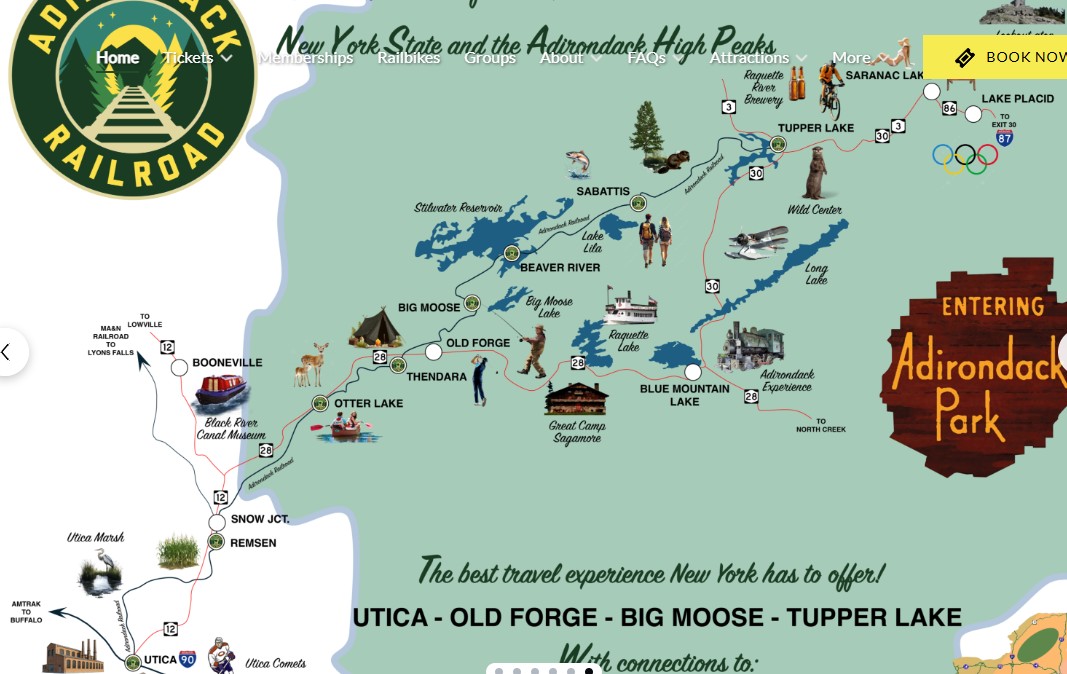
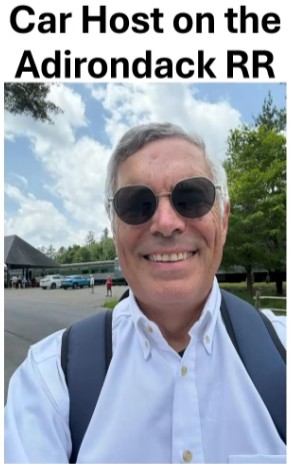
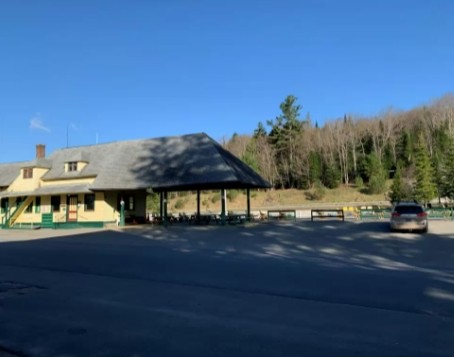
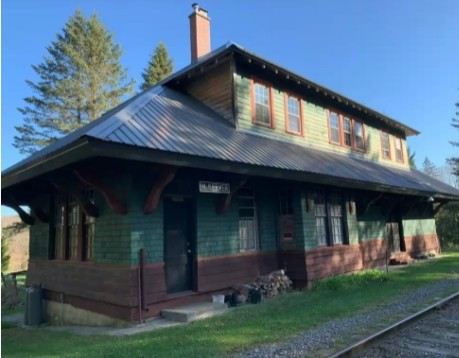
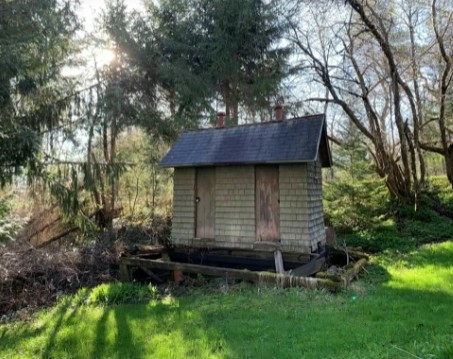
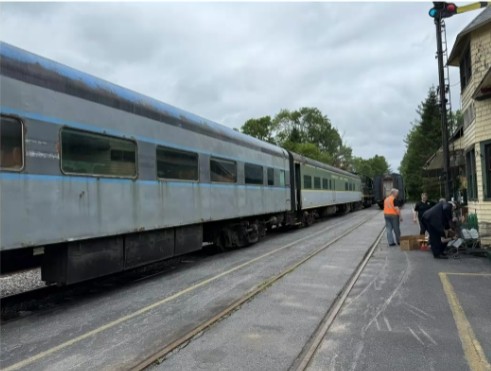
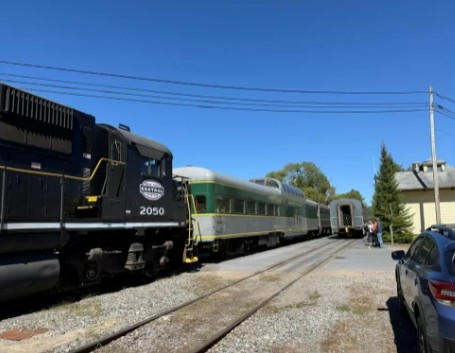
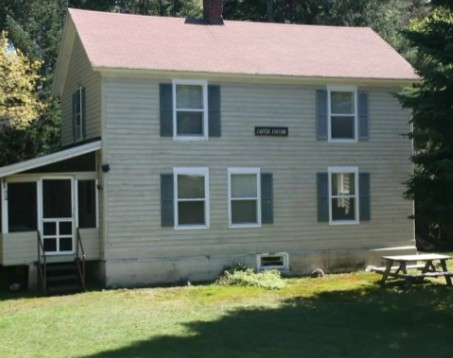
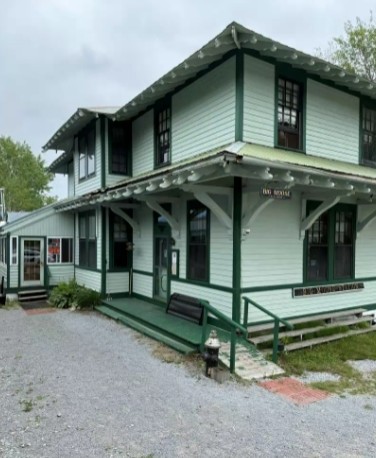
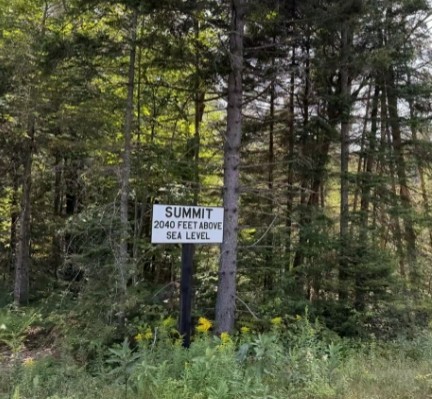
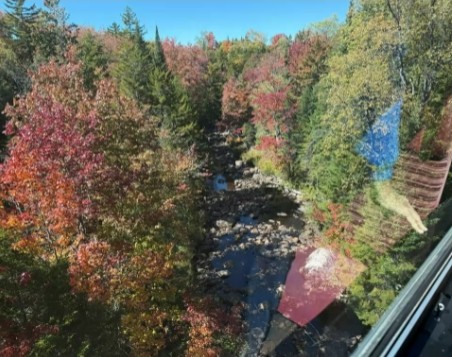
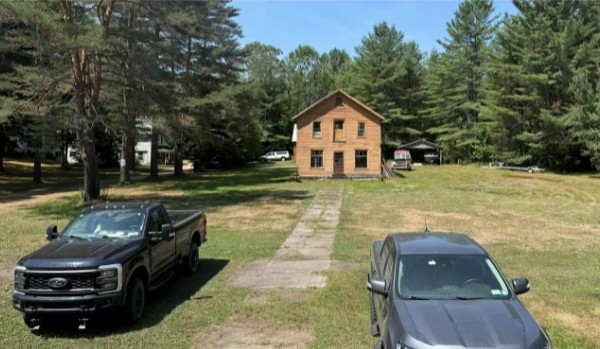
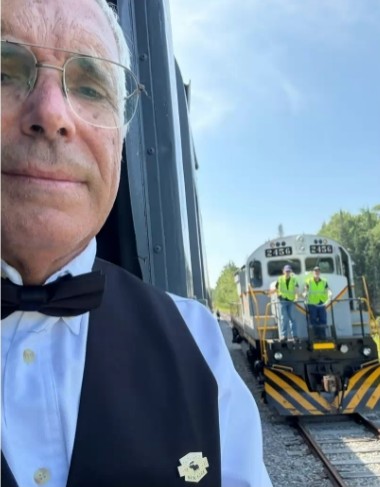
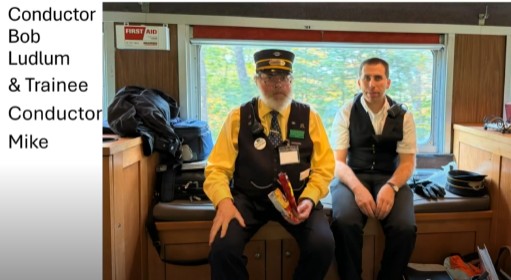
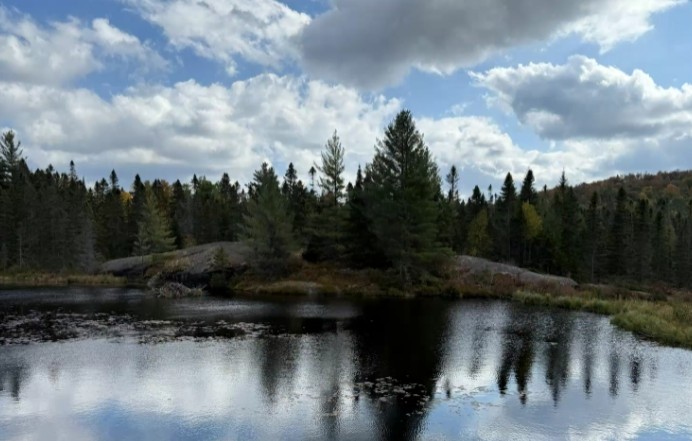
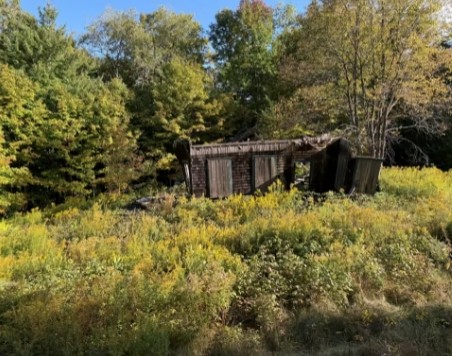
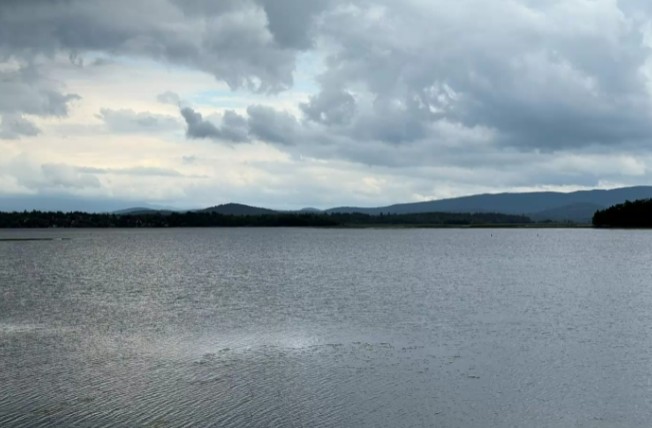
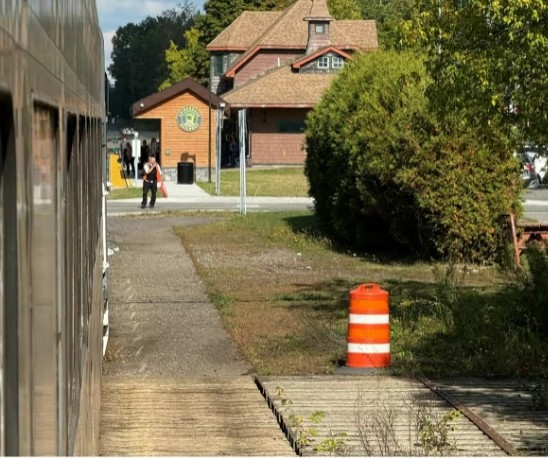
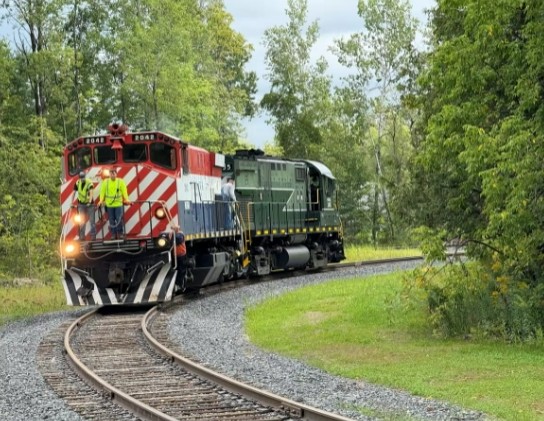
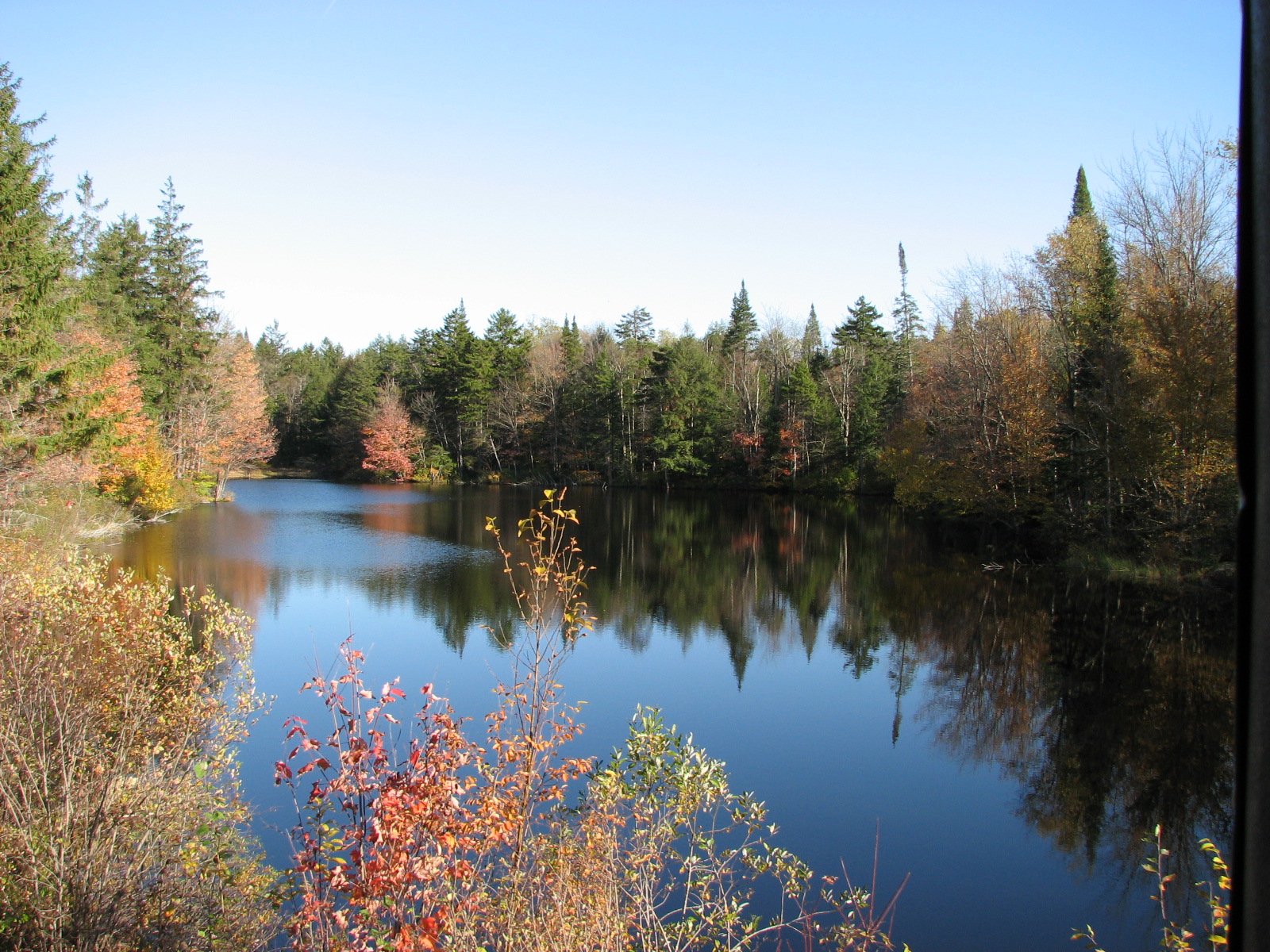
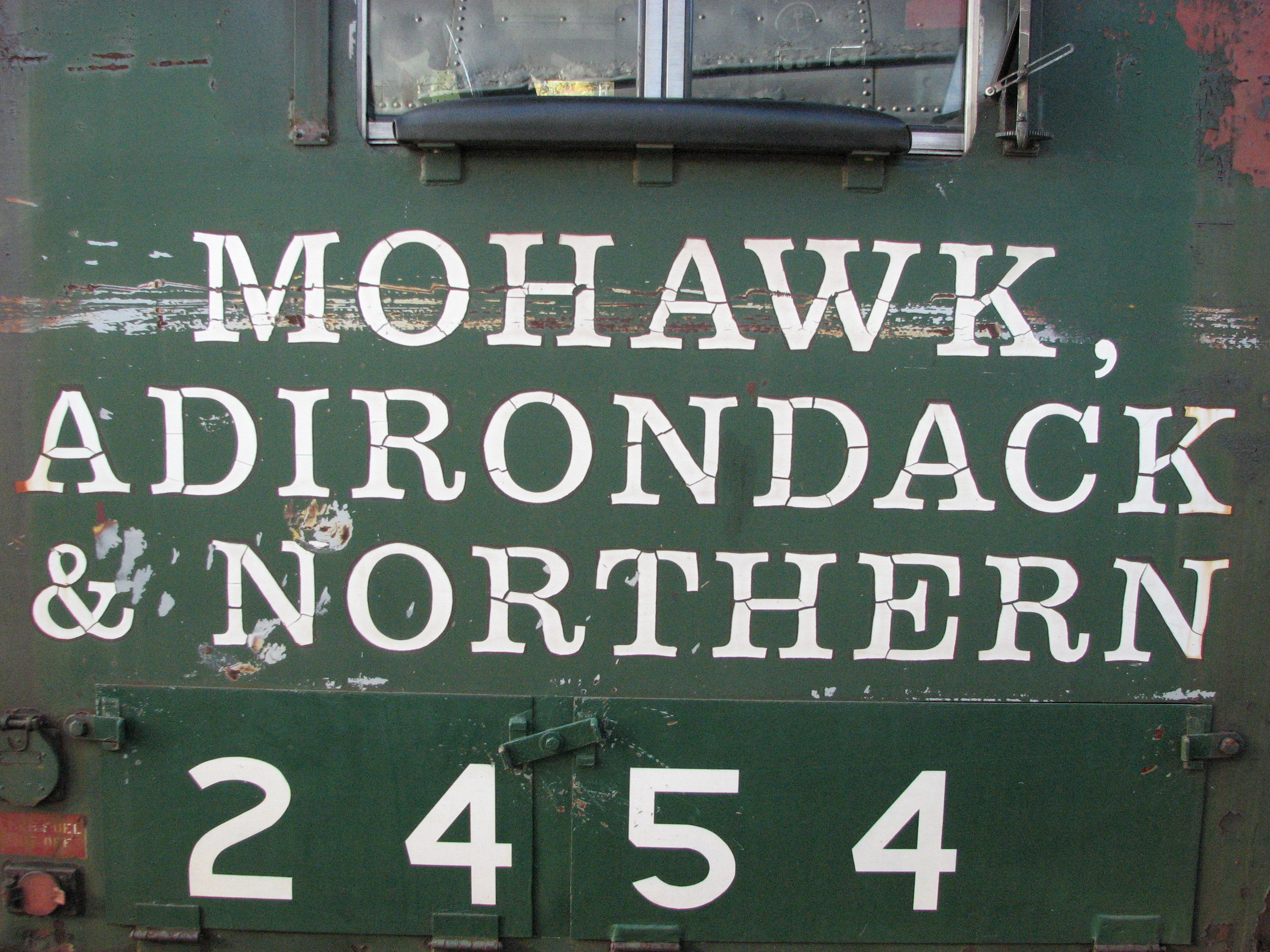
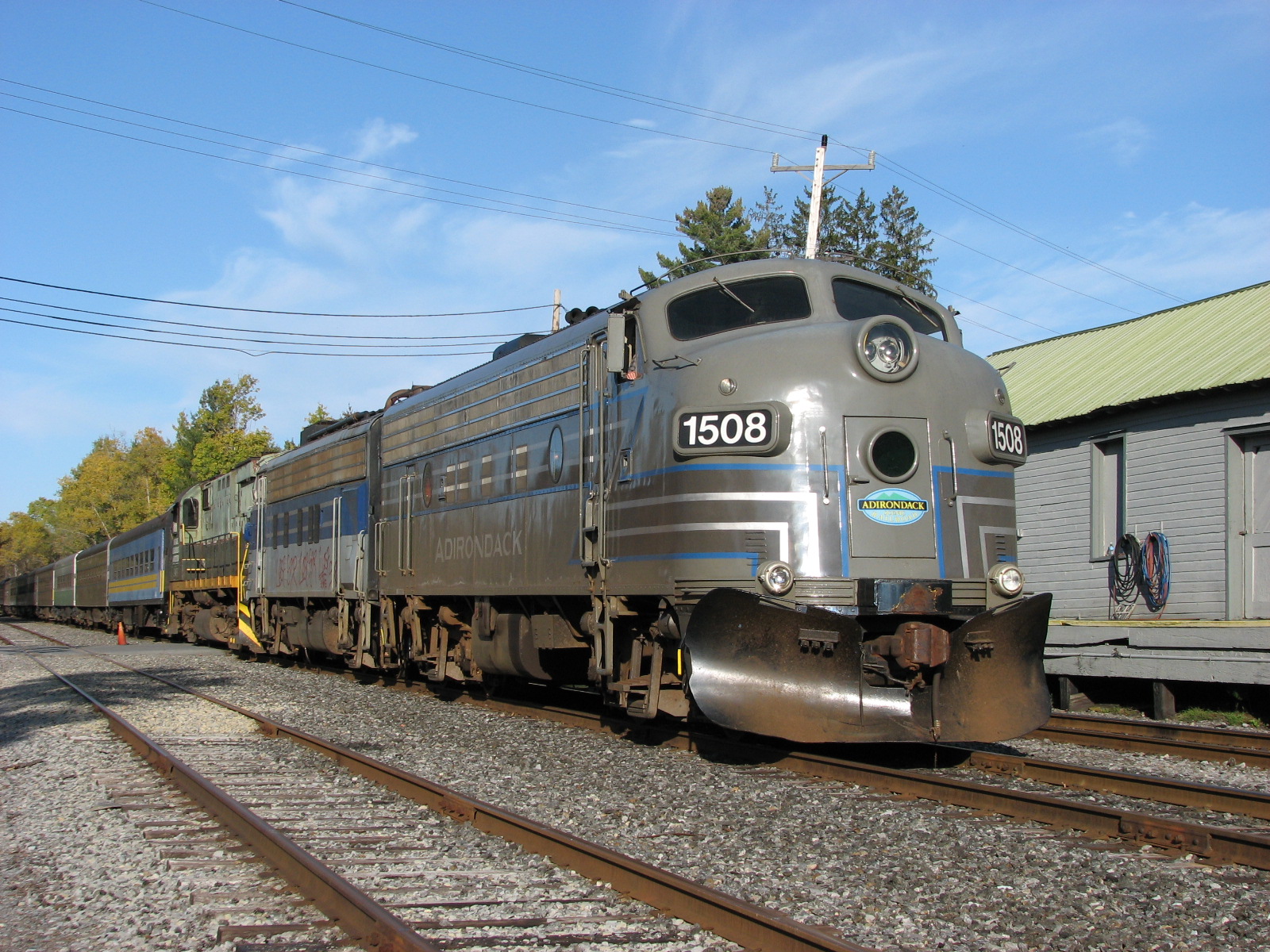
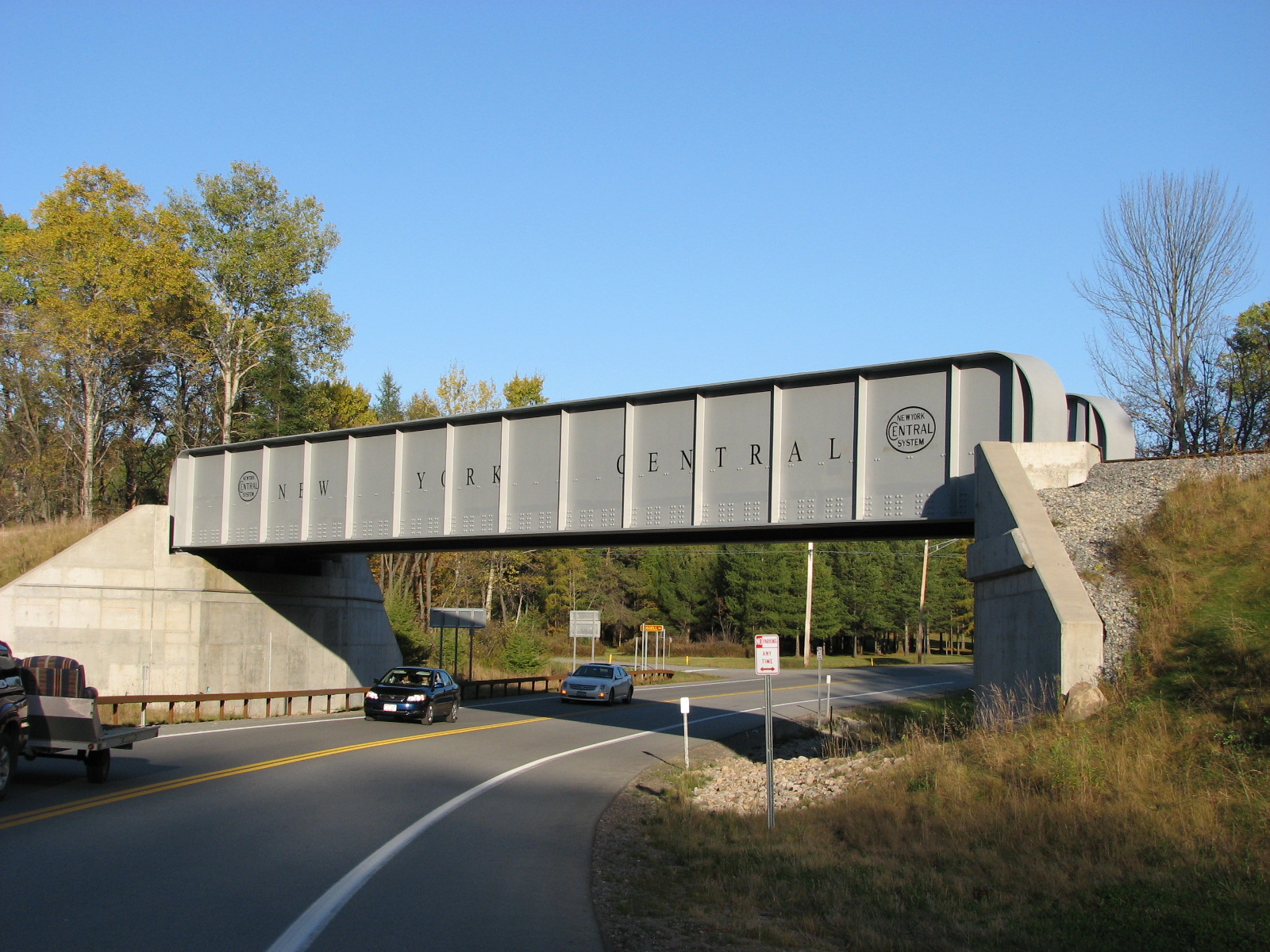
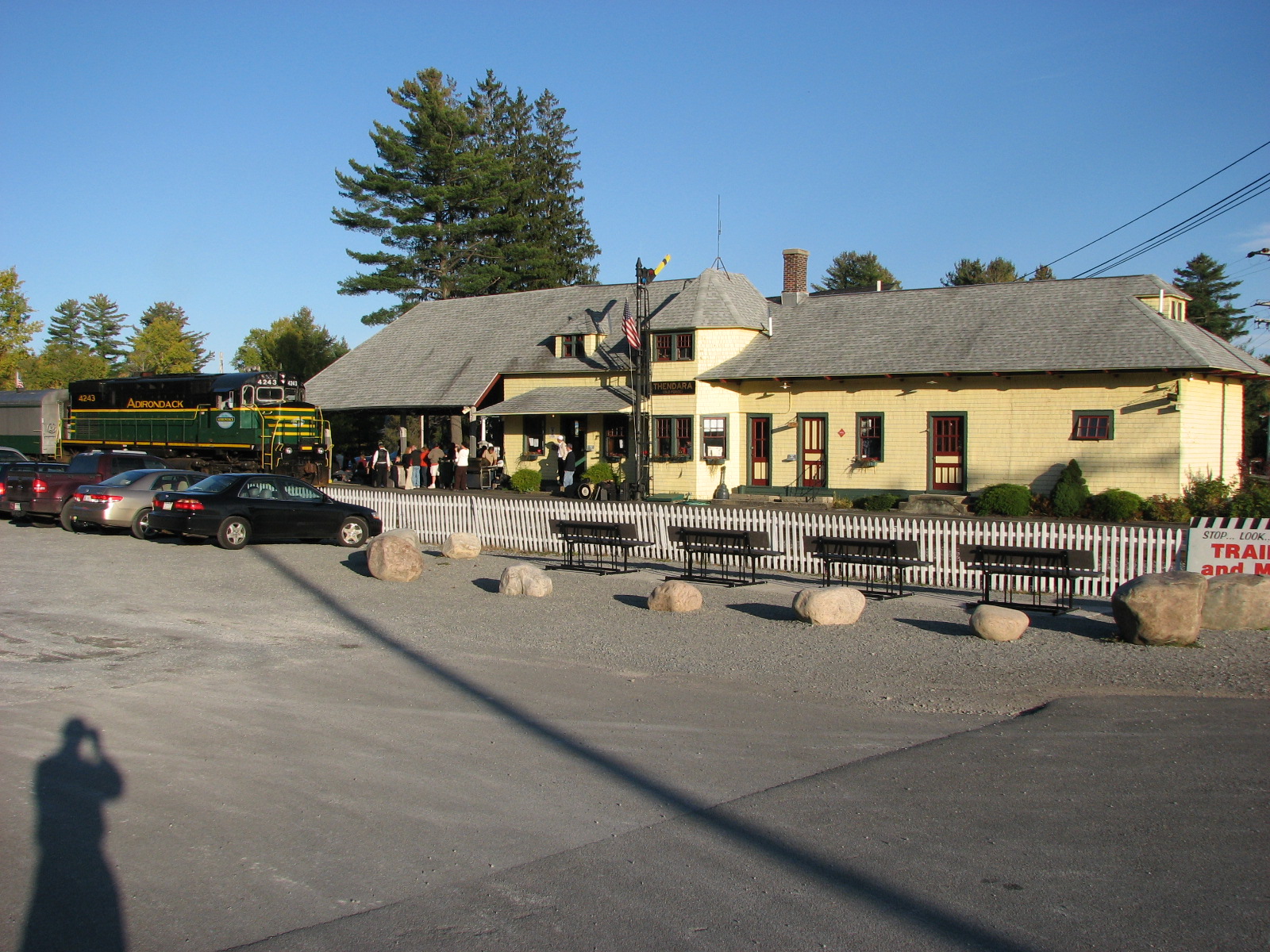
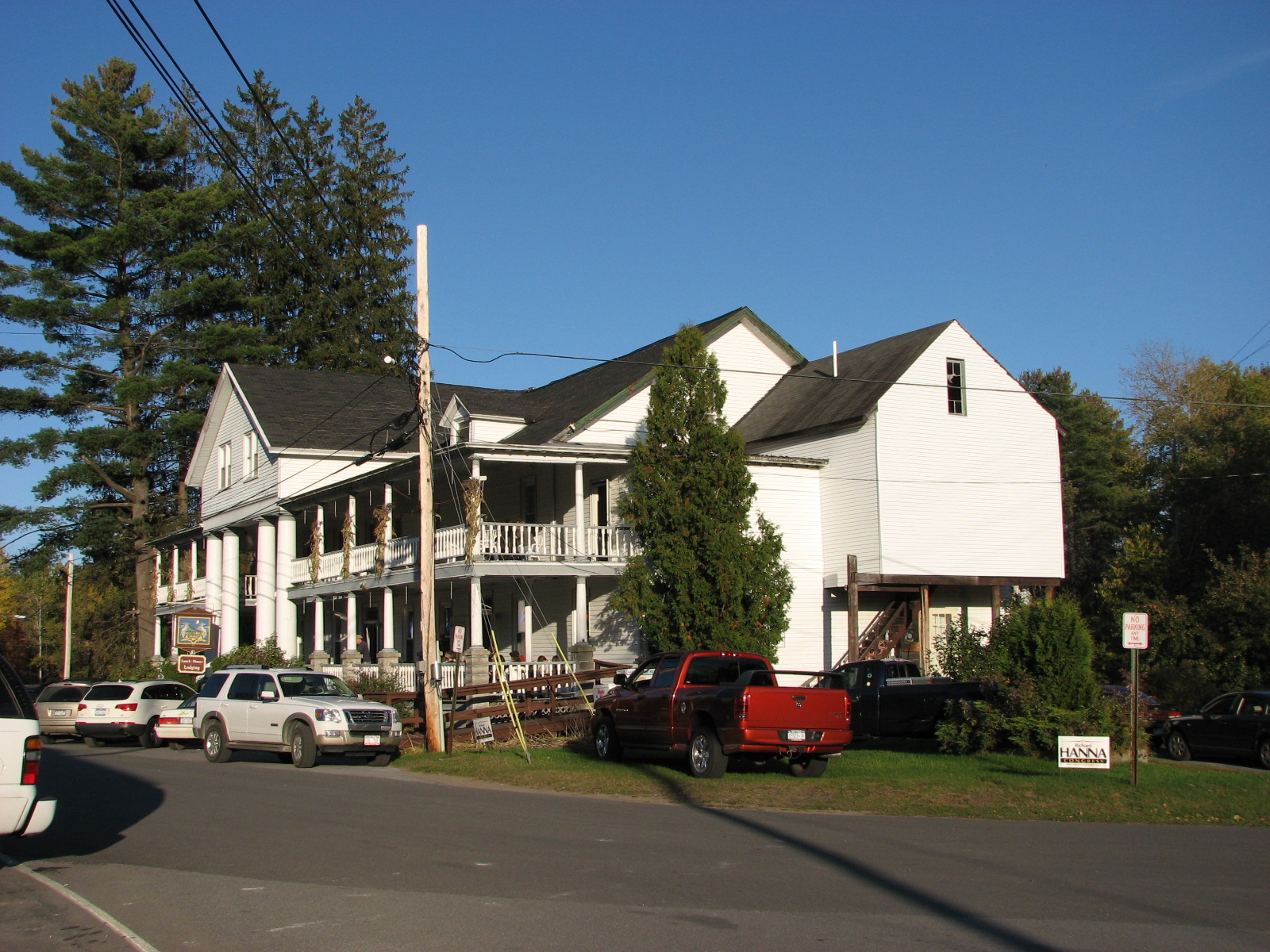
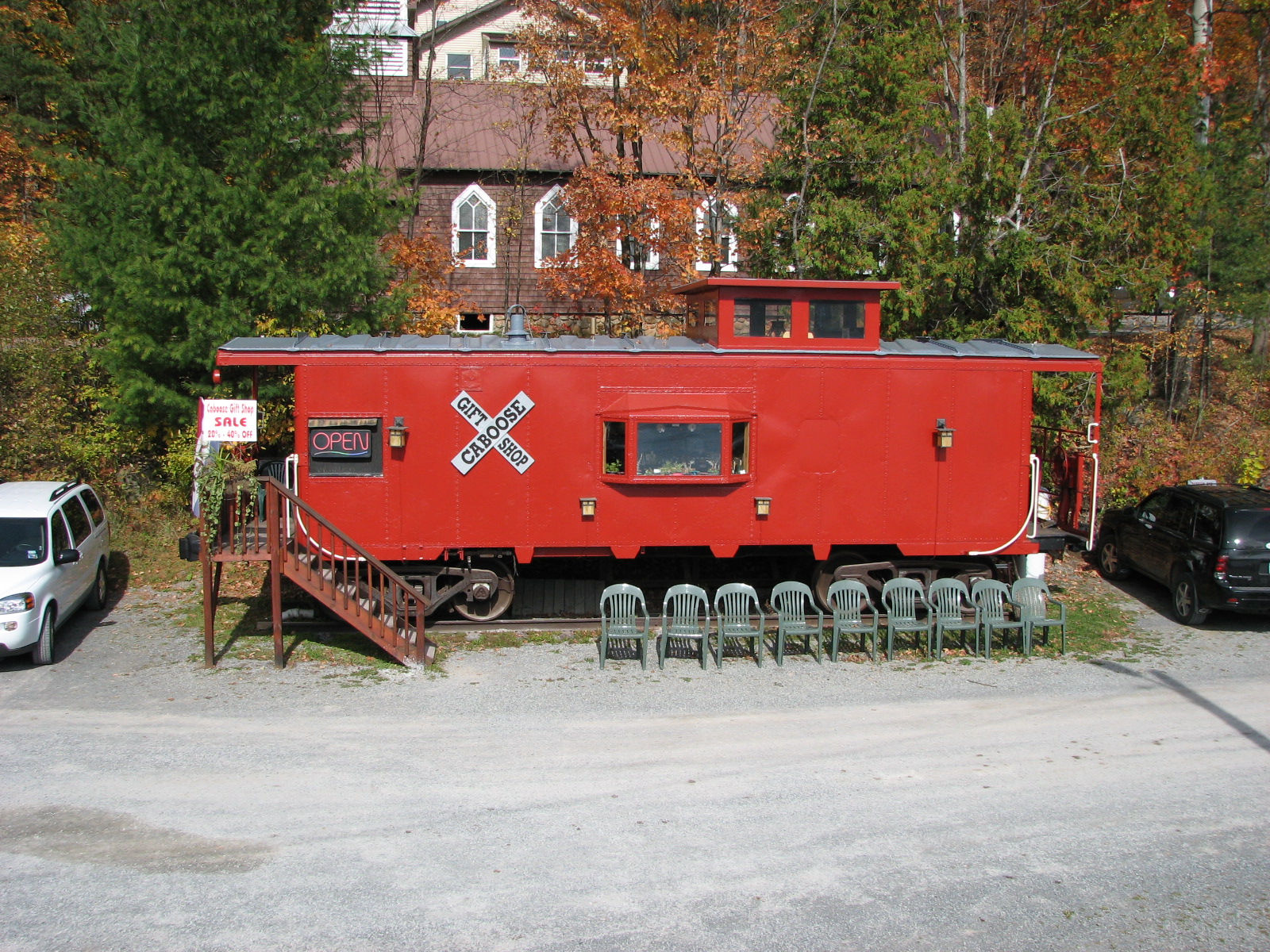
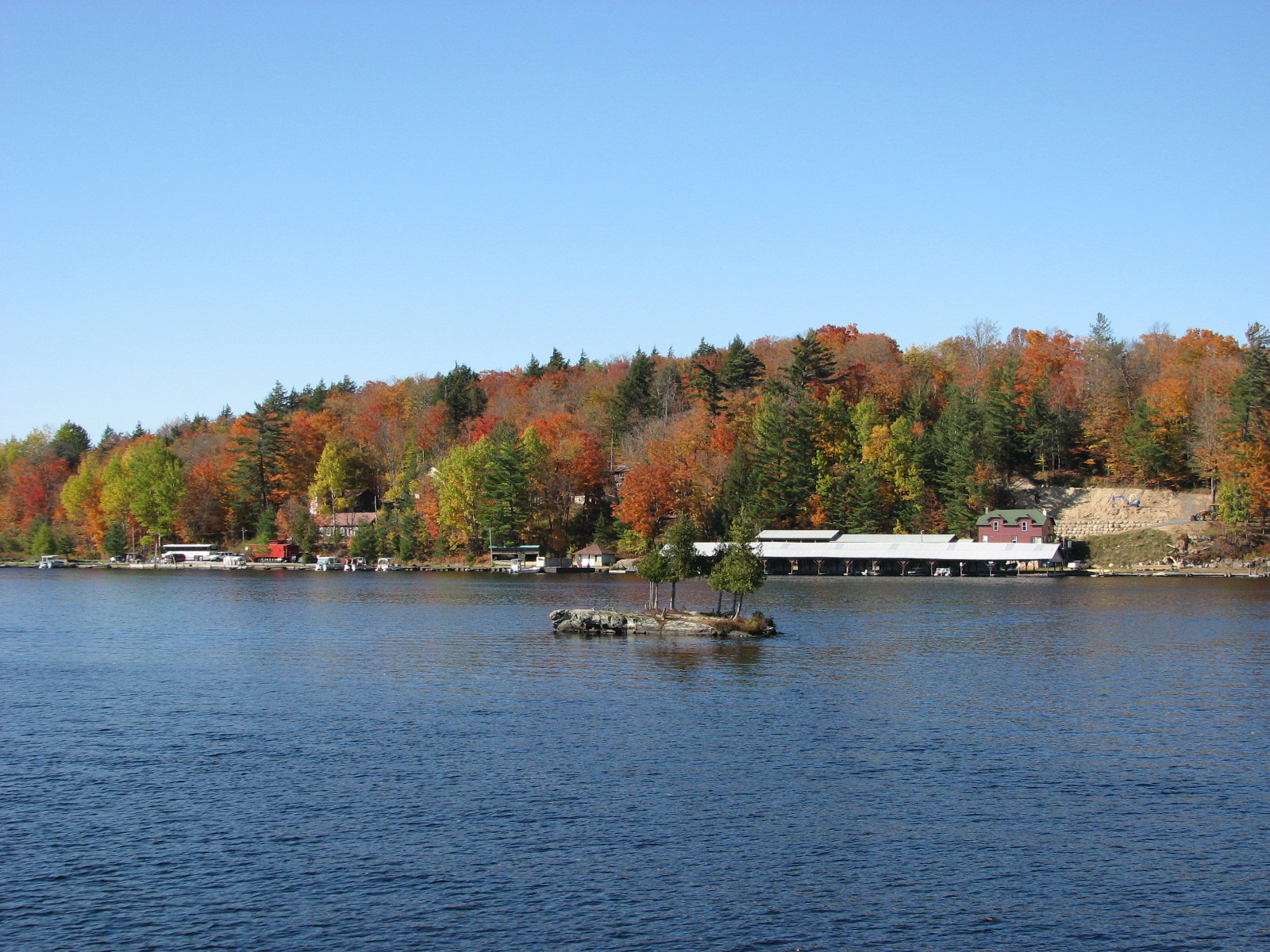
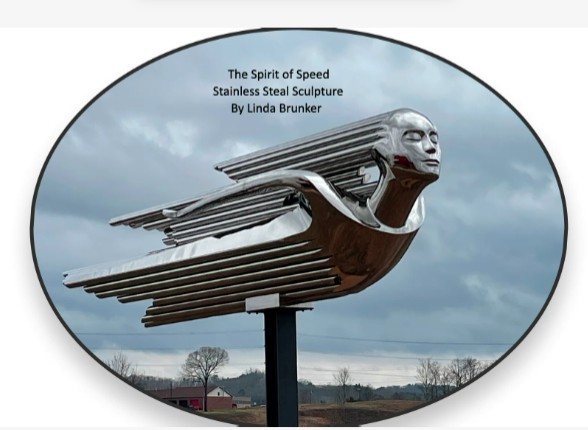
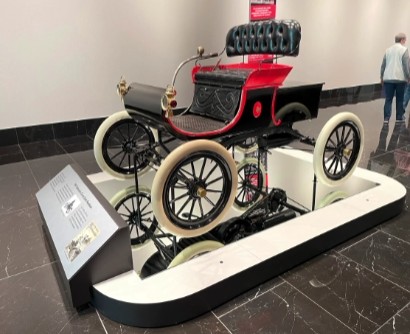
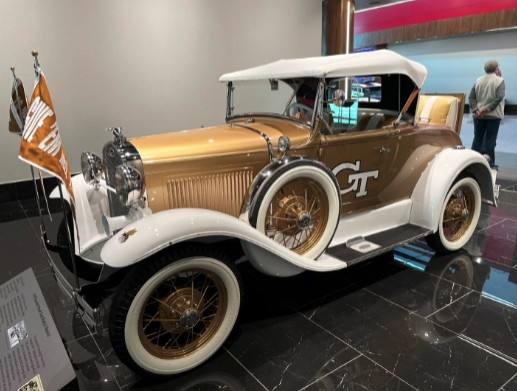
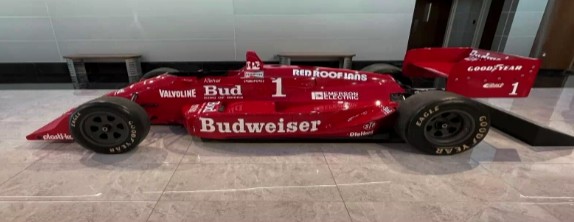
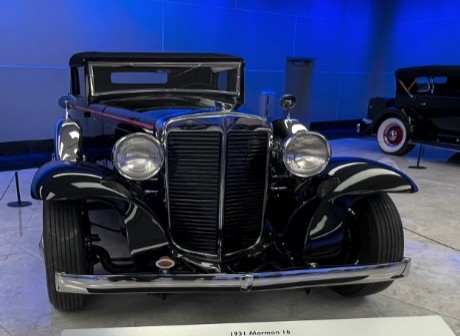
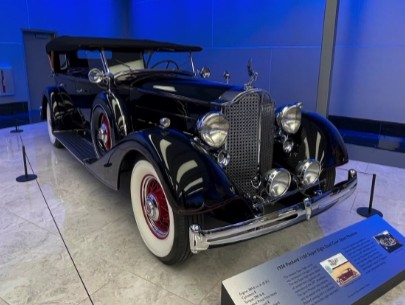
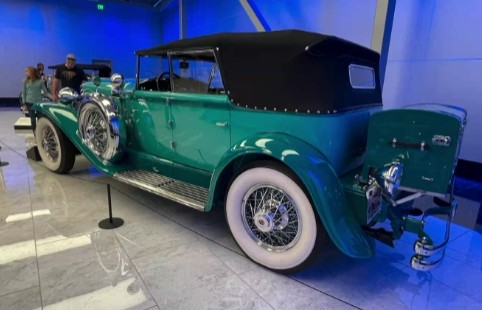
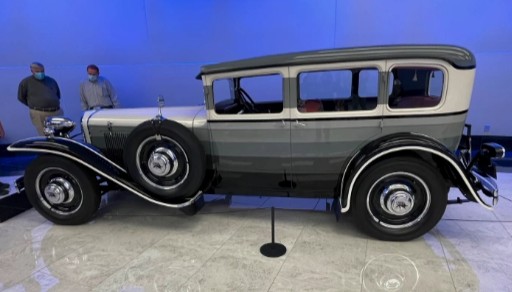
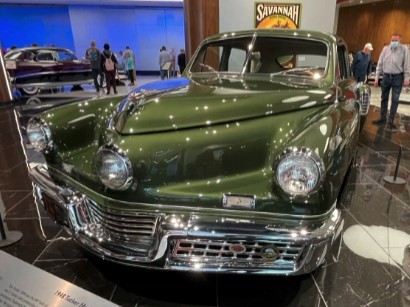
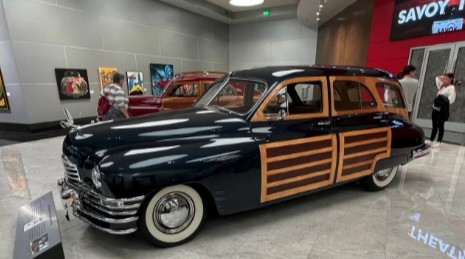
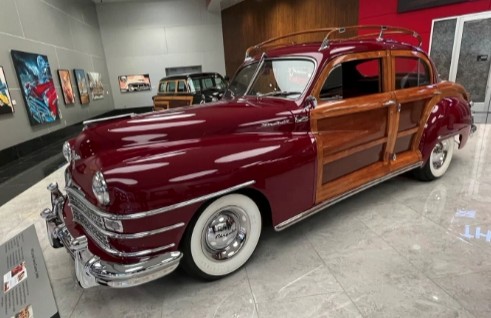
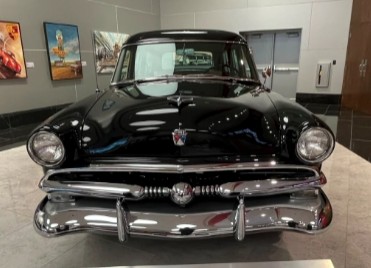
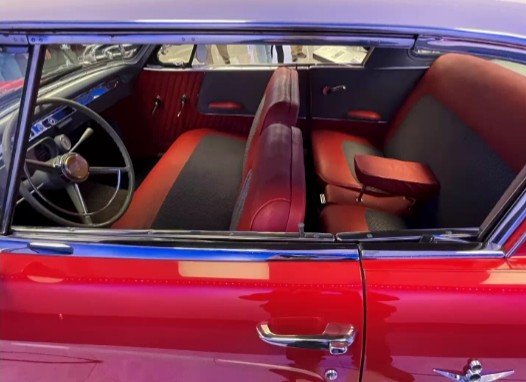
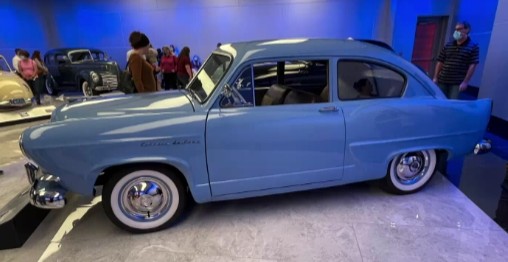
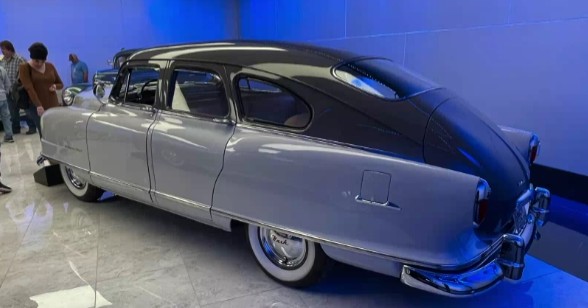
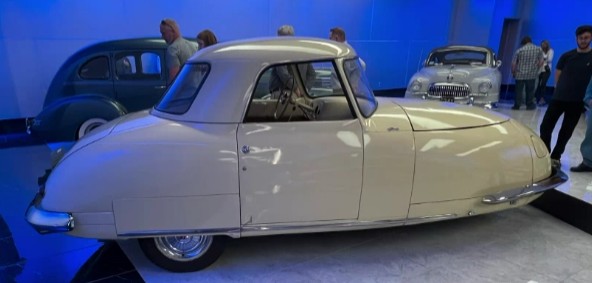
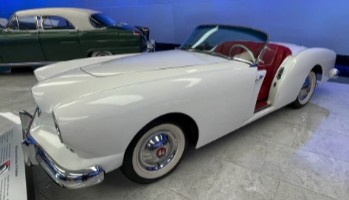
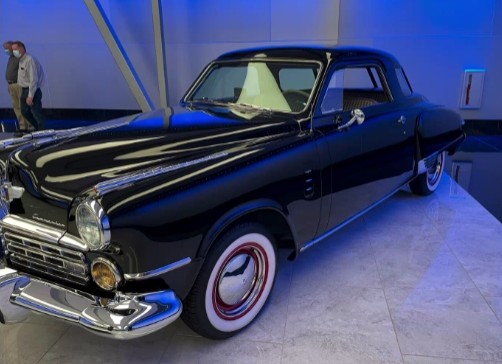
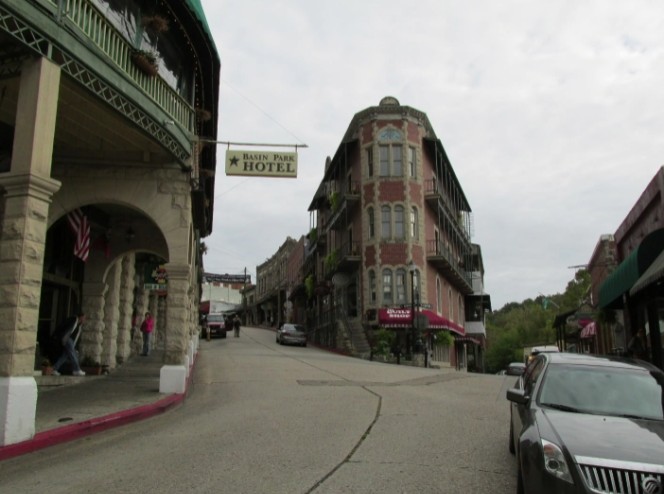
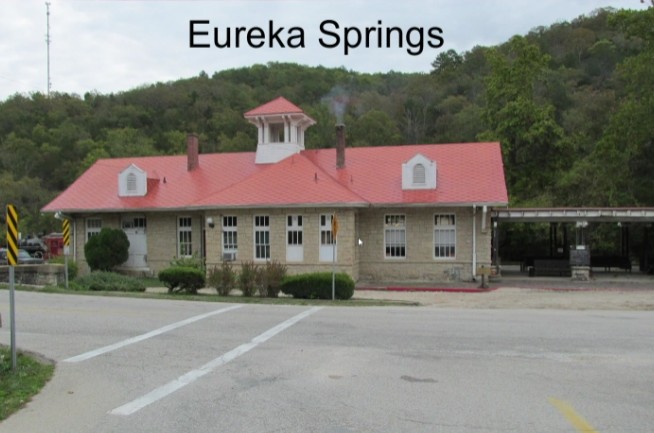
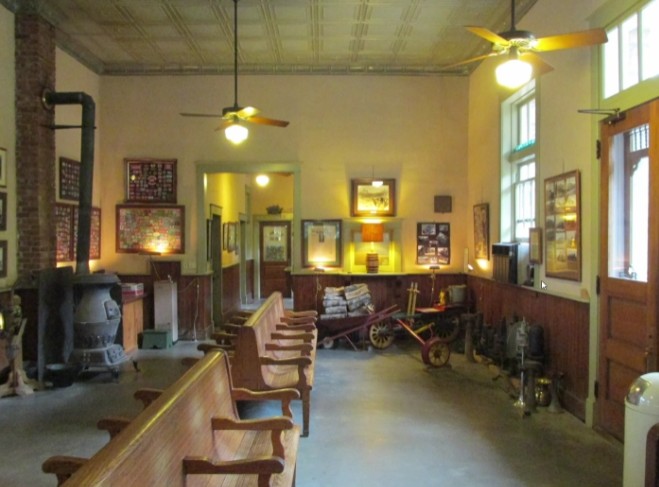
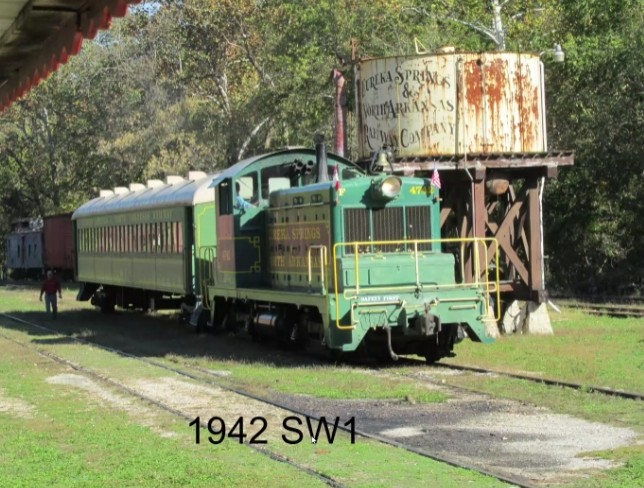
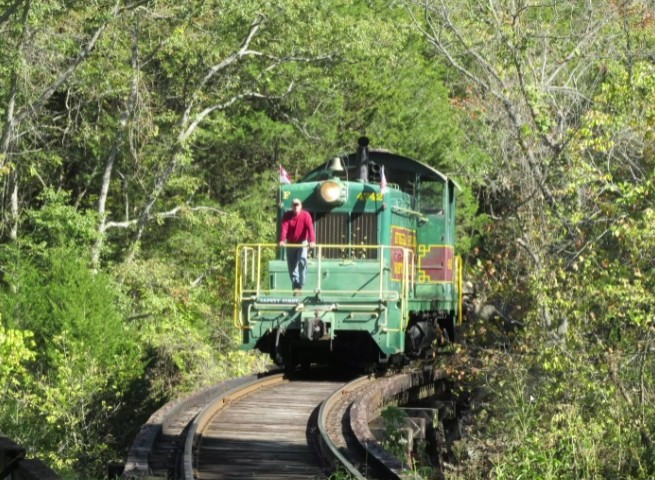
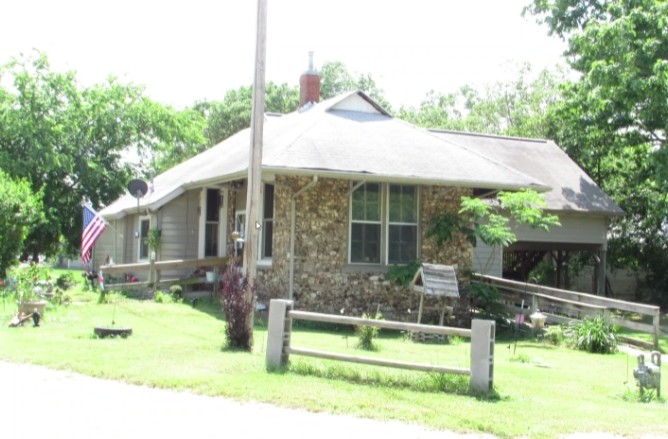
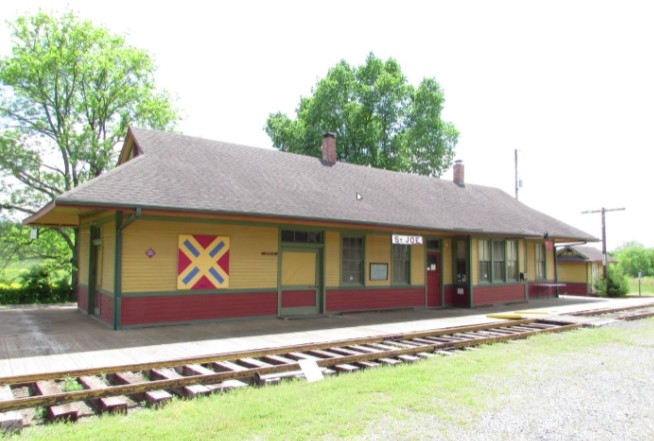
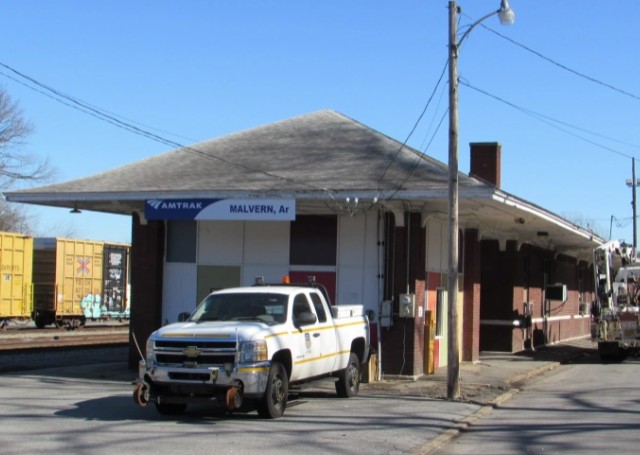
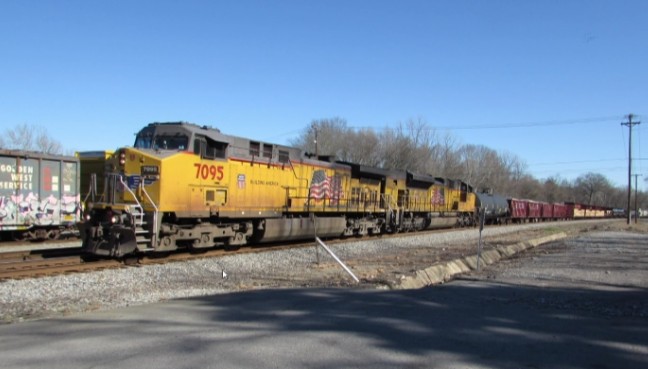
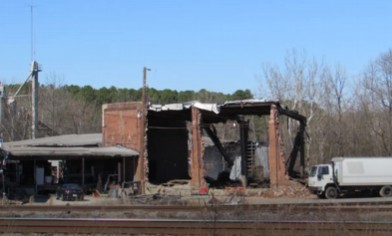
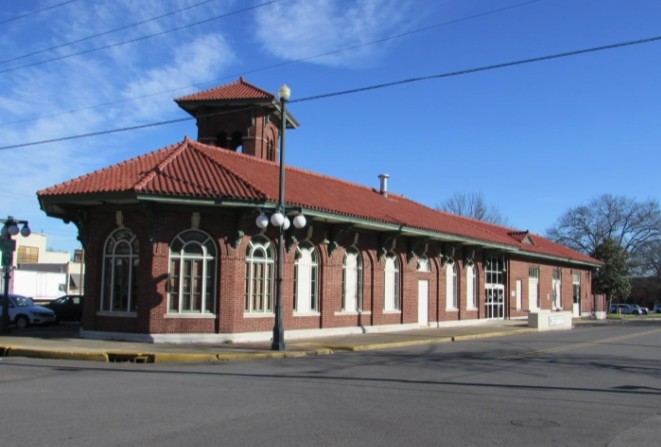
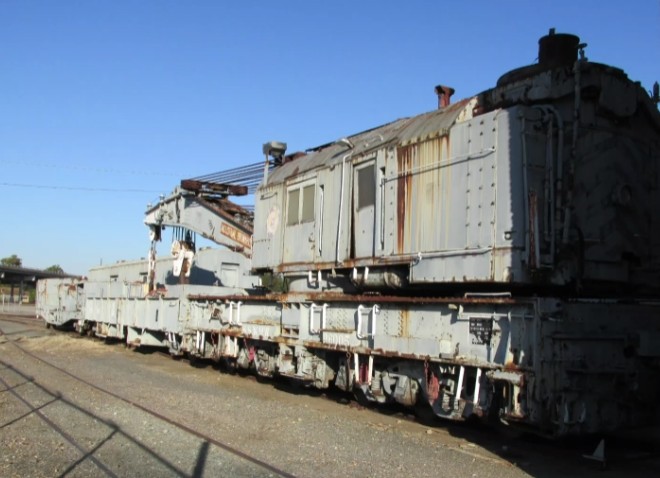
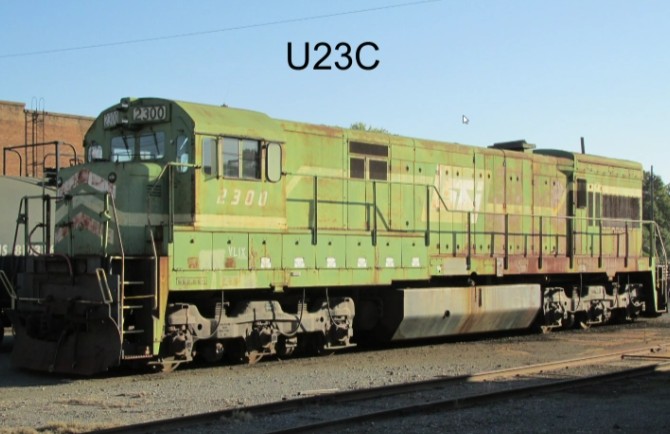
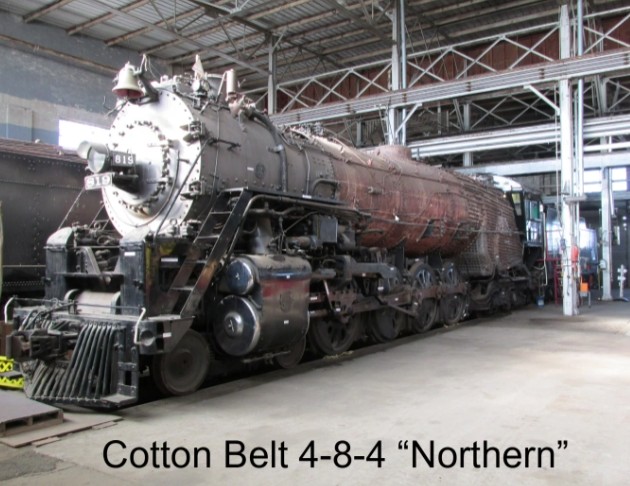
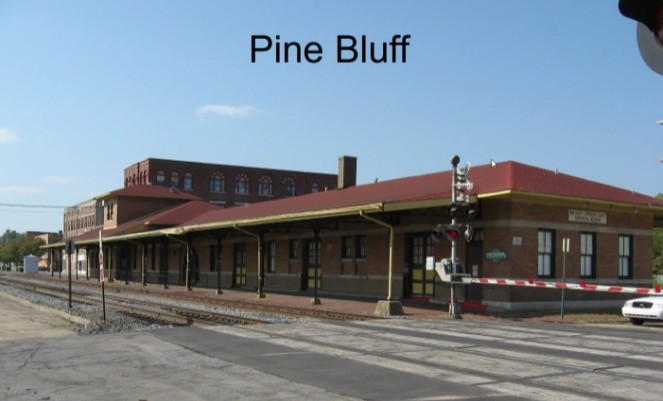
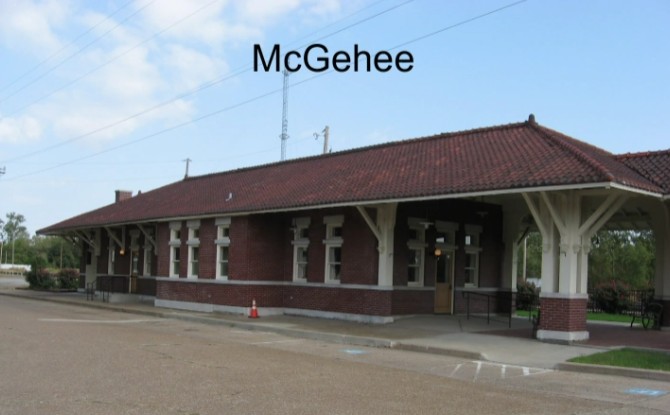
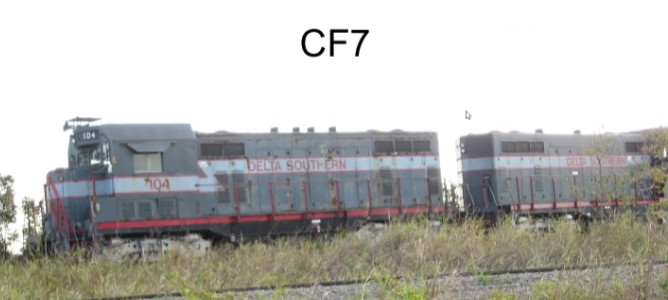
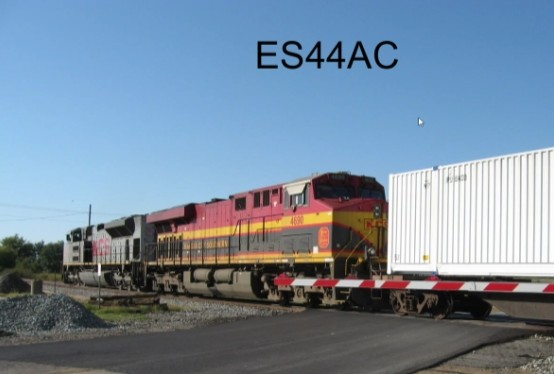
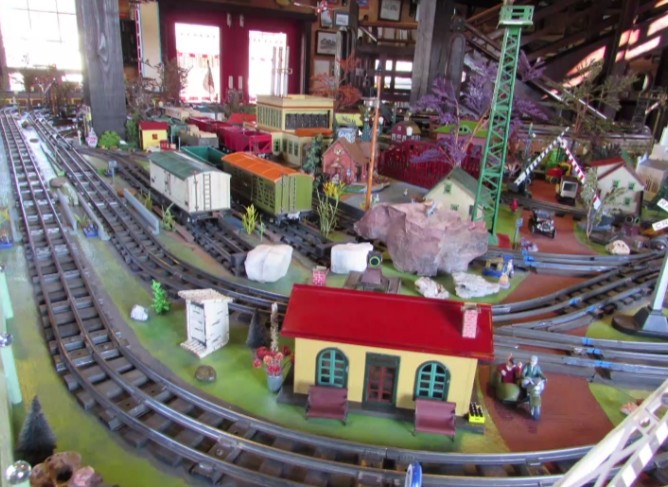
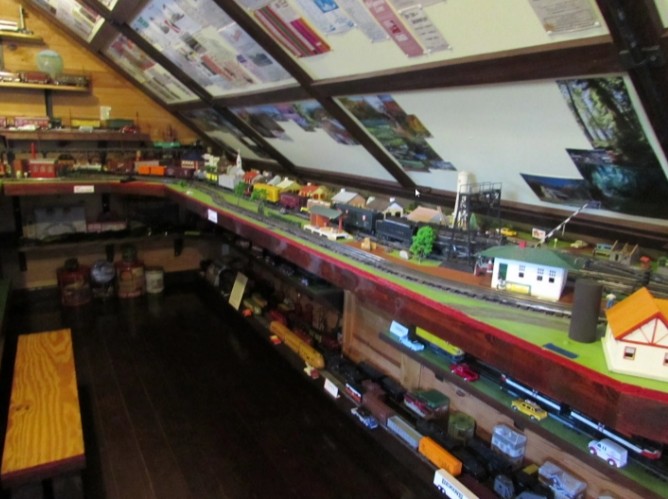
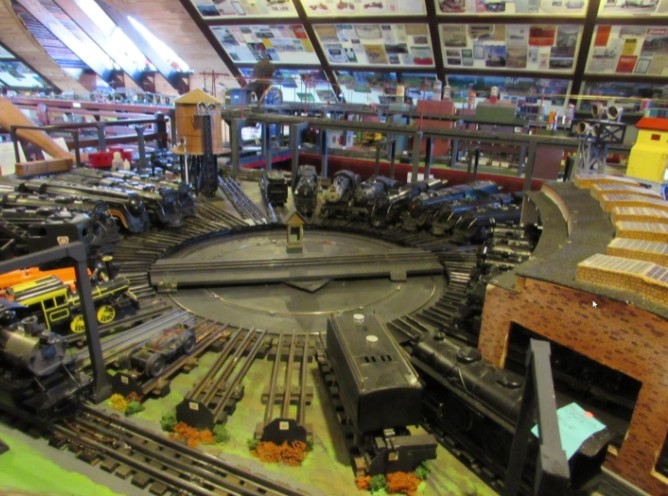
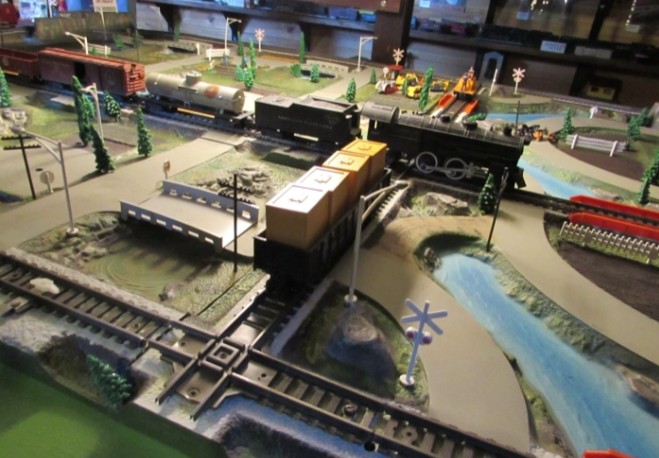
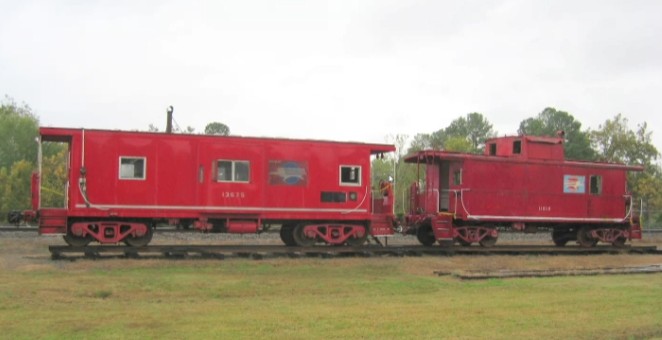
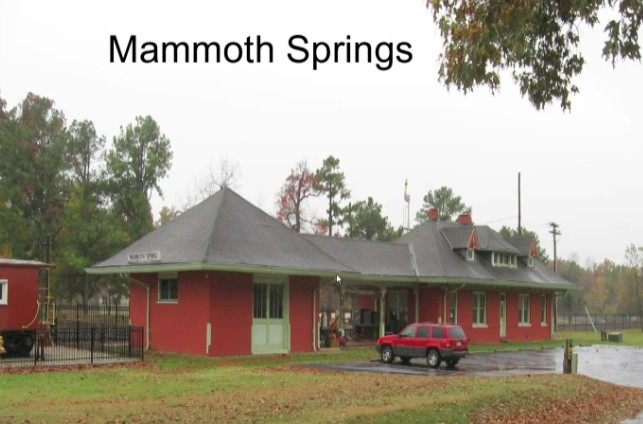
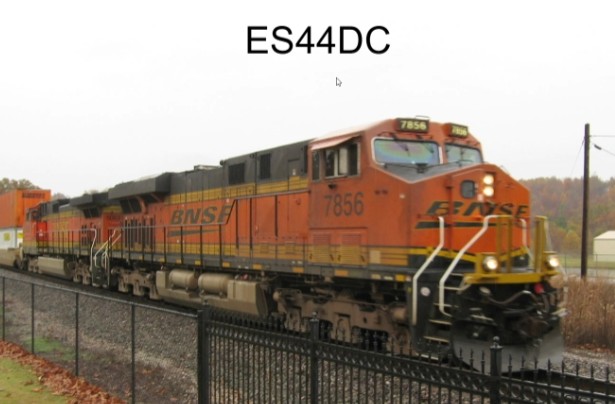
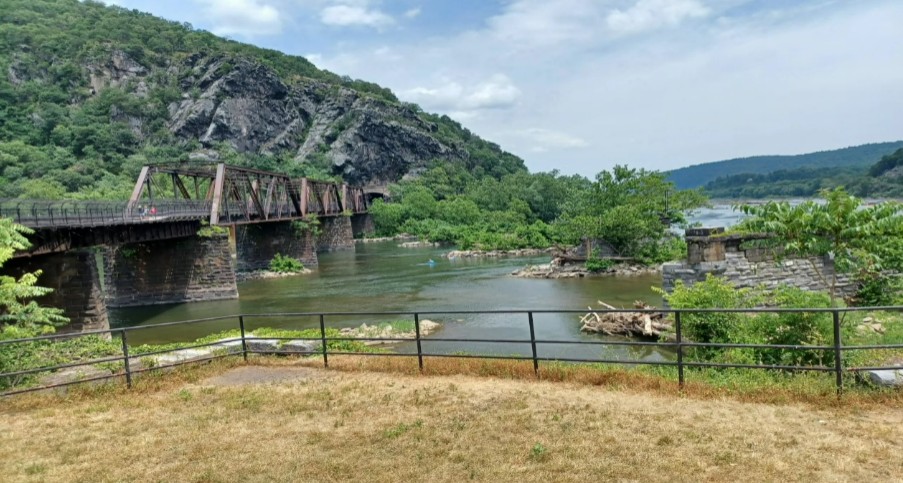
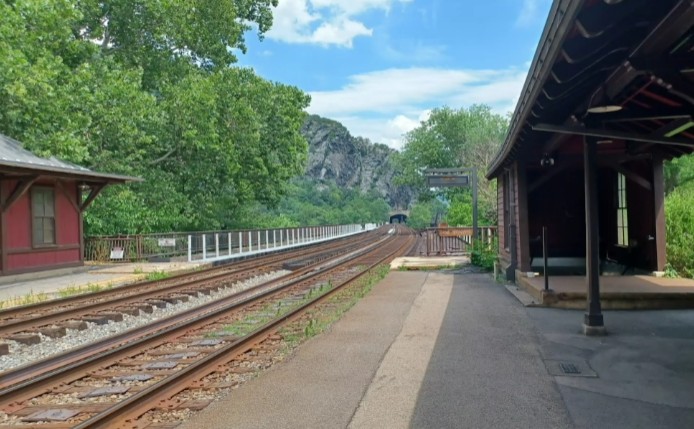
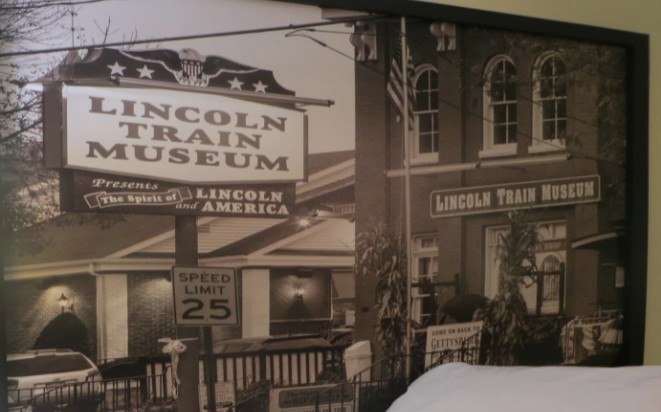
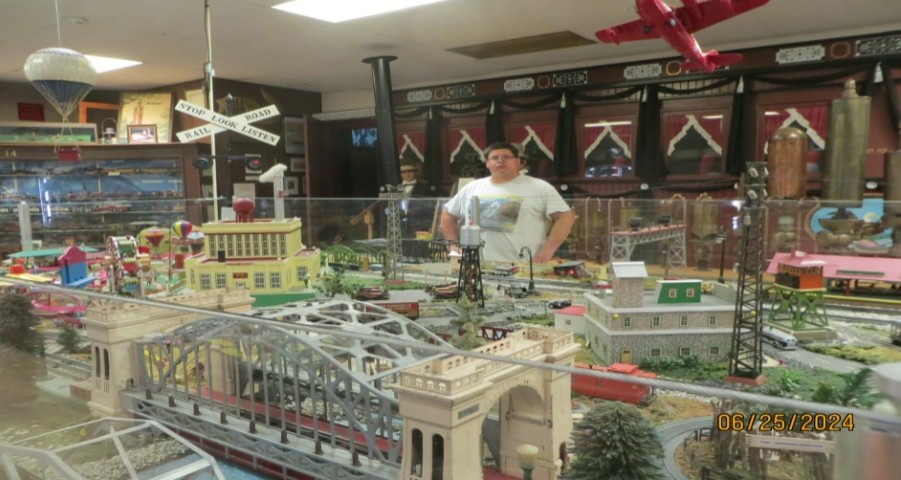
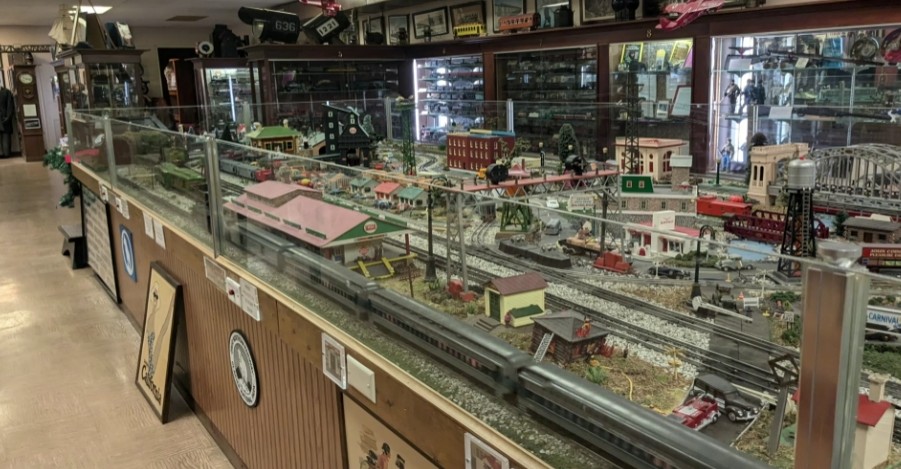
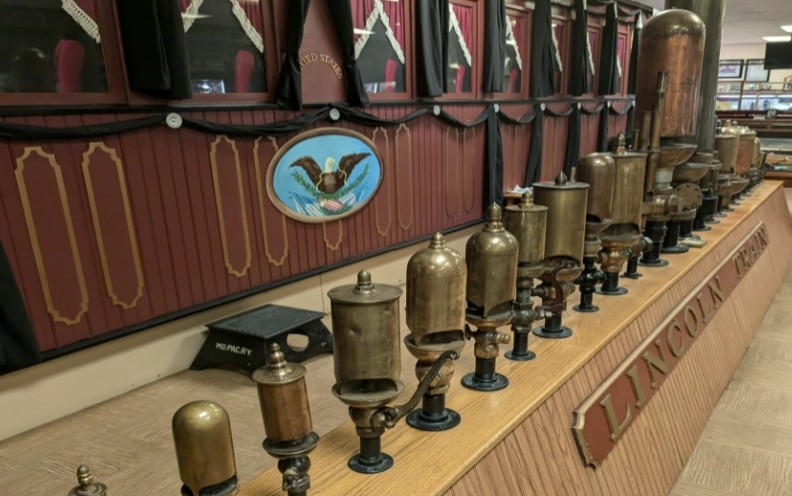
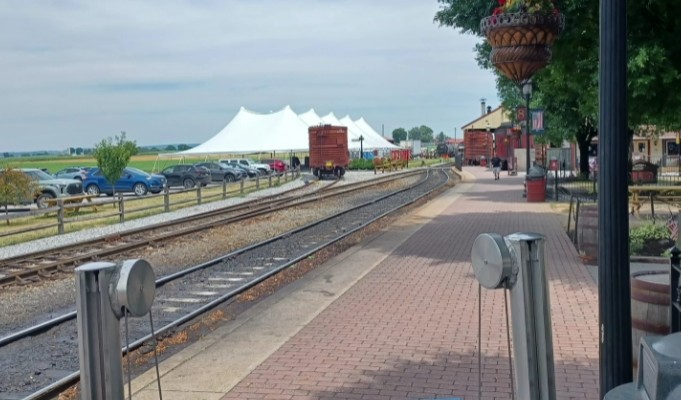
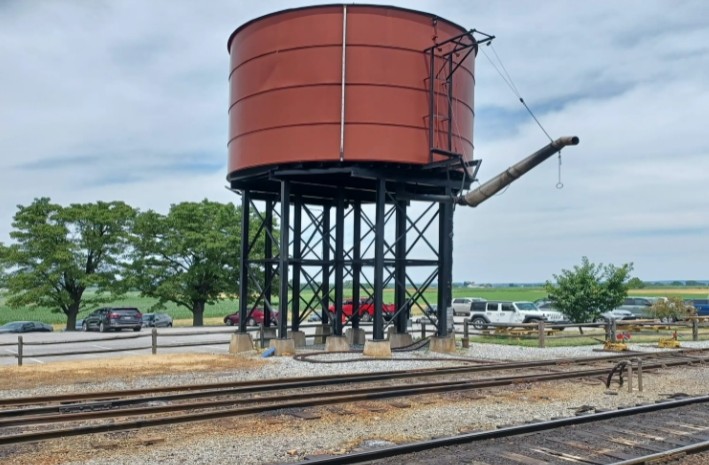
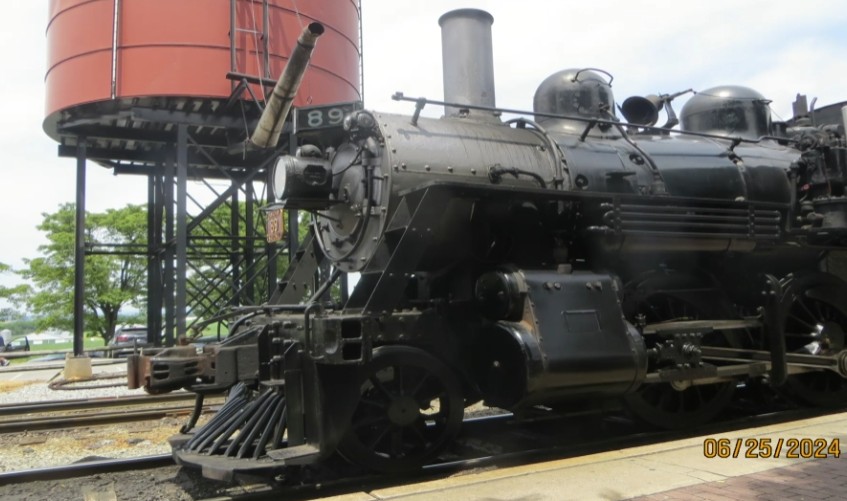
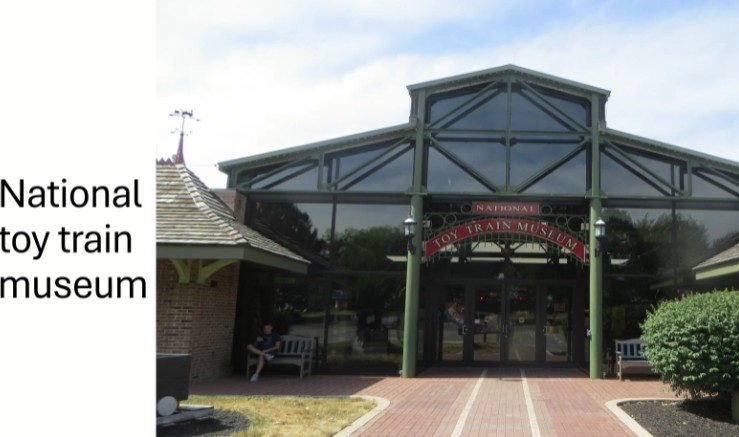
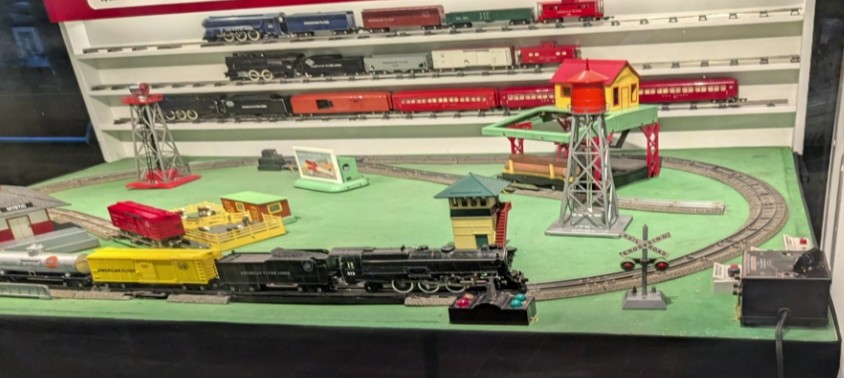
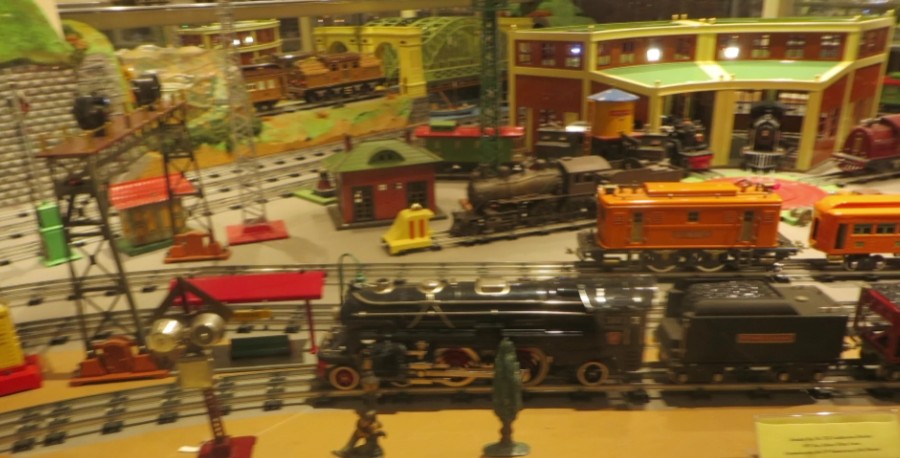
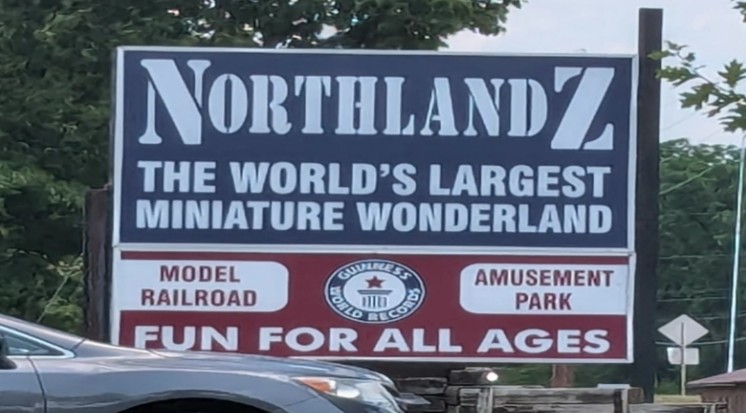
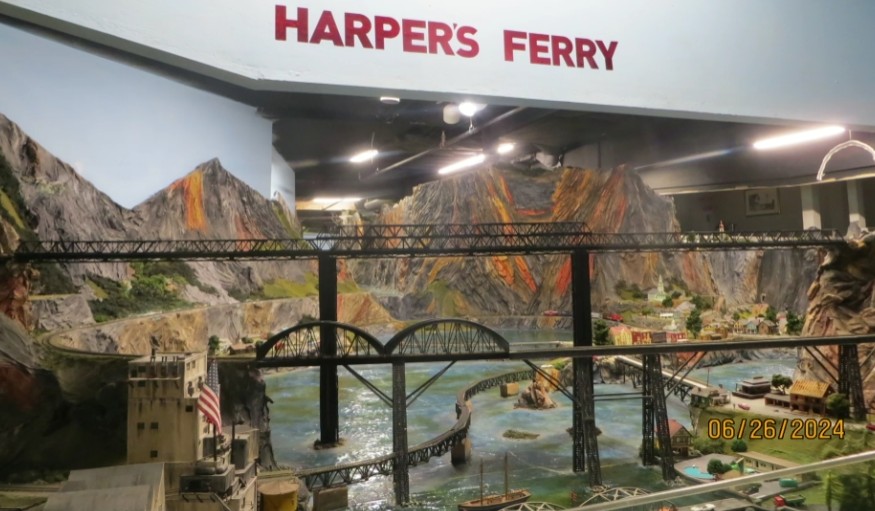
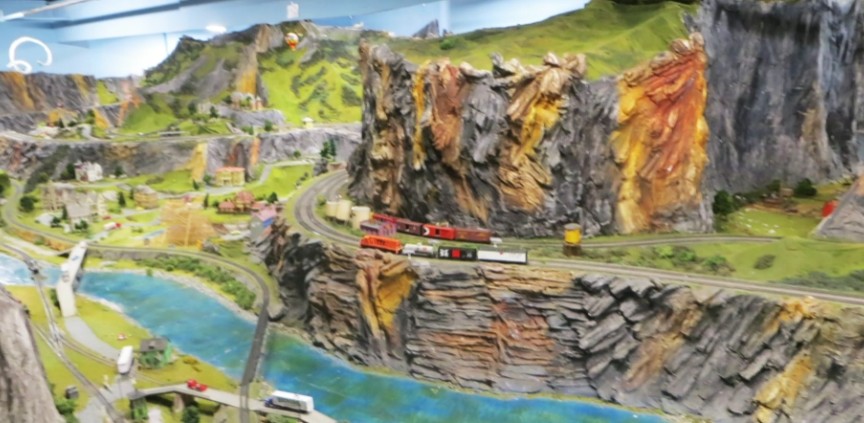
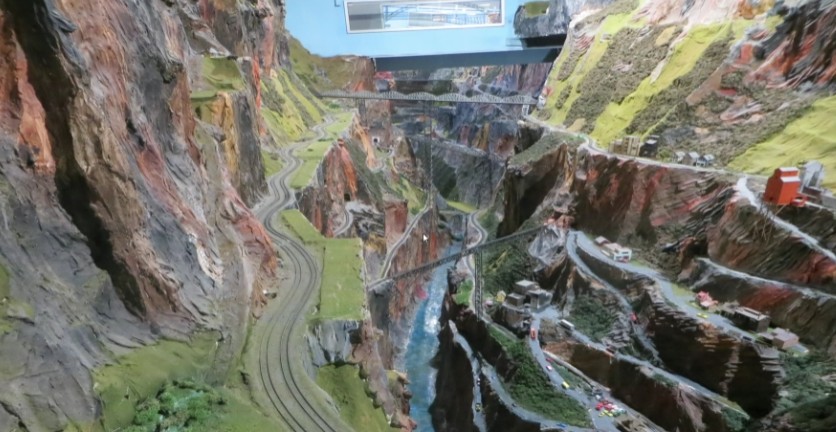
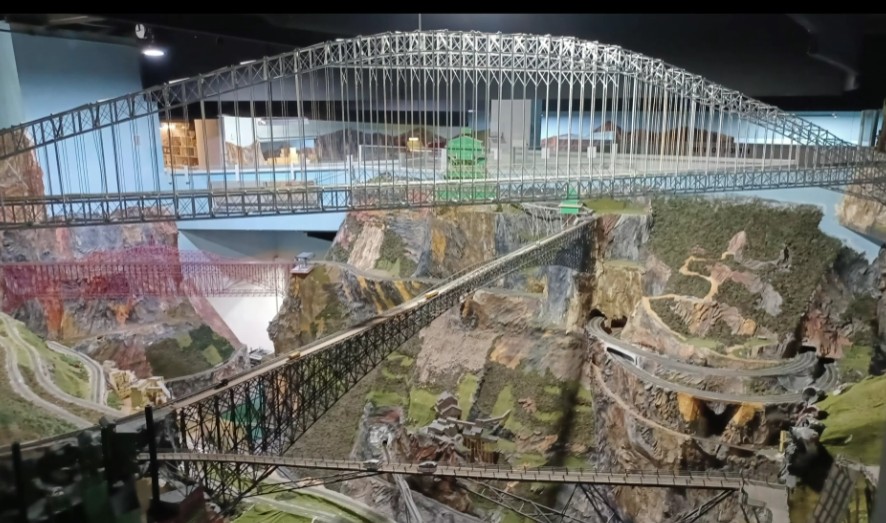
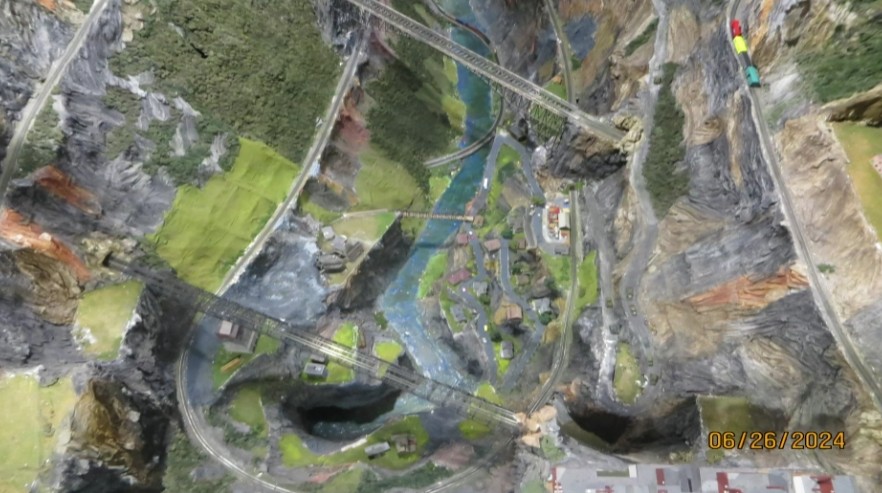
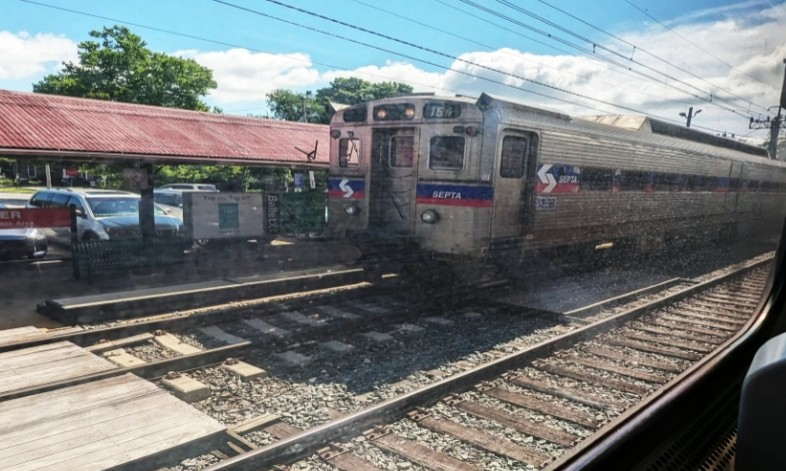
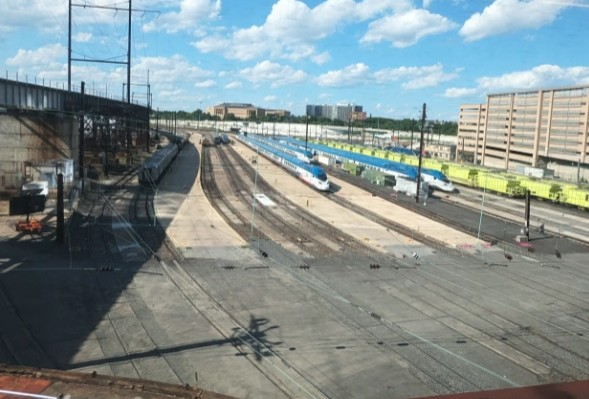


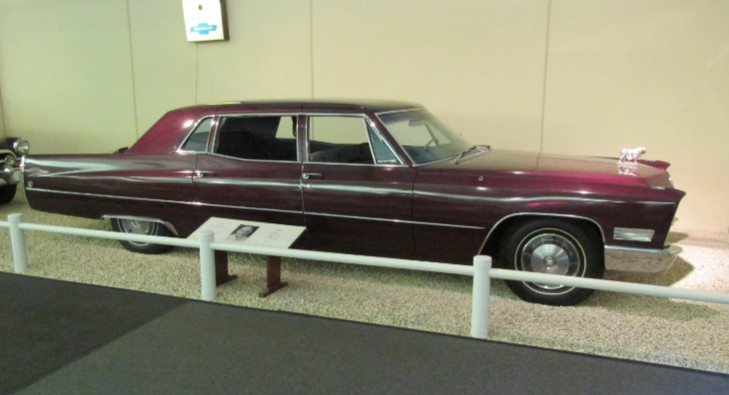


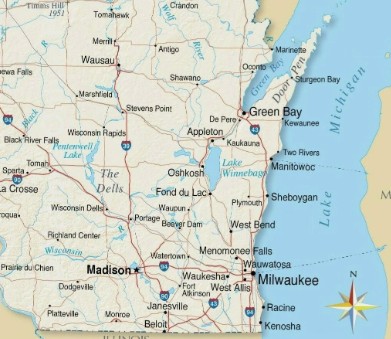
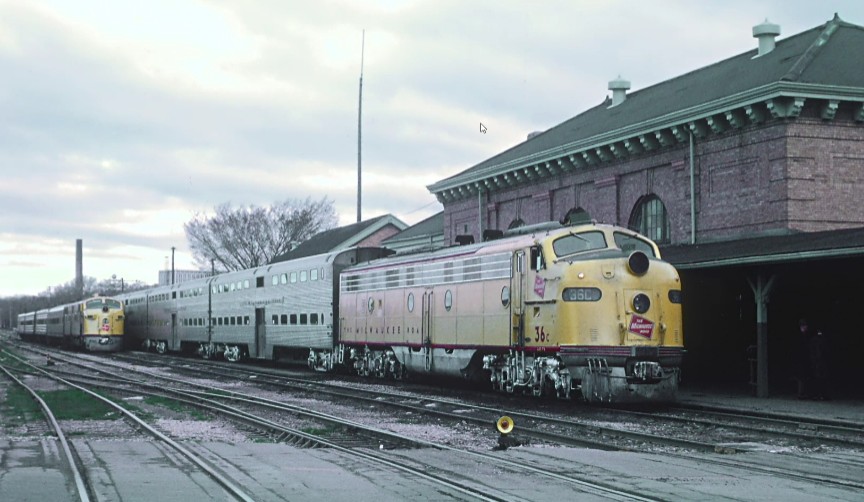
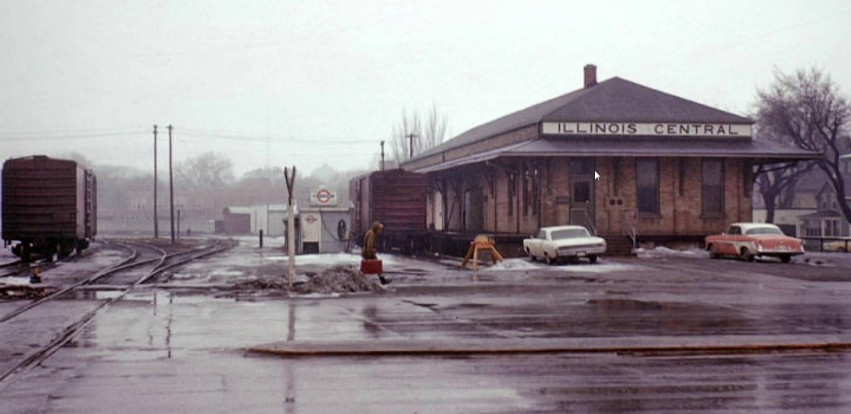
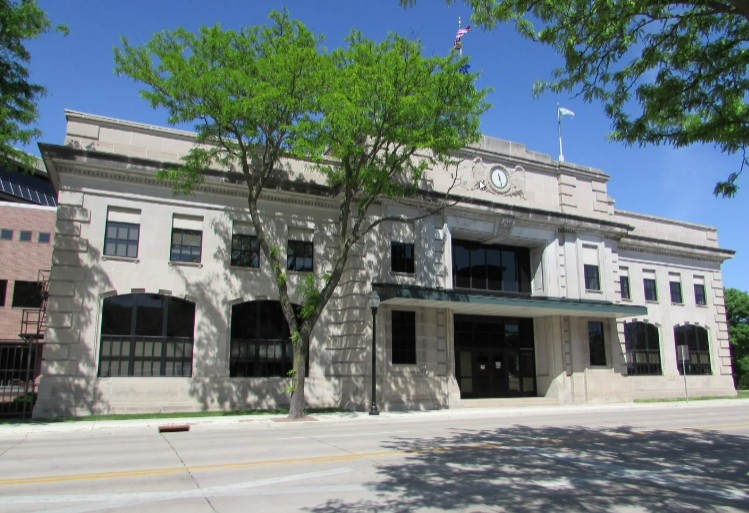
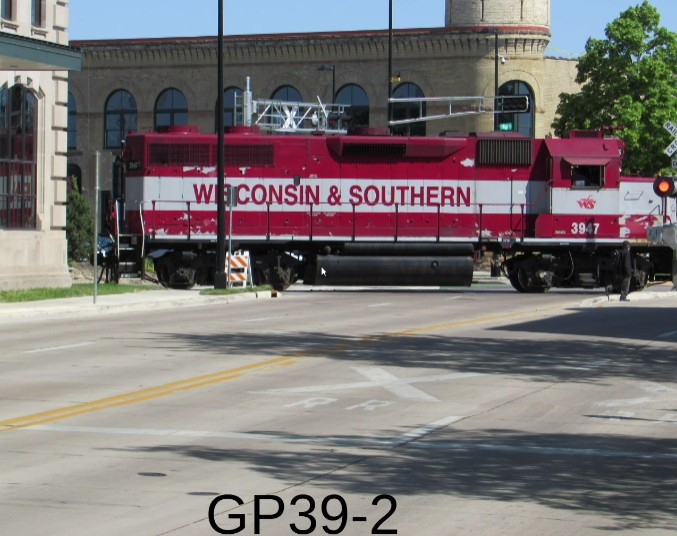
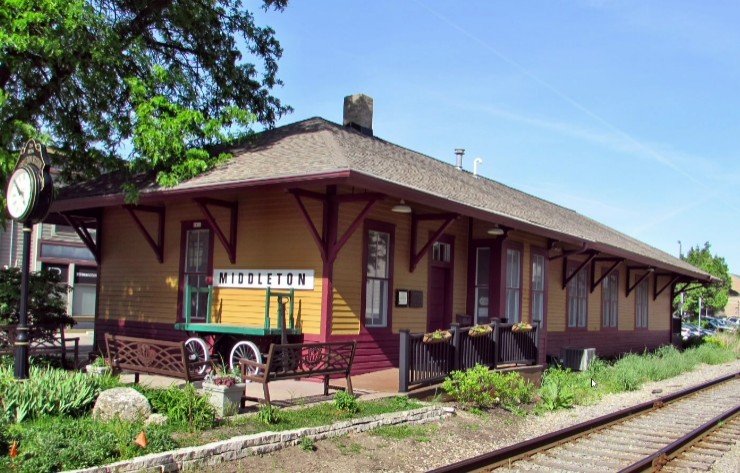
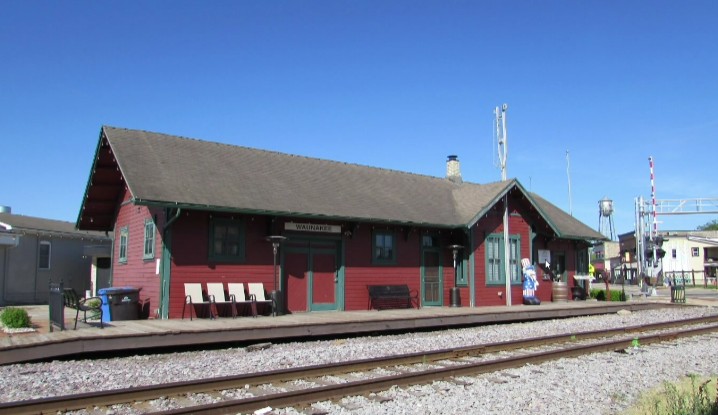
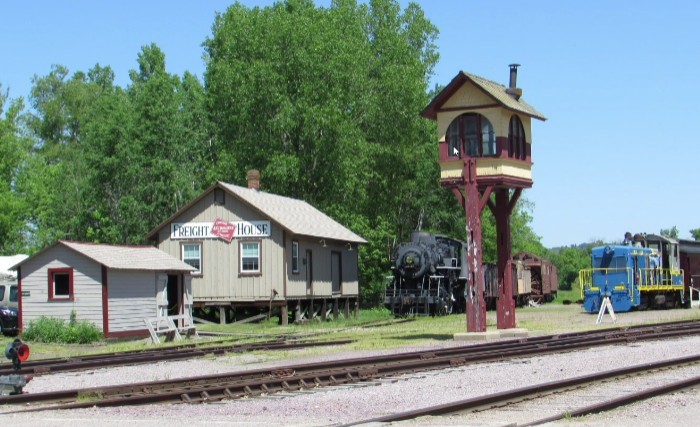
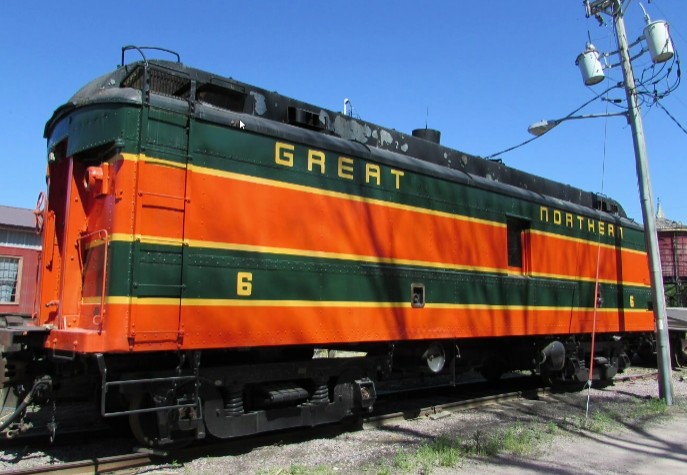
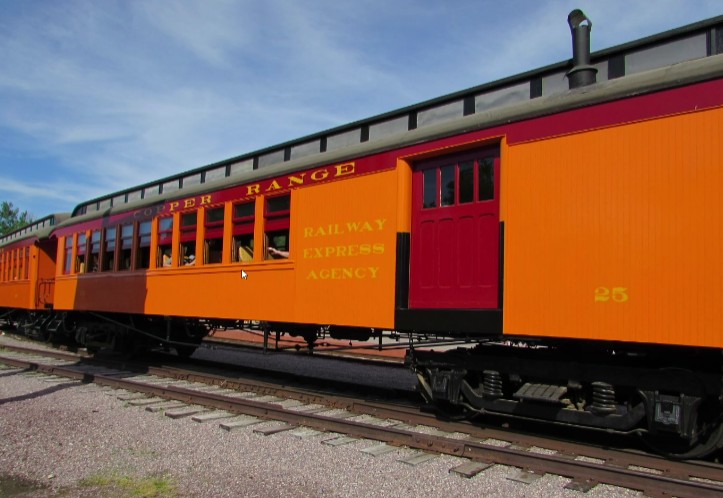
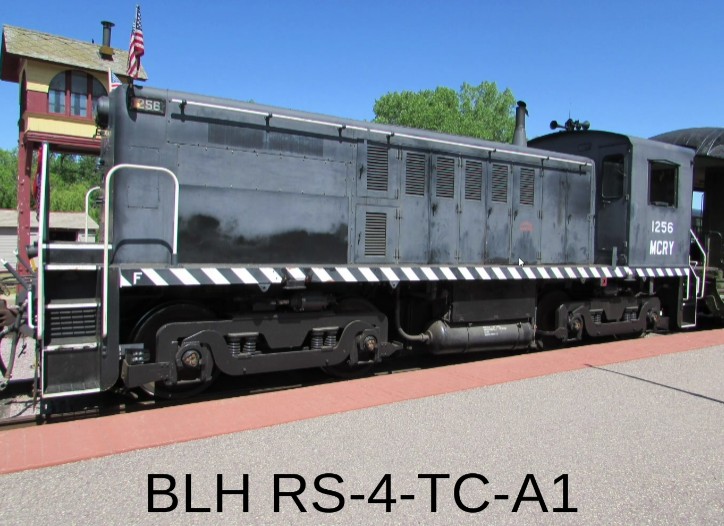
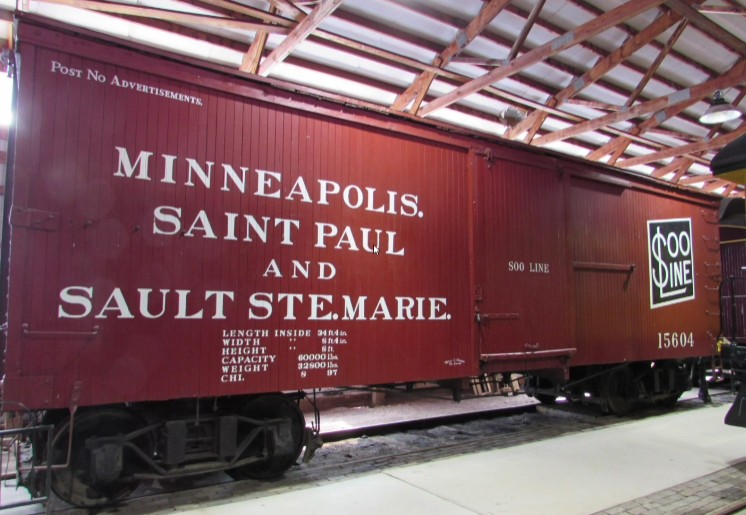
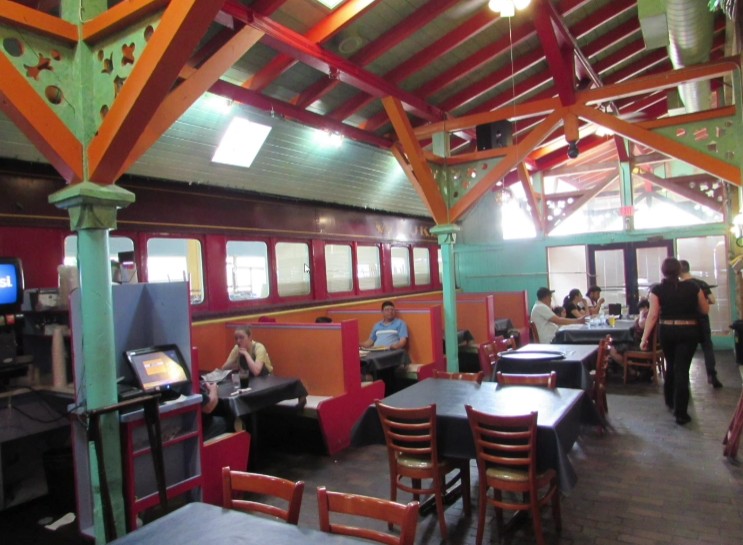
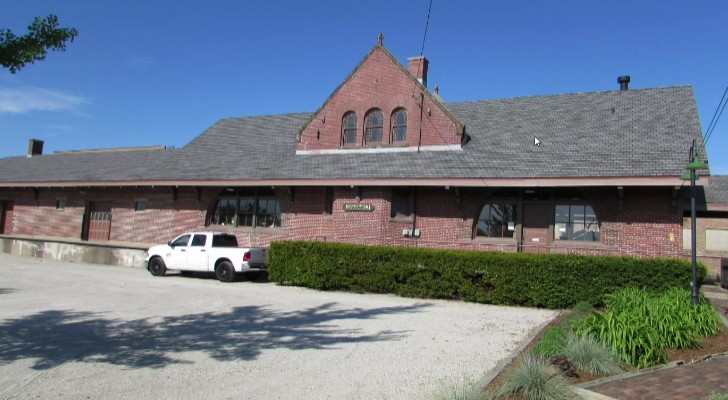
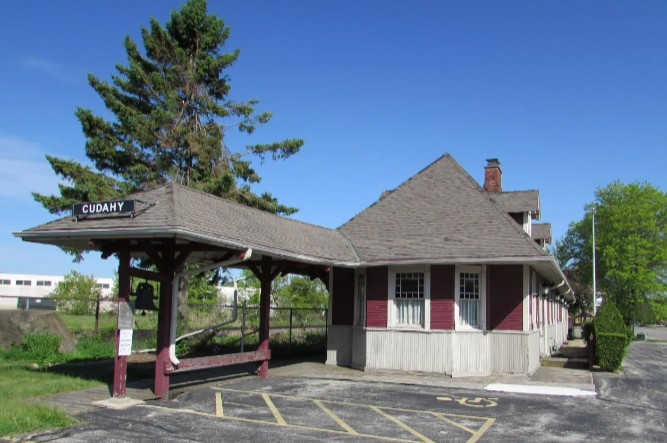
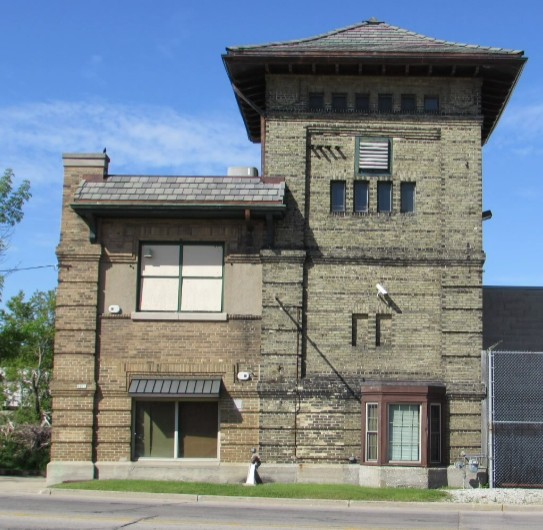
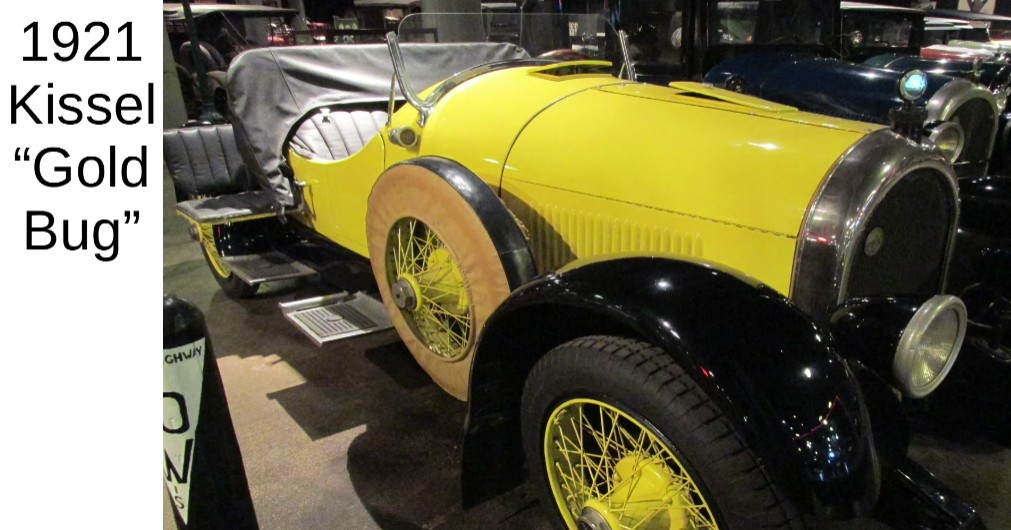
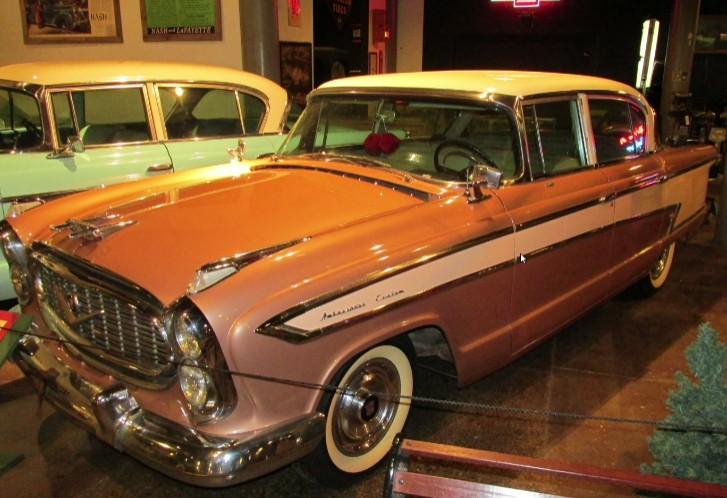
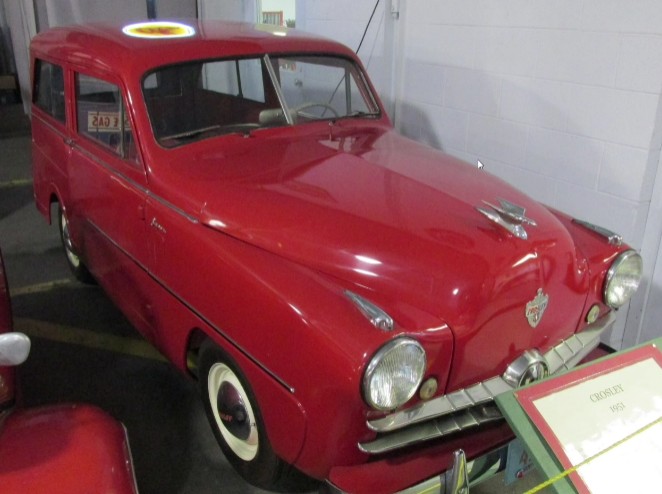
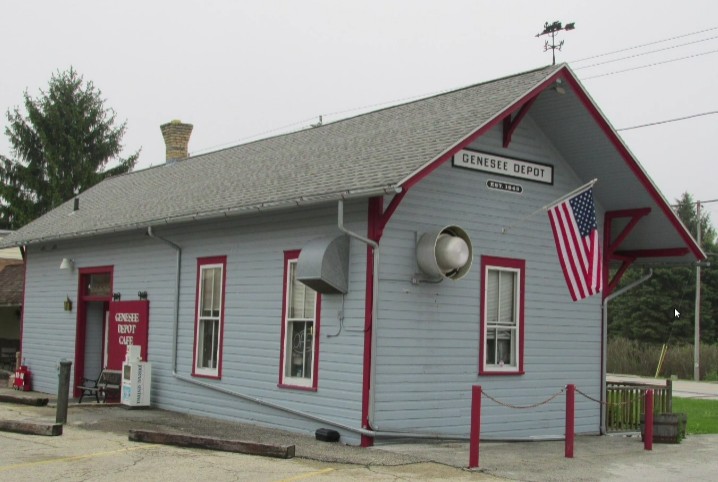
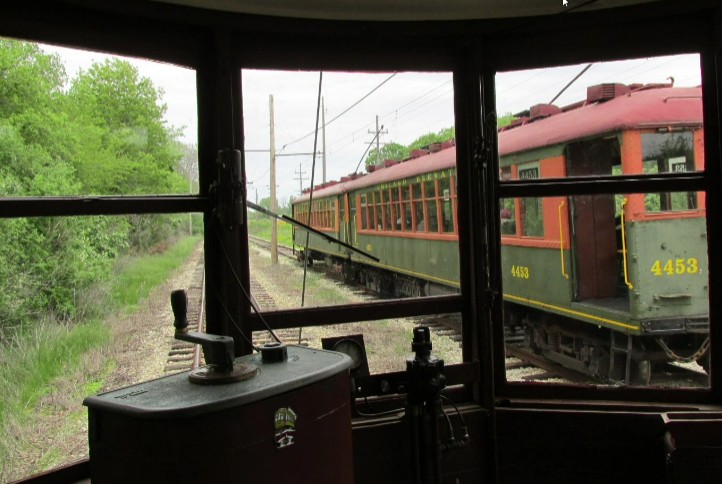
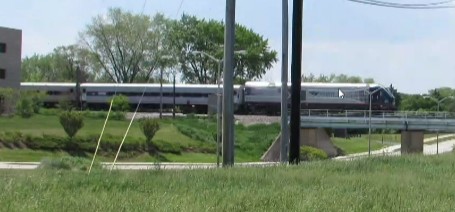
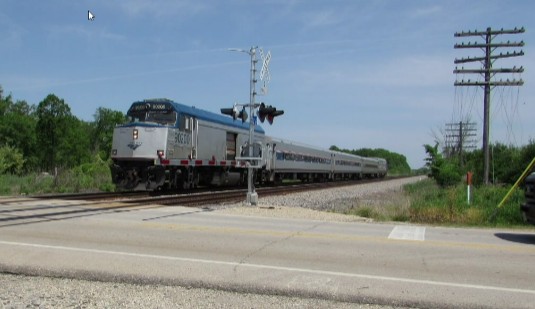
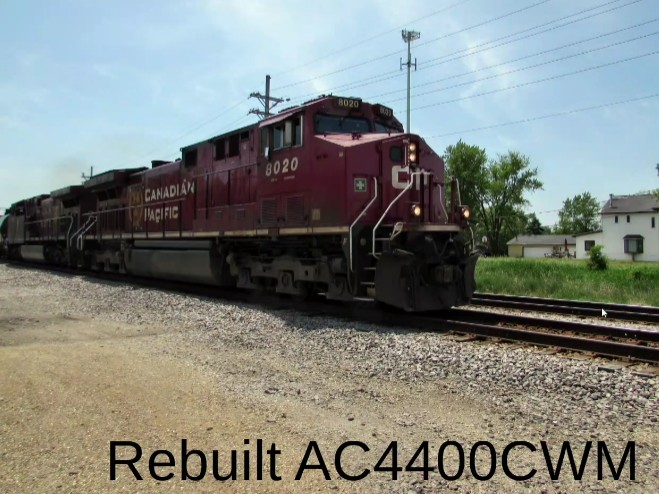


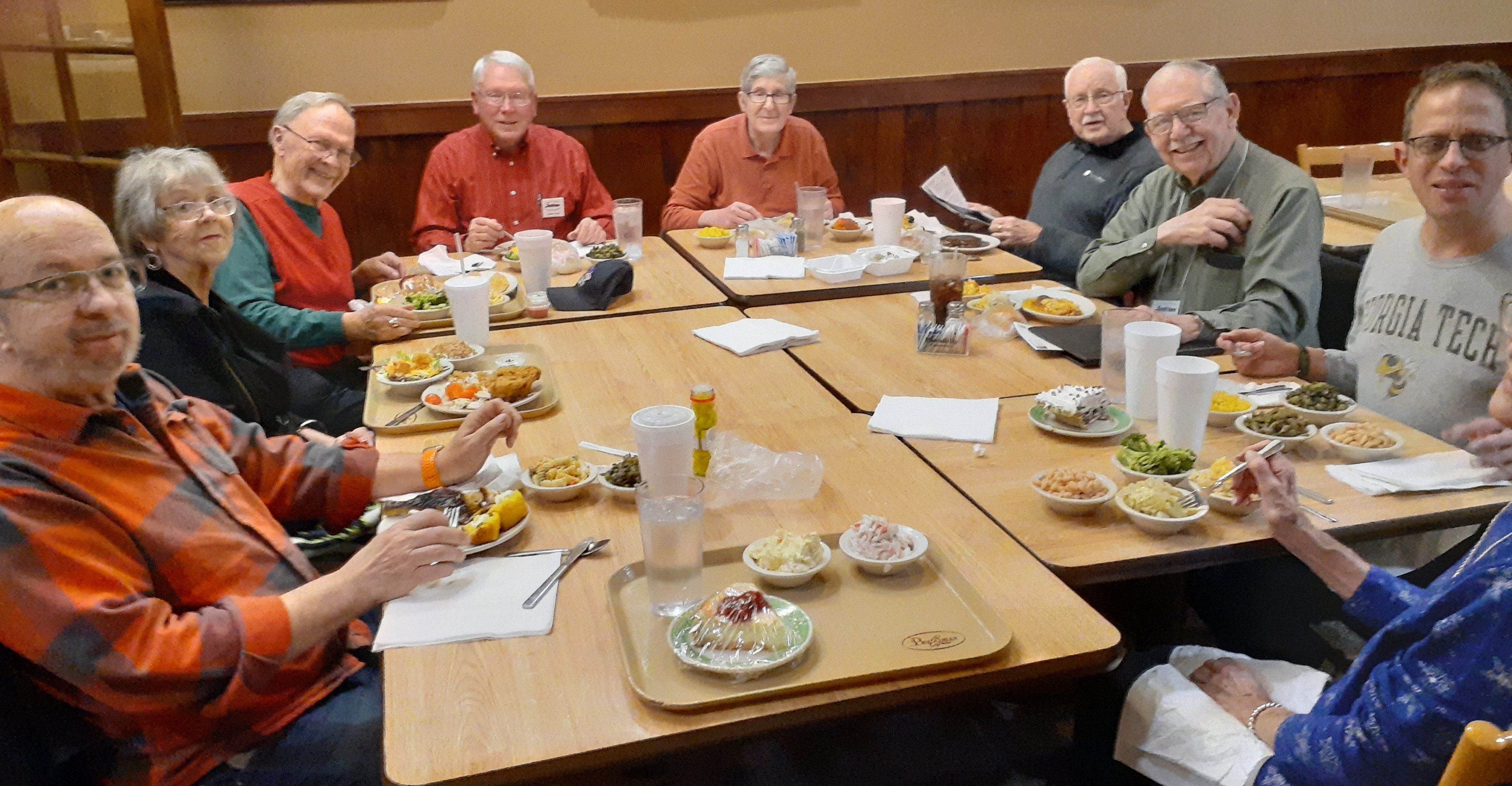
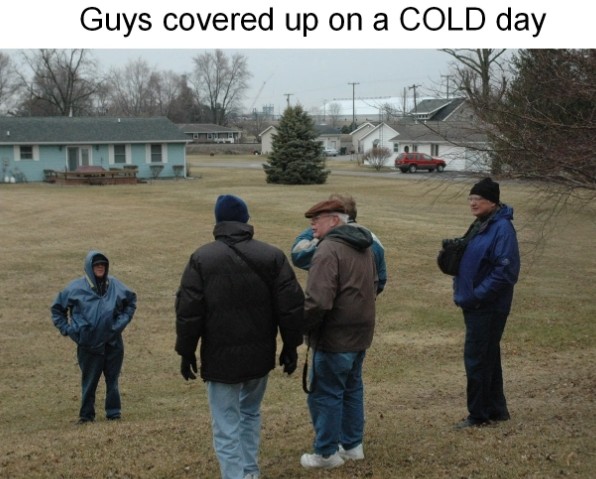
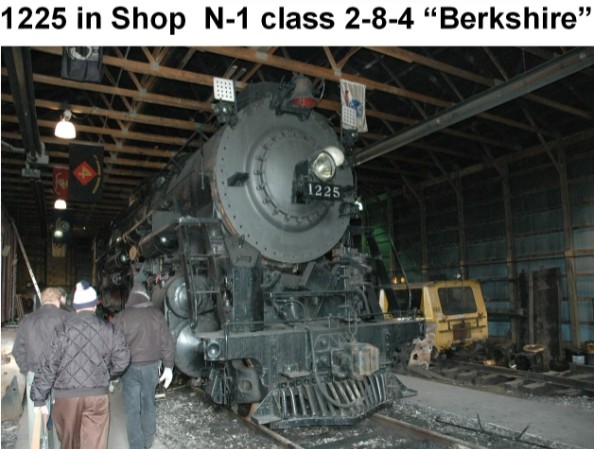
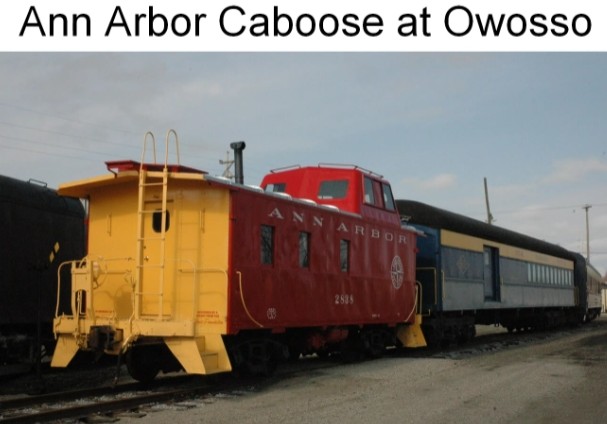
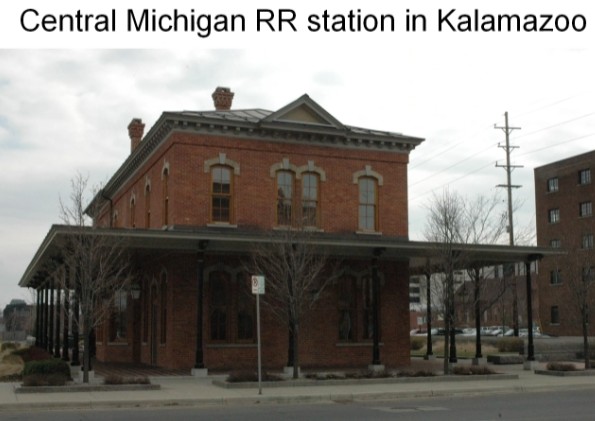
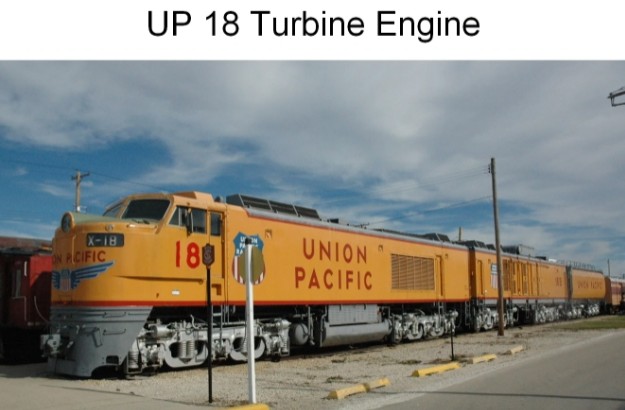
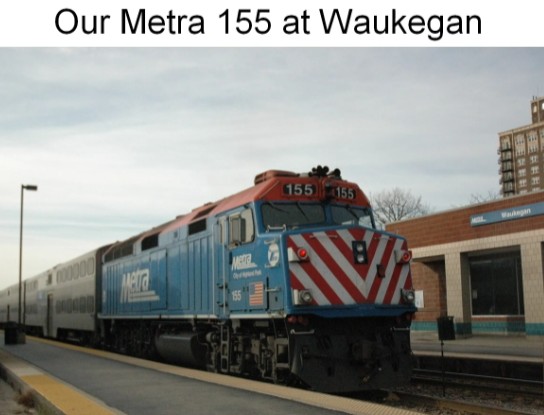
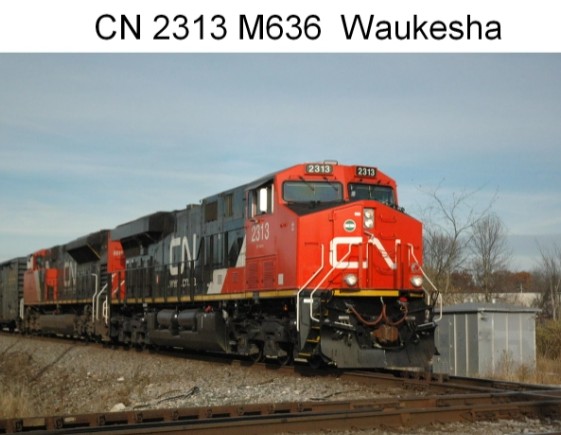
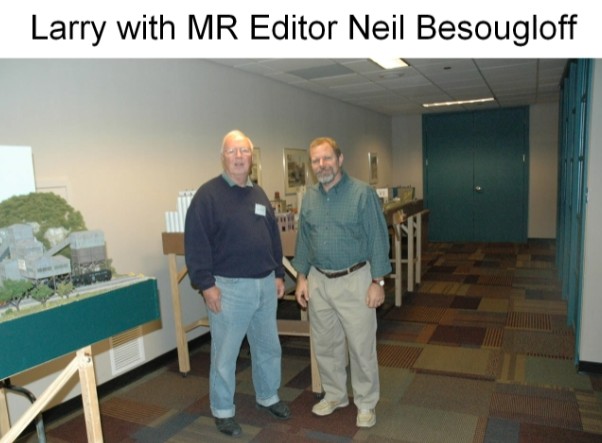
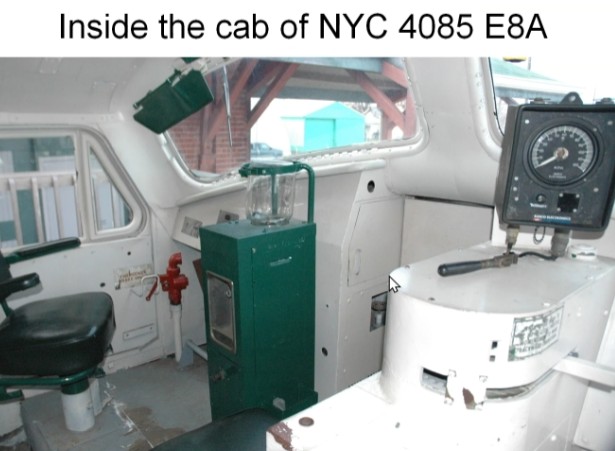
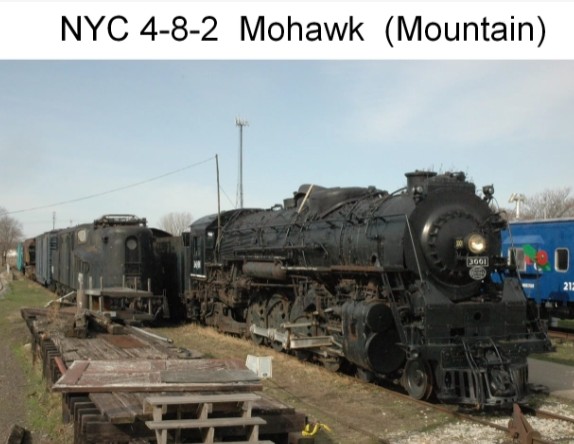
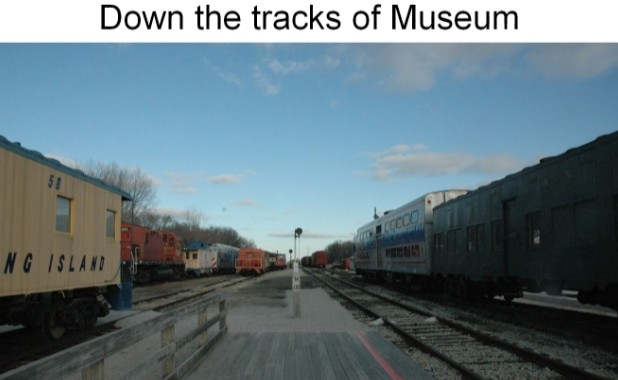
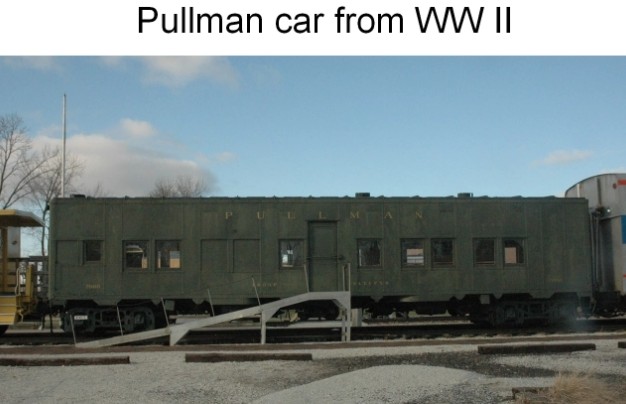
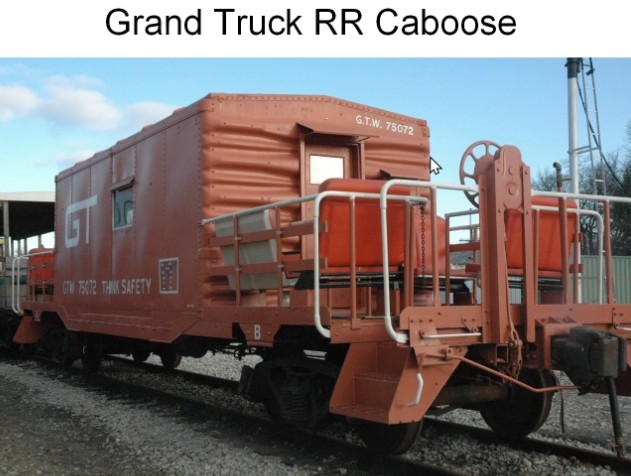
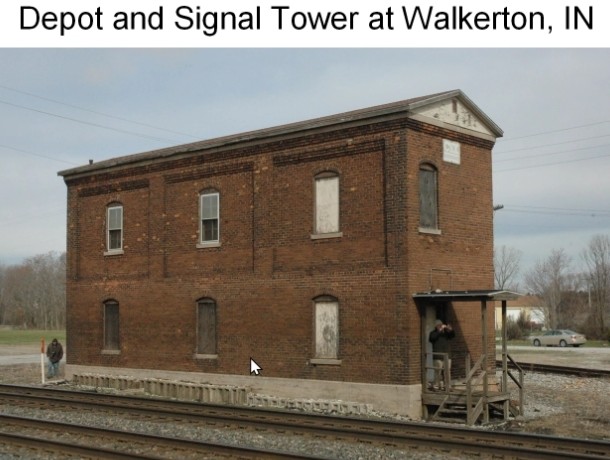
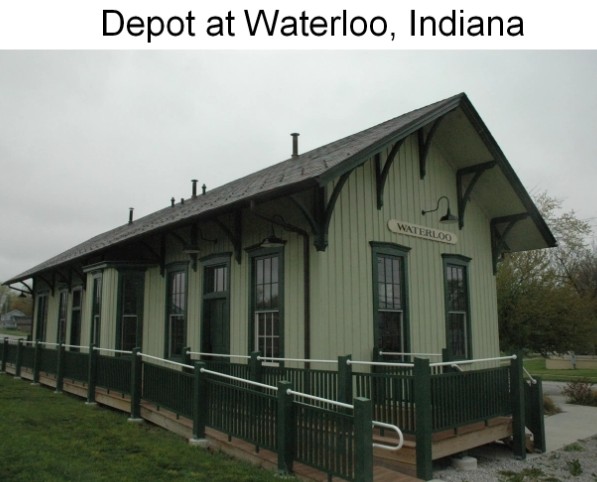
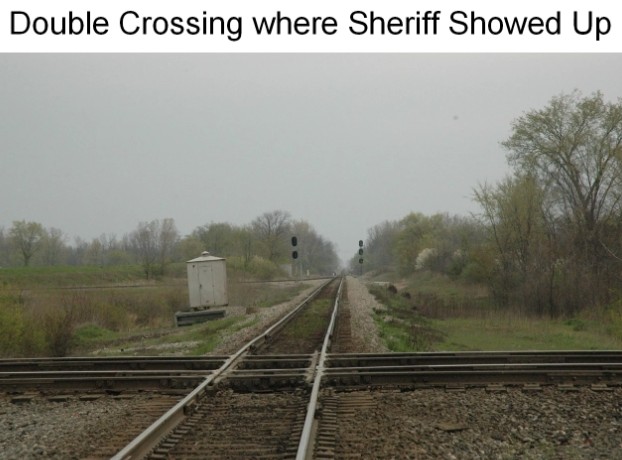
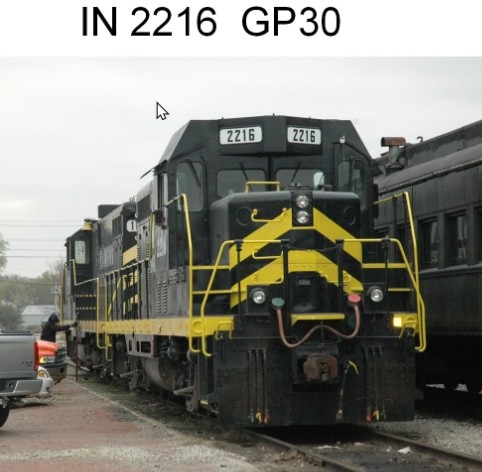
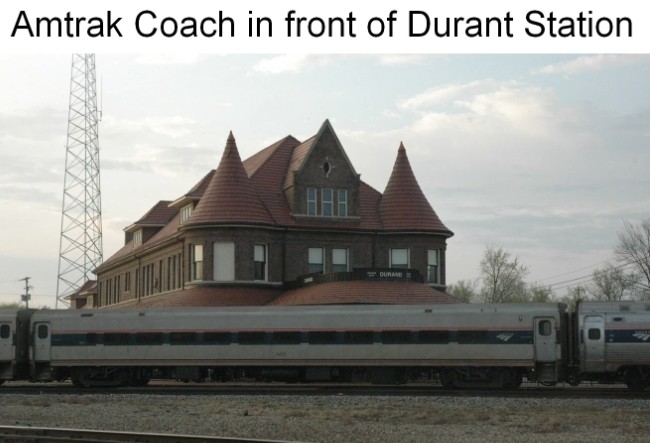
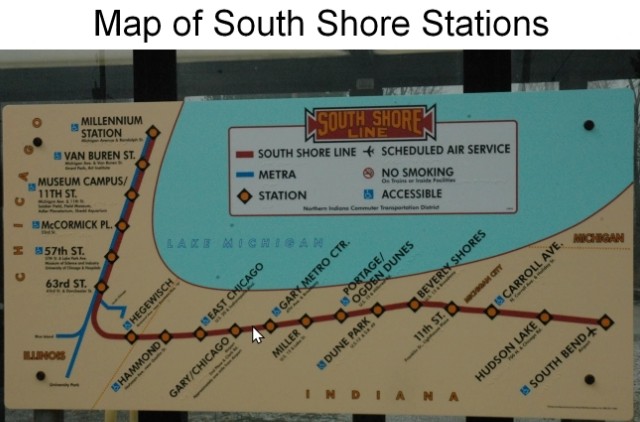
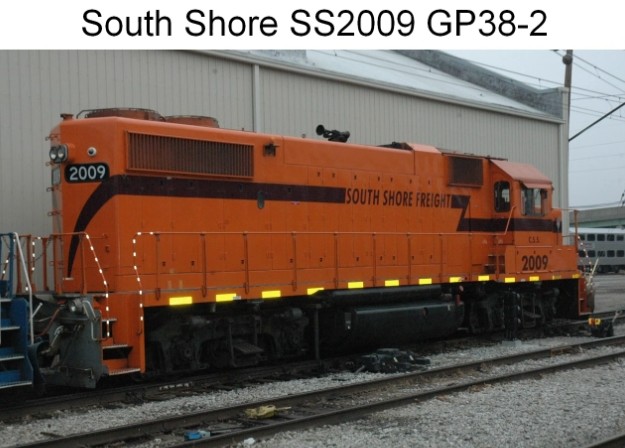
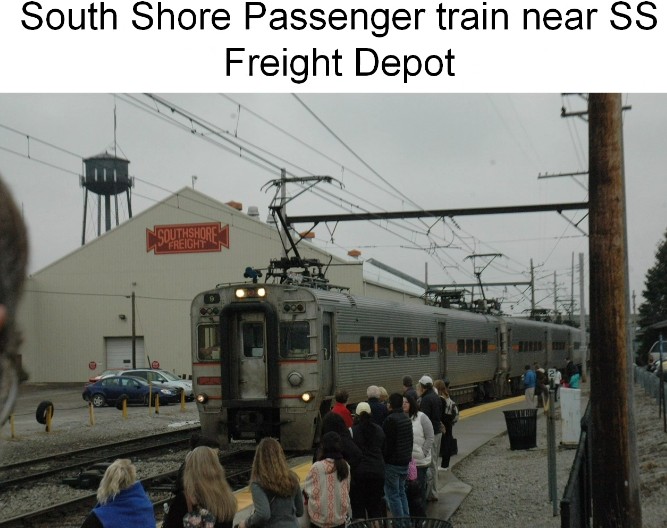
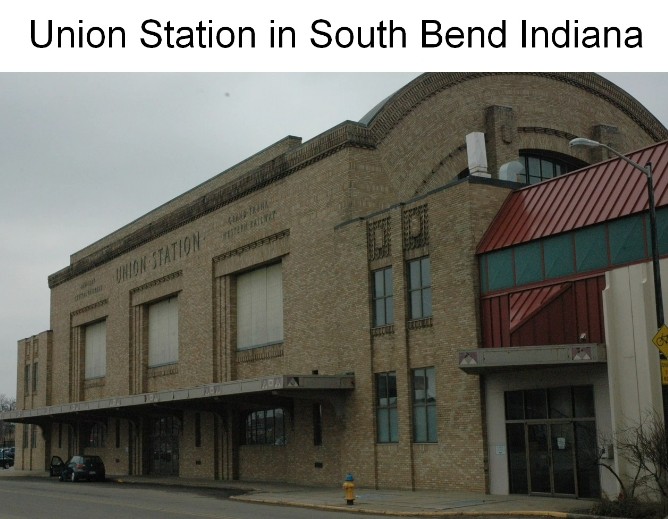
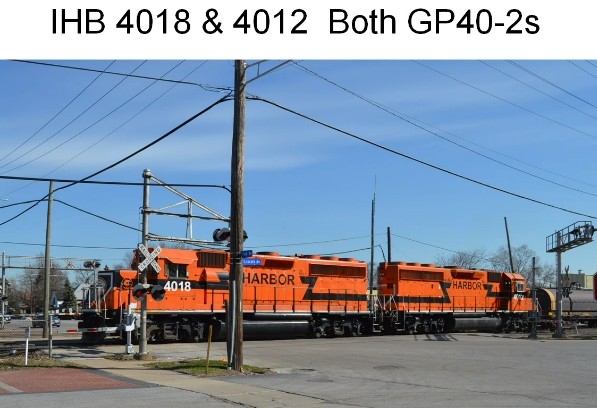
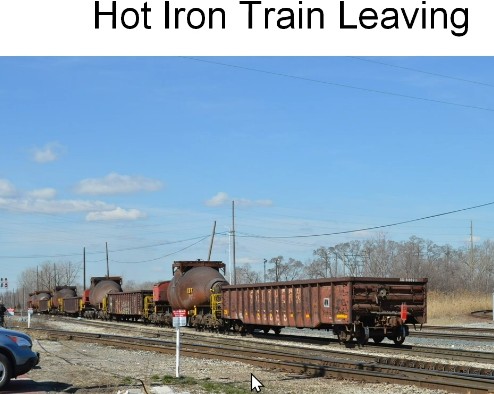
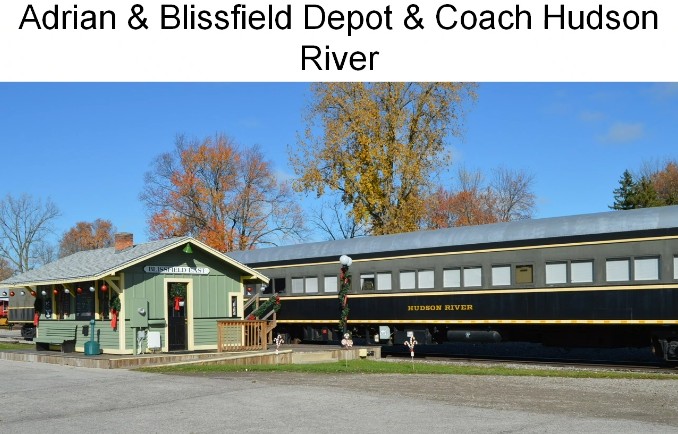
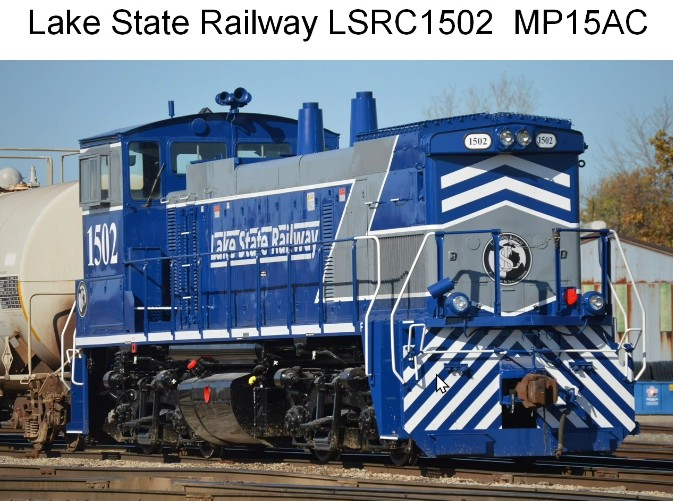
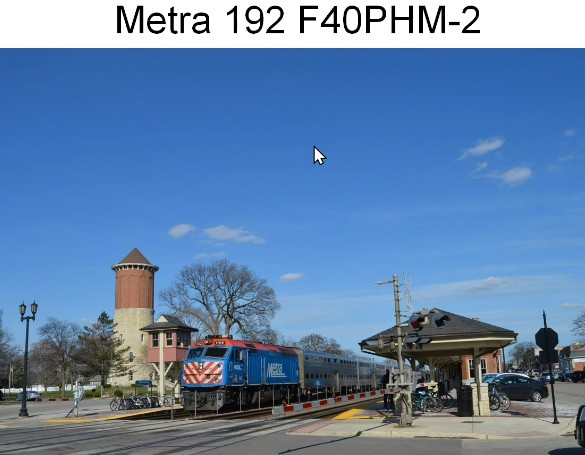
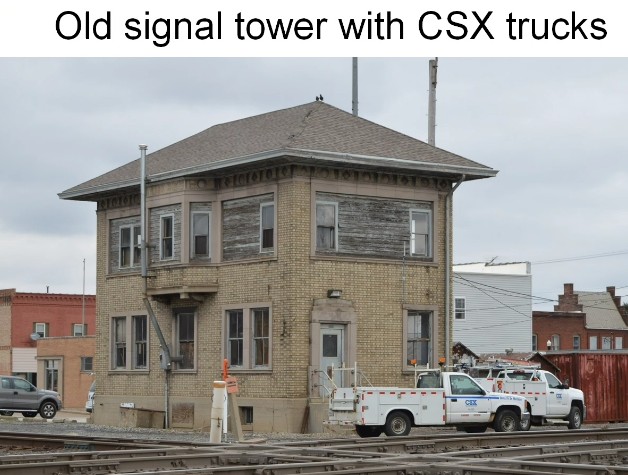
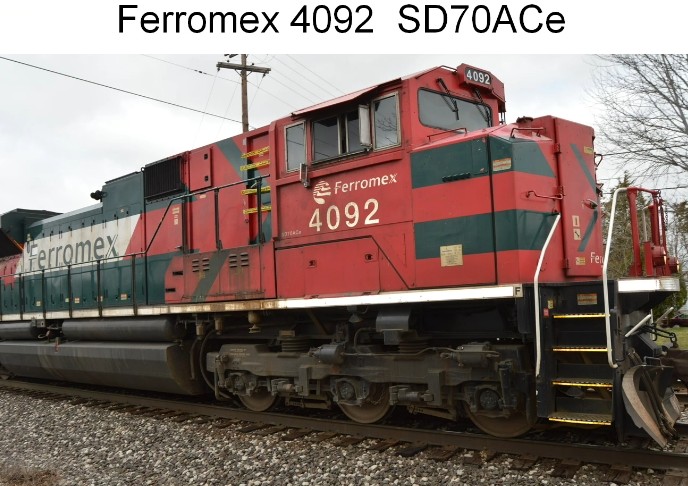
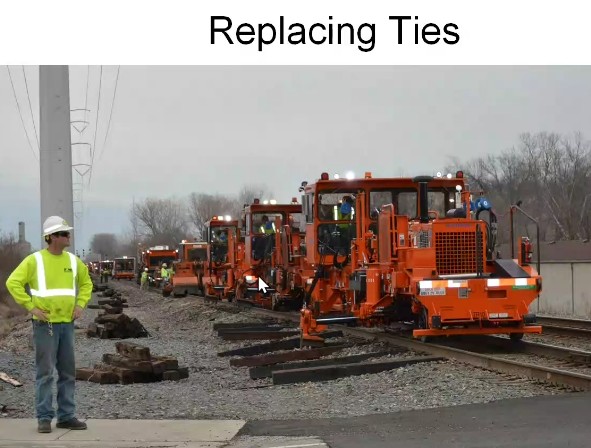
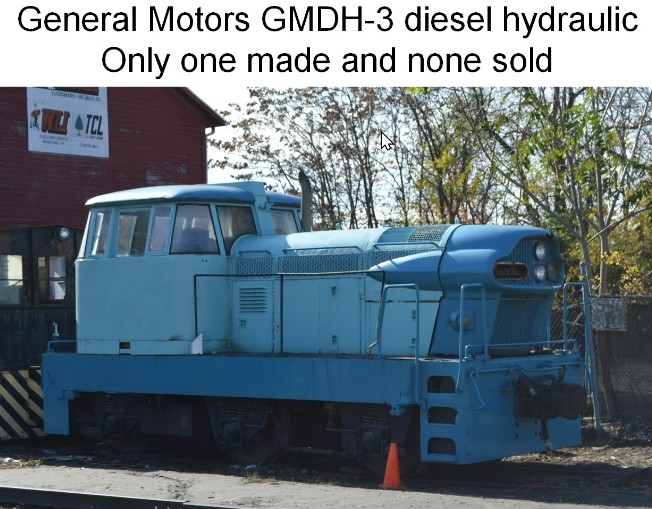
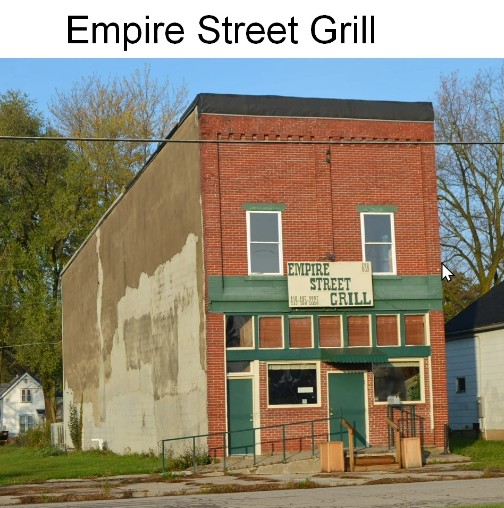
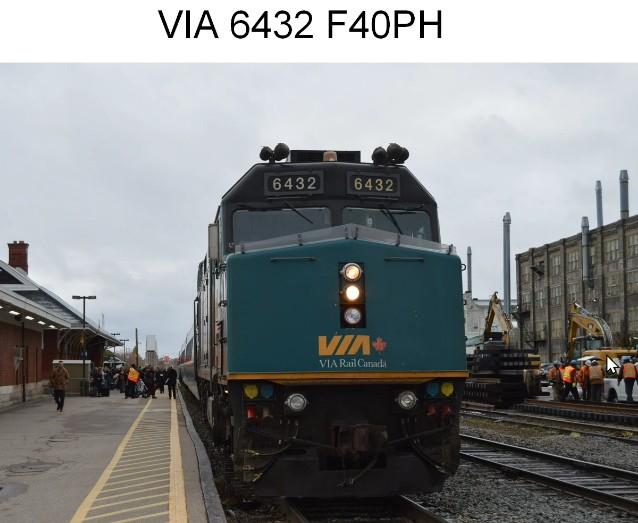
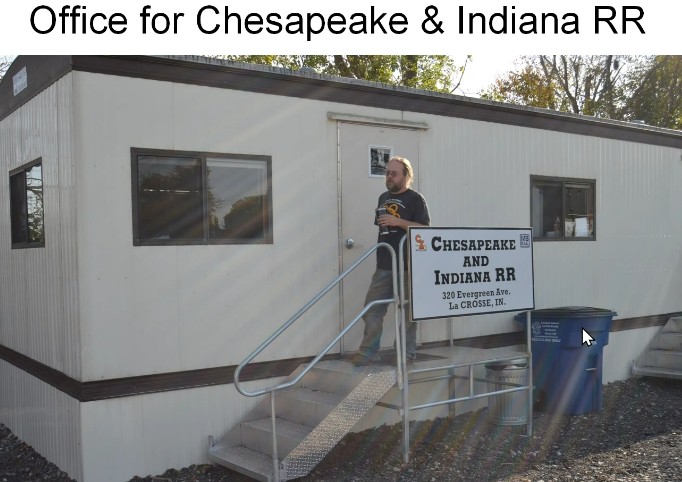
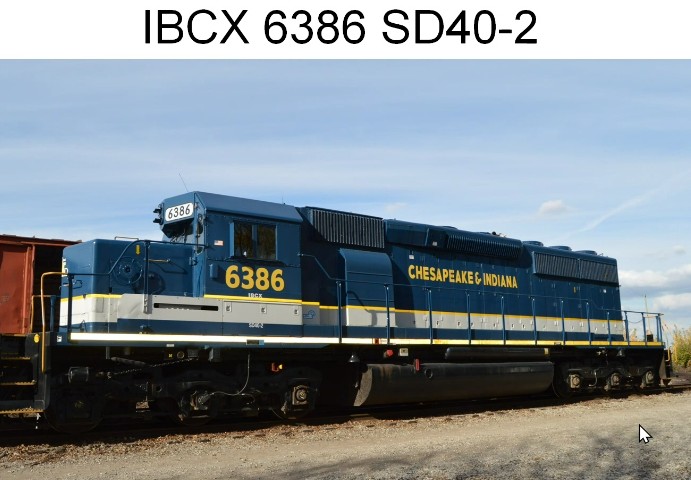
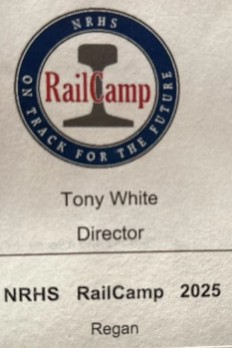
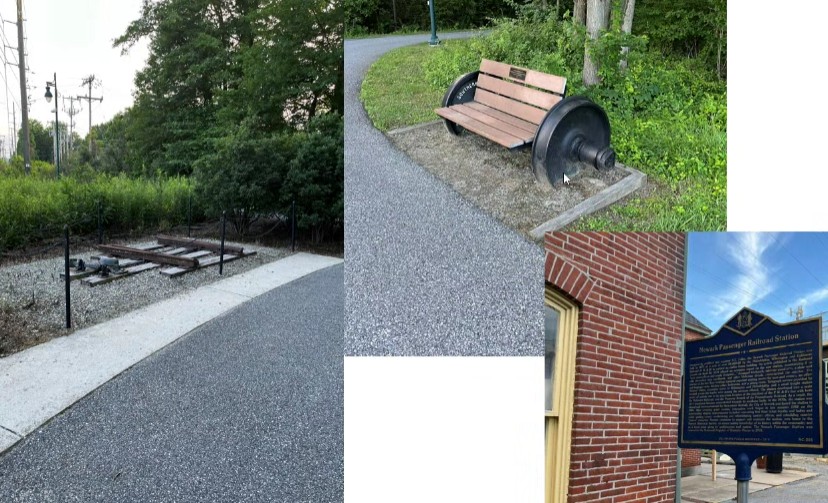
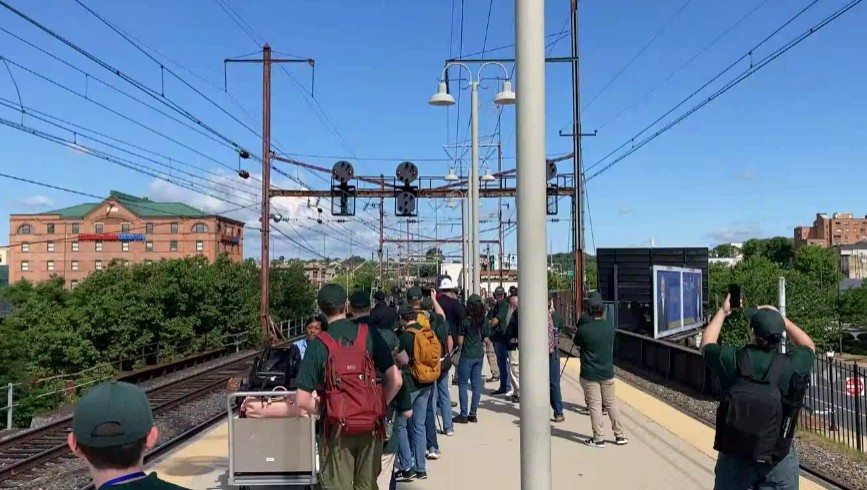
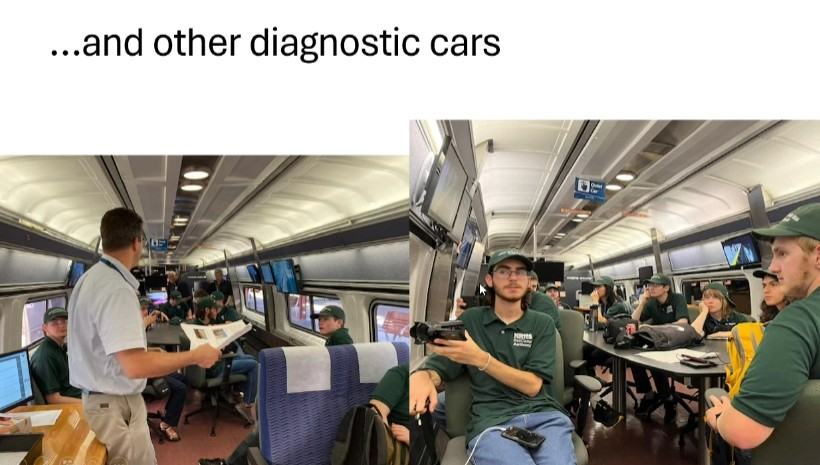
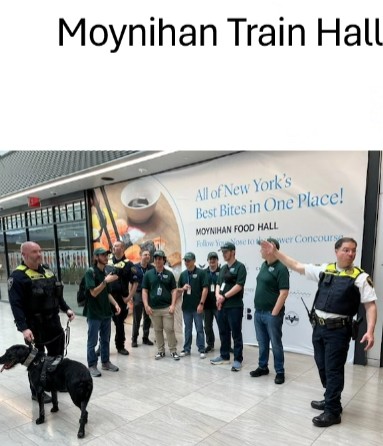
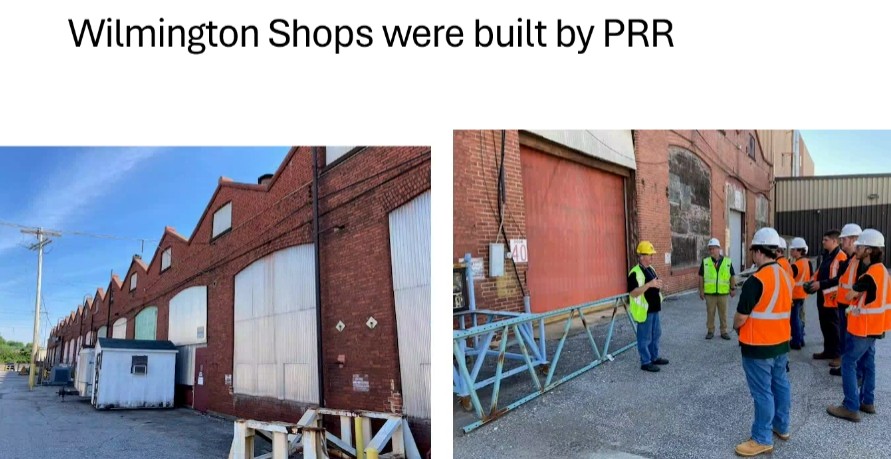
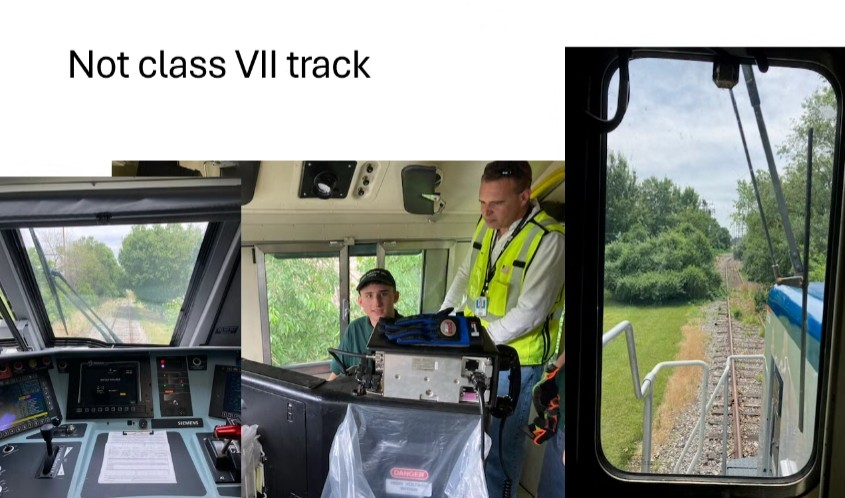
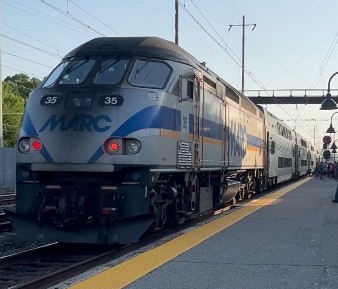
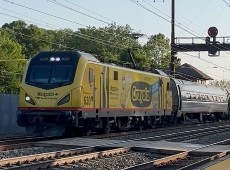
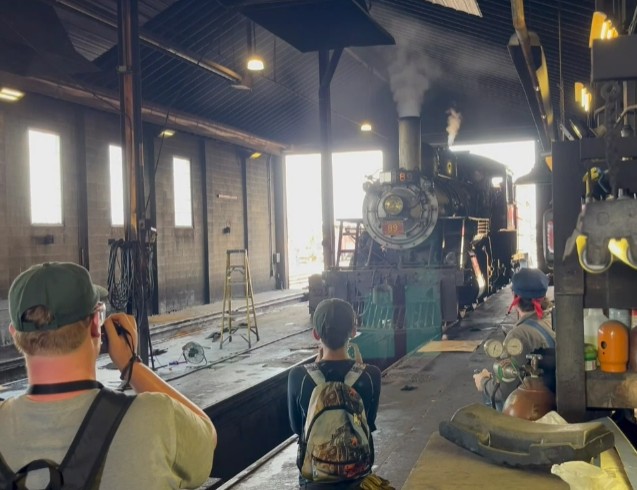
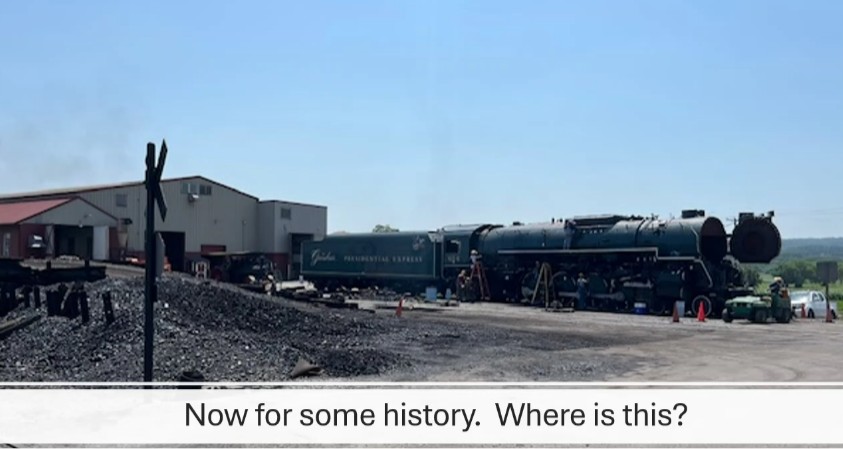
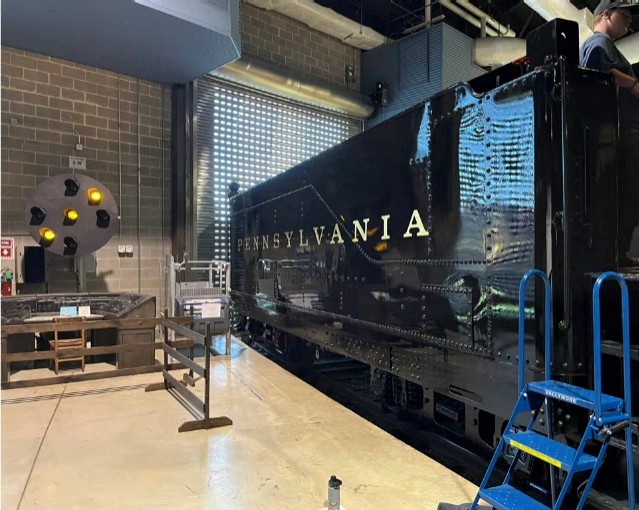
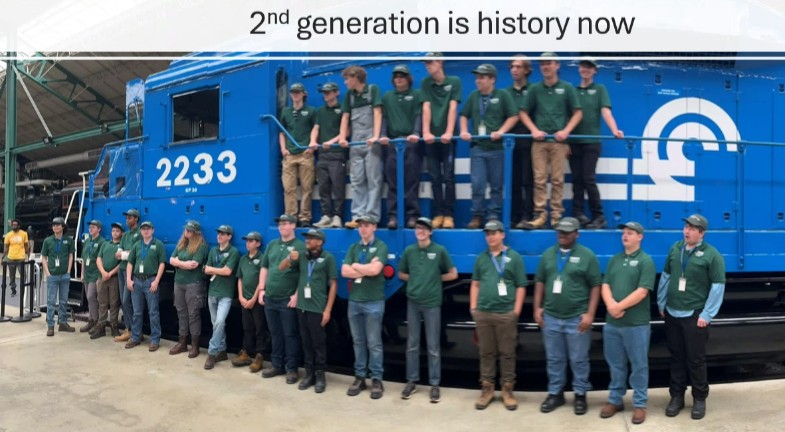
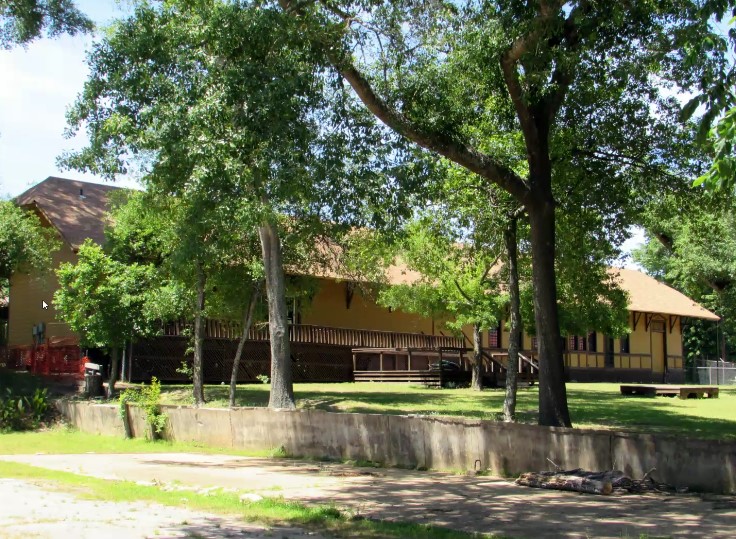
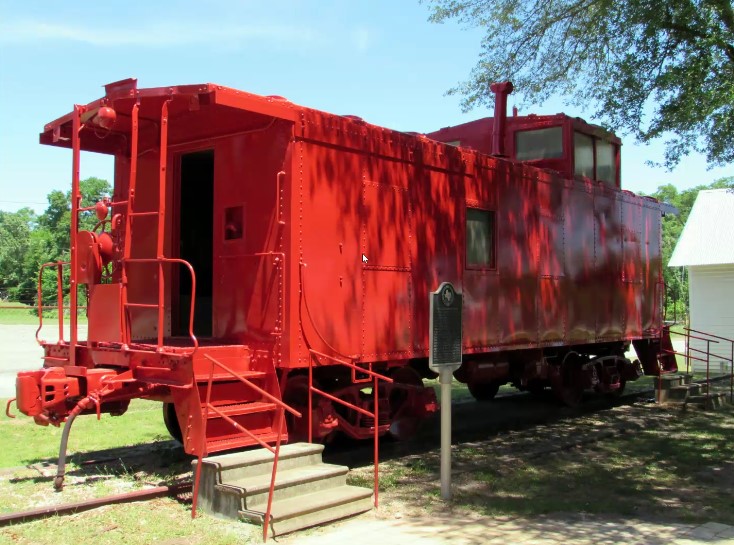
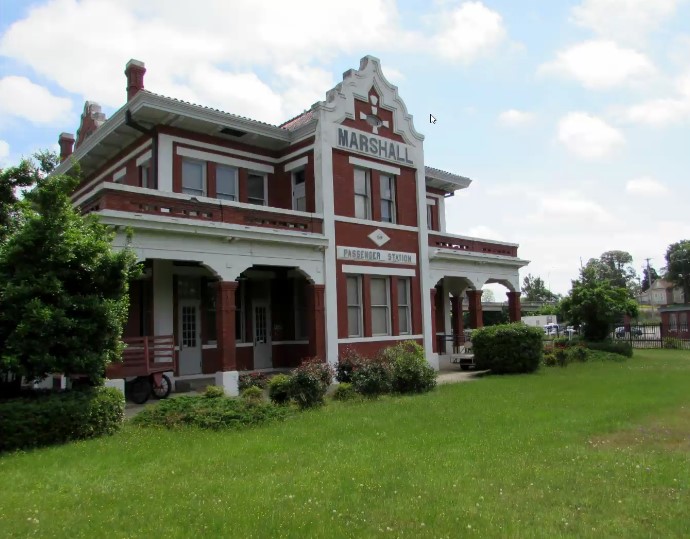
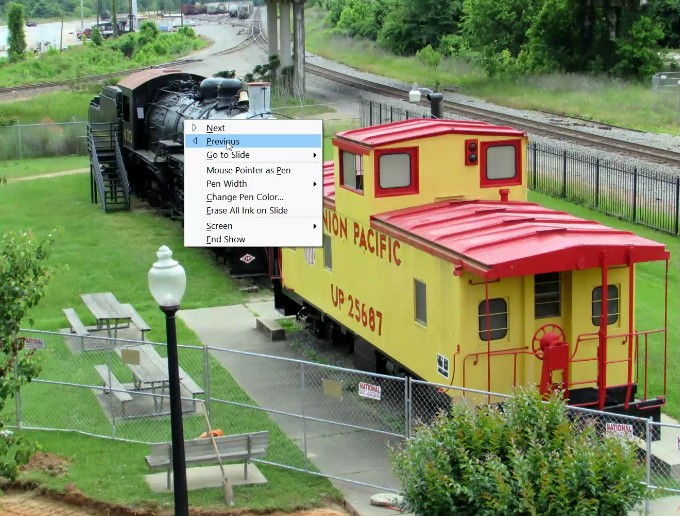
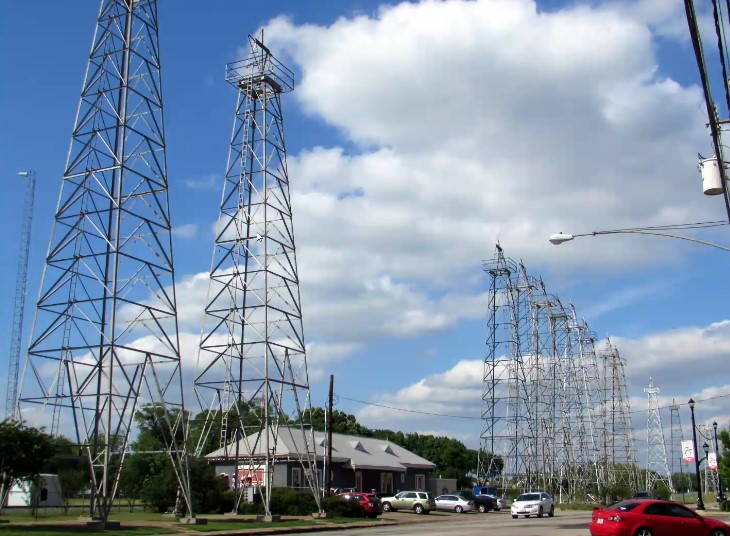
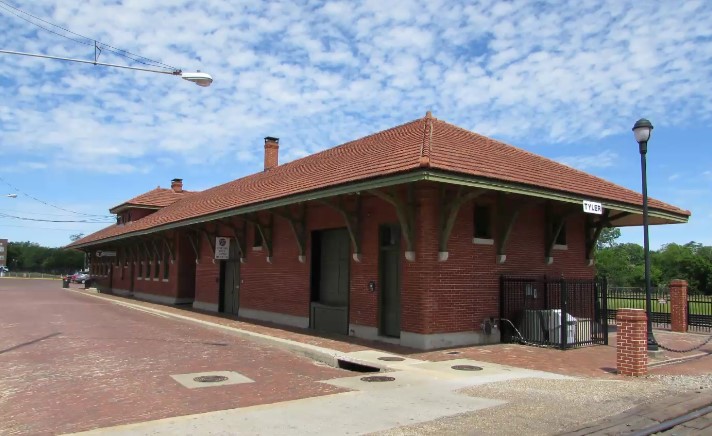
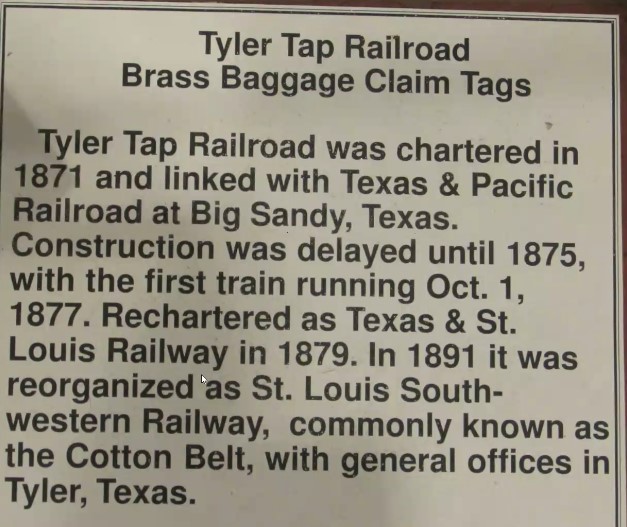
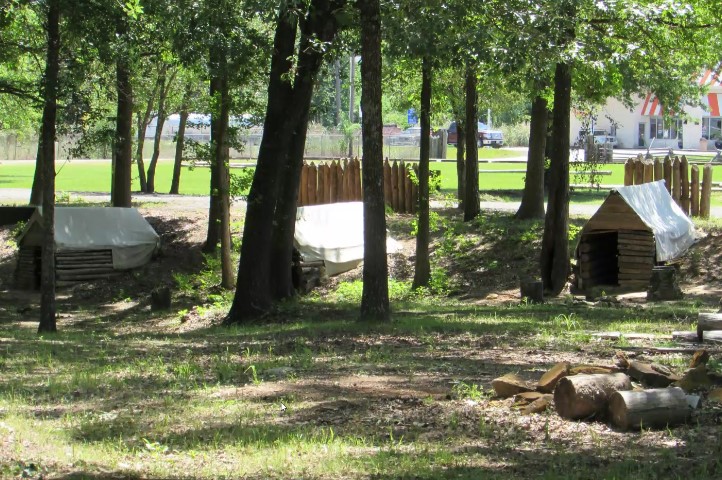
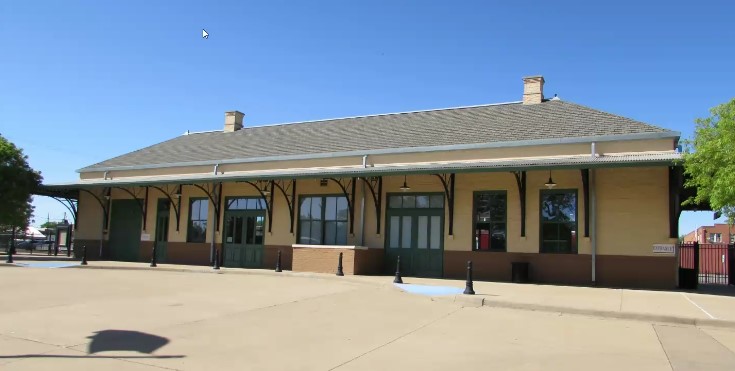
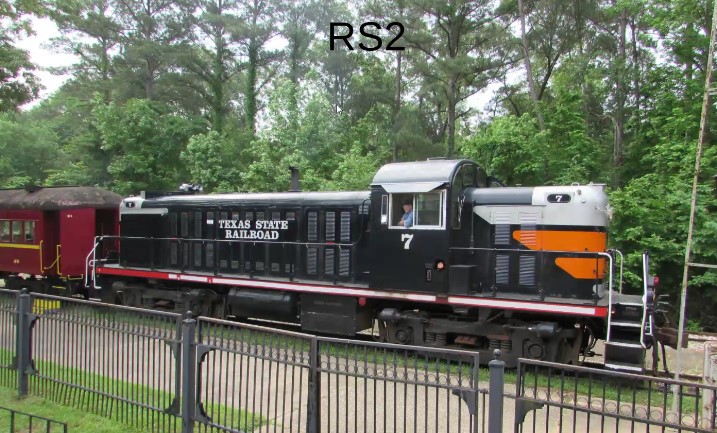
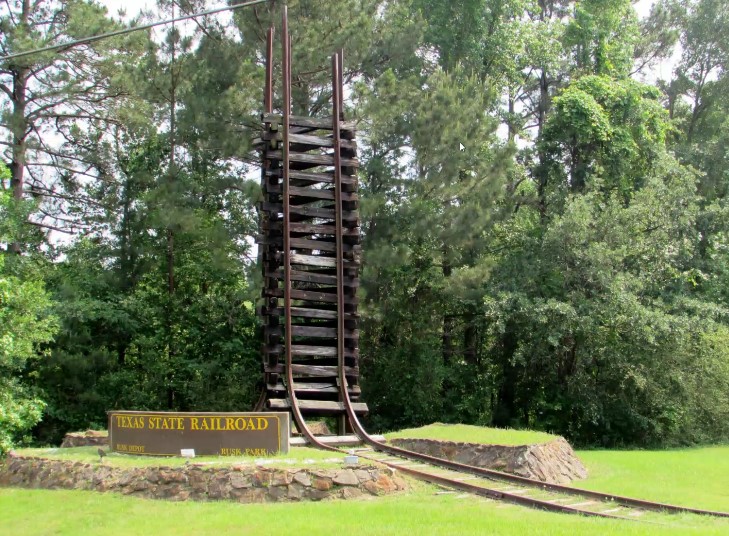
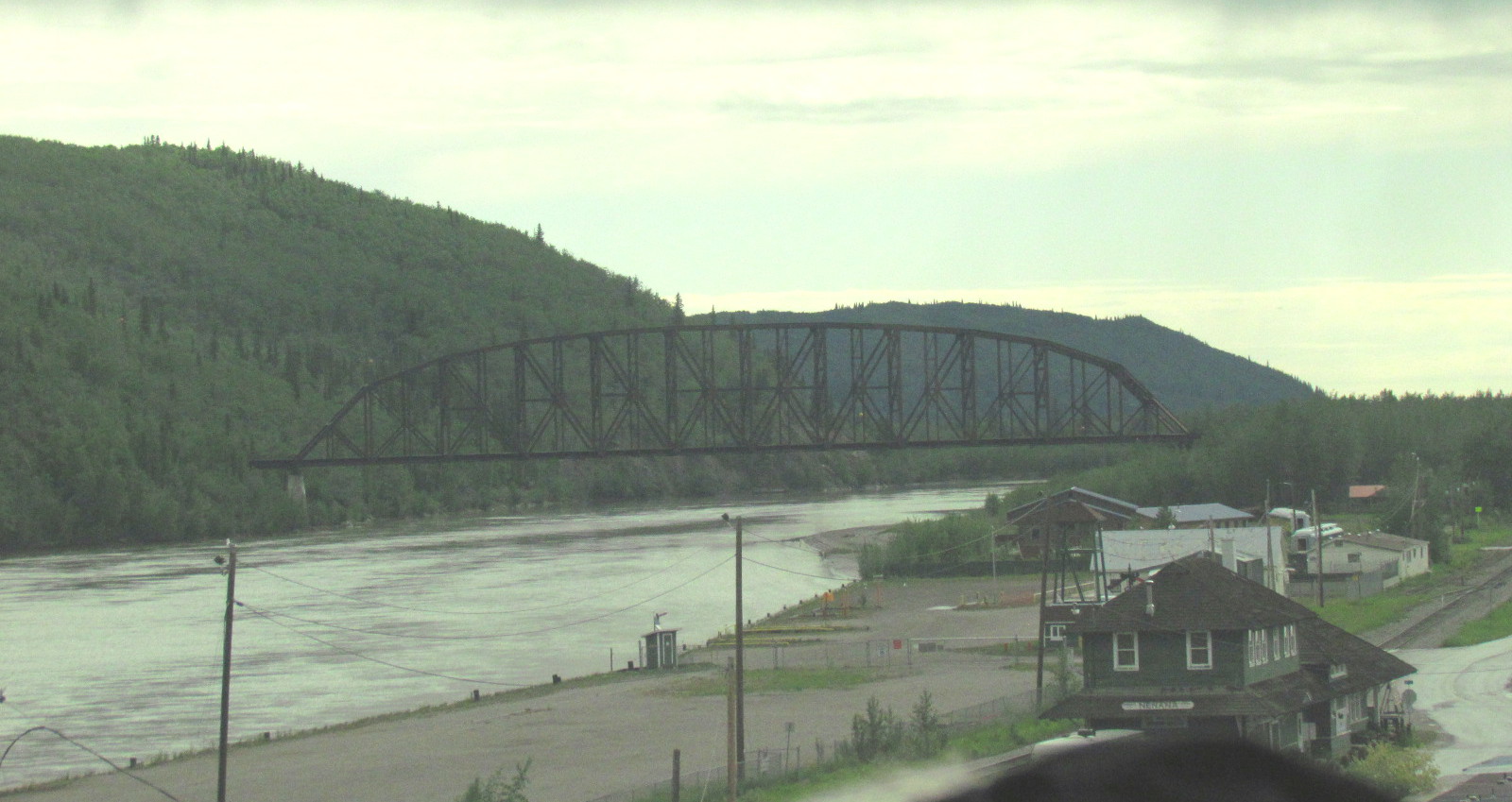


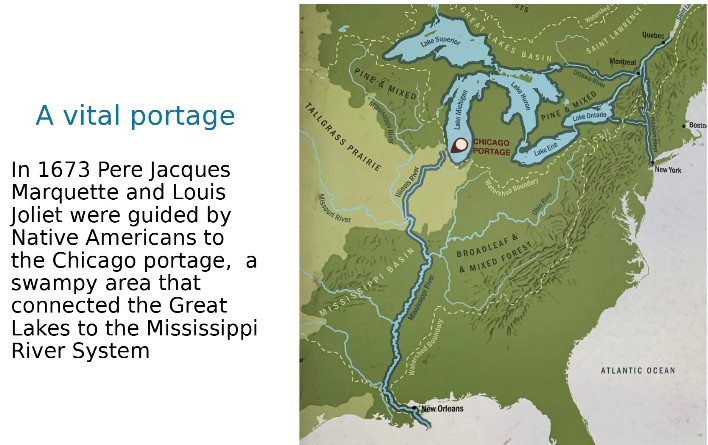
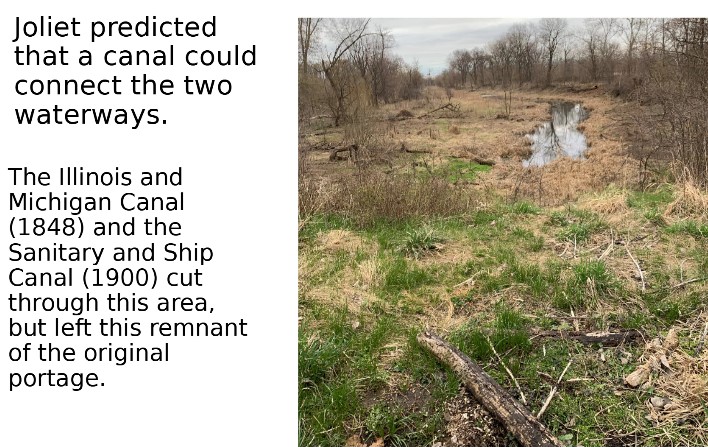
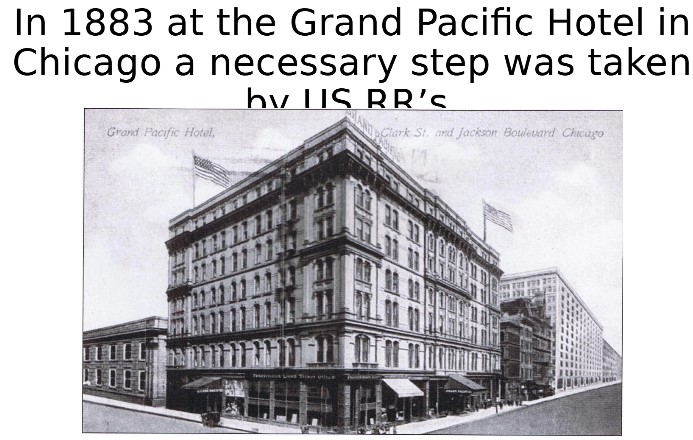
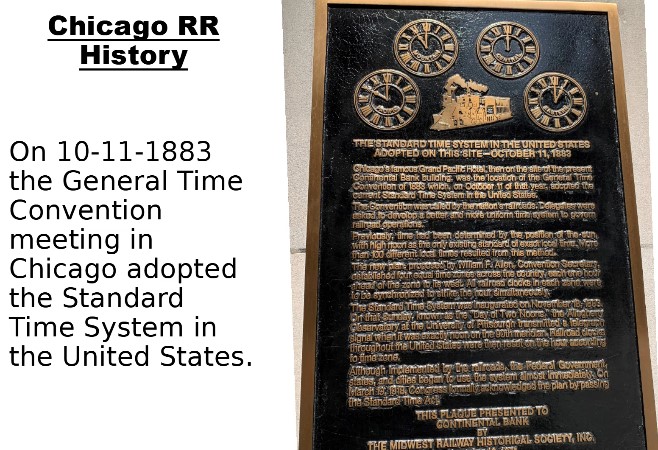
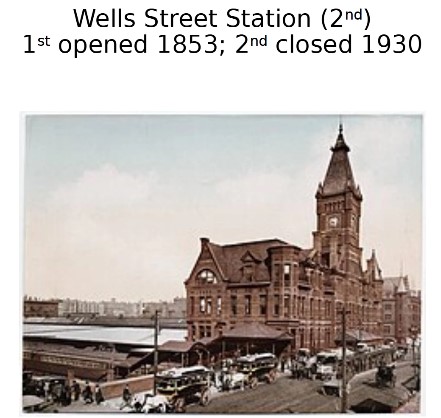
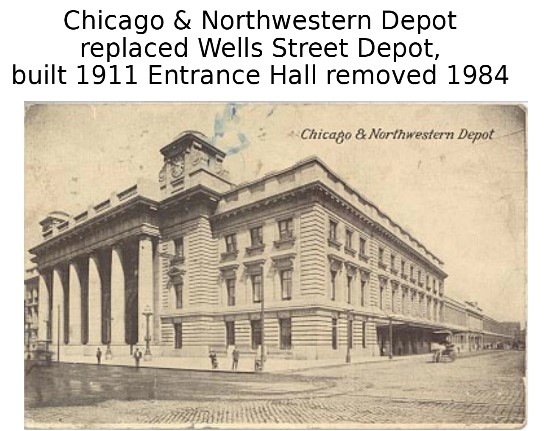
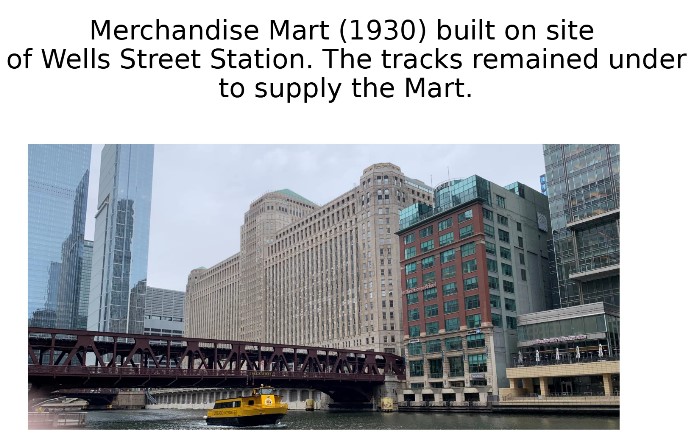
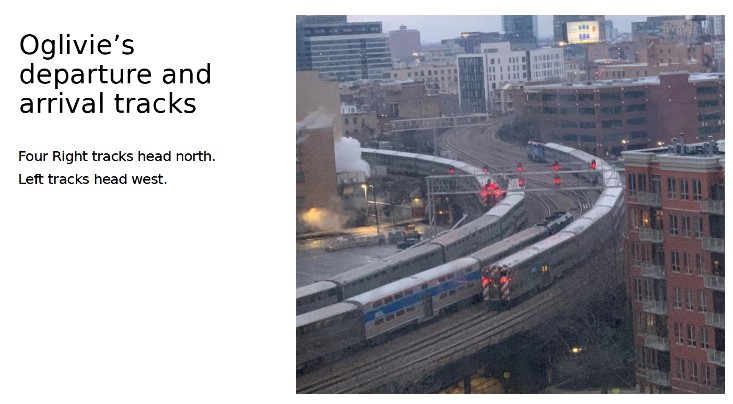
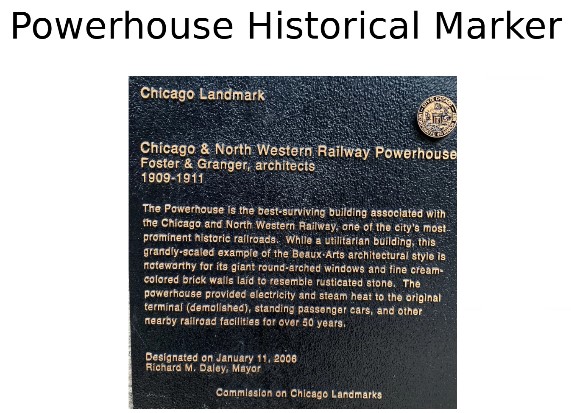
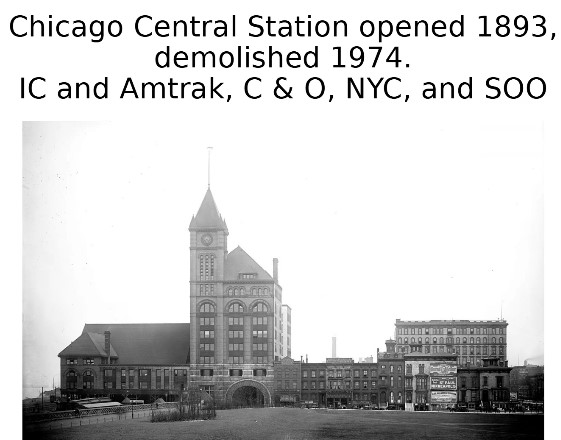
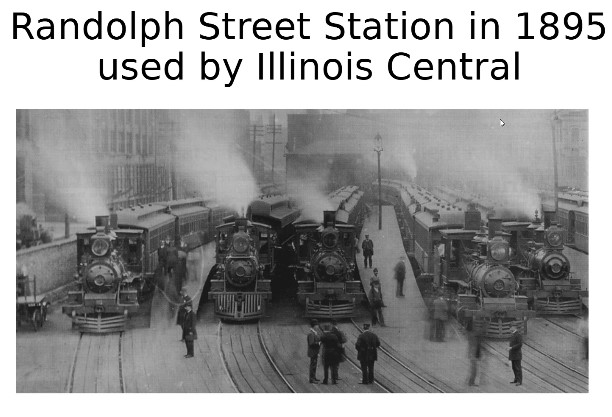
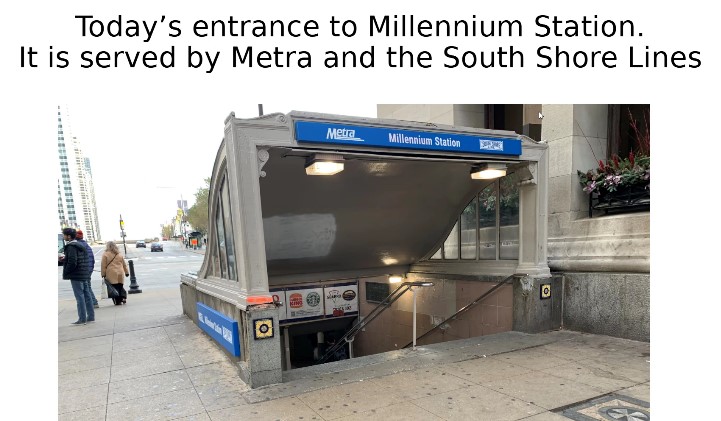
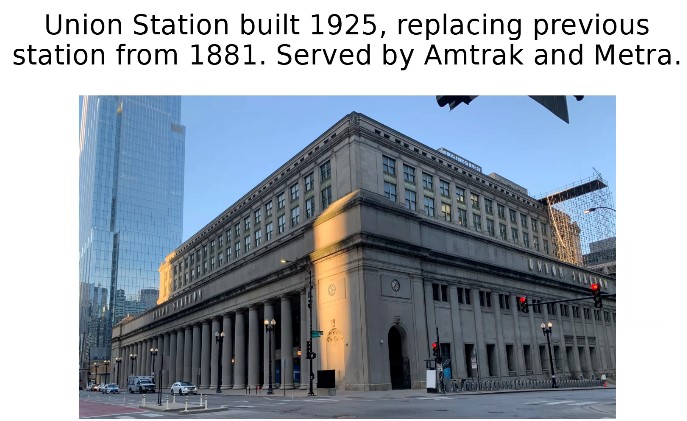
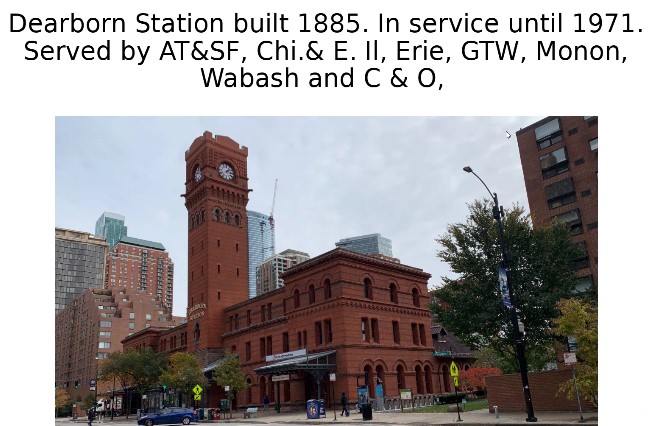
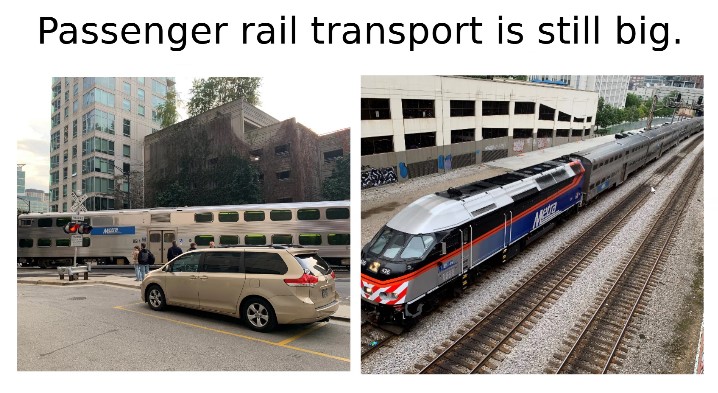
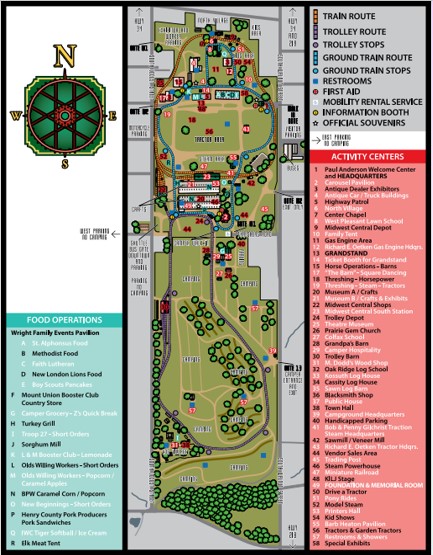
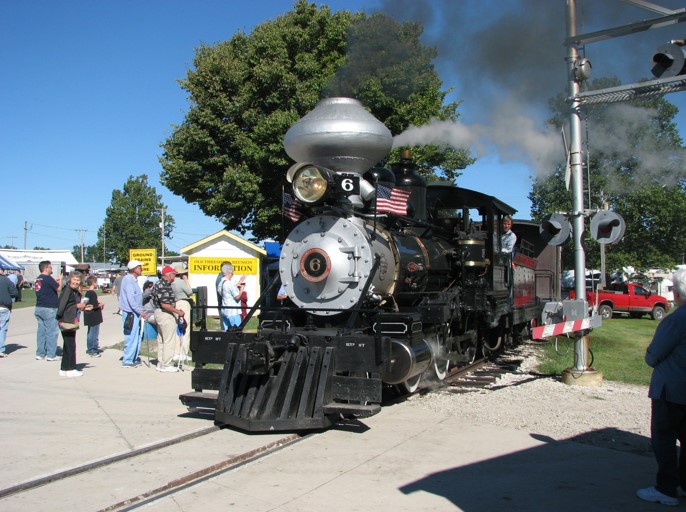
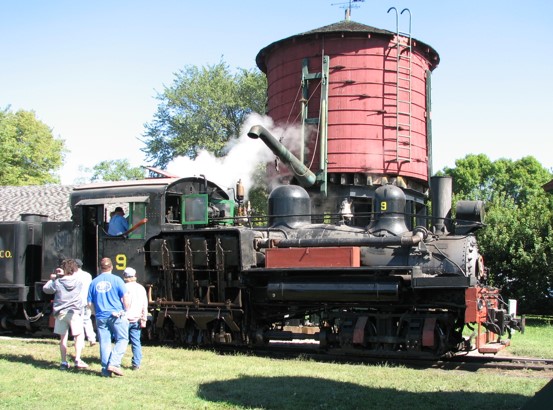
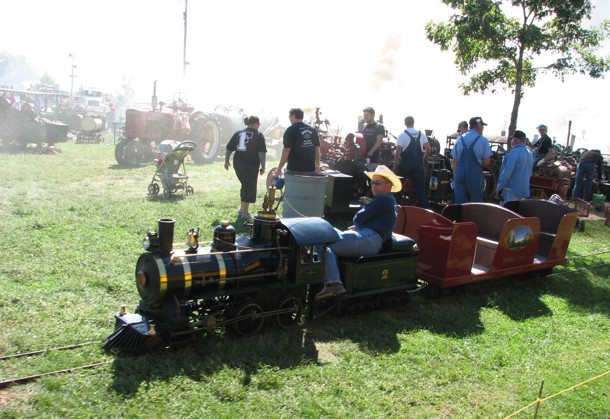
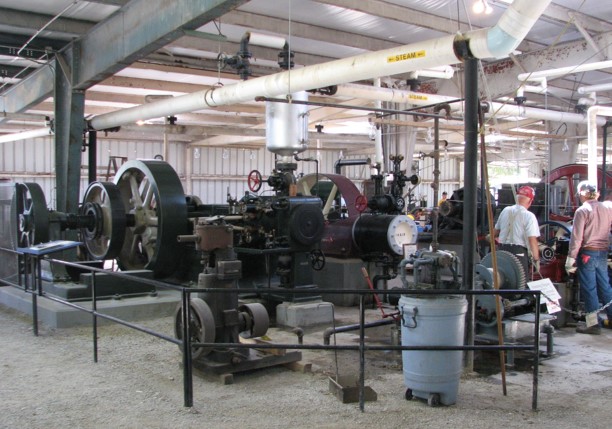
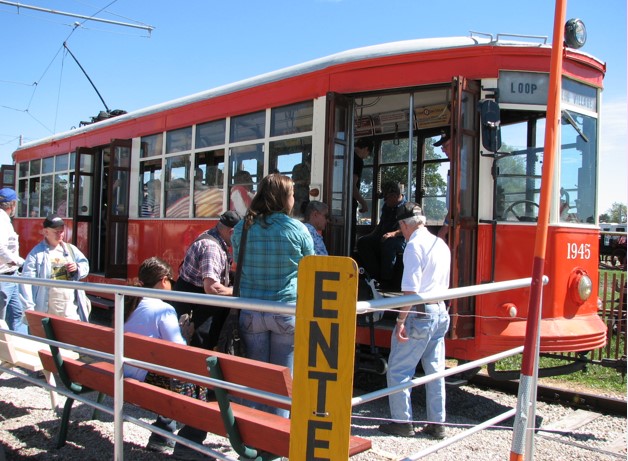
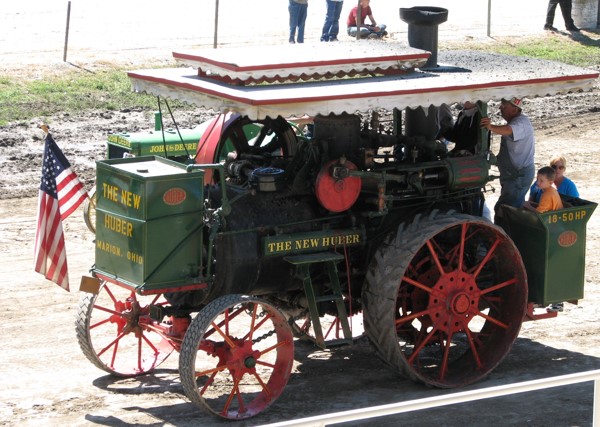
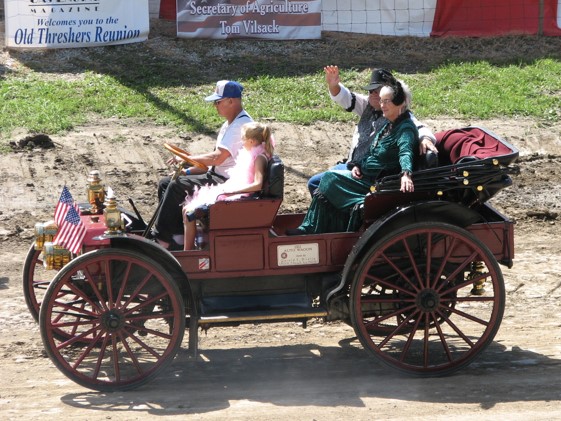
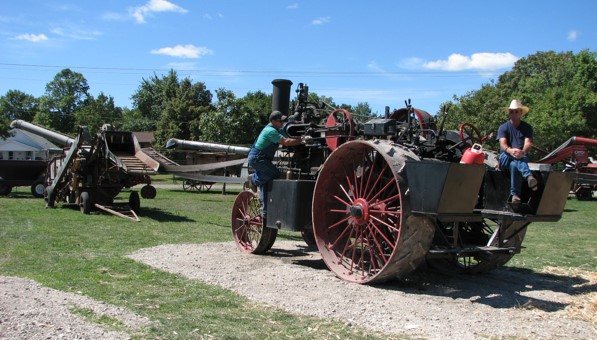
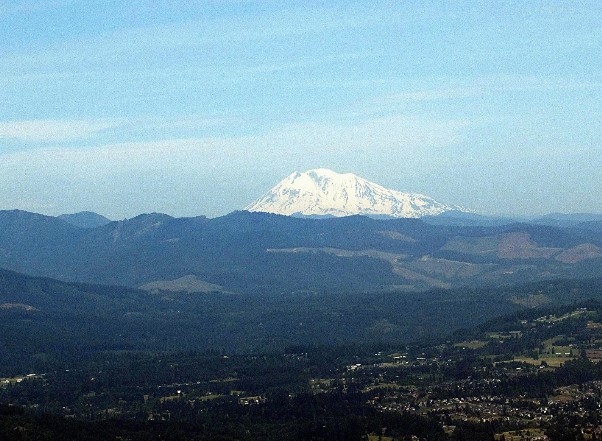

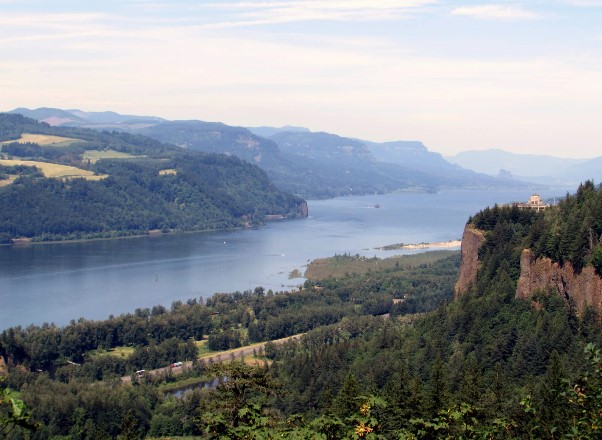
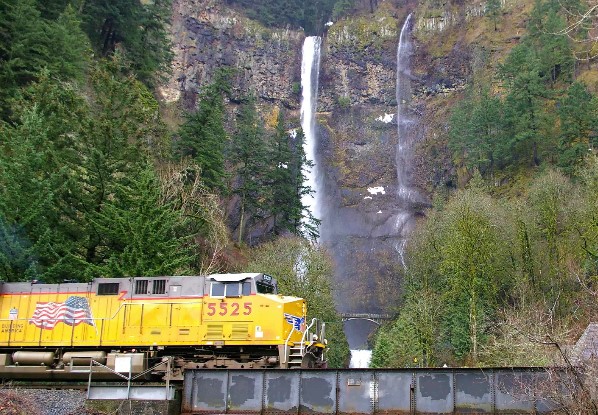
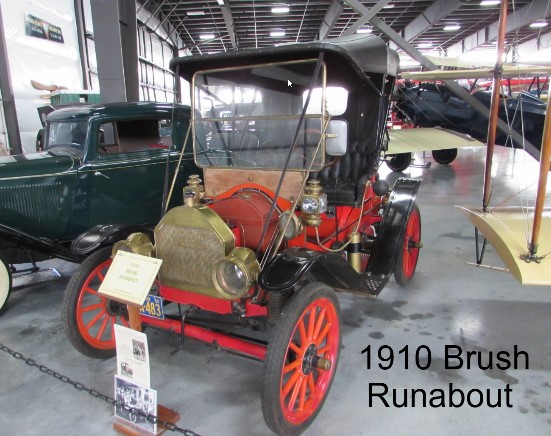
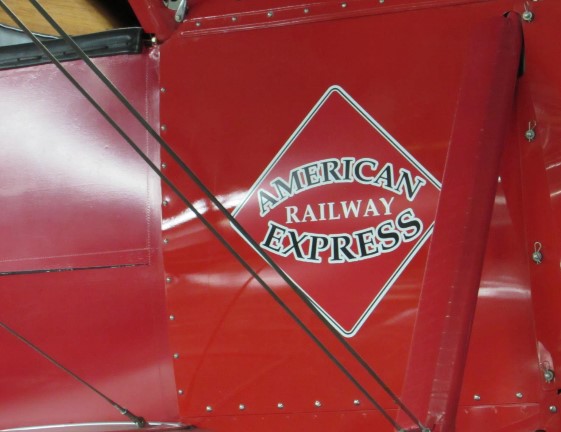
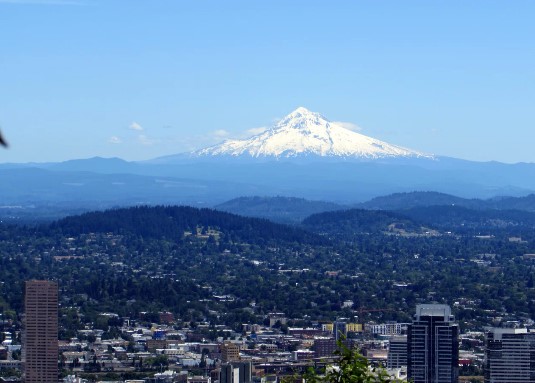
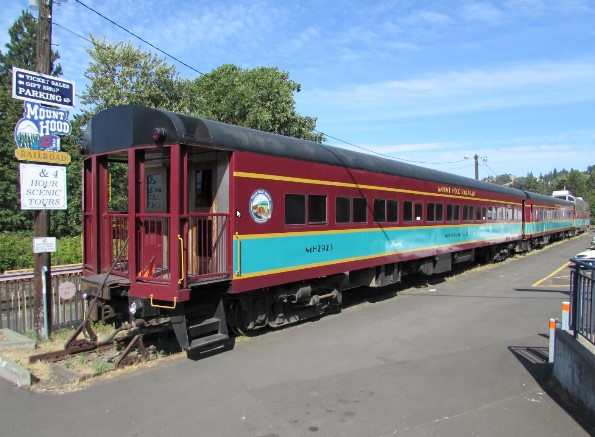
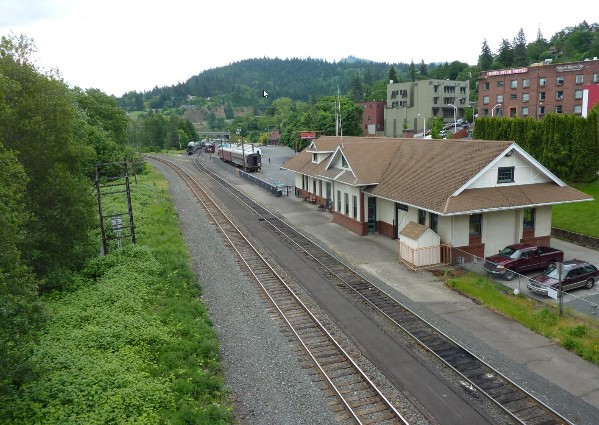
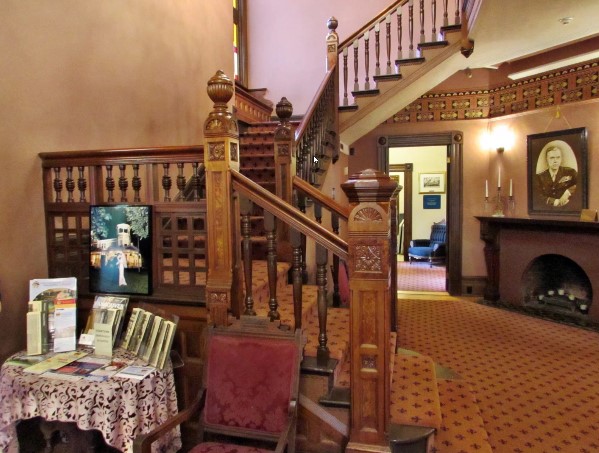
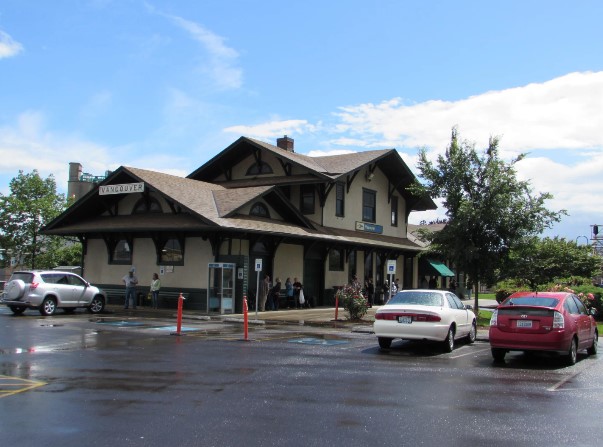
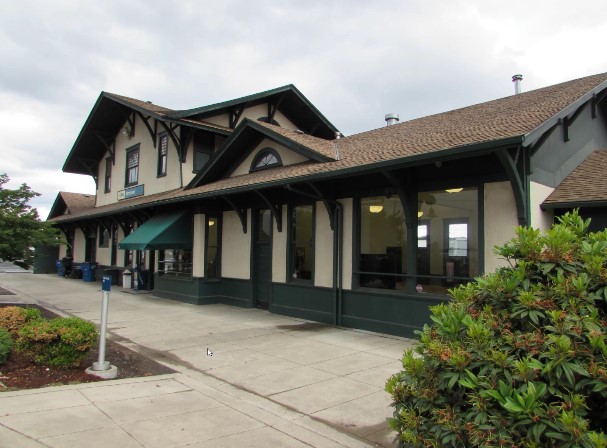
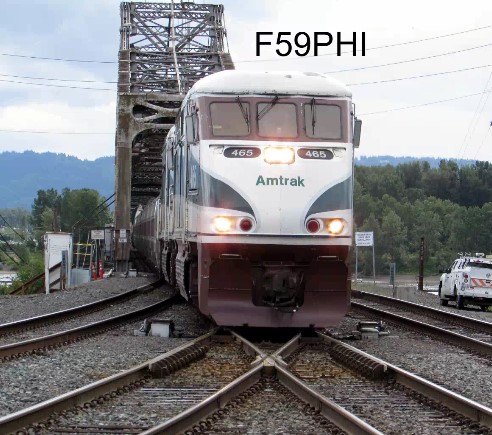
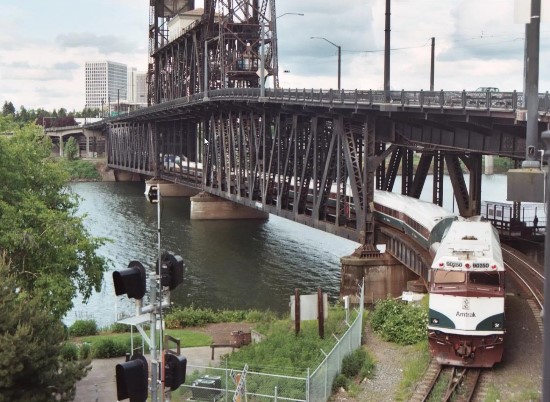
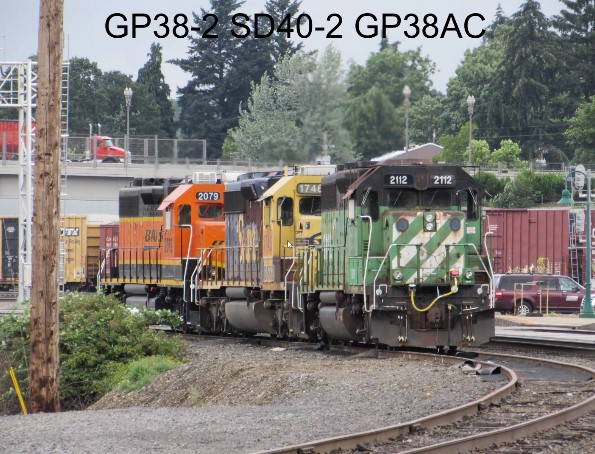
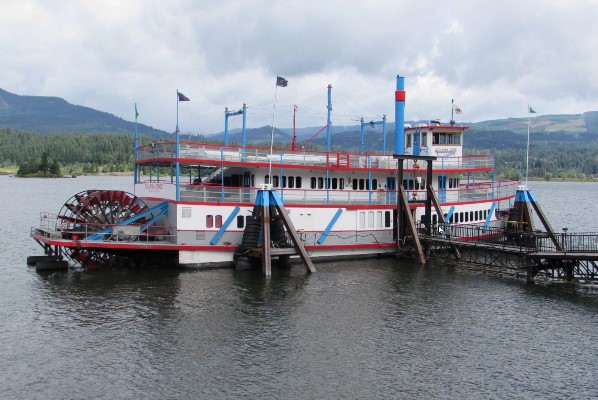
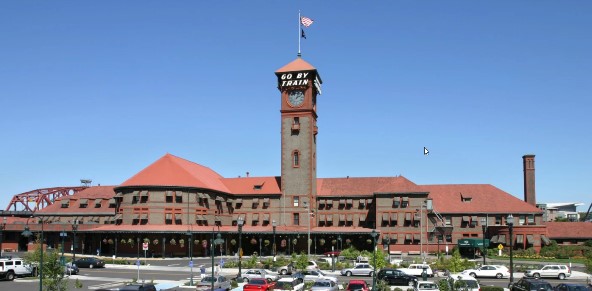
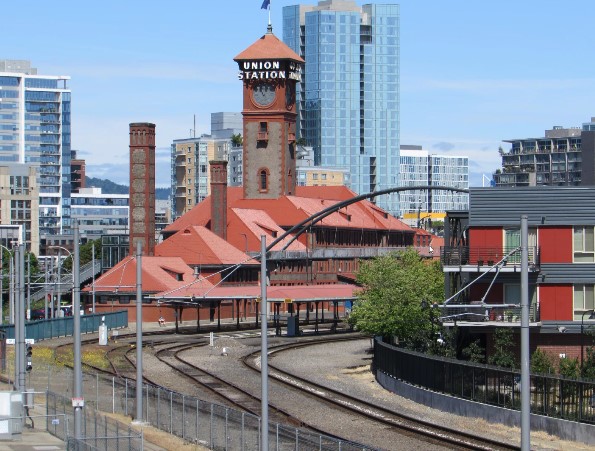
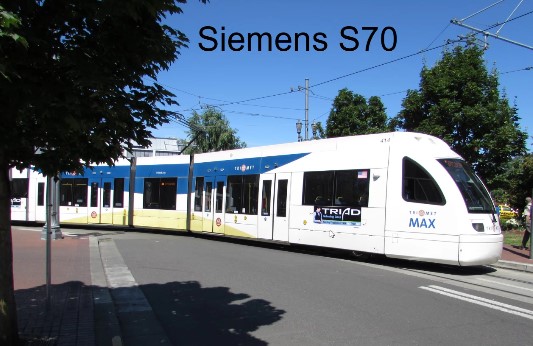
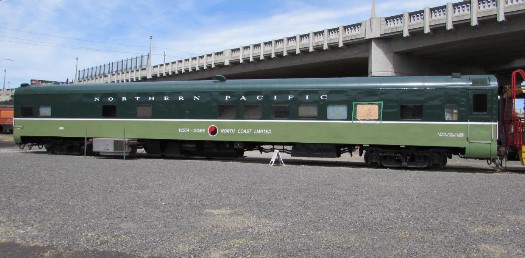
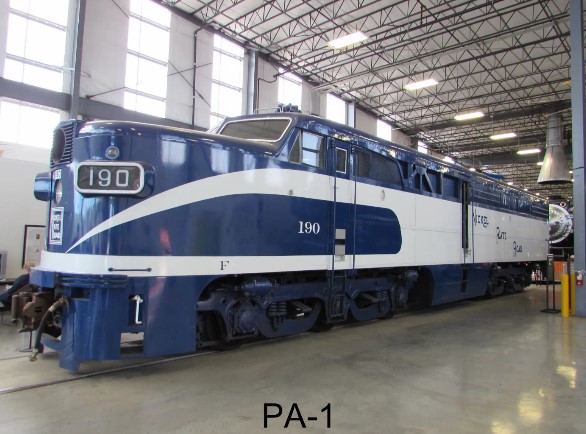
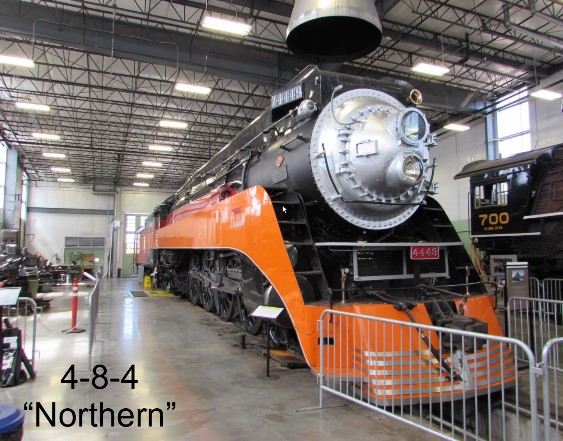
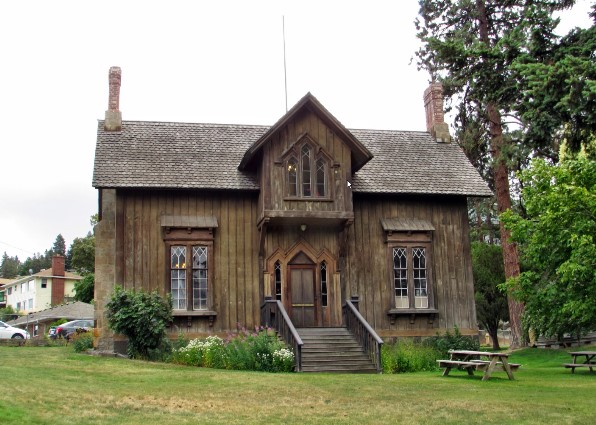
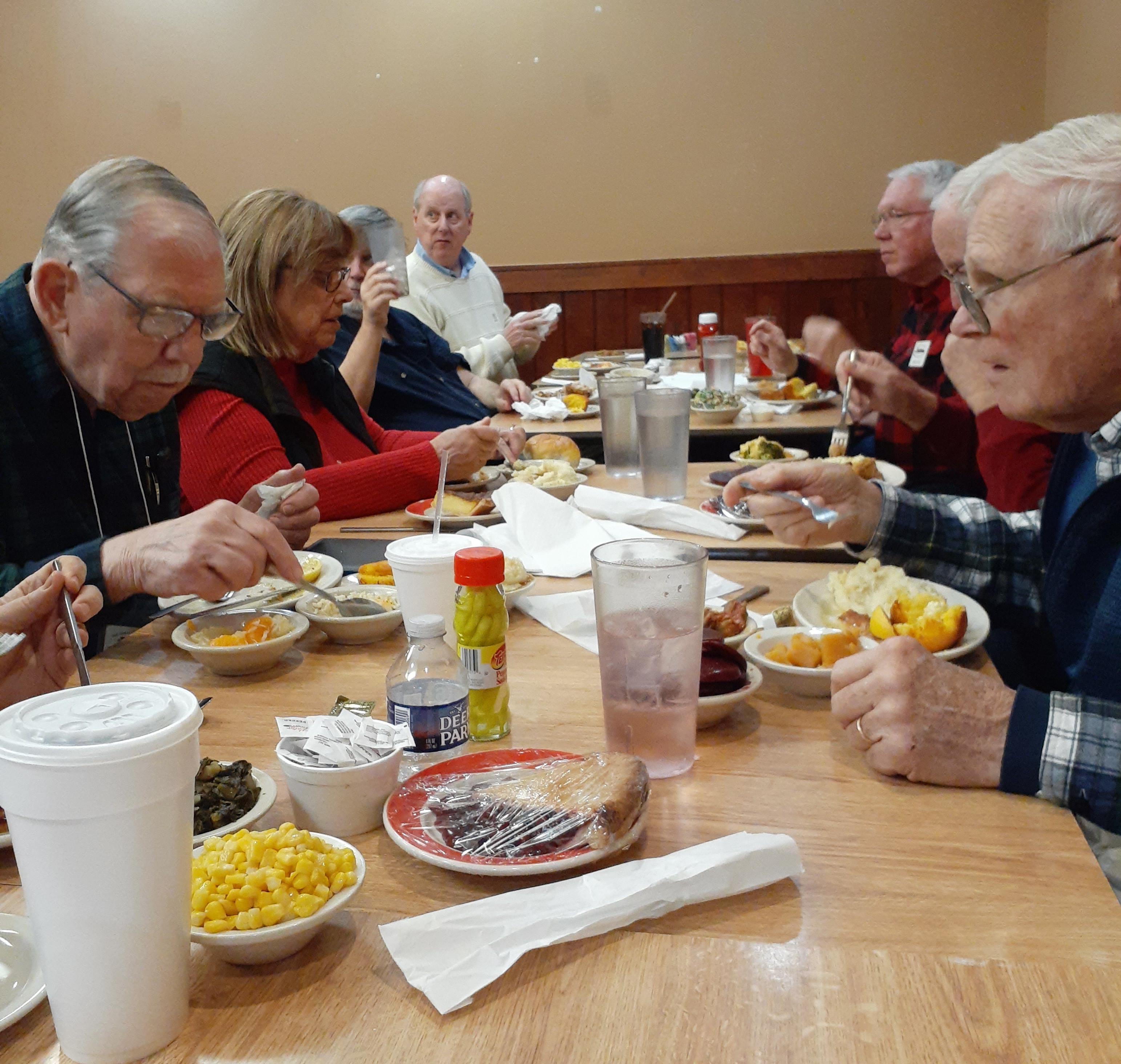
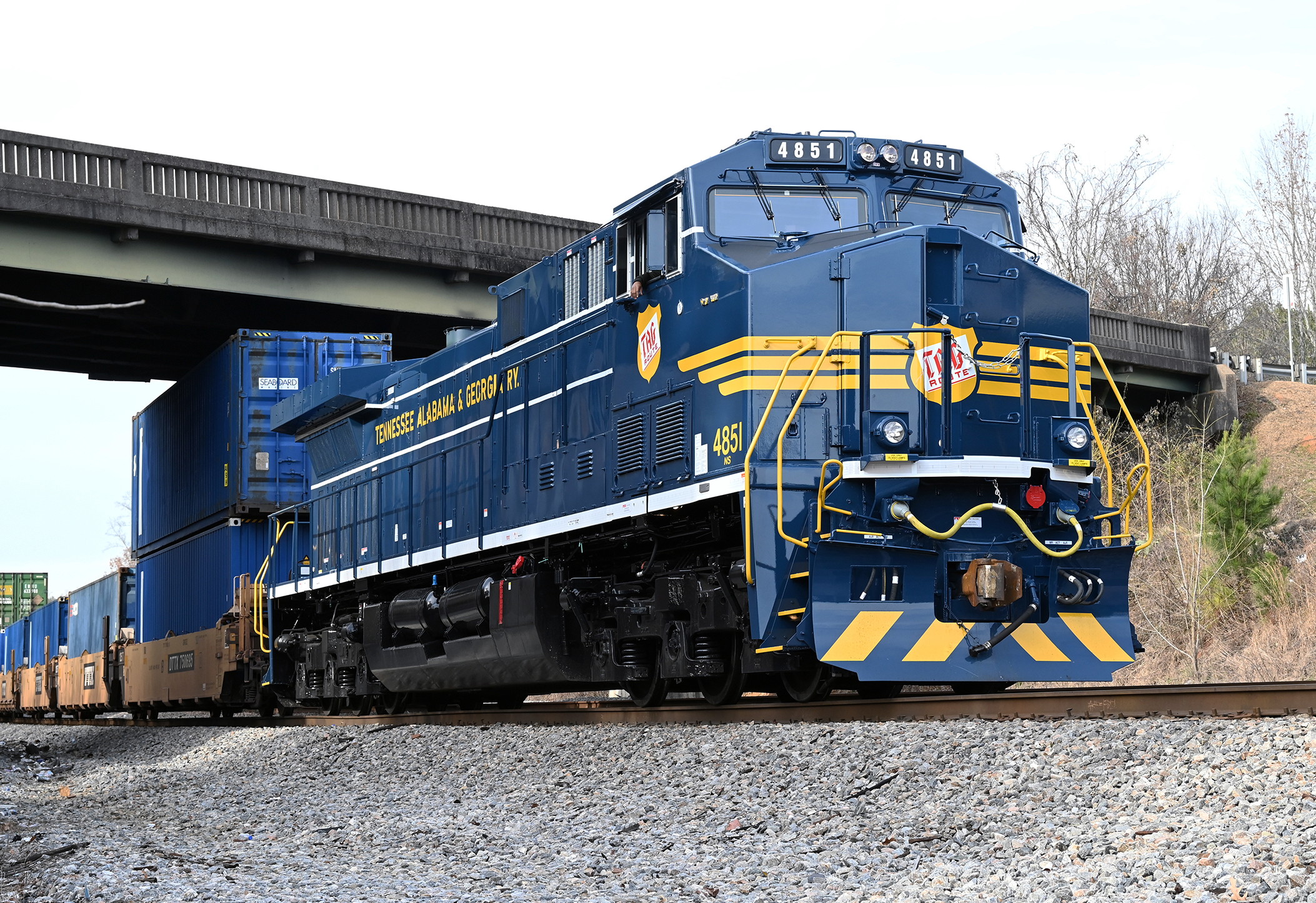
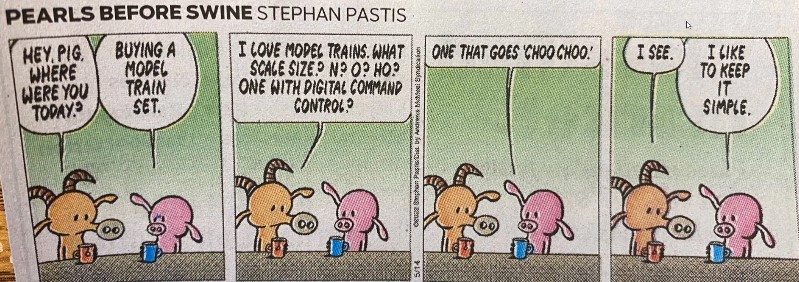
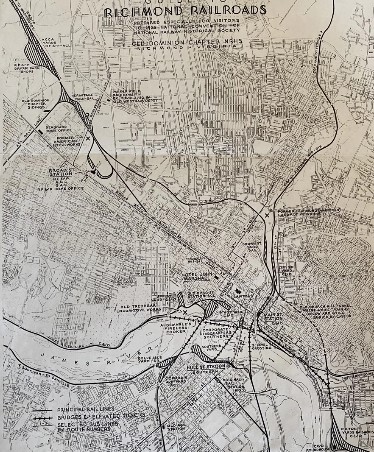
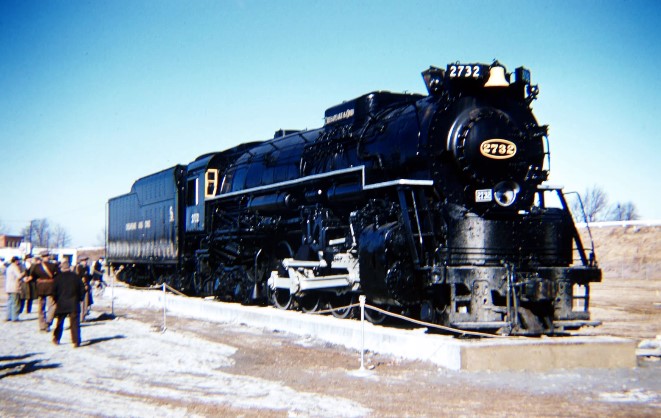
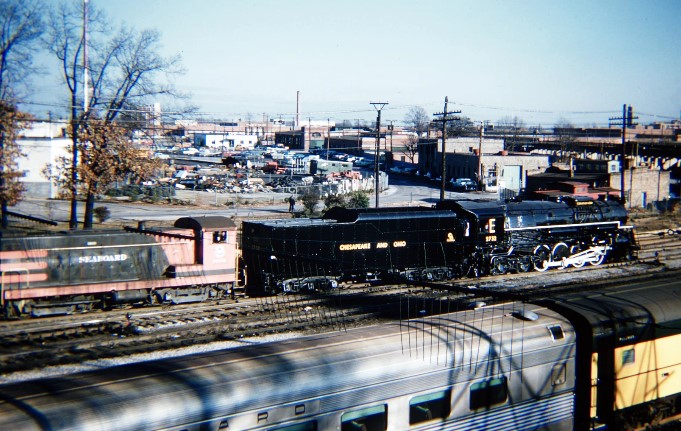
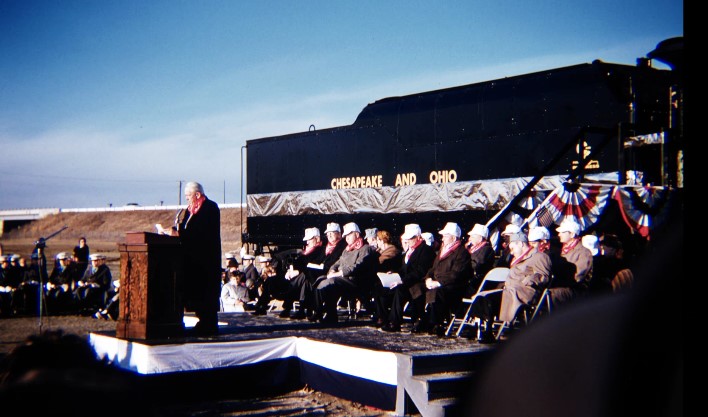
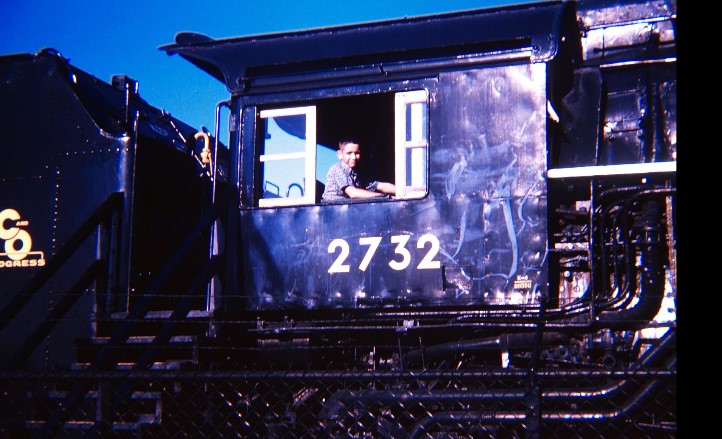
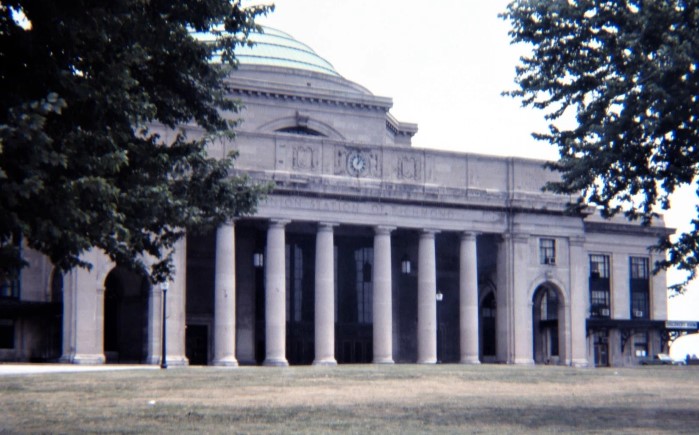
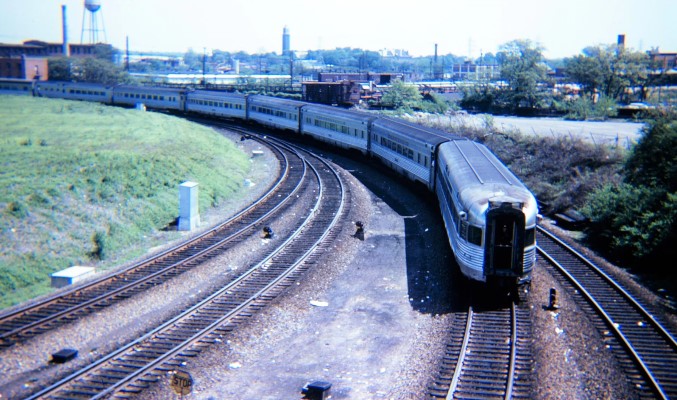
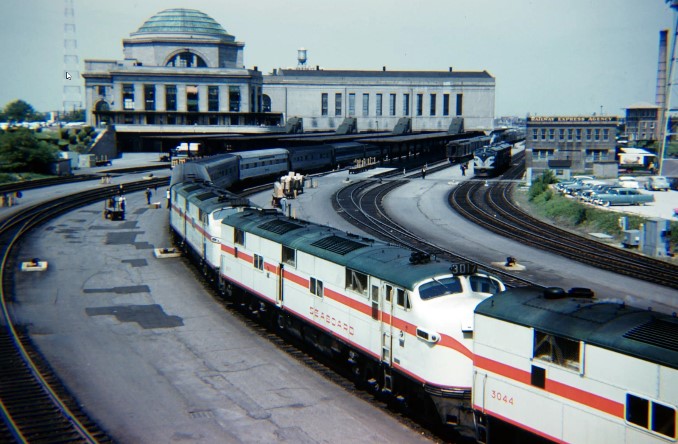

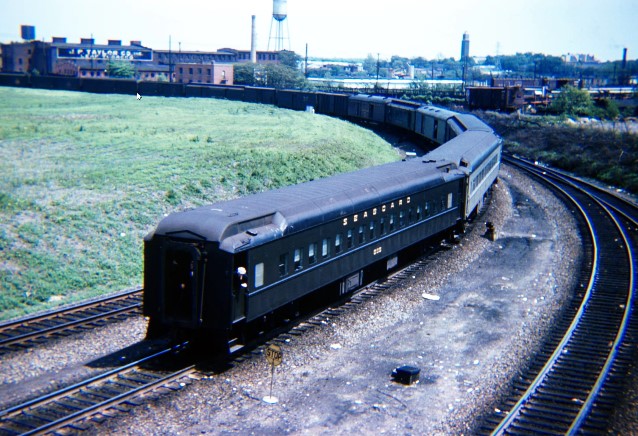
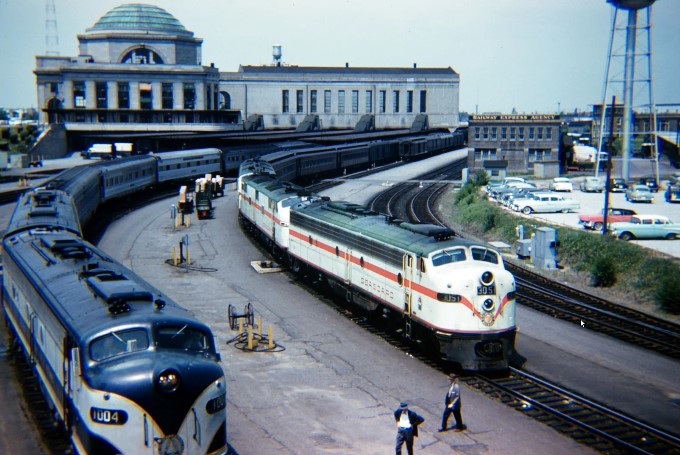
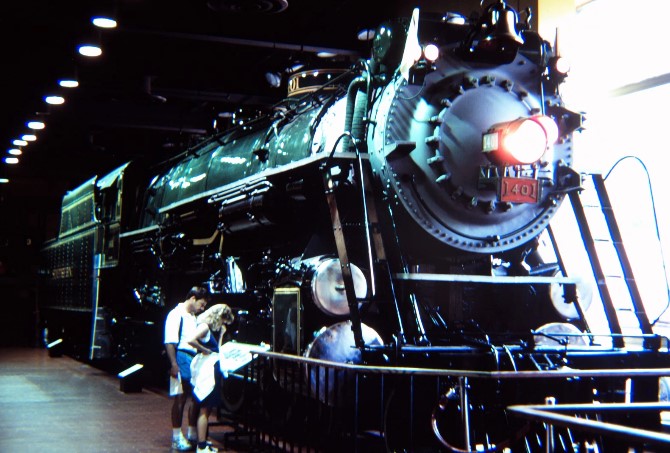
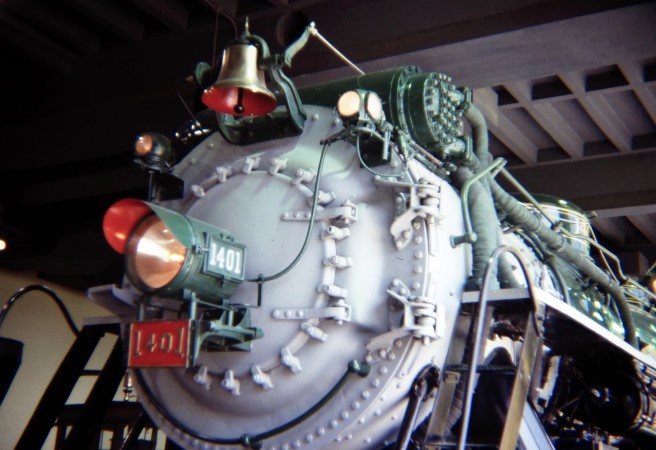
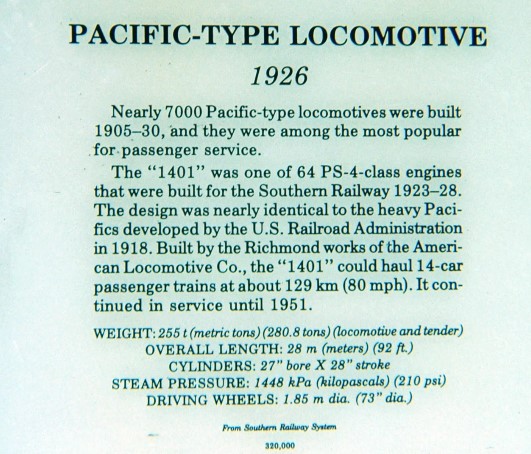
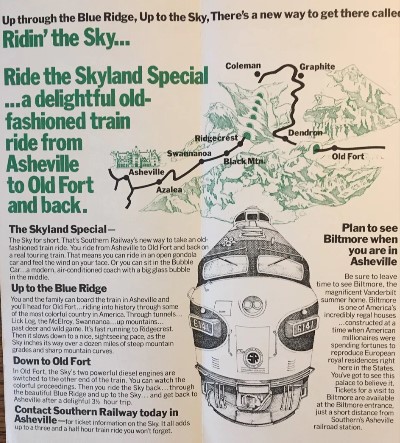
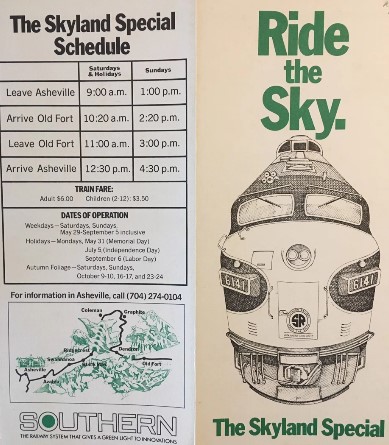
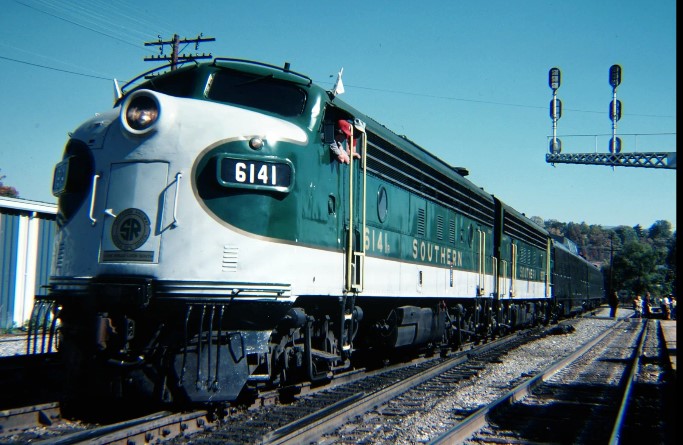
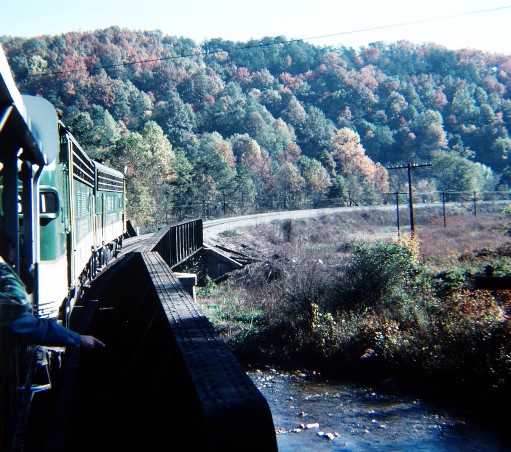
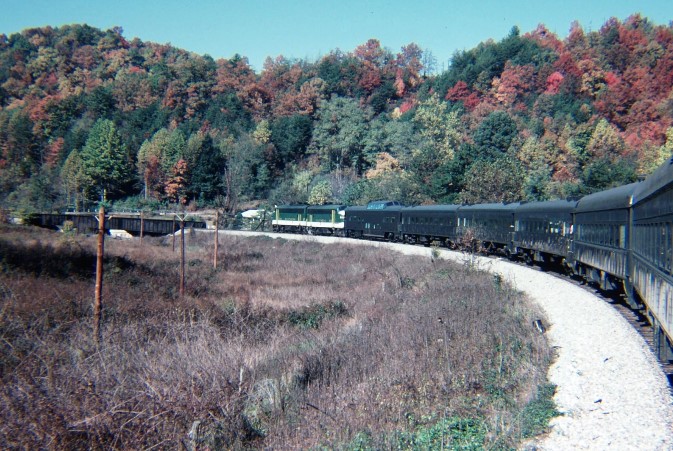
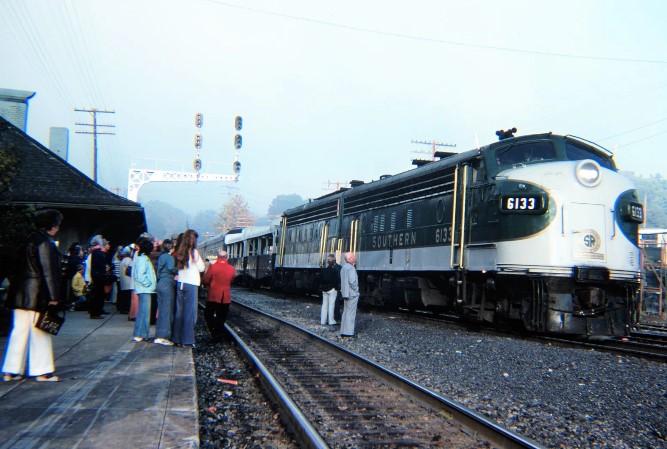
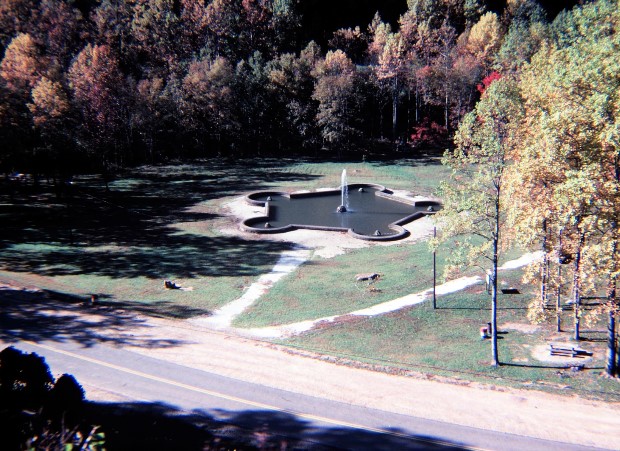
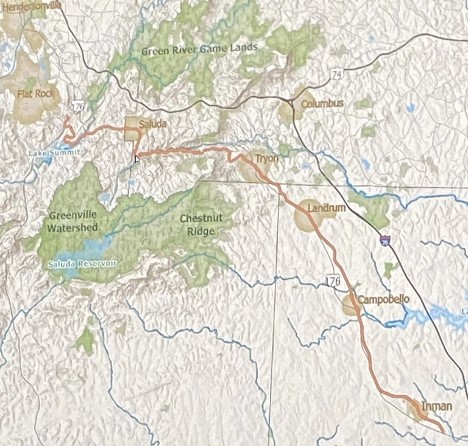
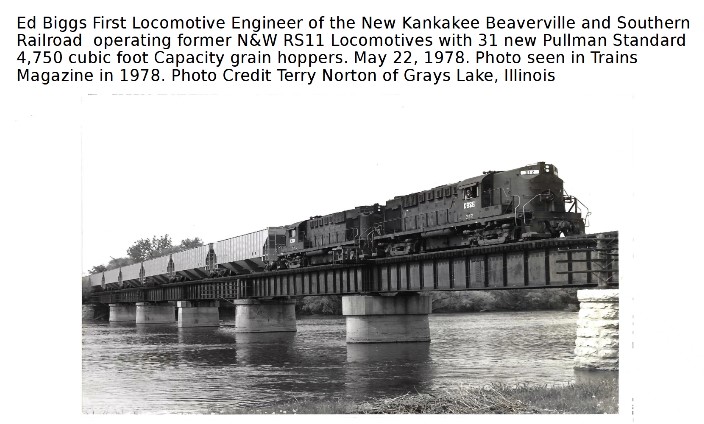
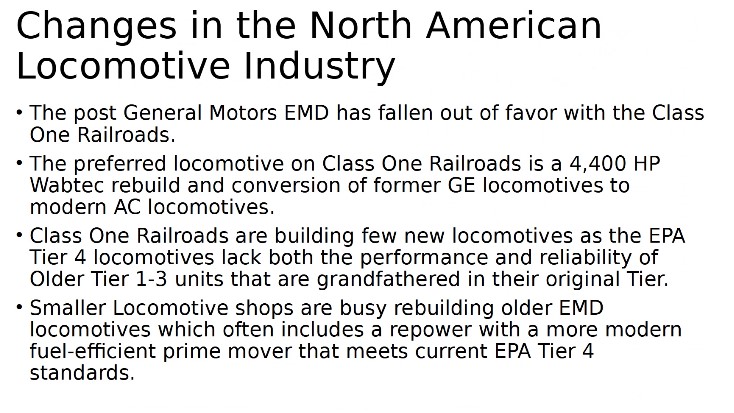
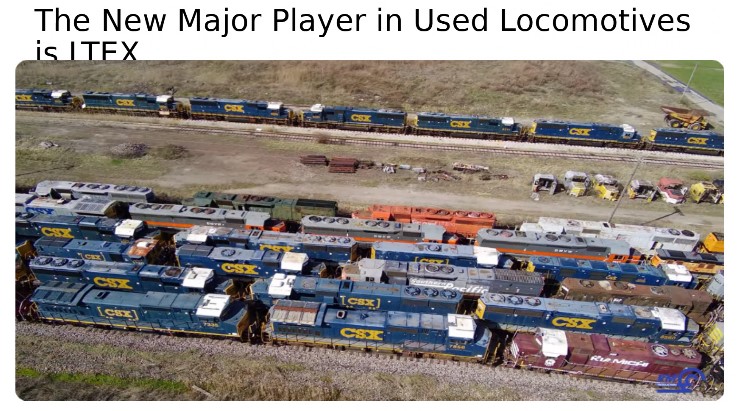
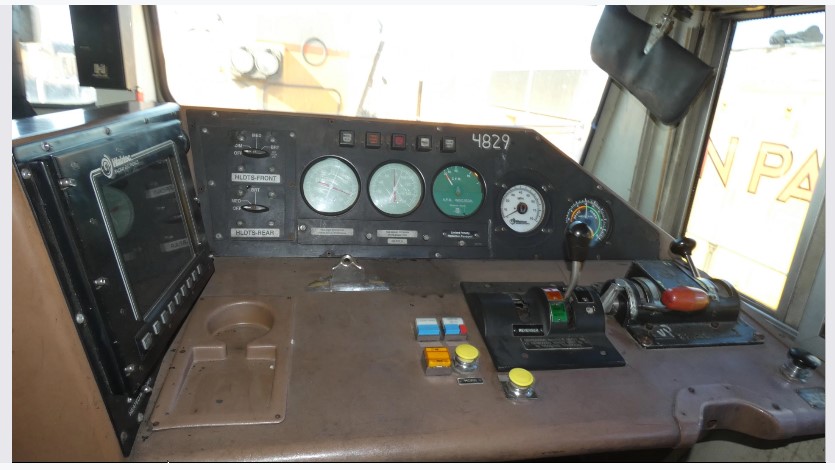
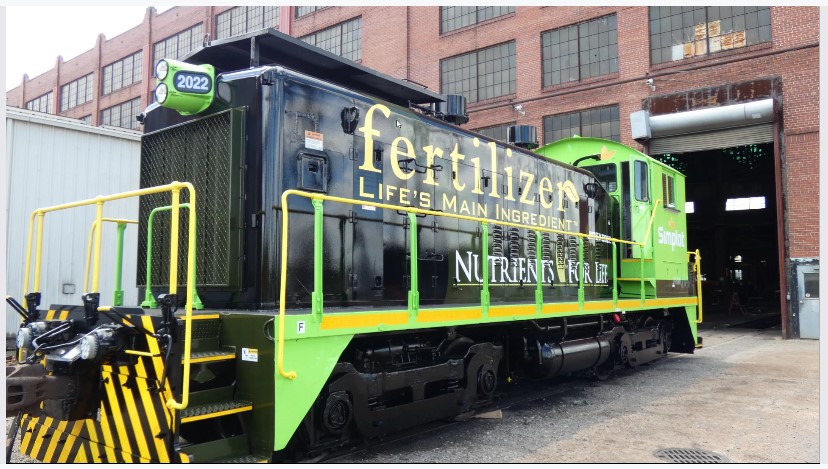
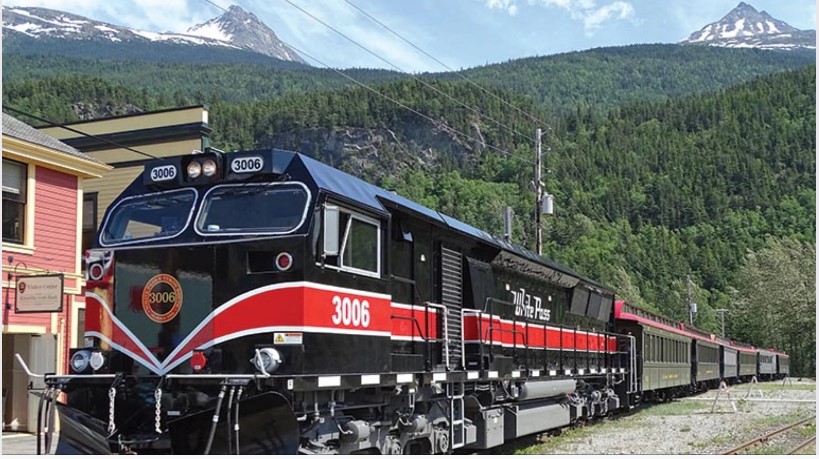
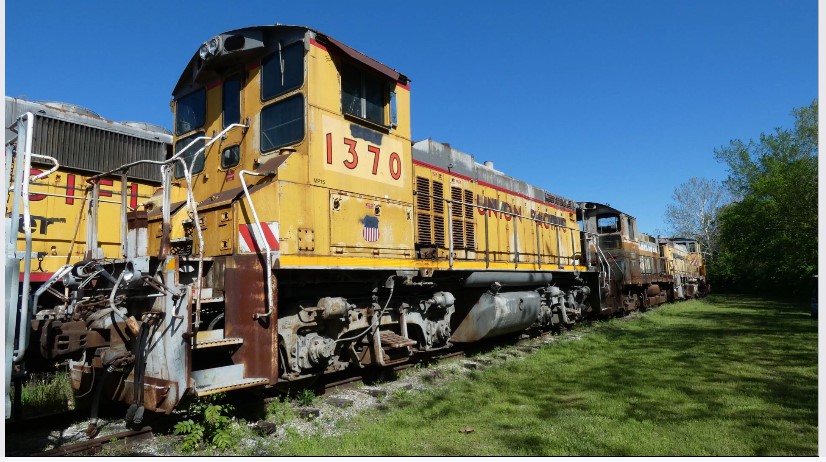
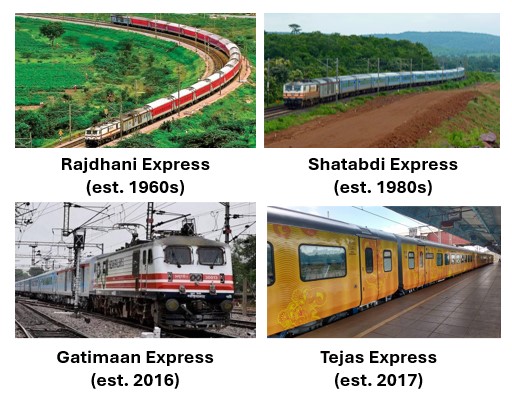
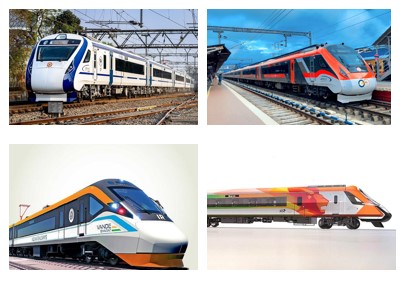
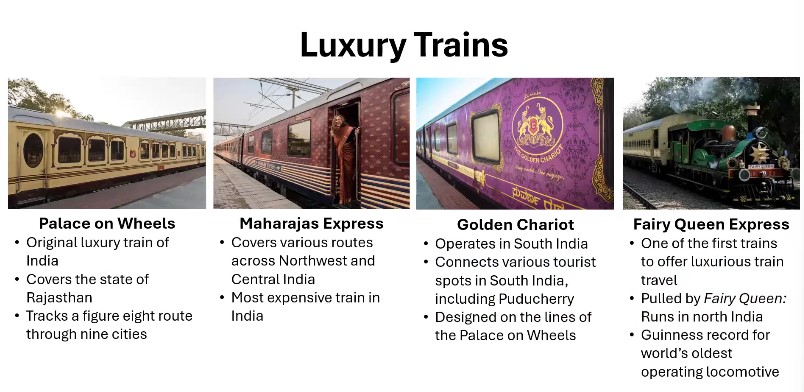
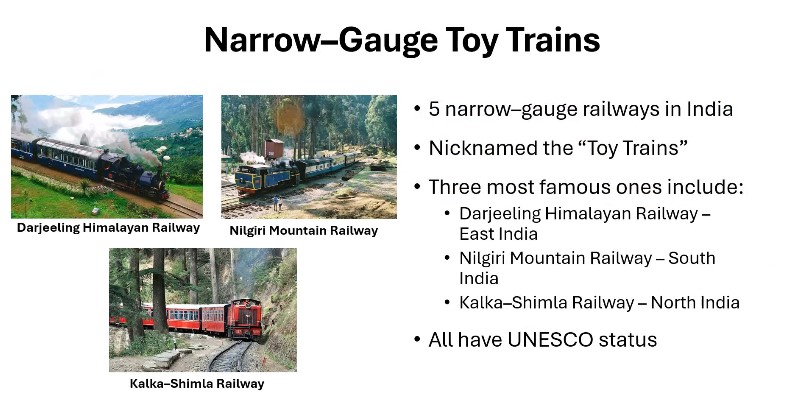
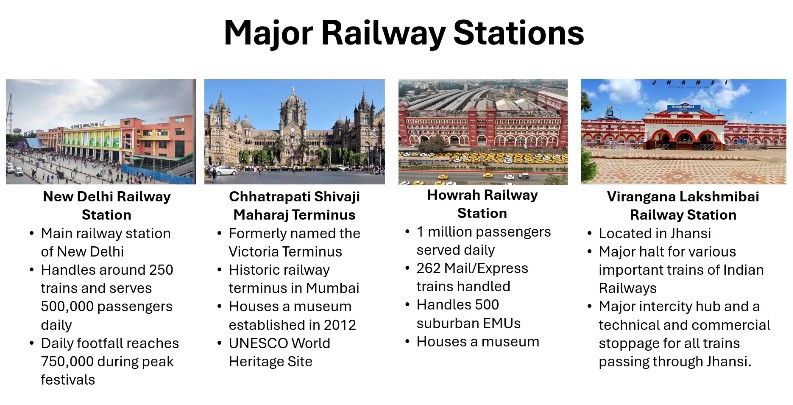
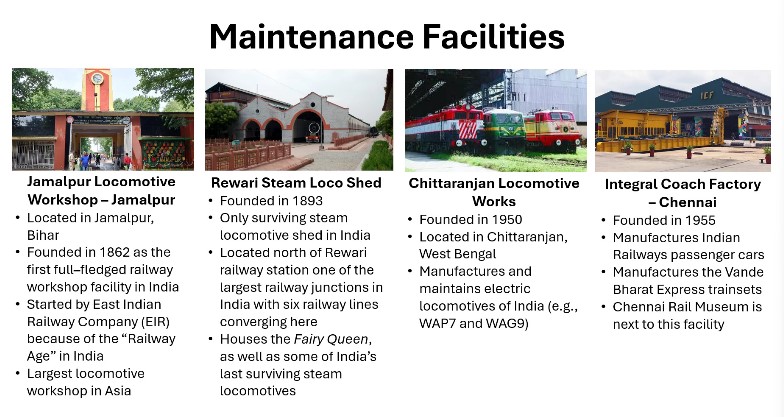
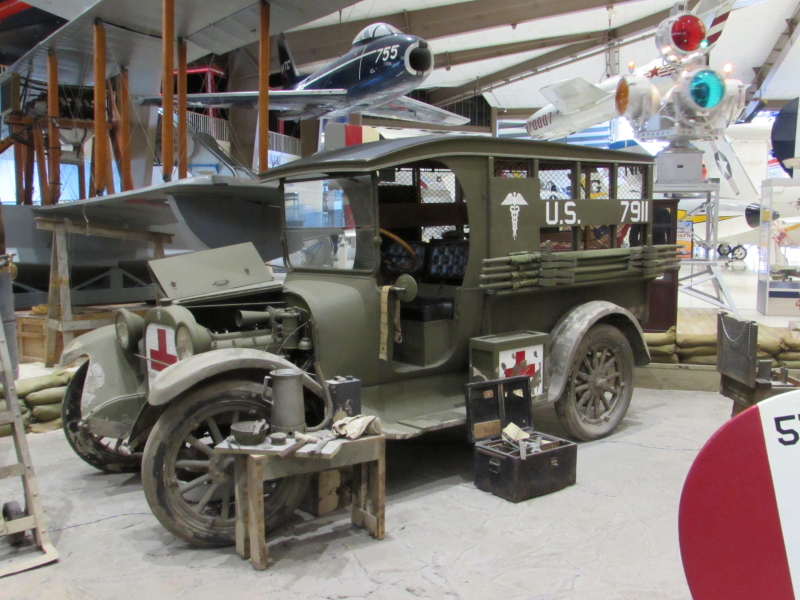
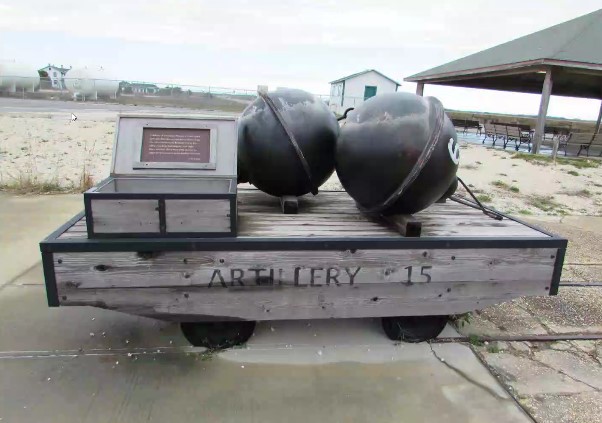
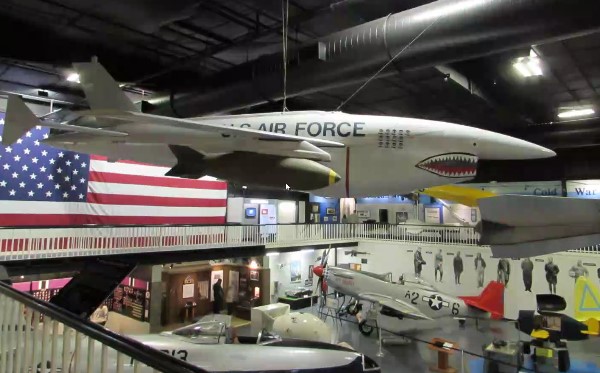


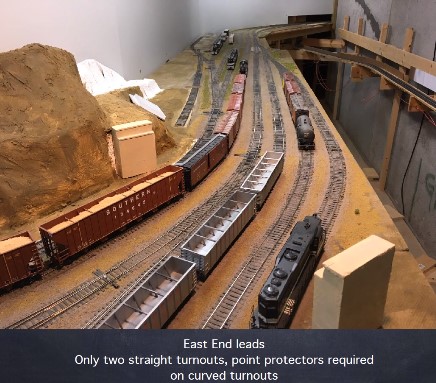
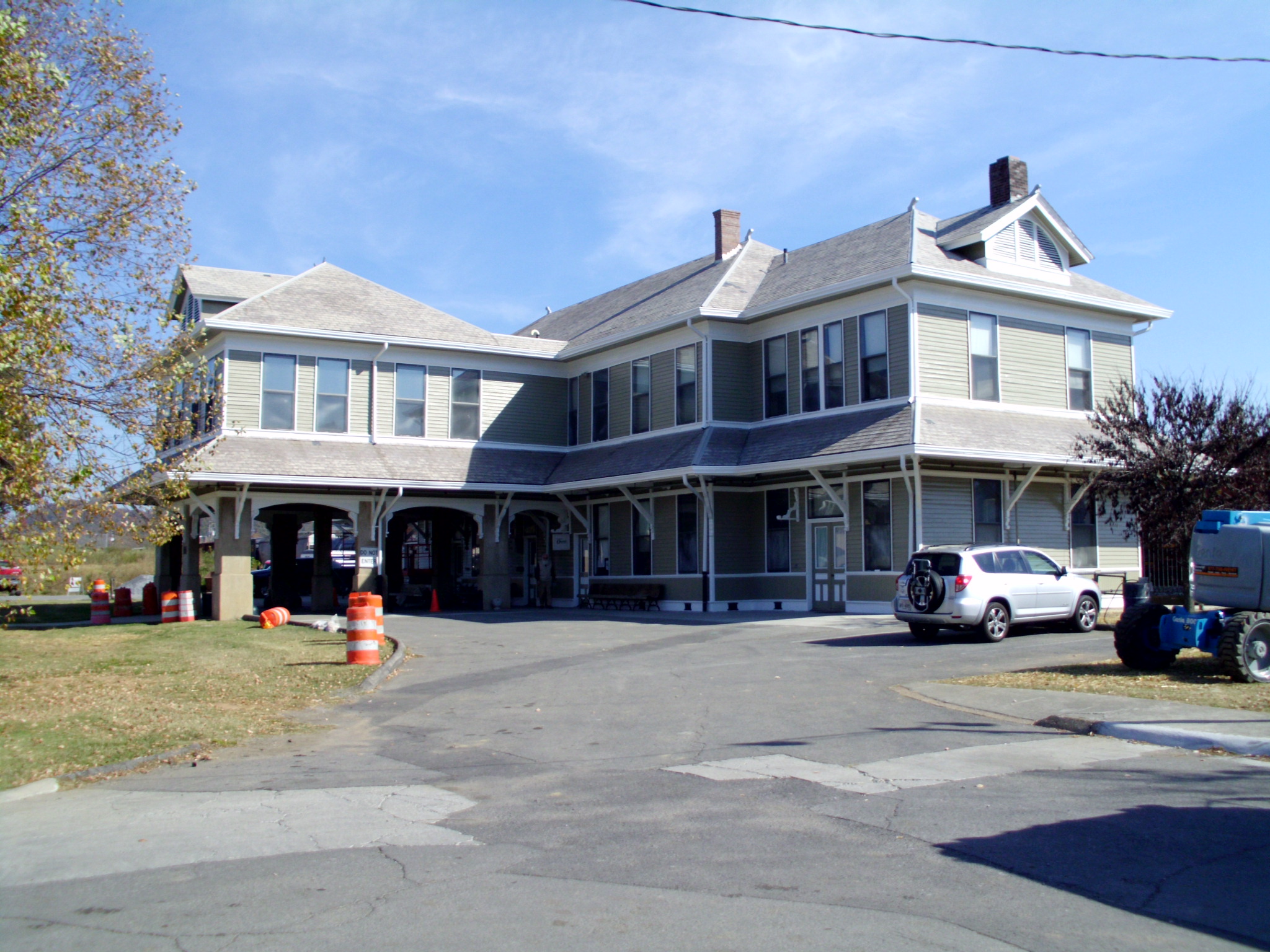
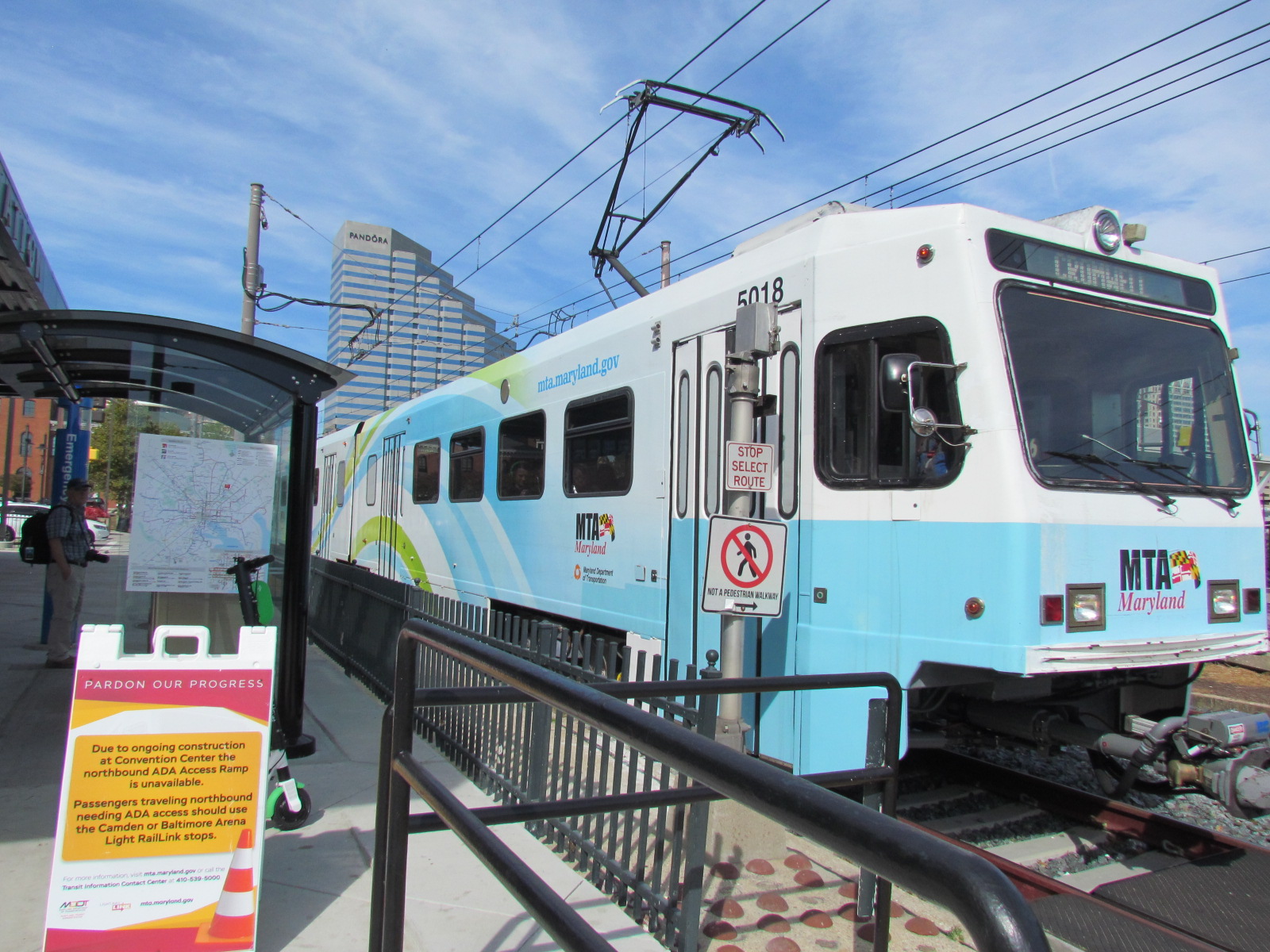
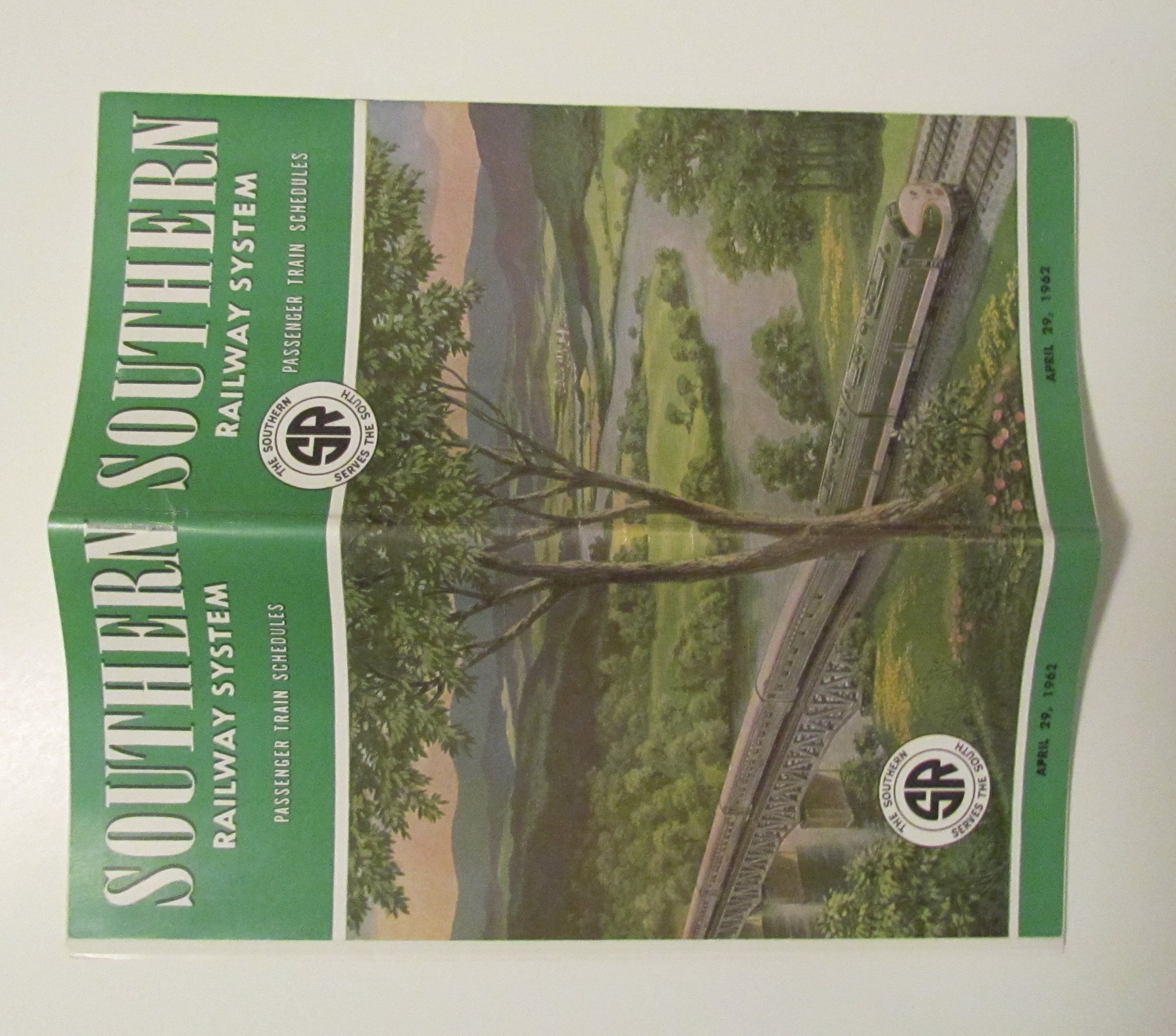

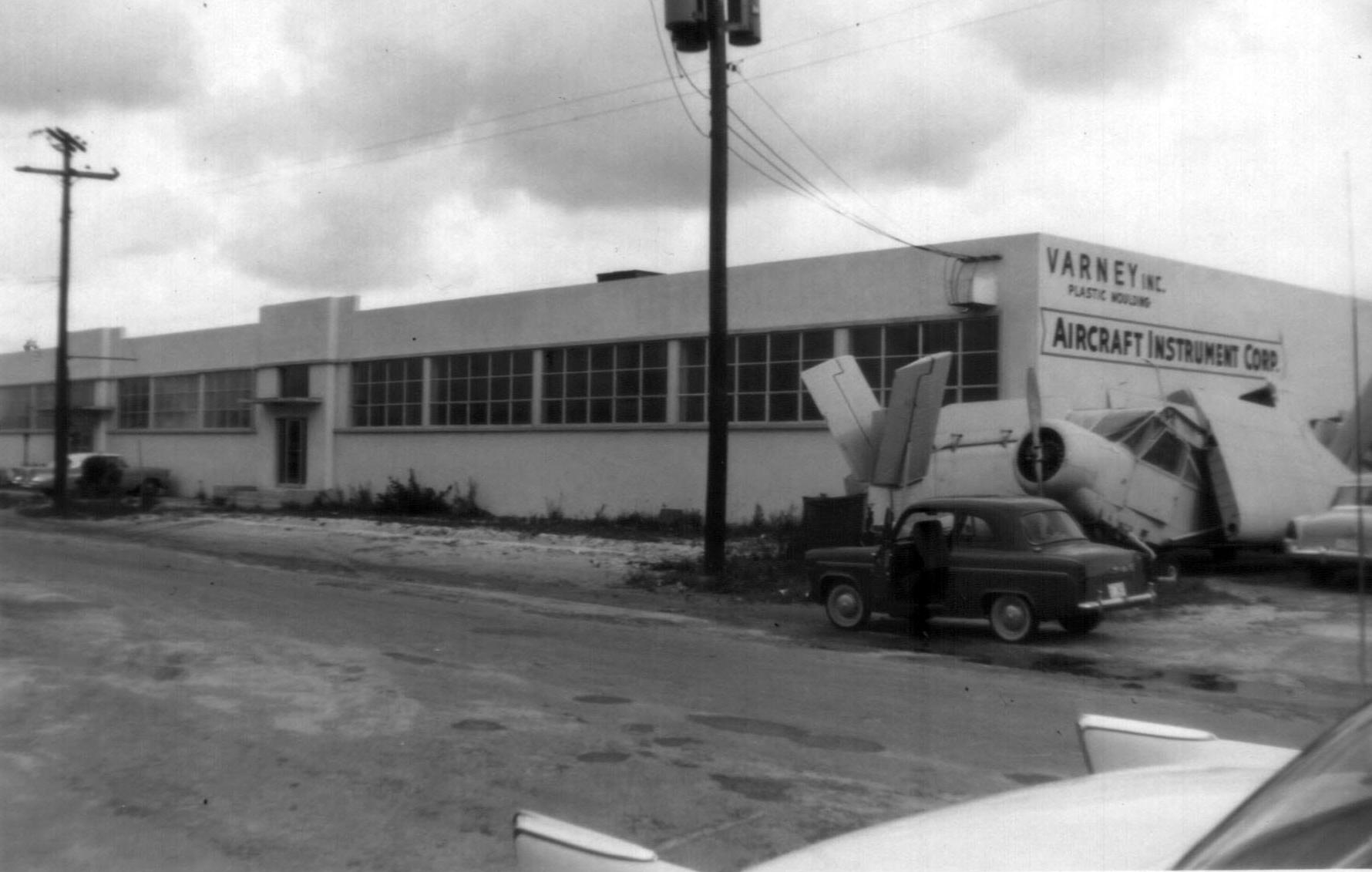
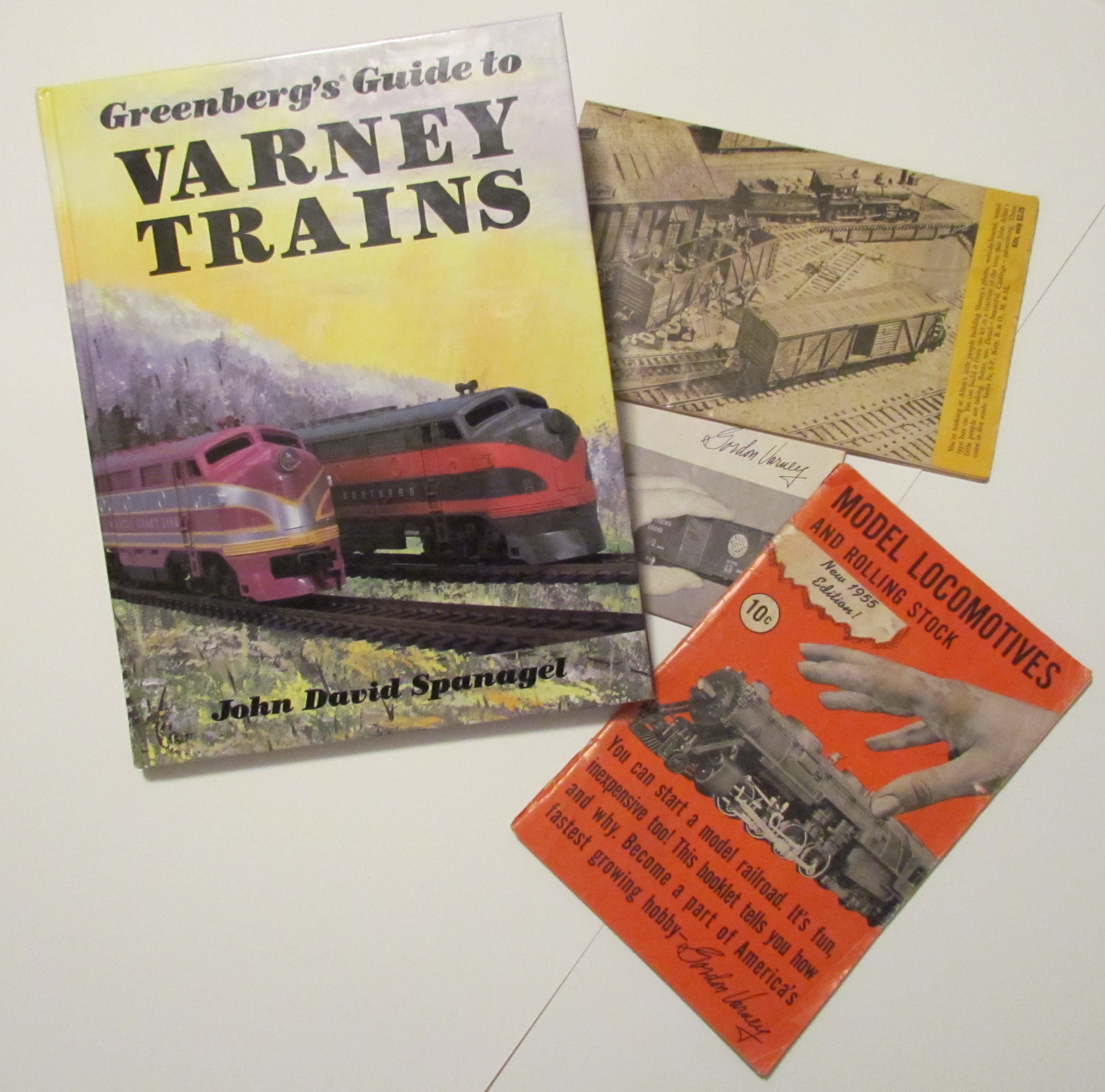
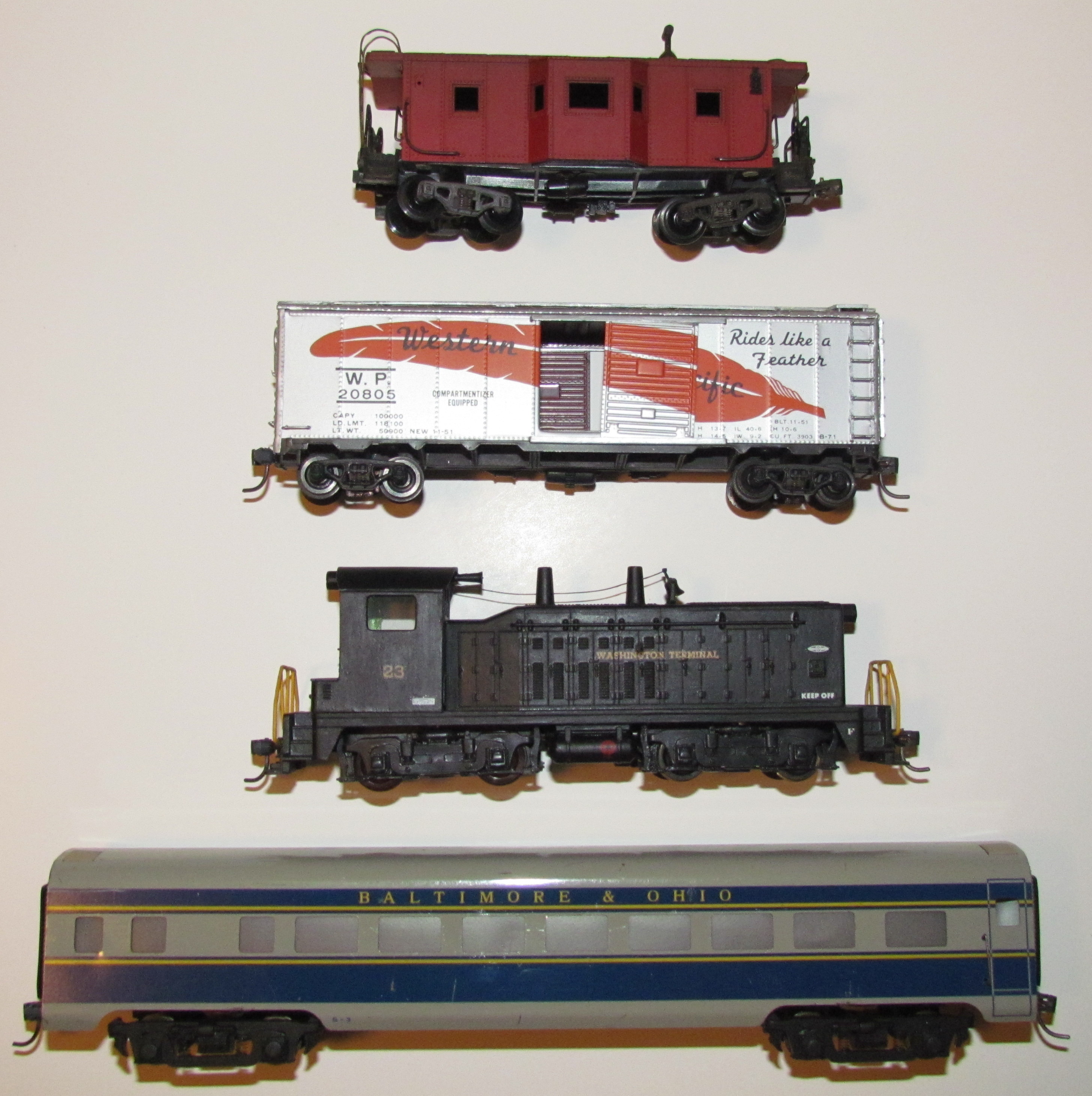
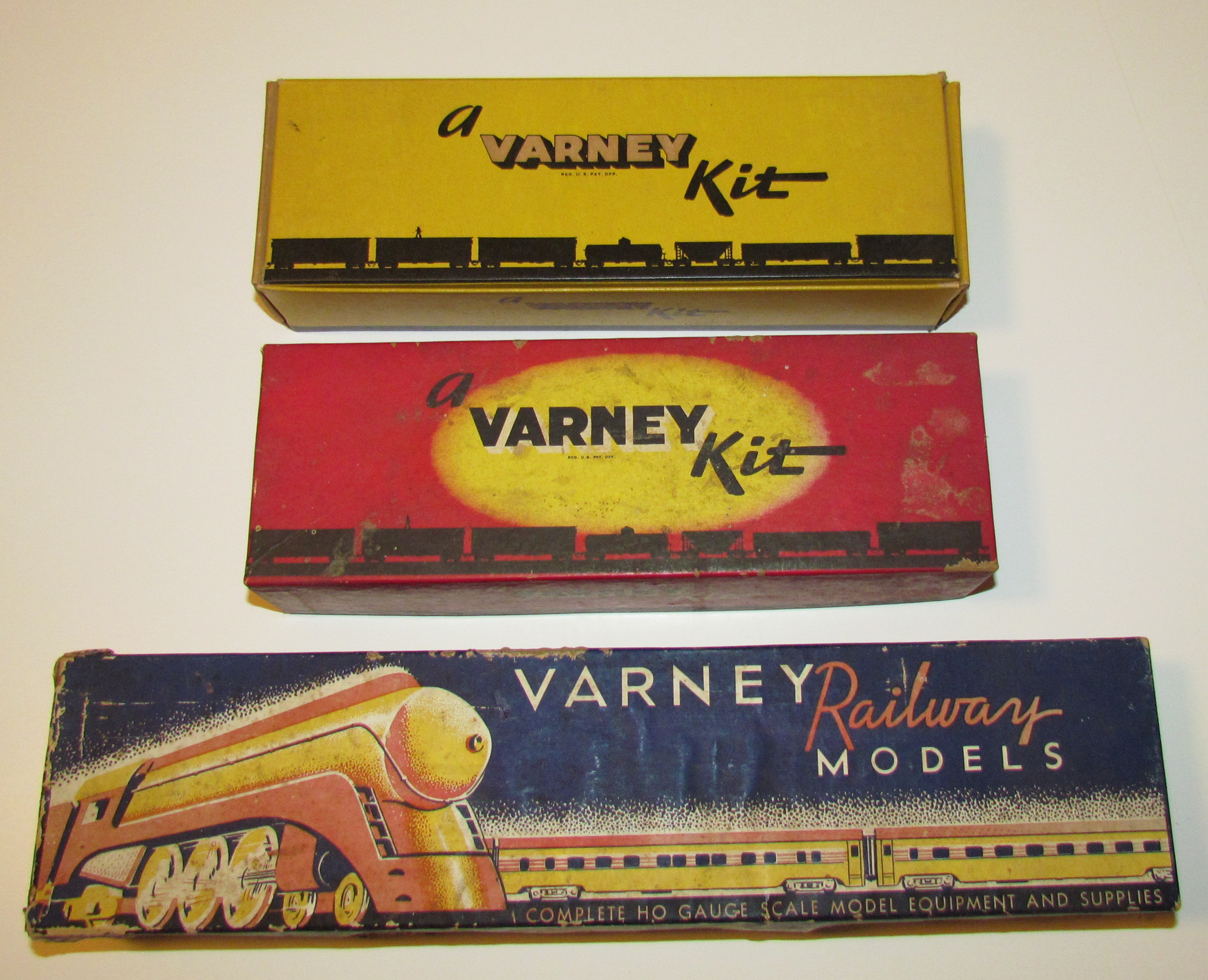
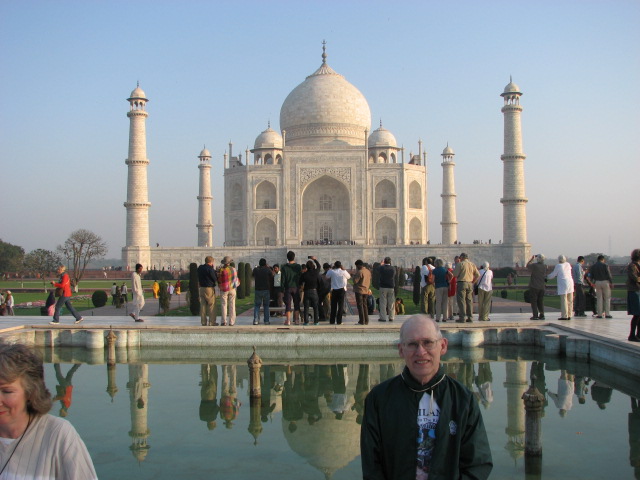
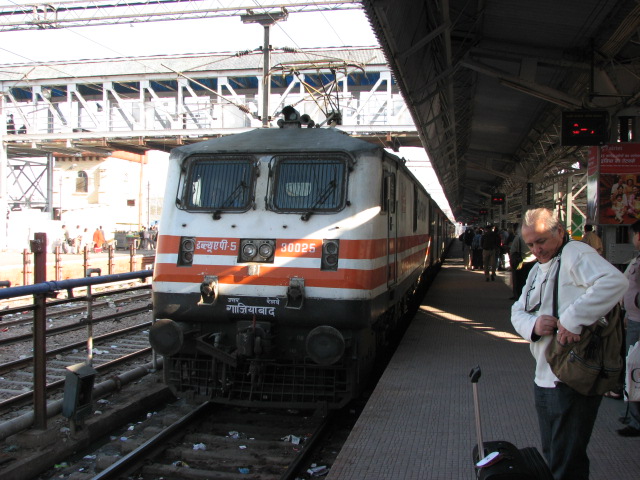
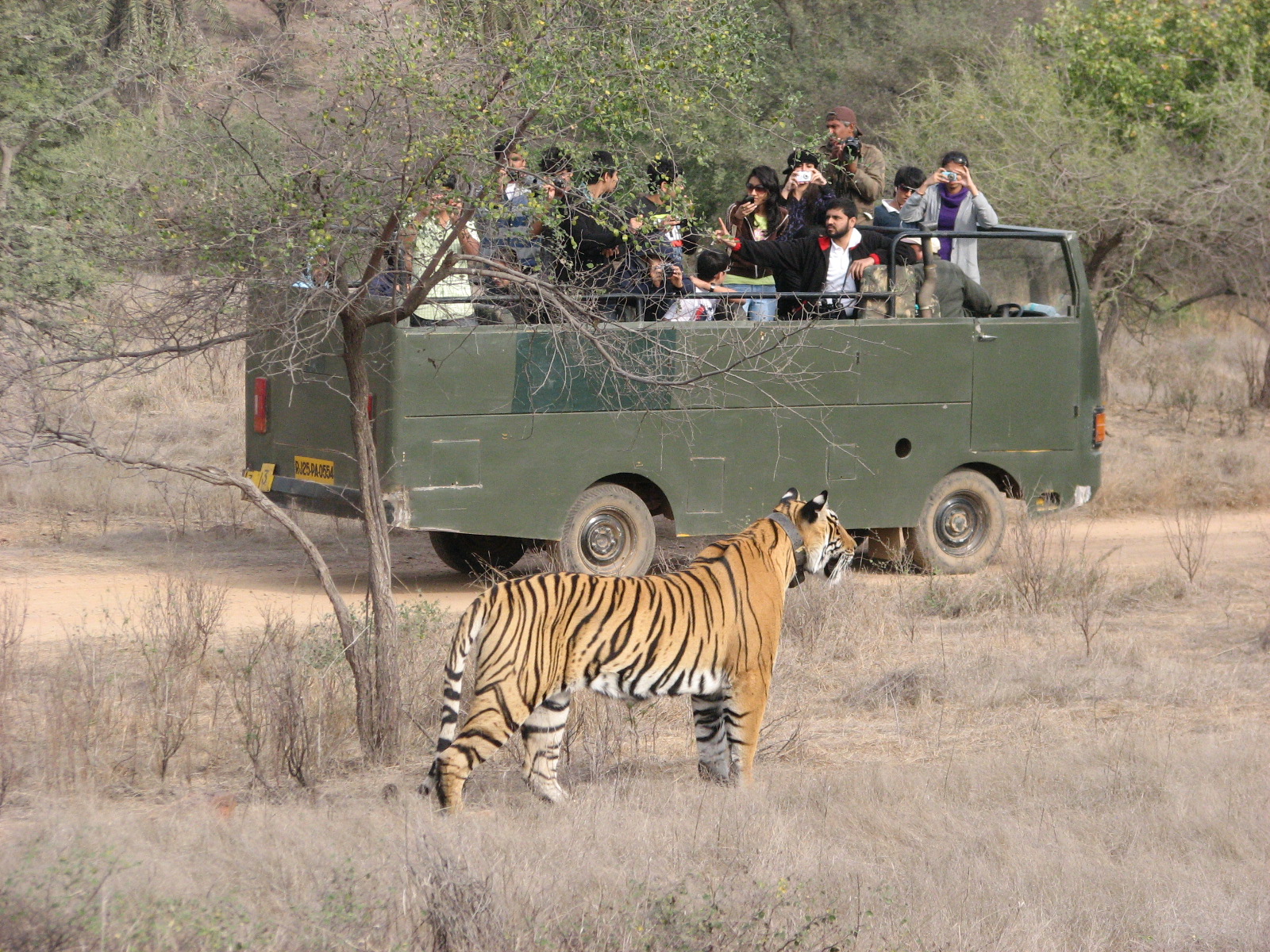
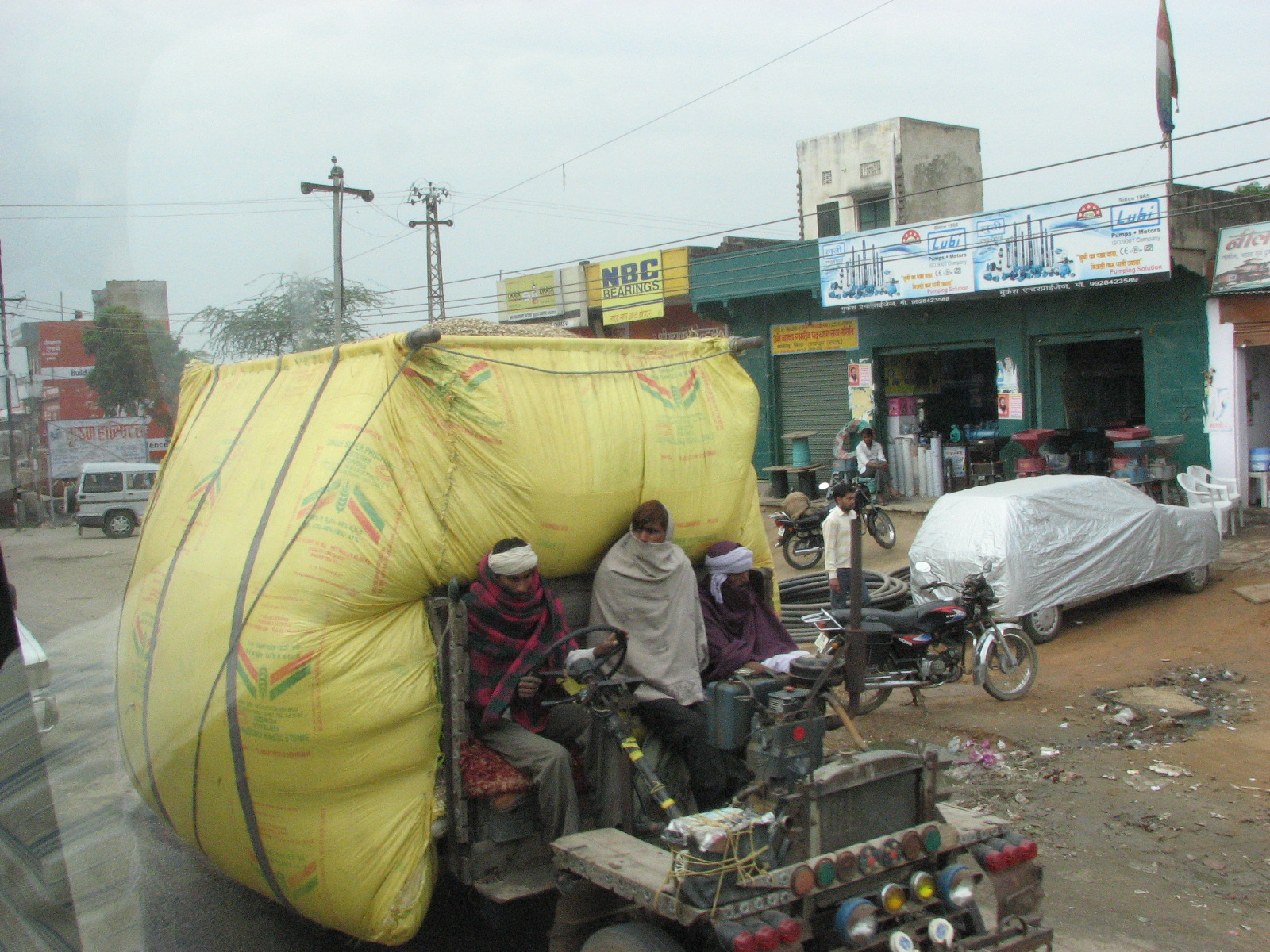
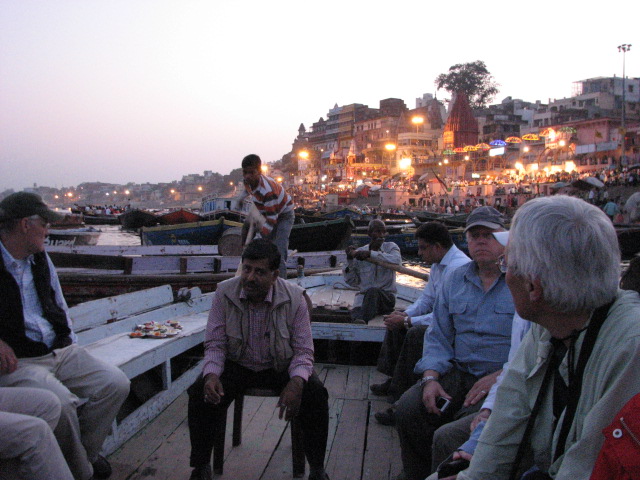


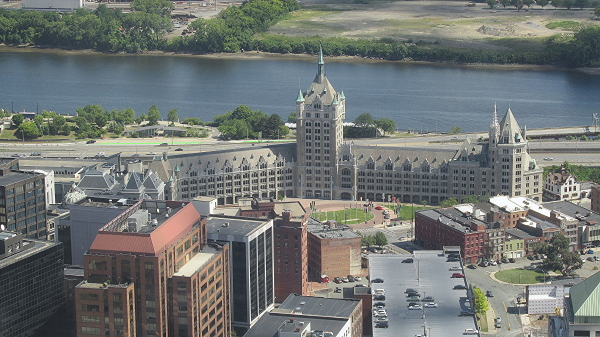
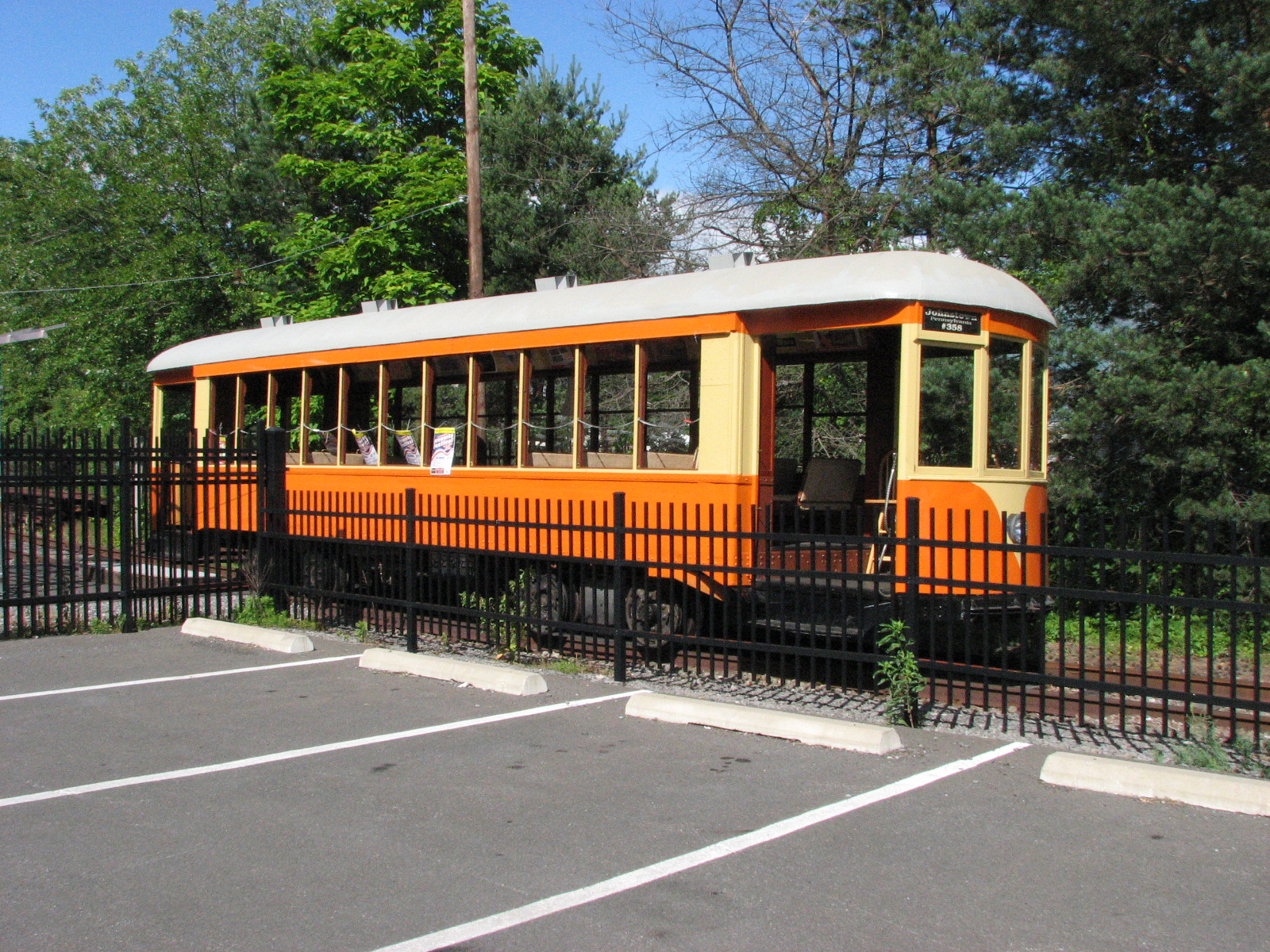
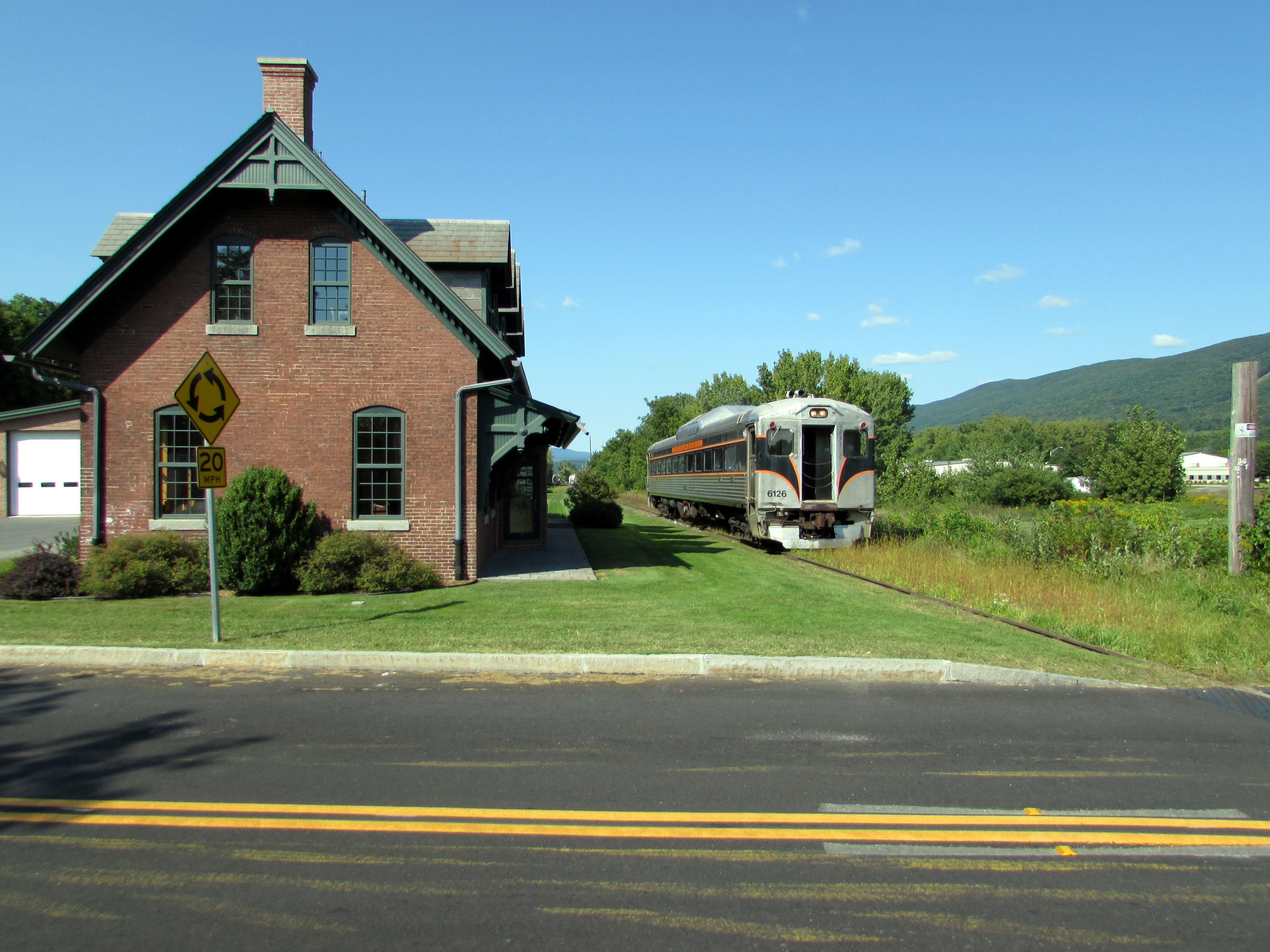
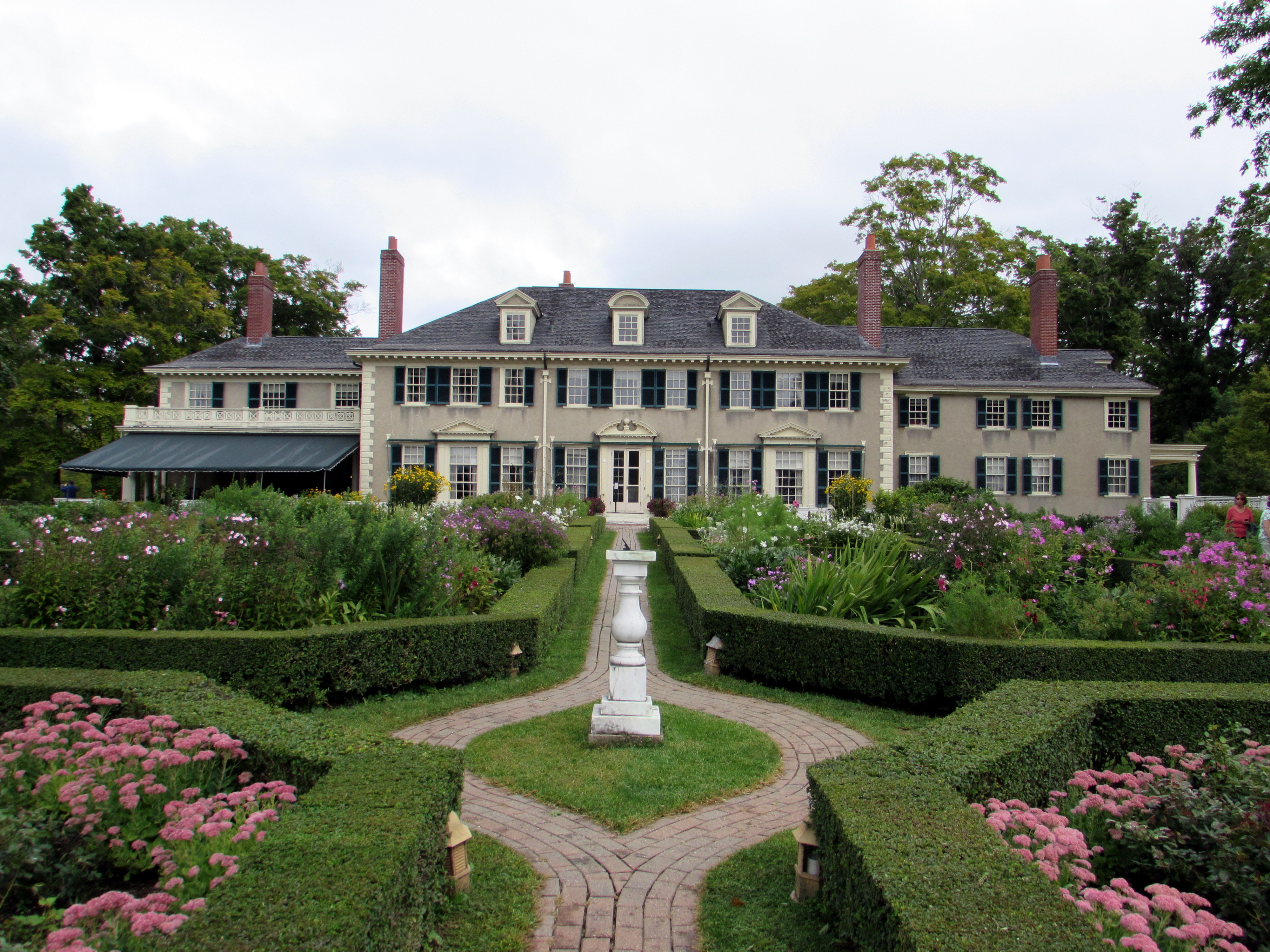
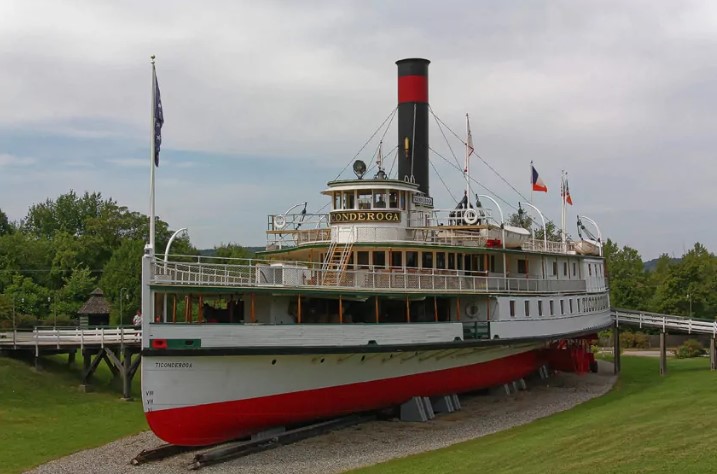
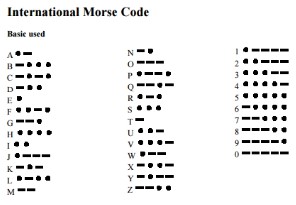
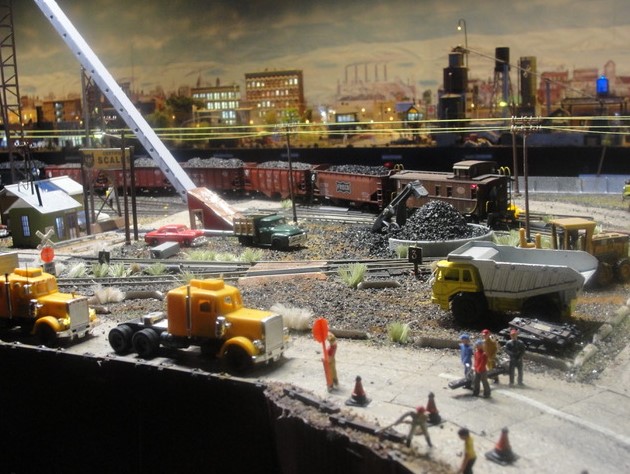
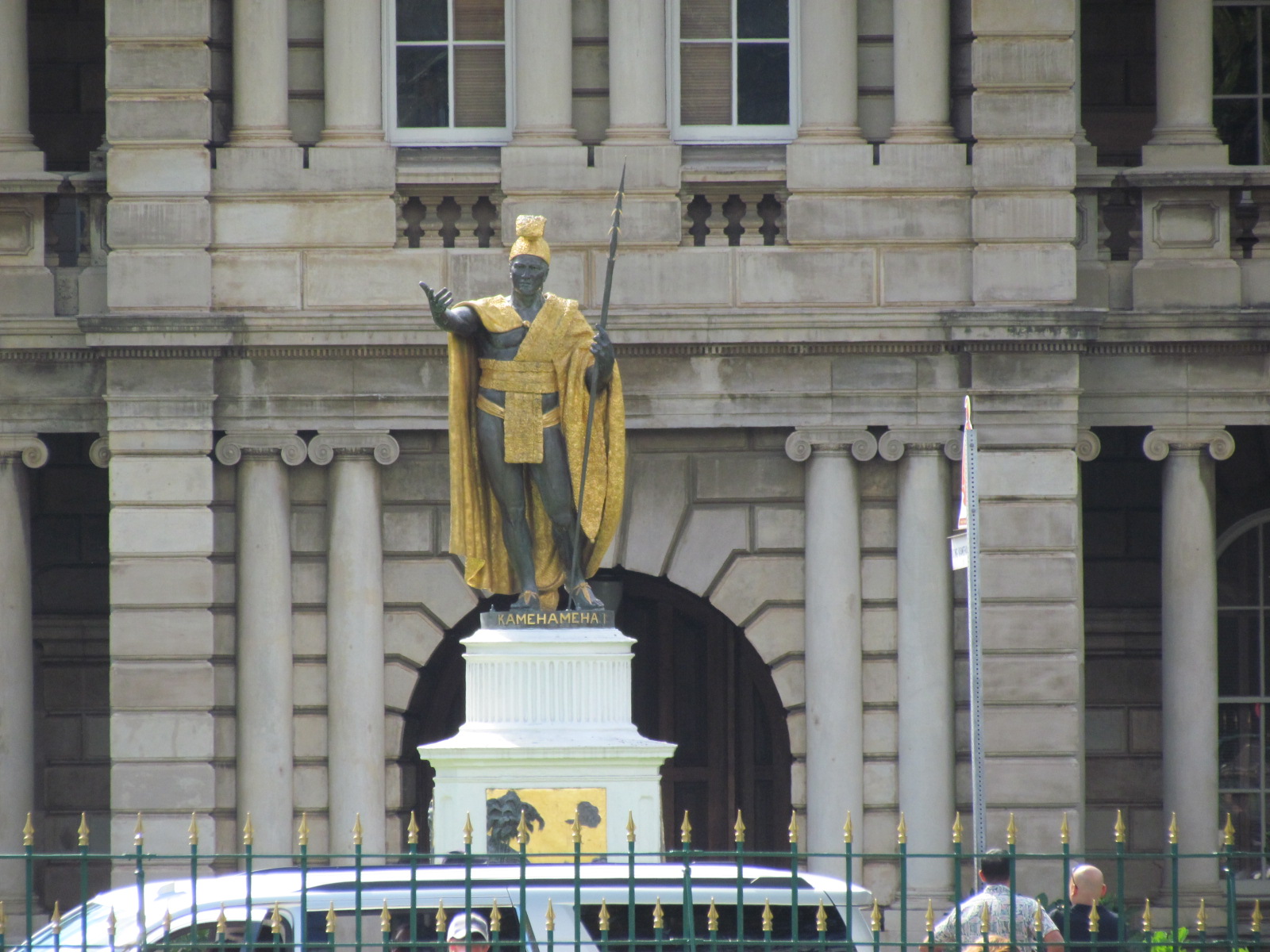
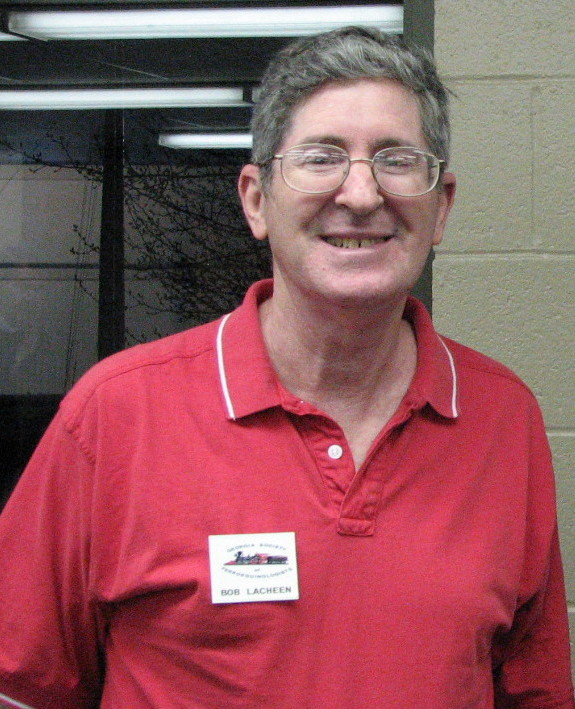
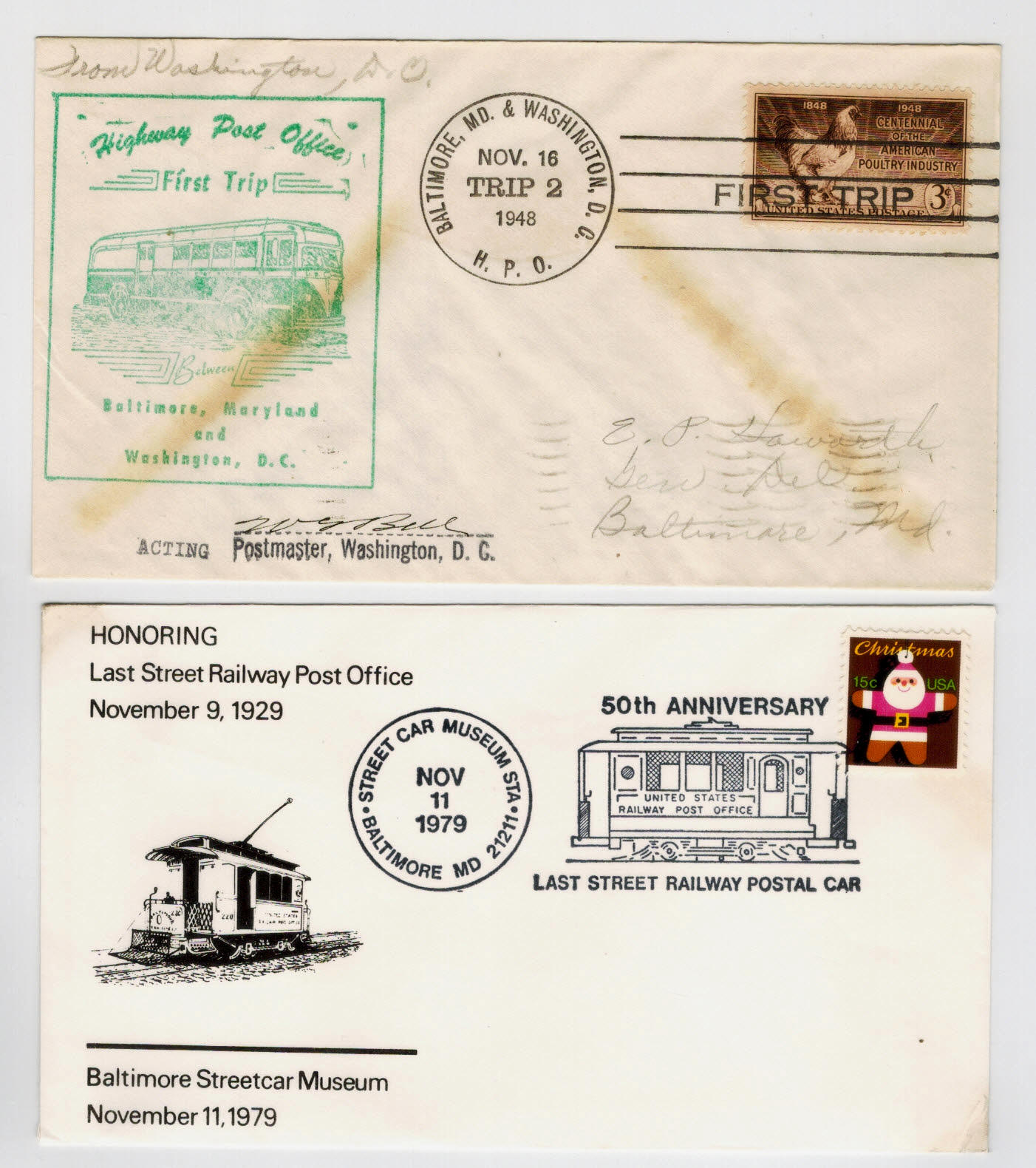
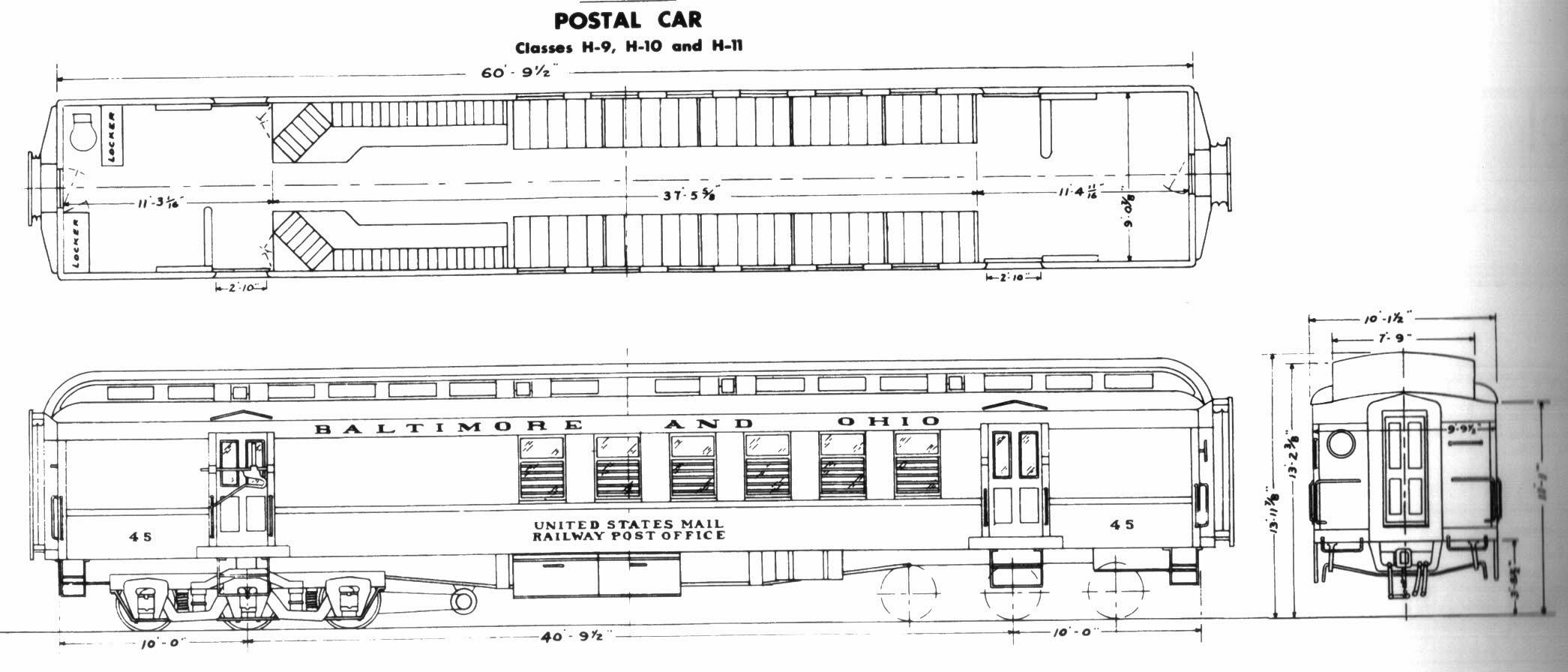
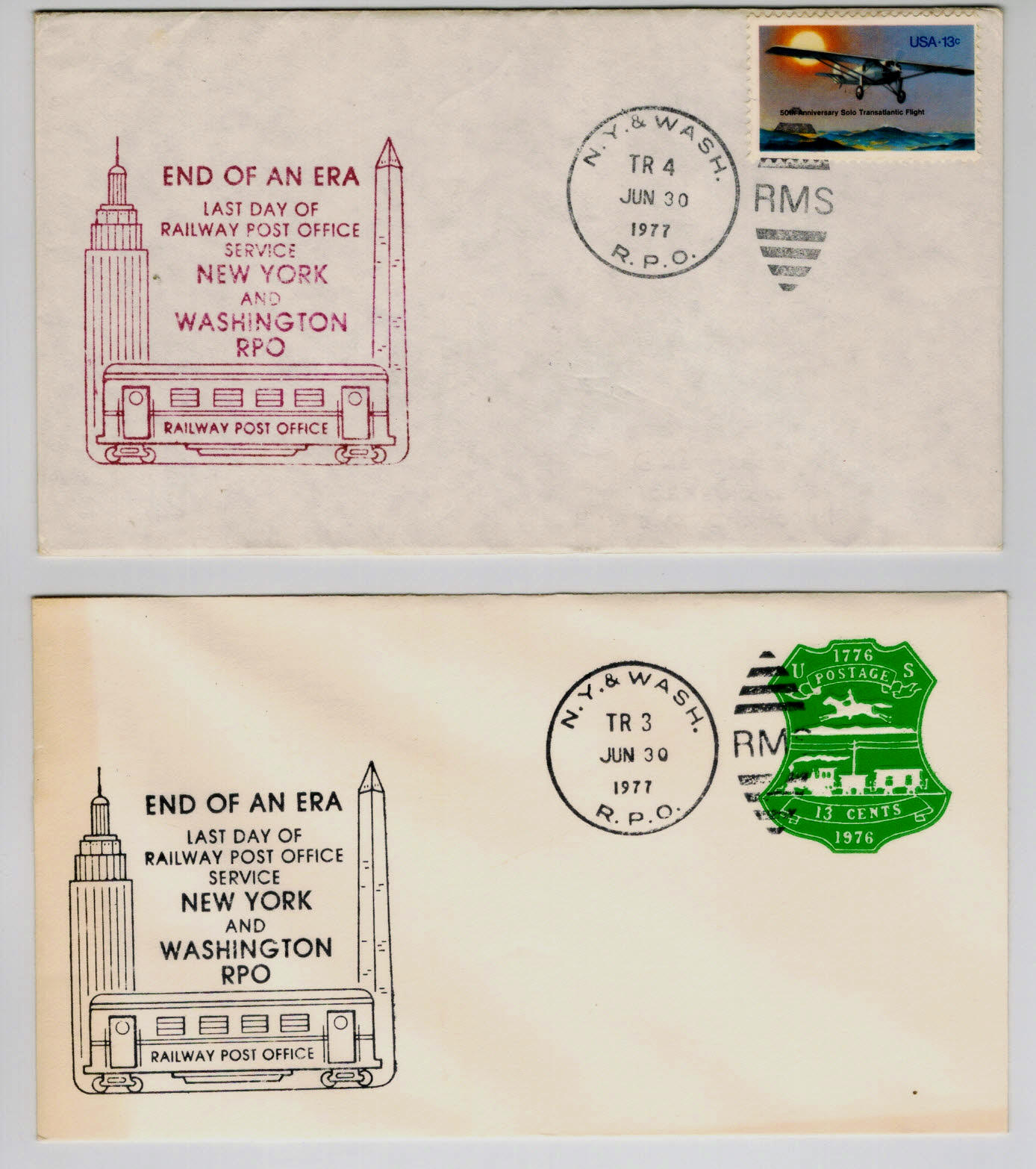
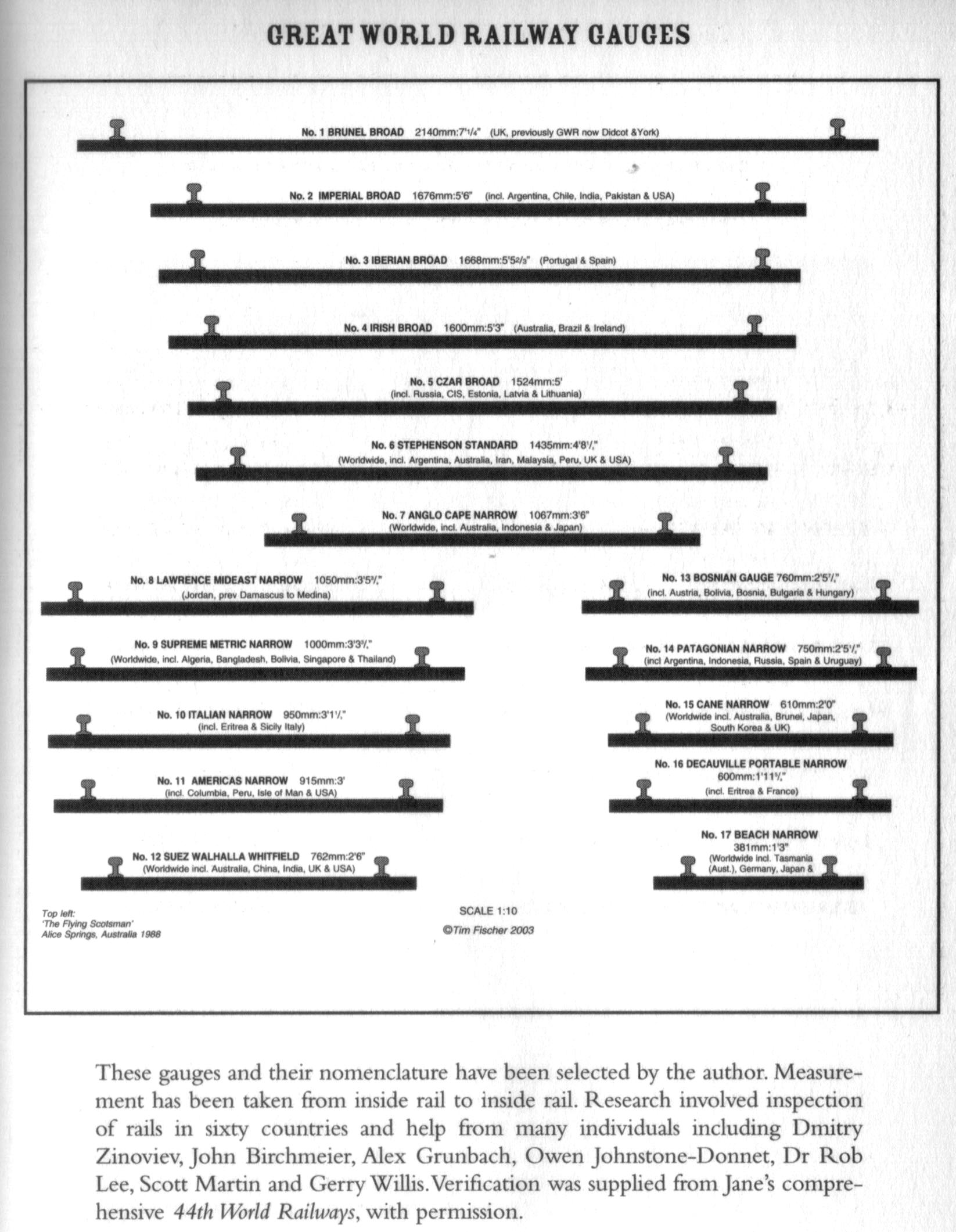

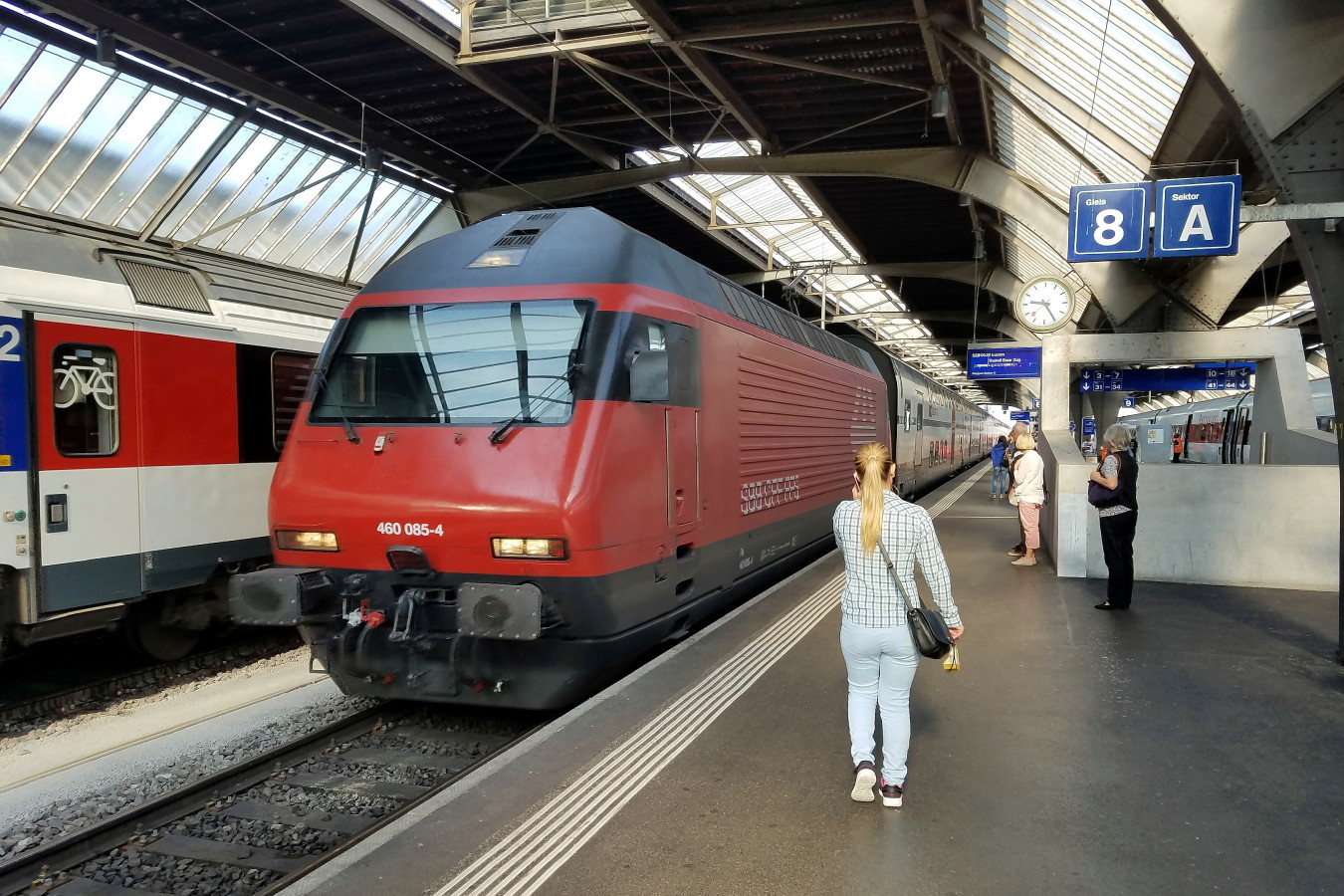
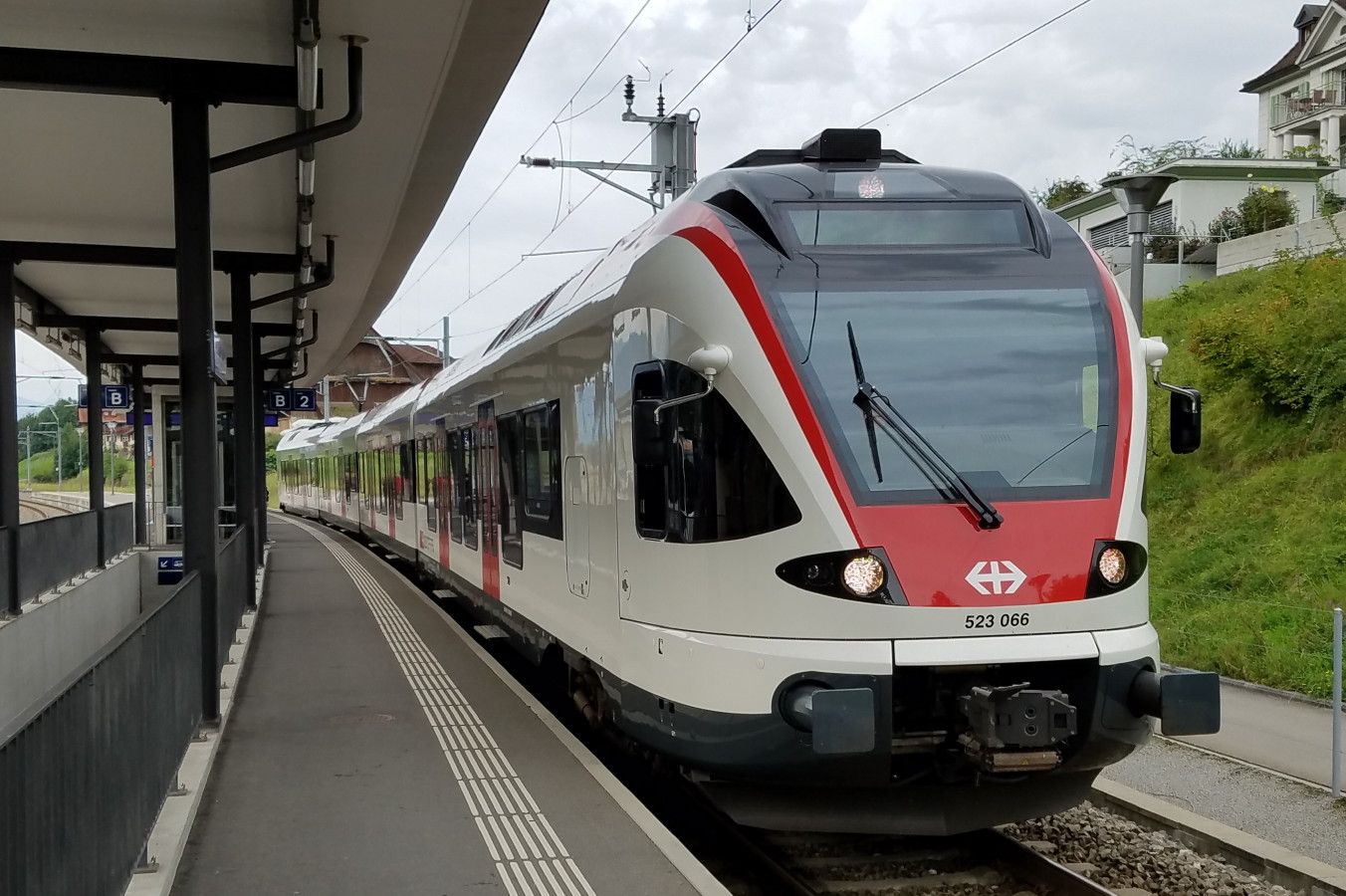
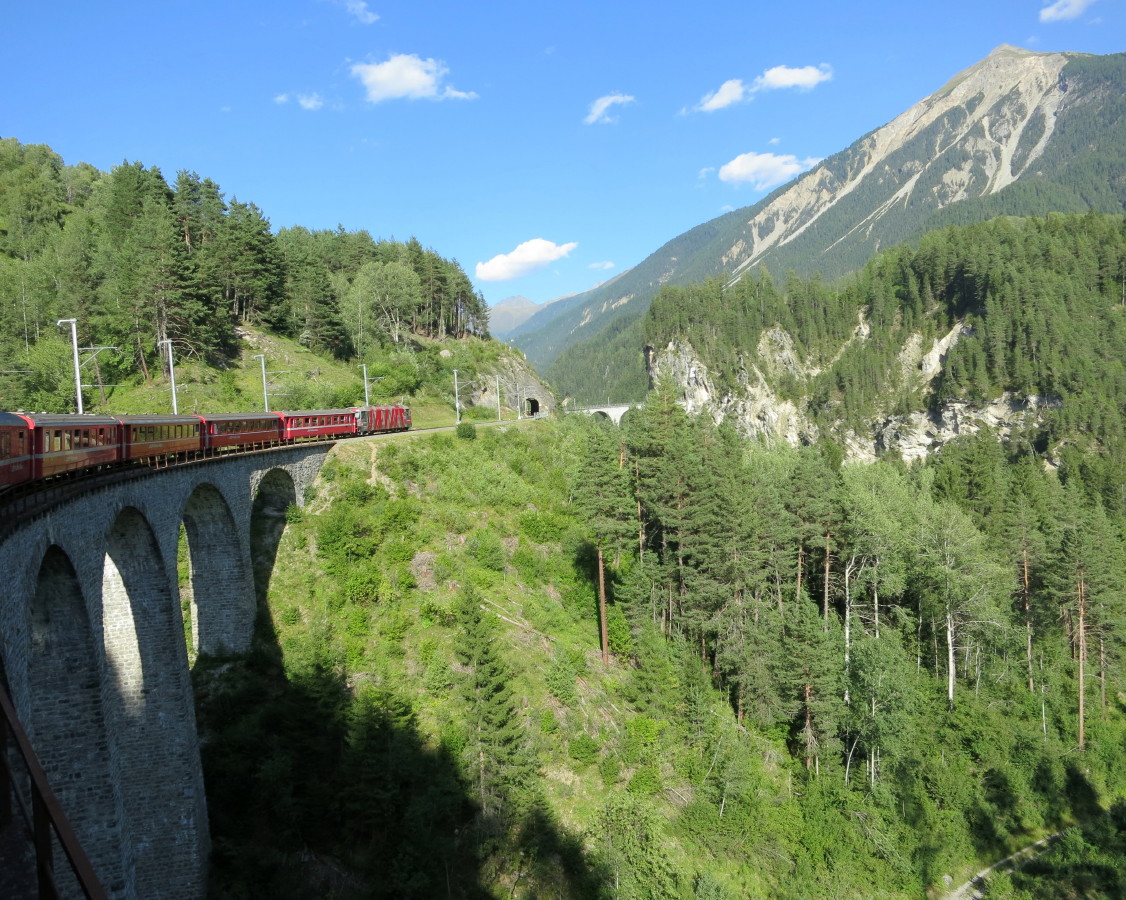
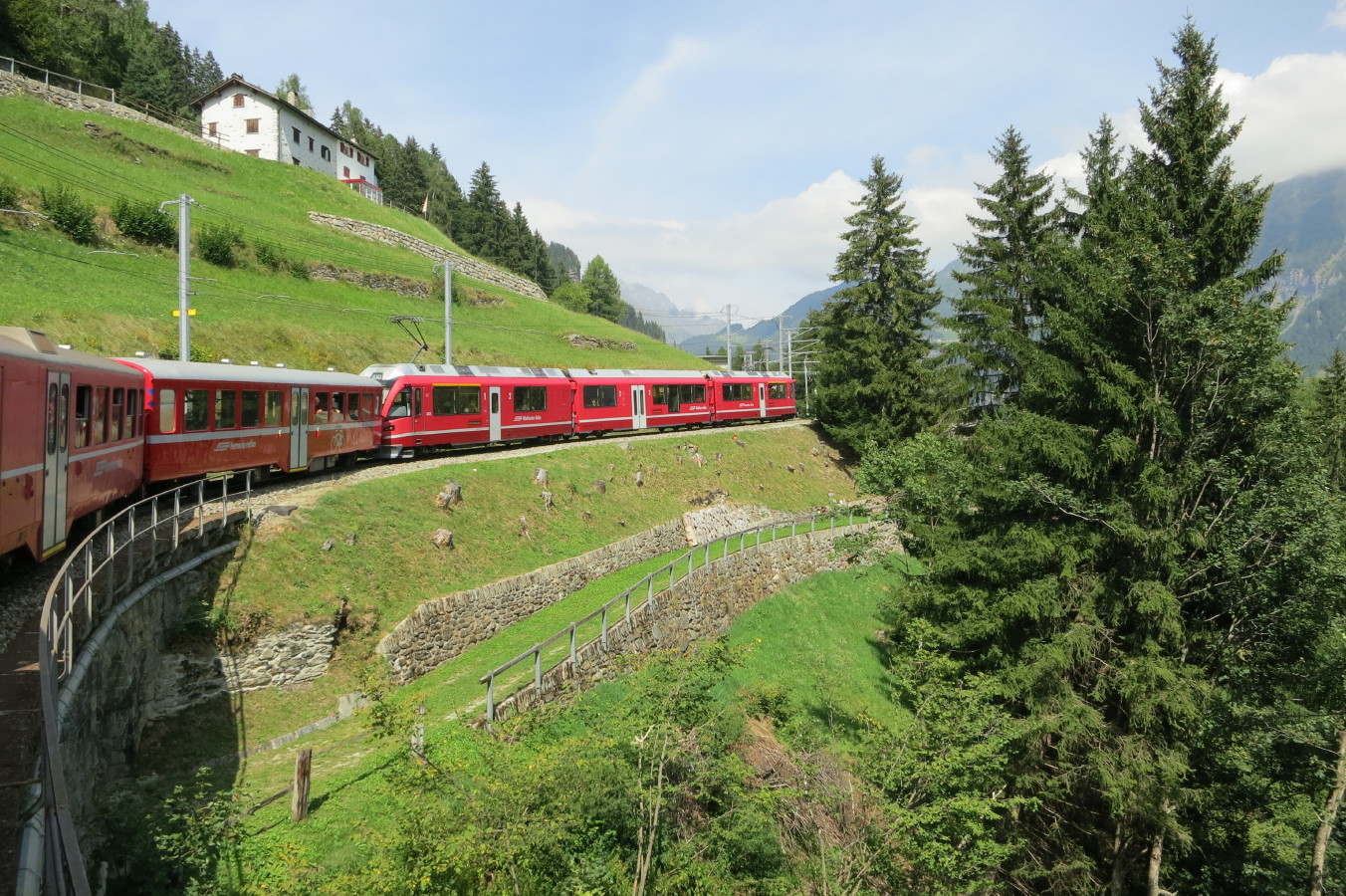
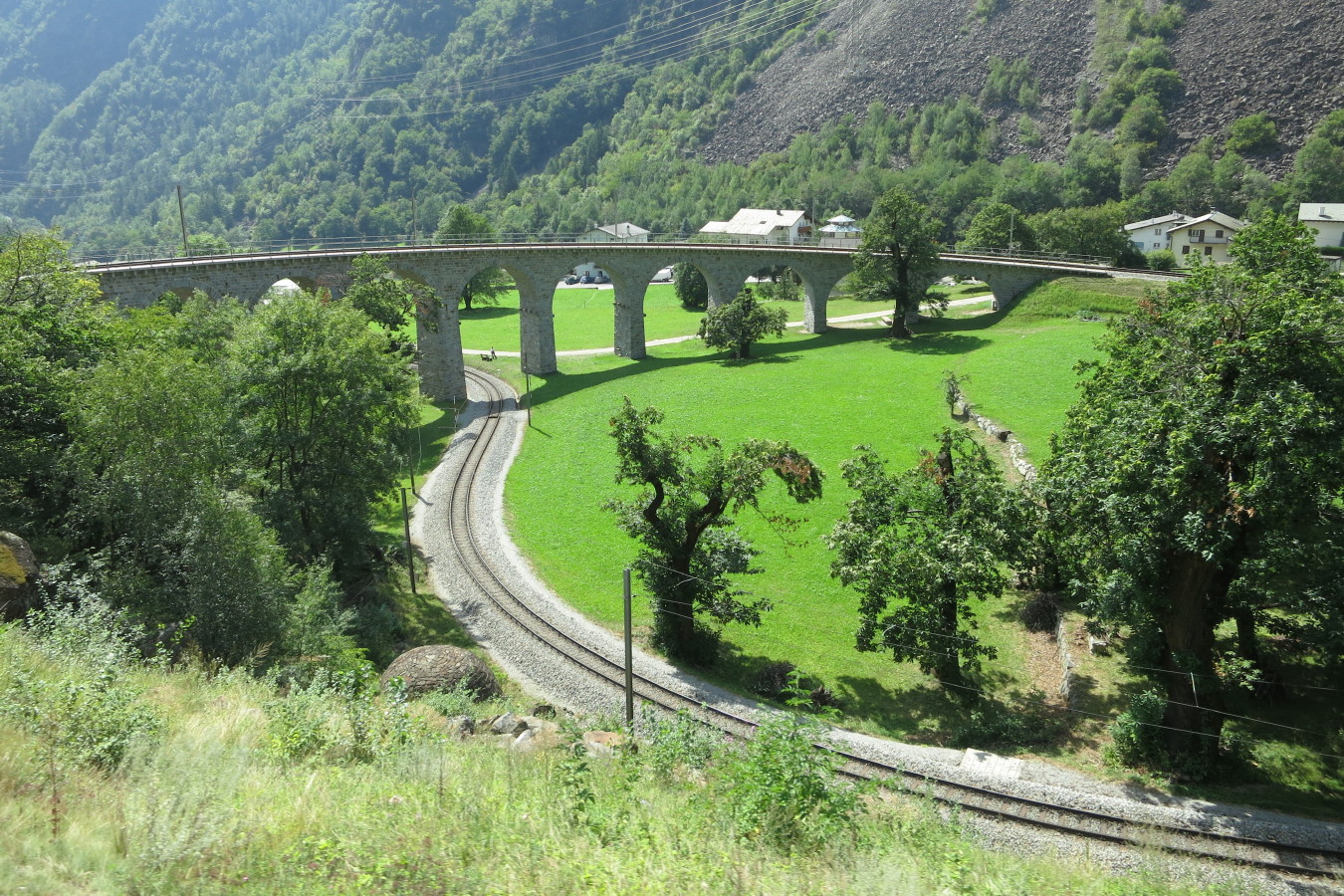
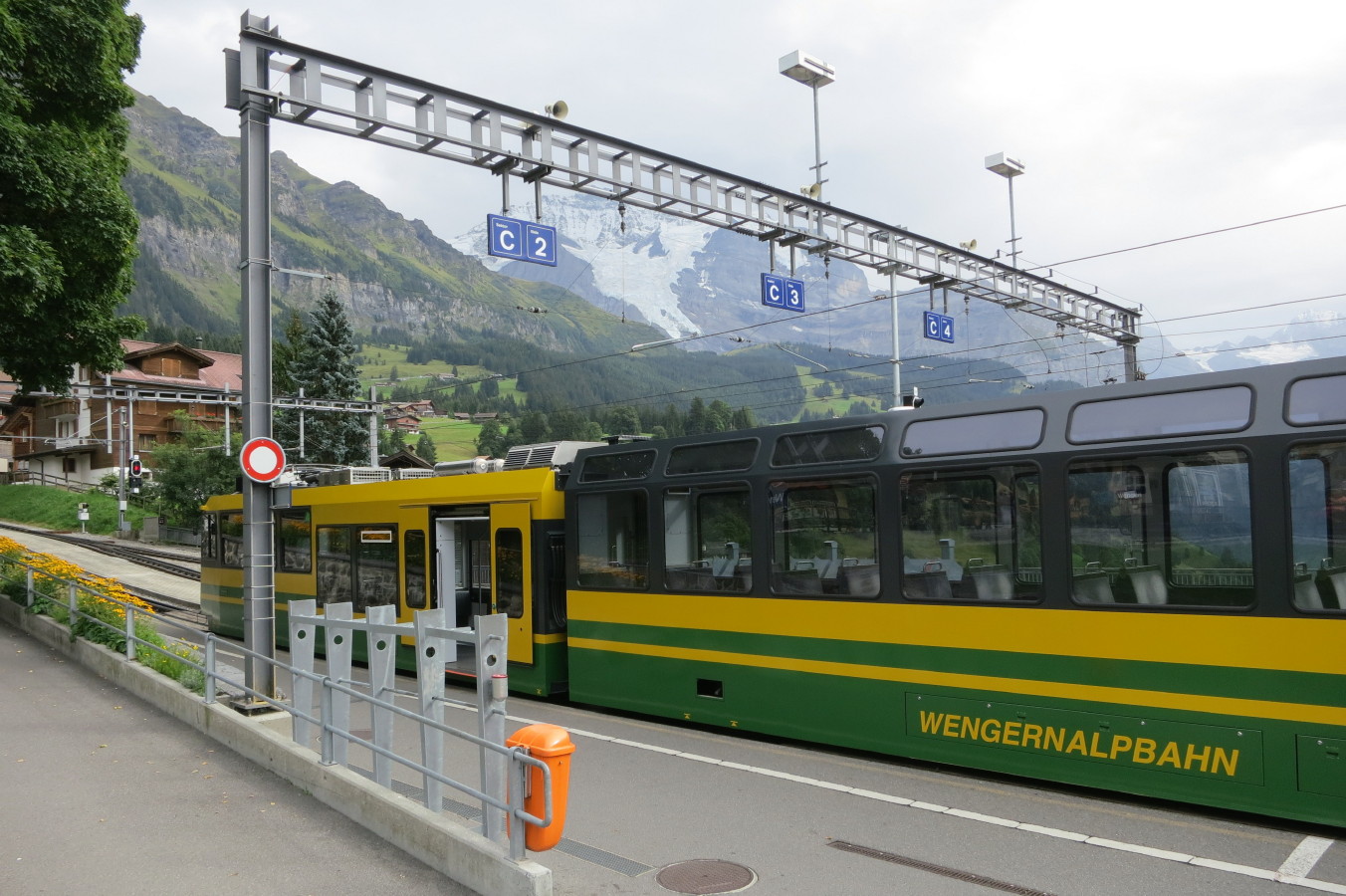
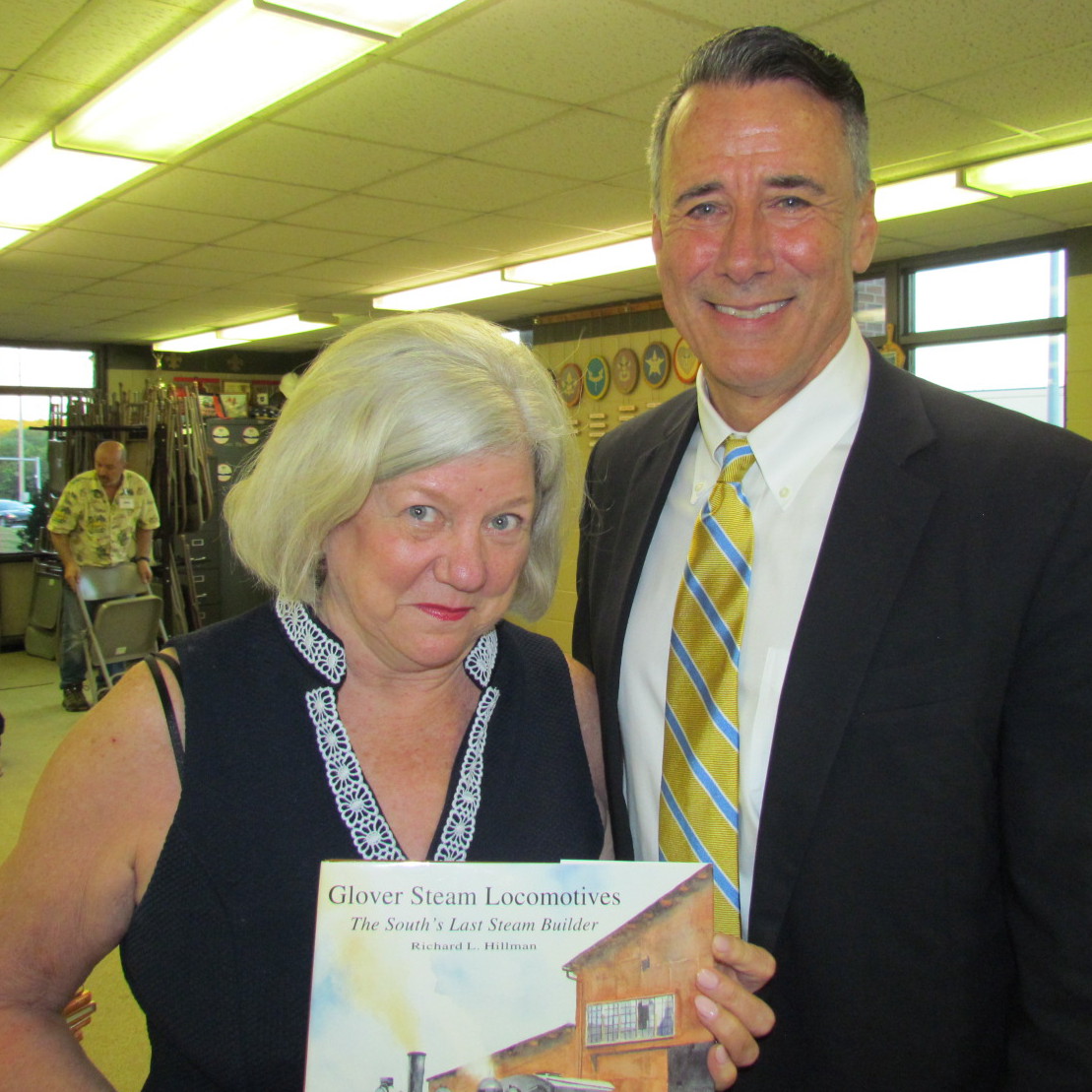
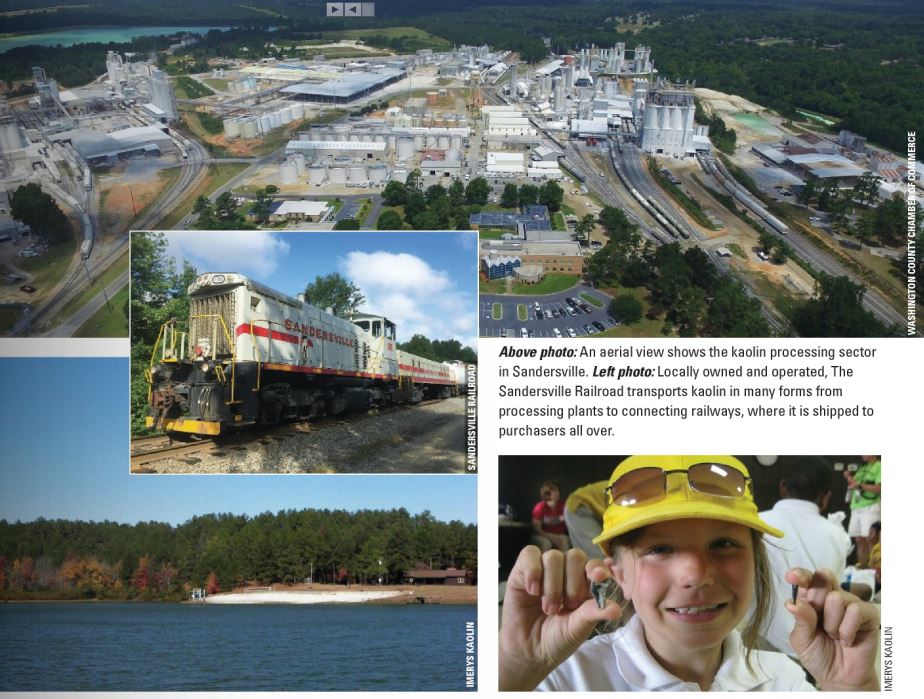
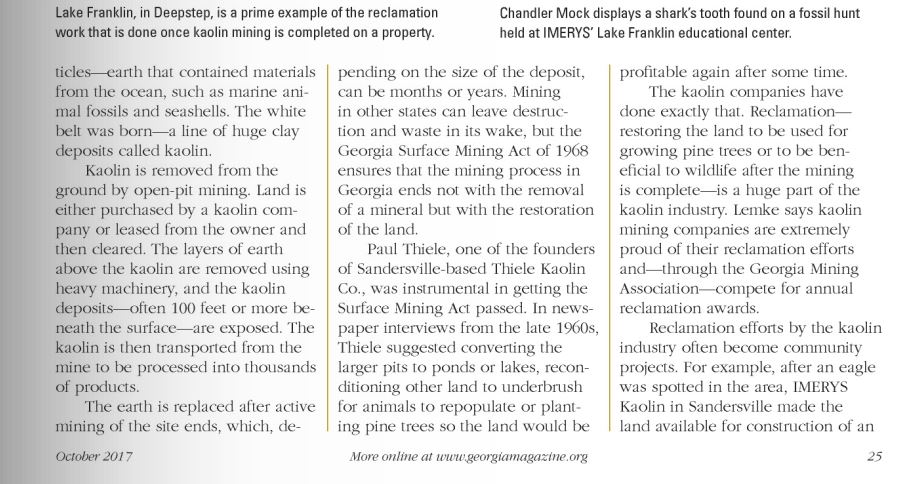
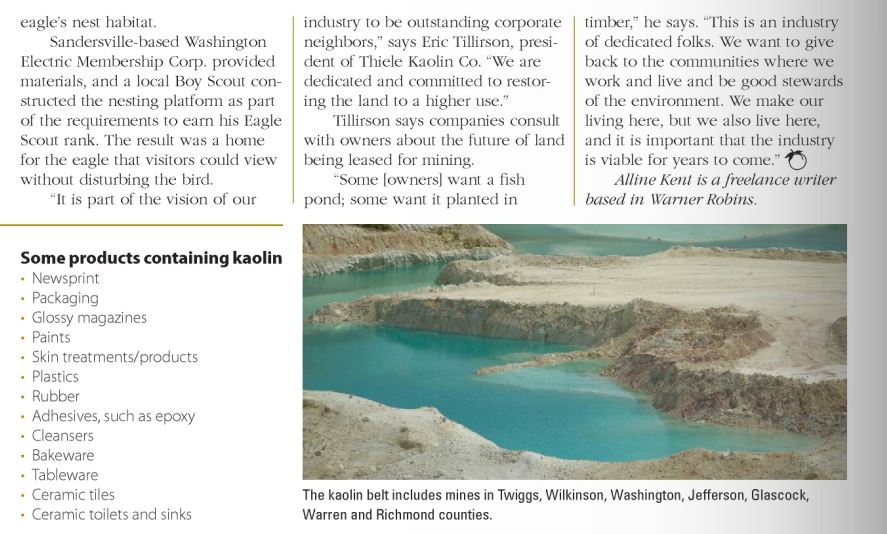
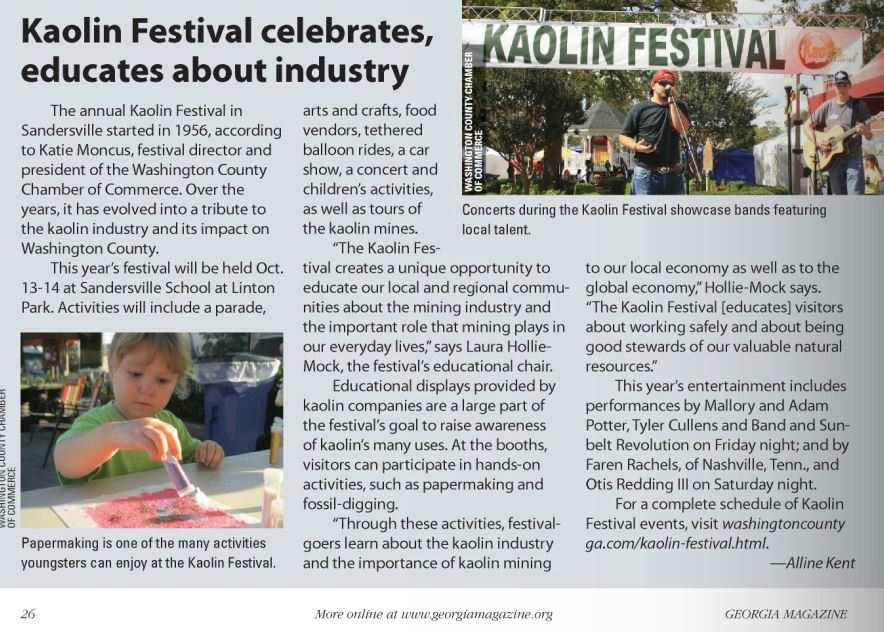
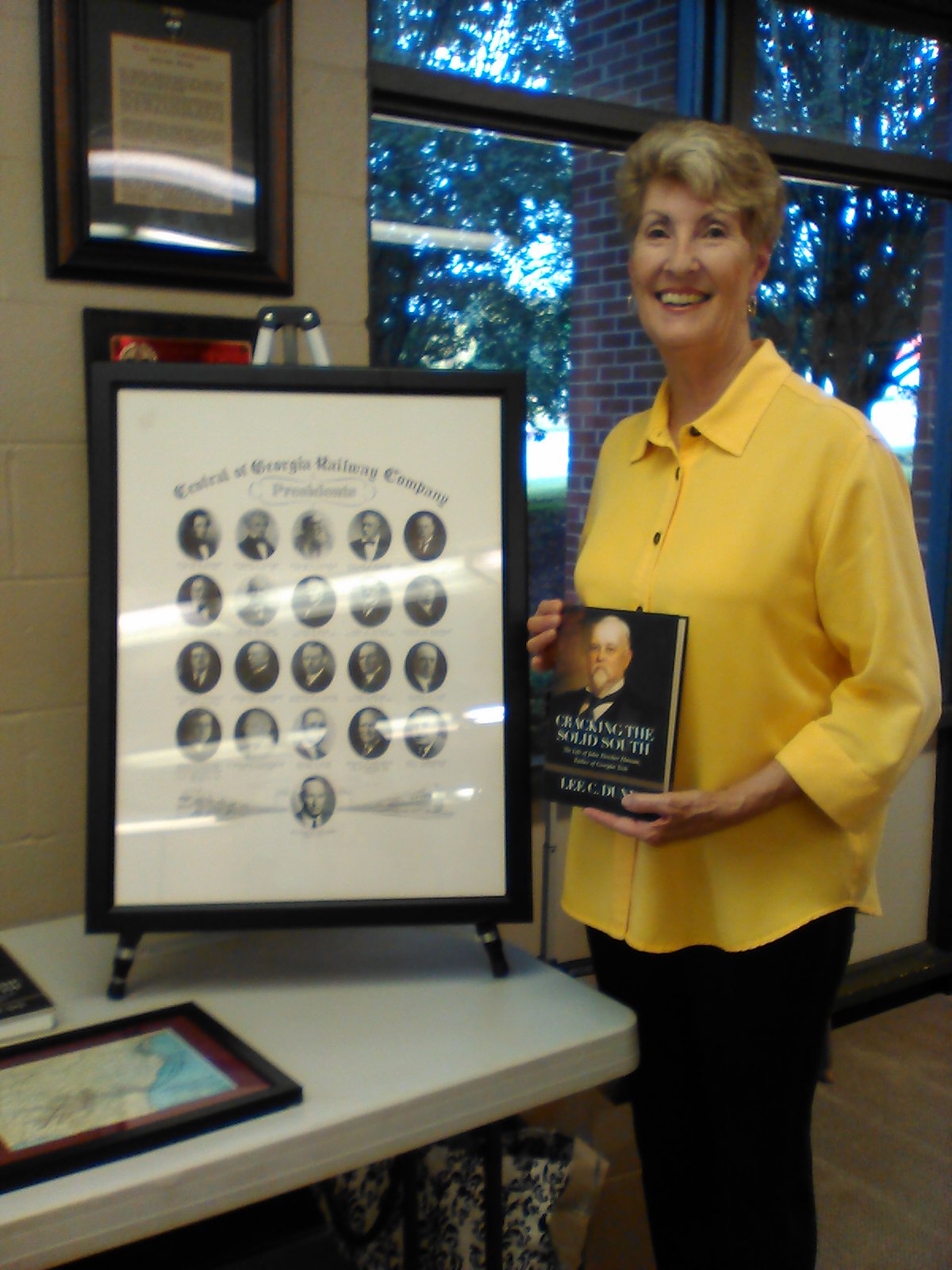
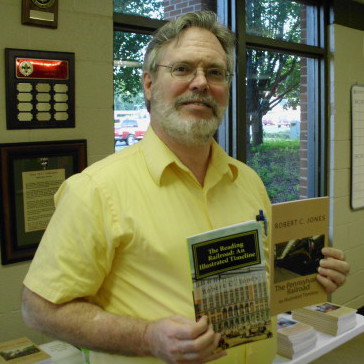
![[Doug with] Chris Brady](Pix_ChrisBrady-June2017a.jpg)