Visit the TrainWeb.org Fan Page on Facebook!
Old Main Line Photo Tour

B&O Old Main Line
Modern day photo tour

Accompanying each photo below are:

Click a photo to see a larger view. Please send your comments and corrections to Steve.


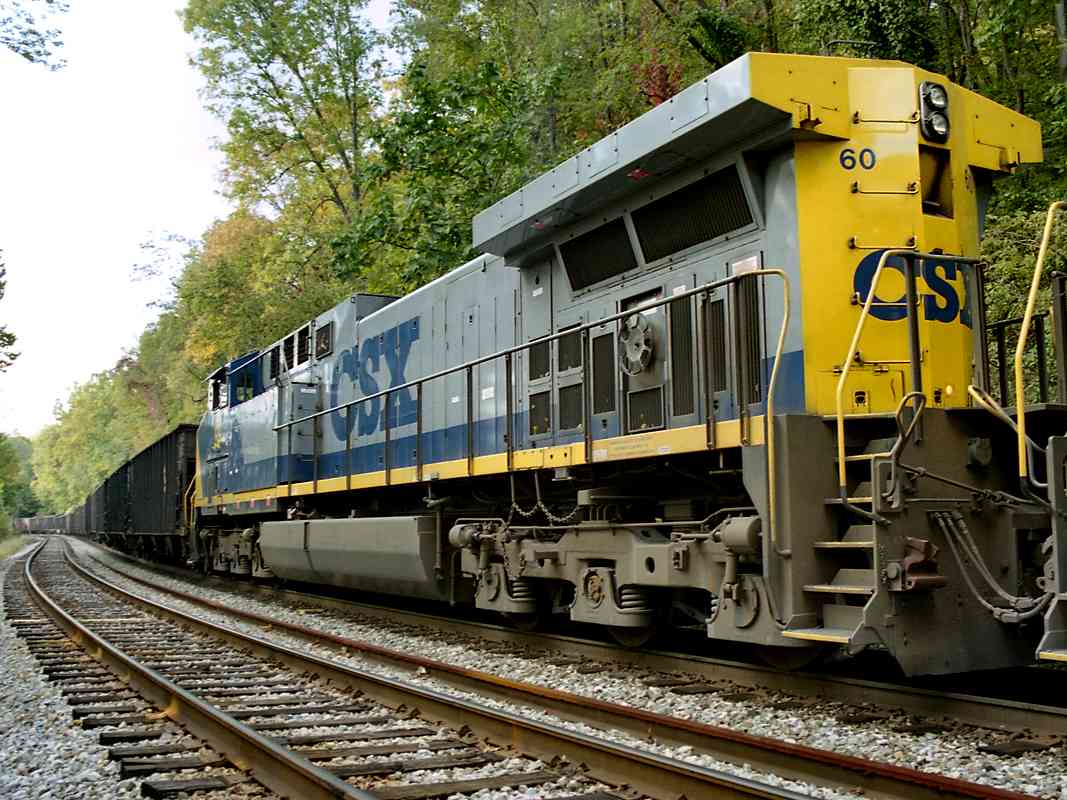
CSX 60

CSX 60
Mile: 8.1 Date: Oct 1999
Ease: B View: NW
Area: A IC2:
Map: Ba 41 F 11 Topographic Maps

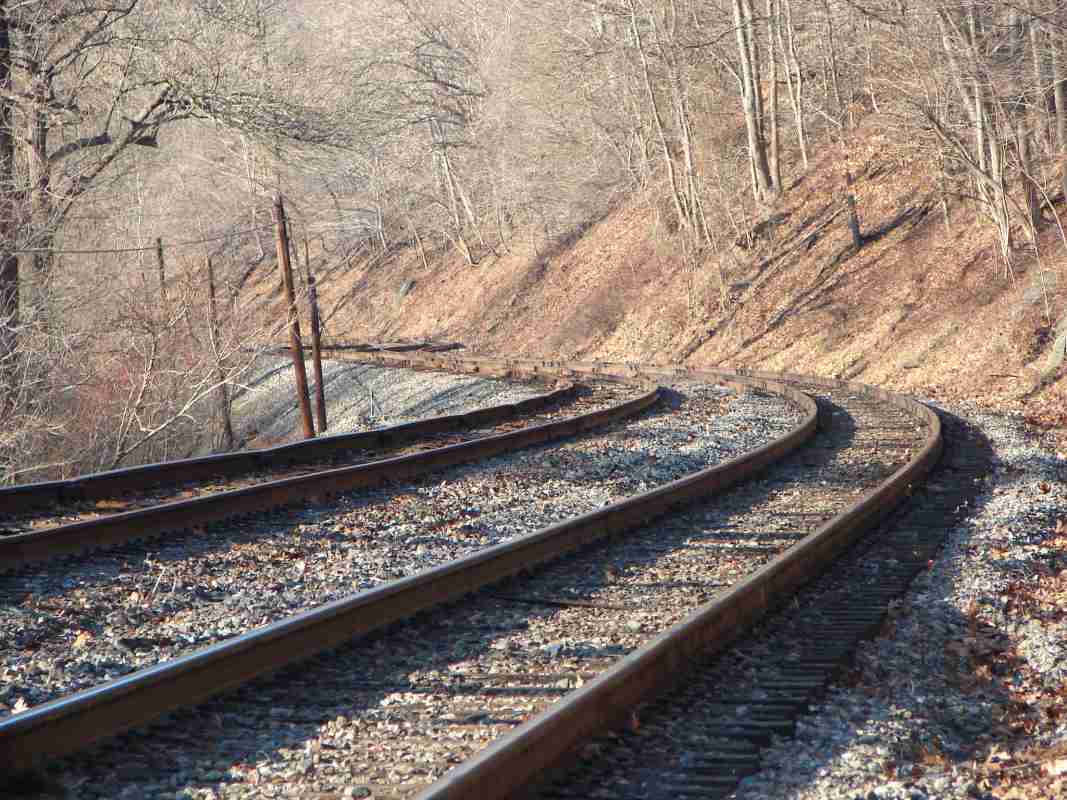
Most portions of the OML were reduced from double to single track during the mid-20th century, however some segments were retained for sidings. This siding, just west of Avalon, sees frequent use, and makes an easy place to find a cooperative photo subject. This location is within Patapsco Valley State Park, which can be accessed from US Rt 1 near I-195.

Many people may not realize that diesel locomotives are almost always diesel-electric: they employ diesel engines not to turn the wheels directly, but rather to generate electricity that is then fed to motors at the wheels. This design is being made available in an increasing number of automobiles where it is termed hybrid.


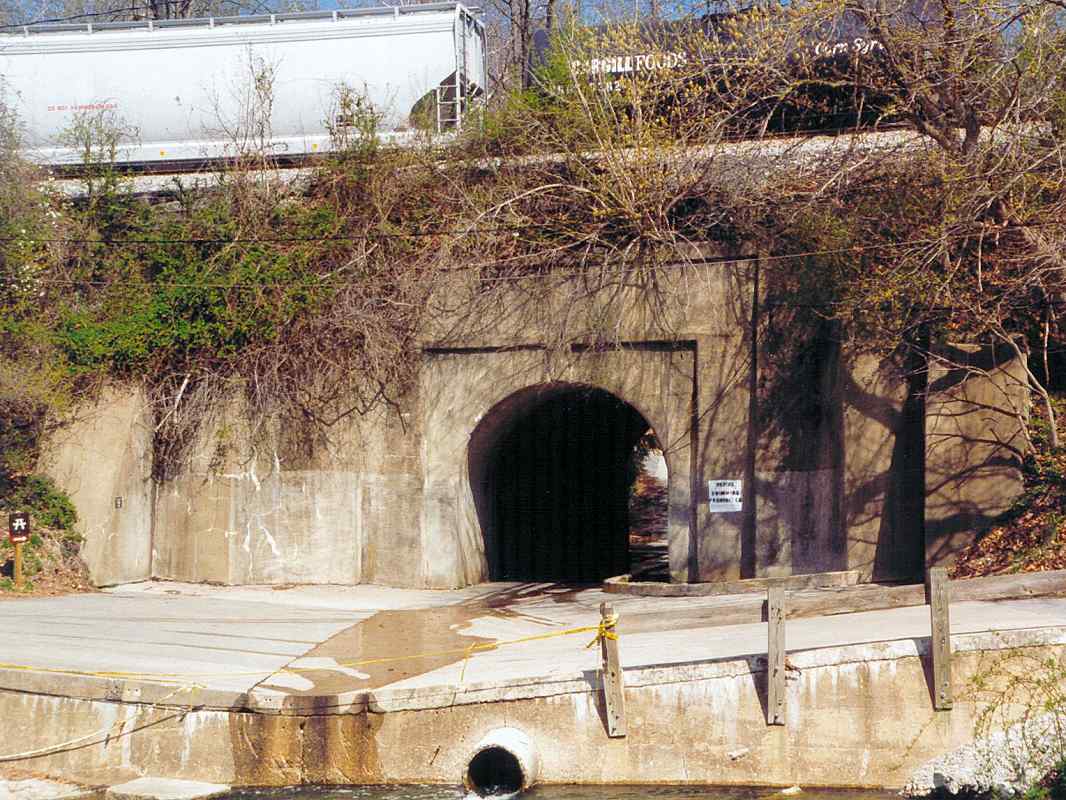
Bridge 9

Bridge 9
Mile: 8.3 Date: Mar 2000
Ease: A View: NW
Area: A IC2:
Map: Ba 41 E 11 Topographic Maps

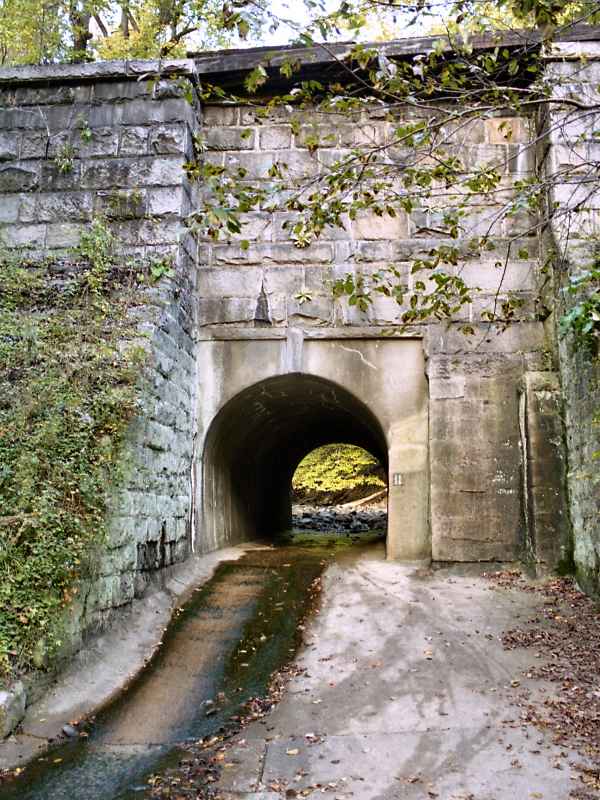
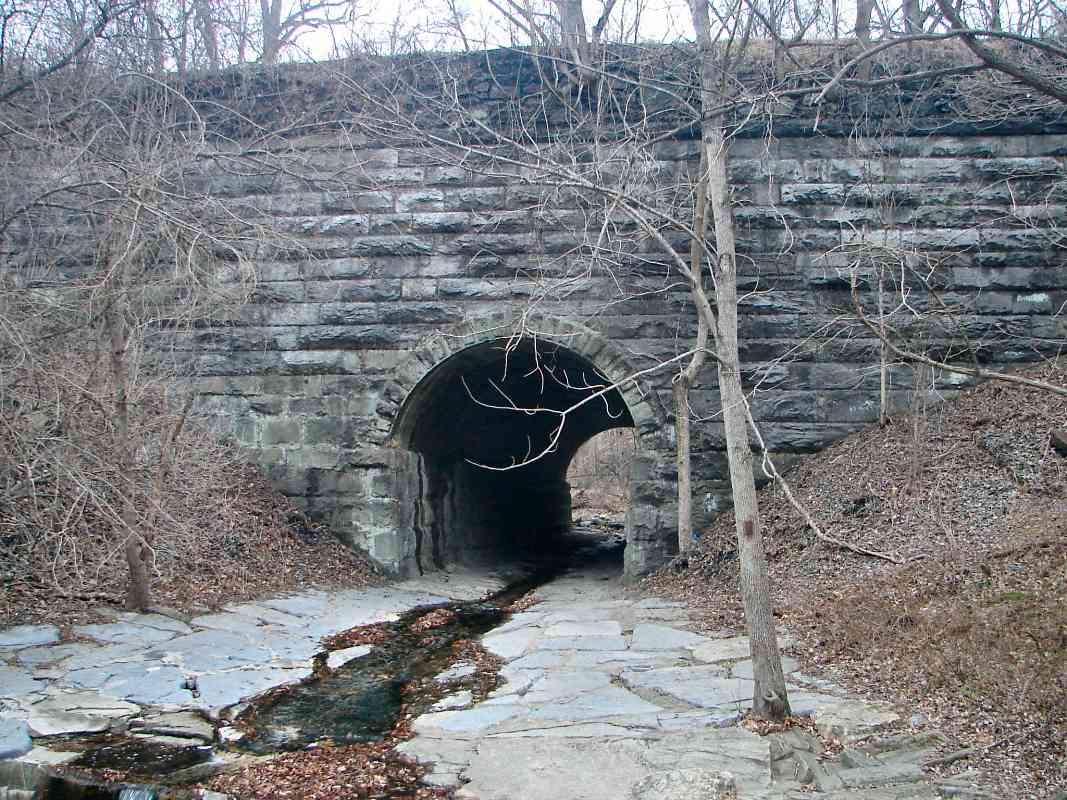
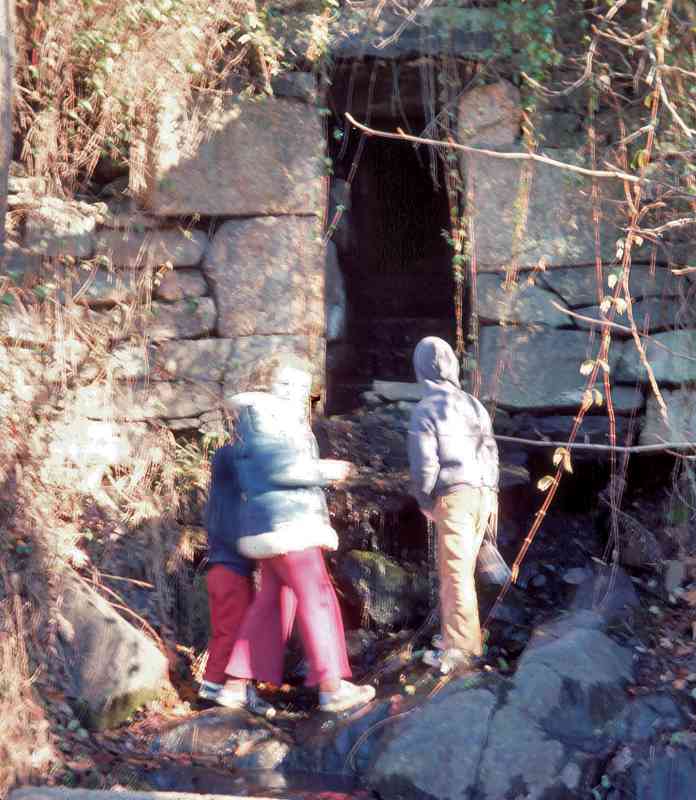
Bridge 9 over the Soapstone Branch is the first significant bridge on the OML west of Relay. It is unique in being the only original stone/masonry bridge left on the OML under which you can (legally) drive your car (access is via Patapsco State Park).

The appearance of the structure indicates it was rebuilt during the first half of 1900s (I could not find a date). Probably at that time, the stream it spanned was directed into a narrow channel seen at the right side of the tunnel. This is another feature I've not observed in any other B&O bridge.


Sample Culvert

Sample Culvert
Mile: 8.5 Date: Mar 2000
Ease: B+ View: NW
Area: A IC2:
Map: Ba 41 E 11 Topographic Maps

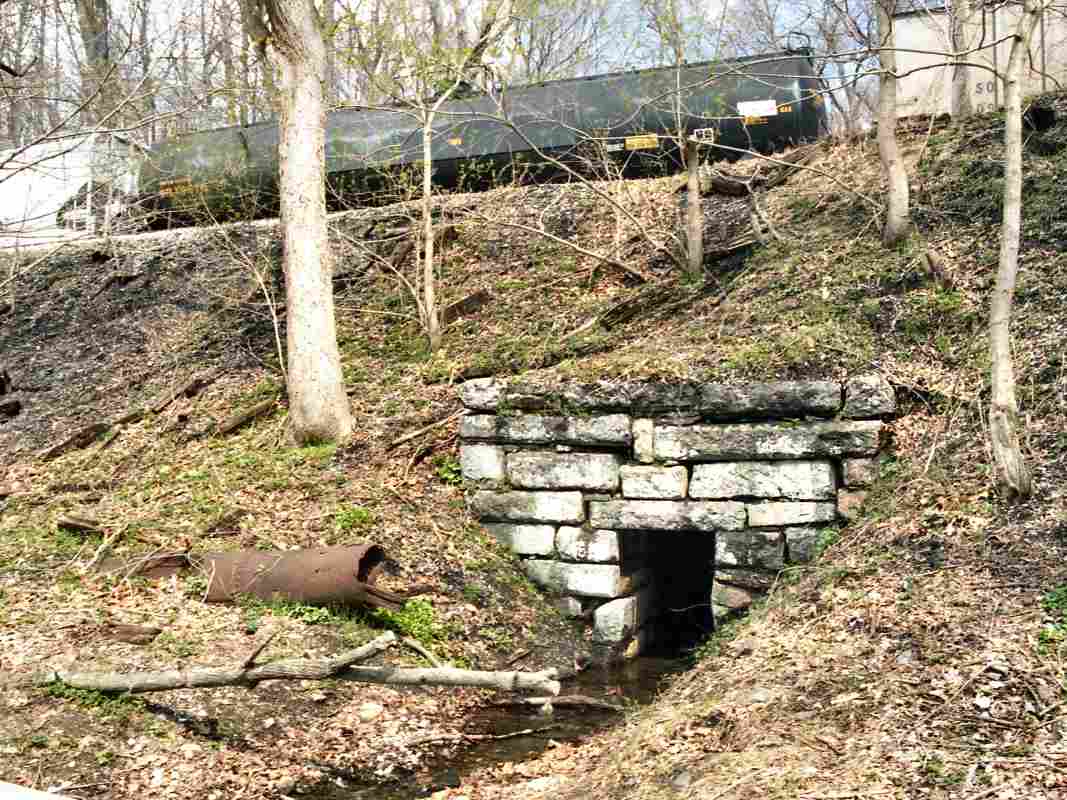
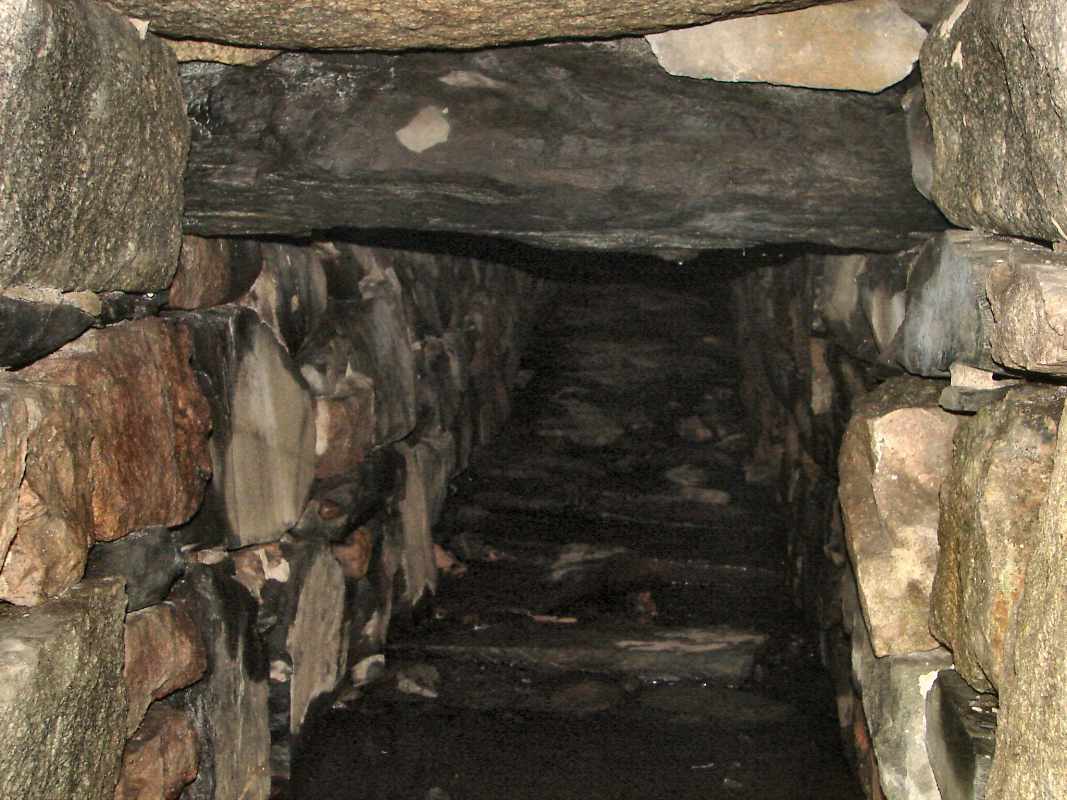
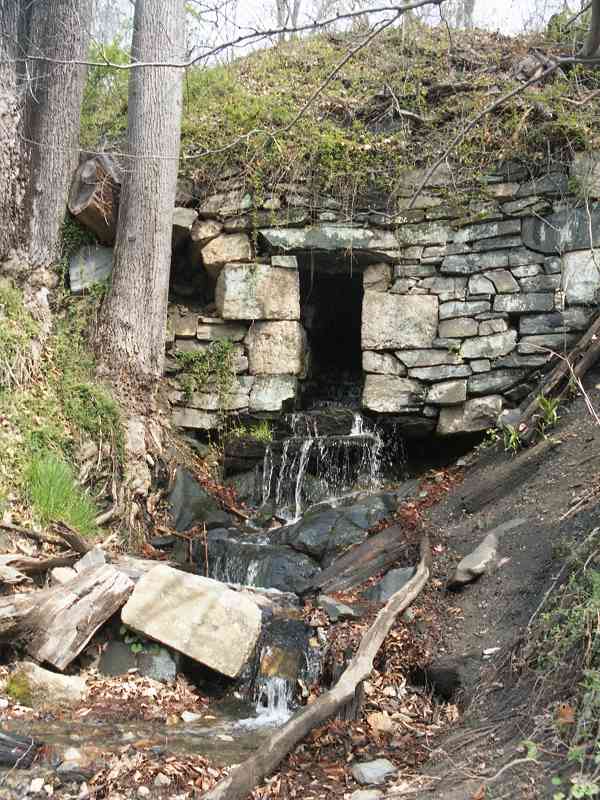
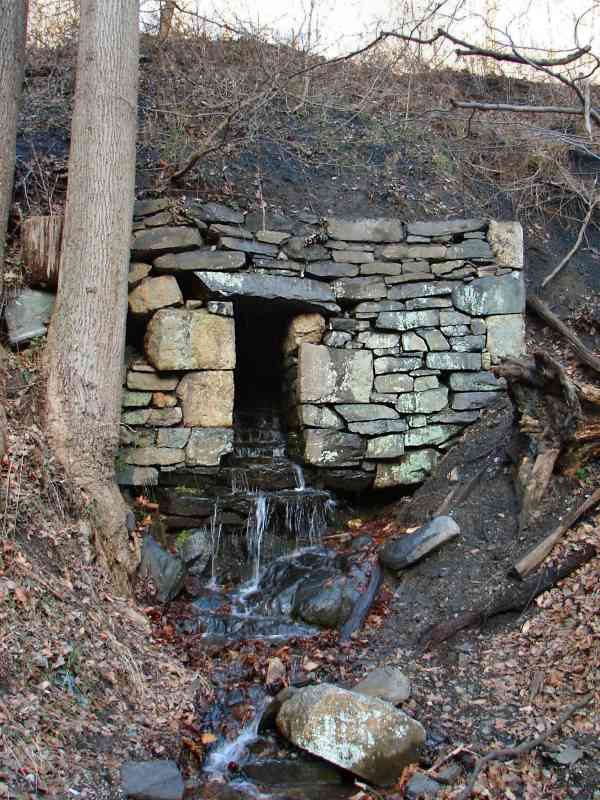
Typical of dozens of stone culverts along the OML is this one located just west of bridge 9. It has been doing its job quietly since about 1830. To get here, drive to bridge 9 and park, then walk a short distance west along the park trail.


Bridge 10

Bridge 10
Mile: 8.8 Date: Mar 2000
Ease: B View: NW
Area: A IC2:
Map: Ba 41 D 10 Topographic Maps

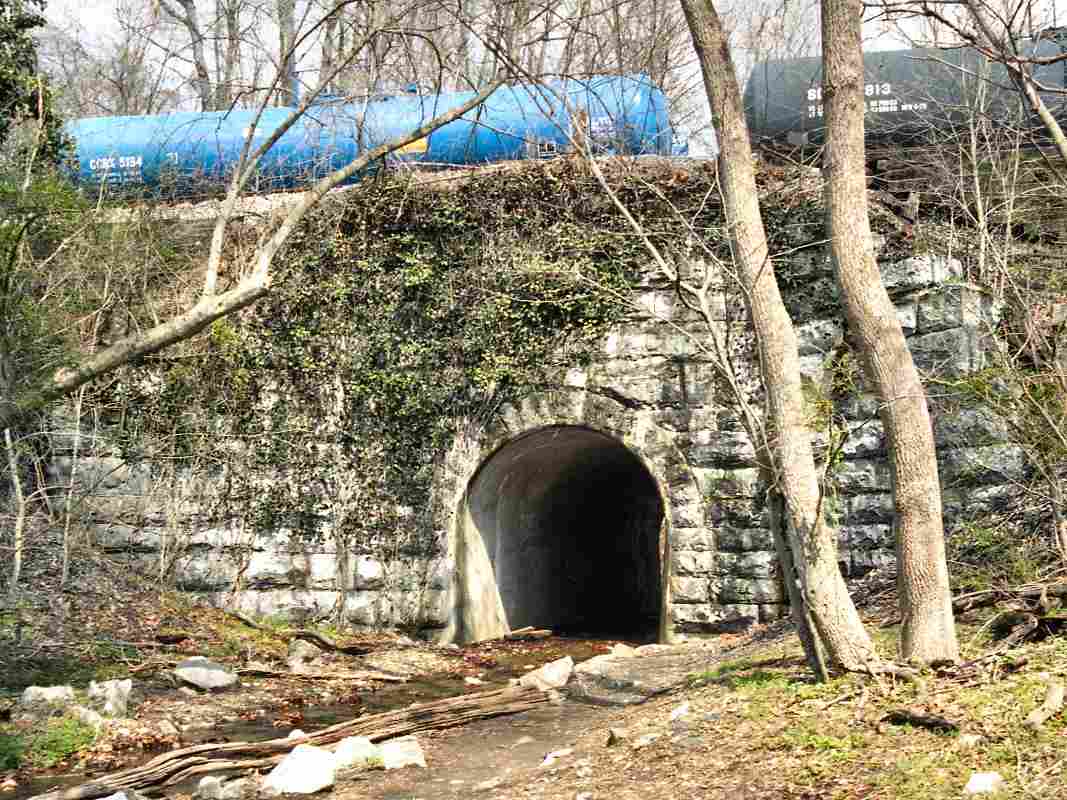
Perhaps the most attractive of the bridges along this portion of the OML is Bridge 10. The design makes me think the external portion may date from about 1830. The tunnel is lined with concrete, which was likely added or redone in the 1900s.

By virtue of travelling through a state park, the scenery along this portion of the OML is quite appealing. Coupled with the underused park trails, this is an excellent area for a quiet walk, birdwatching, leaf peeping, etc. Let's face it, railfanning is largely a male obsession, and it's tough to get the ladies as interested. But, the scenery here becomes an excellent way to convince your girlfriend or spouse to join the fun. Plan a picnic along one of these little streams, and she'll be thrilled. And, when the latest CSX equipment rolls by, you will be too.


Bridge 11

Bridge 11
Mile: 9.3 Date: Oct 1999
Ease: B View: N
Area: A IC2:
Map: Ba 41 C 9 Topographic Maps

The mortared stones indicate Bridge 11 is no longer the original. Walk through the tunnel and follow the small stream uphill for about a quarter mile and you'll find a scenic little waterfall with a decent vertical drop.


Culvert

Culvert
Mile: 9.7 Date: Mar 2000
Ease: A View: NE
Area: A IC2:
Map: Ba 41 B 9 Topographic Maps

Though this 1830-era culvert seems to be showing signs of weakness that require repair, pictures from the 1960s reveal it looked just about the same then. The active railroad tracks are just above this structure. Based on the volume of water, it appears this spot might have deserved an arched bridge. This culvert can be found on the walking path just east of the Swinging Bridge (described next).


Swinging Bridge

Swinging Bridge
Mile: 9.8 Date: Oct 1999
Ease: A View: NE
Area: A IC2:
Map: Ho 17 D 1, Ba 41 B 9 Topographic Maps

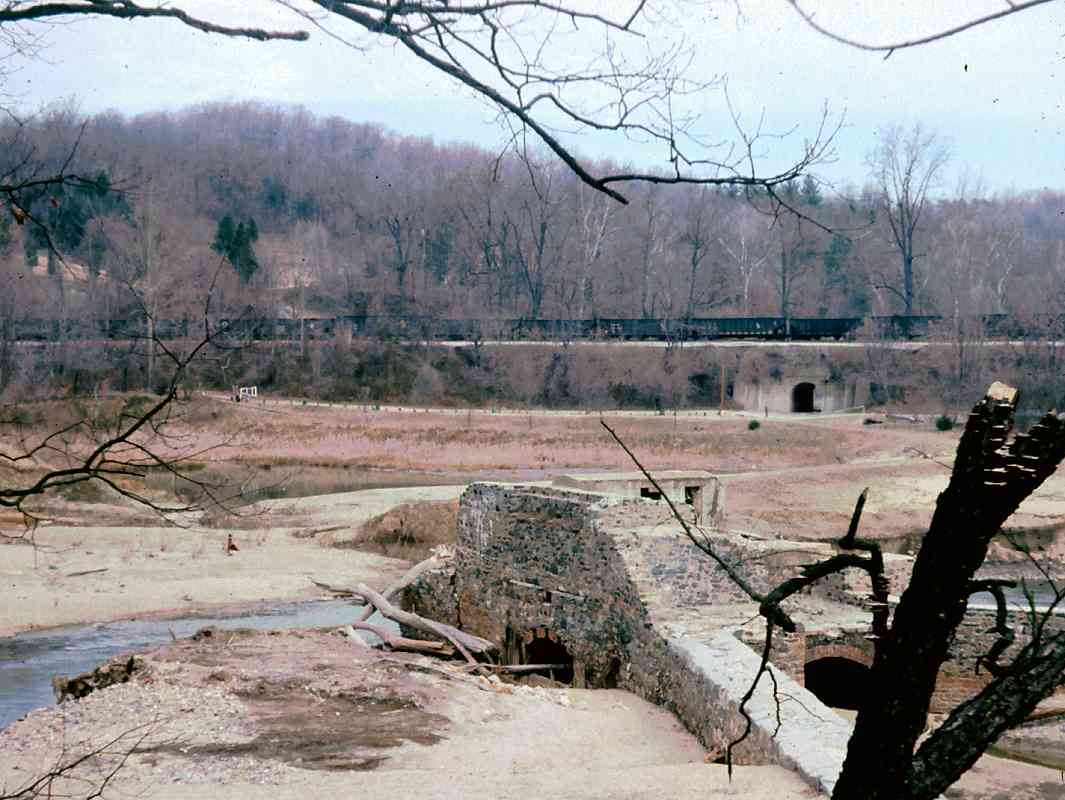
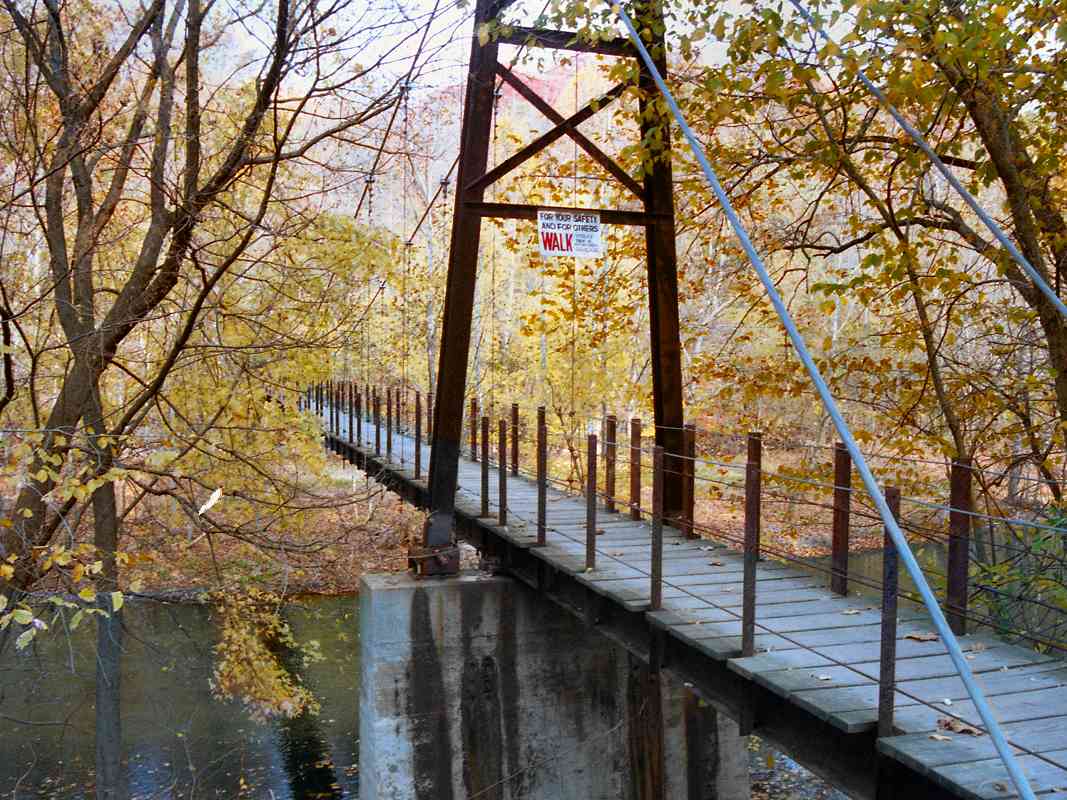
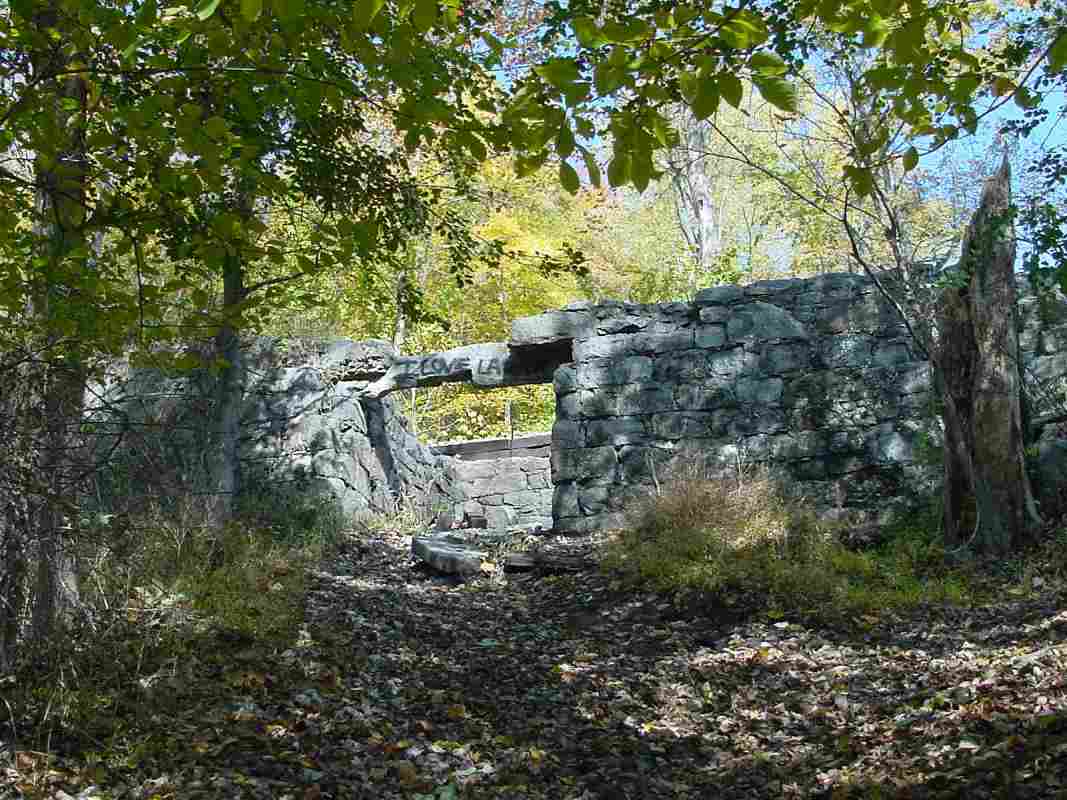
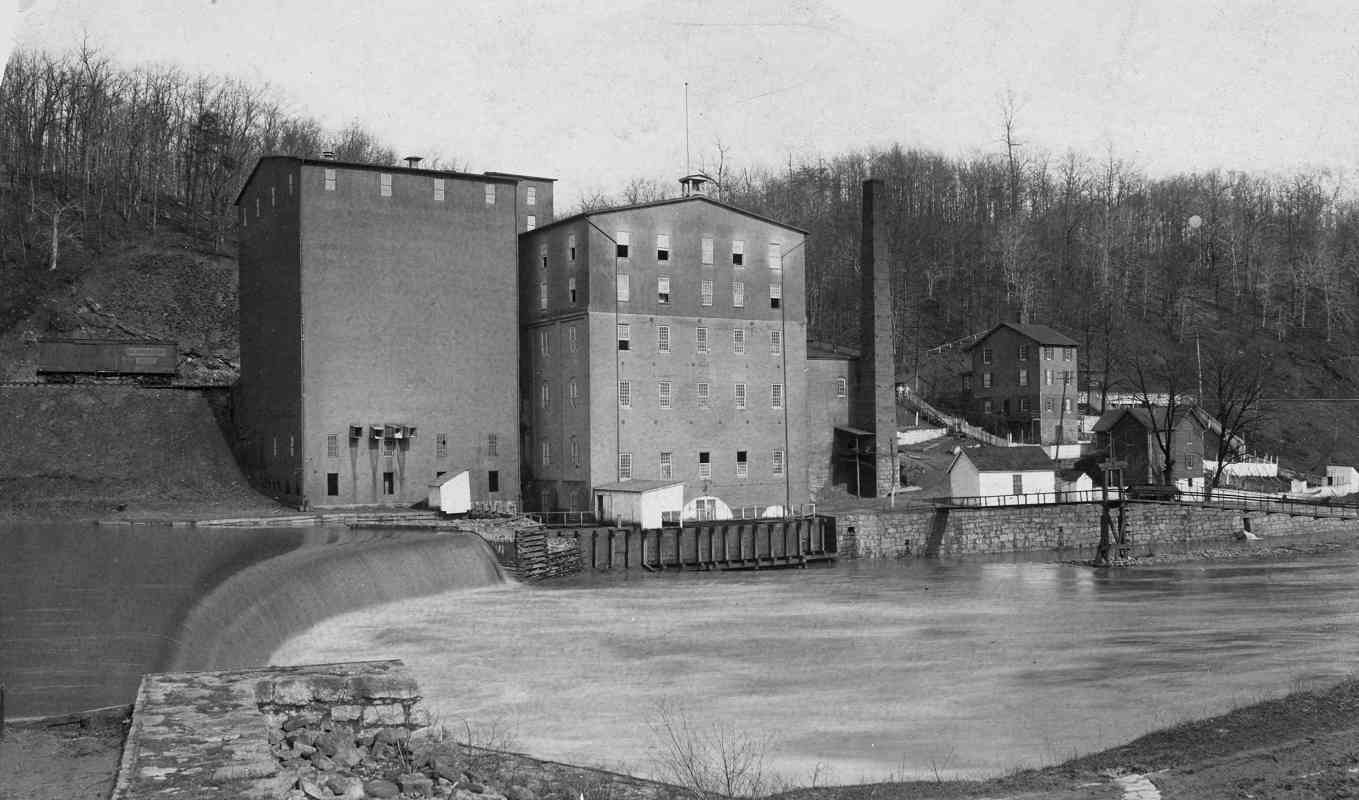
The Swinging Bridge marks the location of Orange Grove, a flour milling factory and town that survives only in the form of some crumbling foundations. The mill was built in 1856 and located rather precariously between the railroad and the Patapsco River. Somehow it survived the flood of 1868 and continued to expand such that by 1900 it was said to be "the largest flour mill east of Minneapolis." The mill's employees lived across the river in Howard County, from where this photo was taken. The railroad cannot be seen here because the trees obscure it. Fire claimed the mill in 1905.

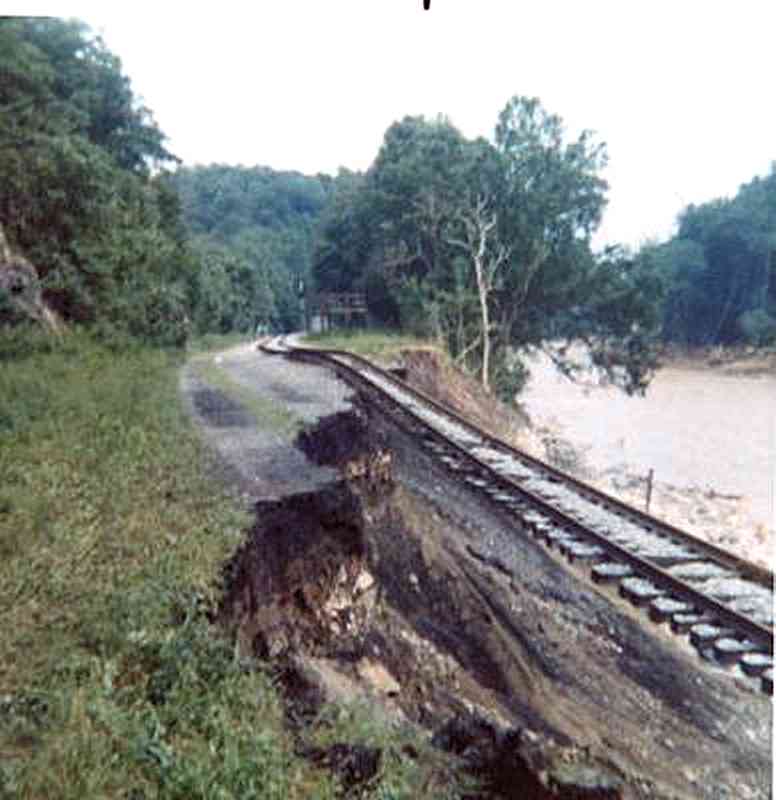
The park road (River Road until Hurricane Agnes wiped it out in 1972) was only recently reopened and follows the south side of the river to this point, ending in a large parking lot. This makes access to the Swinging Bridge very easy. This is also the location of the Cascades, a scenic waterfall that is popular, and which gets quite busy on weekends.

Link to older picture: ~1900


Orange Grove Mill
Updated Dec 2009

Orange Grove Mill
Mile: 9.8 Date: Oct 2002
Ease: A View: NE
Area: A IC2: 131
Map: Ba 41 B 8, Ho 17 D 1 Topographic Maps

Here from the Baltimore County side of the swinging bridge we look up toward the trackside ruins of the Orange Grove Mill. The opening in the stone structure seen here was likely a chute to allow unloading from cars directly into the mill.

Reader Robb Bailey contributed details:

    "The chute is located above where the Corliss steam engine was once located in the mill complex, so the chute would have accomodated coal, not grain. Morever, the mill burned in May 1905, long before grain was carried in hoppers. Grain was transported in box cars at the time the mill was in operation. Period photos of the mill in operation clearly show box cars behind the mill complex."

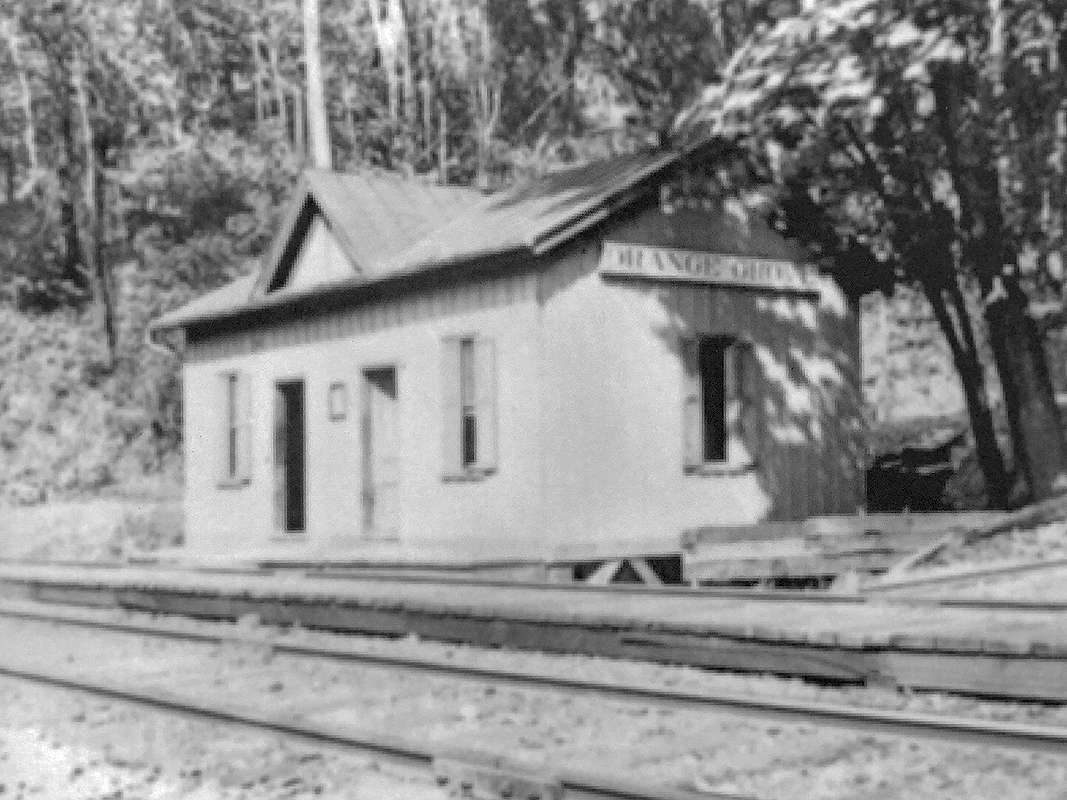
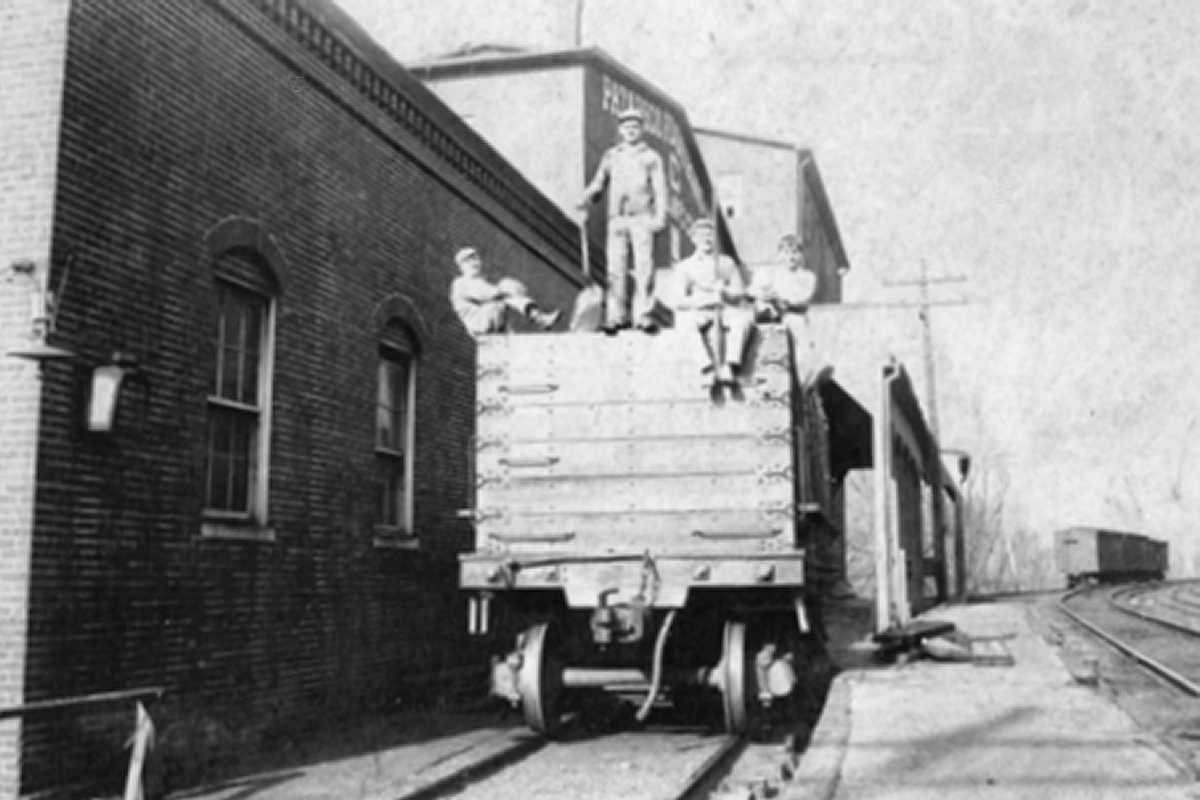
Links to older pictures: Station ~1910, ~1910, Mill workers


Signal Finial

Signal Finial
Mile: 9.9 Date: Oct 2000
Ease: A View: N
Area: A IC2:
Map: Ba 41 B 8 Topographic Maps

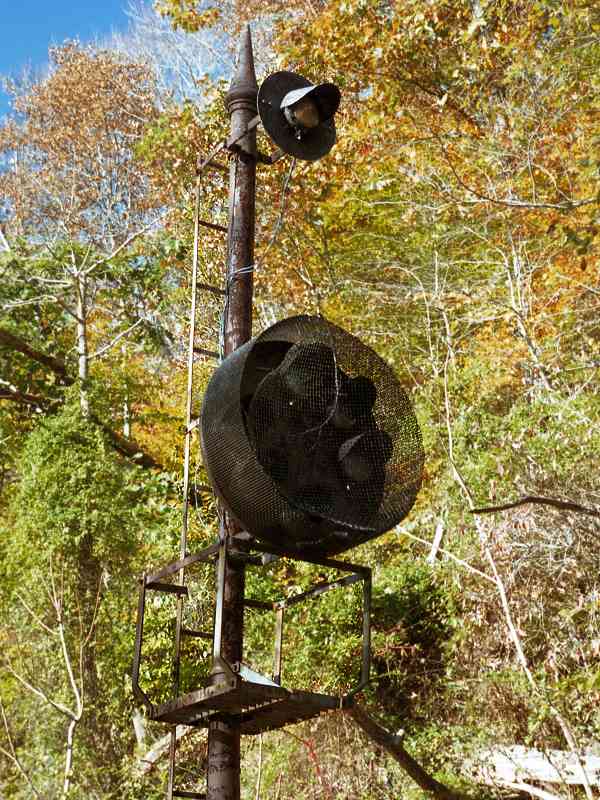
Back at trackside, the decorative finial at the top of this post attests to both the age and the remoteness of this signal, which was still in use at the time of this photo. I believe these signals had been installed in the 1920s.


Signal Installation

Signal Installation
Mile: 9.8 Date: Jul 2004
Ease: A View: NW
Area: A IC2:
Map: Ba 41 B 8 Topographic Maps

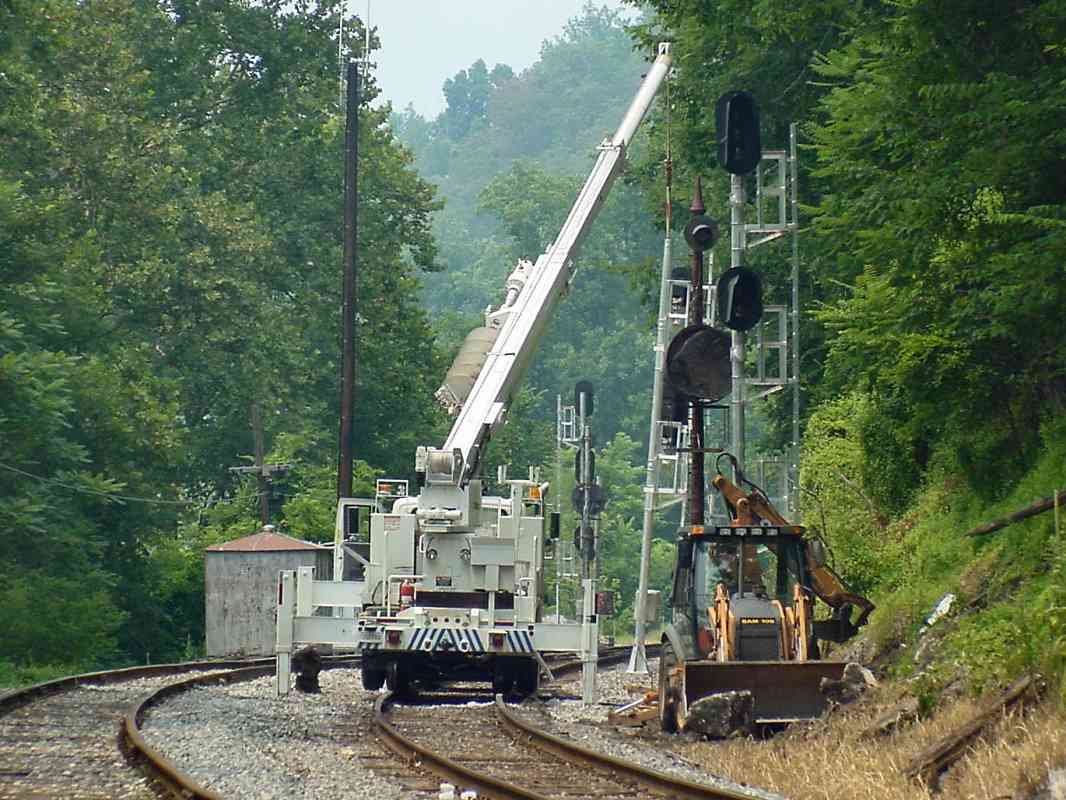
A scene that brings a tear to a railfan's eye: the B&O's old, signature CPL signals giving way to replacements of less flair. CSX crews were working even on this July weekend to make the exchange.


Bridge 12

Bridge 12
Mile: 10.0 Date: Oct 1999
Ease: B View: NE
Area: A IC2:
Map: Ba 41 B 8, Ho 17 C 1 Topographic Maps

A little further west of the Swinging Bridge on the Baltimore County side is where you'll find railroad Bridge 12. This is another pretty stone arched structure. The keystone is engraved "1869" which makes it likely this bridge was rebuilt shortly after the disasterous flood the previous year. This is one of only two bridges along the OML that have a dated keystone.


Mile Marker 10

Mile Marker 10
Mile: 10.0 Date: Oct 2002
Ease: B View: W
Area: A IC2:
Map: Ba 41 B 8 Topographic Maps

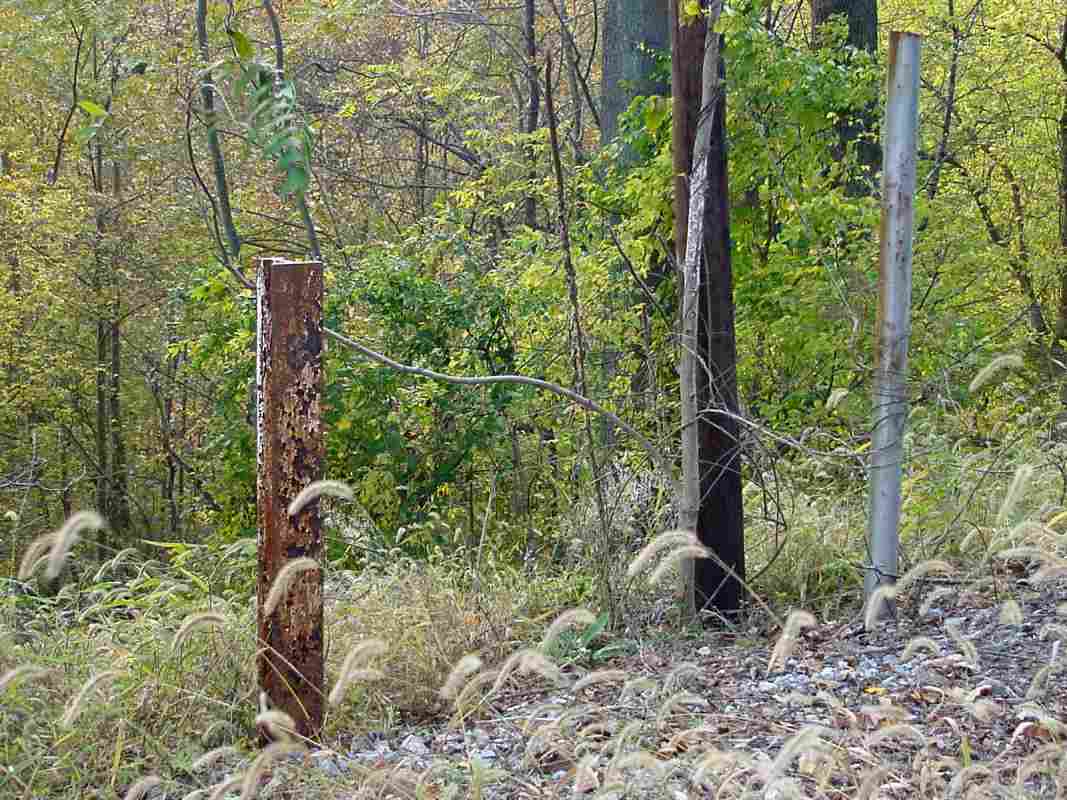
The faded digits of an old "mile marker on a rail" claim we're 10 miles from somewhere in Baltimore (Camden Station, I believe). The further west you go on the OML, the more likely you'll find an old marker like this near a modern milepost.


autumn

Autumn
Mile: 10.1 Date: Oct 1999
Ease: B View: NW
Area: A IC2: 19
Map: Ba 41 B 8, Ho 17 C 1 Topographic Maps

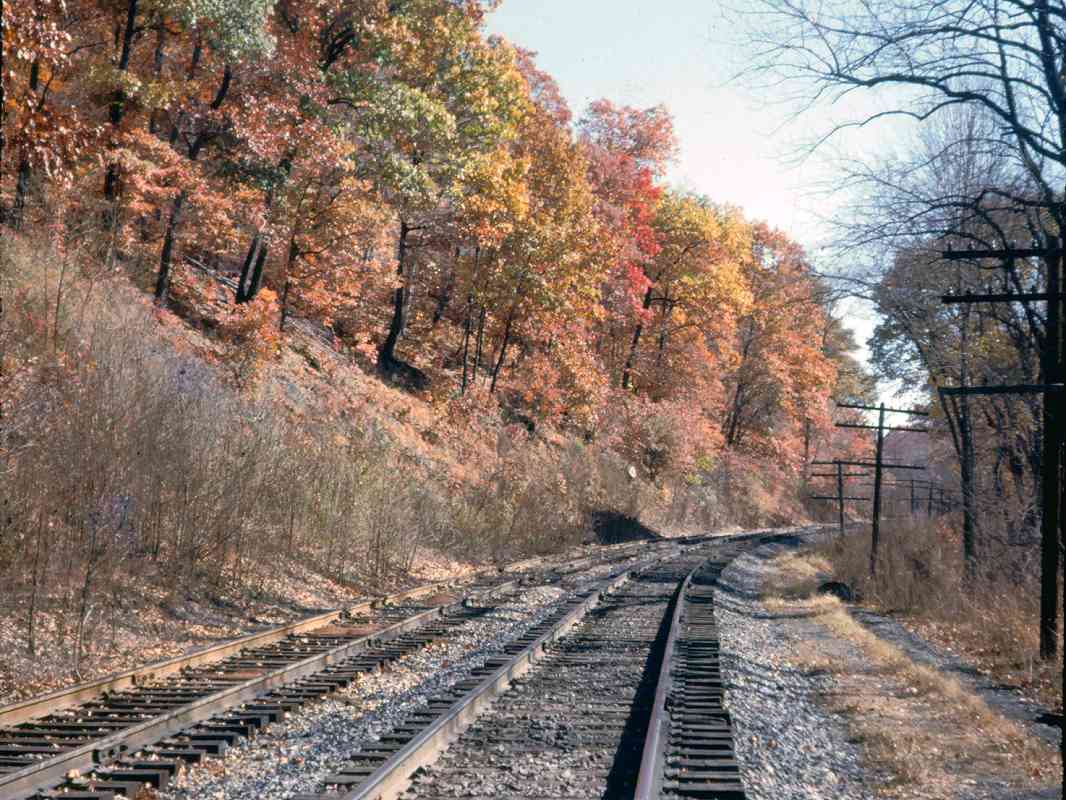
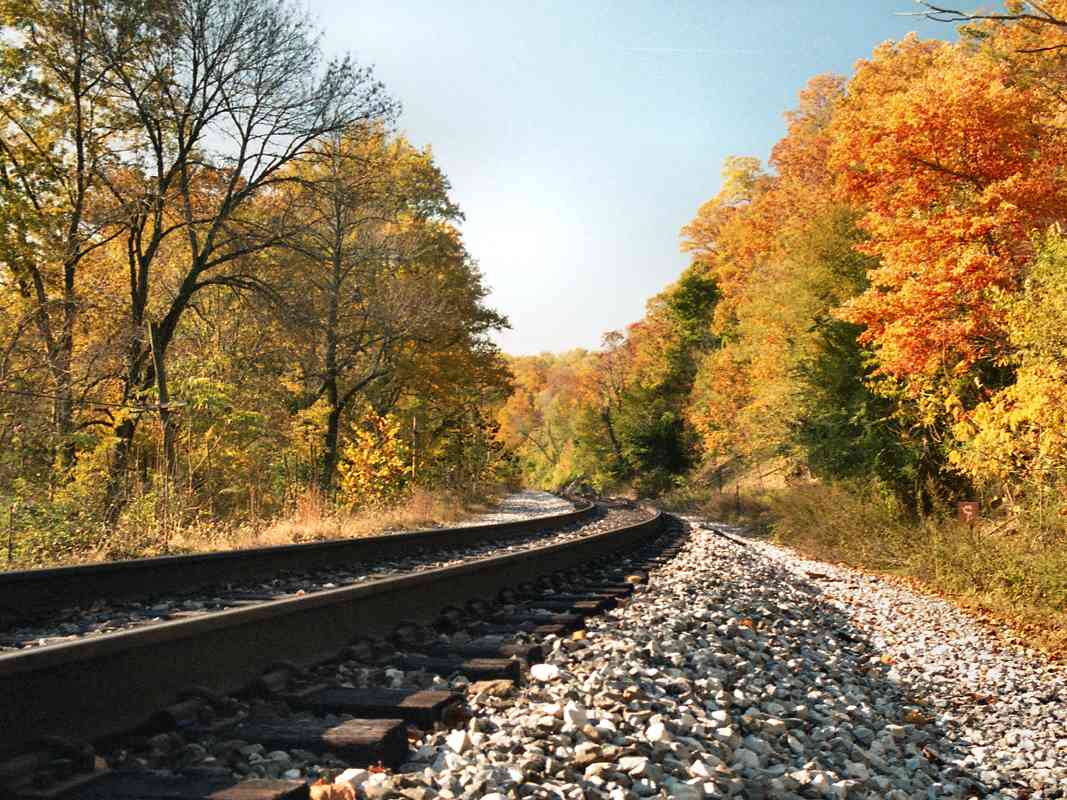
I waited about an hour to add a train to this beautiful autumn scene, but the daylight was starting to fade so I had to settle for the tiny streak of a plane's contrail.


Stringer Wall
Photo courtesy Steve Schuler

Stringer Wall
Mile: 10.1 Date: Dec 2001?
Ease: B View: NE
Area: A IC2:
Map: Ba 41 B 8 Topographic Maps

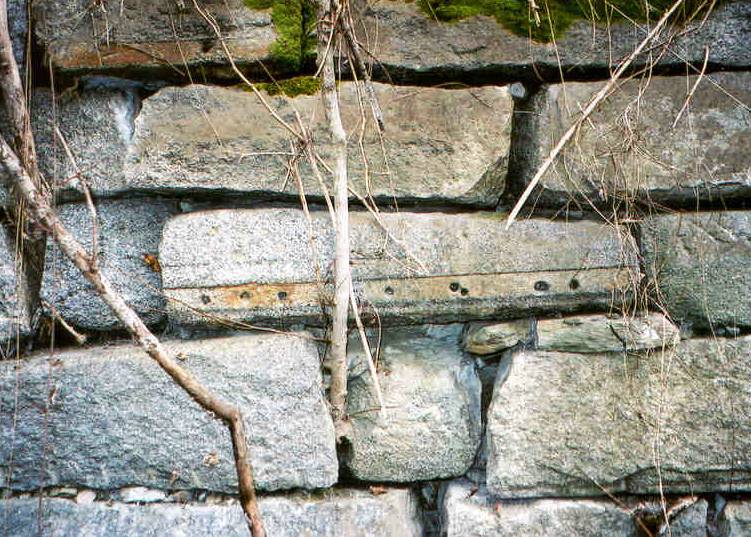
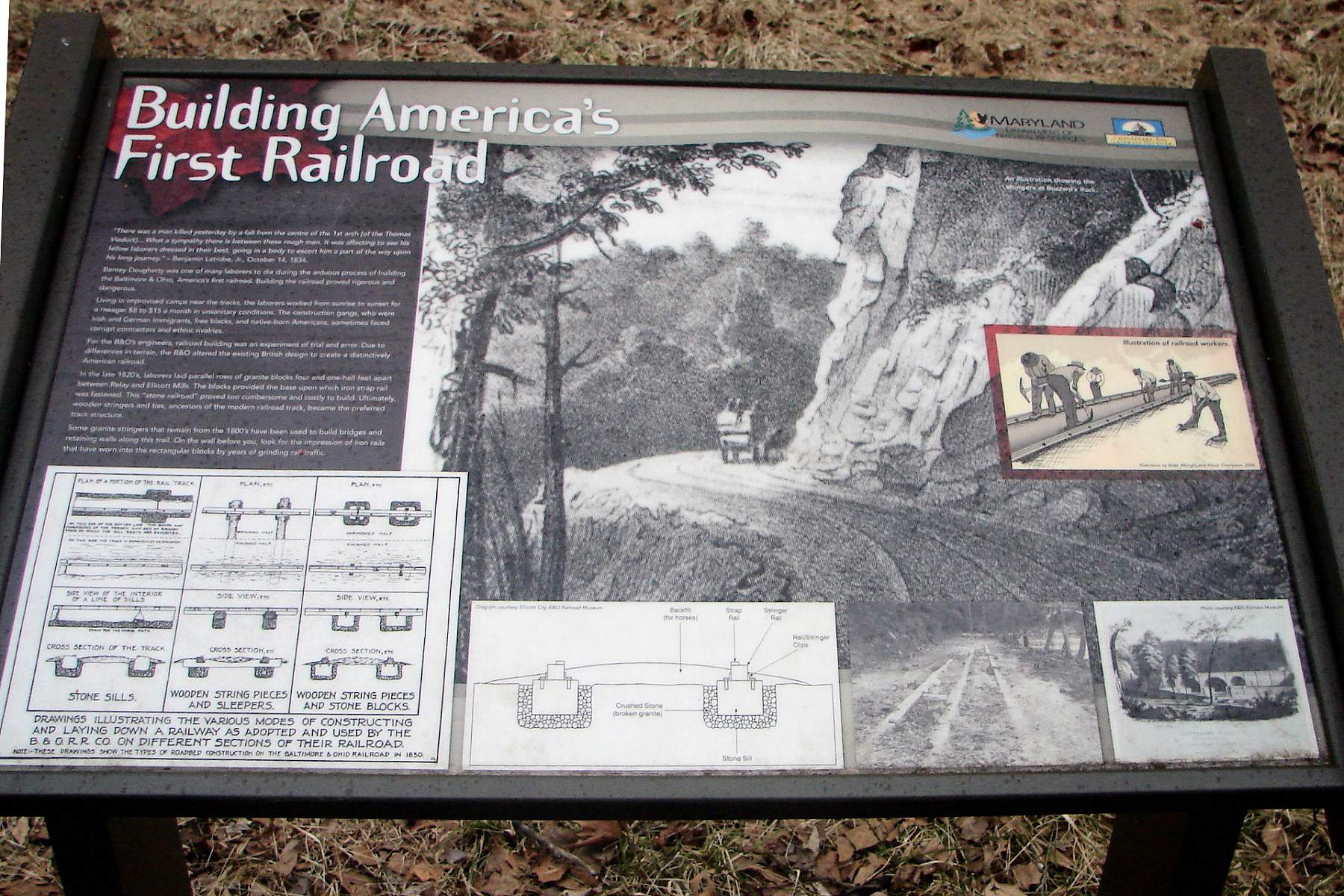
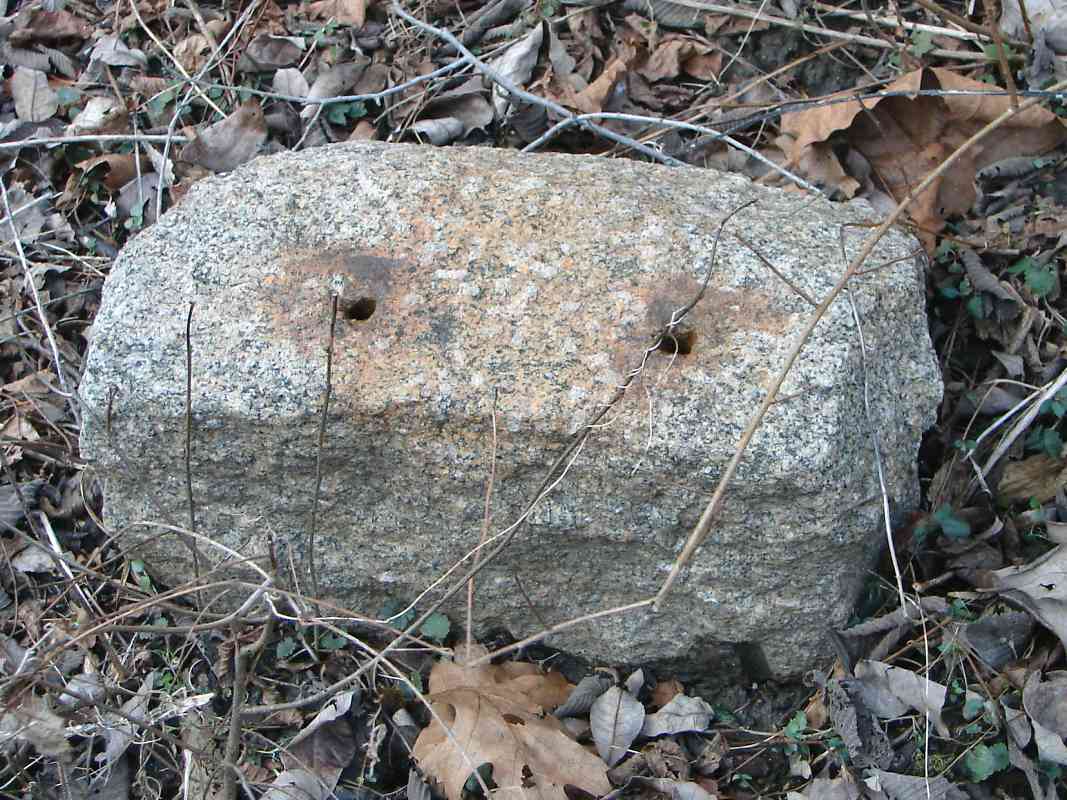
Several people have told me there is a retaining wall west of bridge 12 that is constructed at least partially of stone stringers (disused parts of the original track bed). Reader Steve Schuler kindly contributed the picture included here.


Buzzard's Rock

Buzzard's Rock
Mile: 10.2 Date: Nov 1999
Ease: C+ View: SE
Area: A IC2: 279
Map: Ba 41 A 8 Topographic Maps

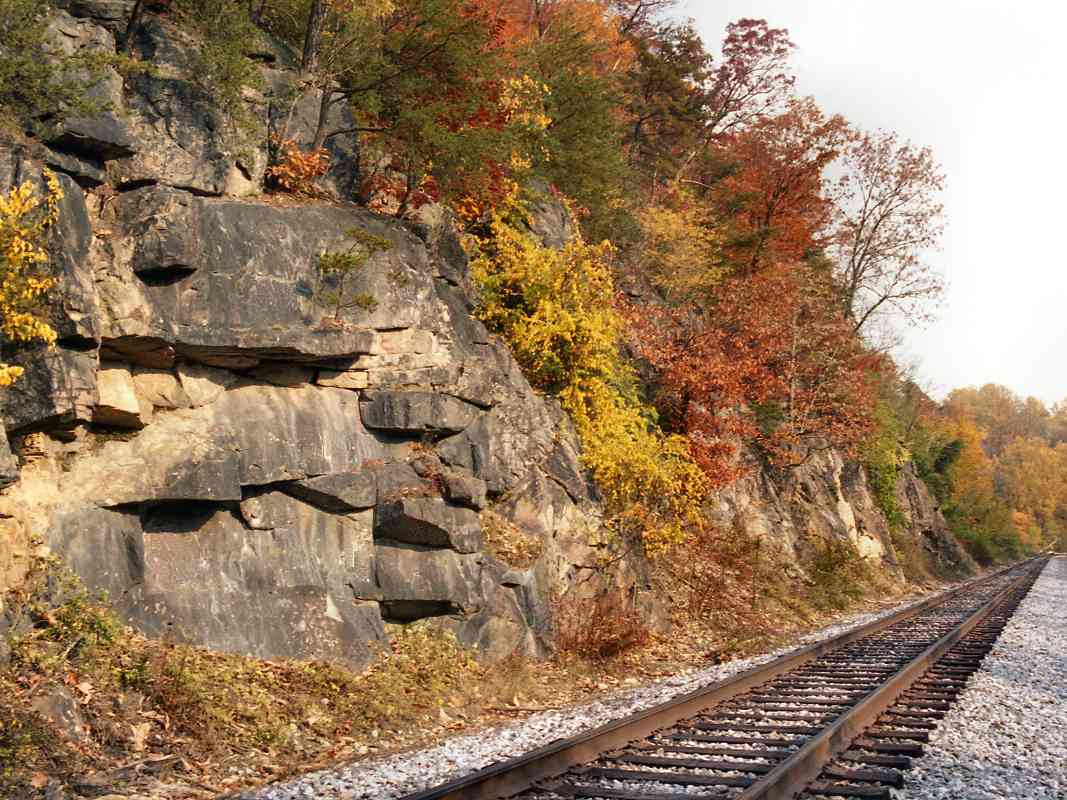
Buzzard's Rock may not look formidable today, but it was a substantial obstacle when all you had was a pickaxe and hammer. This picture hides the size of the rock face, which extends over 100 feet up. Even now, the high cliff above is a favorite place of scavenging birds. You can also see Buzzard's Rock by looking upstream while crossing the Swinging Bridge.


Washout
Photo courtesy JD Hiteshew

Washout
Mile: 10.2 Date: Apr 1973
Ease: C+ View: NW
Area: A IC2:
Map: Ba 41 A 8 Topographic Maps

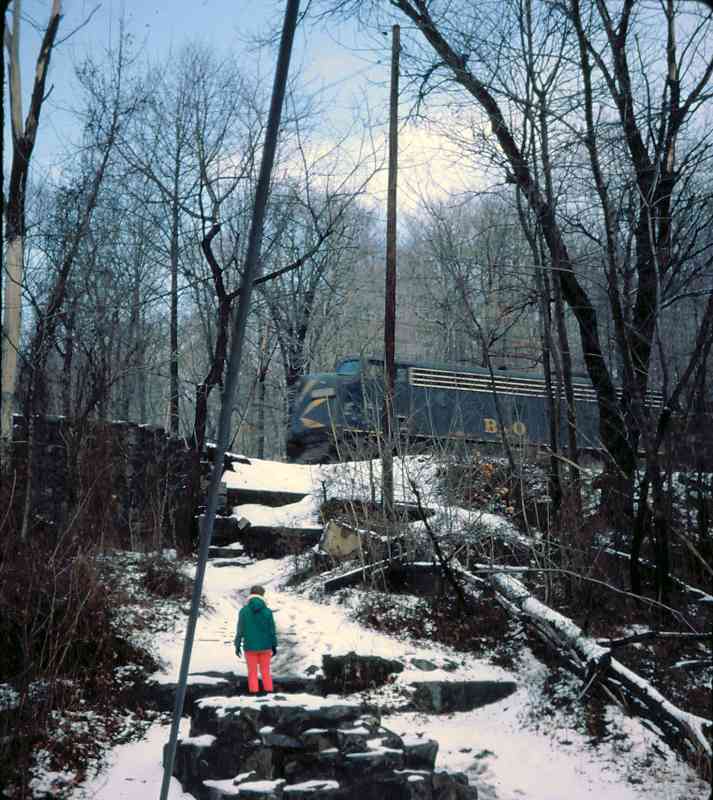
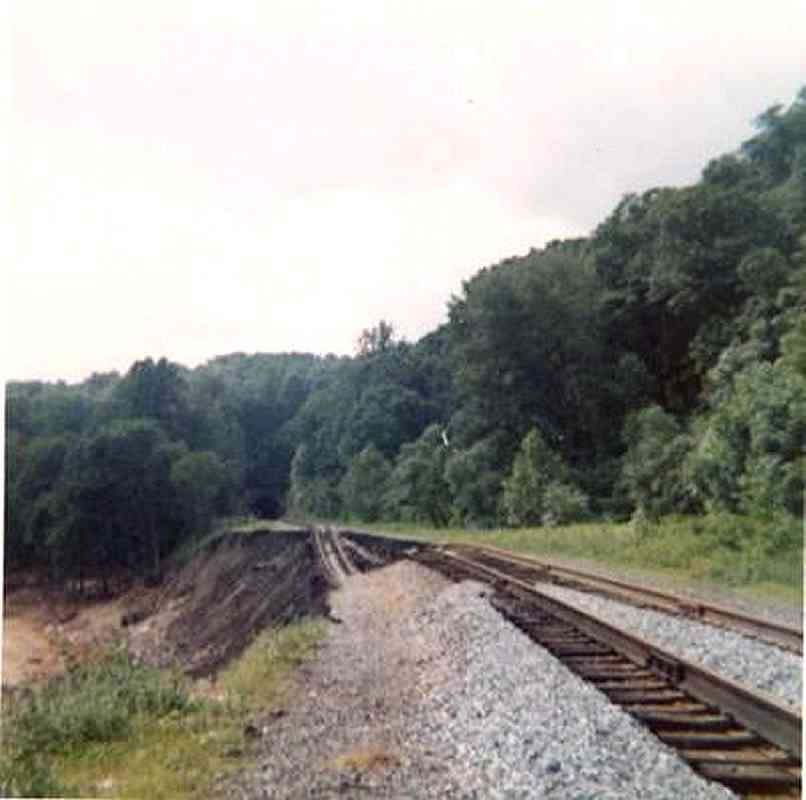
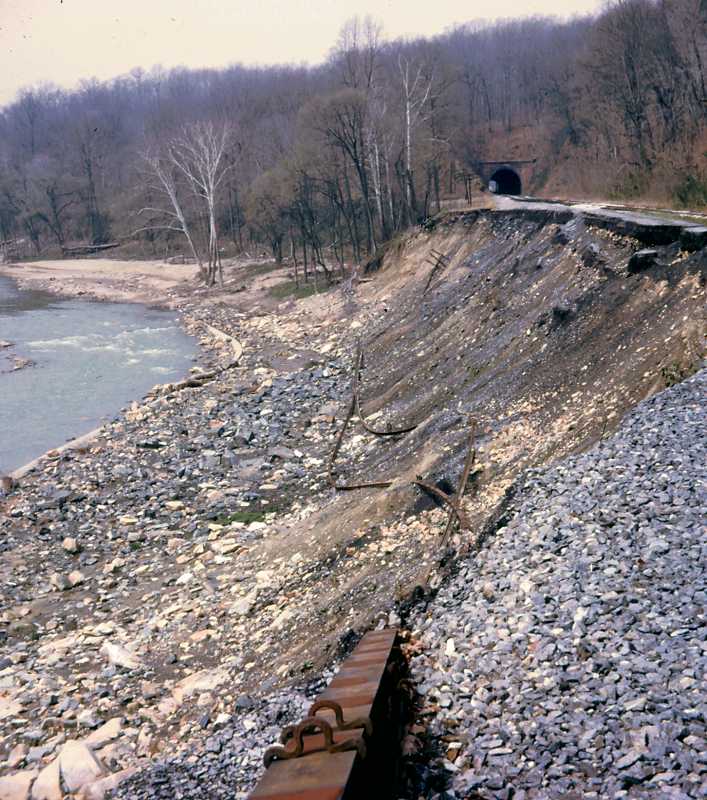
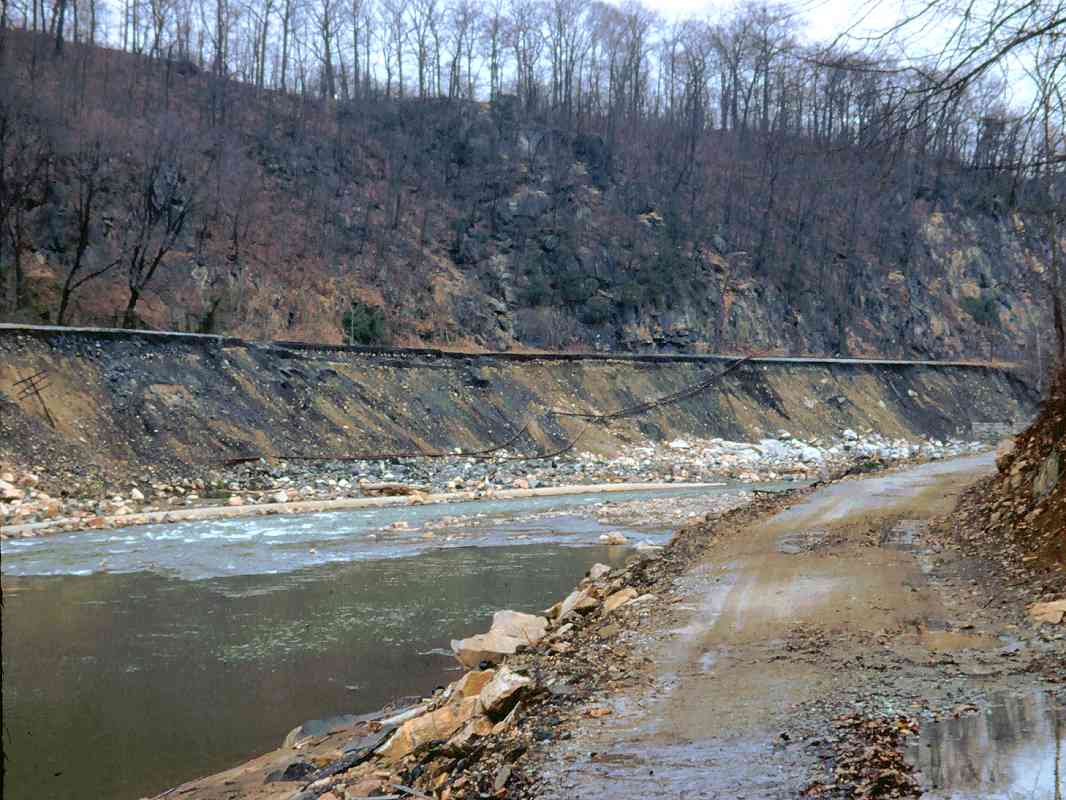
By the time of this photo in 1973, the floods from Agnes had long ago subsided but the scars remained obvious. As seen at right, the B&O laid temporary tracks to skirt around washouts like this one. The OML east of Mt. Airy stood on the brink of abandonment, and would not see regular train service return until April 1974. In the distance is Ilchester Tunnel.


Ilchester Tunnel E

Ilchester Tunnel E
Mile: 10.3 Date: Nov 1999
Ease: C View: NW
Area: A IC2: 204
Map: Ba 41 A 7 Topographic Maps

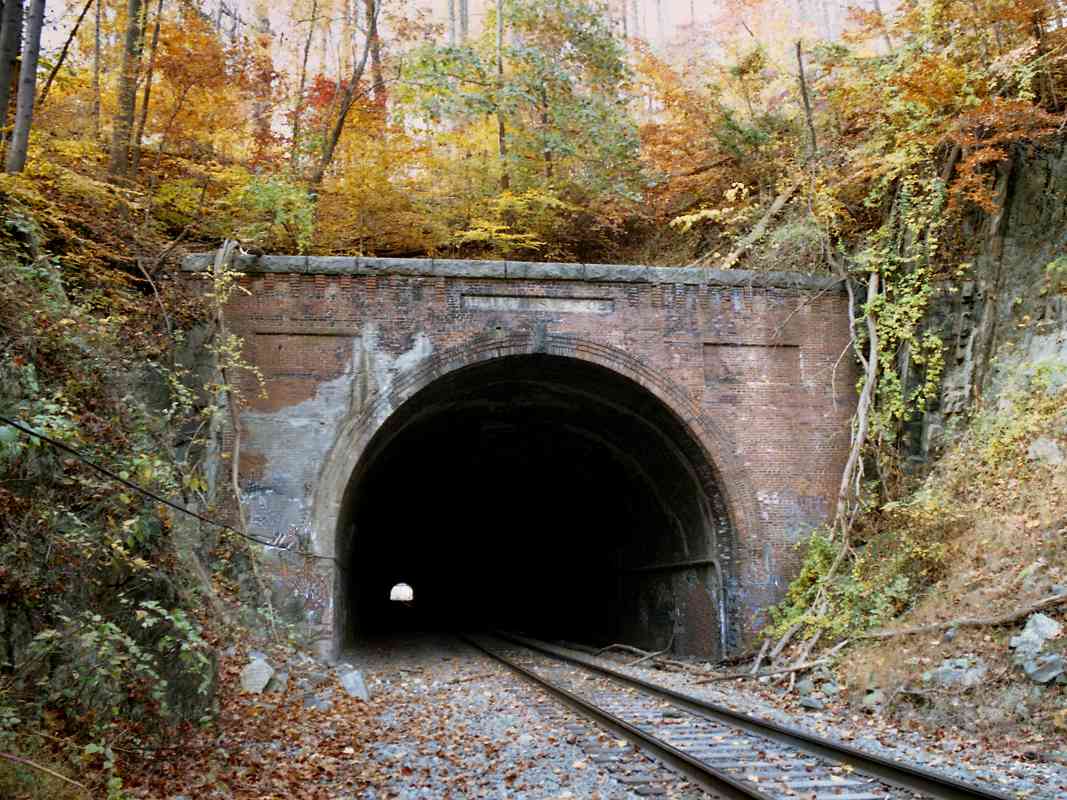
The first tunnel west of Baltimore is found here at Ilchester. The tunnel was built in 1902-3 to bypass a speed-limiting sharp curve, one of many that plague the OML. At slightly over 1400 feet in length, Ilchester Tunnel is the second longest on the OML east of Harper's Ferry. Trackage through the tunnel was reduced from double to single in the 1960s, perhaps to accommodate the height of trains hauling auto racks.


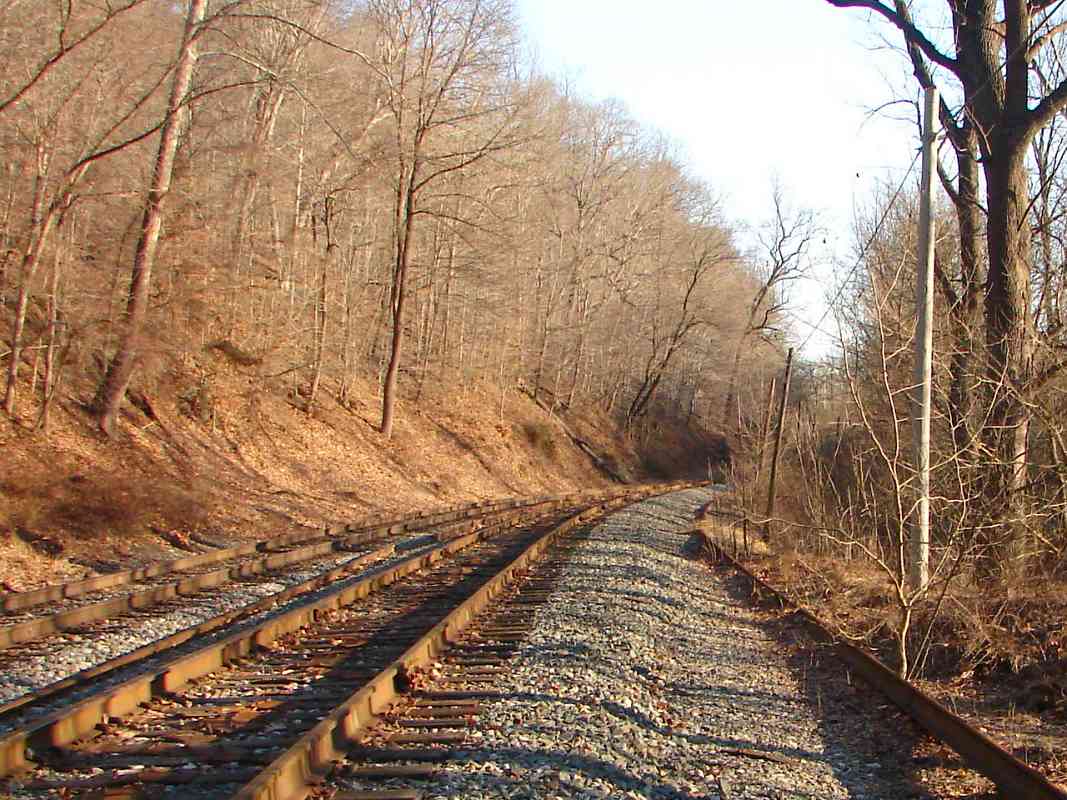
Follow along the disused original route around the hill

Or, skip and continue to the next page in the OML tour

Or, return to main page


Copyright Notice
Visit the TrainWeb.org Fan Page on Facebook!
Create your own free Rail Blog or Website!

Advertise | About Us | Contact Us | Sign up for our Newsletter | TrainWeb.com