




|
|
|
|
|
|
|
4/27/23 |
|
|
|
|
|
|
|
|
|
|
|
|
|
|
|
|
|
|
|
|
|
|
|
(Last letter added 11/17/10) |
|
|
|
|
|
|
|
|
|
|
|
manuals, restoration
tips.
|
|
|
Photos by other
wigwag fans...
|
|
|
|
|
|
Wigwag photos taken
"back in the day".
|
|
|
Display your wigwag
here.
|
|
|
Remnants still surviving
|
|
|
Front page archives
|
|
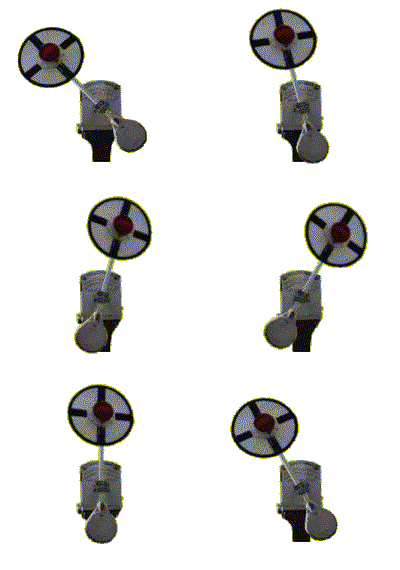
Wigwag crossing
signals were built by at least three different manufacturers.
The Magnetic Signal Company, Western Railroad Supply,
and Union Switch and Signal. On the West Coast, the Magnetic
Signal Company's "Magetic Flagman" was most commonly
used. In the Midwest and parts of the East, Western Railroad
Supply's "Autoflag" prevailed. The Union Switch and Signal
"DW Automatic Flagman" was used by a few roads on the East Coast,
but was pretty rare. Most wigwags were installed from the mid
1910's through the 1940's. By then, most states outlawed further
installations. The pages ahead are meant to display photos of existing
and recently removed wigwag signals and their locations.
|
Copyright 2026